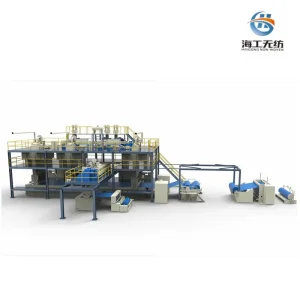
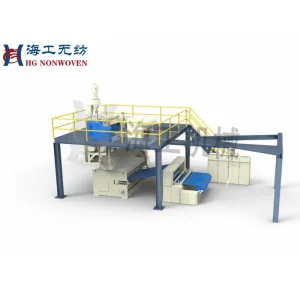
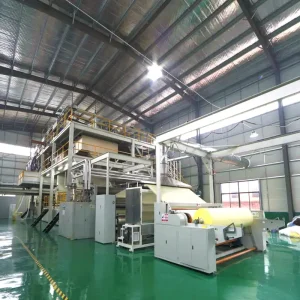
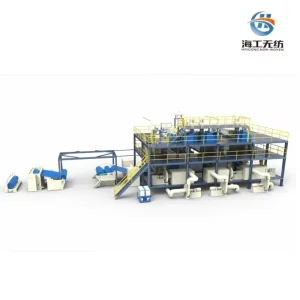
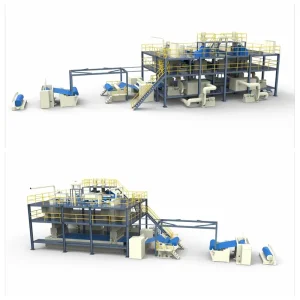
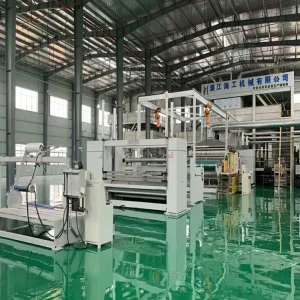
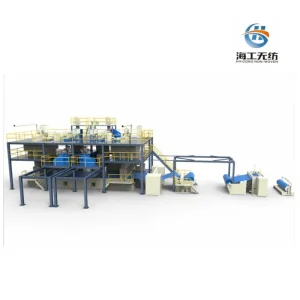
Explore our high-performance nonwoven engineering catalog, designed for premium quality output and sustainable operations.
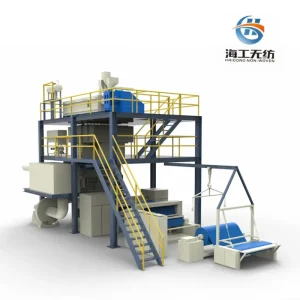
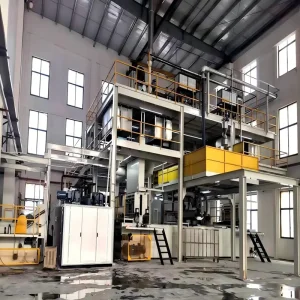
A trusted global engineering partner specializing in industrial nonwoven production machinery.
HG Nonwoven Machinery is a professional manufacturer of spunbond, meltblown, and composite nonwoven fabric machine lines, dedicated to providing high-efficiency and innovative spunbond nonwoven fabric production solutions to the global market. Our company introduced advanced design concepts, specifically the 5th Generation Spunbond Spinning Technology, from overseas and integrated them with autonomous enhancements tailored to the specific dynamics of the market.
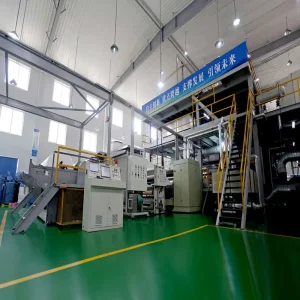
Pujiang HG Nonwoven Machinery has been a well-known nonwoven fabric making machine manufacturer since 2014, specializing in manufacturing PP spunbond and meltblown nonwoven fabric making machines with complete turnkey engineering services. Our nonwoven fabric machines focus on producing high-performance, eco-friendly, and biodegradable spunbonded nonwoven fabrics. As a result, HG nonwoven fabric making machines are characterized by convenient operation, small footprint, low power consumption, high efficiency, and low overall production costs.
Our corporate philosophy regards "high quality, good service" as our main tenet. By choosing us, you gain a reliable partner committed to helping you stand out in a highly competitive global market. We guide you from basic asset allocation to active, high-volume production, ensuring that your output is both economical and sustainable.
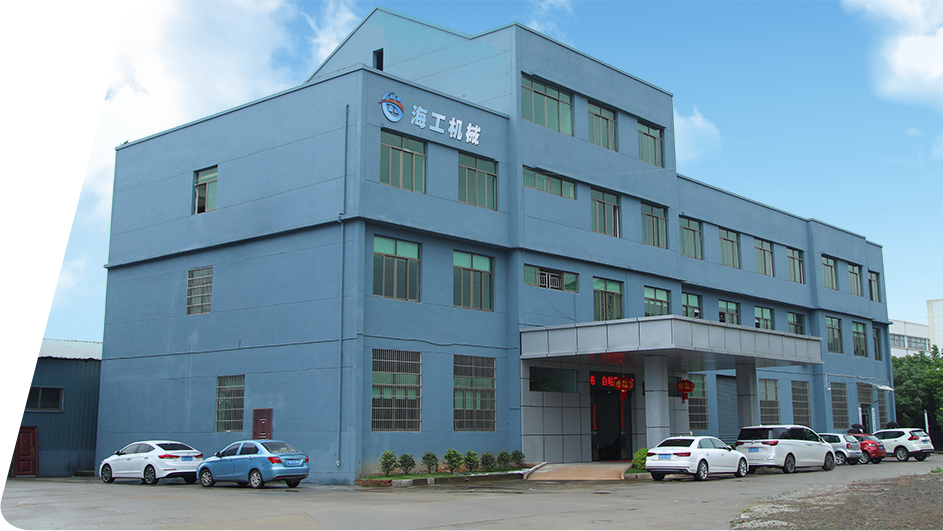
Delivering turn-key solutions with engineering precision and lifetime operational safety.
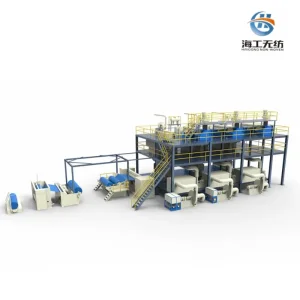
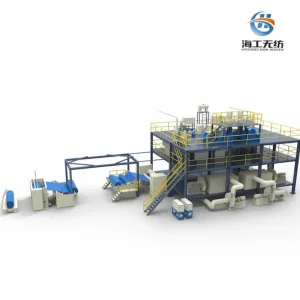
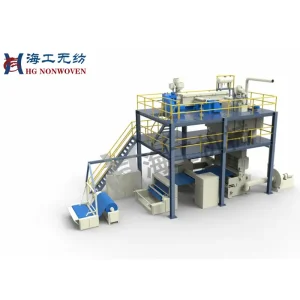
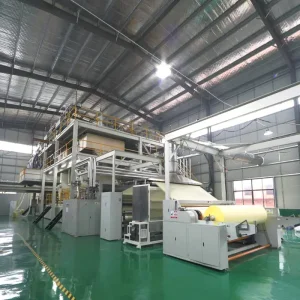
Our comprehensive machine systems are meticulously engineered to minimize energy consumption while maximizing output uniformity. Whether you require standard single beam Spunbond (S) units, or highly sophisticated multi-beam Composite Lines (SMMSS / SSMMS), HG Nonwoven Machinery integrates state-of-the-art slot drawing systems, automated material feeding, and high-precision calendering technology.
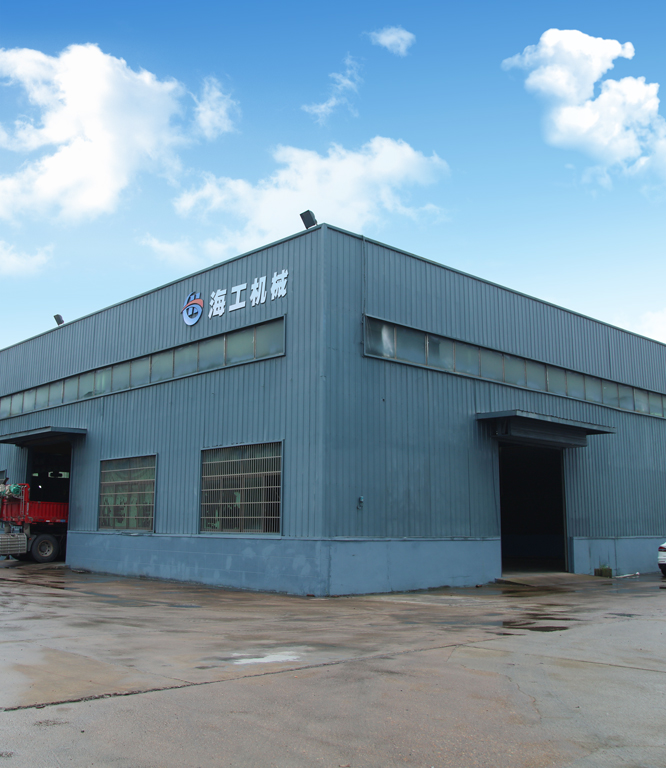
From initial design to continuous line optimization, our expertise guarantees robust operations.
Our machines are meticulously designed and incorporate the latest technology to ensure maximum production efficiency with minimal energy consumption. We offer customized solutions to ensure our machine lines align perfectly with your unique physical space and target applications.
With our rich experience in the global nonwoven fabric industry, we provide comprehensive local market analysis and feasibility assessments, helping you compute exact raw material input costs, labor projections, utility needs, and expected payback periods (ROI).
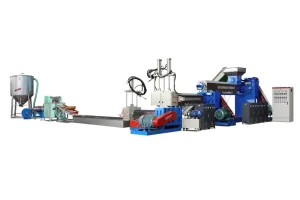
Beyond PP spunbond and meltblown extrusion lines, we deliver a full suite of ancillary equipment. This includes nonwoven offline recycling machines, high-speed slitting machines, flexo printing units, advanced nonwoven lamination machinery, and automated shopping bag makers.
Following setup, we host rigorous on-site training to ensure your operational crew can safely run the equipment. We stand behind our machines with an extensive 24-month warranty support period. Whether through rapid on-site dispatch or secure digital diagnostics, we minimize downtime and keep your line running smoothly.
Our top-selling machinery combinations, configured for target market sectors.
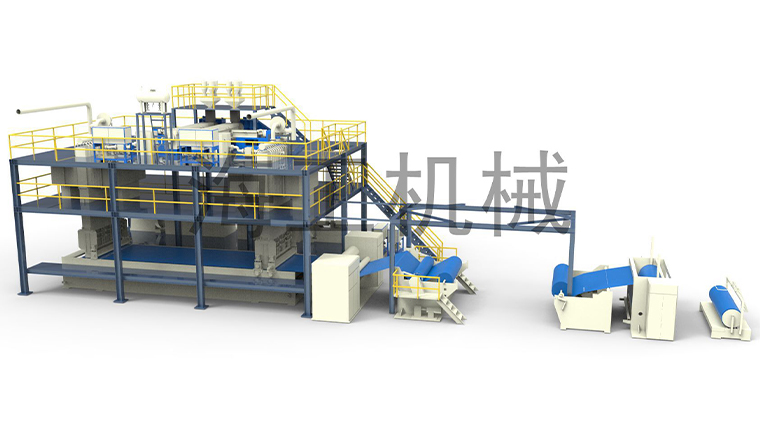
Optimized for packaging nonwoven bags, furniture use, agricultural crop covers, and general protective industrial items.
View More →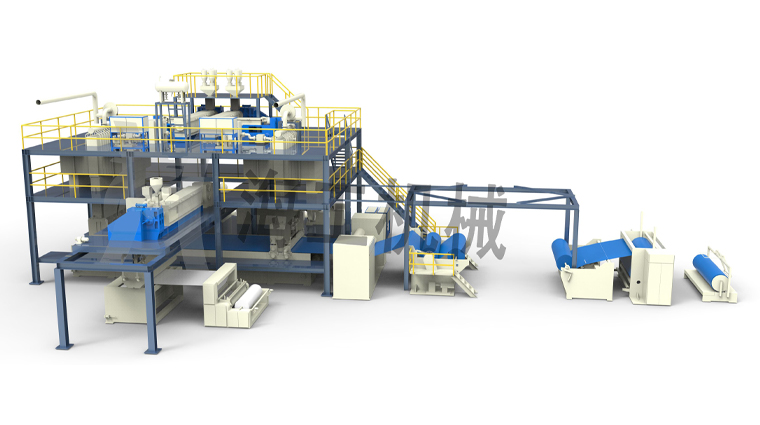
High barrier composite configurations. Specially designed for hygienic care items and medical protective materials.
View More →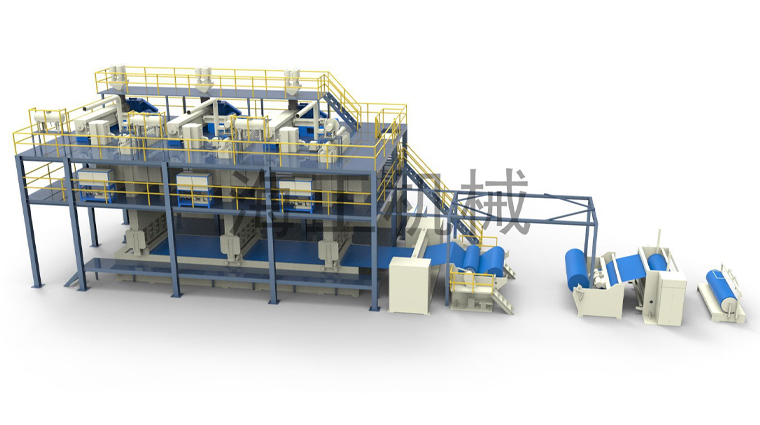
Incorporates 4 structural layers of fabric to deliver outstandingly high filtration efficiency compared to basic SMS fabric.
View More →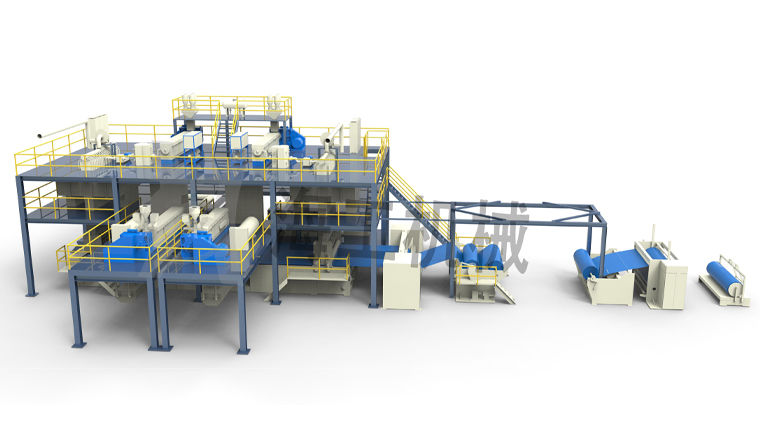
Premium SSMMS system. Ensures excellent barrier performance, extreme softness, and comfort for medical garments.
View More →With our deep expertise across hygiene, medical, packaging, and agriculture sectors, we guide you to select the optimal line.

Non-woven fabric is essential in the hygiene sector, offering breathability, softness, and excellent fluid management for comfort and protection. It quickly absorbs liquid and keeps it away from the skin, making it ideal for paper diapers, incontinence pads, and feminine hygiene products.
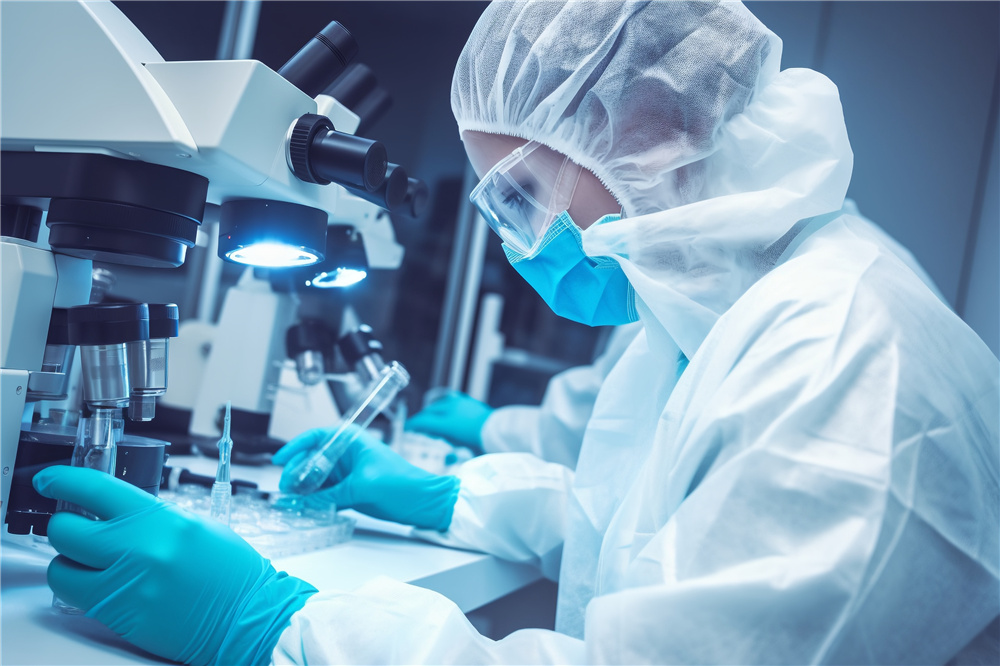
Nonwovens fabrics are extensively used in the medical field and in protection against biological agents in other sectors. They deliver critical safety properties, such as prevention against infections and diseases. They are essential for making face masks, surgical gowns, bed sheets, and surgical towels, ensuring effective filtration, protection, and comfort.
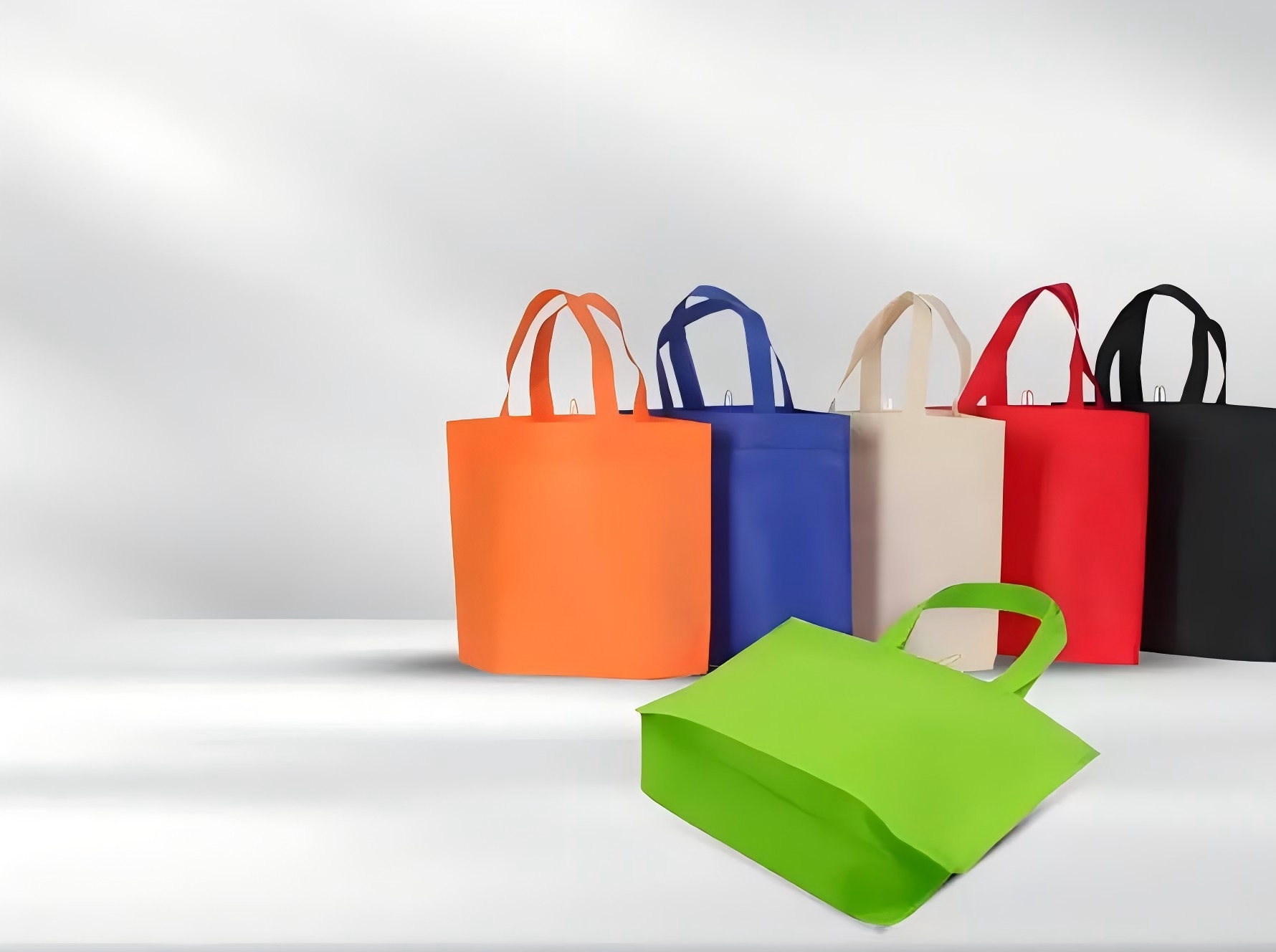
Nonwoven fabric is ideal for a variety of packaging end-uses, as their exceptional lightweight, their energy-efficient production, shipping and storage, and their long life and robustness allow for two important features: volume reduction and re-usability. It widely used for shopping bags, fruit bags, garment bags, rice bags, pocket springs, garment interlining, as well as packaging for pharmaceuticals and cosmetics, among other applications. Its versatility and long lifespan contribute to its popularity in various industries.
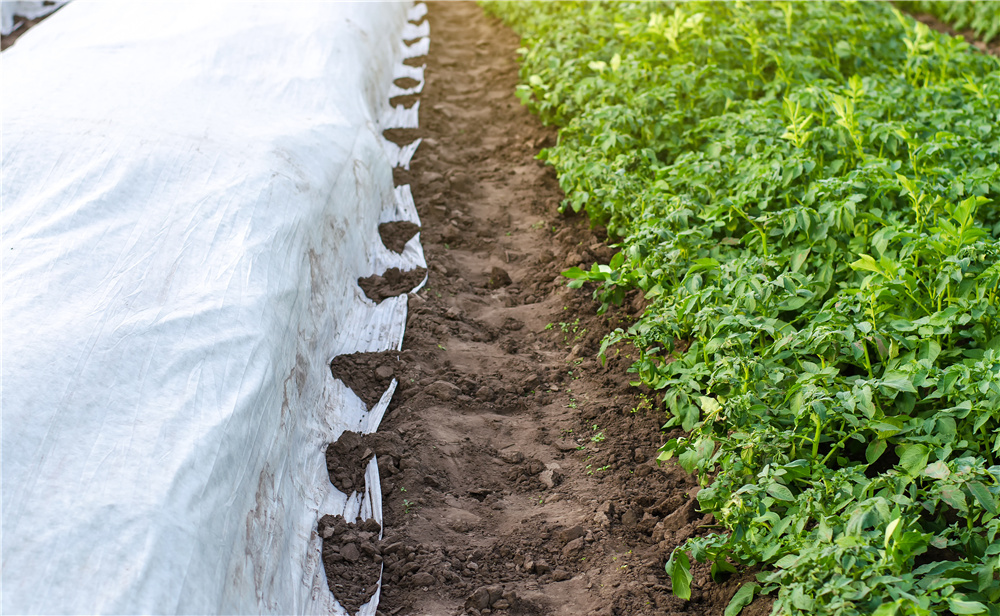
Agriculture Non Woven Fabric allow air and water to pass through while providing wind and cold protection by generating a microclimate around the crop. Furthermore, because nonwoven works as a physical protection media, it can assist prevent damage to crops, vegetables, and seeds from insects and birds. Nonwoven materials can assist regulate heat, UV blocker agriculture, while also providing superior air and water permeability. These materials are light weight, portable, and may be tailored to match specific needs and provide specific services.
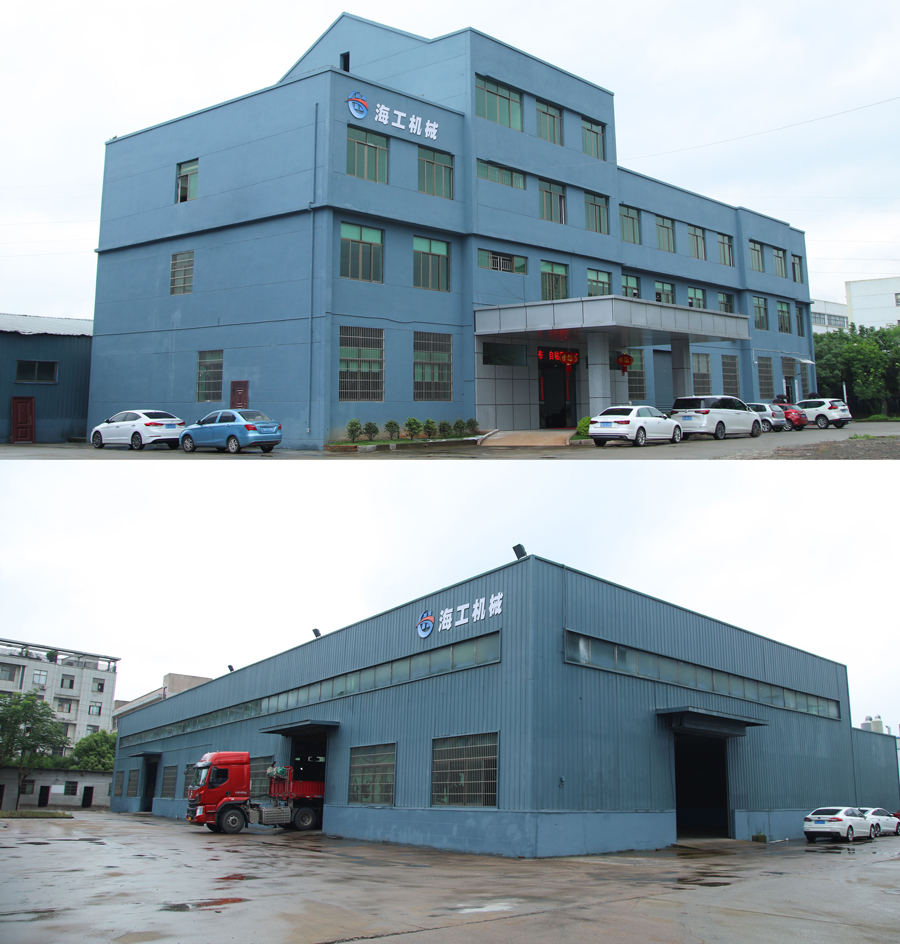
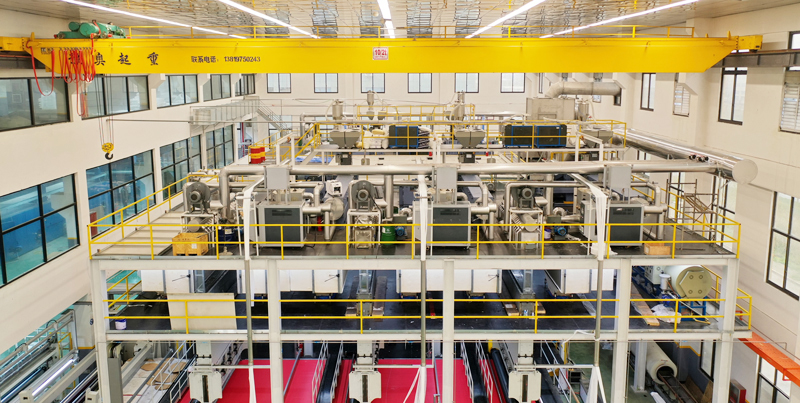
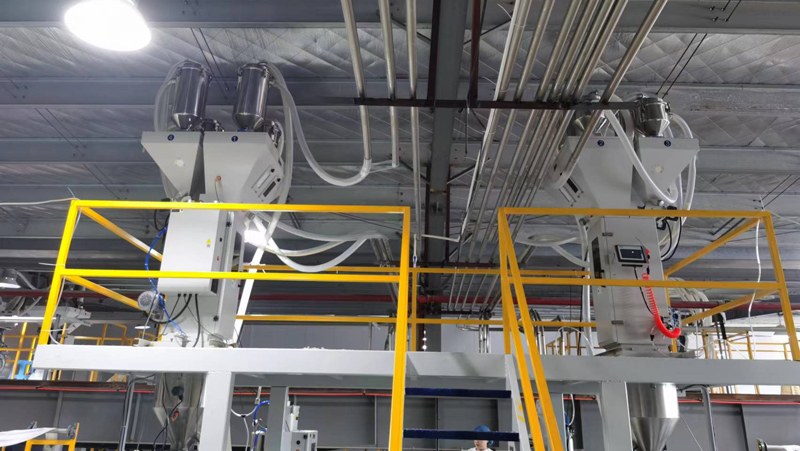
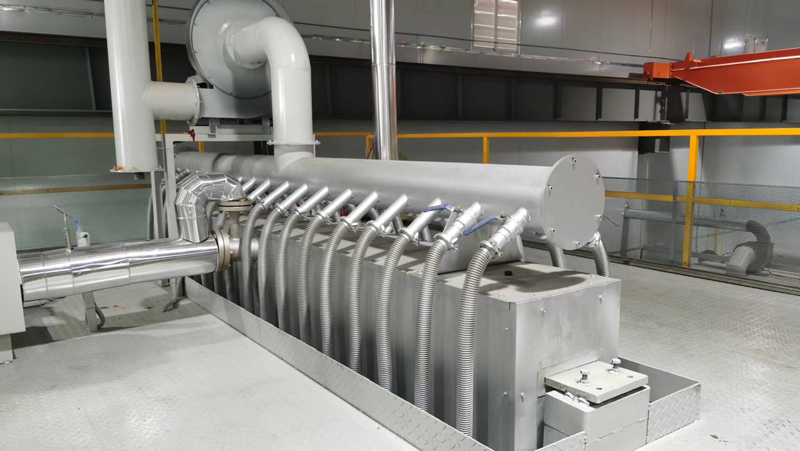
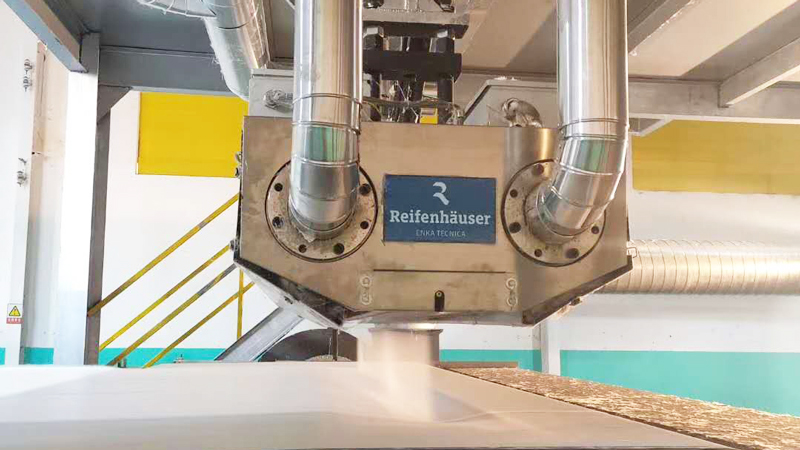
In the modern polymer-processing landscape, the production of multi-layer composite structures has set a new paradigm for medical barrier and hygienic performance. The term SMS (Spunbond-Meltblown-Spunbond) refers to a continuous inline integration where the high tensile strength of polypropylene spunbond fibers is combined with the high-surface-area filtration properties of meltblown microfibers. Selecting the correct extrusion and web-forming systems remains a critical challenge for global manufacturers.
The core physics of HG Nonwoven Machinery's 5th Generation system rests on precise polymer rheology control. During Spunbond extrusion, raw Polypropylene chips (with a controlled Melt Flow Rate or MFR of 25 to 40 g/10min) are extruded, metered, and pushed through spinning holes. The resulting filaments are drawn down via a slot-attenuator using high-velocity air, aligning the polymer chains to achieve high tensile strength.
Concurrently, the Meltblown beam processes higher MFR polypropylene (typically 800 to 1500 MFR) at elevated temperatures. High-velocity hot air is directed onto the extruded streams, immediately stretching the polymer into microfibers measuring between 1 to 5 microns in diameter. These microfibers are deposited onto the moving web, creating an intricate pore structure.
Procuring machinery from China offers significant strategic advantages. China’s nonwoven machinery sector has established a complete, integrated industrial ecosystem. Our production facility utilizes localized high-grade structural steels, localized precision machining centers, and an established supply chain for electrical components (Siemens, ABB, Omron) and hydraulic drives. This localization translates into three core procurement benefits:
Entering international markets requires adherence to local directives. We align our manufacturing practices with European Conformity (CE) certificates, ISO9001 quality management guidelines, and OSHA safety regulations. Our compliance process addresses:
Physical Layout and Safety Architecture: Electrical cabinets, emergency stops, safety locks, and mechanical guards are designed to comply with local safety protocols. Double-insulated cabling and explosion-proof motors are utilized in high-temperature zones.
Turnkey Local Commissioning: When a new SMS or SSMMS line is shipped, HG dispatches a specialized team of structural, mechanical, electrical, and process engineers to supervise the erection, alignment, wiring, and start-up phases at the client's plant.
Digital Support & Remote Access: High-bandwidth PLC modems allow HG technicians to log into customer lines remotely. This enables real-time troubleshooting of temperature fluctuations, tension mismatches, or speed synchronization errors.
When global buyers evaluate nonwoven lines, they look closely at operational metrics like energy consumption per ton of finished fabric. Traditional older lines consume between 1000 and 1200 kWh per ton of output. The HG 5th Generation Spunbond spinning system uses a fully enclosed slot-drawing channel, utilizing high-pressure air recirculation to reduce power requirements. This design reduces energy consumption to approximately 700 to 800 kWh per ton of nonwoven fabric.
As environmental concerns grow, the nonwoven industry is shifting toward bio-based polymers like Polylactic Acid (PLA) and Polyhydroxyalkanoates (PHA). These materials require precise temperature control due to their narrow processing windows and sensitivity to moisture. Our latest lines feature upgraded extruder heating zones and drying systems designed to process both standard PP and biodegradable PLA/PHA polymers.
Additionally, Industry 4.0 integration has become standard. Modern lines feature automated weight-per-square-meter measuring sensors (beta gauges), real-time fiber distribution analysis, and dynamic winding tension systems. This helps ensure consistent product quality, reducing scrap and improving operational efficiency.
Expert answers to common technical, commercial, and operational questions regarding HG SMS and Composite Nonwoven Machine Lines.
Explore our specialized equipment for composite production, finishing, and waste recycling.
 HG NONWOVEN