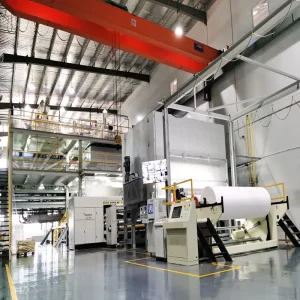
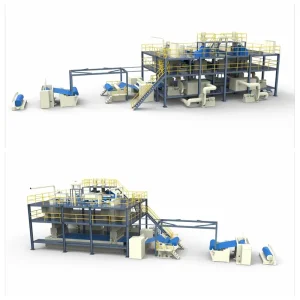
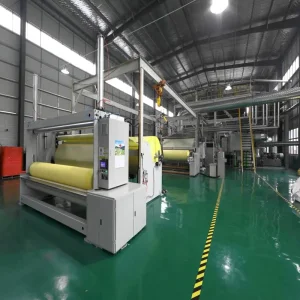
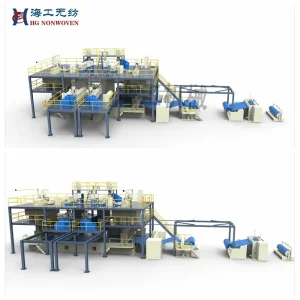
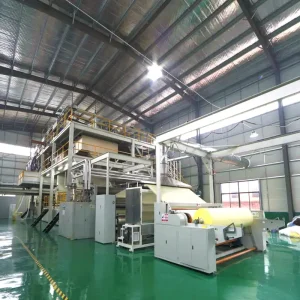
Explore our premium selection of nonwoven production machinery, engineered to deliver exceptional uniformity, high output, and optimized operational costs.
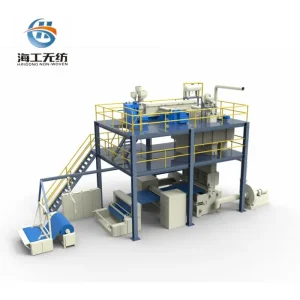
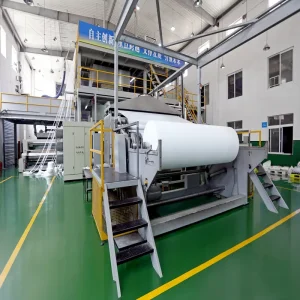
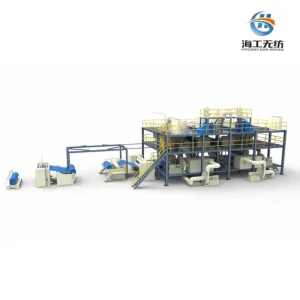
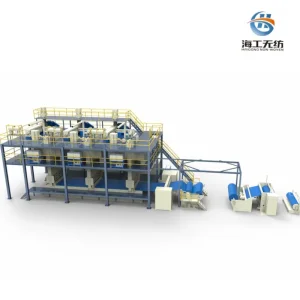
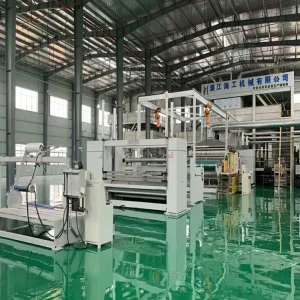
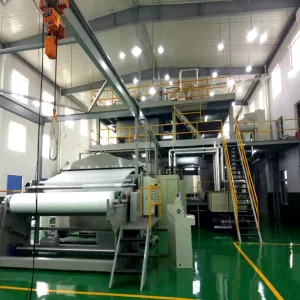
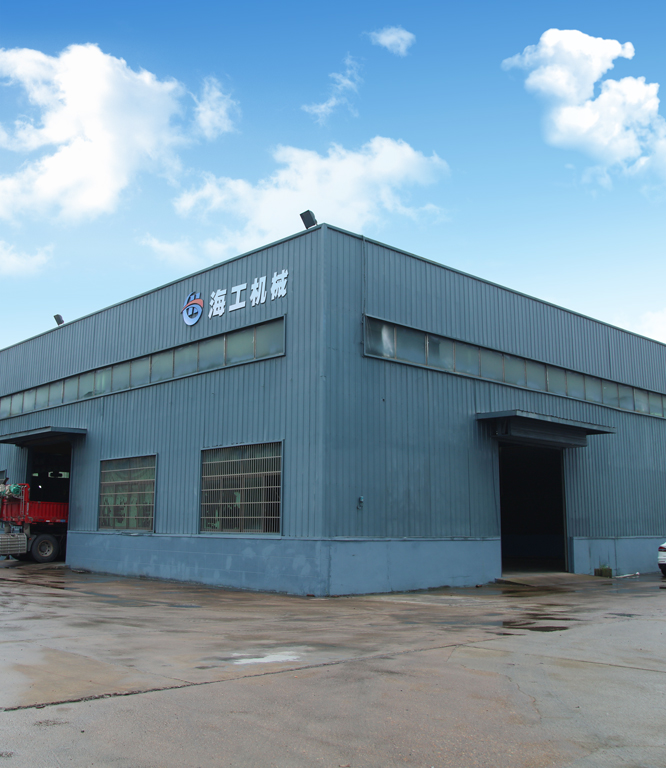
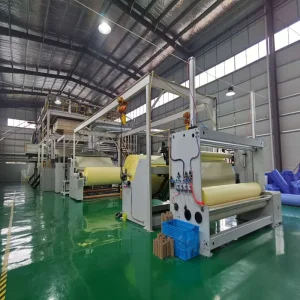
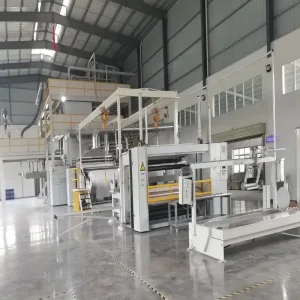
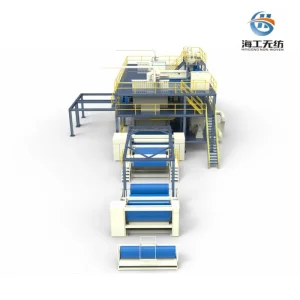
HG Nonwoven Machinery stands as a premier designer and manufacturer of high-performance spunbond, meltblown, and composite nonwoven fabric machine lines. Headquartered in Pujiang, China, we are dedicated to providing state-of-the-art turn-key production lines to the global market. Our design concepts are derived from the advanced 5th Generation spunbond spinning technology, seamlessly integrated with regional operational requirements to optimize footprint and reduce energy consumption.
By prioritizing "High Quality, Good Service" as our core corporate tenet, we enable global nonwoven roll goods producers to run highly automated, resource-efficient operations. Through custom engineering, HG Nonwoven Machinery ensures that every extrusion, drafting, and thermal bonding component is fine-tuned to yield competitive fabric weights ranging from 10 to 150 GSM with uniform fiber distribution.
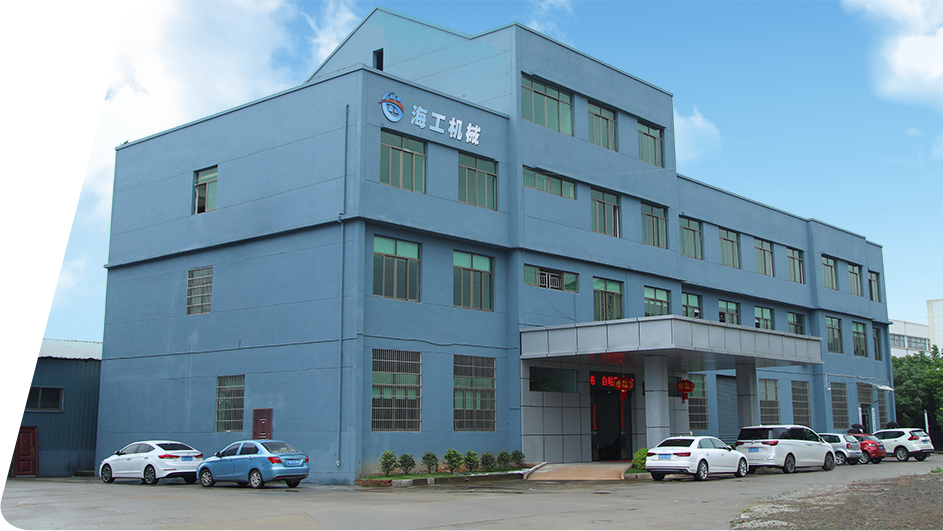
The nonwoven industry is undergoing a structural transition driven by circular economy goals, synthetic fiber reduction mandates, and advanced functional finishes. For roll goods suppliers aiming to produce high-performance industrial fabrics, hygiene nonwovens, and wet tissue substrates, staying ahead of technical curves is critical. HG Nonwoven Machinery has mapped out a progressive development roadmap focusing on three core vectors:
Traditional nonwovens rely heavily on polypropylene (PP). HG is optimizing melt distribution and temperature control profiles to process bio-based polymers like Polylactic Acid (PLA) and polyhydroxyalkanoates (PHA). This supports eco-friendly wet wipe materials and sustainable medical wraps.
Integrating closed-loop controls, real-time scanning systems continuously evaluate web density, weight uniformity (GSM), and defect presence. Data feedback loops automatically adjust quench air temperature and fan speed to maintain exact specification adherence without operator intervention.
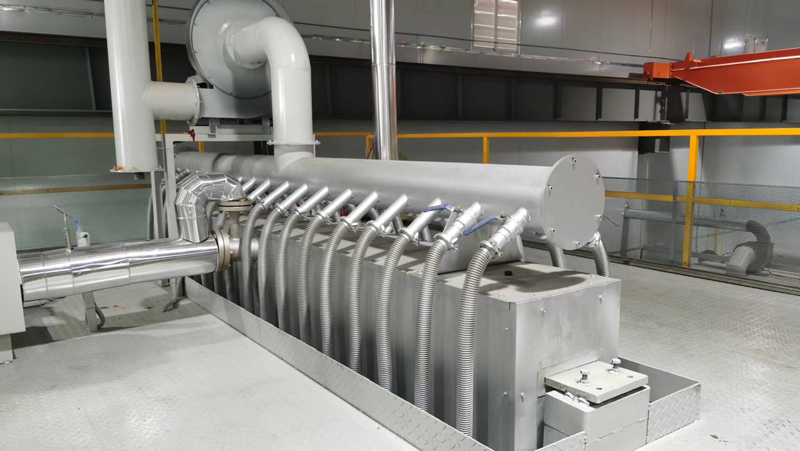
By capturing exhaust heat from polymer extrusion heaters and drafting fans, our new-generation production lines lower electrical requirements. Combined with high-efficiency motors, this system achieves up to a 15% reduction in overall operating costs compared to previous designs.
HG Machinery assists project teams in selecting the right structural configuration depending on market demand. Aligning mechanical properties with target products minimizes waste and guarantees rapid return on investment (ROI).
| Industry Sector | Fabric Structuring | Essential Characteristics |
|---|---|---|
| Hygiene | S, SS, SSS PP Spunbond | Ultra-soft, hydrophobic/hydrophilic properties for diaper top-sheets & back-sheets. |
| Medical | SMS, SMMS, SSMMS | High barrier protection against fluids, bacteria, and airborne biological vectors. |
| Packaging | Single S Spunbond | High tensile strength, abrasion resistance, and color fastness for reusable bags. |
| Agriculture | UV-Stabilized S / SS | Optimized micro-climate creation, water permeability, and light transmission. |
Engineered to optimize throughput, lower operating expenses, and ensure consistent quality, our solutions span the entire project lifecycle.
Setting up a nonwoven production facility requires precise alignment of numerous ancillary machines. HG Nonwoven Machinery coordinates the entire process flow, supplying not only the main spunbond or meltblown line but also the complementary systems essential for post-treatment:
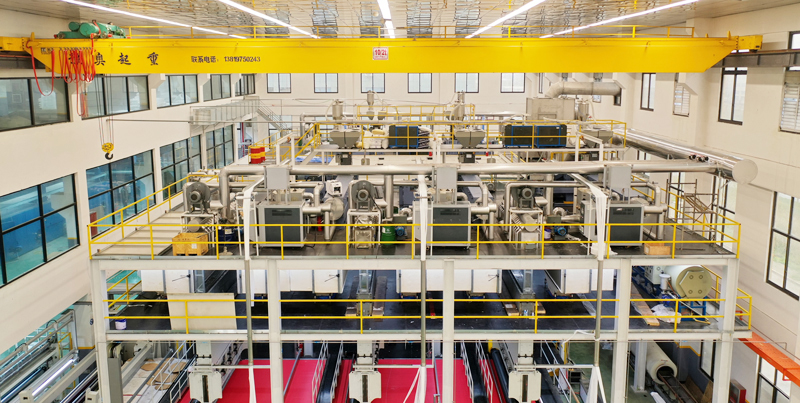
Unlocking the industrial advantages of China's advanced manufacturing clusters to deliver rapid scaling, strict quality control, and robust delivery frameworks.
Our proximity to premium domestic metallurgical and electronics manufacturing hubs allows us to equip our machines with top-tier screw extruders, spinnerets, and pneumatic control valves. This ensures high structural reliability while keeping capital expenditure competitive.
Each production line undergoes extensive pre-delivery factory testing. We assemble and dry-run mechanical segments at our site, checking air distribution uniformity across the quenching chambers and testing thermal roll pressure profiles to eliminate startup risks for the client.
We leverage standardized modular sub-assemblies. This approach allows HG to deliver full-scale industrial lines with significantly shorter lead times than Western peers, helping our clients capture market opportunities more rapidly.
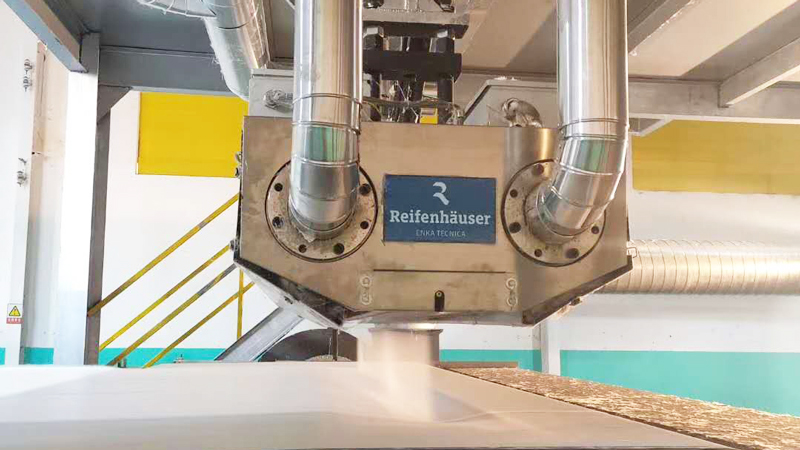
From delicate skin-contact hygiene layers to high-tensile agricultural covers, see how our machinery performs across core sectors.

Provides the breathability, softness, and liquid management needed for diapers, pads, and personal care products.

High-barrier SMS and SSMMS fabrics for face masks, surgical gowns, bed sheets, and sterile towels.
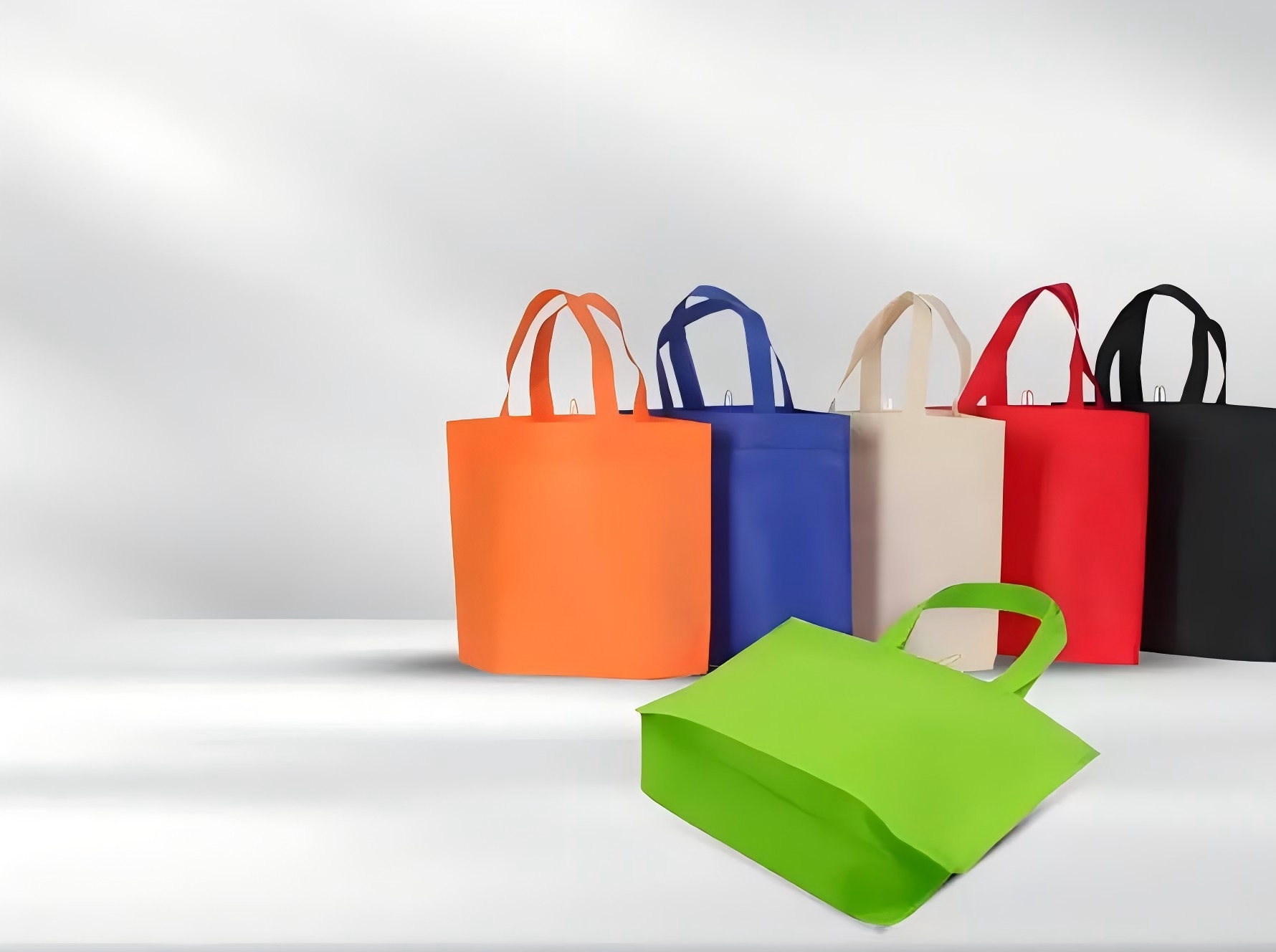
Lightweight, robust, and reusable fabrics suitable for shopping bags, garment covers, and protective wraps.
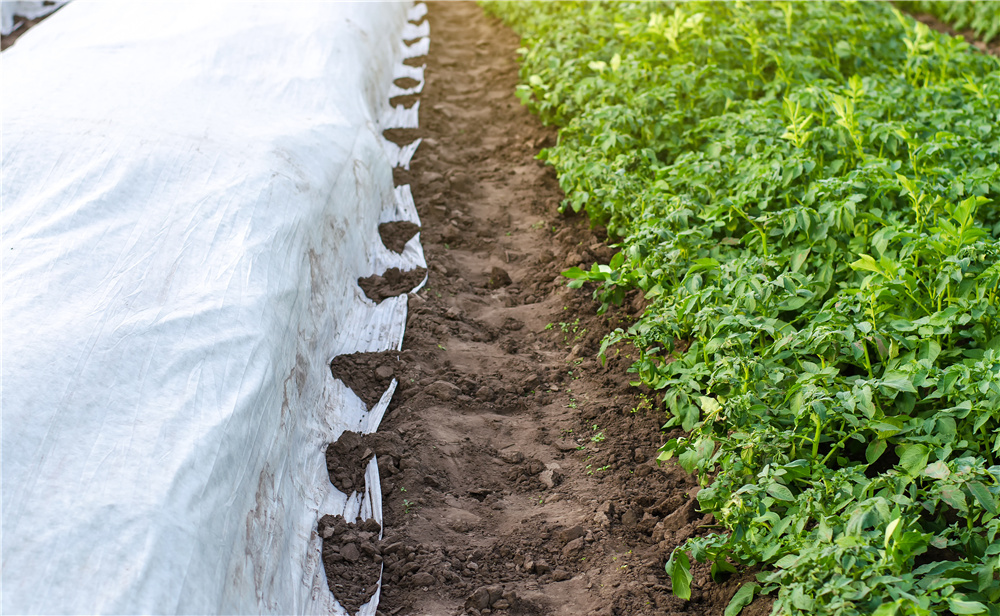
Provides wind, cold, and UV protection while maintaining excellent water and air permeability.
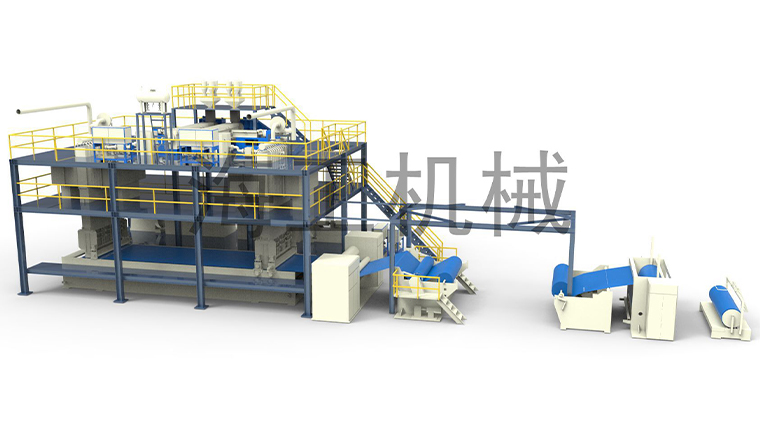
Ideal for packaging bags, furniture interlinings, and agricultural crop covers.
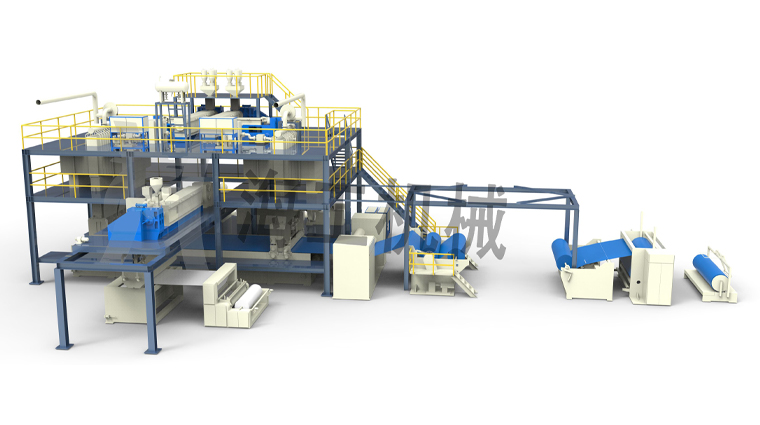
Designed for medical face mask fabrics and hygiene protection products.
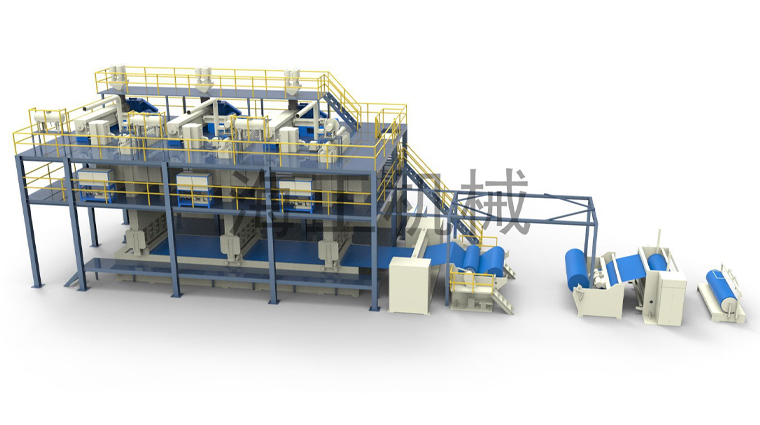
Four-layer composite design offering improved filtration efficiency compared to standard SMS lines.
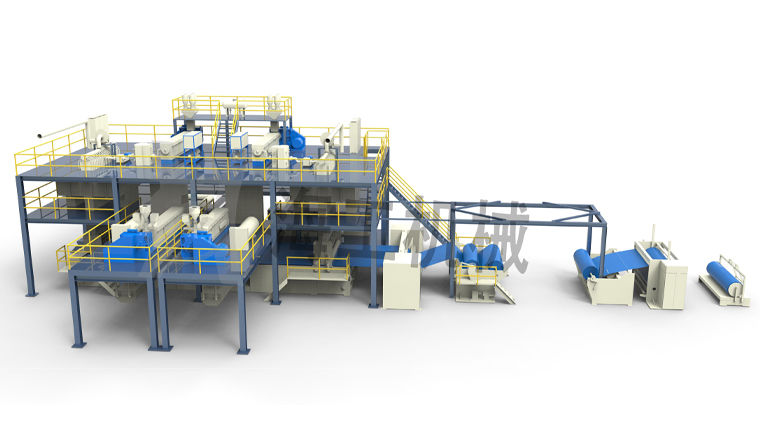
Delivers excellent barrier properties combined with high softness and comfort.
Exporting machinery across international borders requires a strict adherence to regional safety and technical regulations. At HG Nonwoven Machinery, we design all structural steel frames, electrical cabinets, and pressure vessels in full alignment with international safety standards, including CE certification, UL compliance, and regional pressure vessel codes.
We provide localized engineering support through on-site technicians and interactive digital diagnostics. This helps minimize downtime during critical runs and ensures your team is fully equipped to maintain the line.

Key engineering criteria to evaluate when drafting your feasibility report and sourcing nonwoven production equipment.
Consider not just the initial machine cost, but also long-term energy consumption, waste rates, and replacement part prices. Selecting a system with integrated scrap recycling and high-efficiency induction heaters will deliver lower ongoing operating costs.
Spunbond lines require considerable vertical clearance for the monomer suction and drafting chambers. Our compact 5th Gen engineering designs are configured to minimize the required building footprint, helping to lower local civil engineering costs.
Ensure that auxiliary systems—such as edge-trim cyclonic separators, roll winders, and slitting equipment—can communicate seamlessly with the central PLC via Profinet or Modbus protocols to maintain smooth operations.
Clear answers to common questions about nonwoven line installations, operational requirements, and custom configurations.
Capacity varies by machine width (e.g., 1600mm, 2400mm, 3200mm) and speed. A typical 2400mm SS spunbond line operates at speeds up to 350-400 meters per minute, delivering an annual capacity of approximately 4,000 to 7,500 tons depending on the product mix and target fabric weight (GSM).
Our 5th Generation technology uses a high-velocity, wide-slot drafting system. This accelerates the extruded filaments to ensure high orientation and crystallization, yielding fine fiber deniers (down to 1.5D) and excellent tensile strength in both machine (MD) and cross directions (CD).
Yes, our latest extrusion designs feature customized screw geometries and zone-controlled temperature profiles designed to handle PLA. This enables the production of eco-friendly, biodegradable roll goods for the medical, packaging, and hygiene sectors.
Clients must secure a stable electricity supply, compressed air, cooling water systems, and a building with sufficient clearance (usually 10 to 14 meters of height) for the monomer suction and air drafting ductwork. HG provides full foundation and layout planning support during the design phase.
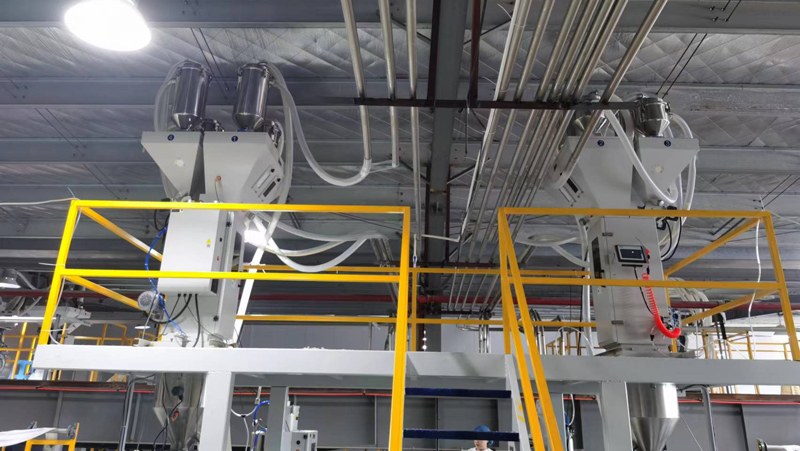
Our systems are equipped with automated gravimetric dosing mixers that feed PP chips, color masterbatch, and functional additives (like hydrophilic or UV agents) at precise ratios, ensuring uniform color and performance throughout the production run.
Explore additional high-performance solutions, including advanced SMS, SMMS, and multi-beam polypropylene spunbond lines.
 HG NONWOVEN