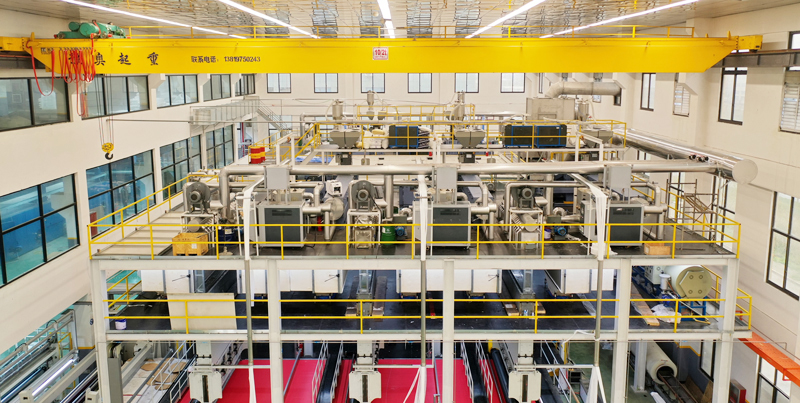
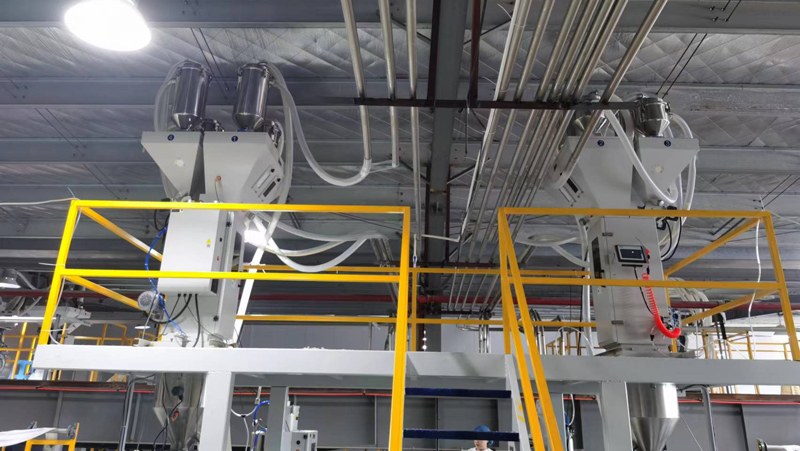
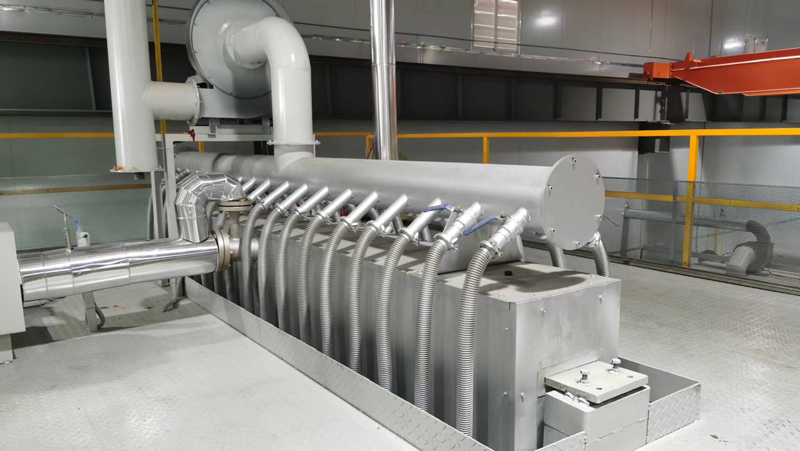
Explore our high-efficiency manufacturing systems configured for global turnkey installation and high-output industrial applications.
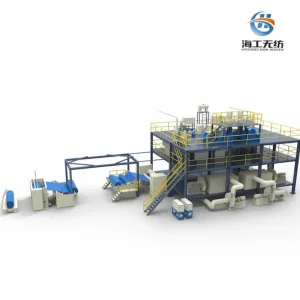
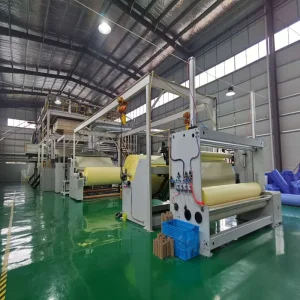
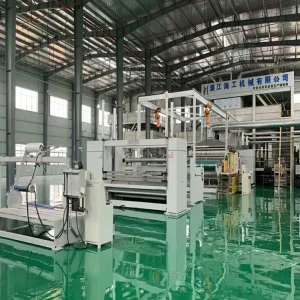
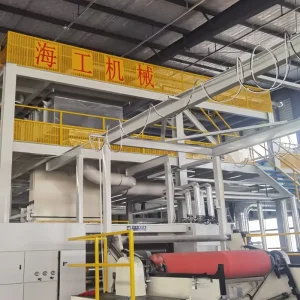
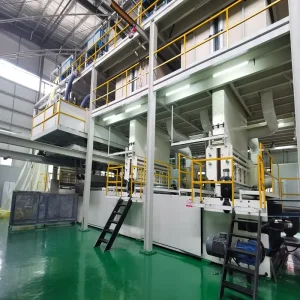
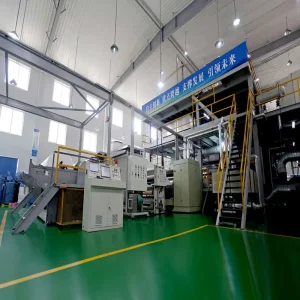
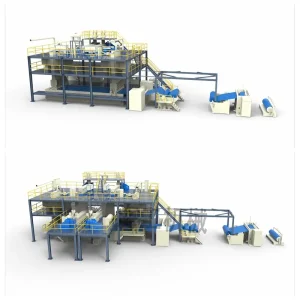
In modern industrial manufacturing, the transition from traditional woven textiles to highly optimized synthetic polymers marks a structural paradigm shift. Within this dynamic space, HG Nonwoven Machinery stands as a primary engineering authority, delivering advanced machinery systems focused on generating high-performance, eco-friendly, and cost-efficient spunbond and meltblown fabrics. These nonwoven fabrics form the critical raw material layer for automated quilt cover, duvet cover, and medical bedding assembly lines globally.
This comprehensive industry analysis details the technical advancements, market dynamics, and structural supply chain efficiencies associated with HG Nonwoven systems. For procurement managers, industrial engineers, and global buyers, investing in a complete production line requires analyzing not just capacity, but also energy consumption, tensile distribution, and operational lifetime. By introducing our 5th Generation Spunbond Spinning Technology, we provide buyers with the precise operational controls needed to meet tight global market requirements.
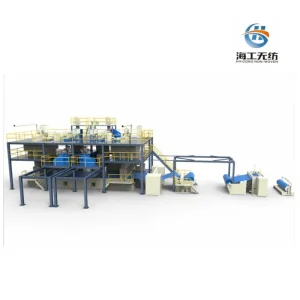
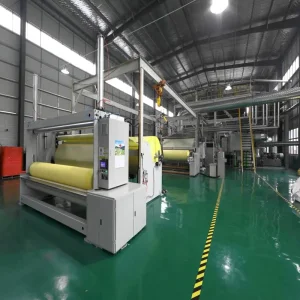
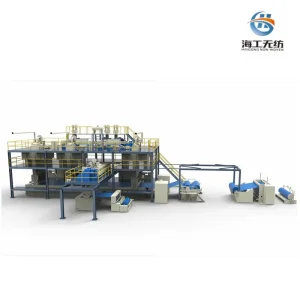
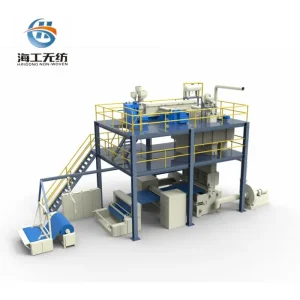
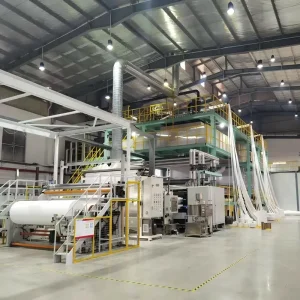
Our turnkey solutions integrate the entire manufacturing process, from raw polymer input to structural fabric completion.
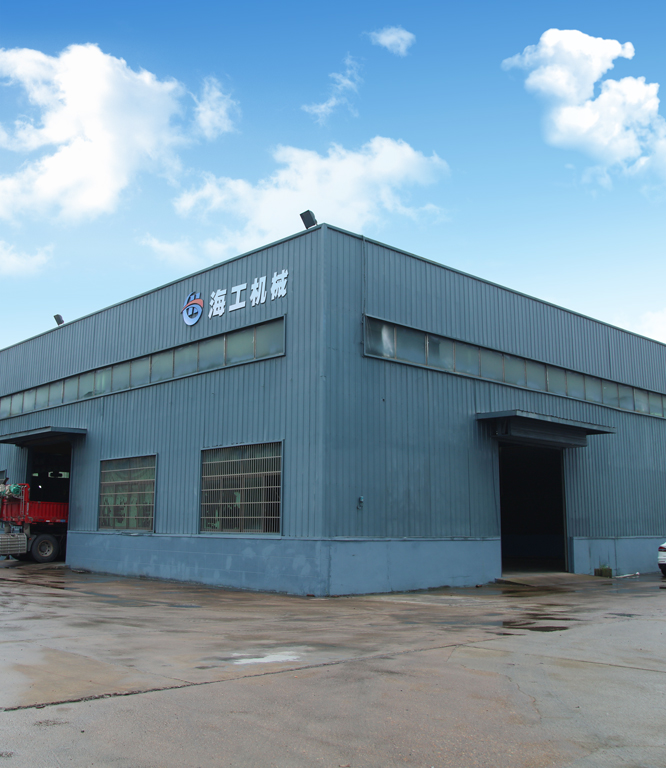
Our technical design focuses on reducing overhead while maximizing output uniformity. Pujiang HG Nonwoven Machinery integrates foreign design concepts with proprietary developments to meet shifting market demands. The primary advantages of our systems include:
We integrate advanced design paradigms to optimize polymer melting, extrusion, and spinning. Our customized designs match local site requirements and production goals, ensuring smooth operations.
We leverage our industry experience to provide localized market analyses, raw material forecasting, and comprehensive project feasibility studies to support your investment decision.
From primary extrusion down to the finishing stages—such as inline recycling, precision slitting, flexo-printing, and lamination—we design the entire processing flow for reliability.
HG machinery supports a wide range of applications, producing materials for medical barrier protection as well as high-tensile packaging fabrics.

Provides critical softness, low linting, and controlled fluid absorption/repellency. Essential for high-quality disposable quilt covers, diapers, and sanitary liners.

Our SMS and SMMS technology barriers prevent pathogens, microbial transfer, and fluid intrusion, making them ideal for surgical drapes, gowns, and cleanroom bedding.
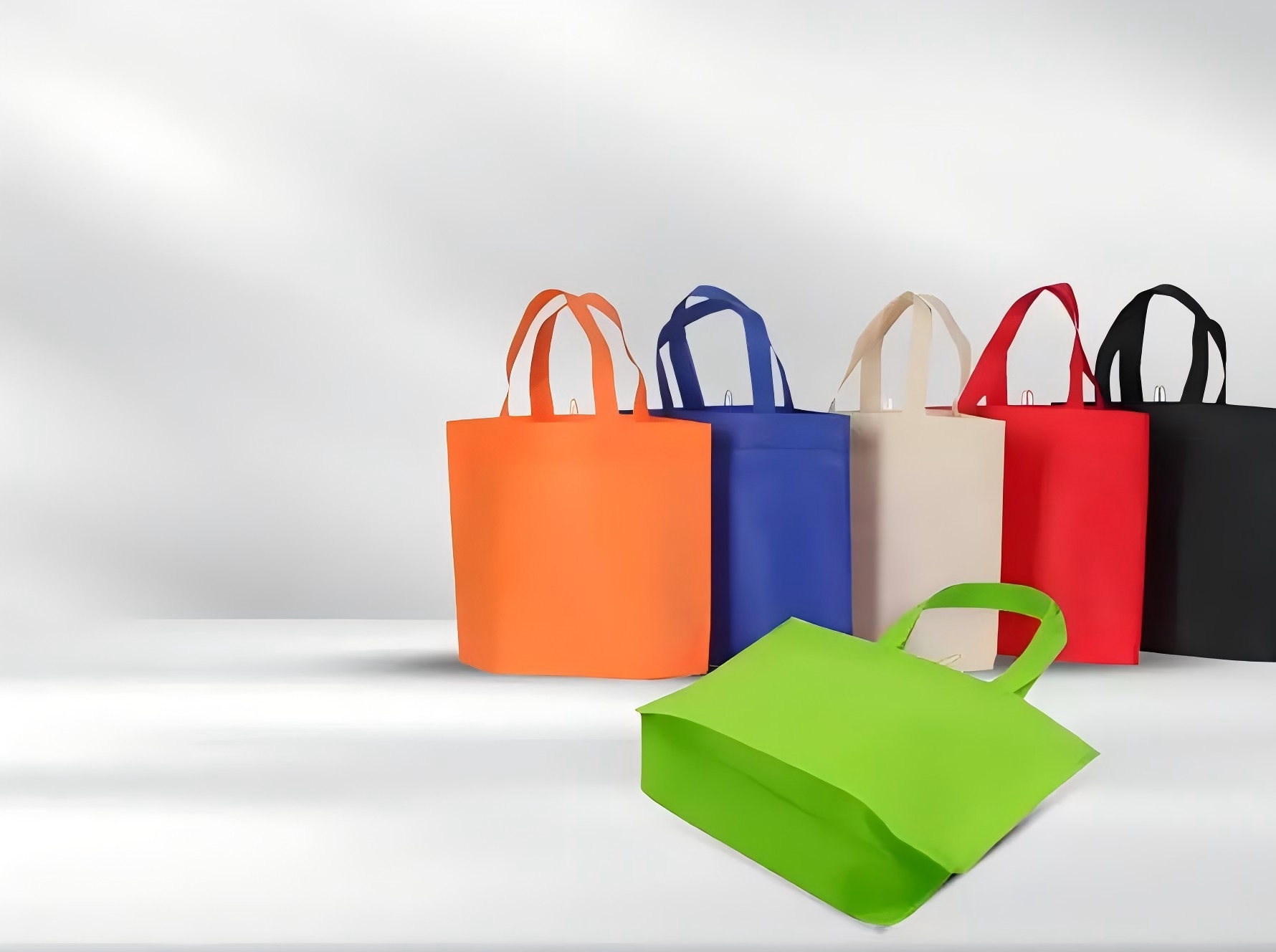
High tear-resistance and robust structural integrity support reusable shopping bags, agricultural crop storage bags, and heavy-duty structural packaging panels.
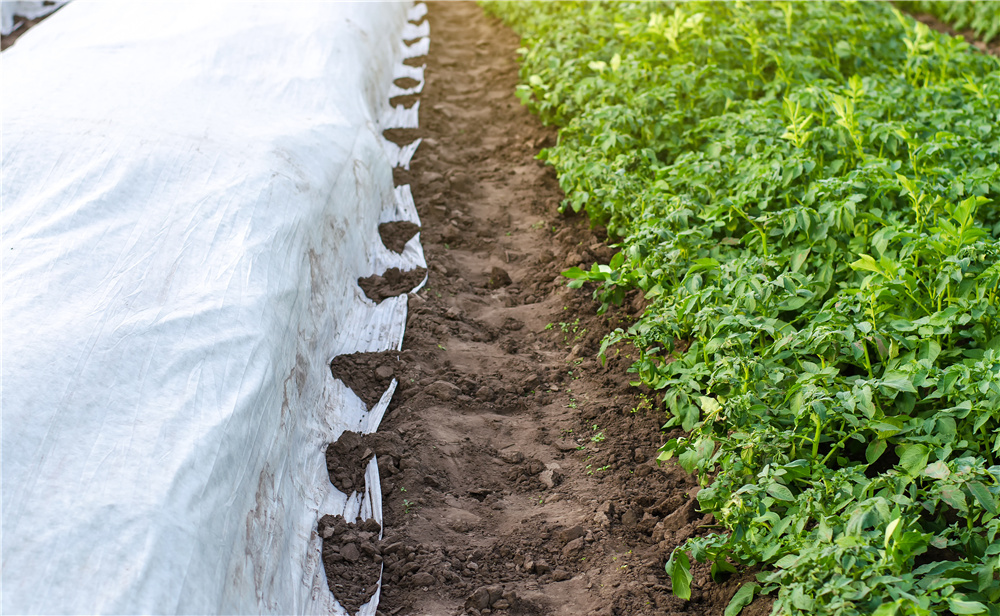
Permeable fabrics protect crops from UV exposure, frost, and pests while allowing air, water, and heat exchange to support greenhouse management.
The global textile and bedding market is shifting rapidly. Traditional linen management models in hospitality and medical care face increasing challenges from rising laundering costs, chemical waste restrictions, and strict sterilization standards. Disposable, high-strength nonwoven bedding—specifically quilt covers, pillowcases, and bed sheets—has transitioned from a niche convenience to a primary industrial product.
Machinery designed for this sector must meet specific technical demands. Disposable bedding requires low-weight materials (typically 30–60 GSM) that offer a soft hand-feel, breathability, and high tensile strength to withstand tension during sleep. HG’s spunbond systems use high-precision spin packs and advanced cooling controls to extrude fine filaments (less than 2.0 denier). This delivers a smooth, skin-friendly texture that mimics traditional cotton sheets while maintaining excellent barrier properties.
Procuring a complete industrial nonwoven extrusion line represents a long-term capital investment. B2B buyers must evaluate not just the initial purchase price, but the total cost of ownership (TCO). This includes energy consumption, waste rates during setup changes, and raw material utilization.
Worldwide distribution networks in Europe, North America, and the Middle East are shifting toward localized production to avoid supply chain disruptions. Turnkey projects, like the ones configured by HG Nonwoven Machinery, allow buyers to establish manufacturing capacity quickly. By integrating auxiliary processes like slitting, printing, and edge recycling into a continuous line, factories can reduce material handling labor and convert polymer pellets into finished product rolls in a single automated process.
"Procurement analysis indicates that integrating inline recycling systems reduces polymer waste to less than 1.5%, providing significant material savings over multi-year operational cycles."
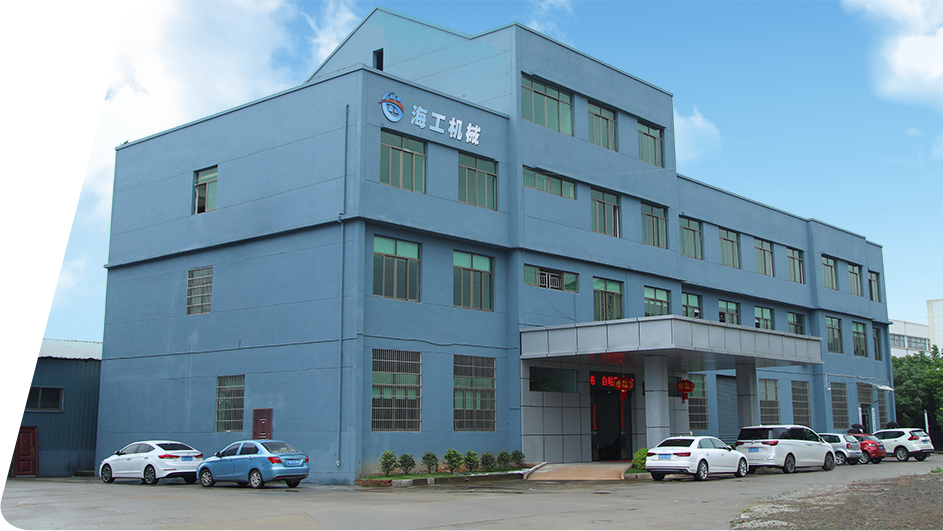
Chinese machinery manufacturing has evolved beyond low-cost production to focus on advanced automation and digital integration. HG's production facilities leverage localized engineering ecosystems, high-precision machining, and efficient supply networks to keep project lead times short and system configurations flexible.
Our Industry 4.0 approach is built on three main pillars:
Our machine lines are configured to meet varying local regulatory and market requirements:
Compare our high-efficiency configurations, designed to handle diverse materials and output requirements.
Ideal for packaging nonwoven bags, furniture components, and agricultural protective covers.
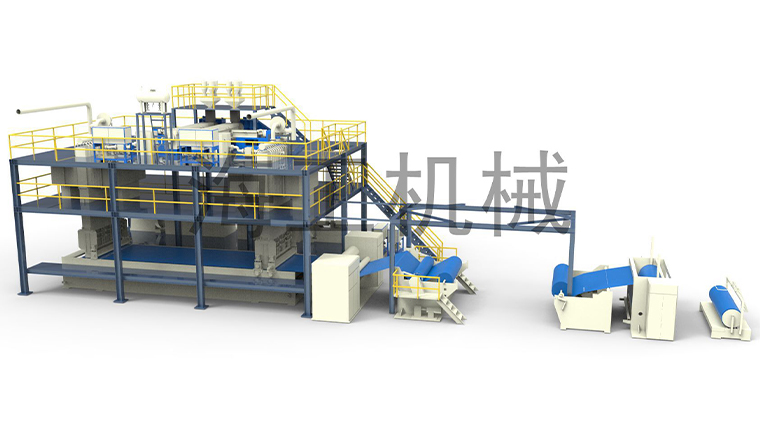
Engineered for medical disposables, surgical isolation gowns, and hygiene applications.
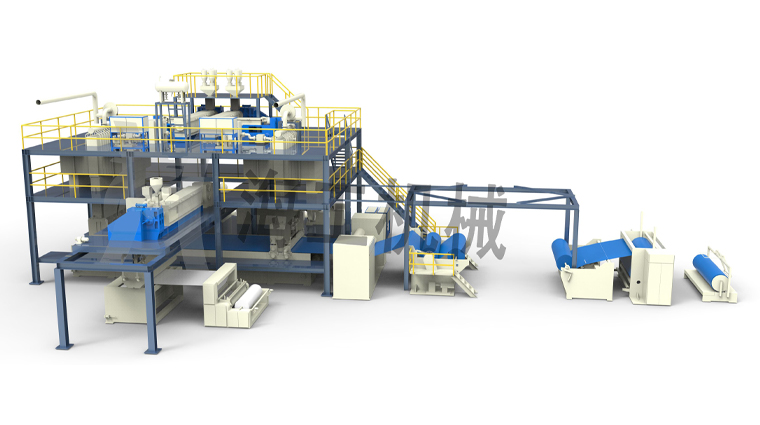
Four-layer composite configuration delivering higher filtration efficiency than standard SMS structures.
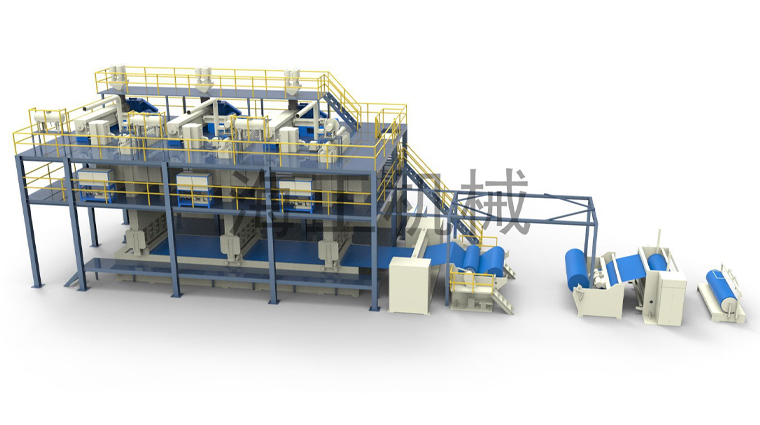
High-grade barrier protection combined with softness and draping comfort for medical use.
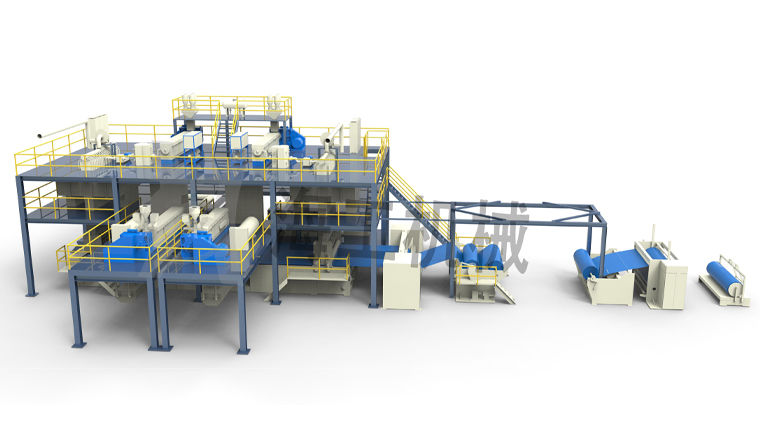
Starting a new nonwoven production line requires extensive planning. HG helps simplify this process by offering complete project coordination services:
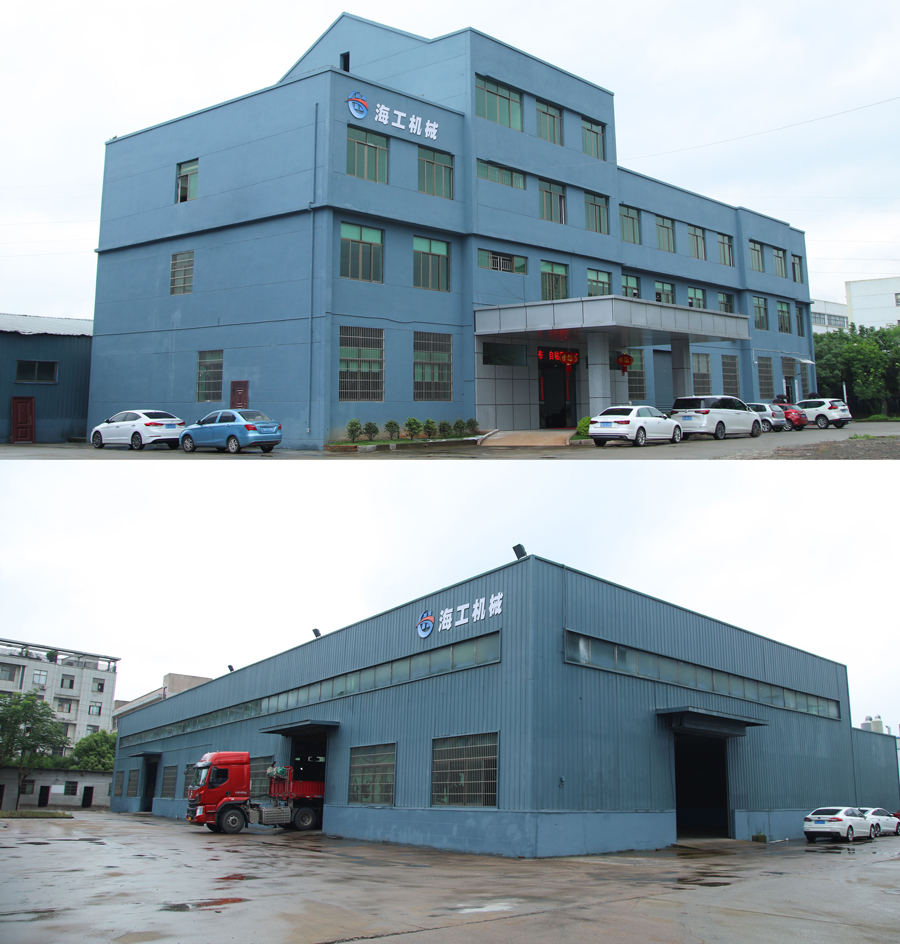
Our production facilities maintain strict quality controls, ensuring high assembly precision for long-term operational stability.
Choosing the correct system parameters depends on your intended product applications. Our technical sales team can help guide this decision process:
If your primary market is disposable medical supplies (like surgical gowns and sheets), an SMS/SMMS line is recommended. The integrated meltblown layer provides the required barrier properties and filtration efficiency.
If your focus is packaging bags, agriculture covers, or disposable hotel quilt covers, an S or SS line offers high throughput and strong cost-efficiency, processing raw polymers directly into uniform rolls.
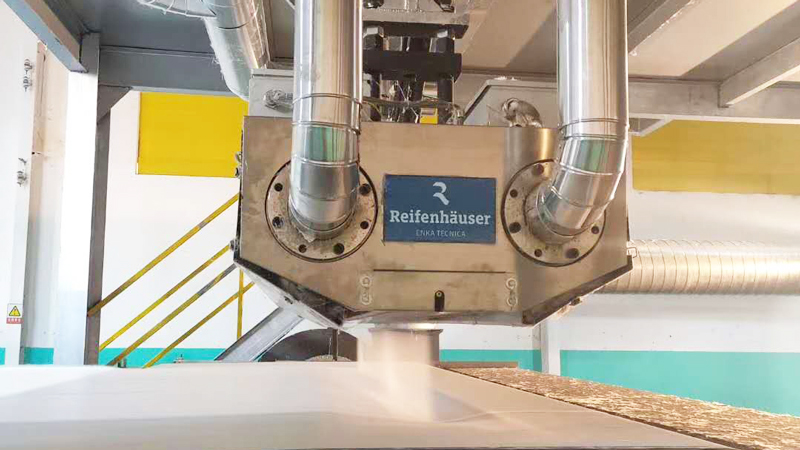
Find answers to common questions about nonwoven line installation, energy requirements, and material handling.
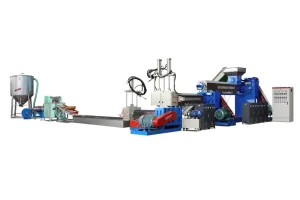
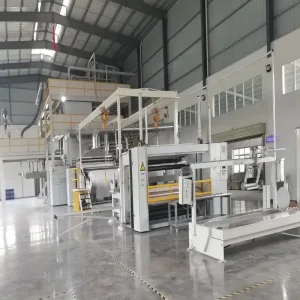
Examine specialized recycling extruders, high-speed slitting systems, and multi-beam composite lines.
 HG NONWOVEN