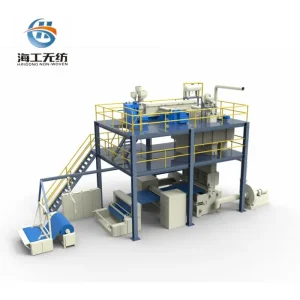
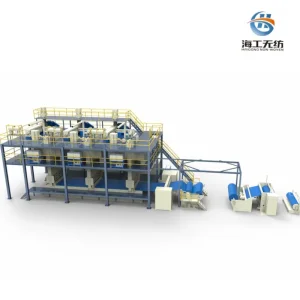
Explore our core spunbond, meltblown, and composite spunmelt (SMS/SMMS/SSMMS) industrial configurations built to scale production.
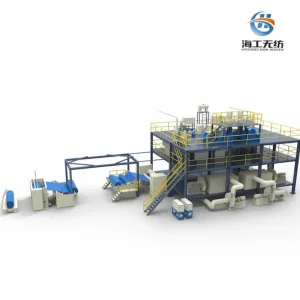
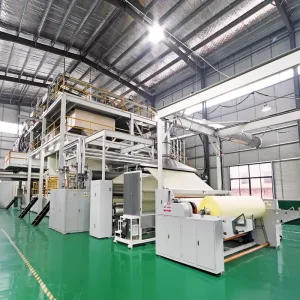
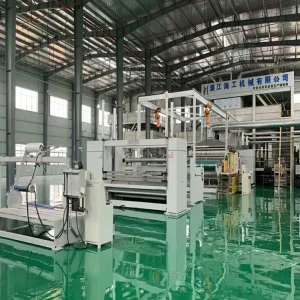
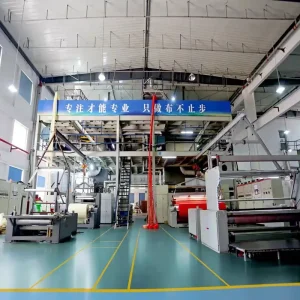
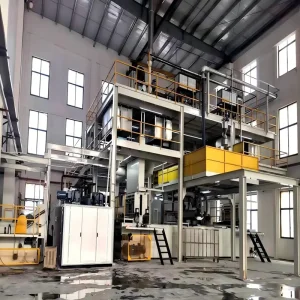
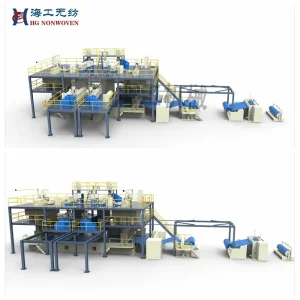
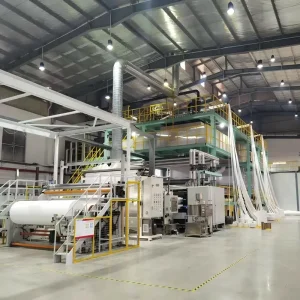
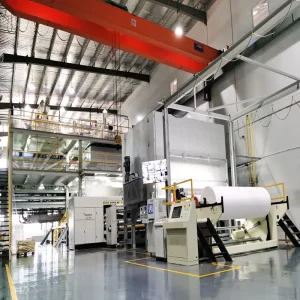
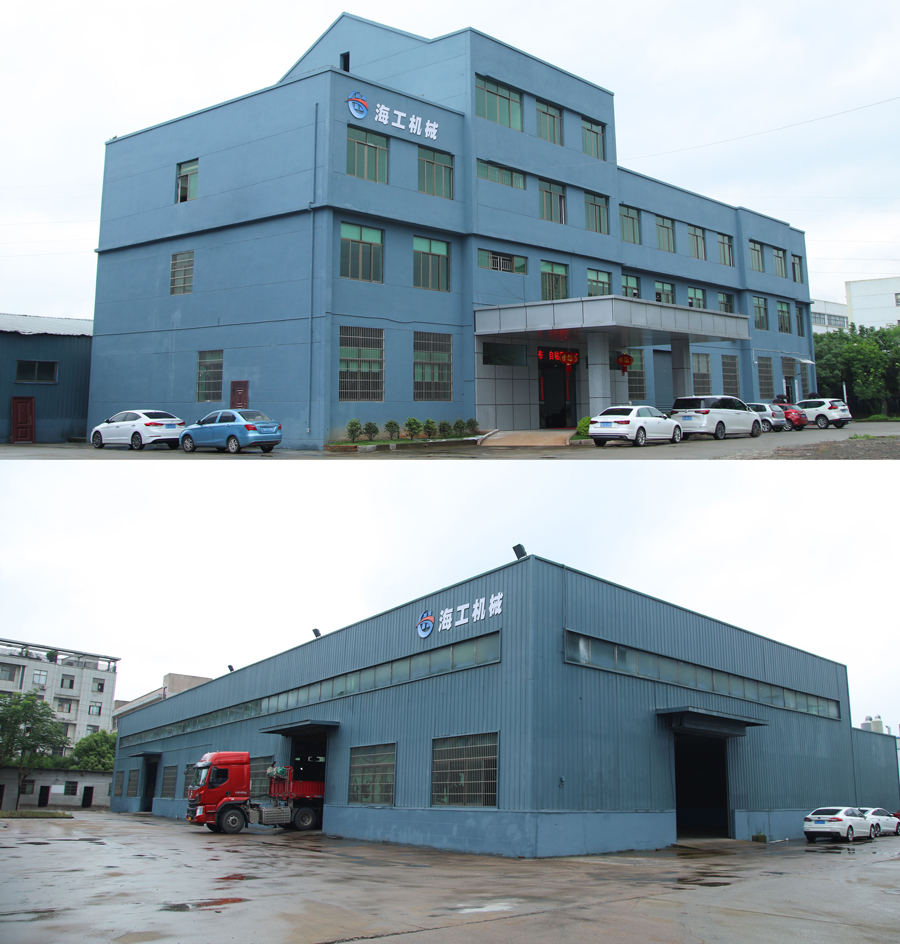
HG Nonwoven Machinery is a professional manufacturer of spunbond, meltblown, and composite nonwoven fabric machine lines, dedicated to providing high-efficiency and innovative spunbond nonwoven fabric production solutions to the global market. Our company introduced advanced design (5th Generation spunbond spinning technology) concepts from overseas and integrates them with autonomy for the specific needs of the market.
As a result, HG nonwoven fabric making machines are characterized by convenient operation, small footprint, low power consumption, high efficiency, and low production costs. Pujiang HG Nonwoven Machinery has been a well-known nonwoven fabric making machine manufacturer since 2014, specializing in manufacturing PP spunbond and meltblown nonwoven fabric making machines with complete turnkey engineering services. Our nonwoven fabric machines focus on producing high-performance, eco-friendly, and biodegradable spunbonded nonwoven fabrics.
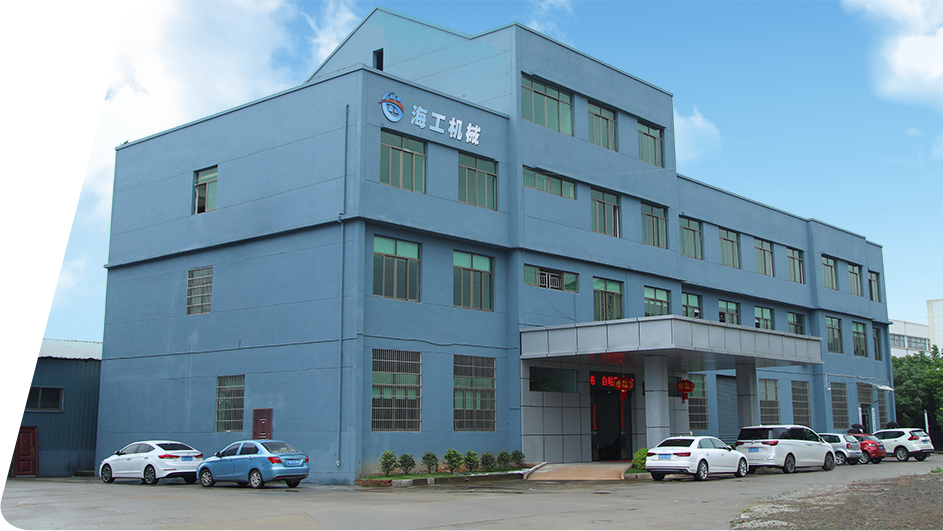
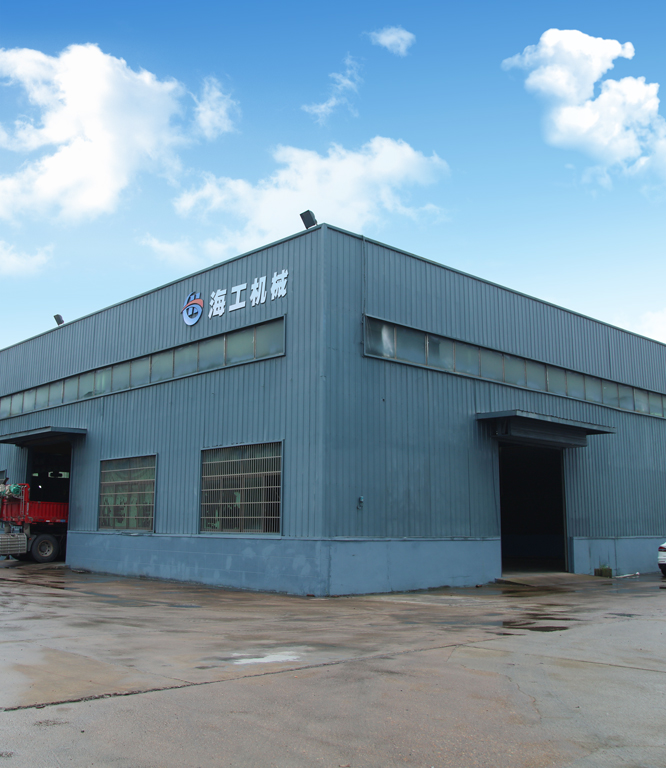
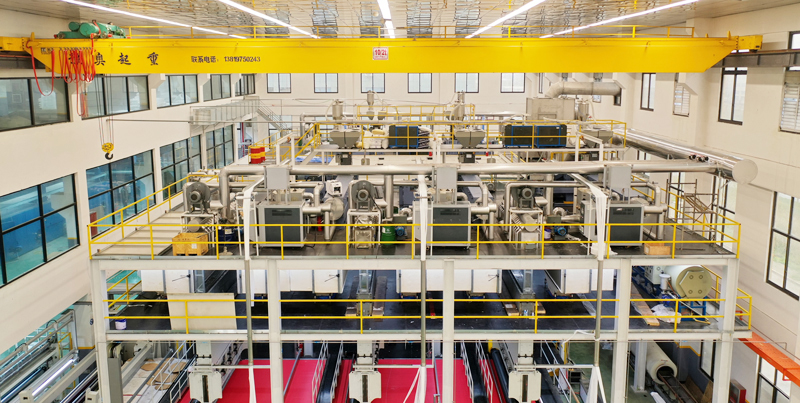
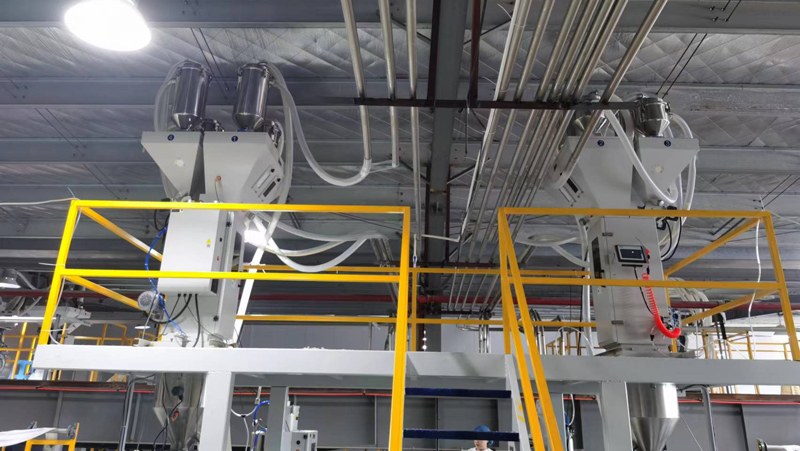
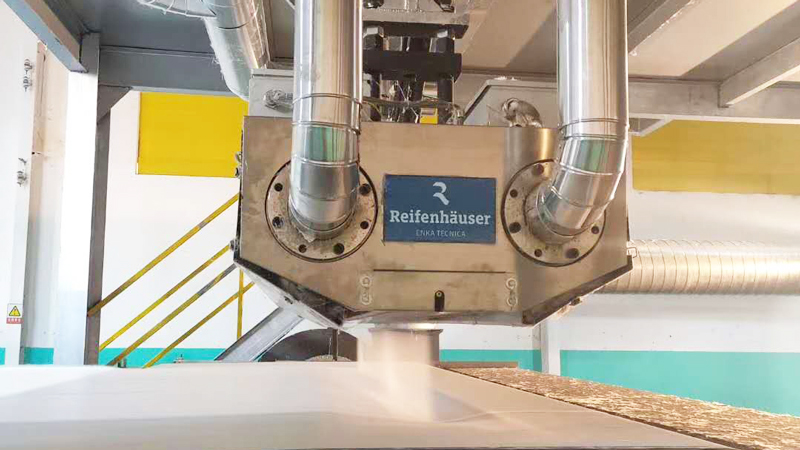
Our core mission revolves around continuous refinement of our technical capabilities. Our manufacturing systems rely on state-of-the-art tooling and assembly facilities to ensure each component, from the polymer feed hopper to the final winding shaft, aligns with micron-level tolerances.

From feasibility analysis to installation and personnel training, our engineered systems guarantee a smooth ramp-up to capacity.
Our commitment to "high quality, good service" guides our manufacturing process, ensuring sustainable and energy-efficient operations.
Meticulously designed lines incorporating the latest technology to ensure maximum production efficiency with minimal energy consumption. Customized solutions align with your footprint.
Leveraging deep industrial experience to deliver regional market analysis and customized engineering studies to support your local plant business case and ROI projections.
We supply auxiliary systems including recycling extruders, online slitting units, flexo printing systems, offline lamination lines, and fully automated bag-making machines.
Comprehensive operator training programs combined with our standard 24-month maintenance warranty. Digital remote support ensures line performance and minimal downtime.
Our top configurations optimized for mechanical properties, fiber distribution, and barrier performance.
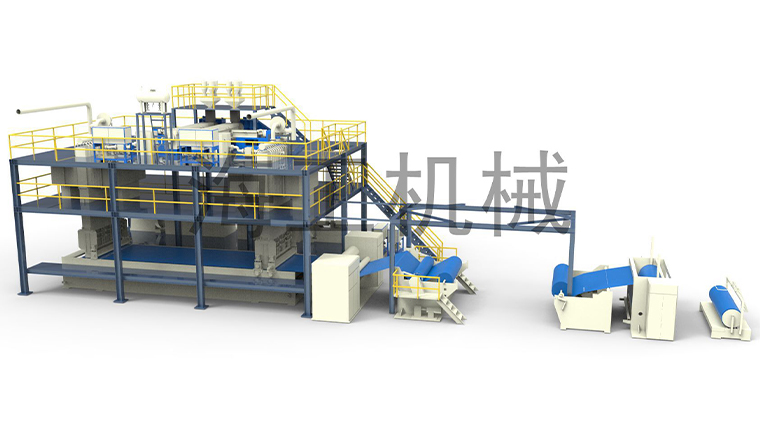
Ideal for packaging nonwoven bags, furniture components, and agricultural protective covers.
View More →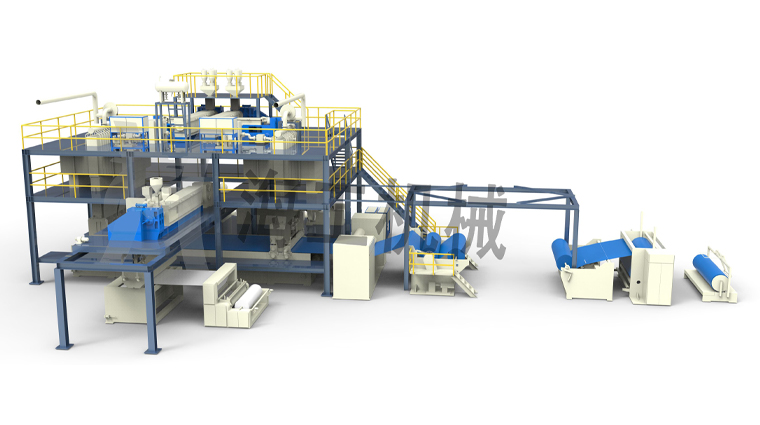
Engineered for high-barrier medical applications, surgical drapes, and premium hygiene products.
View More →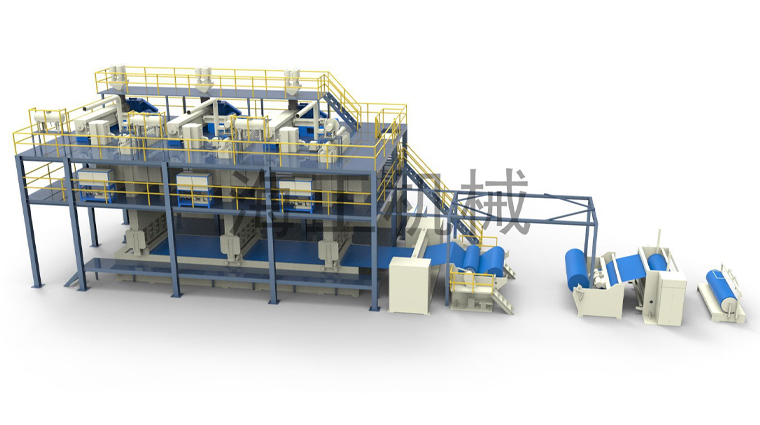
Four structural layers deliver elevated filtration efficiency compared to conventional SMS layouts.
View More →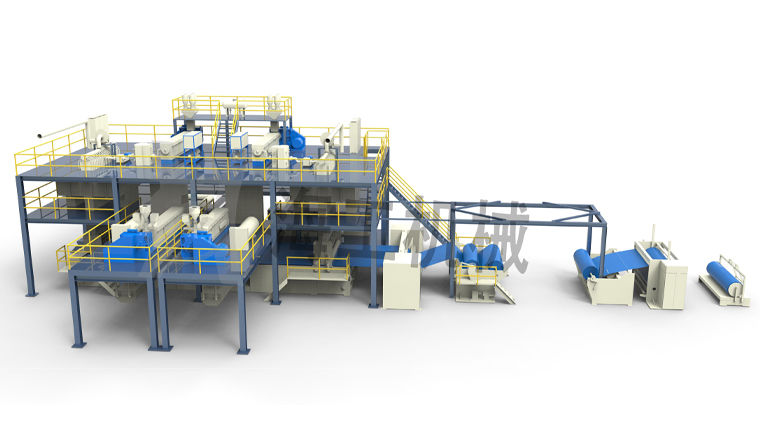
Top-tier barrier properties combined with excellent fabric hand-feel, softness, and patient comfort.
View More →With expertise spanning hygiene, medical protection, packaging, and agriculture, we configure lines to meet specific GSM, tensile strength, and hydrostatic head standards.

Non-woven fabric is essential in the hygiene sector, offering breathability, softness, and fluid management. It quickly absorbs liquid and keeps it away from the skin, making it ideal for baby diapers, adult incontinence pads, and feminine hygiene products.

Used extensively in the medical field and for protection against biological agents. They deliver safety properties, such as infection prevention. Crucial for manufacturing face masks, surgical gowns, bed sheets, and surgical towels, ensuring filtration and protection.

Ideal for diverse packaging end-uses due to their lightweight design, energy-efficient production, shipping efficiency, and long lifespan. Extensively utilized for reusable shopping bags, garment covers, fruit protection sleeves, pocket springs, and technical interlinings.
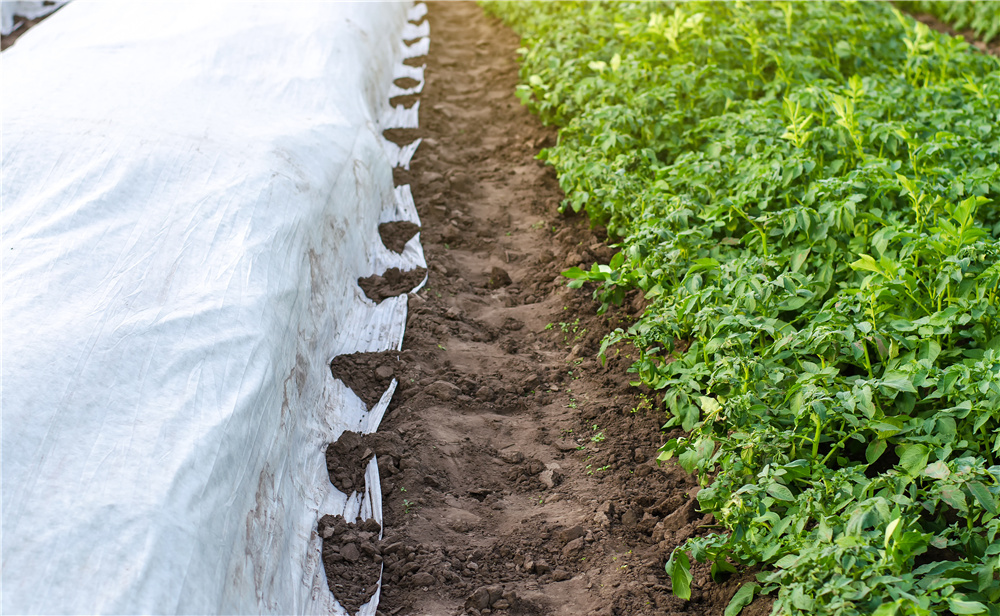
Allows air and water transmission while offering wind and frost protection by generating a microclimate. It shields crops, vegetables, and seeds from insects and birds. Provides UV blocking and high air permeability, tailored to specific agricultural requirements.
The global nonwoven industry is undergoing a structural transition driven by demands for higher production efficiency, resource conservation, and circular product design. Raw material costs, volatile energy markets, and shifting environmental regulations are prompting manufacturers to upgrade from traditional single-beam (S) configurations to complex multi-beam composite systems (SMS, SMMS, SSMMS).
A key trend is the development of ultra-fine fiber technology. By reducing average fiber diameters in Spunbond processes to 1.5–2.0 denier and Meltblown processes to under 2 microns, modern machinery achieves superior barrier properties and softness without increasing base weight (GSM). This is critical for the medical and personal hygiene sectors, where lighter, highly breathable, yet liquid-impermeable barriers are required.
Furthermore, intelligence and automation (Industry 4.0) are reshaping shop-floor management. Real-time temperature control, optical fabric quality inspection, and closed-loop thickness calibration systems ensure that plants operate continuously with minimal operator intervention. The integration of predictive maintenance loops helps prevent unexpected downtime, protecting capital-intensive assets.
Procuring nonwoven machinery involves evaluating operational expenditures, infrastructure compatibility, and long-term compliance. Global buyers must look beyond initial capital expenditure (CapEx) to analyze Total Cost of Ownership (TCO). Key factors include:
To mitigate commissioning risks, global buyers favor turnkey suppliers who manage the process from layout design to trial run verification. Factory acceptance testing (FAT) protocols and site preparation guidance are essential components of an effective procurement strategy.
A nonwoven production line does not operate in isolation. Peak plant efficiency is achieved when downstream finishing and recycling systems are directly integrated with the main extrusion line. HG Nonwoven Machinery addresses this through macro-level plant designs:
Inline Recycling Integration: During the slitting process, edge trim is continuously generated. Standard systems winding and store these rolls for batch processing. HG's integrated recycling extruder feeds edge trim directly back into the primary extruder. This minimizes material waste and maintains melt purity without thermal degradation.
Finishing & Secondary Processing: Depending on the target market, raw spunbond rolls may undergo inline or offline treatments. For agricultural applications, UV stabilizers and hydrophilic additives are dosed at the extruder feed. For medical applications, the fabric can be combined with PE films via lamination units to produce high-barrier surgical gowns.
Operating complex, high-pressure polymer extrusion machinery requires strict adherence to international safety and quality standards. HG Nonwoven Machinery designs and manufactures lines in compliance with CE marking and ISO 9001:2015 management frameworks.
Our installation protocols include site planning and structural engineering verification. Because spunmelt lines require tall stretching towers (typically 11 to 14 meters in height), our engineers collaborate directly with customers' construction teams to design appropriate mezzanine structures, air ventilation ducting, and electrical load-distribution networks.
Once the machinery arrives at the customer's factory, a dedicated team of mechanical and electrical engineers supervises the assembly of the extrusion beams, slot drawing systems, calenders, and winders. The team then conducts wet-commissioning and fine-tunes the process parameters to match the customer's target fabric grades. Operator training covers:
As environmental concerns continue to grow, the nonwoven sector is actively seeking alternatives to petroleum-based polymers. The future technical roadmap for HG Nonwoven Machinery is focused on adapting our 5th and upcoming 6th generation spinning lines for biodegradable resins, particularly Polylactic Acid (PLA) and polybutylene succinate (PBS).
PLA processing requires precise temperature control and modified quenching configurations due to the polymer's slower crystallization rate and moisture sensitivity. Our engineering team is developing modified spinneret geometries and specialized air-drawing chambers to allow buyers to switch between standard PP and PLA with minimal modifications.
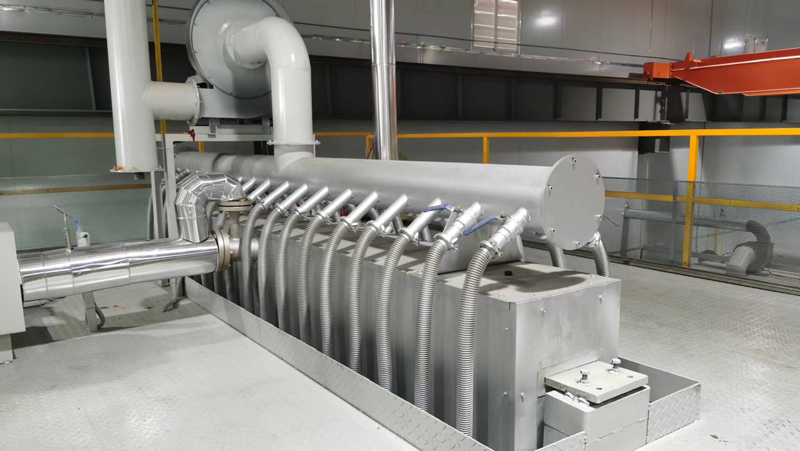
Another area of focus is energy recovery. Extruder barrel heating and thermal oil calender systems generate significant waste heat. We are developing heat-exchanger recovery loops to preheat incoming raw materials, which is expected to lower overall energy requirements by an additional 8-12%.
Our 5th generation spunbond lines consume approximately 800–1000 kWh of electricity per ton of premium spunbond fabric produced. This efficiency is achieved through the use of high-efficiency AC motors, optimized extruder barrel heater bands, and a closed-loop thermal oil heating configuration within the calender rolls, which reduces thermal loss.
Our turnkey service integrates secondary processing equipment directly into the primary plant layout. This includes inline slitting systems that feed raw rolls into automatic packaging stations. We also supply customized offline lamination systems for composite medical fabrics, and inline recycling units to process edge trim and return it to the extruder hopper.
A single-beam (S) line produces a single web layer, which is suitable for packaging and agricultural uses. Multi-beam lines (such as SMS or SSMMS) combine Spunbond beams (for tensile strength) with Meltblown beams (for filtration and barrier performance). SSMMS lines produce a layered web that offers high hydrostatic head resistance and filtration efficiency, making it suitable for medical surgical drapes and hygiene back-sheets.
Our manufacturing facilities adhere to ISO 9001:2015 quality management principles. All electrical control panels are built with components from global suppliers (such as Siemens and ABB) and carry CE certification. The machinery is equipped with multiple safety features, including automated over-pressure relief valves, emergency stop loops, and optical safety guards around high-temperature zones.
We provide a comprehensive operator training program during the installation and commissioning phase, covering polymer handling, spinneret cleaning, calender calibration, and PLC programming. For ongoing maintenance, our machines are equipped with secure remote access modules, allowing our engineers to diagnose PLC issues, adjust process recipes, and guide your onsite technicians remotely.
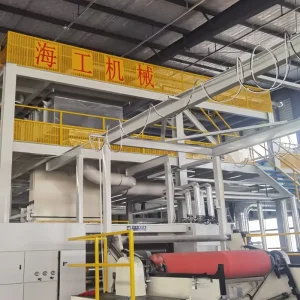
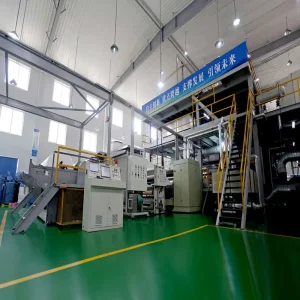
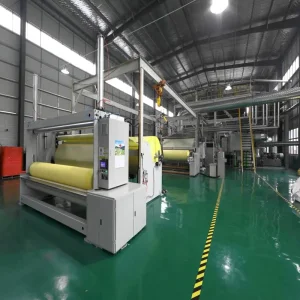
Due to the vertical orientation of the spinning and quenching processes, our Spunbond lines require a clearance height of 11 to 14 meters. The factory floor must be designed to support the dynamic load of the spinning beam tower and the calender unit. We provide comprehensive foundation layout diagrams, electrical load specifications, and cooling water flow requirements during the pre-engineering phase.
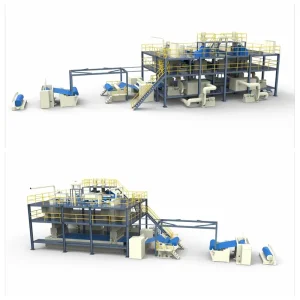
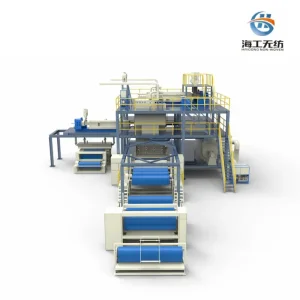
Explore our high-efficiency nonwoven production line portfolio, featuring specialized configurations designed to meet international manufacturing requirements.
 HG NONWOVEN