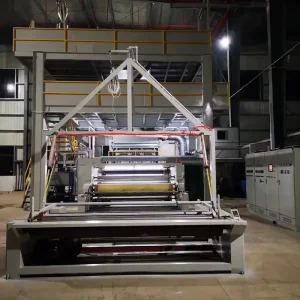
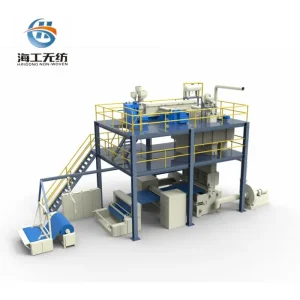
Discover our highly efficient nonwoven production lines engineered for industrial scalability and eco-friendly manufacturing.
An authoritative analysis of structural growth drivers, polymer dynamics, and standard compliance parameters in modern spunbond and meltblown processing.
In the contemporary landscape of polymer-based engineering, the global demand for high-performance nonwoven fabrics is experiencing unprecedented structural growth. Spunbond and meltblown fabrics, engineered primarily from polypropylene (PP), have transitioned from simple single-use commodities into highly sophisticated, multi-layered barrier systems. Today, industries ranging from high-precision medical biosafety to climate-resilient agricultural micro-climates depend heavily on the mechanical integrity, web uniformity, and filtration efficiency of these synthetics. As global regulatory standards on hygiene and sustainability tighten, the technical capabilities of nonwoven manufacturing lines must advance correspondingly.
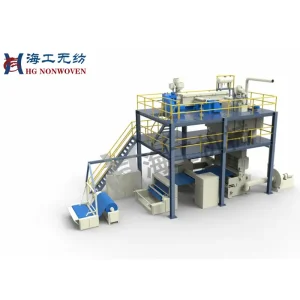
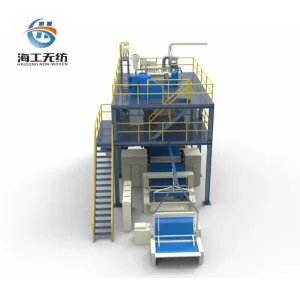
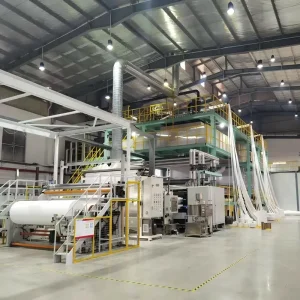
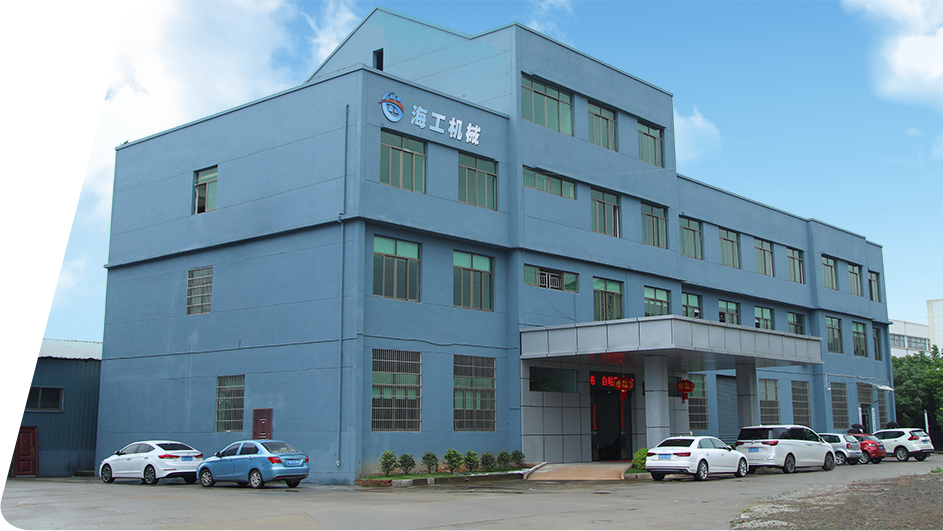
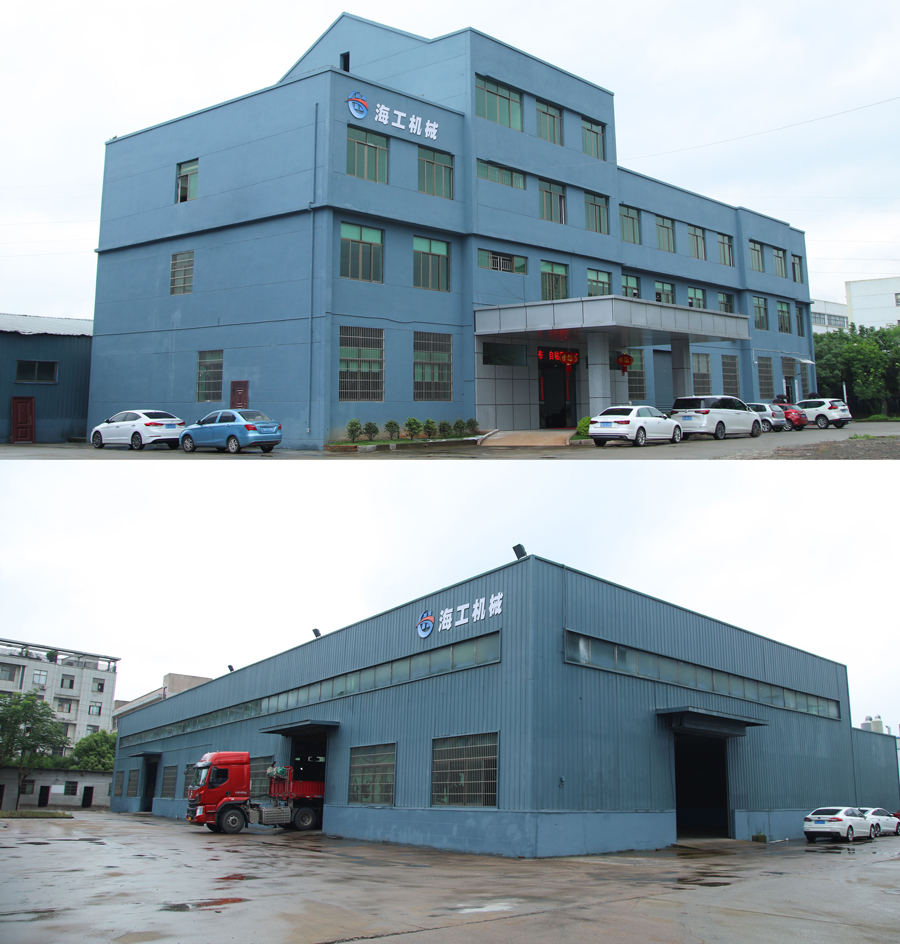
Chinese factories, led by pioneers such as Pujiang HG Nonwoven Machinery, have emerged as central hubs of research, development, and high-throughput production. By leveraging advanced architectural designs and optimized melt-spinning layouts, these facilities provide the global market with access to high-efficiency, multi-beam systems (such as S, SS, SMS, SMMS, and SSMMS configuration profiles). The technological shift from basic mechanical processing to automated, energy-efficient extrusion has allowed manufacturers to satisfy both stringent mechanical criteria and aggressive global environmental compliance parameters.
Historically, single-beam Spunbond (S) configurations satisfied the mechanical demands of basic packaging and agricultural covering. However, modern medical and hygiene markets demand complex, composite barriers. High-barrier SMS (Spunbond-Meltblown-Spunbond) and SSMMS configurations leverage the structural strength of continuous spunbond filaments and the sub-micron filtration barriers of meltblown webs. Achieving an optimal balance between hydrostatic head pressure resistance and tactile softness requires extremely precise control over the polymer drafting process. It is this technological threshold that determines the market success of modern fabric converters.
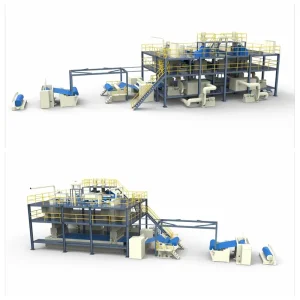
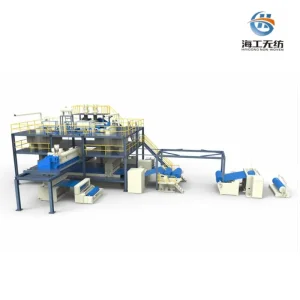
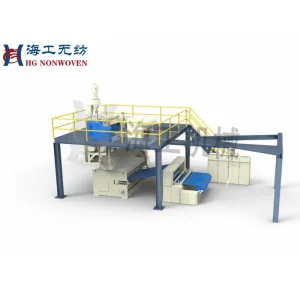
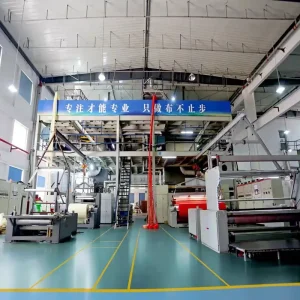
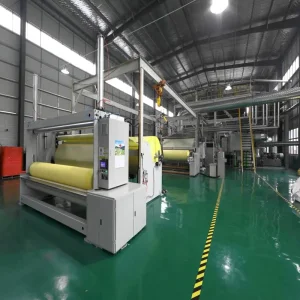
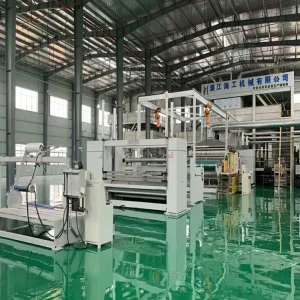
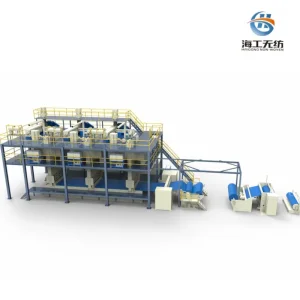
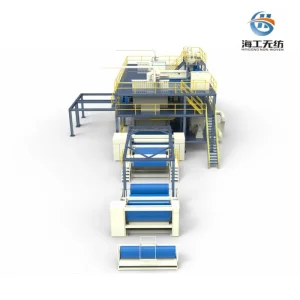
HG Nonwoven Machinery has integrated international designs to pioneer the 5th Generation spunbond spinning technology. This proprietary architecture addresses the historical issues of high energy consumption, uneven web weight distribution, and large footprint requirements of traditional melt-spinning systems.
The core advantage lies in our state-of-the-art air drafting systems. Utilizing low-temperature, high-velocity aerodynamics, the continuous polypropylene filaments are stretched to sub-denier levels (typically 1.5 to 2.0 denier), yielding fabrics with outstanding isotropic tensile properties. Additionally, our intelligent thermal bonding calendar rolls execute precise web bonding at lower temperatures, preserving polymer crystalline structures and significantly reducing energy consumption per ton of finished product.
By opting for a compact modular footprint design, our machines minimize space requirements, lowering structural overhead costs for factories globally while maintaining optimal access for maintenance, cleaning, and rapid changeovers.
Optimized heating zones and aerodynamic drafting channels reduce electricity usage up to 15-20% compared to legacy architectures, directly reducing production cost structures.
We configure extrusion widths from 1600mm to 3200mm and design custom multi-beam lines that perfectly match your specific mechanical and material density targets.
From initial market analysis to installation of slitting, laminating, and scrap recycling machines, we provide a complete engineering solution.
Analyzing the competitive cost structures, regional cluster dynamics, and vertical manufacturing integration that shield global partners from market disruption.
Globally, procurement managers face consistent threats from raw material price volatility, logistic bottlenecks, and geopolitical uncertainty. Sourcing nonwoven machinery and fabrics from Pujiang HG Nonwoven Machinery in China offers a distinct strategic advantage in terms of supply chain resilience. The industrial clusters of Zhejiang province represent the world’s most integrated nonwoven equipment supply chain. Within a 100-kilometer radius, we secure access to specialized steel forging, precision CNC components, advanced sensor controls, and global-grade petrochemical suppliers.
This deep vertical integration drastically shortens manufacturing lead times. While Western competitors may require 12 to 18 months to commission a complex composite SSMMS production line, HG Nonwoven Machinery consistently delivers and installs fully tested turnkey projects in a fraction of that time. Furthermore, Chinese factories utilize highly advanced automated assembly lines, lowering capital investment thresholds (CAPEX) for global buyers without compromising quality. This cost advantage allows operators to achieve a faster Return on Investment (ROI) and maintain price competitiveness in their local markets.
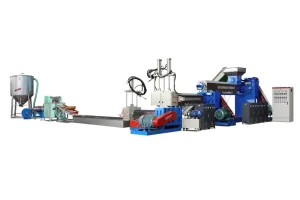
HG Nonwoven Machinery does not stop at delivering the main extrusion unit. We provide fully integrated ancillary processes, including custom recycling machinery to process scrap edge-trimming. Instead of discarding valuable polypropylene waste, our recycling systems granulate and feed material directly back into the primary extruder. This close-loop recycling system reduces raw material costs by up to 5%, enhancing the environmental credentials and resource efficiency of the entire manufacturing operation.
Our commitment to "High Quality, Reliable Service" goes beyond the machinery itself. By selecting HG Nonwoven Machinery, you form a long-term strategic partnership focused on sustainable profitability and operational efficiency.
Explore how spunbond and composite nonwovens are customized to meet strict regulatory and physical benchmarks across critical industries.

Providing exceptional breathability, softness, and liquid management for baby diapers, adult incontinence products, and feminine care. Our technology ensures rapid liquid acquisition and low wet-back values.
Learn More →
High hydrostatic head performance and microbiological barrier properties. Crucial for manufacturing high-quality surgical gowns, sterile drapes, and high-efficiency medical masks conforming to EN 13795.
Learn More →
Focusing on high tensile strength, puncture resistance, and printability for reusable shopping bags, agricultural fruit wraps, pocket spring covers, and pharmaceutical packaging sleeves.
Learn More →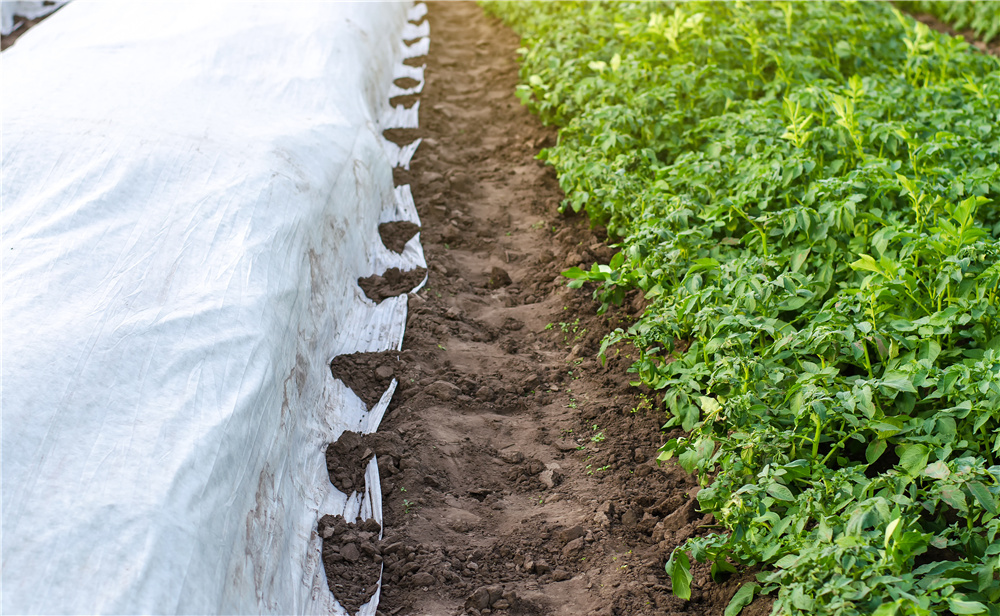
Engineered to create protective microclimates. These fabrics allow air, rain, and nutrients to penetrate while shielding delicate crops from frost, UV radiation, and destructive pests.
Learn More →The global nonwoven industry is undergoing a significant transition toward ecological circularity. Traditional fossil-fuel derived Polypropylene (PP) is increasingly being complemented, and in some sectors replaced, by Polylactic Acid (PLA), Polyhydroxyalkanoates (PHA), and post-consumer recycled PP (rPP). HG Nonwoven Machinery's research team is currently developing the next iteration of our 5th Gen extrusion lines to run biopolymers without structural degradation or filament breakage.
The main engineering challenge when working with PLA is its narrow temperature window and high moisture sensitivity during extrusion. Our upcoming technology roadmap features advanced multi-zone twin-screw desiccant dryers and high-precision temperature profiling across the entire spin beam, ensuring stable biopolymer crystallization. This forward-looking engineering approach guarantees that lines purchased today will remain competitive as environmental regulations evolve.
How HG Nonwoven Machinery manages risk, ensures electrical safety (CE/UL), and delivers rapid engineering deployment worldwide.
Investing in large-scale nonwoven machinery is a long-term capital commitment that requires robust support systems. HG Nonwoven Machinery has built a global after-sales network to assist operations in Europe, South America, the Middle East, and Southeast Asia. We understand that downtime on an SMS or SMMSS line can result in thousands of dollars of lost production every hour. To address this, our digital remote diagnostic portals enable our engineers in China to access PLC data, analyze sensor readings, and resolve software and calibration issues in real-time.
For on-site commissioning and mechanical adjustments, we deploy experienced field engineers to direct setup, align calendar rolls, calibrate melt pumps, and train local staff. This hands-on training ensures that your team can run the machinery efficiently, handle standard operating procedures safely, and conduct preventative maintenance to maximize line longevity.
Compliance is a fundamental component of our engineering process. All electrical panels, wiring, and pressure vessels are designed to comply with CE directives, ISO 9001 standards, and localized national safety guidelines. By working with HG Nonwoven Machinery, you secure a reliable manufacturing partner that understands global industrial requirements, ensuring seamless local inspections and factory approvals.
Frequently asked questions concerning machinery selection, material specifications, and investment requirements.
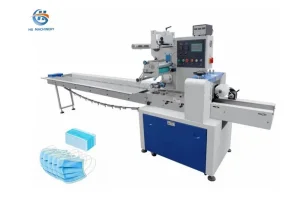
High-speed machinery engineered for maximum output, stable filtration parameters, and efficient packaging performance.
 HG NONWOVEN