Engineered for high performance, structural web consistency, and maximum production efficiency.
An in-depth technical guide to tension profiling, surface-center winding physics, and industrial optimization.
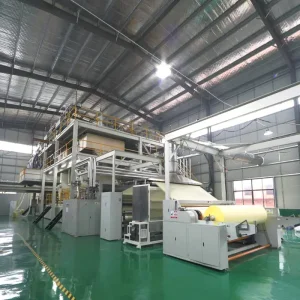
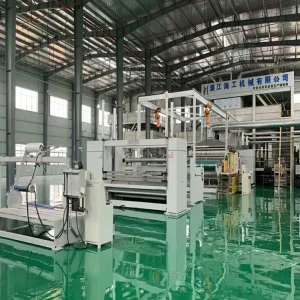
In modern industrial textile processing, the transition from spunbond web extrusion to high-speed winding is a critical phase. As a premier China Hg Non Woven Fabric Winding Machine Manufacturer & Supplier, HG Nonwoven Machinery integrates state-of-the-art web tension dynamics to ensure roll integrity, eliminate internal shear stresses, and prevent web deformation. This engineering whitepaper outlines the mechanics of advanced winding, technological milestones, and procurement standards for international markets.
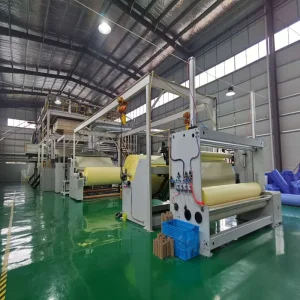
Winding nonwoven fabrics, particularly lightweight hygienic webs (down to 8 gsm) or dense multi-beam composites like SMMS, requires precise tension management. Insufficient winding tension results in loose rolls, causing telescoping during handling. Conversely, excessive tension induces compressive stress that destroys the loft and elasticity of the material—crucial characteristics for medical and hygiene applications.
HG winding systems employ closed-loop load-cell feedback loops and dynamic tension profiling. By adjusting winding torque as the roll diameter increases (taper tension control), the winding machine ensures that the core-to-perimeter density gradient remains uniform. This minimizes mechanical stress, permitting seamless downstream slitting, lamination, and bag-making conversions.
By coupling extrusion speed with winding roll speed using real-time PLC automation (Profibus/Profinet protocols), HG machinery minimizes slippage and preserves the structural alignment of polypropylene spunbond filaments. This results in consistent tensile strength across both Machine Direction (MD) and Cross Direction (CD).
Depending on the polymer profile and intended application, different winding techniques are utilized:
Global leader in spunbond, meltblown, and composite nonwoven fabric machine lines, offering turn-key engineering solutions since 2014.
HG Nonwoven Machinery focuses on producing eco-friendly, biodegradable, and high-performance nonwoven fabrics. The company's 5th Generation spunbond spinning technology reduces power consumption by integrating autonomous controls and optimized heating lines. This structural shift allows operators to maintain a small physical plant footprint while achieving high production efficiency at low operating costs.
Leveraging high-tech automation and robust mechanical design to achieve consistent web handling.
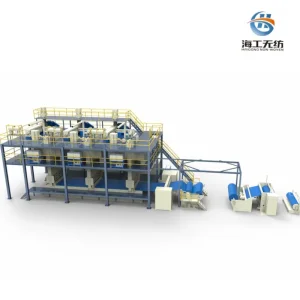
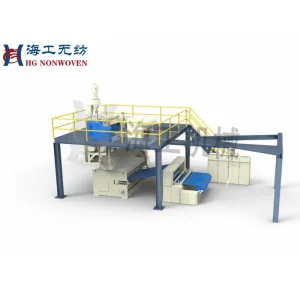
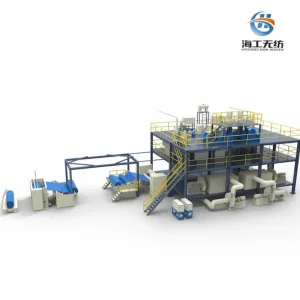
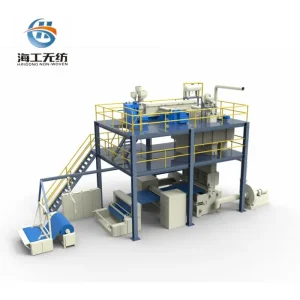
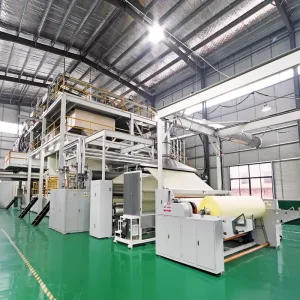
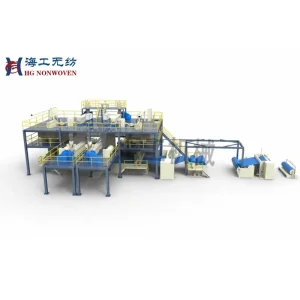
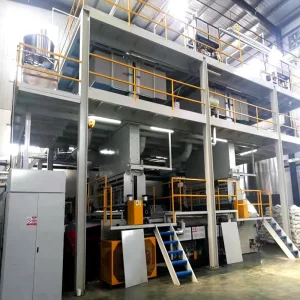
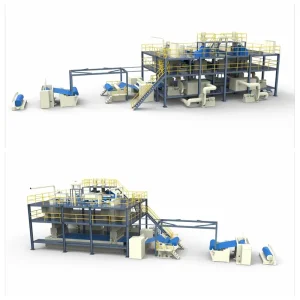
From initial raw polymer material dosing and extrusion to high-speed slitting, winding, and inline recycling, HG offers complete engineering lines. This reduces system incompatibility and speeds up installation.
Our systems incorporate optimized extruder heating profiles and aerodynamic drawing ducts, decreasing energy consumption by 15-20% compared to traditional 3rd generation setups.
Components undergo strict quality testing and structural stress relief, ensuring structural integrity and precise alignment during continuous 24/7 industrial operation.
Our solutions cater to various industries, ensuring high-speed roll handling, precise tension control, and compliance with strict sanitary standards.
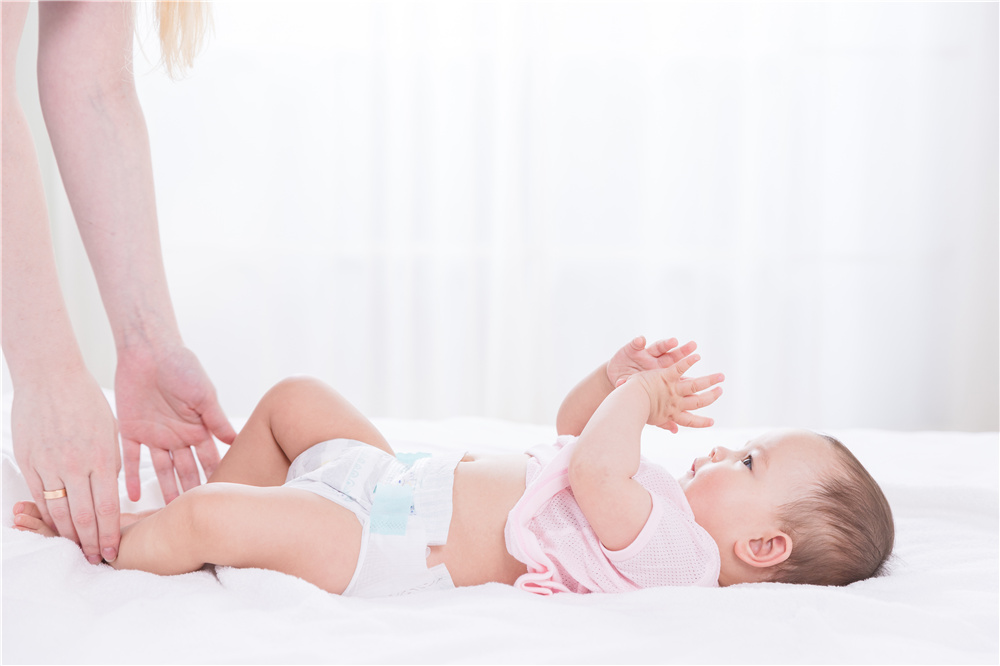
Hygienic webs require softness and excellent fluid absorption. Our winding systems feature precise tension profiling to prevent web compression, keeping materials soft and comfortable for baby diapers, adult incontinence products, and feminine hygiene items.

Medical applications, such as surgical drapes, gowns, and face masks, demand high barrier properties. Our composite SMS and SSMMS winding systems prevent static buildup and ensure roll uniformity to support downstream sterilization procedures.
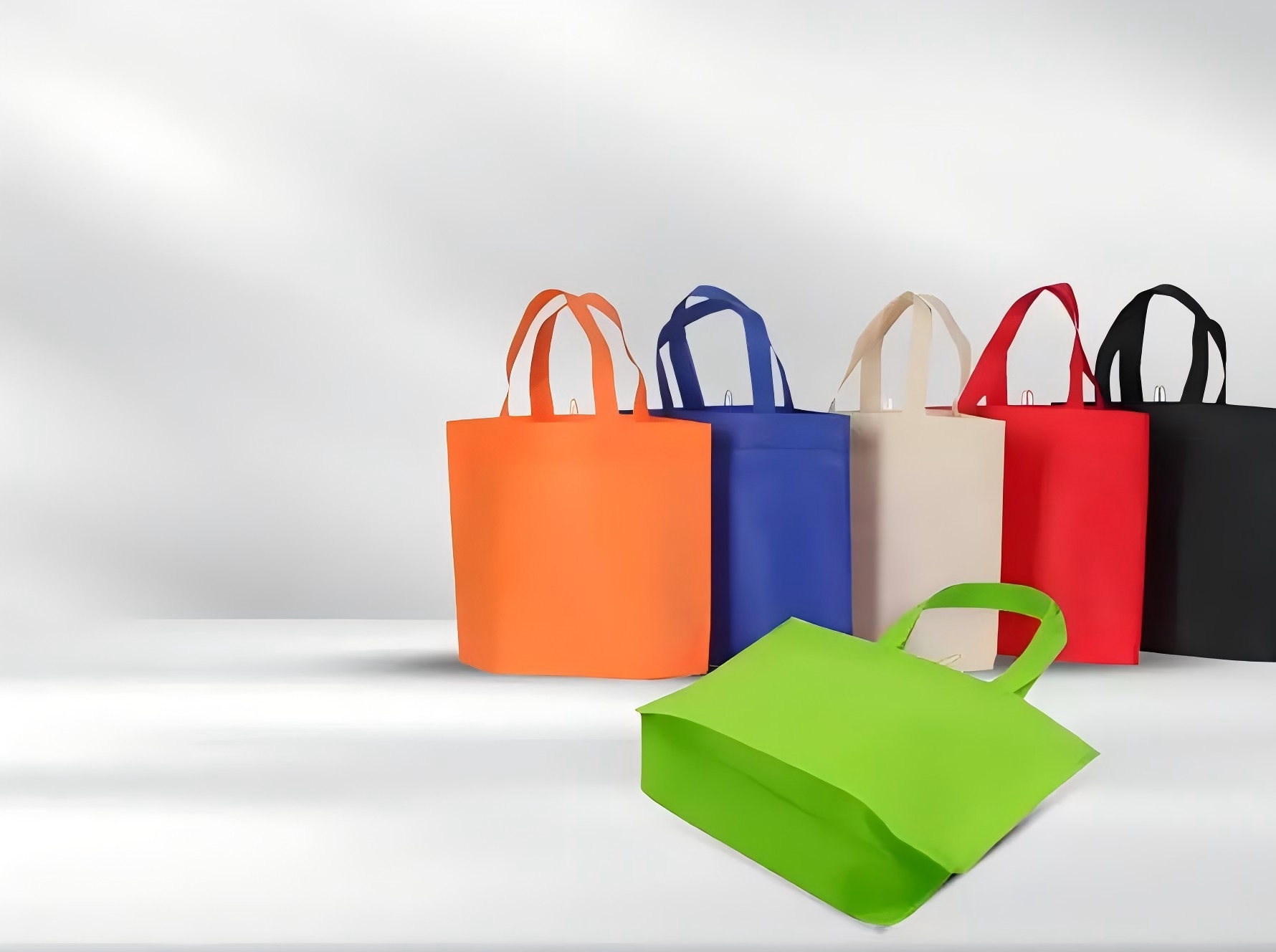
Robustness and high tensile strength are critical for shopping bags, grain packaging, and pocket springs. Our machinery produces high-capacity rolls with uniform density, enabling uninterrupted downstream converting at high speeds.
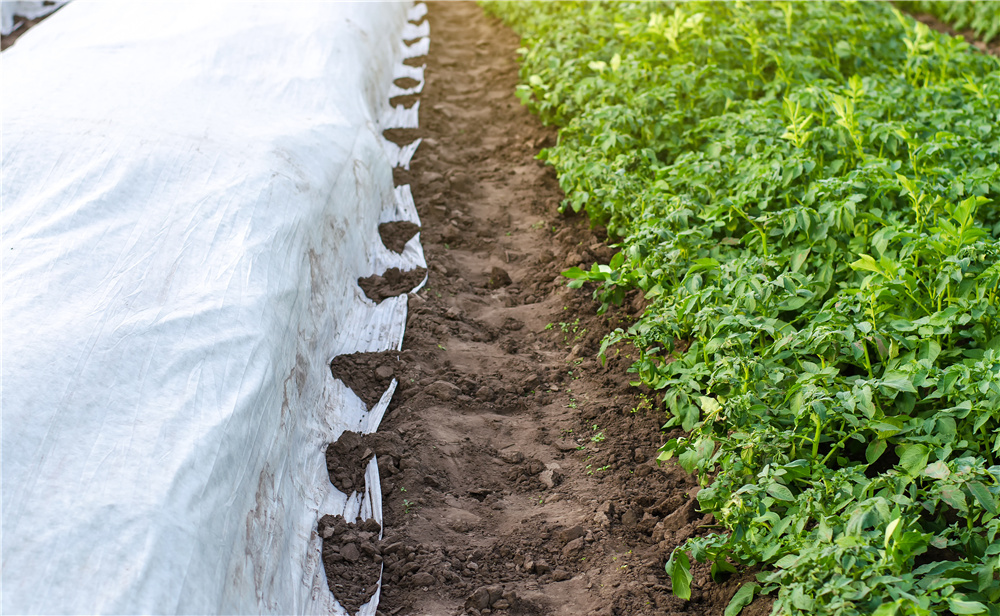
Agricultural nonwovens must provide UV protection and permeability. Our winding systems handle heavy, wide-width agricultural rolls, supporting consistent performance for frost protection covers and weed control mats.
Key factors for global sourcing, performance metrics, and localization challenges.
When selecting a China Hg Non Woven Fabric Winding Machine Manufacturer & Supplier, global buyers look for reliability, safety certifications, and low Total Cost of Ownership (TCO). In the competitive global landscape, operational downtime is costly, making technical service, part availability, and localization crucial. Pujiang HG Nonwoven Machinery addresses these concerns through structured turnkey engineering services.
Our design process adheres to international industrial safety standards, including CE and ISO certifications. High-efficiency electrical cabinets with localized cooling systems, dual emergency stops, safety fences, and explosion-proof motors (where required) ensure compliance with diverse regional safety standards.
For cross-border buyers, purchasing individual pieces of equipment from different vendors often leads to integration issues. HG eliminates this friction by offering comprehensive engineering solutions (A to Z). Our services include:
• Pre-project feasibility analysis and local market assessment.
• Custom design of spinning beams, draft channels, and winding units.
• Integration of secondary converting systems, including recycling units, laminators, slitters, and bag makers.
• Comprehensive on-site installation, commissioning, and system tuning by our global field engineers.
Each production line includes a 24-month warranty and remote support. Field service engineers are available to travel internationally for system upgrades, troubleshooting, and training. This on-site training program ensures local teams can operate the system efficiently and handle routine maintenance.
Adapting to green materials, intelligent automation, and Industry 4.0 standards.
The nonwoven industry is shifting toward green manufacturing and high automation. Our technical roadmap focuses on adapting to these requirements:
With increasing demand for bioplastics, winding machines must handle materials with different thermal and tensile characteristics, such as PLA (Polylactic Acid) or bio-PET. PLA is sensitive to heat and tensile load, requiring precise cooling and lower web tension. Our systems adapt to these material variations, enabling smooth winding of biodegradable webs.
Modern winding units feature IoT connectivity. Data points, including tension profiles, roll weights, and operational speeds, are uploaded to cloud servers, helping managers monitor production efficiency and schedule preventive maintenance.
Expert answers regarding technical support, tension control, material compatibility, and global service.
Explore our complete catalog of industrial machinery, including high-speed spunbond, SMS, and SMMS production systems.
 HG NONWOVEN