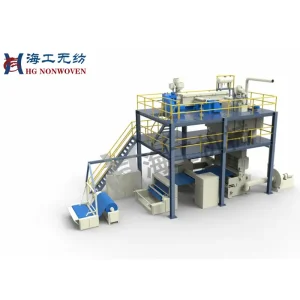
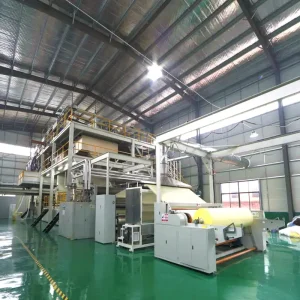
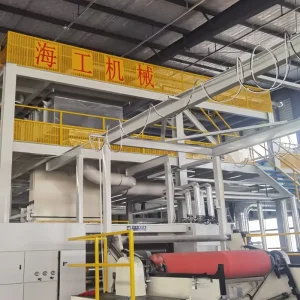
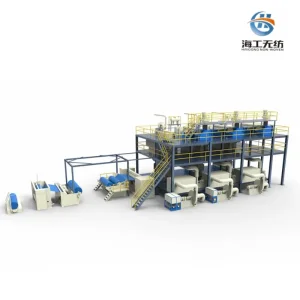
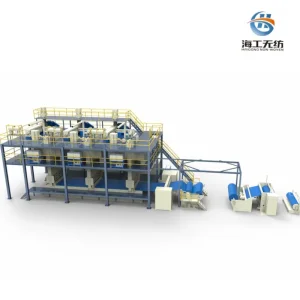
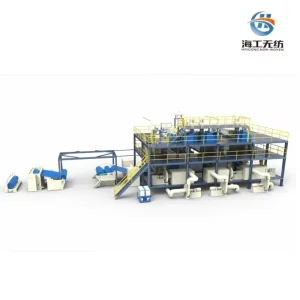
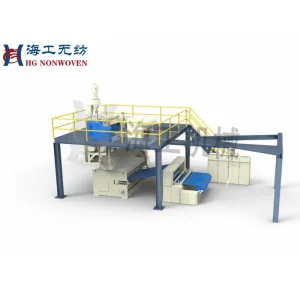
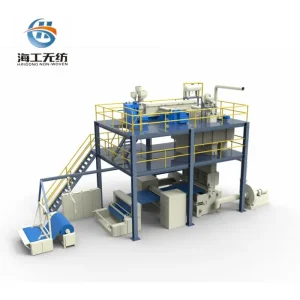
Explore our top-tier manufacturing lines engineered for precision, high output, and optimal material savings.
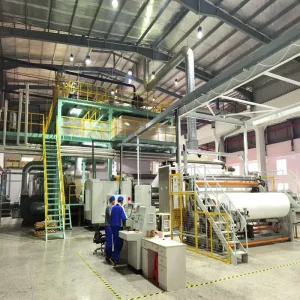
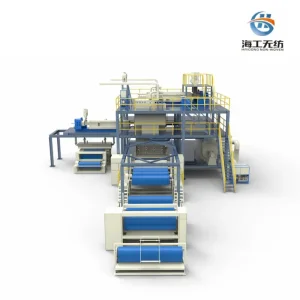
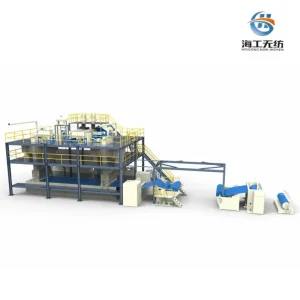
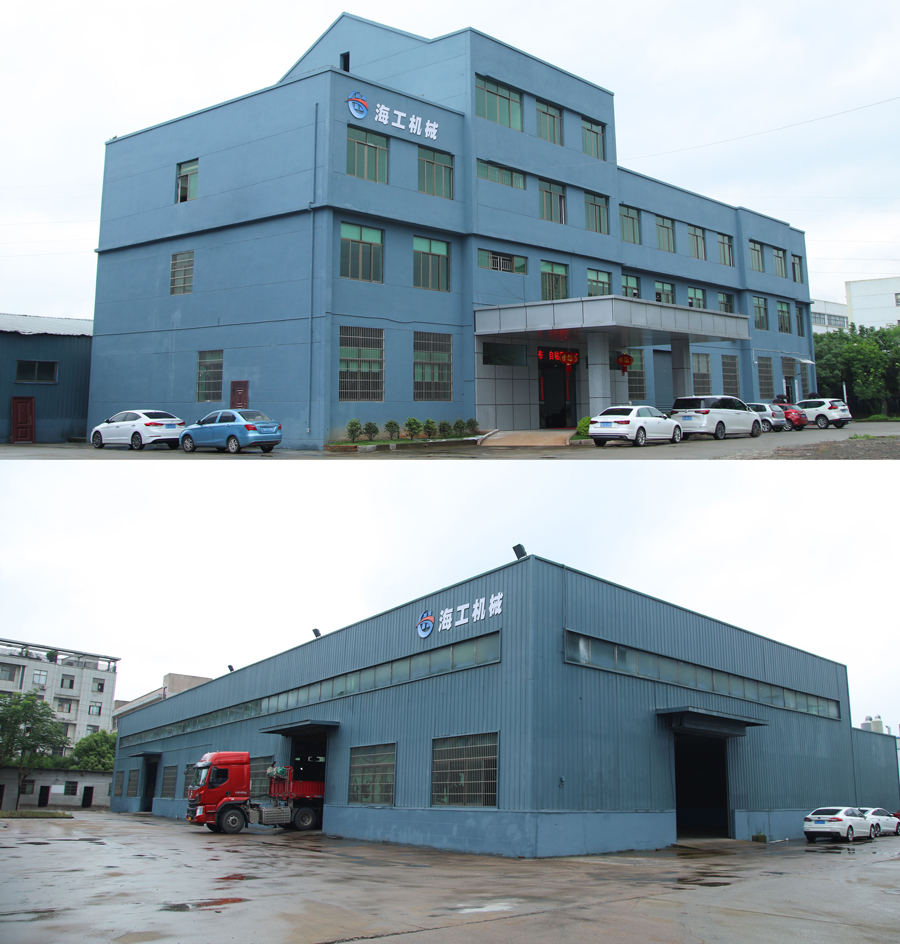
Pujiang HG Nonwoven Machinery Co., Ltd. has established itself as an industry-leading nonwoven fabric machinery manufacturer since 2014, with team expertise spanning more than 20 years. We specialize in designing and manufacturing high-performance PP spunbond, meltblown, and composite nonwoven fabric lines, delivering comprehensive turnkey engineering services to the global market.
Our solutions introduce the advanced 5th Generation spunbond spinning concept, seamlessly combining foreign design efficiency with local market adaptability. As a result, our machinery boasts exceptional qualities: convenient operation, compact space requirement, low power consumption, high yield, and minimized overall production costs. We prioritize environmental stewardship, ensuring our designs help manufacturers produce eco-friendly, biodegradable, and high-tensile spunbonded nonwoven fabrics.
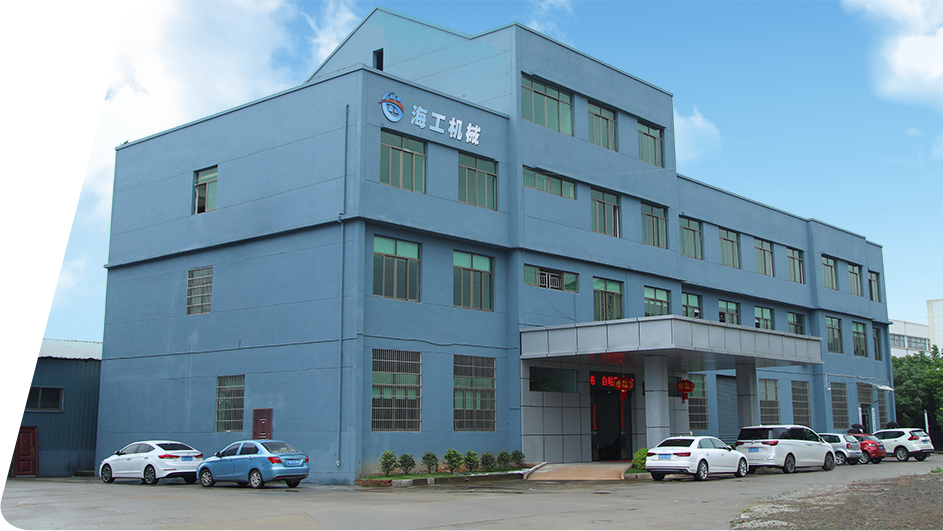
The global nonwoven fabrics industry has transitioned from a basic commodity-driven sector to a highly specialized field of material science. Spunbond and meltblown fabrics represent the fastest-growing categories within this evolution. Today, businesses face stringent requirements for tensile strength, web uniformity, fiber fineness, and raw material efficiency. HG Nonwoven Machinery has remained at the vanguard of this shift, offering robust systems designed to create high-performance Hg Non Woven Fabric Rolls.
Traditional nonwoven manufacturing is energy-intensive, particularly in the extrusion, drafting, and thermal bonding phases. The 5th Generation technology developed by HG addresses these pain points by integrating high-efficiency induction heating extruders, streamlined aerodynamic drafting channels, and optimized calender temperature controls. This translates to a direct energy saving of up to 15-20% compared to legacy setups, while reducing polymer waste to less than 1.5% during steady-state operations.
As global carbon targets tighten, there is also a dramatic surge in demand for sustainable and biodegradable nonwoven fabric alternatives. HG machinery is configured to run not only standard Polypropylene (PP) chips but also bio-based and recycled polymers. The ability to switch between conventional PP and eco-friendly polymers allows modern factories to capture premium market segments, including certified organic agricultural covers, eco-conscious retail packaging, and bio-degradable hygiene liners.
How different beam configurations impact web structure, filtration barriers, and commercial viability.
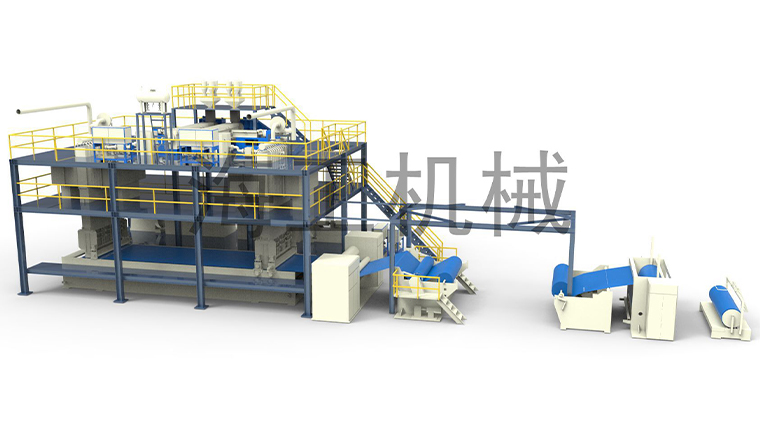
Primary Applications: Packaging nonwoven bags, furniture lining, agricultural covers, crop protection.
Provides excellent tensile strength and high production speeds. Crucial for volume-driven packaging and structural reinforcement applications.
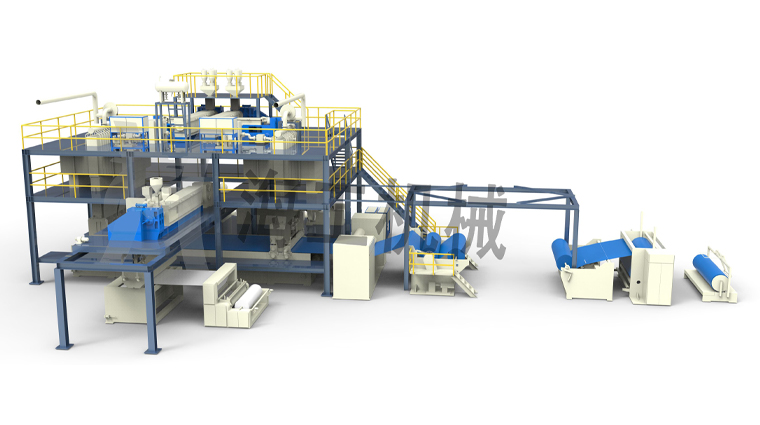
Primary Applications: Medical gowns, surgical drapes, isolation suits, and medical-grade packaging.
Combines Spunbond strength layers with a Meltblown barrier layer. Provides barrier protection while maintaining reasonable breathability.
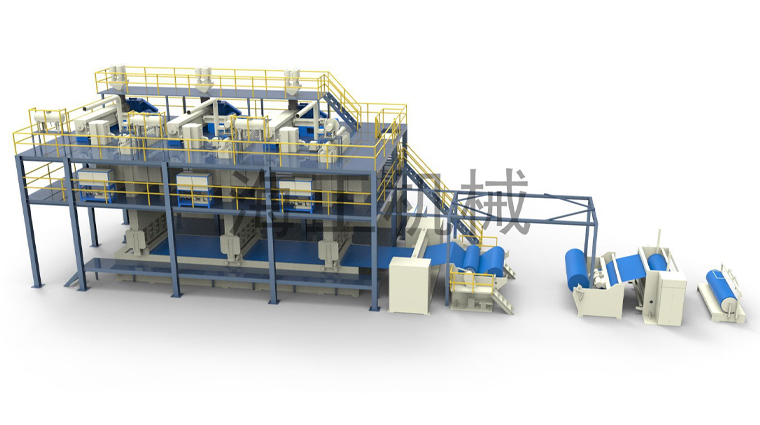
Primary Applications: High-efficiency surgical drapes, sterilization wraps, advanced protective apparel.
Includes four layers. The two internal meltblown webs provide exceptional particulate filtration and hydrostatic pressure resistance.
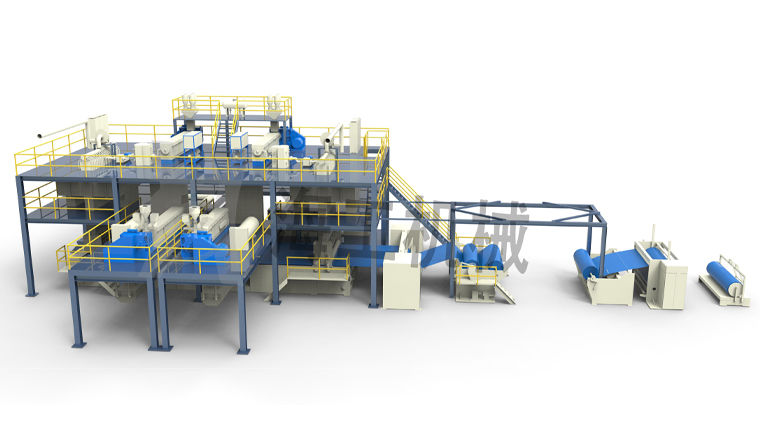
Primary Applications: Advanced medical and infant hygiene sectors (diapers, feminine care).
Our top-tier composite configuration. Delivers an ultra-soft tactile feel, superior barrier performance, and optimum comfort characteristics.
Choosing the correct beam configuration dictates the performance profiles of your finished Hg Non Woven Fabric Rolls. While an S-line produces basic structural fabrics suitable for carry-bags and agriculture, medical and hygiene markets command high filtration capability. In these fields, the meltblown barrier layers act as physical filters blocking microbes and particulate matter. The multi-beam SMS, SMMS, and SSMMS setups ensure your products meet stringent EN 13795 and AAMI level standards.
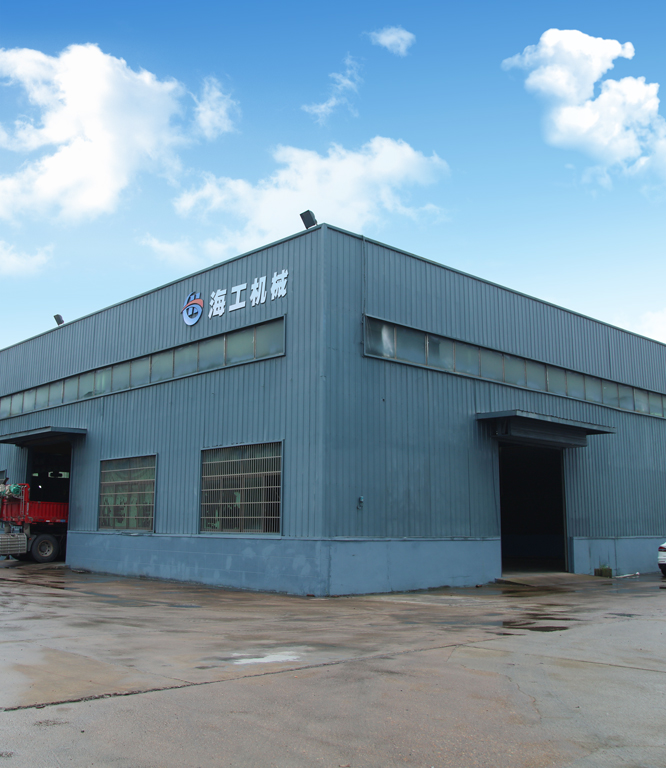
Modern nonwoven manufacturing is not just about raw outputs; it relies heavily on supply chain continuity and operational efficiency. Over 20 years, HG Nonwoven Machinery has built a robust ecosystem in China, leveraging localized material advantages, highly developed engineering components, and smart automation systems.
Our machinery systems are designed according to "China Industry 4.0" parameters. We integrate Siemens PLC automation, high-speed temperature sensing loops, and cloud-based diagnostic portals. Remote diagnostics allow our engineers to perform maintenance checks, fine-tune drafting parameters, and resolve programming bugs globally. This predictive maintenance setup minimizes unexpected downtime, helping factories maintain consistent manufacturing schedules.
By securing key components and utilizing specialized local assembly processes, HG provides lines that are more cost-effective than comparable European designs. This lower capital investment, combined with reduced operating costs, allows our clients to achieve high returns on investment while maintaining premium roll standards.
Analyzing the technical specifications required across key application fields.
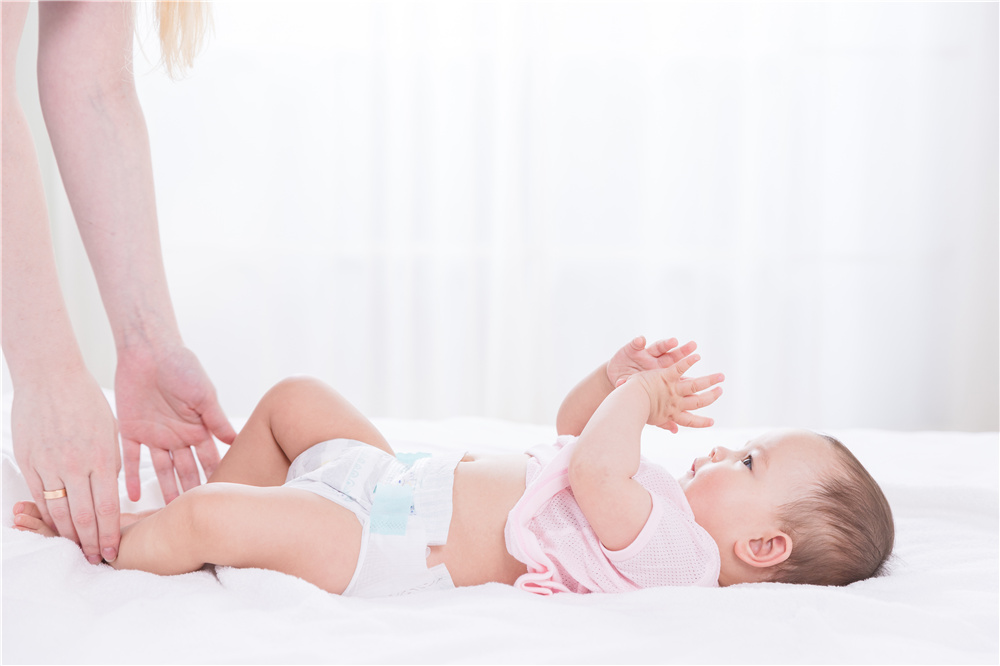
Highly uniform spunbond layers offer excellent softness, rapid liquid acquisition, and structural stability. These features are critical for infant diapers, sanitary napkins, and adult incontinence products where skin comfort and fast absorbency are required.
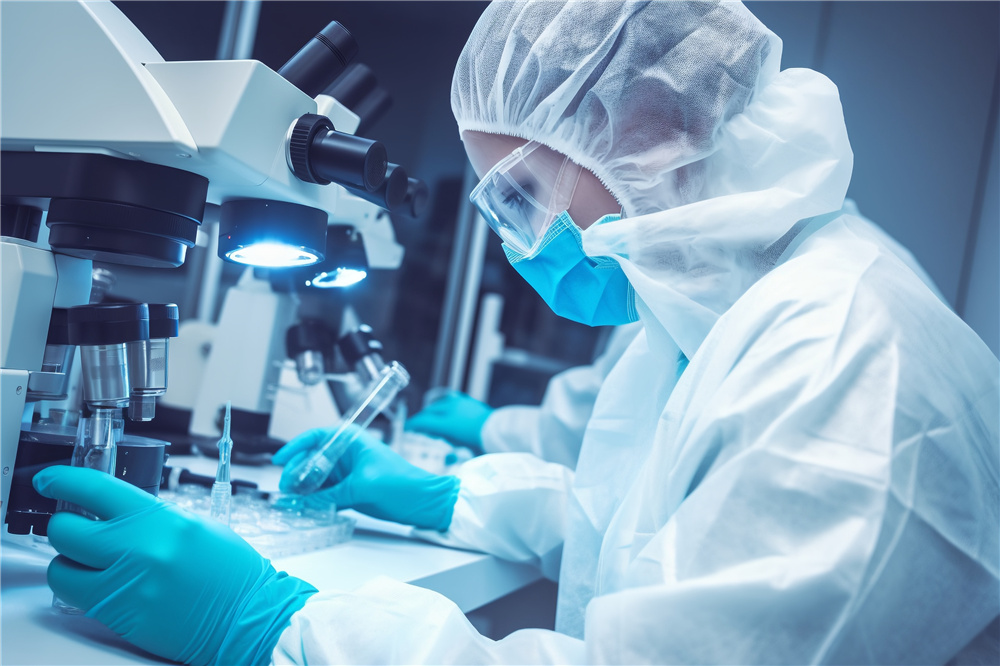
For items like surgical drapes, sterilization wraps, and isolation suits, fabrics need to block microbial paths while remaining breathable. SMS and SMMS configurations create high-density fiber networks that prevent liquid penetration and viral transport.
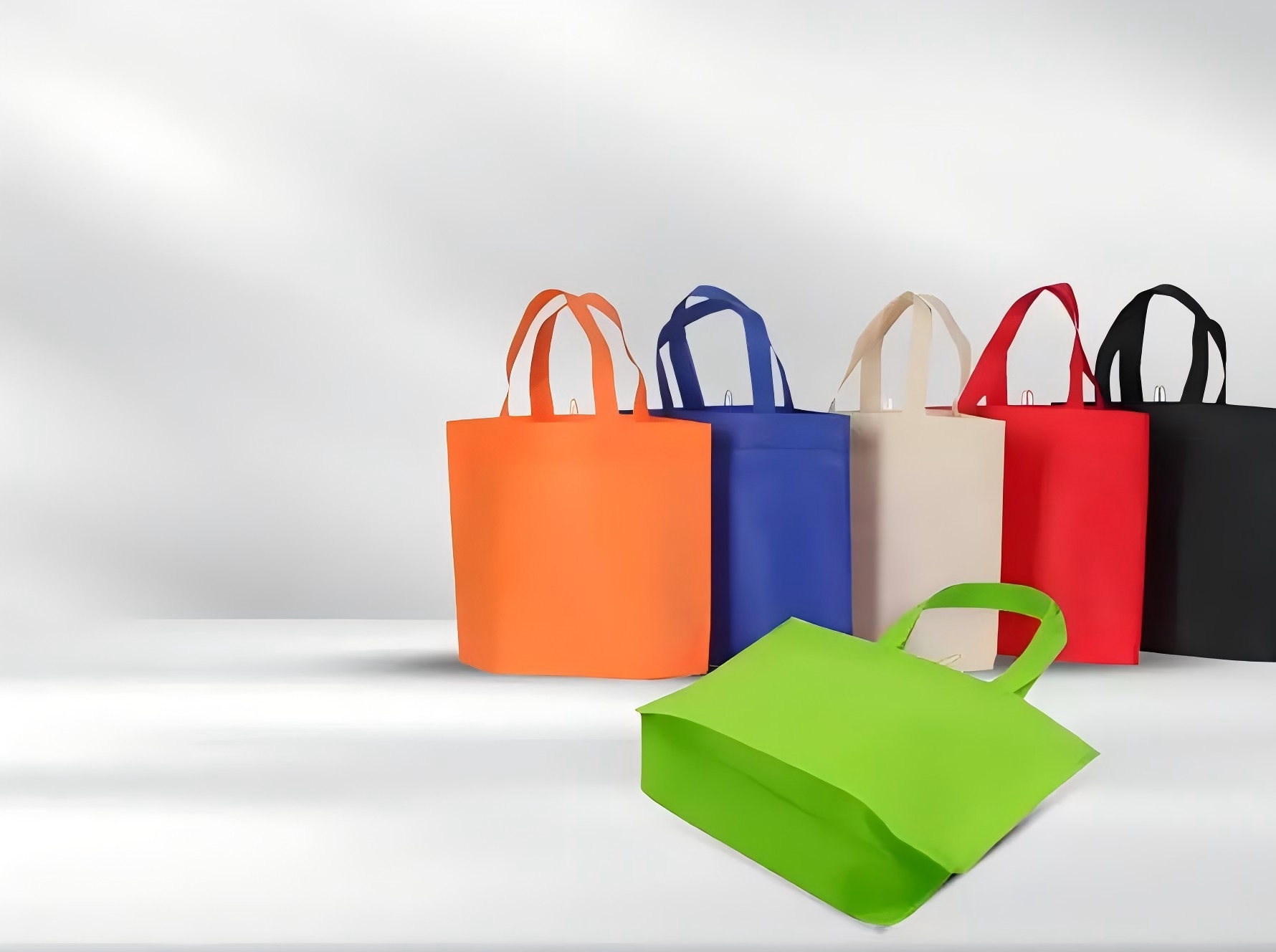
Durable nonwoven rolls are utilized for reusable grocery bags, pocket spring casings, and protective industrial packaging. High tensile strength, tear resistance, and weldability are essential to ensure the materials perform reliably under stress.
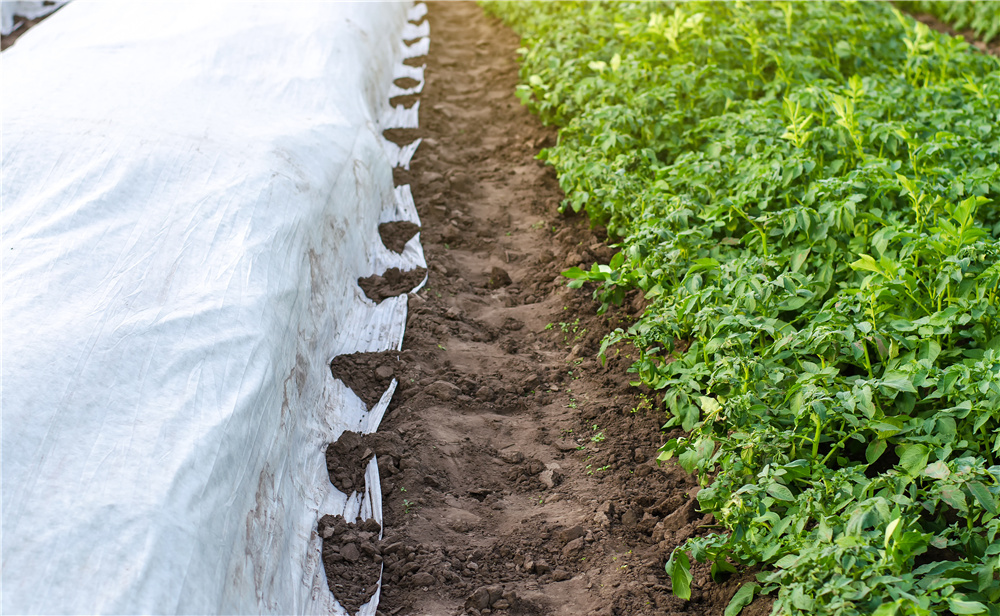
Our crop covers are designed to balance light transmission with protection. They block UV degradation, retain soil moisture, and shield crops from frost, insects, and heavy rain, fostering a stable microclimate to maximize crop yield.
Our engineering services extend beyond machinery design. We deliver fully integrated production ecosystems.
We work closely with clients to perform local feasibility analyses, evaluating energy availability, target fabric markets, and logistics pathways to ensure a viable operation from day one.
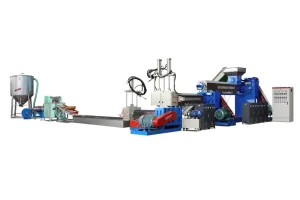
We supply auxiliary systems designed to work with the core lines, including high-speed inline slitting, multi-color flexo printing, film lamination, bag making, and online recycling machinery.
HG technicians oversee mechanical installation, electrical calibration, and polymer extrusion trials. We provide extensive hands-on training to prepare operational staff for daily production.
Answers to common queries regarding nonwoven production parameters, machinery selection, and maintenance.
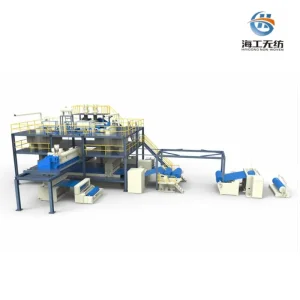
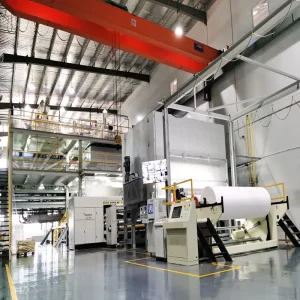
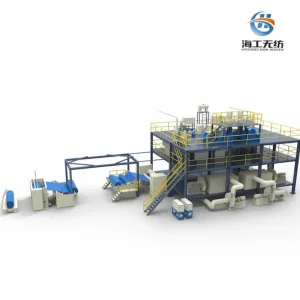
A visual overview of our machinery configurations, components, and extrusion steps.
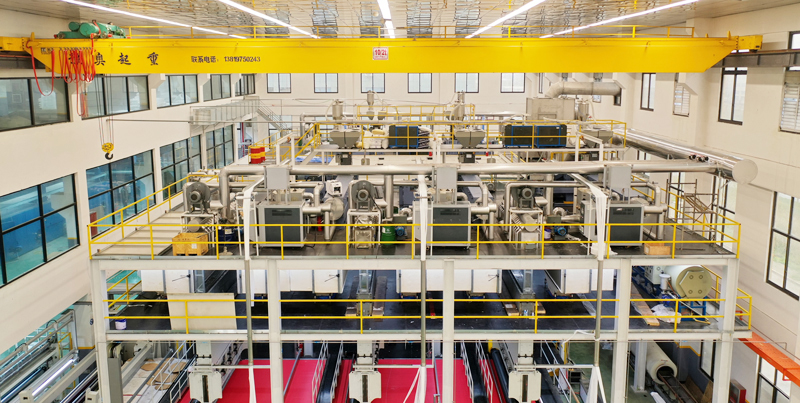
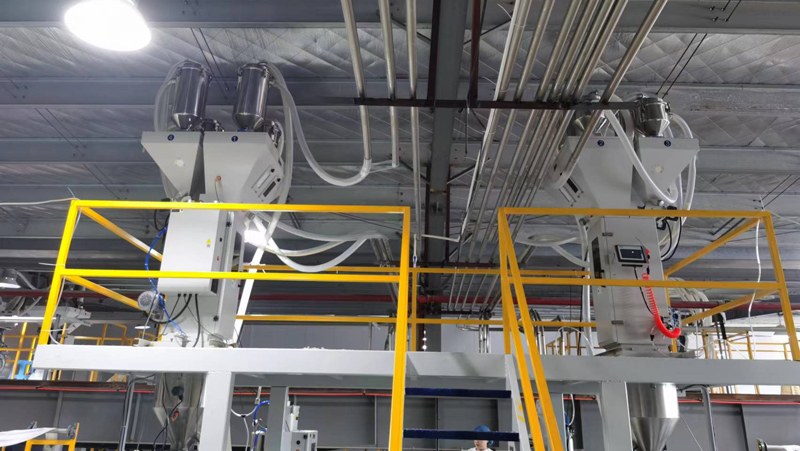
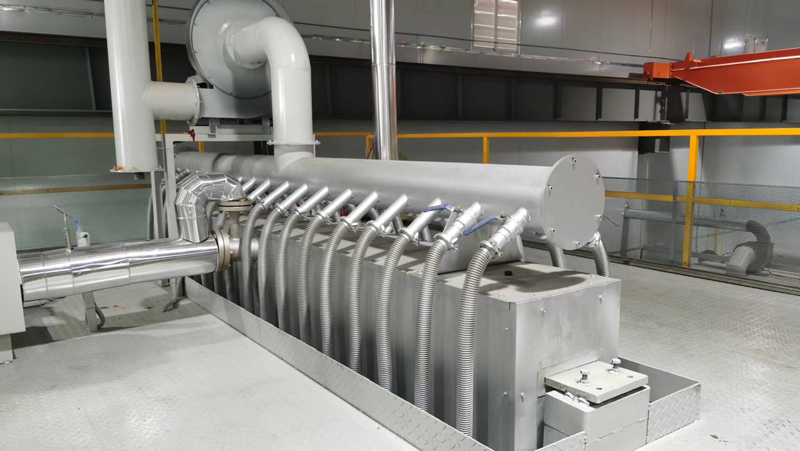
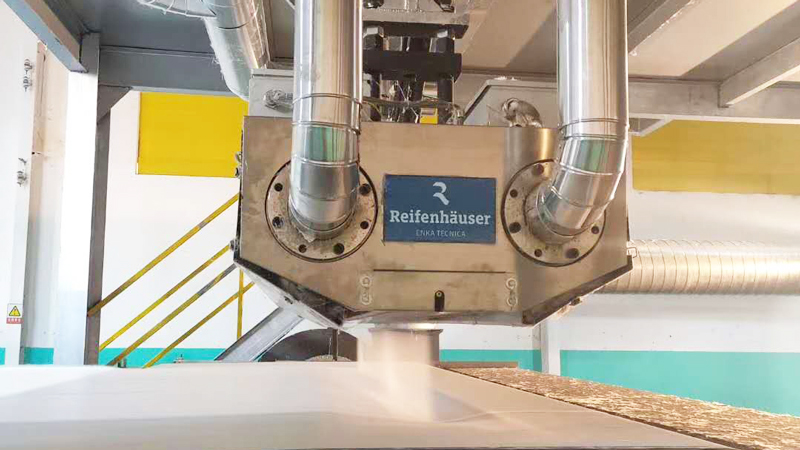
Review our specialized setups designed for medical barriers, multi-beam systems, and custom configurations.
 HG NONWOVEN