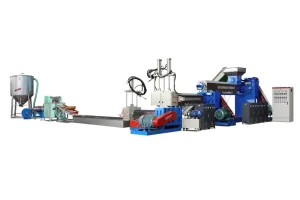
Integrate state-of-the-art spunbond and meltblown processing systems directly with specialized in-line recycling components.
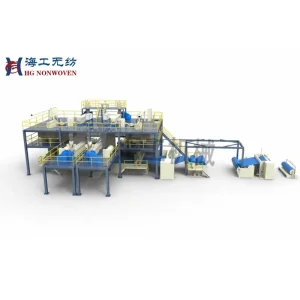
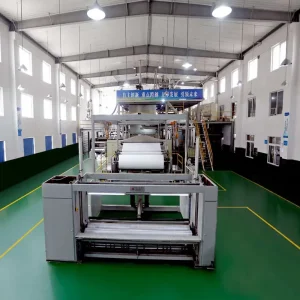
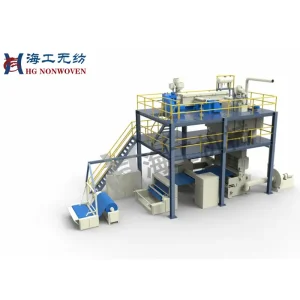
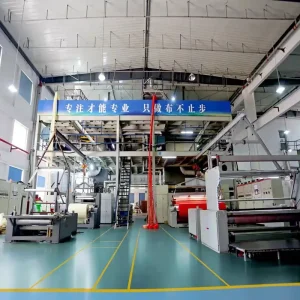
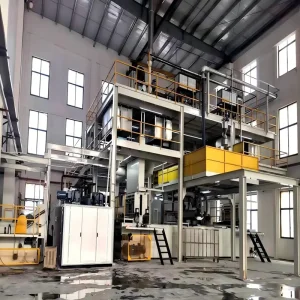
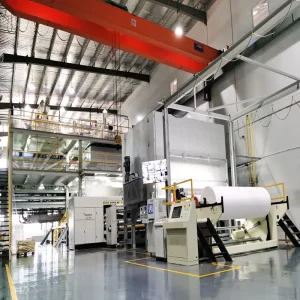
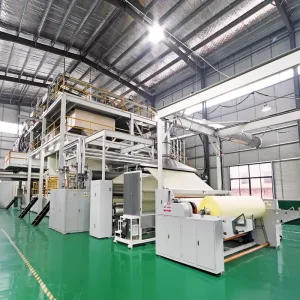
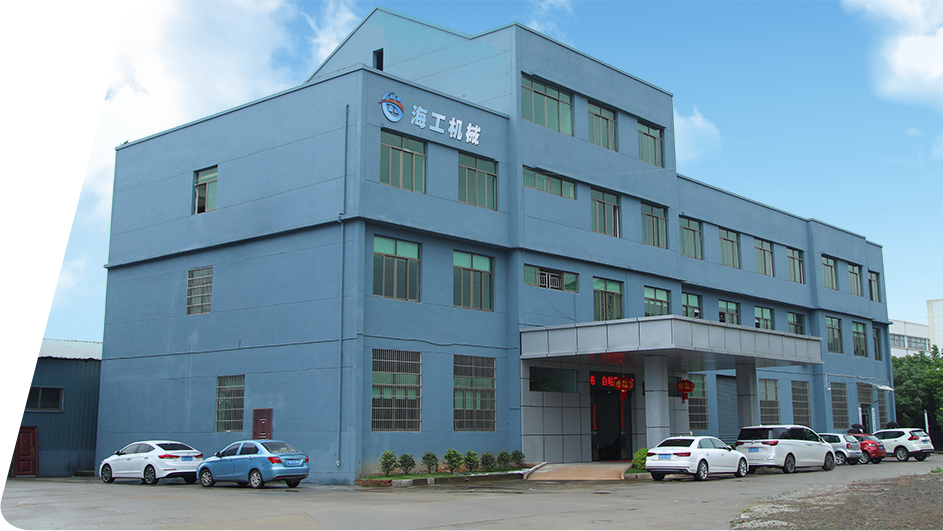
HG Nonwoven Machinery is a professional manufacturer of spunbond, meltblown, and composite nonwoven fabric machine lines, dedicated to providing high-efficiency and innovative spunbond nonwoven fabric production solutions to the global market. Our company introduced advanced design (5th Generation spunbond spinning technology) concepts from overseas and integrated them with autonomy for the needs of the market.
As a result, HG nonwoven fabric making machines are characterized by convenient operation, small physical footprint, low power consumption, high efficiency, and low production cost. Established as a leading player since 2014, Pujiang HG Nonwoven Machinery specializes in manufacturing PP spunbond and meltblown nonwoven fabric making machines with complete turnkey engineering services. Our machines focus on producing high-performance, eco-friendly, and biodegradable spunbonded nonwoven fabrics.
"Our company regards 'high quality, good service' as our core tenet. By choosing us, you gain a reliable partner committed to helping you stand out in a highly competitive market."
Delivering high-reliability nonwoven machinery across major international manufacturing hubs.
An In-Depth Whitepaper on Optimizing Polymer Efficiency, Minimizing Thermal Degradation, and Achieving Closed-Loop Waste Management.
In modern industrial polymer processing, the generation of polypropylene (PP) edge trims, scrap rolls, and startup waste is an inevitable byproduct of spunbond, meltblown, and composite SMS nonwoven fabric production. Historically, these materials were treated as post-industrial waste, leading to substantial raw material loss and increased logistics costs for waste disposal. However, under modern ESG compliance frameworks and strict global cost-efficiency mandates, nonwoven manufacturers are turning to integrated in-line edge trim recycling systems and specialized offline plastic granulator machines to reclaim valuable materials.
A major technical challenge during the recycling of polypropylene nonwoven fabric lies in the preservation of the polymer's molecular weight distribution and Melt Flow Index (MFI). Polypropylene is highly sensitive to thermo-oxidative degradation. When subjected to repeated melting cycles, the polymer chains undergo scission, which significantly increases the MFI and renders the recycled pellets brittle. This reduces the tensile strength and elongational properties of the resulting spunbond fibers. Consequently, standard recycling machinery fails to yield material suitable for high-speed spinning beams.
HG Nonwoven Machinery's recycling systems solve this issue by utilizing low-shear, vacuum-degassed extrusion processes. By maintaining a precise temperature profile below the critical degradation threshold of polypropylene, our machinery ensures that the physical properties of the recycled polymer are preserved. This enables manufacturers to feed up to 15% to 20% of in-house recycled pellets back into the main spinning hopper without affecting the filament extrusion process, fiber uniformity, or the ultimate mechanical strength of the final nonwoven fabric.
Custom screw configurations with low-shear geometries prevent excessive heat generation, ensuring the molecular structure of the PP remains intact for high-tensile spinning applications.
Pneumatic transport systems feed edge trims directly from the slitter back into the recycling extruder hopper, eliminating external contamination risks and saving labor costs.
Equipped with dual-plate screen changers, our machines allow continuous filtration of polymer melts without halting production, reducing operational downtime to absolute zero.
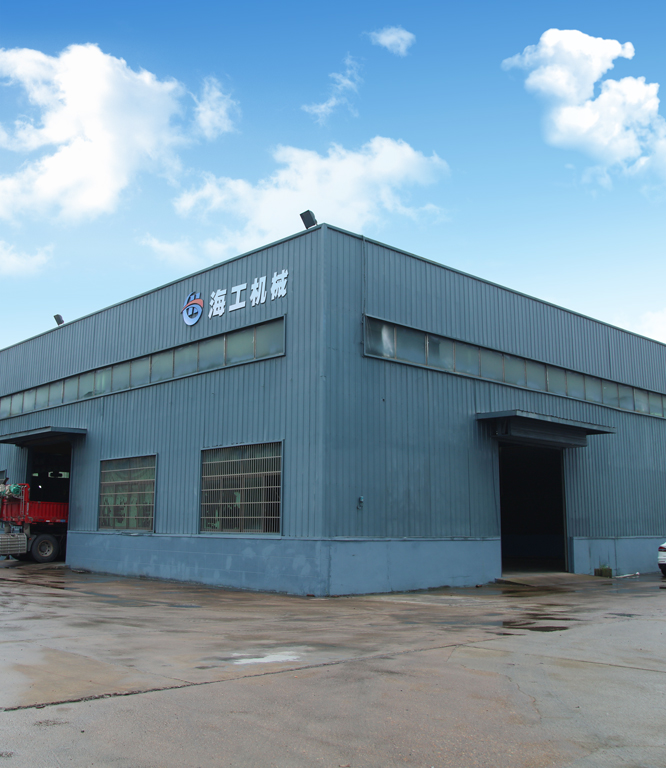
Operating out of Pujiang, Zhejiang Province—the heart of China's advanced industrial manufacturing hub—HG Nonwoven Machinery leverages a highly integrated local supply chain. From precision steel sourcing and heavy-duty gearboxes to custom-engineered electrical components (featuring Siemens, Omron, and Schneider integrations), our factory guarantees immediate access to world-class components. This enables us to compress assembly lead times by up to 30% compared to Western competitors.
By coupling localized high-precision manufacturing with strict internal quality controls, we pass substantial cost savings directly to the customer. This ensures that global procurement managers can buy European-standard 5th generation machinery at competitive Chinese factory prices. Our geographical position also guarantees streamlined logistics, offering fast transport links to major shipping ports like Ningbo and Shanghai for reliable global deliveries.
How HG Nonwoven Machinery guides global procurement teams through complex capital equipment acquisitions.

With comprehensive experience in global nonwoven dynamics, we offer region-specific demand analyses and feasibility reports to validate your capital expenditures.
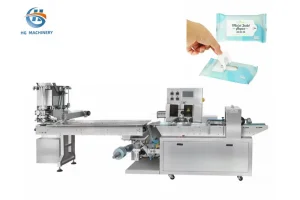
Beyond our primary spunbond lines, we supply auxiliary systems, including recycling granulators, slitting systems, printing lines, and downstream bag making machines.
We deploy senior engineering crews to handle on-site assembly, precise mechanical calibration, PLC configuration, and intensive training for local operators.
Our 5th Generation control panels feature remote cloud diagnostics, allowing our technical team to monitor, troubleshoot, and optimize system parameters from our headquarters.
Engineered to work alongside our polymer recycling technology for optimal factory output.
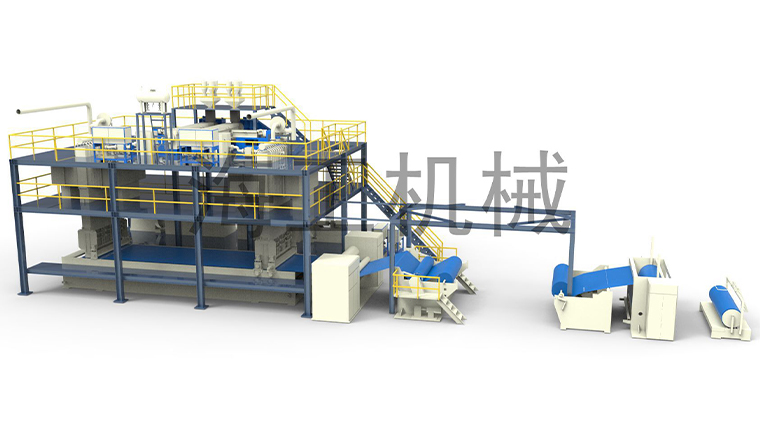
Optimized for packaging bags, furniture backing, and agricultural protective covers. Highly stable, offering simplified raw material processing and low carbon footprints.
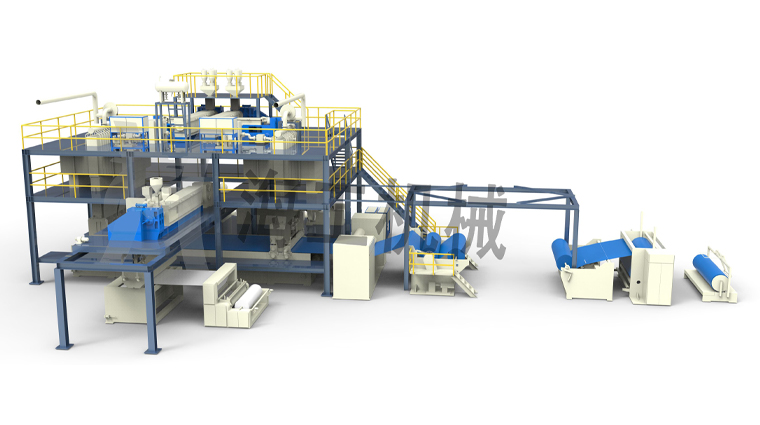
Designed for medical and hygiene applications. Incorporates a meltblown barrier layer sandwiched between spunbond webs for protective apparel.
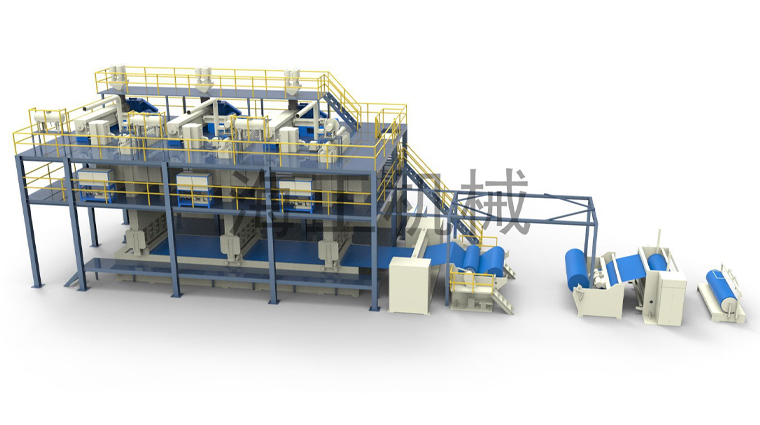
A four-layer structure that offers superior hydrostatic head resistance and improved filtration efficiency compared to standard SMS lines.
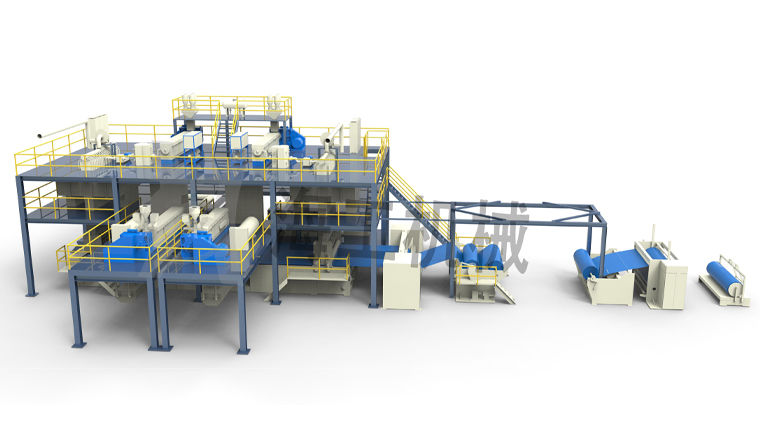
Delivers top-tier barrier protection combined with softness and breathability. Suitable for surgical gowns, drapes, and sterilization wraps.
Aligning advanced machinery manufacturing with strict global standards and international regulatory frameworks.
Purchasing heavy industrial equipment like nonwoven fabric making machines and plastic recycling extruders involves navigating various international technical requirements. Procurement managers in the European Union (EU), North America, and South America prioritize safety standards, energy efficiency, and operational reliability. HG Machinery addresses these requirements by building all machinery in accordance with CE directives, ISO9001 quality management guidelines, and UL compliance options for electrical cabinets.
Beyond regulatory compliance, localized support is a key factor in reducing operational downtime. HG Nonwoven Machinery has built a global support network that offers fast assistance when you need it. We maintain strategic alliances with technical service partners in Latin America, Southeast Asia, the Middle East, and Eastern Europe. This allows us to dispatch experienced service teams to your facility for maintenance, spare parts delivery, or software calibration without the delays of long-distance travel.
Furthermore, our engineering team provides complete plant layout planning and design schematics. We ensure that electrical feeds, water cooling networks, compressed air routing, and exhaust systems are integrated seamlessly with your facility's infrastructure. By coordinating with your local contractors during the pre-installation phase, we help prevent costly field modifications and ensure a smooth setup process.
Compliance & Safety Mandates: Every machine line shipped features protective guarding, safety interlocks, emergency stop networks, and low-voltage control circuits that comply with OSHA and European machinery directives (2006/42/EC).
How recycled PP and raw spunbond polymers are transformed into high-demand products across various global industries.

Delivers the softness, liquid management, and breathability needed for baby diapers, feminine hygiene products, and adult incontinence pads.
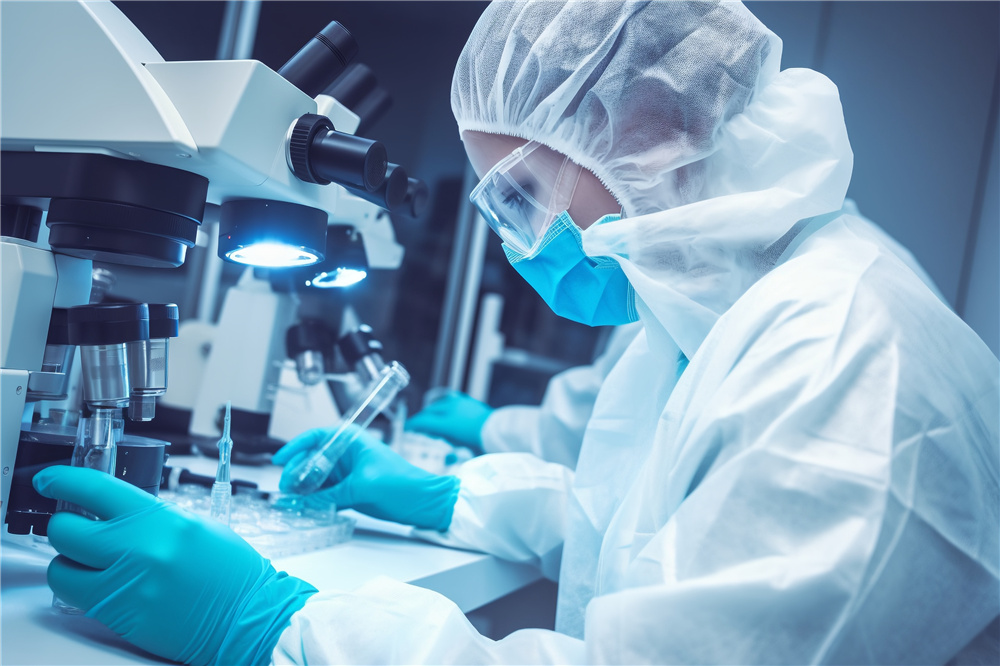
Provides effective barrier properties to block pathogens and fluids. Crucial for surgical gowns, face masks, drapes, and sterile wraps.
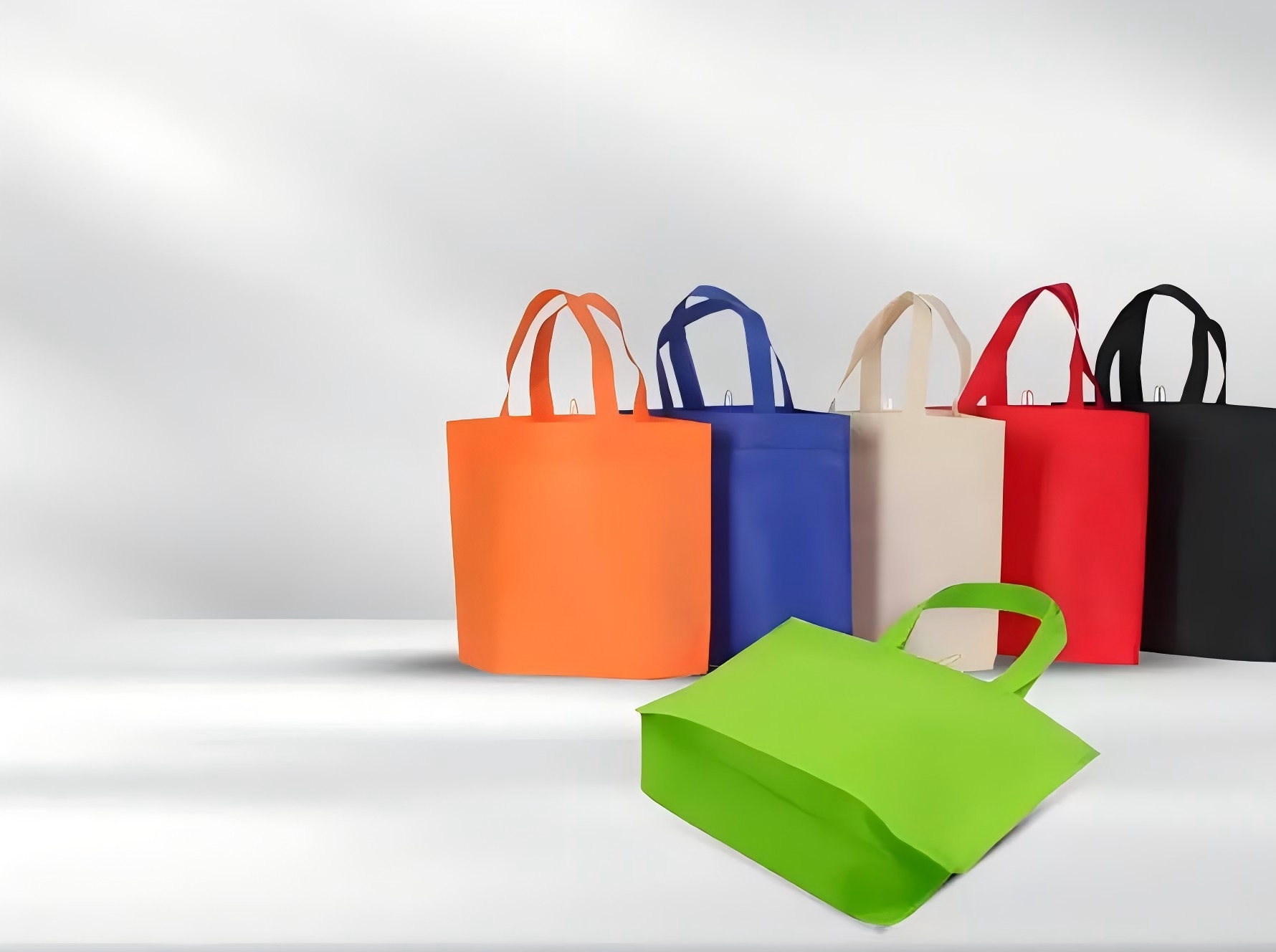
A cost-effective solution for reusable shopping bags, agricultural sleeves, and furniture construction. Features high tear strength and durability.
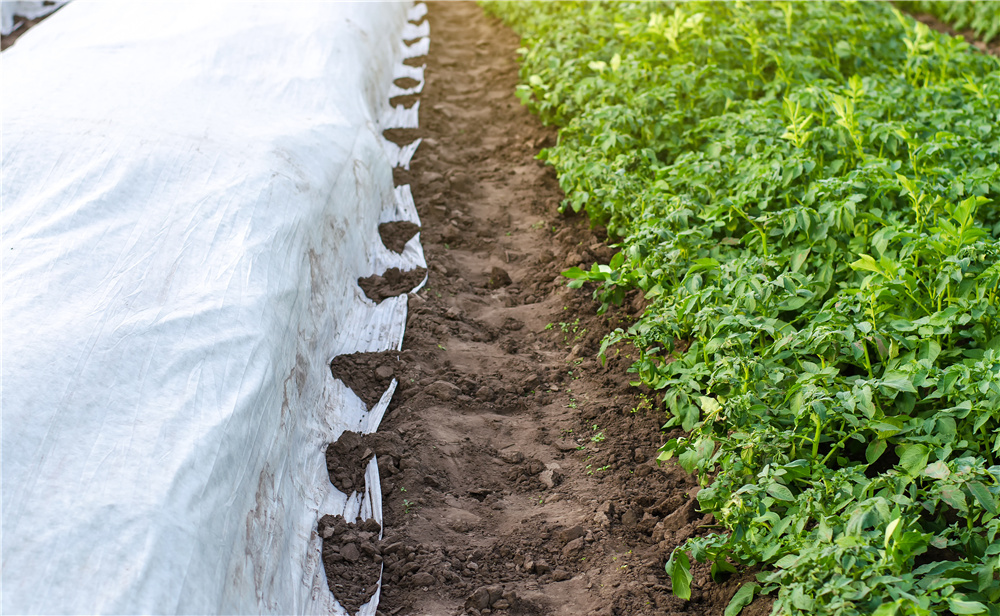
Protects crops from cold, insects, and UV damage while remaining permeable to water and air, creating a microclimate that enhances yields.
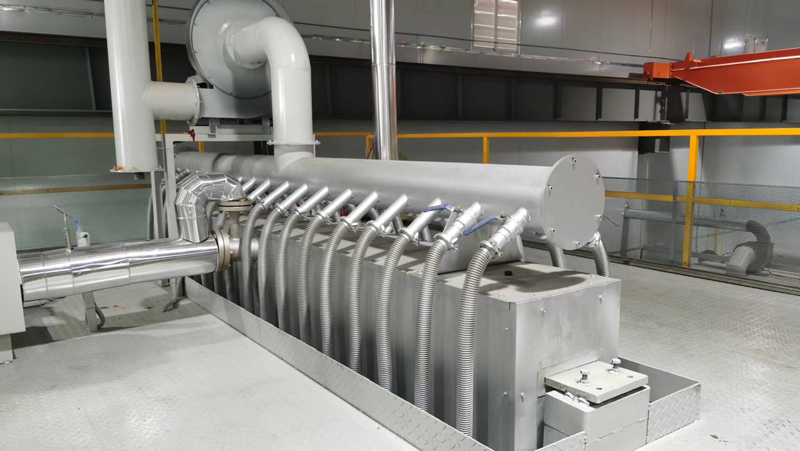
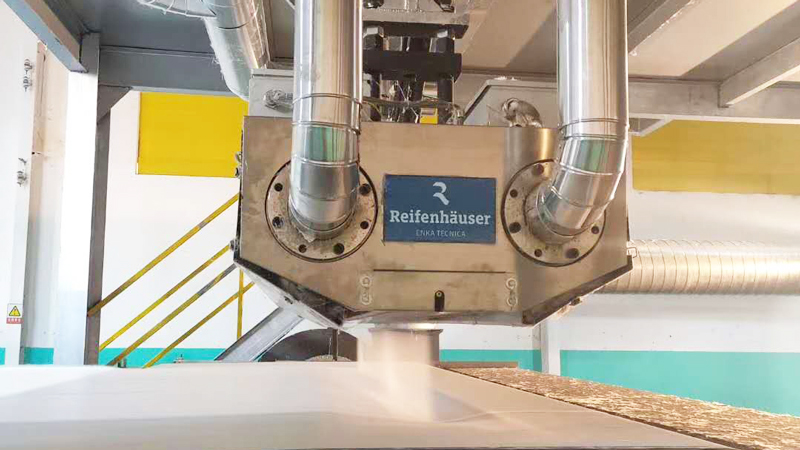
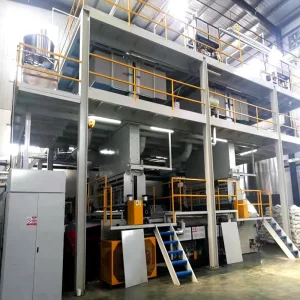
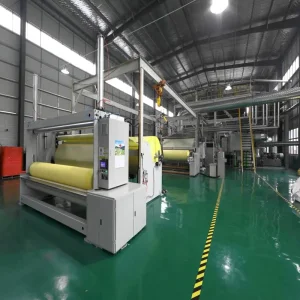
A look inside our advanced manufacturing facility and some of our global project installations.
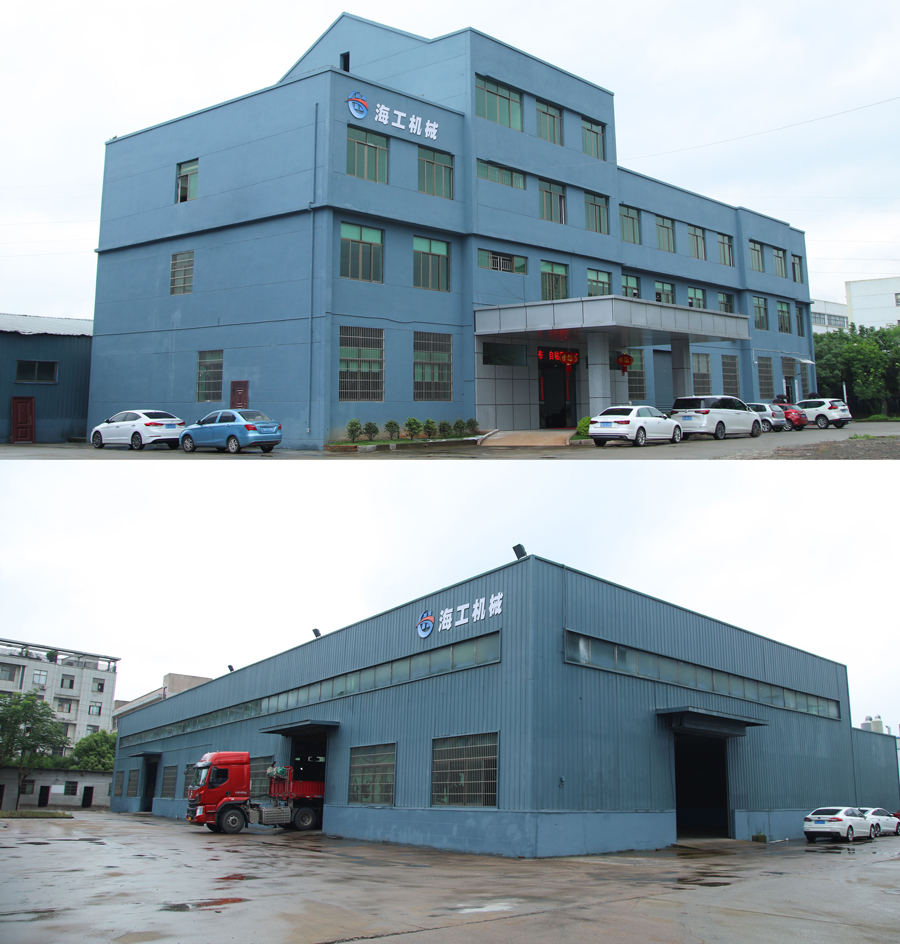
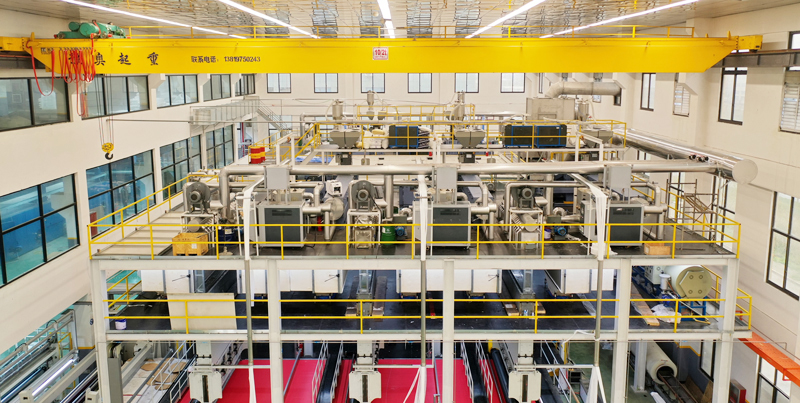
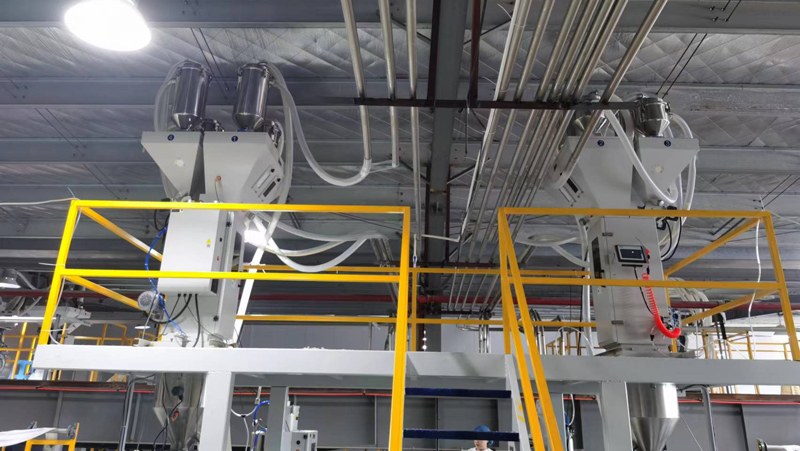
How HG Nonwoven Machinery stays ahead of regulatory updates and changes in polymer materials.
The global nonwoven industry is undergoing a transition driven by carbon reduction policies, shifting consumer preferences, and the rise of sustainable raw materials. Key shifts on the horizon include:
Clear, technical answers to common questions about nonwoven manufacturing, material recycling, and system procurement.
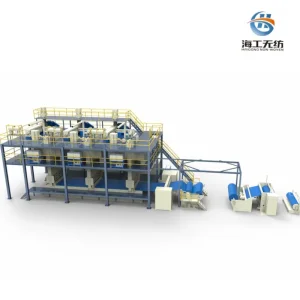
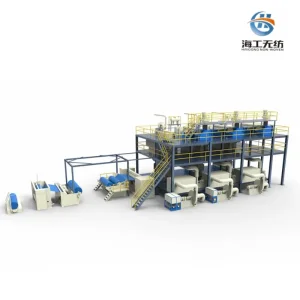
We offer specialized machinery configurations to meet diverse production and output requirements.
 HG NONWOVEN