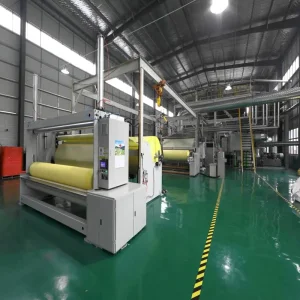
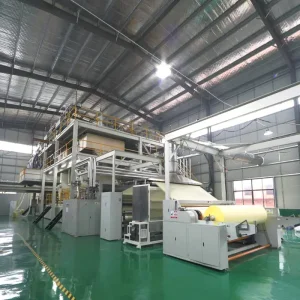
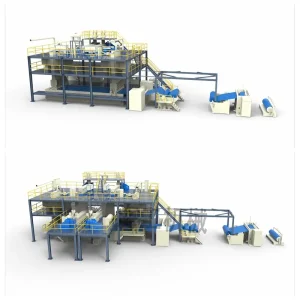
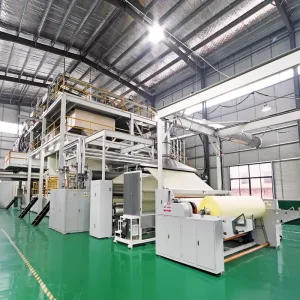
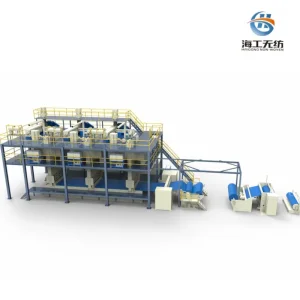
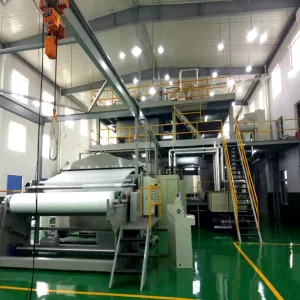
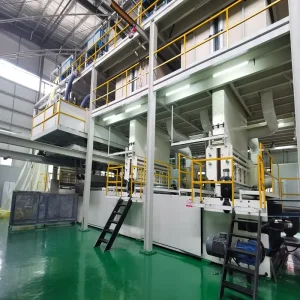
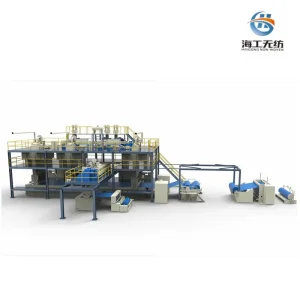
Engineered for high efficiency, high throughput, and precision performance.
In the modern industrial landscape, nonwoven fabrics have transitioned from simple packaging alternatives to highly engineered, critical-use materials across the medical, hygiene, agricultural, and automotive sectors. At the center of this transformation is Spunbond and Meltblown composite technology. Global enterprises no longer search merely for basic hardware; instead, they require high-precision, energy-efficient extrusion systems that promise minimal down-time and a reduced carbon footprint.
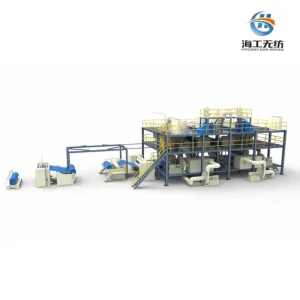
As a leading force in this sector, Pujiang HG Nonwoven Machinery Co., Ltd. (active since 2014) has systematically integrated advanced international design principles with localized cost and engineering efficiency. Our development of the 5th Generation Spunbond Spinning Technology reflects a profound commitment to optimizing material distribution, decreasing thermal loss during melting, and improving tensile balance in the resulting nonwoven web.
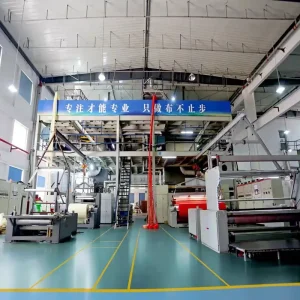
Whether your facility targets high-volume single-beam (S) agricultural covers, soft multi-beam (SS/SSS) medical packaging, or ultra-barrier (SMS/SMMS/SSMMS) sanitary textiles, our turnkey machinery provides a balanced cost-to-performance matrix that maximizes long-term return on investment (ROI).
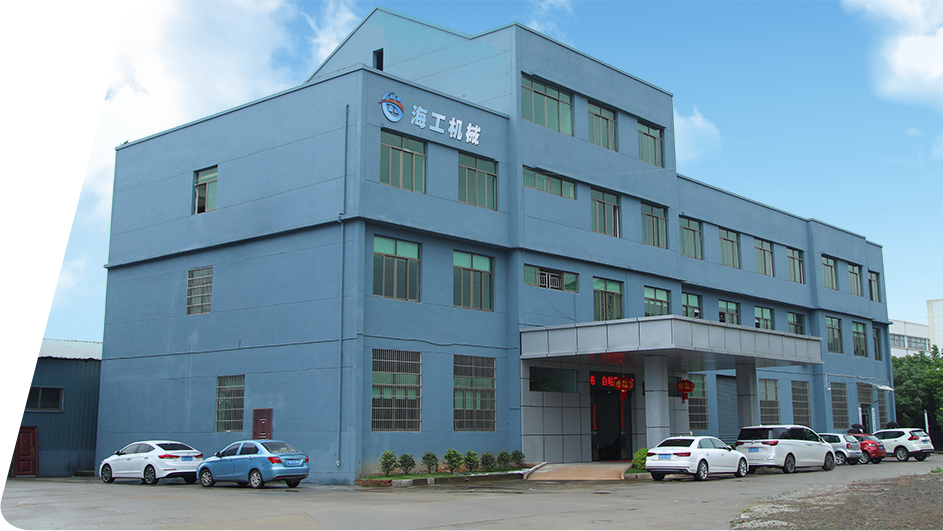
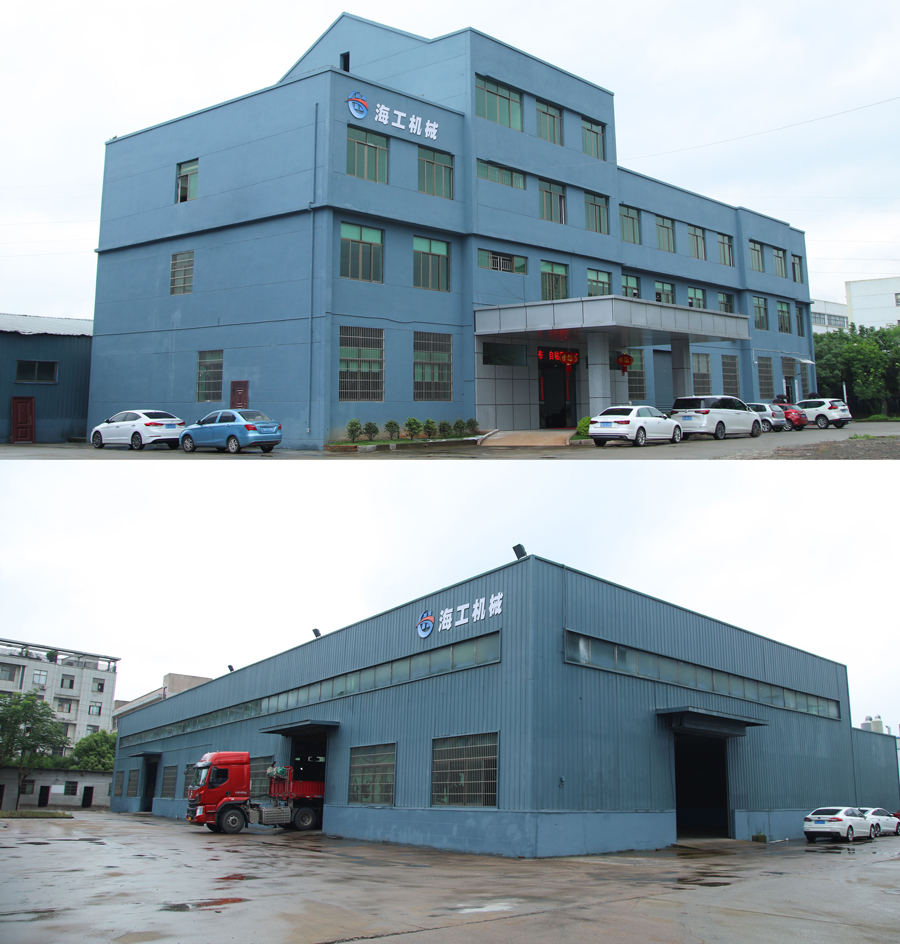
Established systematically to deliver reliable industrial scale solutions, Pujiang HG Nonwoven Machinery has grown into a globally recognized manufacturer. By focusing exclusively on PP spunbond, meltblown, and composite machinery lines, we have successfully removed process redundancies, passing the savings and productivity directly to our clients.
Our core operating philosophy treats "High Quality and Complete Service" not merely as a corporate slogan, but as a verifiable engineering standard. Every component, from the gravimetric dosing units to the calender rolls and automatic turret winders, is subjected to rigorous quality testing before shipment. We provide the expertise required to ensure your team is trained, your plant layout is optimized, and your raw material usage is perfectly controlled.
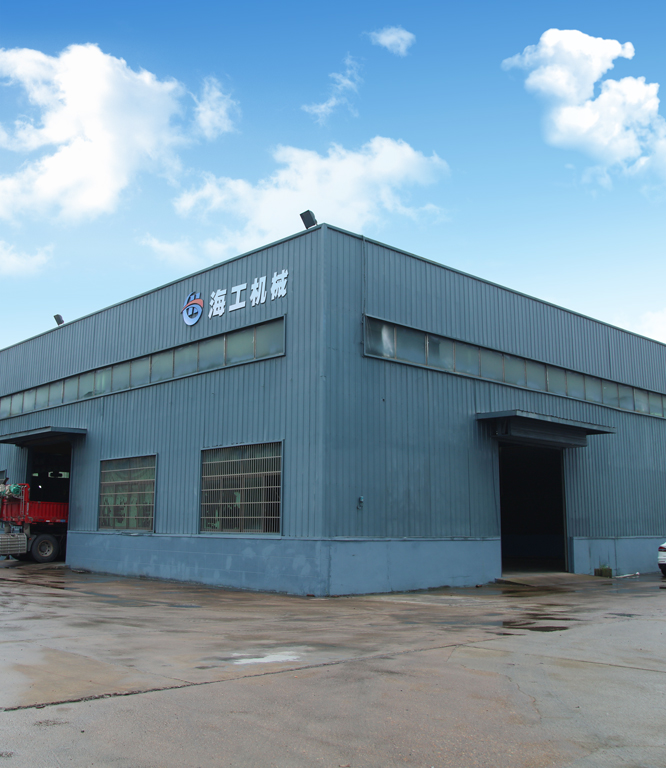

Why global procurement offices prioritize HG Nonwoven Machinery over European counterparts.
Through robust domestic supply chain integration, Chinese factories optimize sourcing for heavy steel components, advanced heating units, and mechanical elements. This allows us to supply state-of-the-art 5th Generation lines at a fraction of the cost of traditional Western brands, drastically shortening your plant's payback period.
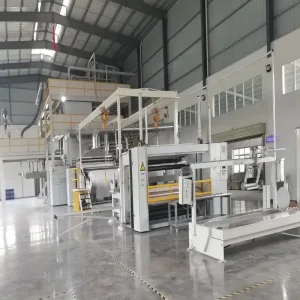
Unlike static global manufacturers who enforce rigid design standards, HG Nonwoven Machinery specializes in adaptive engineering. We modify machine configurations (width ranges from 1600mm to 3200mm, dual or triple beam layouts) to fit exactly into your existing facility footprint while ensuring delivery timelines of 90-120 days.
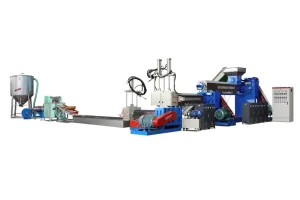
We supply not just the core spunbond line, but provide a fully cohesive, interconnected system. This includes nonwoven edge recycling systems, high-speed slitting machines, flexo printing units, and offline lamination lines. Your entire facility's production workflow is tested, synchronized, and warrantied under a single point of contact.
Our flagship extrusion lines configured to target specific industrial nonwoven specifications.
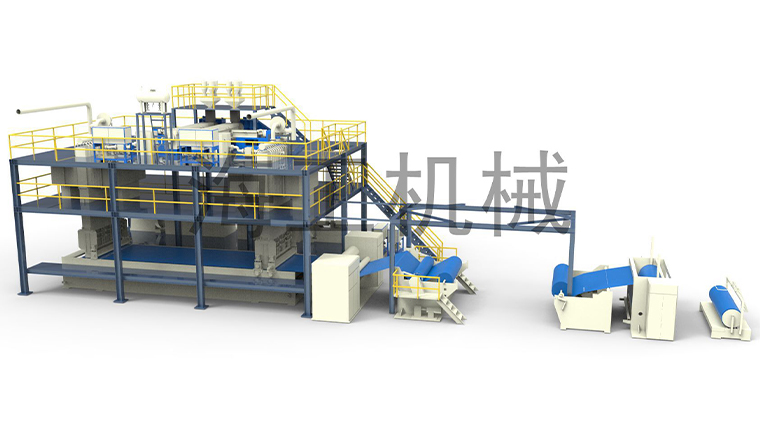
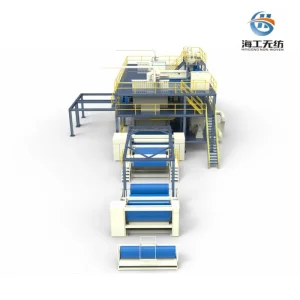
Engineered for packaging nonwoven bags, furniture backings, and agricultural field protection.
Technical Data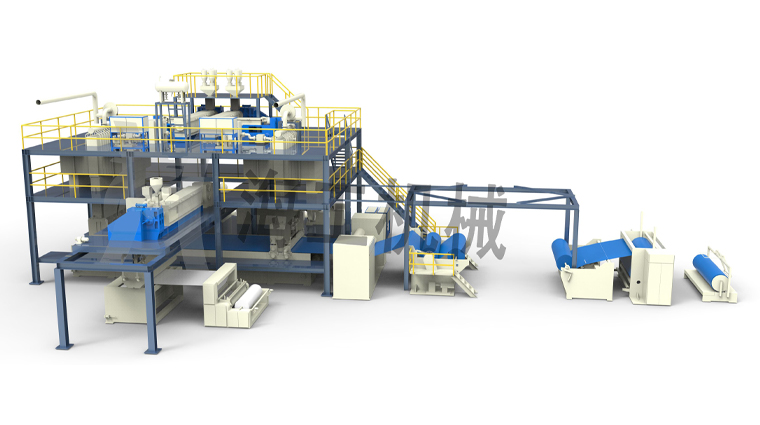
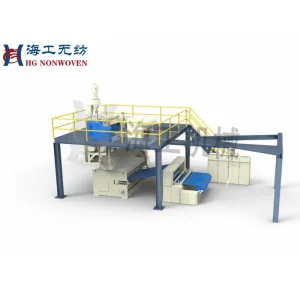
High-precision barrier system specifically tailored for medical protection, masks, and surgical gowns.
Technical Data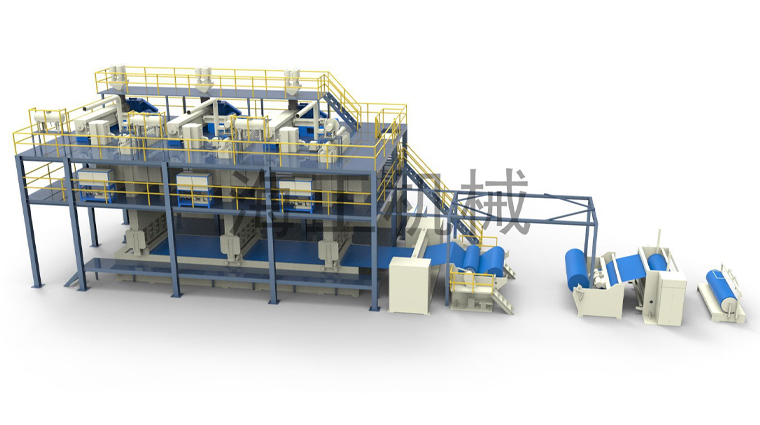
4-layer fabric system delivering exceptional filtration efficiency compared to standard SMS lines.
Technical Data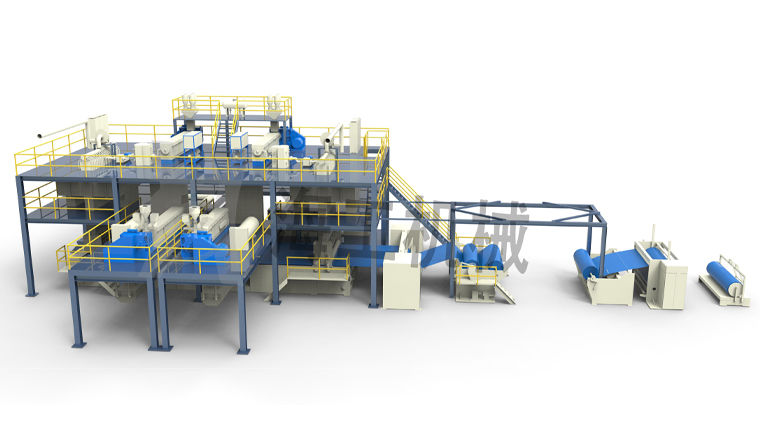
Premium barrier system providing outstanding protection, combined with excellent softness and comfort.
Technical DataA technical examination of how nonwoven fabrics function within major target sectors.

Essential for diaper linings, sanitary napkins, and adult incontinence products. The nonwoven web must deliver rapid fluid absorption, surface dryness, and mechanical soft feel. Standard configurations utilize SS or SSS multi-beam designs.

Requires absolute fluid and microbial barrier properties. The integration of high-pressure meltblown beams (in SMS/SMMS configurations) ensures that fine microfiber layers catch droplets and microbes, forming a sterile barrier.

Focuses heavily on high tensile strength, tear resistance, and economic production. Reusable shopping bags, garment covers, and agricultural storage sacks benefit from cost-efficient single-beam (S) Spunbond systems.

Requires UV-stabilized, highly breathable fabrics that allow water and air transmission while shielding plants from pests, frost, and excessive direct heat. Extruded webs must maintain strength under extreme outdoor exposure.
Analyze key production characteristics to select the ideal system layout for your plant.
| Machine Type | Common Widths (mm) | Material Weight Range | Production Capacity (T/Year) | Primary Industrial Application |
|---|---|---|---|---|
| Single Beam (S) | 1600 / 2400 / 3200 | 10 - 150 gsm | 1,200 - 3,500 | Shopping Bags, Agriculture Coverings, Pocket Springs |
| Double Beam (SS) | 1600 / 2400 / 3200 | 10 - 100 gsm | 2,500 - 7,000 | Hygiene Liners, Medical Sheets, Packaging Backings |
| Triple Beam (SSS) | 2400 / 3200 | 10 - 80 gsm | 4,000 - 9,500 | Soft Hygiene Top-sheets, Fine Industrial Filtering |
| SMS / SMMS | 2400 / 3200 | 12 - 80 gsm | 4,500 - 11,000 | Surgical Gowns, Face Masks, Sterilization Wraps |
| SSMMS | 3200 | 10 - 80 gsm | 6,000 - 13,000 | Premium Liquid-barrier Medical Protective Suitings |
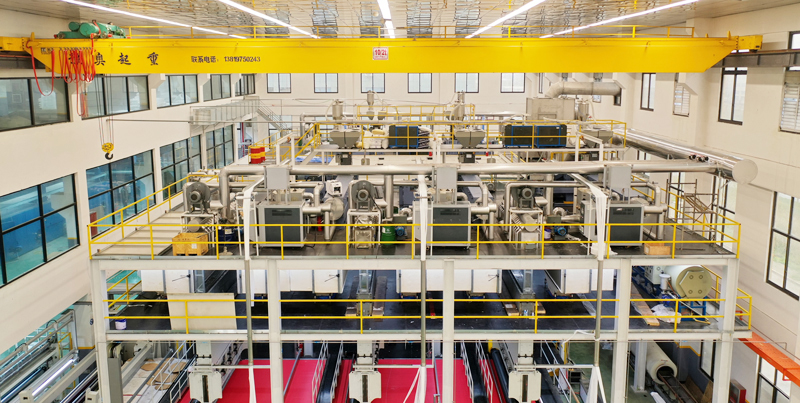
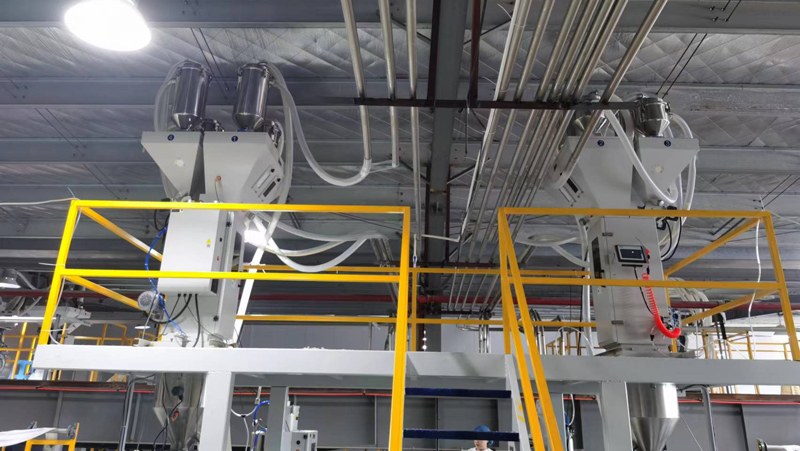
Energy efficiency represents the single largest variable factor in operating costs for nonwoven plants. A standard extruder operates 24/7, meaning thermal and electrical waste directly reduces margins. Our 5th Generation Spunbond Spinning Technology tackles this challenge directly:
By investing in these advanced systems, global manufacturers secure not just capacity, but a future-proof foundation capable of adapting to shifting environmental standards and cost pressures.
How HG Nonwoven Machinery guides global procurement teams from initial planning to full-scale operations.
We analyze your target regional demand (gsm profiles, roll widths, daily volumes) and prepare a comprehensive financial feasibility report, estimating raw material throughput and energy consumption profiles.
Our designers create detailed floor layouts optimizing the movement of raw material input, main extrusion, calender bonding, slitting, packaging, and final roll storage, while leaving sufficient maintenance space.
Upon shipping, our engineers oversee installation on-site. We conduct thorough training programs covering PLC operation, spinneret maintenance, and troubleshoot protocols, backed by a 24-month comprehensive support period.
Essential technical details for engineers and procurement directors planning high-capacity nonwoven investments.
Examine our full selection of spunbond, meltblown, and auxiliary processing units.
 HG NONWOVEN