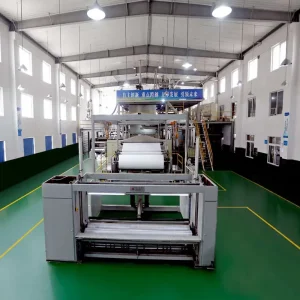
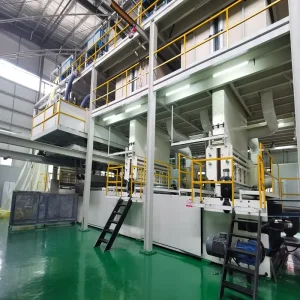
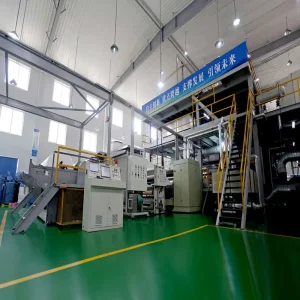
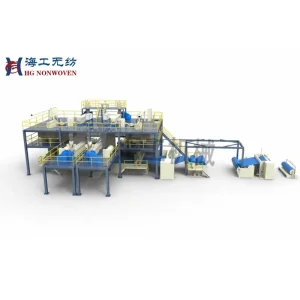
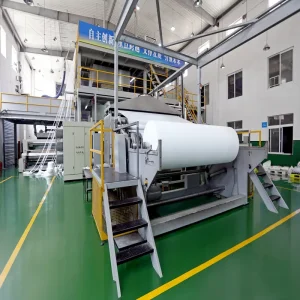
Explore our premium grade spunbond and meltblown machinery, precision-engineered for maximum output and minimal resource footprint.
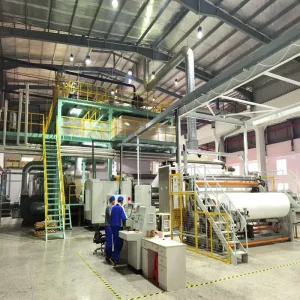
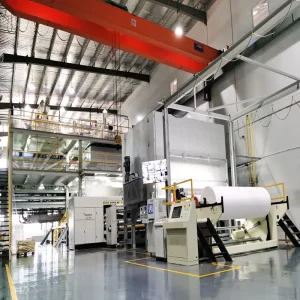
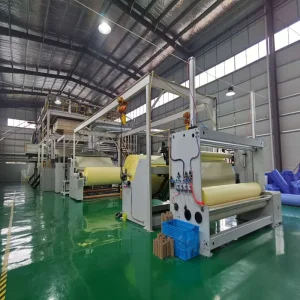
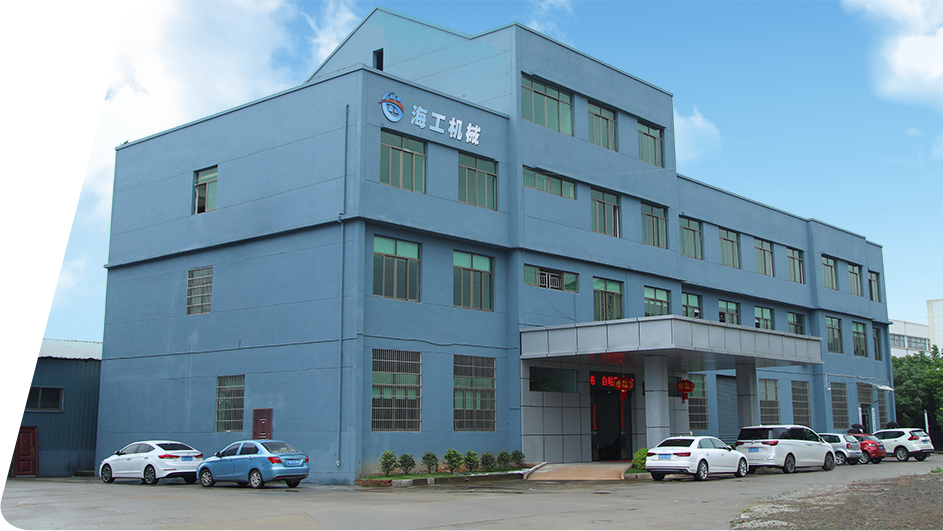
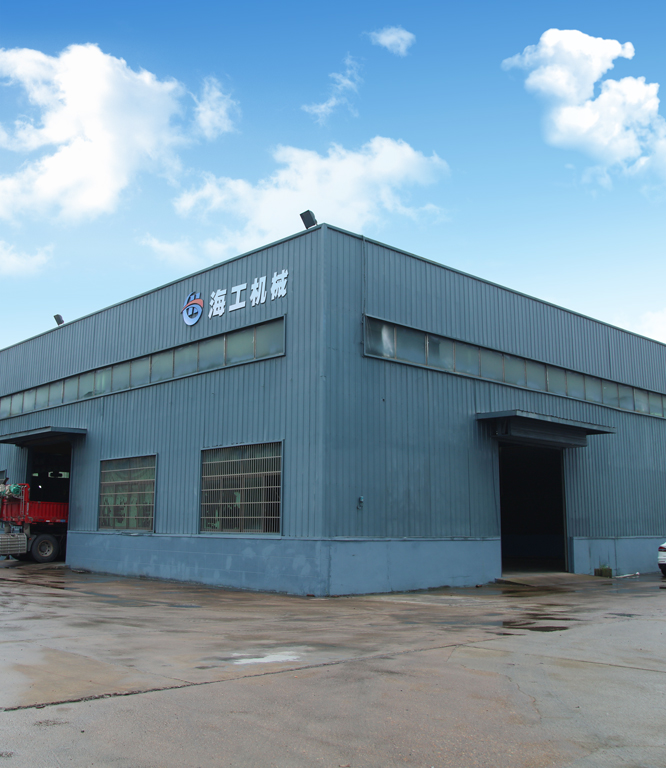
HG Nonwoven Machinery is a professional manufacturer of spunbond, meltblown, and composite nonwoven fabric machine lines, dedicated to providing high-efficiency and innovative spunbond nonwoven fabric production solutions to the global market. Our company introduced an advanced design concept (5th Generation spunbond spinning technology) from overseas and integrates it autonomously to suit the exact needs of the market.
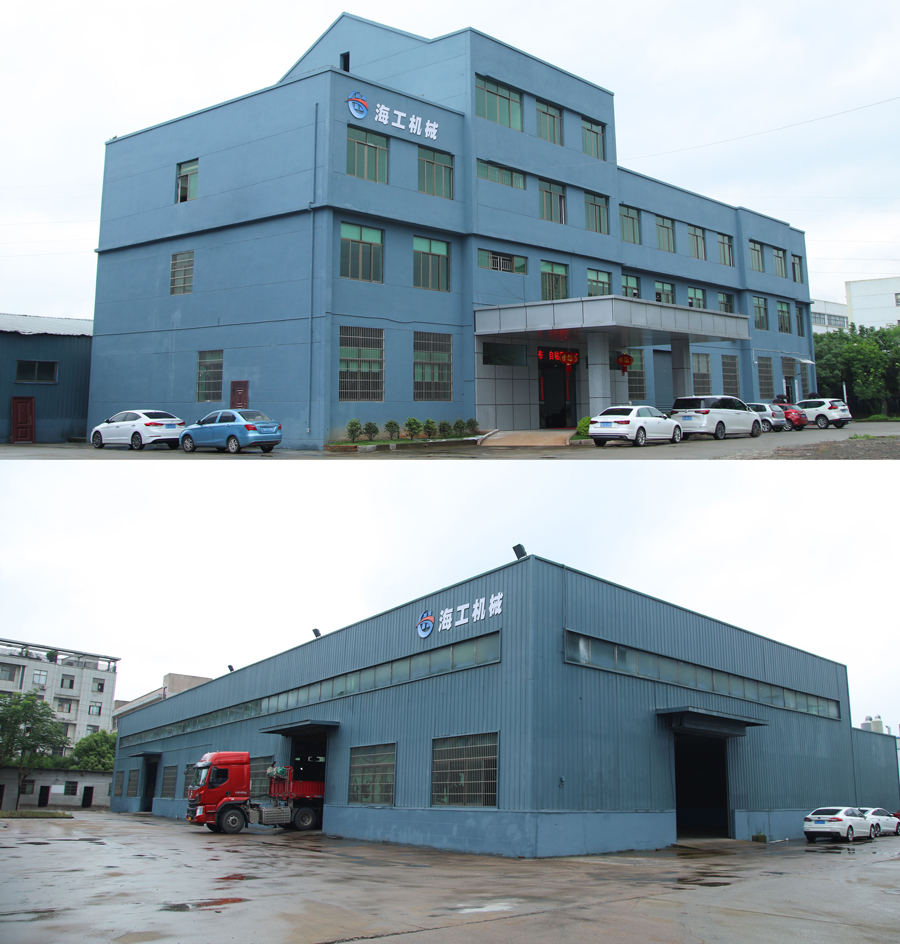
Pujiang HG Nonwoven Machinery has been a well-known nonwoven fabric making machine manufacturer since 2014, specializing in manufacturing PP spunbond and meltblown nonwoven fabric making machines with complete turnkey engineering services. Our nonwoven fabric machines focus on producing high-performance, eco-friendly, and biodegradable spunbonded nonwoven fabrics.
Our company regards "high quality, good service" as our core tenet. By choosing us, you gain a reliable partner committed to helping you stand out in a competitive global market. Contact us today to learn more about how to produce nonwoven fabrics economically, reliably, and sustainably.
Analyzing key structural shifts, regulatory alignments, and value-chain integration in modern polymer-to-web engineering.
The global nonwoven fabric sector has transitioned from a supporting commodity market into a high-technology frontier. Valued at tens of billions of dollars, the industry is driven by intensifying requirements in medical shielding, hygienic absorption, protective packaging, and precision agricultural blankets. Historically dominated by European engineering houses, the market has witnessed a significant structural shift. Leading Chinese manufacturers—exemplified by Pujiang HG Nonwoven Machinery—have successfully bridged the gap between cost efficiency and high-fidelity mechanical output.
Today's procurement strategies prioritize energy optimization, localized production, and composite layer capabilities (such as SMS and SSMMS). The rise of eco-regulations in Europe, North America, and parts of Asia has pushed factories to demand machines capable of processing green polymers, including polylactic acid (PLA) and biodegradable polypropylene blends. Consequently, selecting a nonwoven machinery partner is no longer just about buying hardware; it is about securing a turnkey engineering partner capable of performing local feasibility studies, supplying high-precision slot-drafting technologies, and maintaining long-term machinery uptime.
Our machines are meticulously designed and incorporate the latest technology to ensure maximum production efficiency with minimal energy consumption. We also offer customized solutions to ensure our machines align perfectly with your unique needs.
Leveraging deep industrial experience, we provide exhaustive local market dynamics reports, raw materials evaluation, and comprehensive capital expenditure modeling to formulate solid feasibility studies for your project.
From initial design draft to final material production. We supply ancillary systems including recycling granulators, slitting/rewinding units, multi-color flexographic printing machines, lamination lines, and fully automated bag-making machines.
We provide exhaustive hands-on commissioning and operational training. Our service includes a 24-month comprehensive engineering warranty paired with robust digital remote telemetry tools for high-speed diagnostic troubleshooting.
A granular look at the mechanical innovations that separate HG's extrusion lines from standard machinery suppliers.
At the heart of Pujiang HG Machinery's competitiveness is our G5 Aerodynamic Slot Drafting Technology. Standard spunbond machines use discrete pipes or older structural tubes to draw filaments. This older process often creates turbulent air zones, leading to inconsistent fiber diameters and weak points in the finished fabric web.
The HG G5 system uses a continuous slot-drafting system. Under pressure, polymer melts (such as PP chips with a Melt Flow Rate of 25-40) are pushed through high-density spinnerets with up to 10,000 micro-holes per meter of width. The extruded filaments enter a closed quench chamber. Here, they are rapidly cooled by temperature-controlled air currents and drawn down by high-velocity aerodynamic slot drafts.
This continuous slot drawing process aligns polymer molecules along the fiber axis. This alignment reduces fiber diameter down to 1.2–2.0 denier while increasing the tensile strength of the web. The resulting fabric features an exceptionally low coefficient of variation (CV%) in weight distribution. This means you get excellent web uniformity, high tear resistance in both machine direction (MD) and cross direction (CD), and a soft hand feel that is highly valued in the hygiene and medical industries.
A strategic breakdown of market sectors, mechanical requirements, and product properties across four major industrial applications.
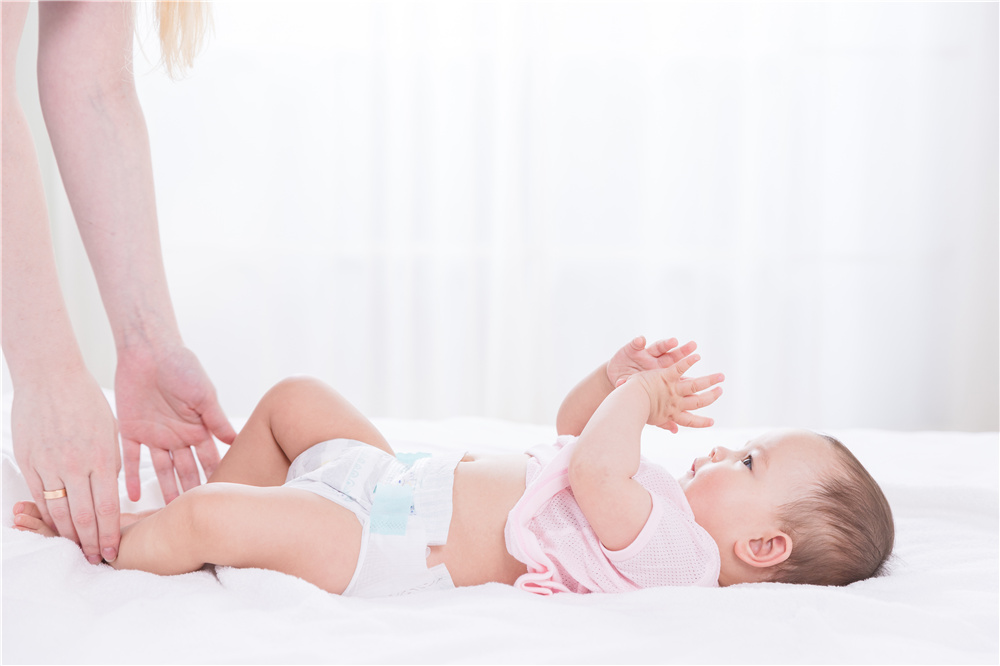
Non-woven fabric is essential in the hygiene sector, offering breathability, softness, and excellent fluid management for comfort and protection. It quickly absorbs liquid and keeps it away from the skin, making it ideal for paper diapers, incontinence pads, and feminine hygiene products.
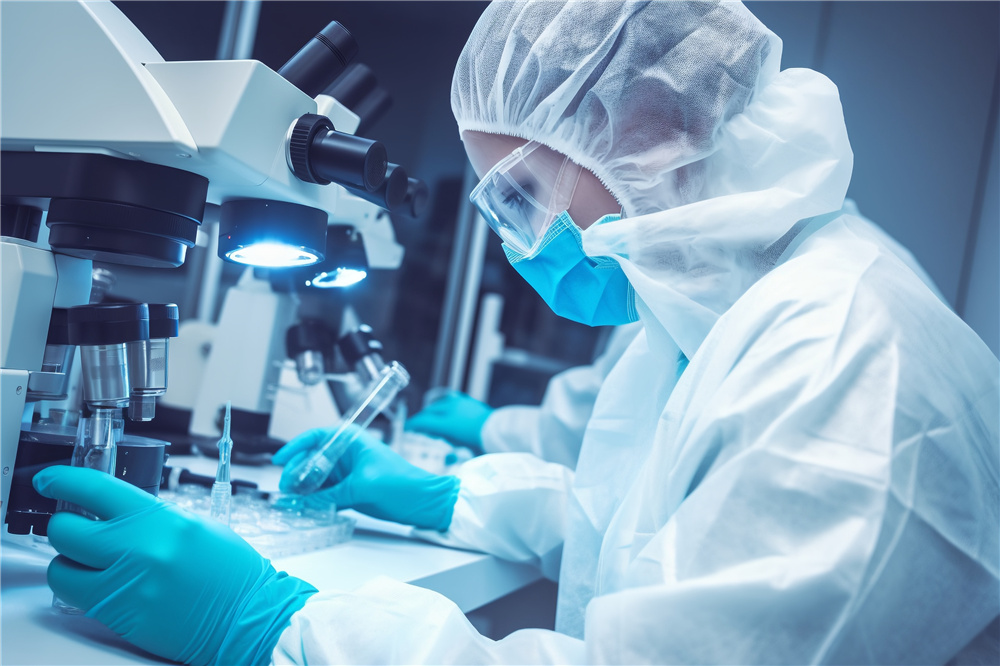
Nonwoven fabrics are extensively used in the medical field and in protection against biological agents. They deliver critical safety properties, such as prevention against infections and diseases. They are essential for making face masks, surgical gowns, bed sheets, and surgical towels, ensuring effective filtration, protection, and comfort.
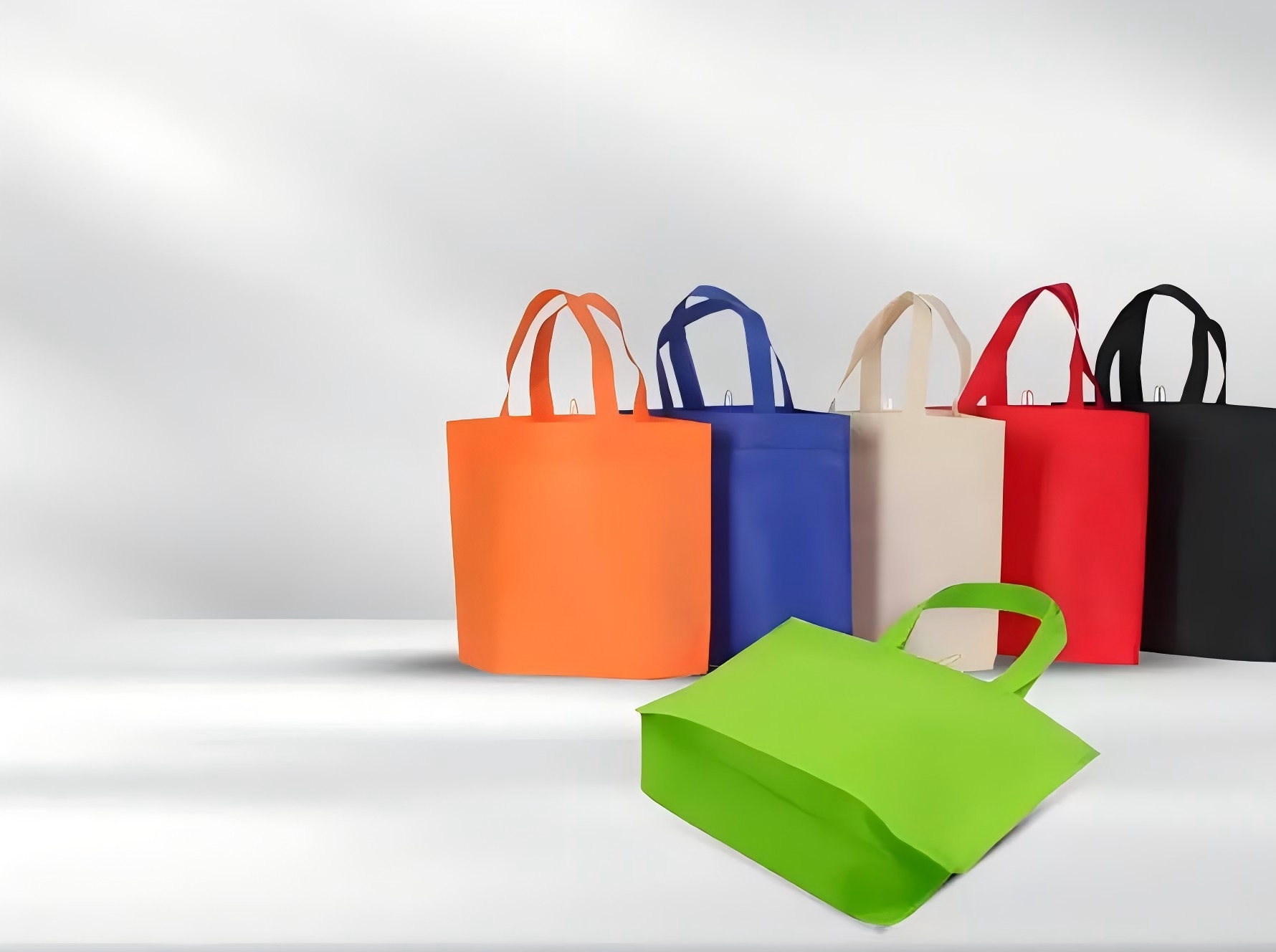
Nonwoven fabric is ideal for a variety of packaging end-uses. Their lightweight profile, energy-efficient production, shipping, and storage characteristics enable volume reduction and re-usability. Widely used for shopping bags, fruit bags, garment bags, rice bags, pocket springs, garment interlining, and cosmetics packaging.
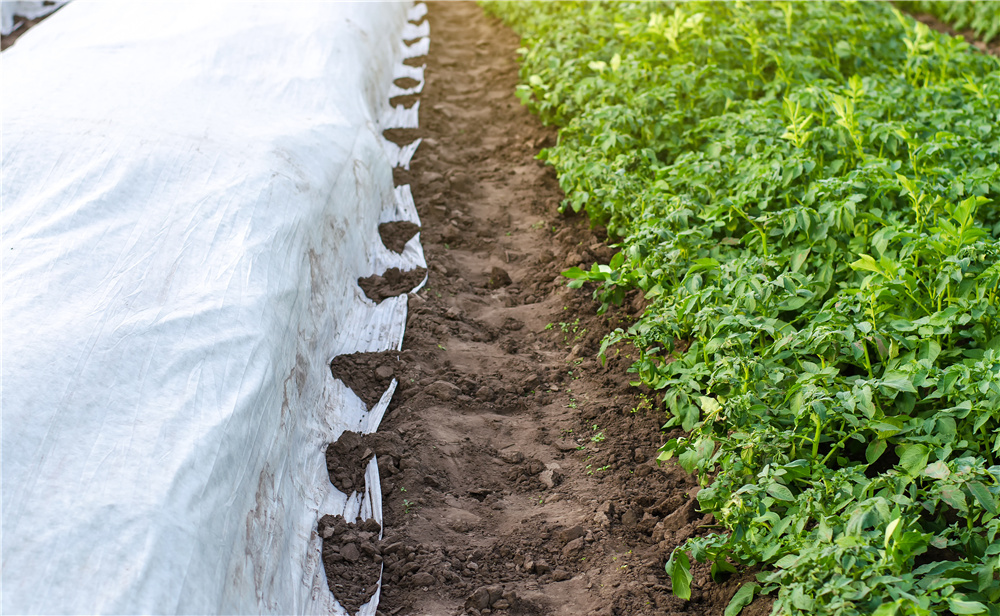
Agriculture Non Woven Fabric allows air and water to pass through while providing wind and cold protection by generating a microclimate around the crop. It acts as a physical barrier to prevent insect and bird damage while regulating heat and blocking UV rays. These materials are lightweight, portable, and easily tailored.
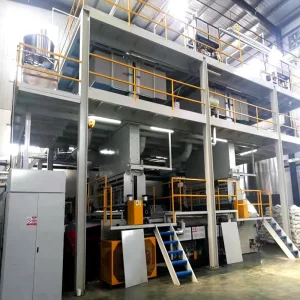
We focus on creating highly integrated lines that require less factory floor space while maintaining high output. By using vertical extruder layouts and compact spin-beam technology, HG machinery decreases the total space needed for installation by up to 20%. This design reduces your initial factory building expenses (CapEx) and makes daily operation and cleaning easier.
Our project execution path starts with a feasibility report. Next, we provide full CAD factory layouts, coordinate electrical and water systems, and complete mechanical installation. Finally, we host on-site team training. By keeping engineering, manufacturing, and support under one company, we prevent communication gaps and keep your project timeline on track.

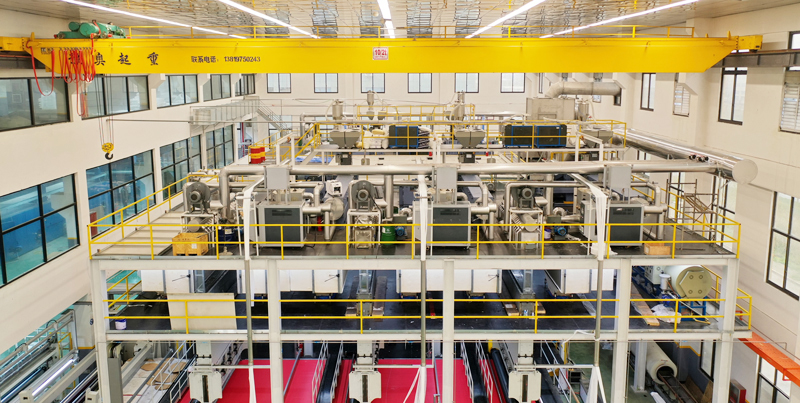
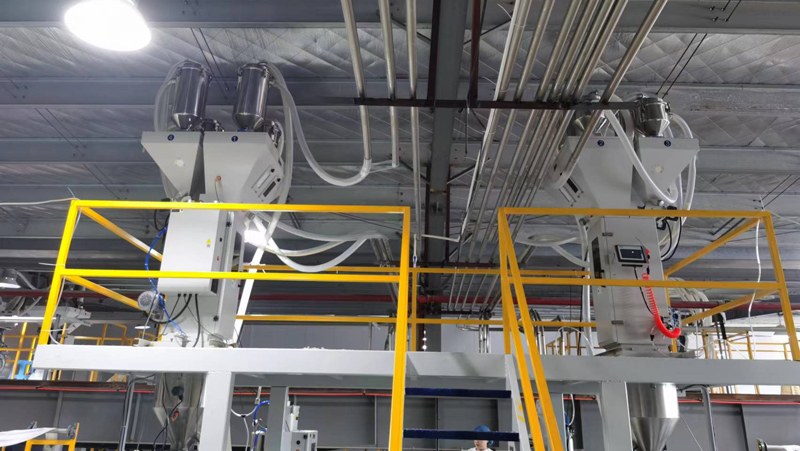
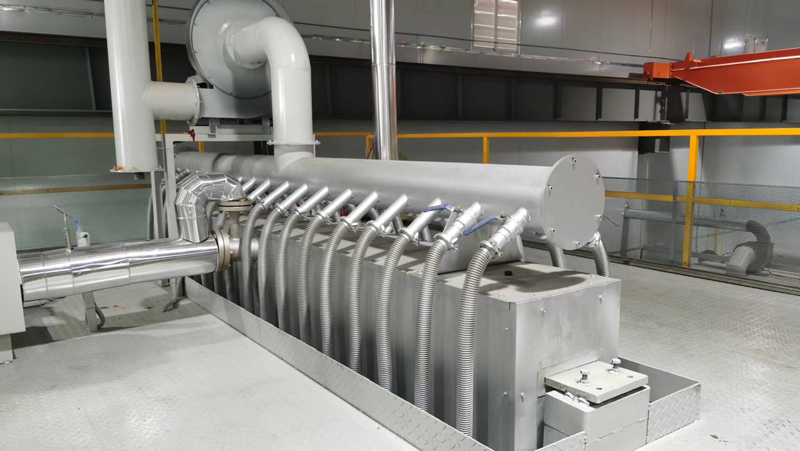
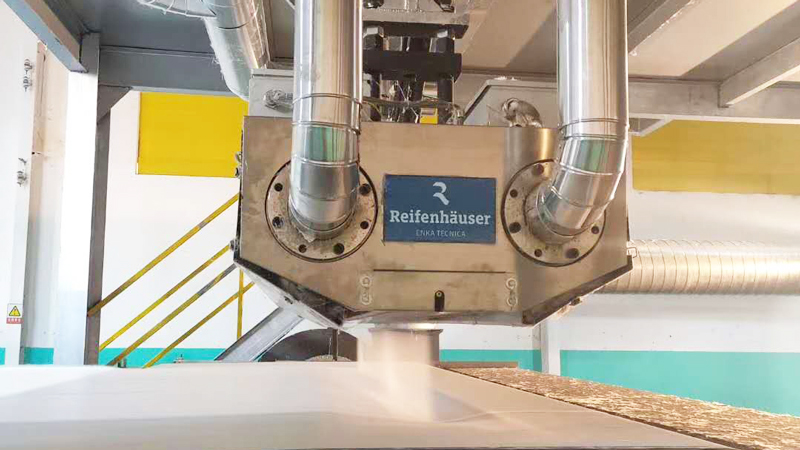
A closer look at the technical configurations and throughput capabilities of our most popular production machinery.
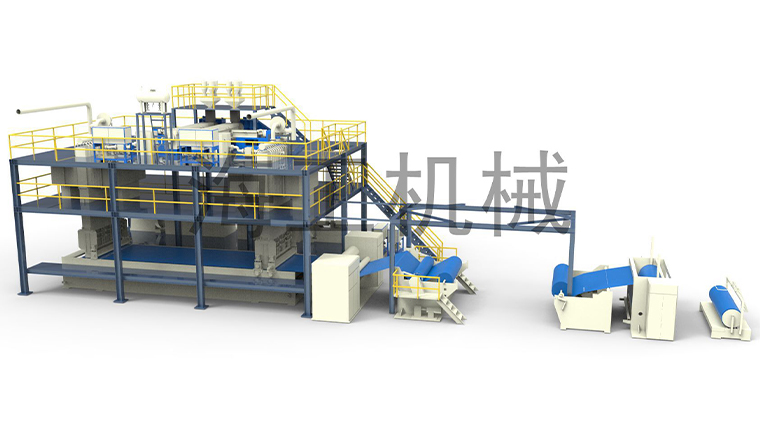
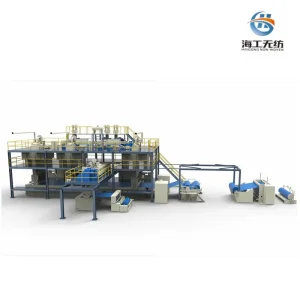
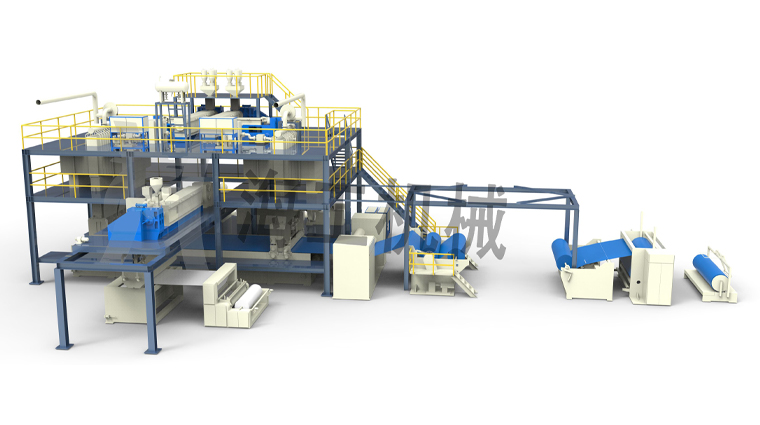
Primary Applications: Packaging nonwoven bags, furniture use, agricultural field.
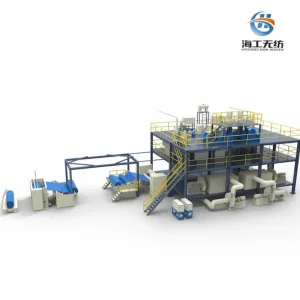
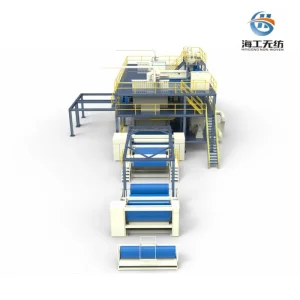
This design utilizes dual-beam spunbond technology, delivering up to 400m/min line speeds. Ideal for producing durable, consistent webs for high-volume markets.
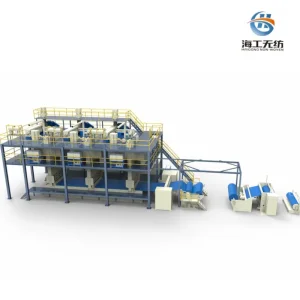
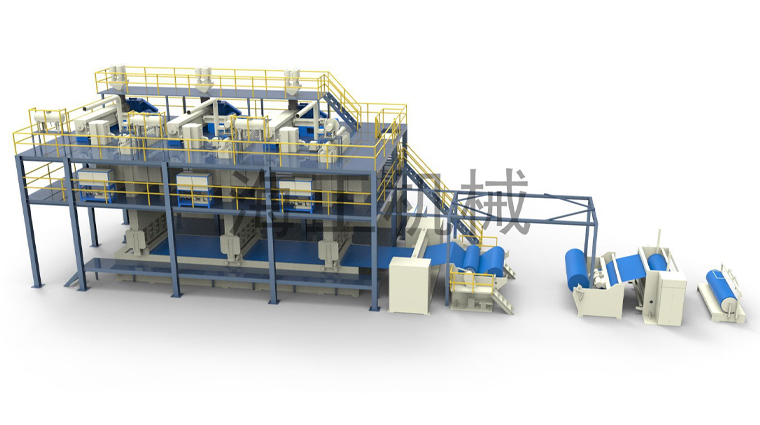
Primary Applications: Medical use and hygiene health care.
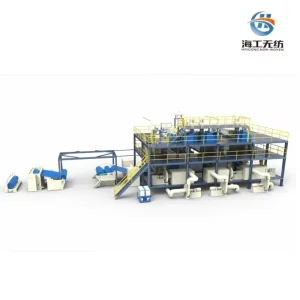
Combines spunbond strength with meltblown filtration. This configuration features a specialized central meltblown die to block fluids and bacteria.
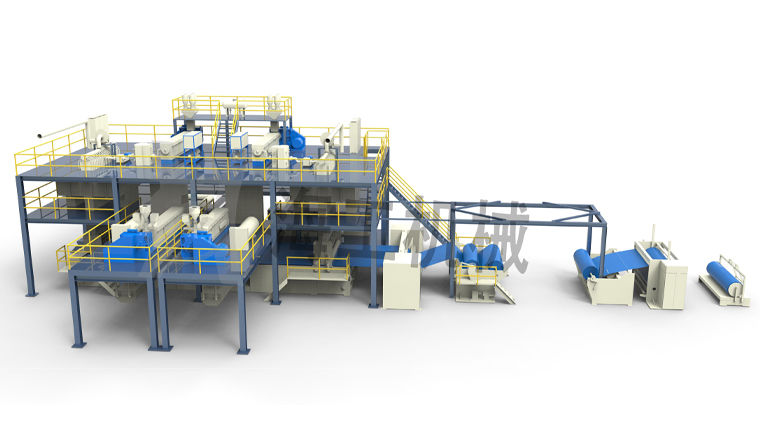
Primary Applications: High-efficiency surgical drapes, sterilizing wraps.
Four-layer fabric design. These four layers provide higher filtration efficiency and better barrier properties compared with standard SMS fabrics.
Primary Applications: Critical medical shielding, premium baby diaper backsheets.
This configuration features excellent barrier properties alongside soft, comfortable draping. It meets global standards for medical protective wear.
Embracing circular economies, smart automation, and next-generation biodegradable polymer extrusion.
The nonwoven industry is undergoing a major shift toward environmental sustainability. To meet global mandates, machinery must adapt to run bio-polymers. Pujiang HG Machinery's current R&D focuses on thermal and pressure profiles designed specifically for Polylactic Acid (PLA) and polybutylene succinate (PBS). PLA has a narrower melting temperature window and lower melt strength than traditional polypropylene. To handle this, our G5 extruders use specialized screw geometries and multi-zone precise heating controls (within ±0.5°C) to prevent polymer degradation.
Additionally, our systems feature integrated edge-trim recycling units. Instead of throwing away web scraps and edge cuts, these units feed waste material back into a compact recycling extruder. The recycled melt is then blended directly back into the main polymer flow. This closed-loop design reduces material waste to near zero.
On the automation front, our lines utilize Siemens PLC platforms with IoT capabilities. Operators can monitor performance, track energy metrics, adjust spinneret pressures, and run system diagnostics through a single touchscreen interface. This level of smart automation reduces the crew size needed to run the line, minimizes human error, and ensures stable, long-term fabric quality.
Answers to common technical, commercial, and operational questions for global nonwoven manufacturers.
Explore our additional spunbonded and composite machinery configurations designed to meet diverse industrial requirements.
 HG NONWOVEN