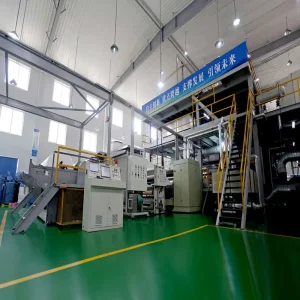
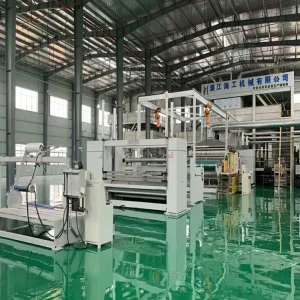
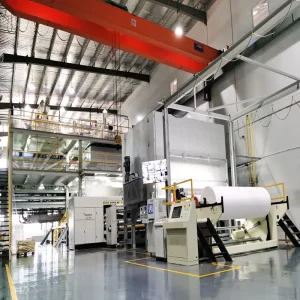
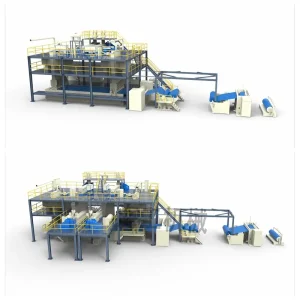
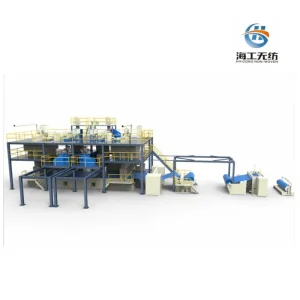
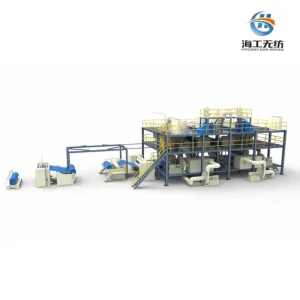
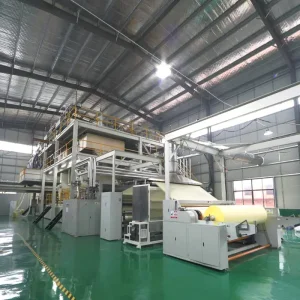
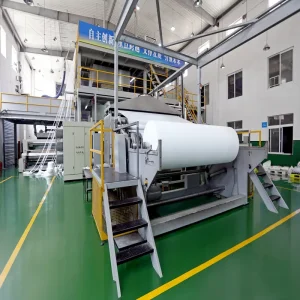
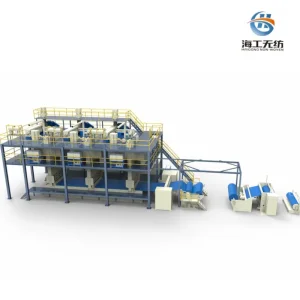
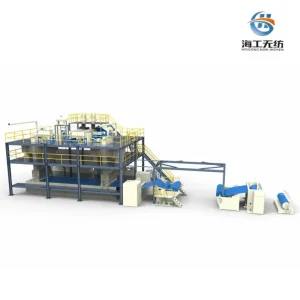
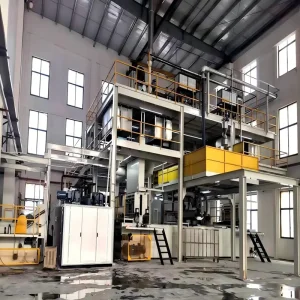
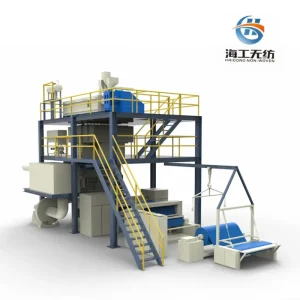
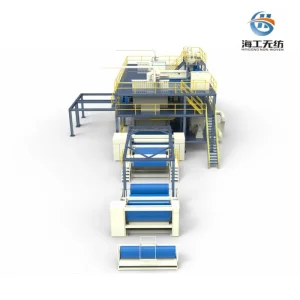
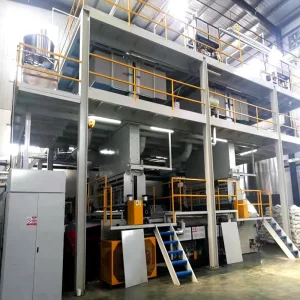
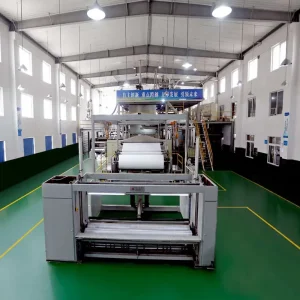
High-performance industrial nonwoven equipment. Precision-engineered for efficiency, sustainability, and durability.
The global industrial sector has witnessed an unprecedented transformation in the manufacturing of nonwoven textiles. At the heart of this shift lies the thermal calendering and embossing technology, which defines the mechanical, tensile, and tactile characteristics of polypropylene (PP) spunbond, meltblown, and composite (SMS, SMMS, SSMMS) webs. Pujiang HG Nonwoven Machinery has emerged as a key driver of this mechanical progression, designing high-output production configurations that address the surging global demand for sustainable, high-barrier nonwoven materials.
Embossing is not merely an aesthetic addition; it is a critical process step that thermobonds loose filaments into a cohesive structural matrix. By applying controlled thermal energy and high linear pressure between an engraved steel roller and a smooth counter-roller, the physical properties of the web—such as fluid permeability, surface softness, tensile strength, and lint-free characteristics—are precisely engineered. The modern market demands lines that operate continuously, reduce polymer waste, and minimize electricity consumption.
HG Nonwoven Machinery combines advanced polymer science with deep thermodynamic insights to deliver embossing lines that handle multiple polymer variations (including PLA, virgin PP, and recycled PET). With over two decades of technical evolution, the company is bridging the gap between hardware robustness and computerized automation to ensure consistency across variable production parameters.
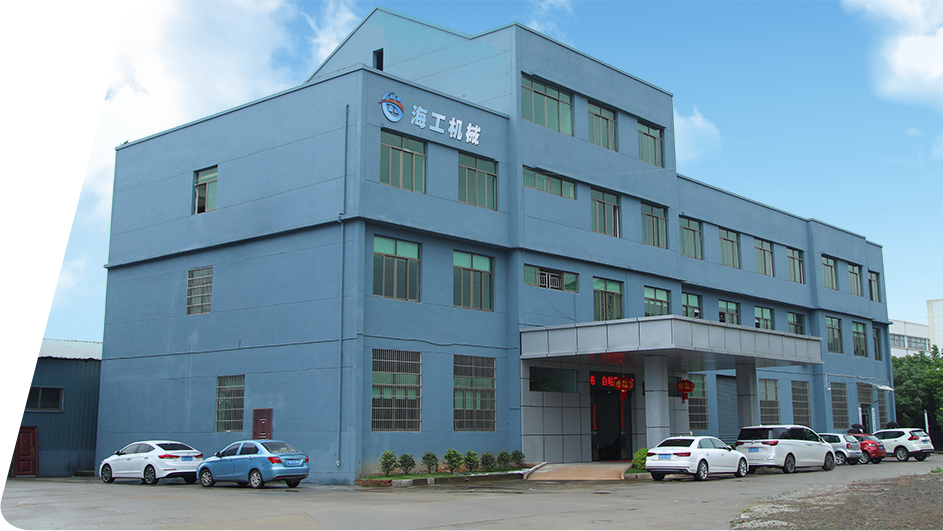
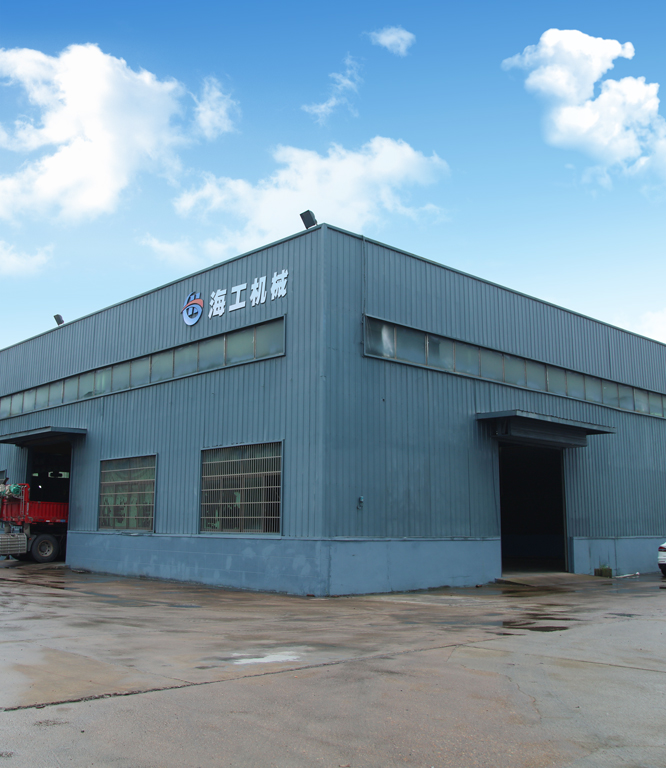
Since its formal inception in 2014, Pujiang HG Nonwoven Machinery has built a reputation on high quality and exceptional engineering services. Specializing in manufacturing complete PP spunbond, meltblown, and composite nonwoven fabric lines, we guide our customers from preliminary industrial planning to the final, commercial-scale production run.
Our engineering division introduced overseas 5th Generation spunbond spinning concepts and refined them to achieve lower power consumption, smaller layout footprints, and simplified, single-operator panel management. Each machine profile is constructed with strict compliance to safety and environmental standards, optimizing the utilization of raw resources to lower the total cost of ownership (TCO).
Our Mission: To provide cost-efficient, high-speed, and ecologically conscious turnkey machinery lines, enabling worldwide operators to produce high-value nonwovens sustainably.
We supply more than just primary extruders; we structure your entire manufacturing ecosystem for rapid time-to-market.
Our lines incorporate advanced polymer melt handling, air-drawing distribution manifolds, and mechanical calendering. Every part is customized to limit vibration and maximize speed.
We provide localized consumer and competitor analysis to help you write complete business plans and optimize your machinery investment strategies.
Integrate recycling extruders, high-speed slitting systems, flexographic multi-color printers, lamination units, and automated bag-forming setups under one protocol.
We provide comprehensive staff training alongside a 24-month on-site or digital engineering warranty, protecting you against operational downtime.
Explore our hot-sale production setups, customized to serve specific consumer, industrial, and clinical markets.
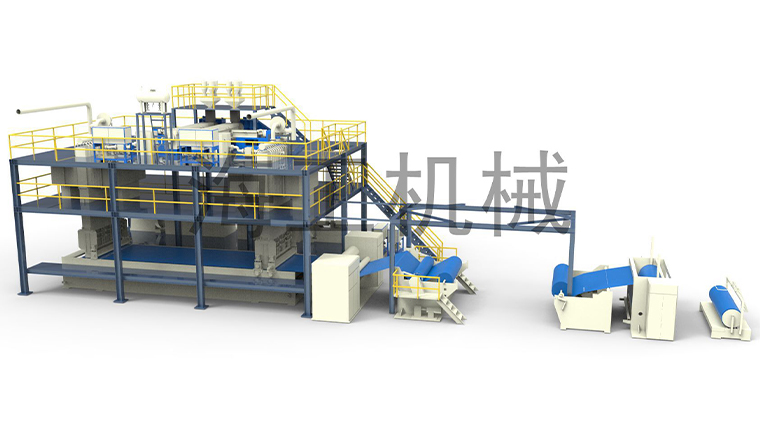
Ideal for shopping bags, furniture lining, and basic agricultural protective fabrics.
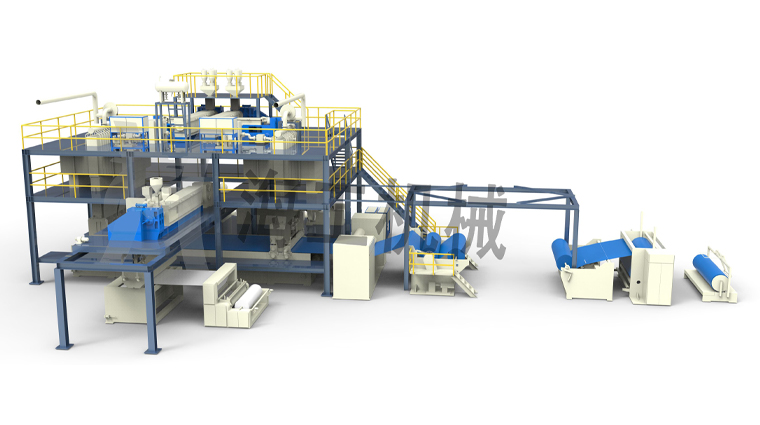
Engineered specifically for medical grade textiles, protective wear, and hygiene applications.
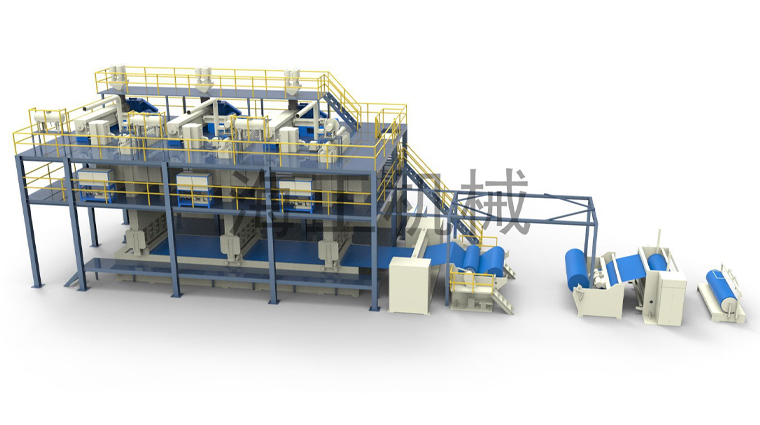
4-layer composite architecture for enhanced filtration efficiency and particulate barrier protection.
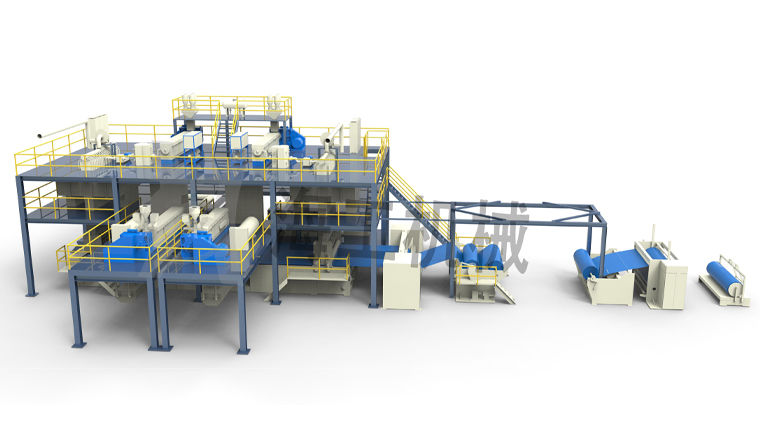
Top-tier barrier performance paired with exceptional textile softness for premium hygiene products.
Different industries demand specific GSM weights, fiber distributions, and embossing patterns. Our machinery supports all major application profiles.
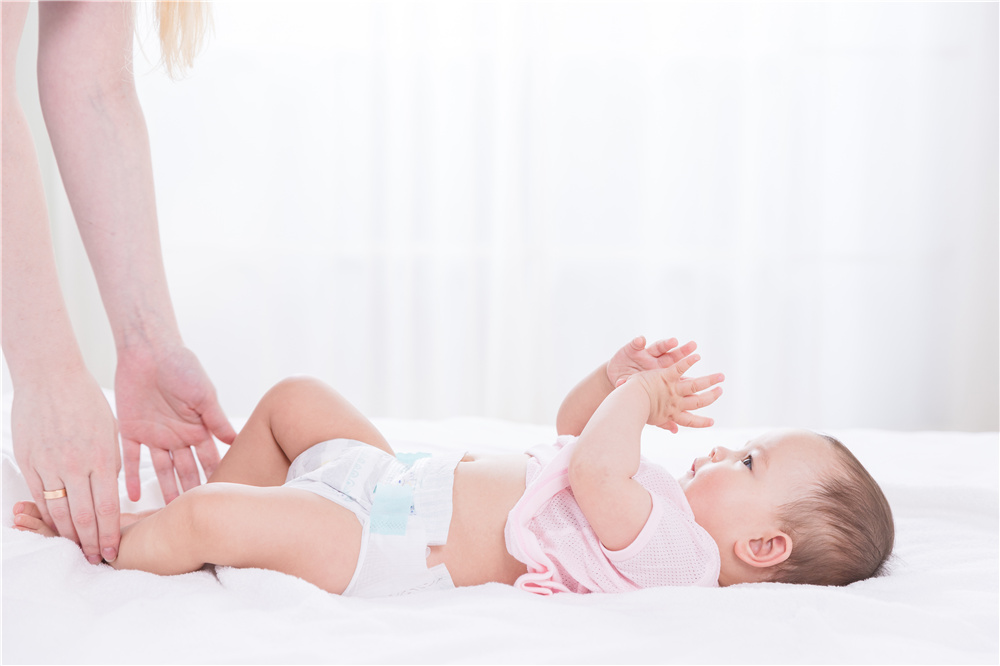
Nonwoven materials are essential in modern hygiene, offering breathability, softness, and fluid management for comfort and protection. The web quickly absorbs liquid and routes it away from the skin, making it ideal for diapers, adult incontinence pads, and feminine hygiene products.
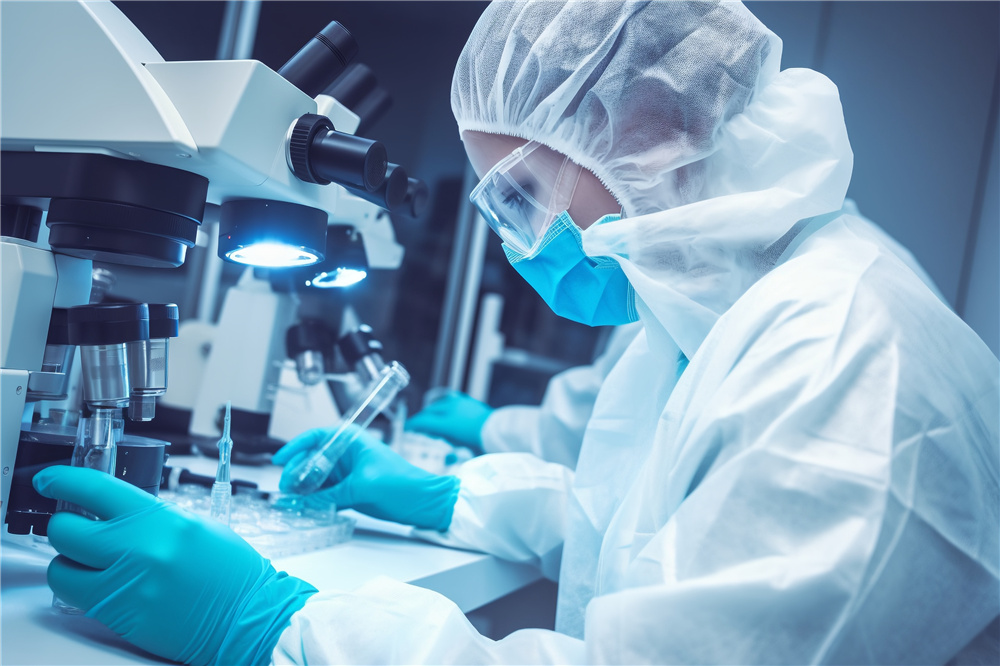
Used widely for critical safety wear, including face masks, surgical gowns, bed sheets, and towels. These materials provide effective filtration barriers and biological resistance, safeguarding both clinical staff and patients.
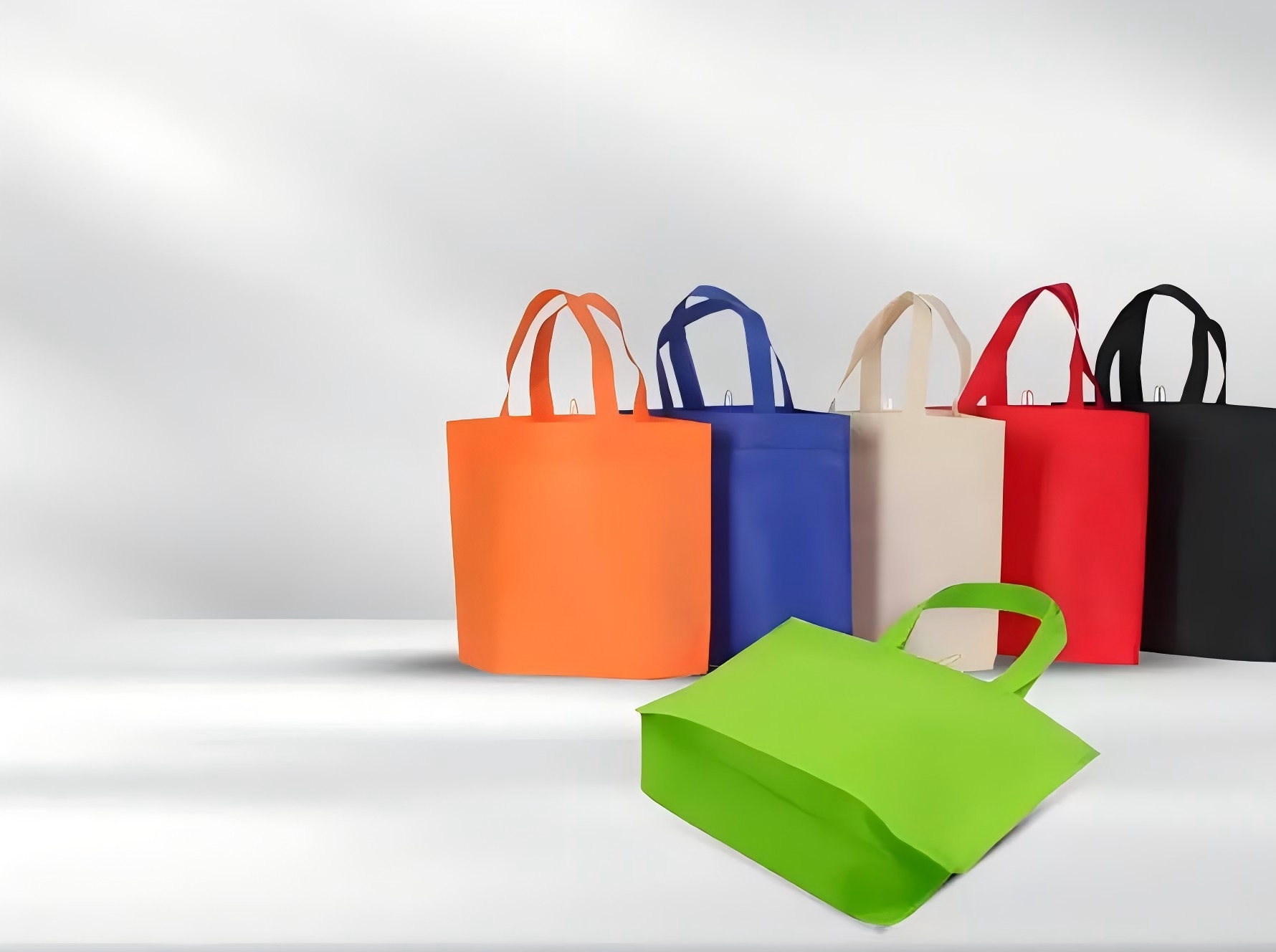
A cost-effective, reusable packaging medium. Its light weight reduces shipping costs, while its durability makes it popular for shopping bags, grain packaging, garment storage, pocket springs, and protective wrappers.
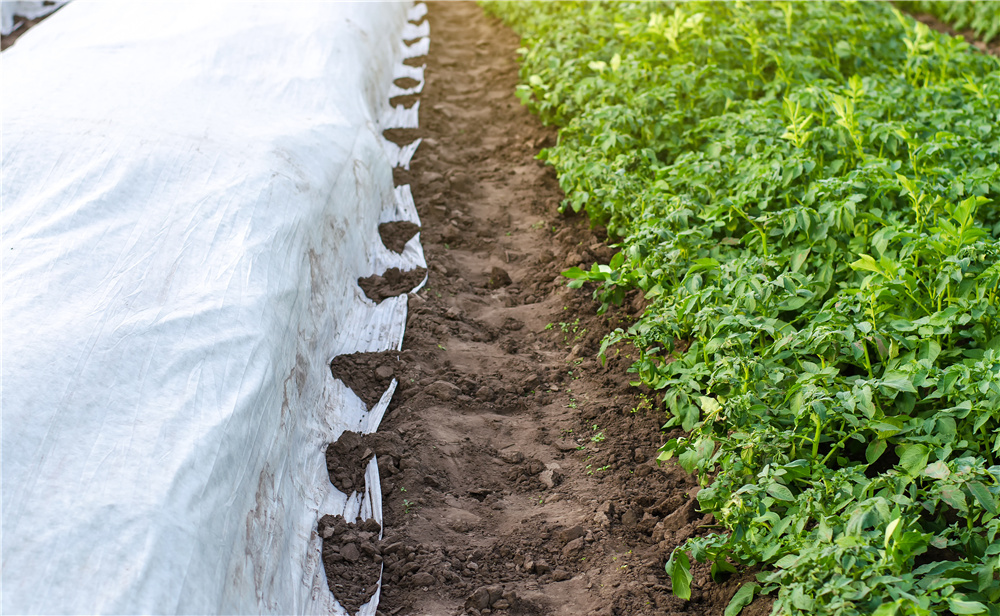
These lightweight covers shield crops from frost, insects, and intense UV rays while allowing air and moisture to circulate freely. This helps create a balanced microclimate that improves crop yields and limits chemical intervention.
The global nonwoven industry is moving rapidly toward biological raw materials and carbon neutrality. Traditional fossil-fuel polypropylene is increasingly paired with, or replaced by, Polylactic Acid (PLA) and polyhydroxyalkanoates (PHA). These green polymers demand precise thermal profiling, as their processing windows are narrower than standard PP.
HG Nonwoven Machinery is actively developing technologies to meet these requirements:
We utilize multi-zone electromagnetic induction heating on the engraving rollers, maintaining temperature profiles within ±1°C. This guarantees uniform bonding and structural strength, even at operating widths exceeding 3.2 meters.
Modifying screw geometries and melt distribution channels to process eco-friendly polymers like PLA and PHA without structural degradation or loss of production speed.
Integrating machine learning systems with real-time camera inspection. The system automatically adjusts calender pressure and line speed based on visual analysis, eliminating production scrap.
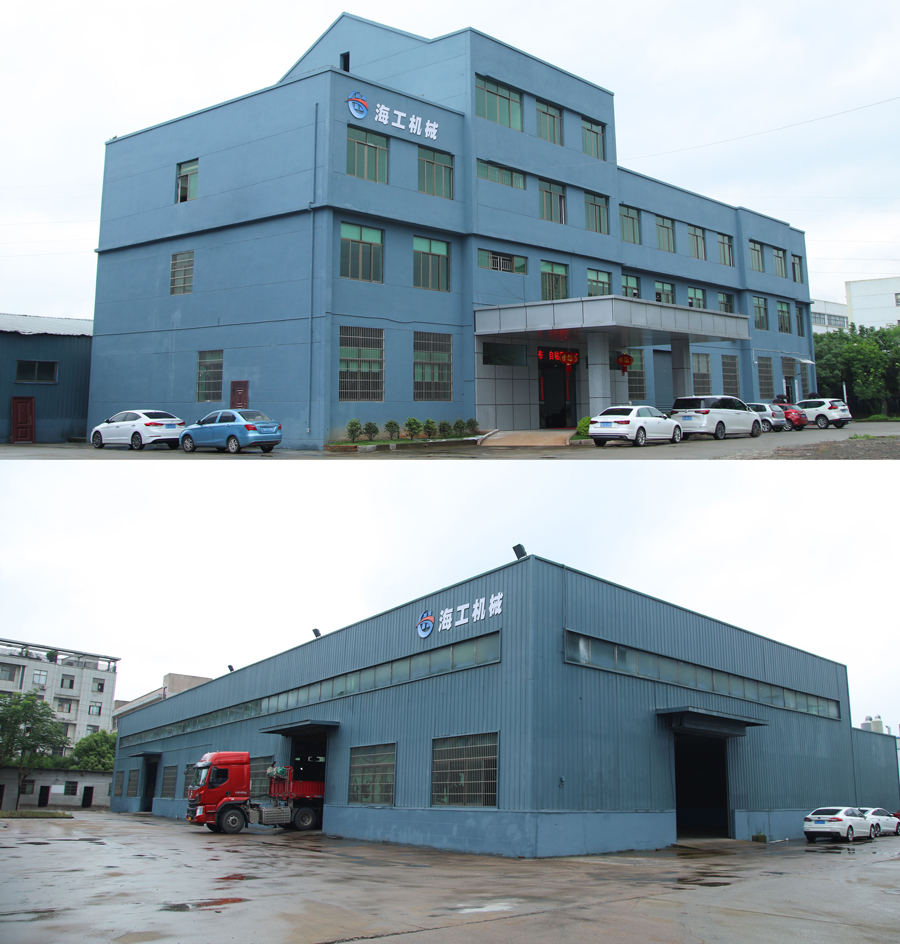
Providing clear technical value: How polymer properties, drawing speed, and pressure profiles influence your final nonwoven output.
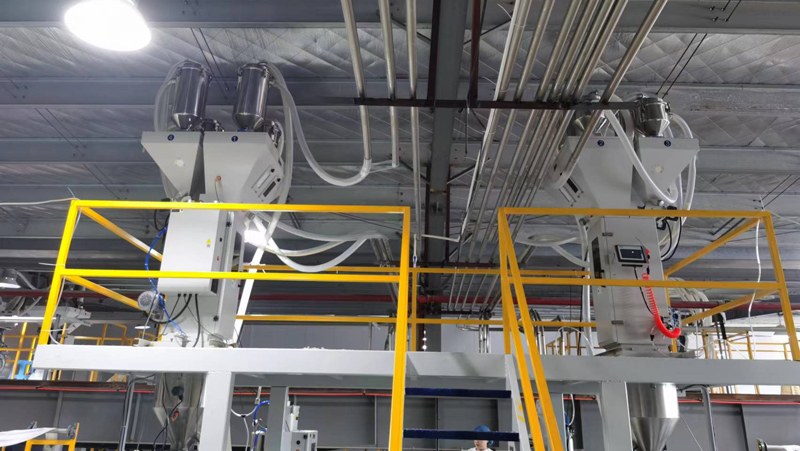
Producing high-grade nonwovens requires careful control of the thermodynamic extrusion line. Starting at the raw material dosing station, PP granules are mixed with additives (such as anti-static agents, color masterbatches, or hydrophilic elements) and fed into the extruder. The screw, engineered with a specific Length-to-Diameter (L/D) ratio, shears and melts the polymer under uniform pressure.
Once melted, the polymer is directed through a screen changer to remove particulates and passes to the spin pack via high-precision metering pumps. The melt is extruded through thousands of micro-orifices in the spinneret plate, forming continuous filaments. These filaments enter the cooling chamber, where a clean, horizontal airflow cools and solidifies them.
From there, the filaments enter the pneumatic drawing channel. The high-speed airflow stretches the strands, orienting the molecular chains to improve tensile strength. The drawn filaments are then deposited onto a moving web belt, creating a uniform, loose fiber layer.
Next, the web moves to the critical bonding stage: the thermal calender. The loose web passes between a top heated steel roll (engraved with a pattern of points, diamonds, or custom designs) and a bottom heated smooth roll. This pressure and heat soften the outer layer of the fibers, melting them together at the embossing points.
Key parameters for optimizing web strength and hand-feel include:
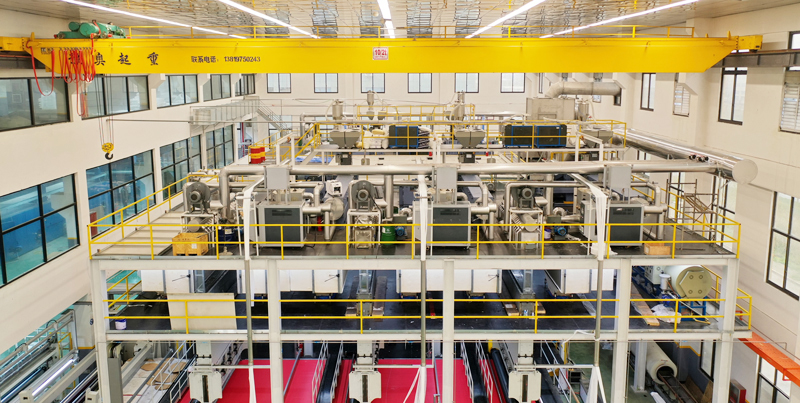
Answers to common technical, commercial, and operational queries from global nonwoven manufacturers.
The calender uses heat and mechanical pressure to bond loose filaments into a stable web. The pattern on the embossing roller determines the balance of tensile strength, softness, permeability, and texture in the final fabric.
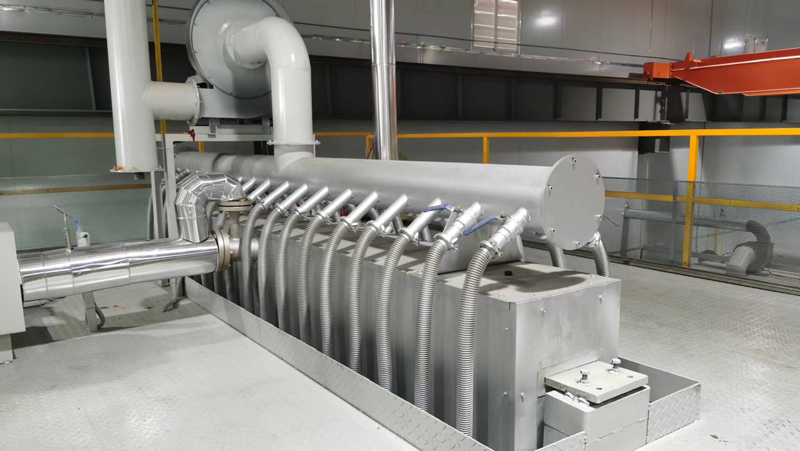
We use thermal oil circulation or multi-zone electromagnetic induction heating to maintain surface temperature variations within ±1°C. This prevents uneven bonding across rolls up to 3.2 meters wide.
Yes. Our customized extruder screws, melt flow lines, and calender control systems can be adjusted to handle the narrow processing windows and specific cooling needs of bio-based resins.
Built from high-grade alloy forged steel (such as 42CrMo), our rollers undergo precise heat treatments and surface hard chrome plating. Under normal operation with clean polymers, they deliver years of reliable service before requiring regrinding.
We supply the entire production loop: material feeders, extruders, web forming units, the thermal calender, slitting winders, control systems, as well as downstream recycling extruders and printing units.
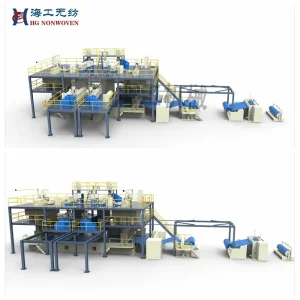
A further selection of our customized nonwoven systems designed for diverse industrial applications.
 HG NONWOVEN