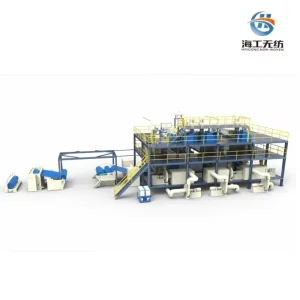
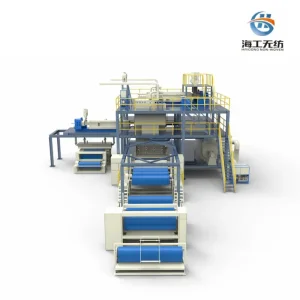
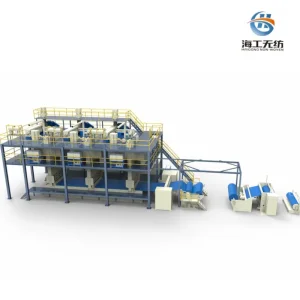
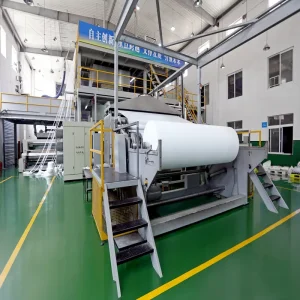
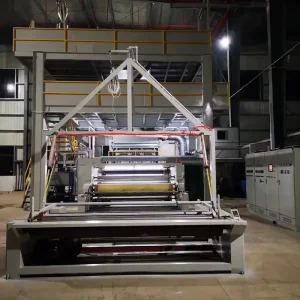
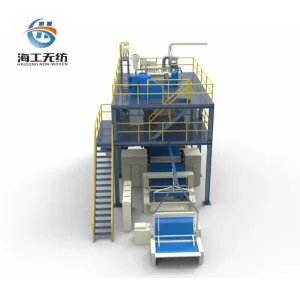
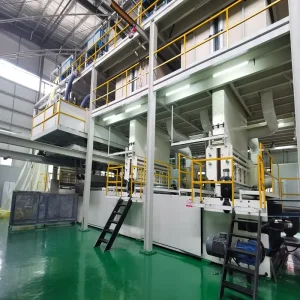
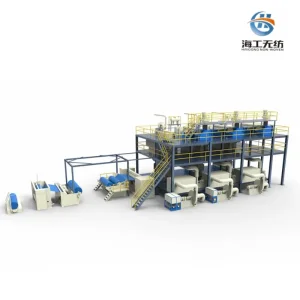
Explore our industrial configurations designed for high output, lower energy footprint, and multi-layer structural reliability.
HG Nonwoven Machinery (Pujiang HG Nonwoven Machinery Co., Ltd.) stands at the forefront of the global polymer-to-web engineering sector. Since 2014, we have dedicated ourselves to bridging the gap between high-capacity plastic extrusion mechanisms and precision aerodynamic fiber laydown processes. By integrating our proprietary 5th Generation Spunbond Spinning Technology with high-performance meltblown assemblies, we construct lines that prioritize thermal efficiency, spatial conservation, and low total cost of ownership (TCO).
Our systems process raw Polypropylene (PP) resins into highly functional fabrics suitable for surgical barriers, sanitary protection layers, thermal insulation media, and agricultural covers. Under the core guidance of global quality frameworks, our team delivers customized layouts tailored to the physical plant dimensions and local energy parameters of worldwide operators.
Eliminating intermediate process lag through synchronized automated controls and component integration.
Integrating optimized heating zones and advanced drafts reducing electrical overhead by up to 20%.
Understanding the fundamental engineering parameters that determine web uniformity, hydrostatic resistance, and absolute filtration efficiency.
The core of meltblown efficiency lies in the diameter and capillary geometry of the spinneret holes. Our premium die assemblies feature orifice diameters ranging from 0.15mm to 0.3mm with an L/D ratio designed to withstand continuous pressure without shear degradation.
We deploy high-velocity hot air streams to attenuate the extruded polymer streams into sub-micron fibers. This precise control over mass air-flow rates ensures an average fiber diameter of 1 to 5 micrometers, forming the optimal physical trap for particulates.
To produce medical-grade mask media (e.g., N95, N99, EN14683 Type IIR), our lines integrate advanced online corona or hydro-charging units, introducing a long-lasting electrostatic charge to capture particles without restricting breathing air permeability.
Selecting the optimal configuration determines the physical properties of the output web. The table below illustrates standard configurations optimized by HG Nonwoven Machinery engineers:
| Configuration Type | Target Fiber Diameter | Standard Output GSM Range | Primary Application Areas | Key Performance Attribute |
|---|---|---|---|---|
| Single-Beam Spunbond (S) | 15 - 25 µm | 10 - 150 g/m² | Agricultural covers, furniture backing, simple shopping bags | High tensile strength and tear resistance |
| Double-Beam Spunbond (SS) | 12 - 20 µm | 9 - 200 g/m² | Premium packaging, hygiene products topsheets | Enhanced smoothness and structural uniformity |
| Composite SMS Lines | Meltblown: 2-4 µm | Spunbond: 15 µm | 15 - 80 g/m² | Surgical gowns, sterilization wraps, protective suits | Excellent hydrostatic head and particulate barrier |
| Multi-Beam SMMS/SSMMS | Meltblown: 1-3 µm | Spunbond: 12 µm | 10 - 80 g/m² | High-end infant diapers, adult incontinence products | Ultra-soft skin contact combined with barrier safety |
Why industrial operators choose Zhejiang-based fabrication hubs to deploy capital-efficient, high-performance machinery.
Our facility in Pujiang benefits from immediate proximity to key metal fabrication, precision CNC machining, and raw material suppliers, reducing logistics overhead and build cycles.
To ensure high operational uptime, we partner with world-renowned component brands: Siemens PLCs, ABB motors, Schneider Electric controls, and premium Japanese sensor packages.
Chinese production techniques and engineering optimization allow us to supply advanced production lines at a fraction of the cost of European equivalents, while delivering comparable web qualities.
Before packing and container loading, every system undergoes 72 hours of uninterrupted dry-run simulation testing to verify heat zones, mechanical tolerances, and structural alignments.
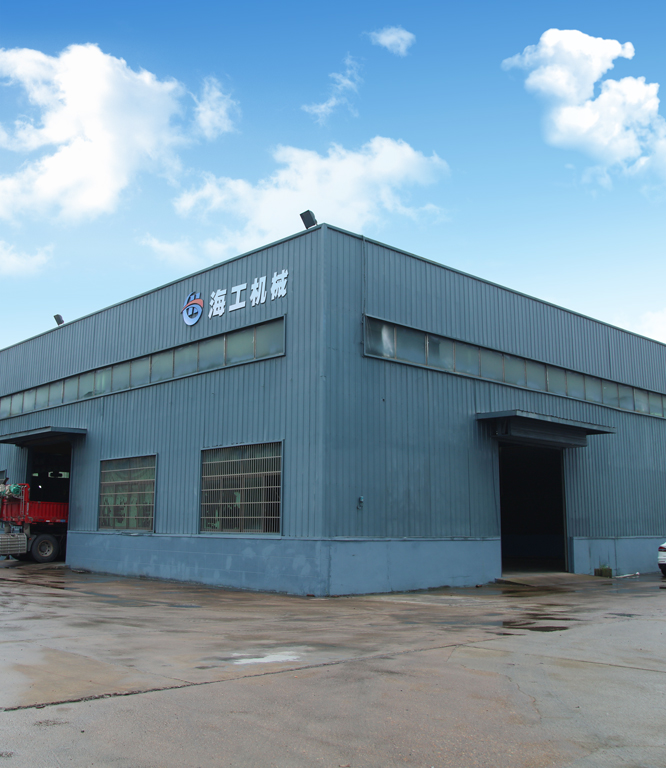
Pujiang HG Nonwoven Machinery has been a recognized nonwoven fabric making machine manufacturer since 2014. We specialize in manufacturing PP spunbond and meltblown nonwoven fabric making machines with comprehensive, end-to-end turnkey engineering services. Our main product development aims to produce high performance, eco-friendly, and biodegradable spunbonded nonwoven fabrics.
"Our company regards 'high quality, good service' as our core tenet. By choosing us, you gain a reliable partner committed to helping you stand out in a competitive market. Contact us today to learn more about how to produce non woven fabrics economically, reliably, and sustainably."
Integrating autonomous innovations with advanced design concepts from overseas, HG machinery features convenient operation, optimized physical footprint, low energy draw, and lowered overall production costs.
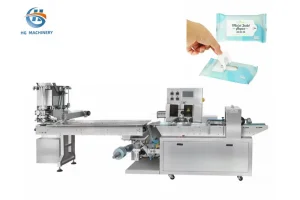
Beyond our advanced extrusion lines, we provide full horizontal integration to streamline your plant setup and post-processing needs.
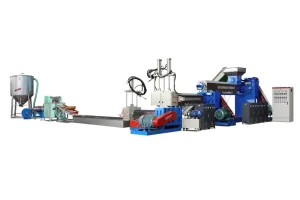
Maximize your margins with integrated recycling units that melt and re-pelletize fabric edge trims, sending them straight back into the main extruder screw to achieve near-zero waste production.
Equipped with high-precision disc knives and automatic tension controllers, our slitting units cut jumbo nonwoven rolls into precise customized widths ready for downstream product conversion.
For packaging and brand promotion requirements, we offer inline and offline flexo printing units designed to print crisp, water-based, eco-friendly logos onto spunbond nonwovens.
Our deep expertise across diverse manufacturing sectors helps you select the configuration tailored to your target markets.

Essential for breathability, softness, and fluid management. It quickly routes liquid away from the skin, perfect for diapers, incontinence pads, and feminine hygiene products.

Delivers critical barrier safety against pathogens. Used in face masks, surgical gowns, bed sheets, and towels, ensuring effective filtration, barrier protection, and user comfort.
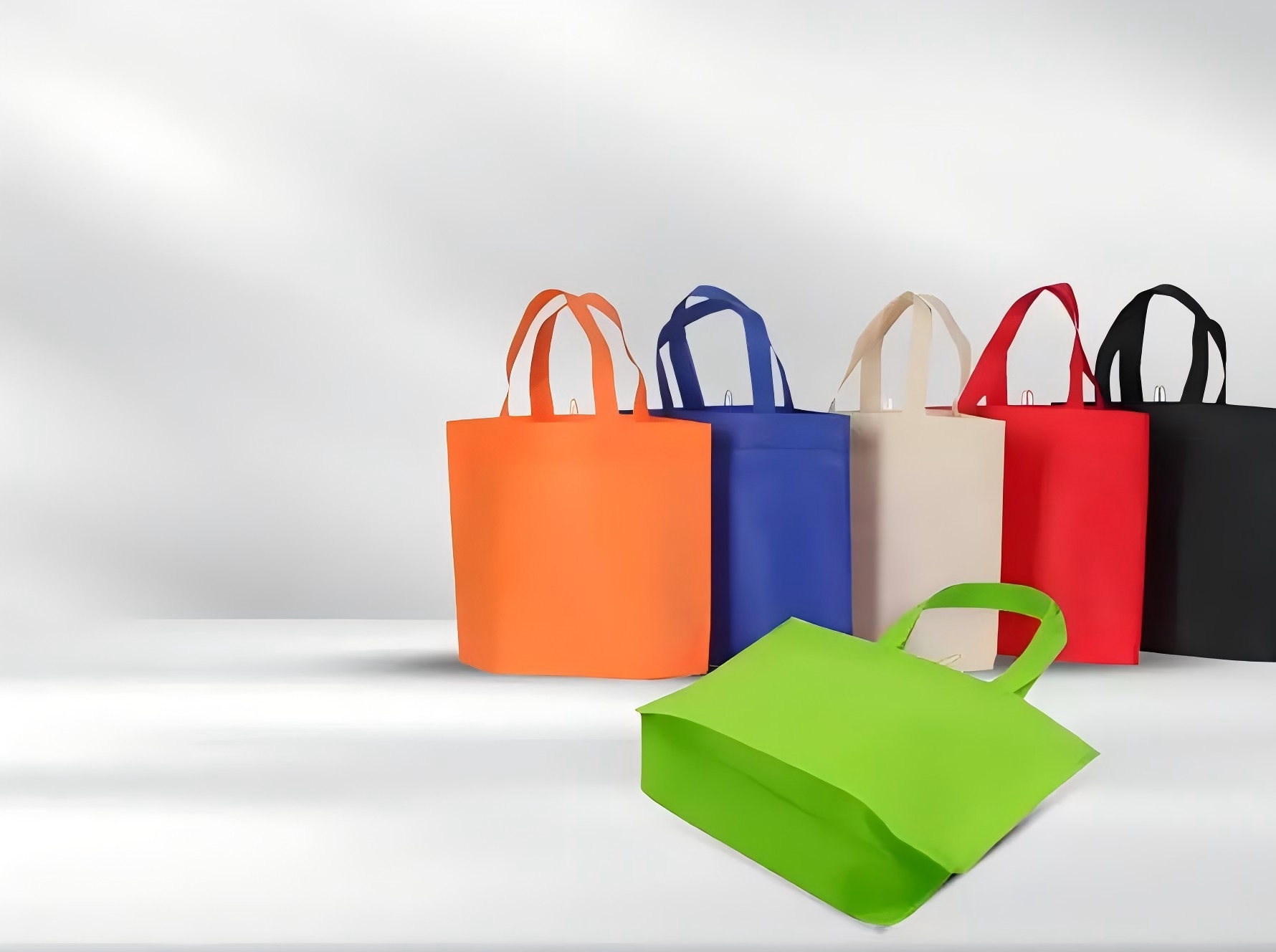
Offers lightweight, high tensile strength, and reuse cycles. Widely used for shopping bags, agricultural fruit bags, apparel covers, pocket springs, and interlinings.
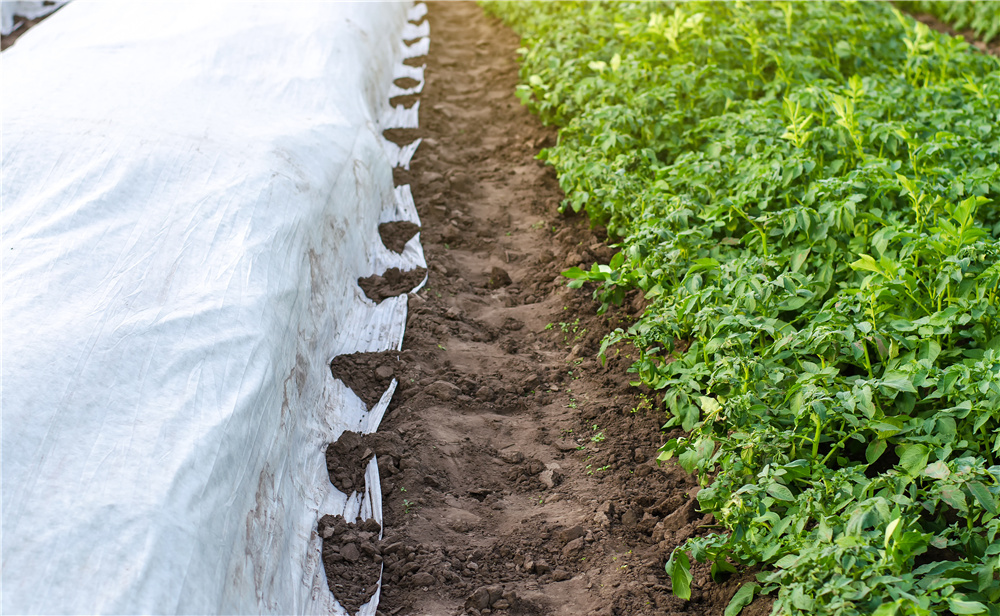
Allows air and moisture permeability while protecting crops against cold, insect vectors, and direct solar UV degradation, establishing optimal microclimate conditions.
Our most requested production lines, configured and running successfully in plants worldwide.
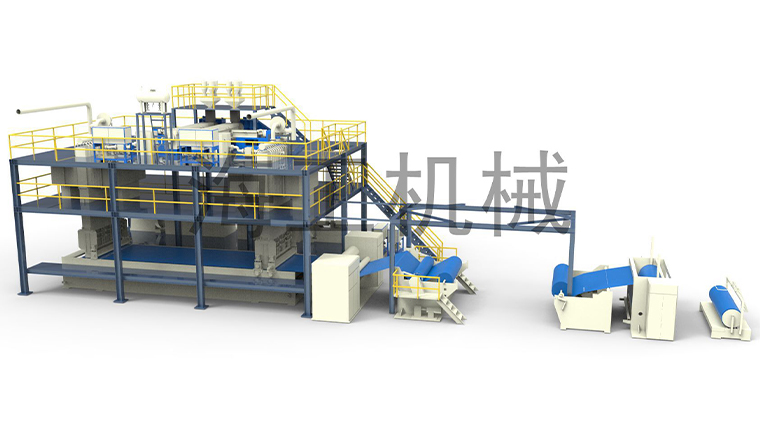
Designed for packaging bags, furniture interlinings, and agricultural protective sheets.
View More Details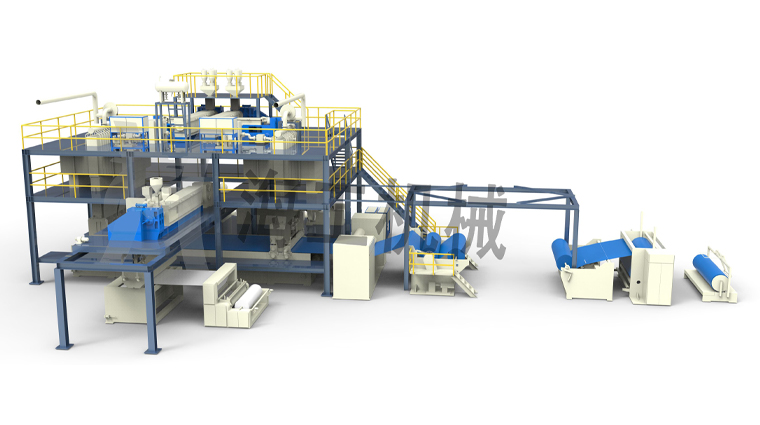
Optimized for hygienic applications and medical-grade sterilization wraps.
View More Details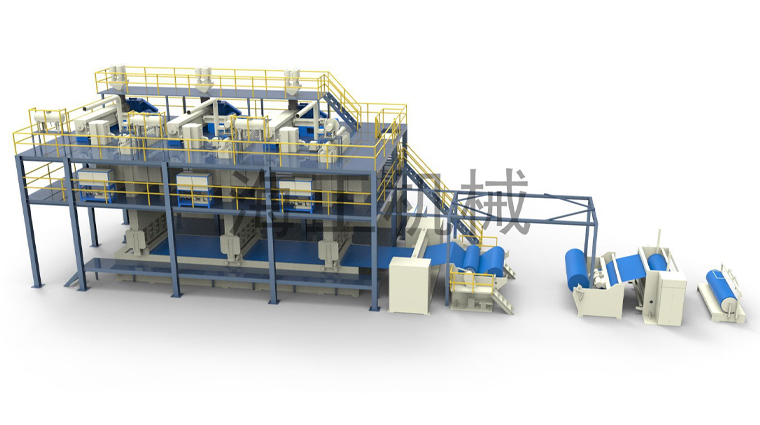
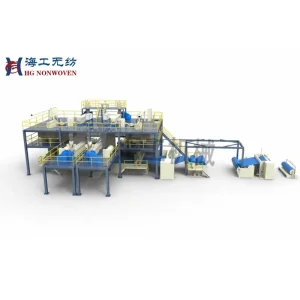
Four-layer high efficiency composite layout providing superior barrier performance.
View More Details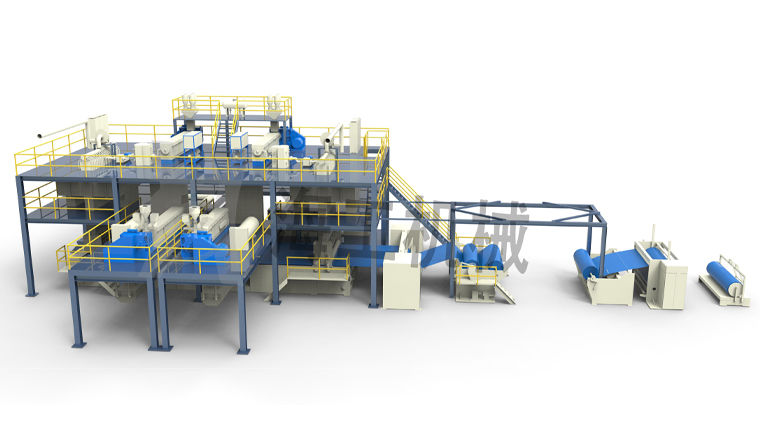
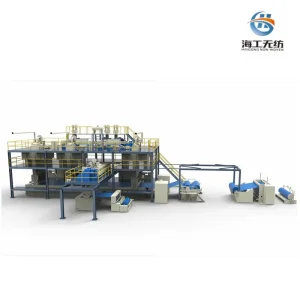
Outstanding barrier properties with exceptional surface softness for premium contact.
View More DetailsHelping factory operators overcome technical, financial, and operational hurdles at every stage.
We work with plant managers to analyze local material costs, target market density, and competitive landscape to generate comprehensive feasibility documents before capital is deployed.
Our mechanical and electrical engineers deploy directly to your site to execute assembly, fine-tune PLC parameters, and establish optimized continuous process cycles.
Every HG production control system can be integrated with secure remote access, allowing our engineers in Zhejiang to troubleshoot code issues and balance temperature loops in real-time.
Addressing the paradigm shift toward sustainable fabrication through advanced mechanical upgrades.
As global regulations phase out single-use plastics, the market demand for eco-friendly alternatives is skyrocketing. HG Nonwoven Machinery has upgraded its extrusion screw profile and heating zone sensitivity to process Polylactic Acid (PLA) and other biodegradable polymers successfully.
Because PLA exhibits a narrower thermal process window and lower melt strength compared to traditional Polypropylene (PP), our 5th Gen systems feature specialized temperature sensors accurate to ±0.5°C and adapted spin pack screens to prevent crystallization at the spinneret plate.
To optimize energy profiles, our machinery utilizes exhaust heat exchange loops. Hot air produced during the attenuation phase is captured and routed to preheat incoming raw resin, lowering active power draw on high-kilowatt heating bands.
Key technical details compiled by our senior engineering division to assist procurement directors in project planning.
The difference lies in the number and sequence of Spunbond (S) and Meltblown (M) spinning beams. A single SMS line uses one spunbond beam, one meltblown beam, and a final spunbond beam. Adding more meltblown beams (as in SMMS or SSMMS) increases the density of microfibers inside the core. This raises the filtration efficiency (BFE/PFE) and hydrostatic resistance of the fabric while maintaining high softness and drape, making it optimal for high-level surgical gowns and baby diaper barrier cuffs.
Our 5th Generation machines utilize optimized aerodynamic channels, high-efficiency motors, and insulated ceramic heating bands. By combining these structural changes with our hot-air heat recovery loop, we reduce overall power losses. Operators report saving up to 15% to 20% on their monthly electricity bills compared to standard configurations.
The primary material processed is Polypropylene (PP) with a Melt Flow Index (MFI) of 25–40 for spunbond sections, and 1000–1500 for meltblown sections. Our updated lines are also capable of processing bio-resins such as Polylactic Acid (PLA) and PET with optional screw profile changes, enabling factories to supply biodegradable markets.
Standard configurations take approximately 90 to 120 days to manufacture, test, and package. Upon arrival at the client’s facility, our dispatch team handles the physical placement, wiring, PLC connection, and carry out cold and hot testing trials over 2-3 weeks, followed by on-site operator training.
The coat-hanger design distributes the molten polymer evenly across the entire width of the spinneret. This internal geometry prevents dead zones where polymer could stagnate and degrade, ensuring a highly uniform web weight (GSM variance of less than 3%) and preventing thin spots in the filtration media.
All HG Nonwoven Machinery installations conform to the European CE directive, ISO 9001:2015 quality management systems, and local electrical standards (such as UL/CSA options for North American clients).
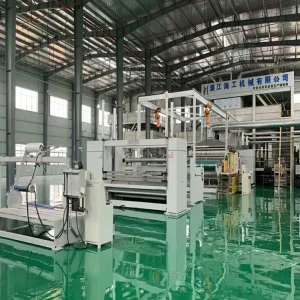
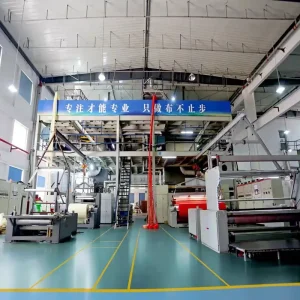
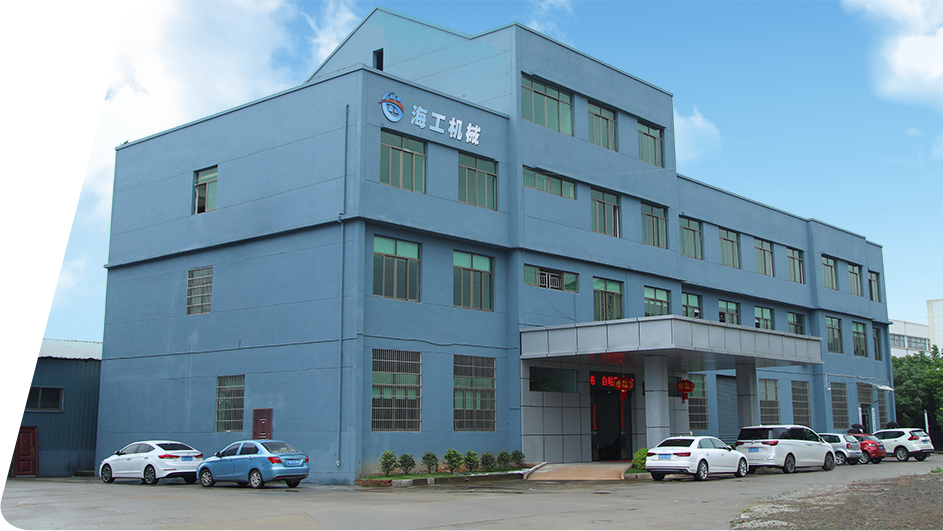
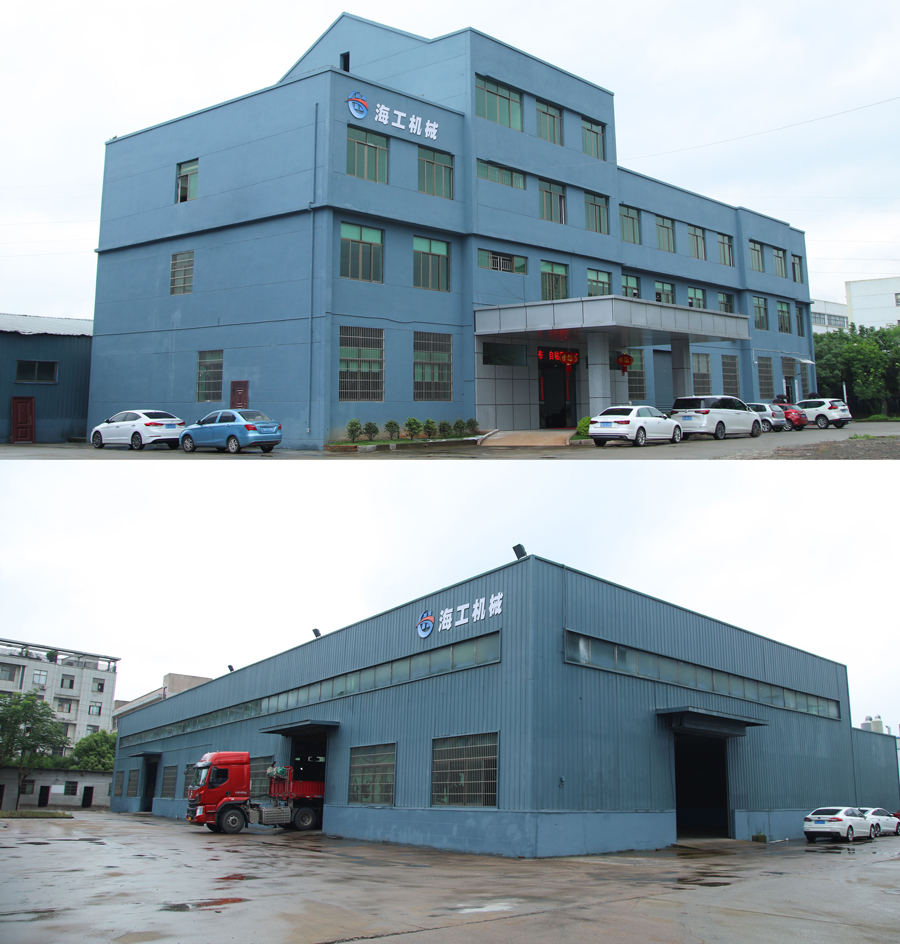
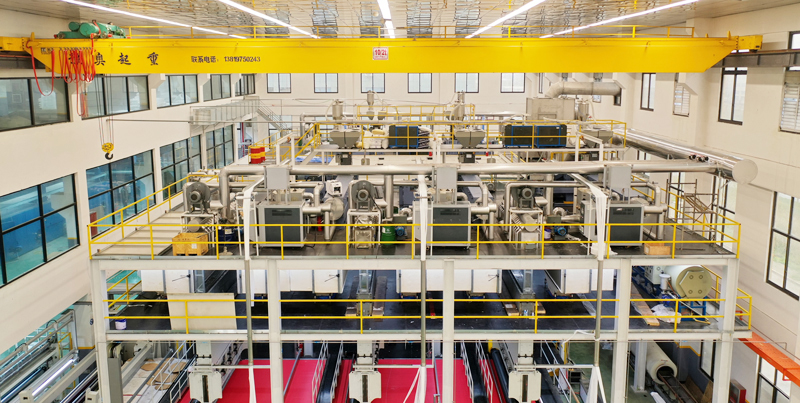
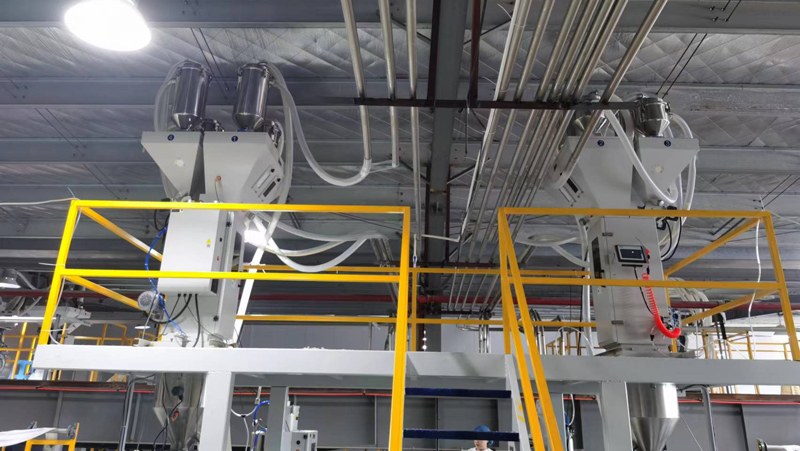
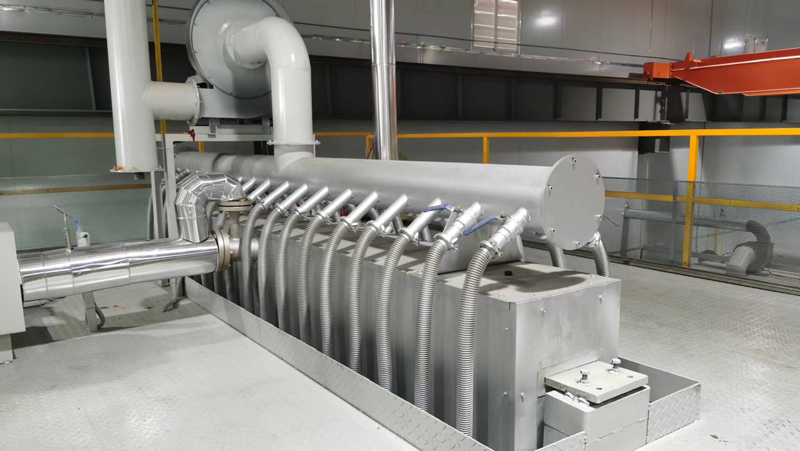
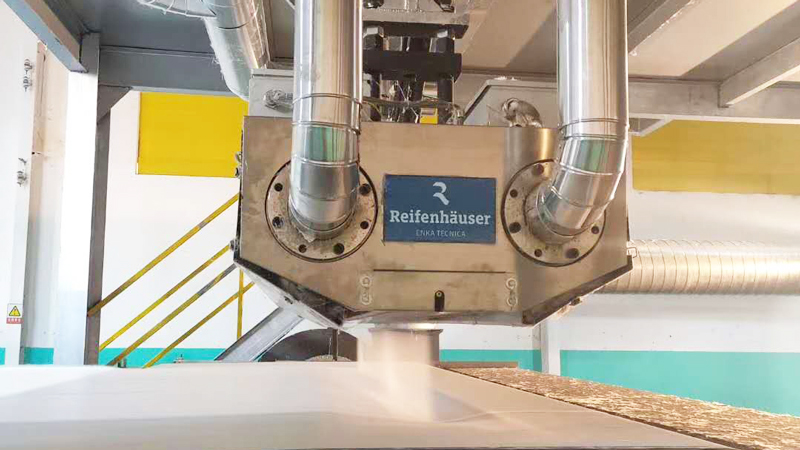
Take a closer look at our machining capability, final assembly zones, and engineering precision.
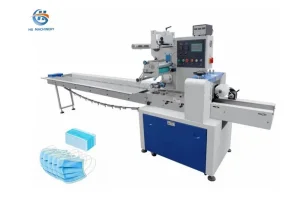
Complete your facility setup with our secondary support components, recycling units, and custom high-speed lines.
 HG NONWOVEN