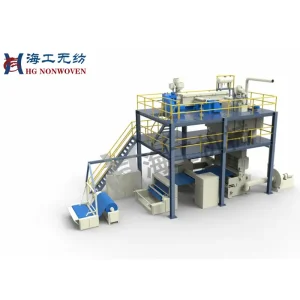
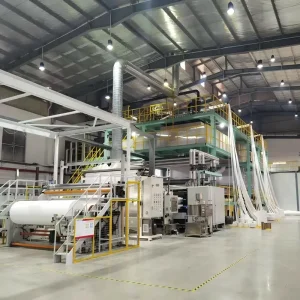
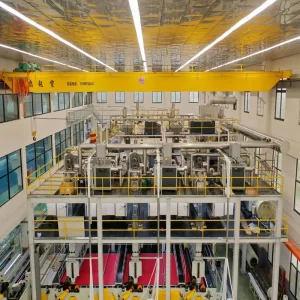
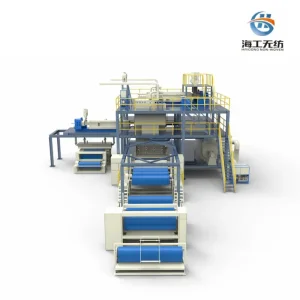
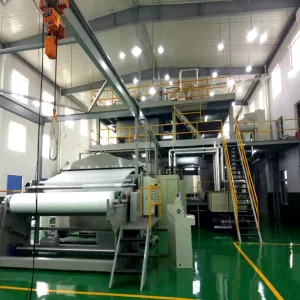
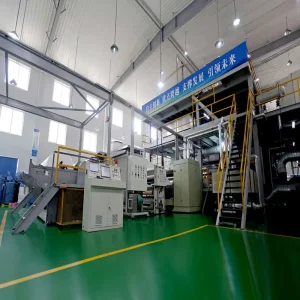
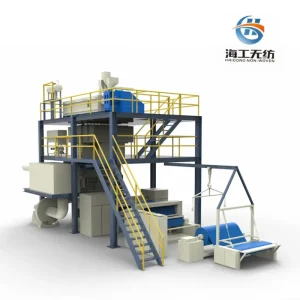
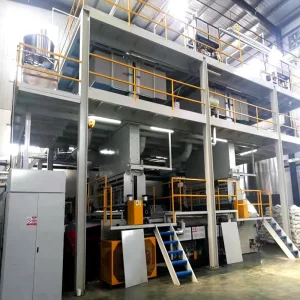
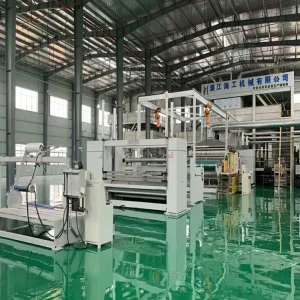
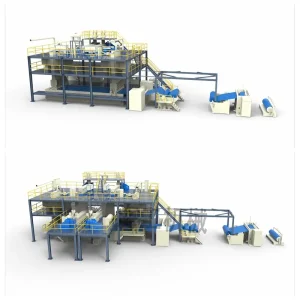
Explore our high-performance manufacturing lines designed for maximum efficiency and material consistency.
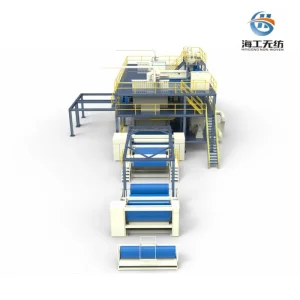
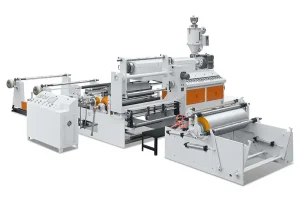
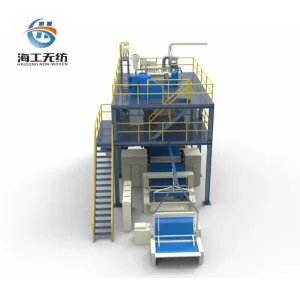
In the modern industrial landscape, melt spinning and composite nonwoven machinery represent the pinnacle of polymer processing technology. As global demand surges for advanced materials in filtration, healthcare, and civil engineering, manufacturers require systems that guarantee exceptional fiber attenuation, web uniformity, and low energy thresholds.
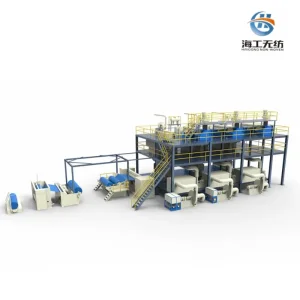
Traditional spinning processes are increasingly replaced by integrated spunbond-meltblown-spunbond (SMS, SMMS, SSMMS) systems. These multi-beam designs combine the tensile strength of continuous filament spunbond substrates with the barrier performance of sub-micron meltblown fibers. Understanding this dual requirement is what positions HG Nonwoven Machinery at the forefront of global engineering.
By designing and manufacturing high-speed, high-density filament systems, we empower global enterprises to produce biodegradable, eco-friendly, and highly specialized nonwoven fabrics. Our engineering solutions address the critical indicators of production efficiency, ensuring minimized polymer loss and maximized thermal efficiency.
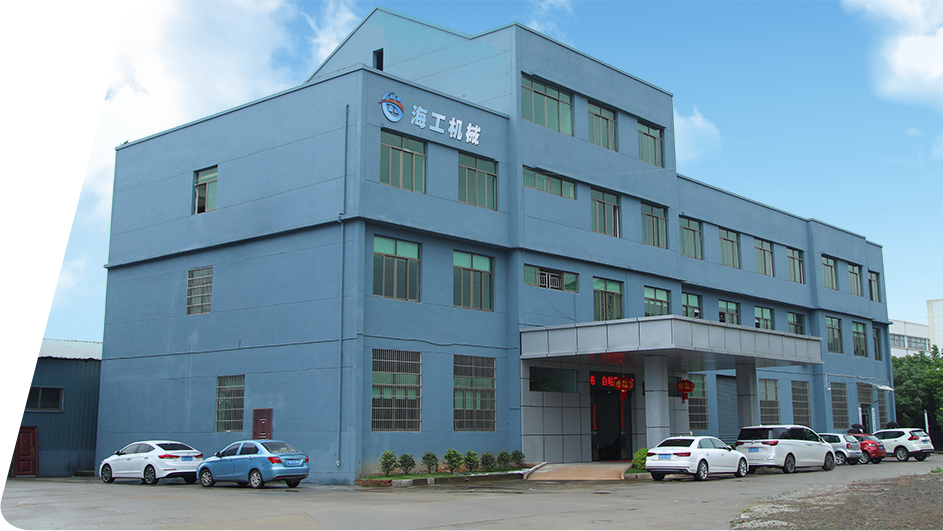
Established in 2014, Pujiang HG Nonwoven Machinery has developed into a renowned manufacturer specializing in PP spunbond and meltblown nonwoven fabric production lines. Our mission centers on delivering turnkey engineering solutions from initial feasibility assessments to final product commissioning.
By introducing advanced design concepts from overseas, particularly our 5th Generation spunbond spinning technology, and integrating them with domestic manufacturing efficiencies, we produce machines that offer a smaller operational footprint, low power consumption, and decreased overhead. We are dedicated to providing sustainable, high-efficiency solutions to help our clients build strong market positions.
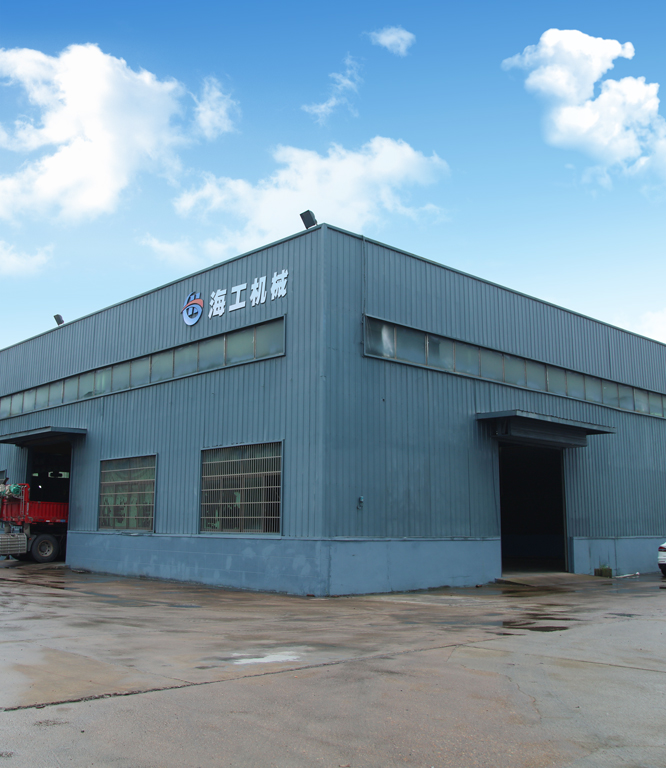
Our commitment to R&D ensures every machine line is optimized for efficiency, reliability, and precision.
We build systems designed to operate at maximum mechanical speeds with minimized energy metrics. Each machine features custom options to align precisely with your factory layout and target production output.
We offer guidance that goes beyond mechanical engineering. Utilizing deep market datasets, we help you analyze raw material costs, local market demand, and projected ROI to develop a complete feasibility report.
From primary extrusion systems to downstream processing, we supply all necessary equipment, including recycling machines, slitting lines, flexo printers, laminators, and bag-making machinery.
The manufacturing of synthetic nonwoven materials rely heavily on the rheological behavior of thermoplastic polymers. At the core of HG Nonwoven Machinery's technology is the 5th Generation melt spinning design. This process utilizes controlled temperatures and pressures to force molten polypropylene (PP) through spin packs, creating continuous, high-strength micro-filaments.
Melt spinning involves feeding polymer chips into an extruder, where thermal energy and mechanical shear melt the material. The molten polymer is then pushed through a metering pump to ensure a precise, pulseless flow to the spin pack. Each spin pack contains thousands of capillary orifices that form the initial liquid filaments.
As the filaments emerge, they meet high-velocity cooling air in the quenching chamber. This controlled cooling solidifies the polymer, while aerodynamic tension stretches the fibers. This attenuation process aligns the molecular chains of the polymer, giving the resulting nonwoven web its high tensile strength.
China's nonwoven machinery sector has developed strong competitive advantages through supply chain integration and localized manufacturing clusters. Operating from Zhejiang province, HG Nonwoven Machinery utilizes a close network of precision metallurgical suppliers, sensor manufacturers, and control system developers.
This concentration of resources allows us to offer short production lead times and cost-effective customization. While European manufacturers often require long lead times for custom layouts, Chinese factories can deliver tailored, multi-beam composite configurations (such as SMS or SSMMS) much more rapidly, maintaining high standards of quality and engineering precision.
The global nonwoven industry is moving rapidly toward automation and reduced carbon footprints. Modern production lines utilize closed-loop feedback systems to monitor fiber diameter, web weight, and thermal distribution in real time.
Energy conservation is also a primary focus. By optimizing extruder heating bands, using high-efficiency motors, and recycling waste heat from the quenching air, our latest machinery reduces overall energy consumption by up to 20%. In addition, our systems are compatible with bio-based polymers (like PLA) and recycled PP, helping manufacturers meet strict environmental standards.
Our systems are designed for high performance across a wide range of industrial and medical sectors.

Nonwoven fabric is essential in the hygiene sector, offering breathability, softness, and excellent fluid management for comfort and protection. It quickly absorbs liquid and keeps it away from the skin, making it ideal for paper diapers, incontinence pads, and feminine hygiene products.

Nonwoven fabrics are extensively used in the medical field and in protection against biological agents. They deliver critical safety properties, such as prevention against infections and diseases. They are essential for making face masks, surgical gowns, bed sheets, and surgical towels, ensuring effective filtration, protection, and comfort.
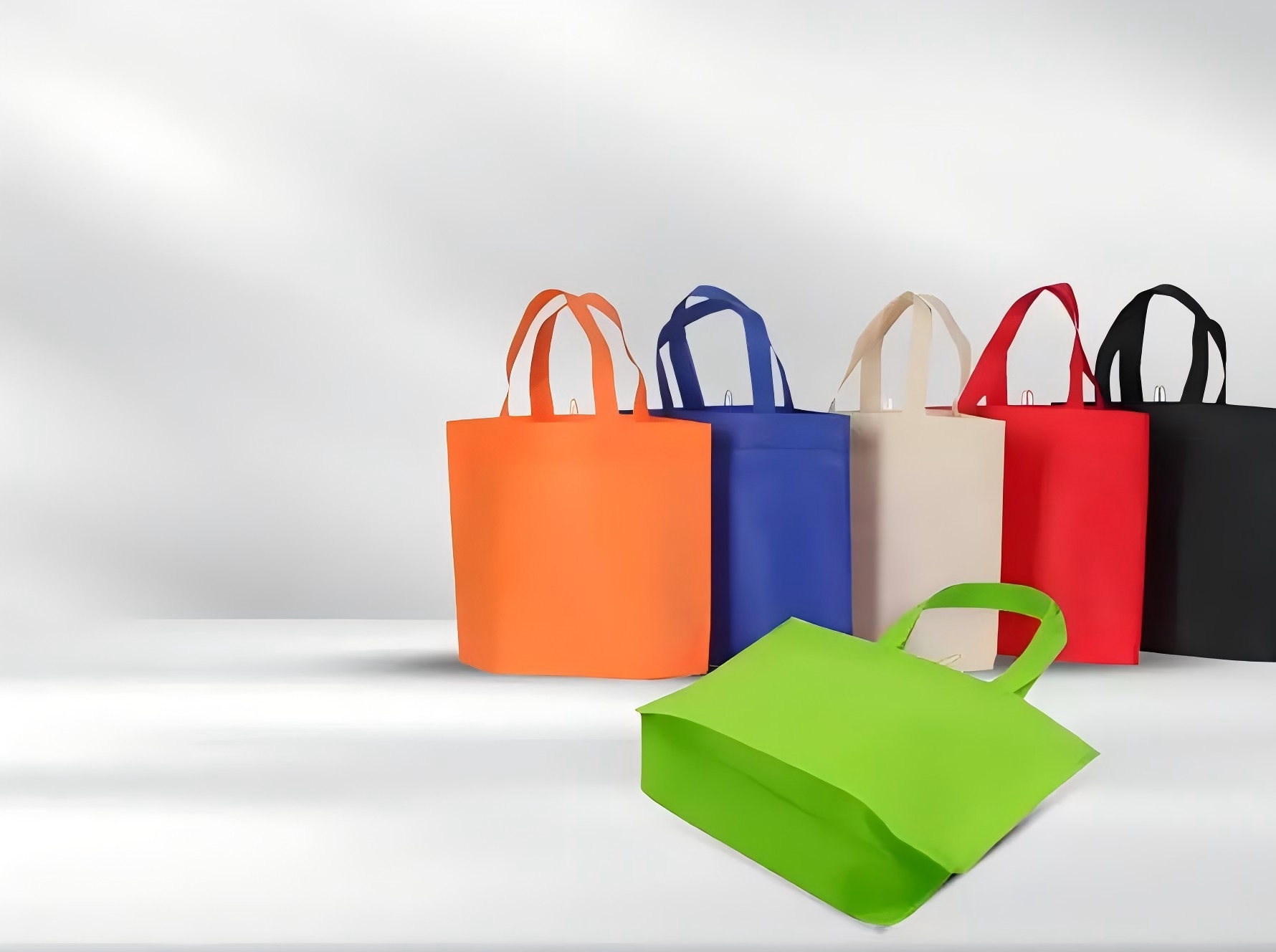
Nonwoven fabric is ideal for a variety of packaging end-uses, as their exceptional lightweight, energy-efficient production, shipping and storage, and their long life and robustness allow for volume reduction and re-usability. It is widely used for shopping bags, fruit bags, garment bags, rice bags, pocket springs, and garment interlinings.
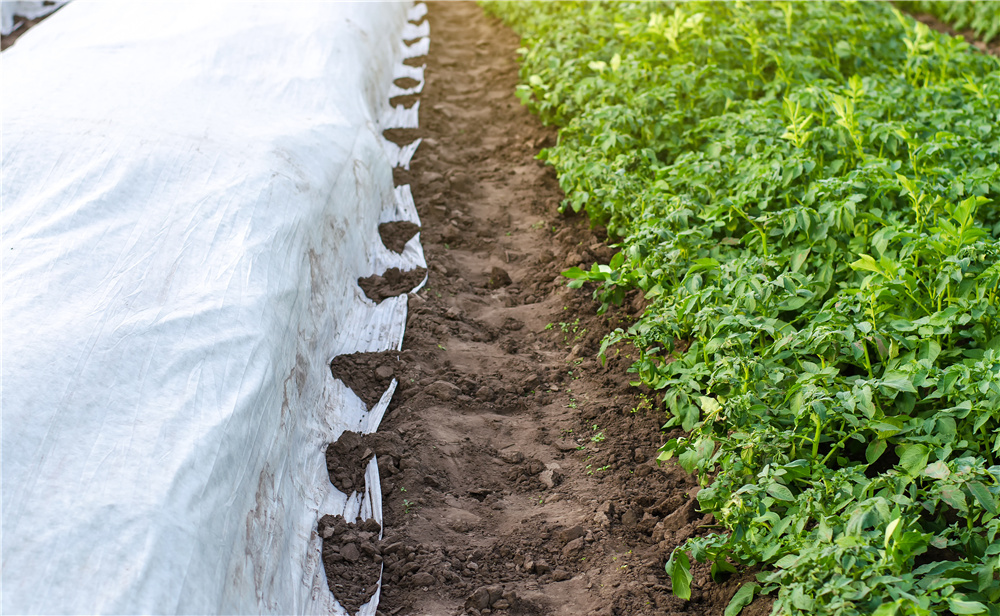
Agriculture Nonwoven Fabrics allow air and water to pass through while providing wind and cold protection by generating a microclimate around the crop. Furthermore, because nonwovens work as a physical protection media, they can assist in preventing damage to crops, vegetables, and seeds from insects and birds.
Investing in a spunbond or meltblown nonwoven production line requires evaluating a range of technical and financial factors. To help procurement teams make informed decisions, we have outlined the key variables that impact long-term efficiency and system reliability:
Filament Uniformity & CV% Value: The Coefficient of Variation (CV) measures the weight uniformity of the nonwoven web. Lower CV% values indicate better fabric consistency, which is critical for high-filtration medical and industrial applications.
Specific Energy Consumption (SEC): This metric measures the kilowatt-hours (kWh) consumed per ton of finished fabric. Choosing lines with optimized heating systems, high-efficiency motors, and thermal insulation helps control operational costs.
Turnkey Project Support: Sourcing auxiliary systems—such as edge trim recycling, masterbatch dosing, automatic slitting, and packaging—from a single manufacturer helps ensure compatibility and simplifies overall system integration.
After-Sales & Field Support: Because unexpected downtime can impact profitability, working with a partner that provides remote monitoring, quick spare parts delivery, and on-site engineering support is essential.
Get answers to common technical and operational questions about our melt spinning and nonwoven machinery.
Explore our composite (SMS, SMMS, SSMMS) systems engineered for medical, hygiene, and industrial packaging applications.
 HG NONWOVEN