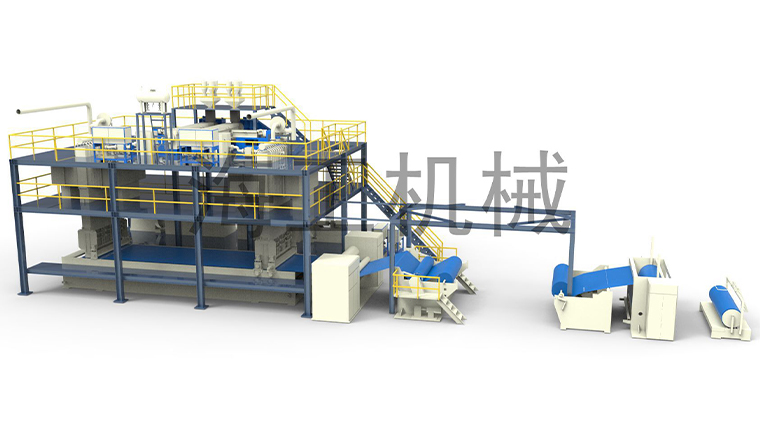
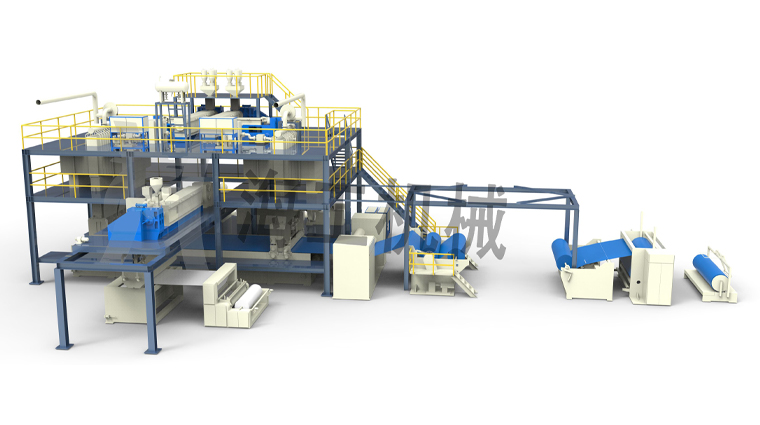
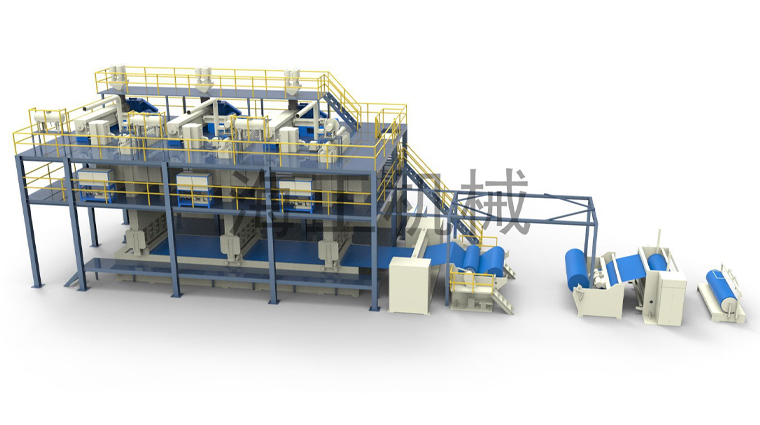
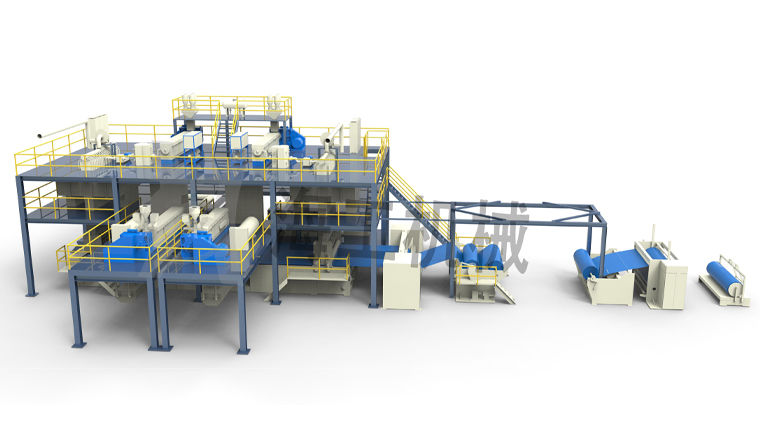
Executive Summary: The global demand for high-performance hydrophilic nonwoven materials is undergoing a critical transition. Driven by strict medical-grade benchmarks, sustainable hygiene mandates, and smart agricultural techniques, purchasers need fabric machinery that achieves low liquid strike-through times, optimal capillary properties, and robust tensile strength. This white paper highlights how China's manufacturing sector—anchored by HG Nonwoven Machinery's technology—delivers precision turnkey systems designed to satisfy these evolving criteria.
Browse our premier selection of advanced spunbond, composite (SMS/SMMS), and specialized PP nonwoven fabric production machinery, custom-engineered for global industrial applications.
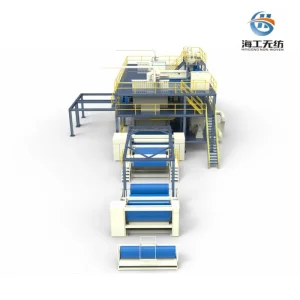
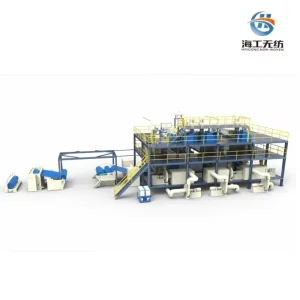
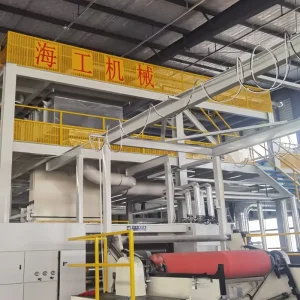
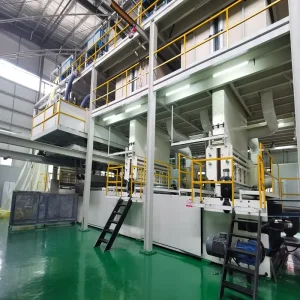
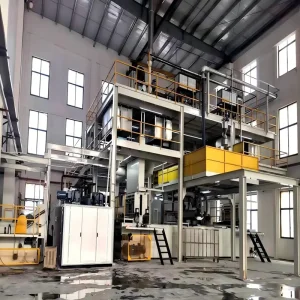
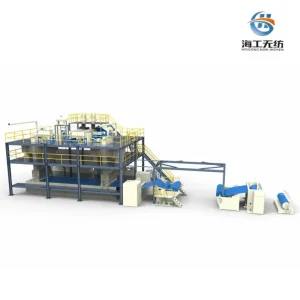
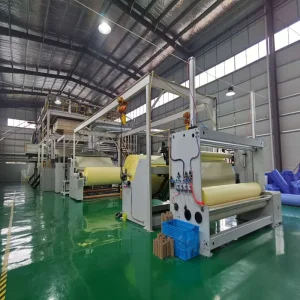
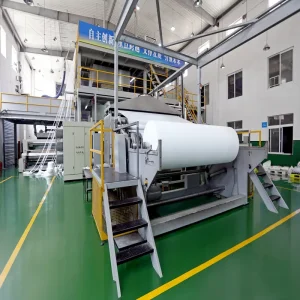
By definition, standard polypropylene (PP) spunbond nonwovens are naturally hydrophobic due to the paraffinic molecular structure of PP. To achieve hydrophilic behavior—critical for hygiene products like diapers, sanitary napkins, and medical bed linings—the fabric surface must undergo modification. This modification reduces the contact angle between the water droplets and the fiber surface, allowing instant absorption and transport of fluids.
HG Nonwoven Machinery leverages two main technical routes for rendering fabrics hydrophilic: internal melt additives and external surface treatment. The external method applies a high-uniformity surfactant coating during the online spinning phase. By integrating this step with our proprietary calendar systems, the surfactant remains stable and highly resistant to degradation, resulting in low liquid strike-through times without compromising the mechanical integrity of the web.
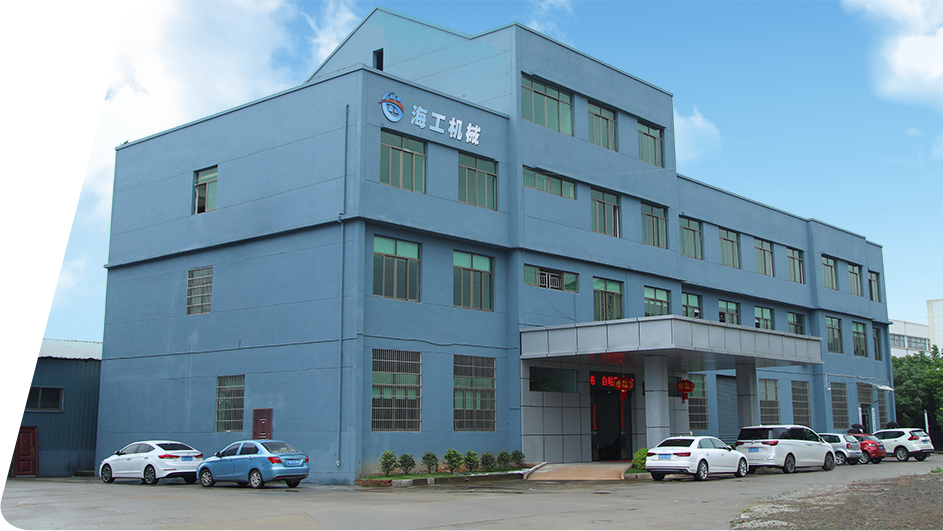
Pujiang HG Nonwoven Machinery has designed and built industrial nonwoven lines since 2014, backed by over 20 years of combined mechanical engineering experience.
China is a major hub for global nonwoven machinery manufacturing. By choosing HG Nonwoven Machinery, purchasers benefit from a localized supply chain, comprehensive engineering support, and an advanced R&D ecosystem.
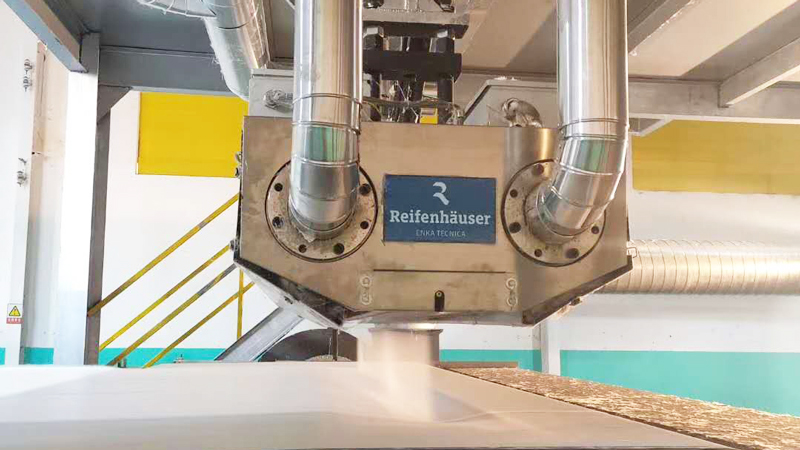
Our 5th Generation spunbond technology optimizes aerodynamic drafting systems, ensuring uniform web weight (from 10gsm to 150gsm) and high production capacity. High drafting speeds allow for finer filaments, which enhance fabric softness and optimize capillary action for hydrophilic applications.
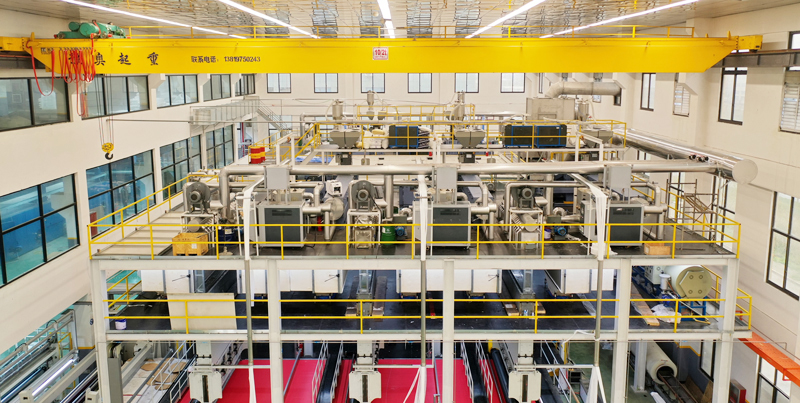
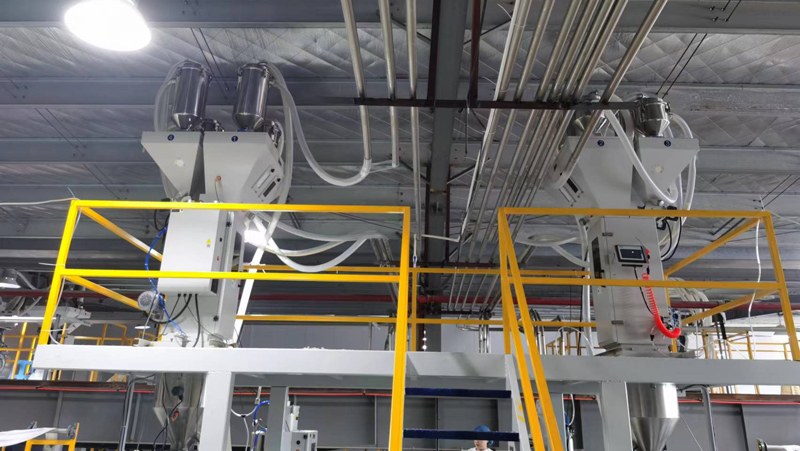
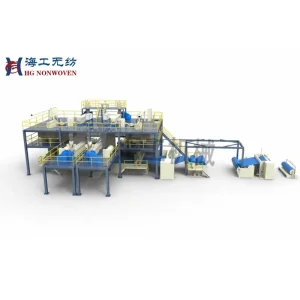
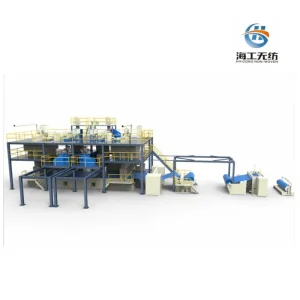
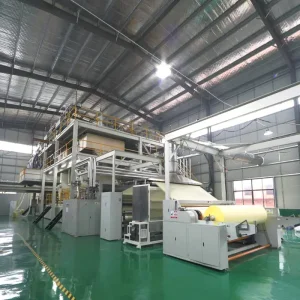
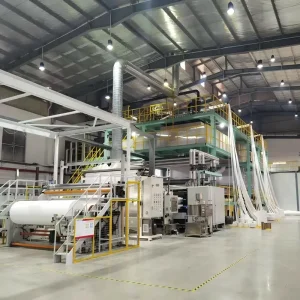
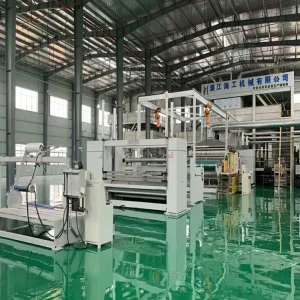
We deliver complete manufacturing setups. From polymer dosing systems and raw material feeding to thermal calendering, online slitting, recycling extruders, and printing machinery, we provide everything needed to start producing high-performance fabrics immediately.
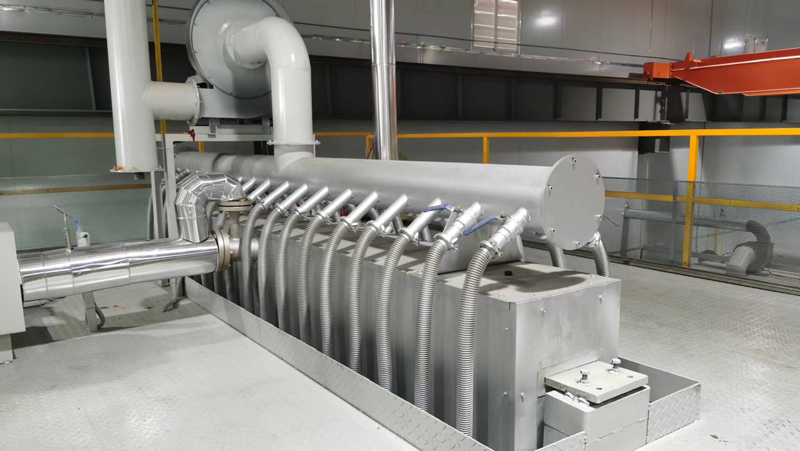
Our lines are engineered to lower electricity consumption. By optimizing thermal distribution inside the drying chambers and using smart energy management modules, HG lines reduce power usage per ton by up to 15% compared to older designs.
Our systems conform to international safety standards, including CE and ISO certifications. We offer overseas engineering installation, comprehensive technical training, and 24-month warranties with ongoing support.
HG machinery is designed for compatibility with multiple raw materials and surface treatments, supporting cleanroom hygiene and heavy-duty agricultural uses.
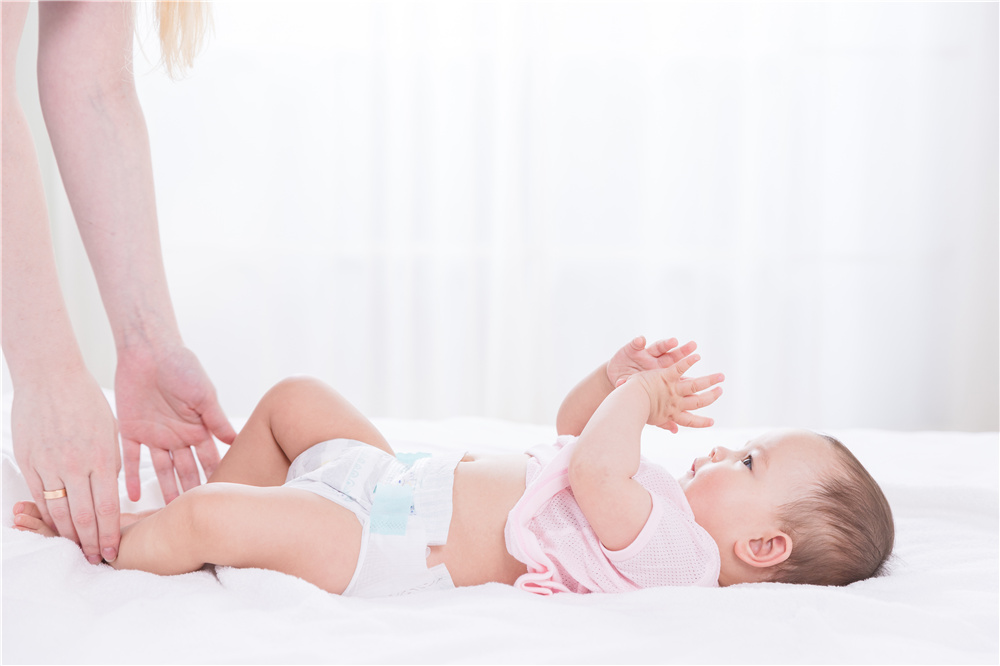
Provides critical softness, low strike-through, and reliable fluid management for baby diapers, feminine hygiene pads, and adult incontinence products.
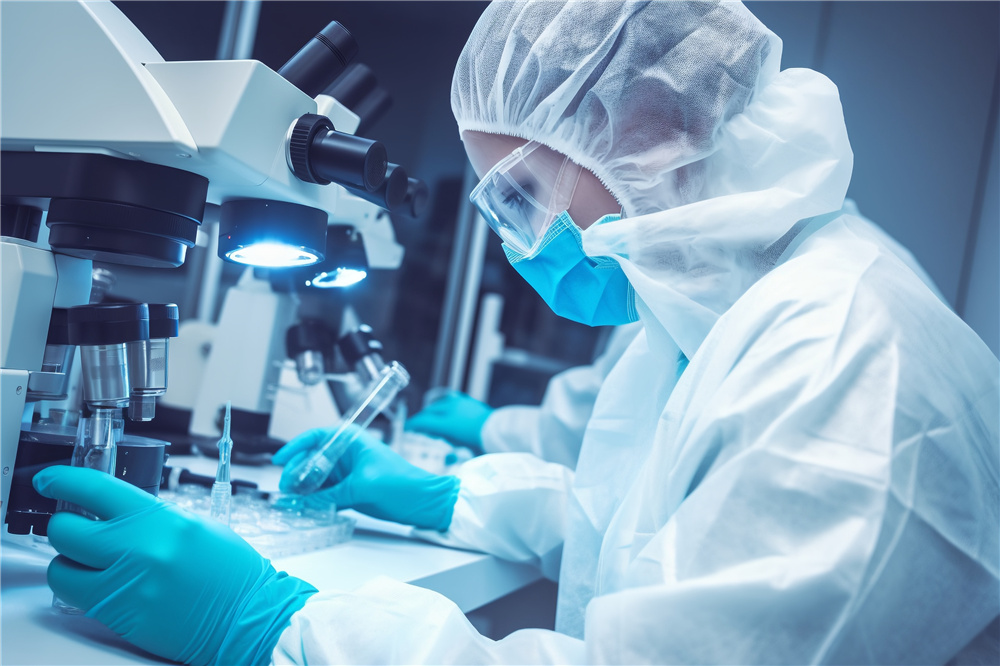
Utilized in single-use surgical drapes, medical gowns, and cleanroom linens where liquid absorption and microbial barriers are essential.
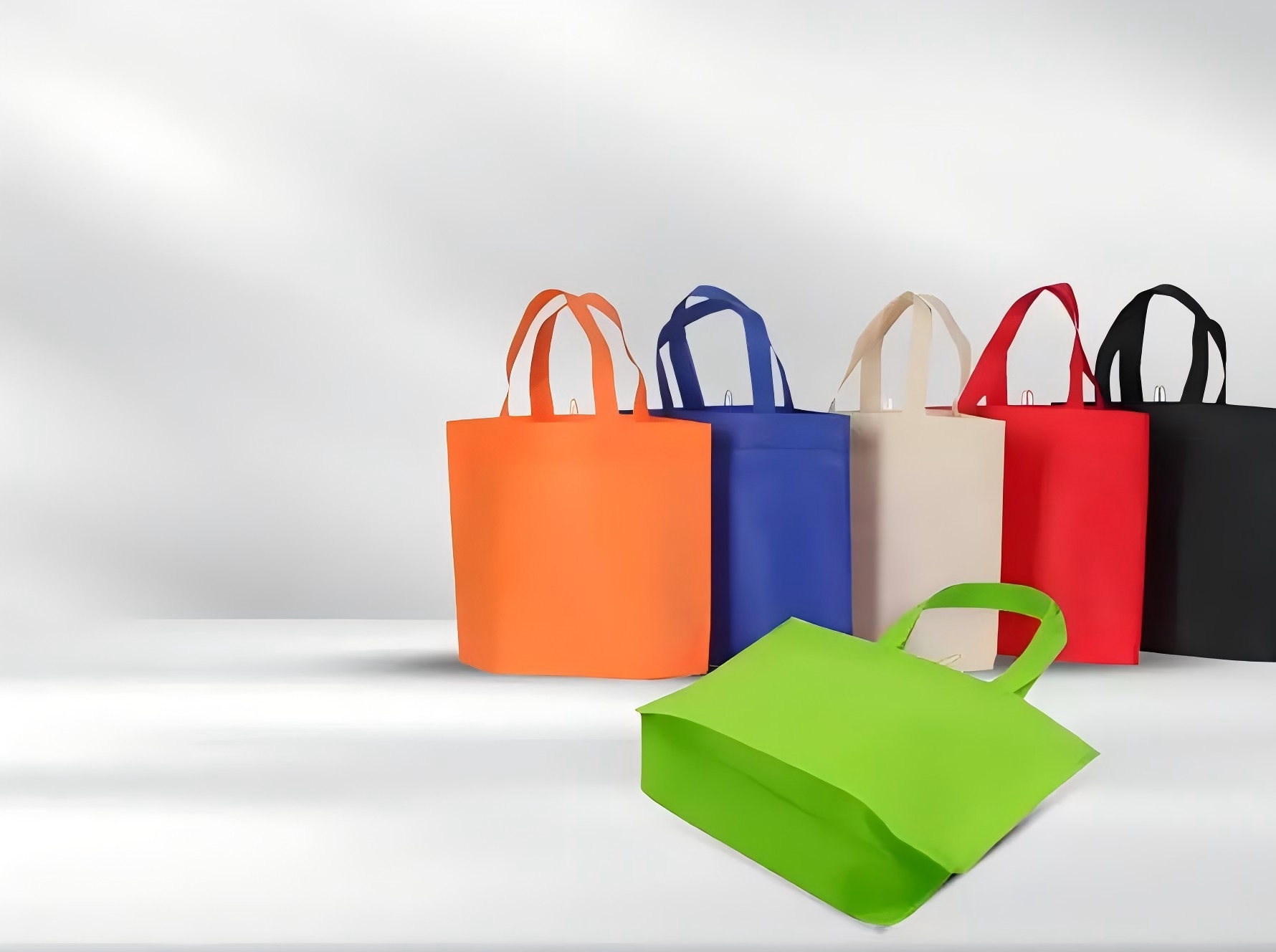
Ideal for durable, lightweight shopping bags, protective gift wrap, industrial covers, and clothing dust protectors.
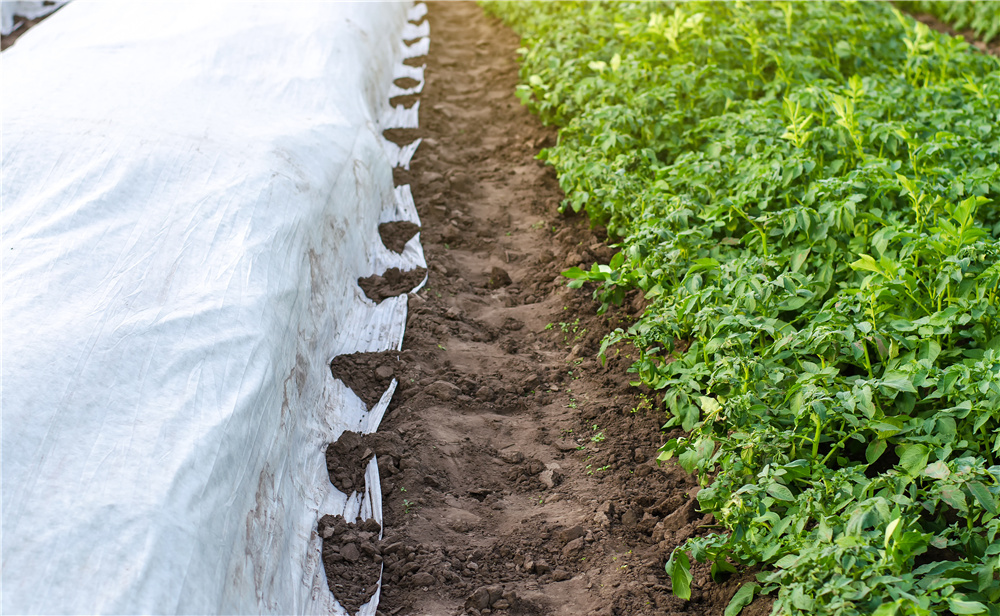
Allows water and air to permeate crops while protecting them from insect pressure and unexpected frosts.
Selecting the right nonwoven line requires matching fabric specification goals with mechanical capabilities. The table below highlights performance metrics achievable on HG machinery.
| Equipment Configuration | Material Weight Range | Typical Fiber Fineness | Liquid Strike-Through Time | Key Applications |
|---|---|---|---|---|
| Spunbond S / SS | 10 - 100 gsm | 1.8 - 2.2 Denier | < 3.0 seconds (with hydrophilic treatment) | Diaper topsheet, agriculture fleece, shopping bags |
| SMS / SMMS | 12 - 80 gsm | Spunbond: 1.8D / Meltblown: 2-4 μm | Hydrophobic barrier (non-absorbent) | Surgical gowns, sterilization wraps, protective suits |
| SSMMS Composite | 10 - 70 gsm | Spunbond: 1.5D / Meltblown: 1-3 μm | High barrier & high filtration efficiency | Advanced medical products, respiratory protection |
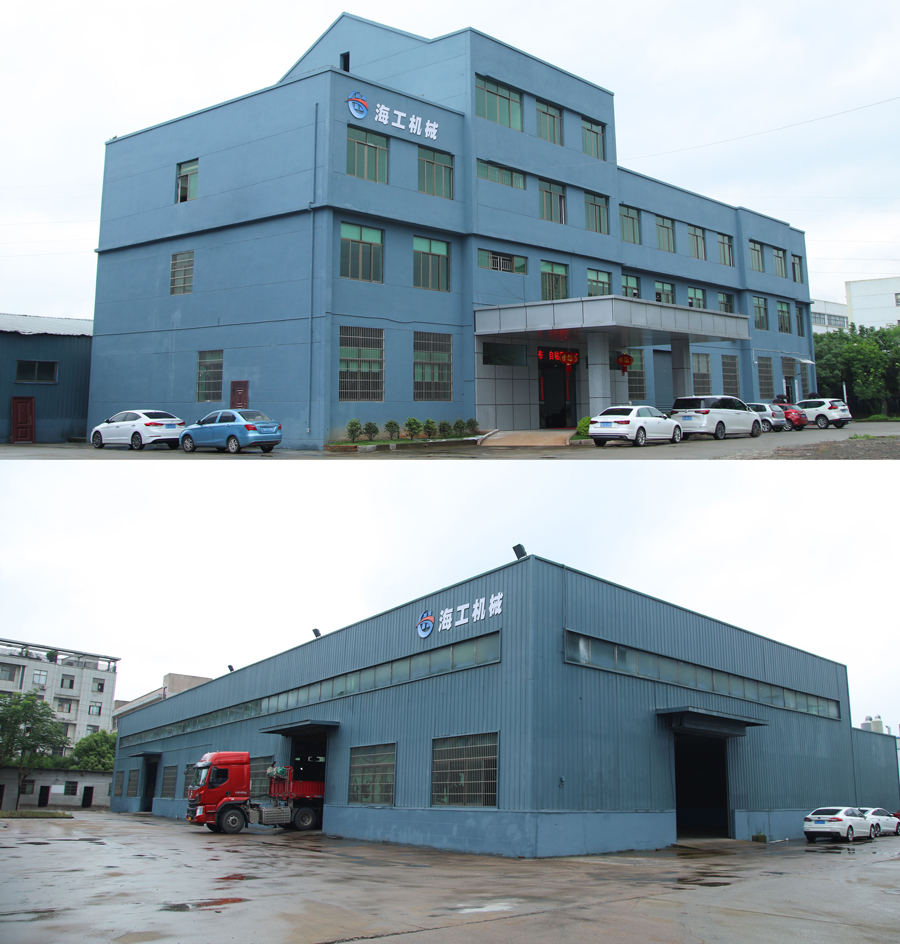
A reliable nonwoven production line must perform consistently over continuous run times. HG Machinery designs systems with robust mechanical profiles to prevent line breaks and minimize material waste.
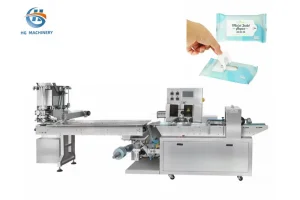
We provide secondary processing machinery alongside main nonwoven extruders to build complete, self-sustaining production ecosystems.
When purchasing hydrophilic nonwoven production assets, professional procurement departments focus on raw material optimization, line speed, and after-sales support systems.
Surfactants must be dermatologically tested and stable, preventing chemical leaching under warm conditions (e.g., body heat in baby diapers).
The ratio between MD (Machine Direction) and CD (Cross-Direction) tensile strength must remain close to 1:1 to prevent tearing during high-speed diaper converting processes.
Real-time SCADA/PLC control software coordinates raw material feeding, air-drawing pressure, and thermal settings to reduce human error.
Technical questions and detailed answers regarding hydrophilic nonwoven fabric production, machinery, and logistics.
Review more configurations, including bag-making machinery, specialized web slitting equipment, and customized meltblown lines.
 HG NONWOVEN