Explore our core B2B solutions engineered for high performance, maximum uptime, and optimized energy efficiency.
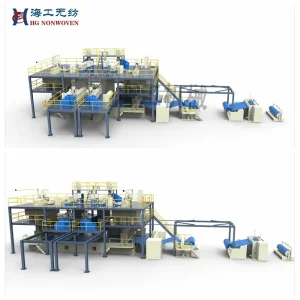
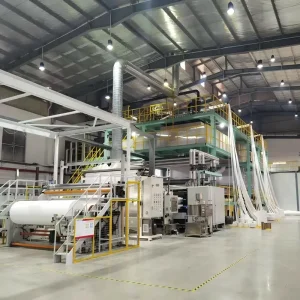
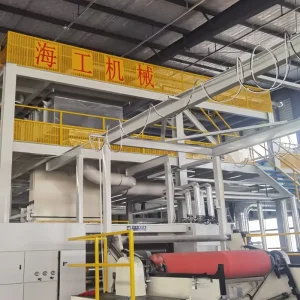
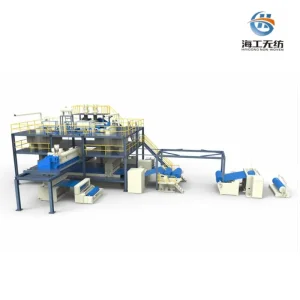
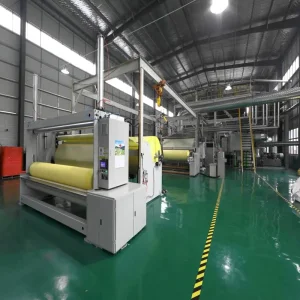
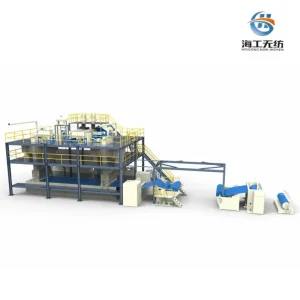
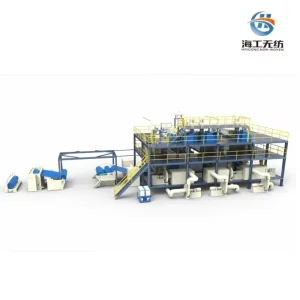
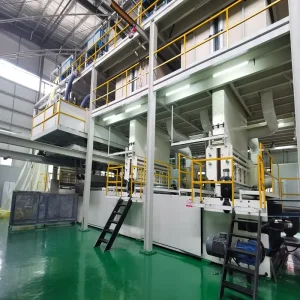
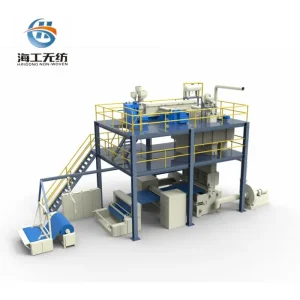
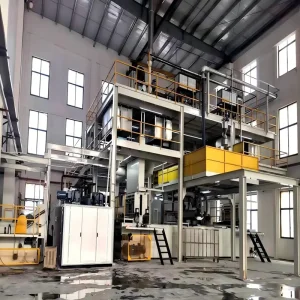
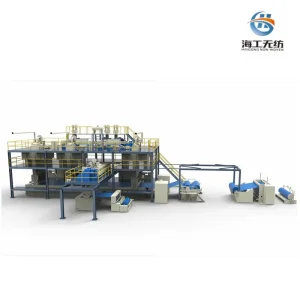
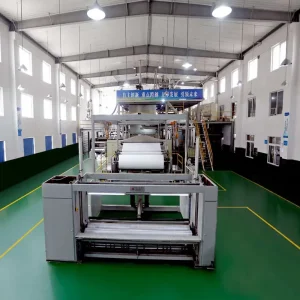
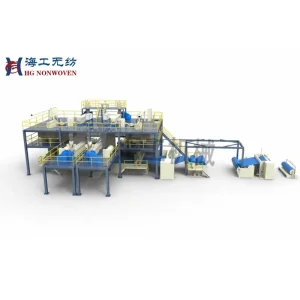
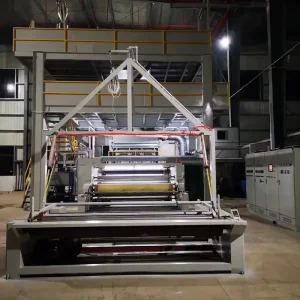
HG Nonwoven Machinery (Pujiang HG Nonwoven Machinery Co., Ltd.) stands as an industry-leading designer and manufacturer of high-efficiency spunbond, meltblown, and composite nonwoven fabric machine lines. By integrating foreign advanced design models with our 5th Generation Spunbond Spinning Technology, we provide modern industrial operators with reliable, low-energy, and high-output turnkey solutions.
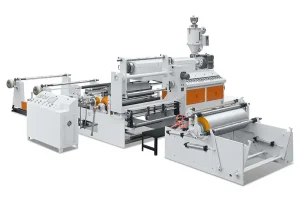
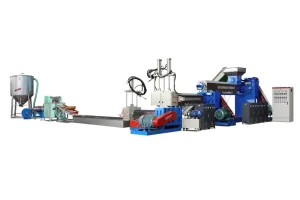
Our commitment to optimization is embedded in every component of our Hg Extruder Machines. Designed to maximize operational ease, our structures optimize space efficiency, minimize footprint requirements, and yield exceptionally low production costs per ton. We align our state-of-the-art engineering services with regional market needs, helping global suppliers stay competitive and scale their production capacity sustainably.
An in-depth look at B2B market indicators, purchasing criteria, and strategic industrial investment trends.
Modern industrial procurement processes for nonwoven extrusion equipment have transitioned from basic capital expenditure evaluations to complex lifecycle assessment (LCA) models. B2B decision-makers and global enterprise purchasers look at long-term total cost of ownership (TCO), energy conversion rates, polymer versatility, and digital twins capabilities. Procurement teams in Europe, the Americas, and Southeast Asia prioritize systems that support bio-based or recycled polypropylene to meet tightening environmental regulations.
"Procuring a nonwoven production line is a 15-to-20-year commitment. Energy consumption accounts for more than 45% of the operational expense over the machine's lifespan. Purchasing 5th-generation Hg extrusion lines helps minimize this cost through advanced thermomechanical setups."
Key purchasing factors for global enterprises include:
How HG's specialized spunbond and meltblown lines serve critical commercial and industrial sectors.
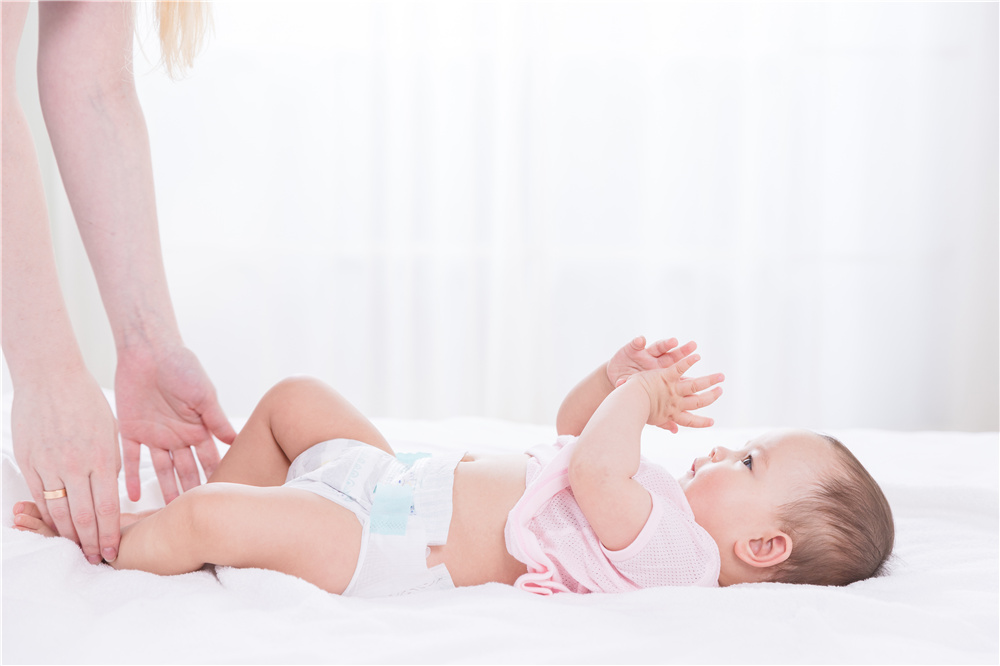
Non-woven fabric is essential in the hygiene sector, offering breathability, softness, and excellent fluid management for comfort and protection. It quickly absorbs liquid and keeps it away from the skin, making it ideal for paper diapers, incontinence pads, and feminine hygiene products.
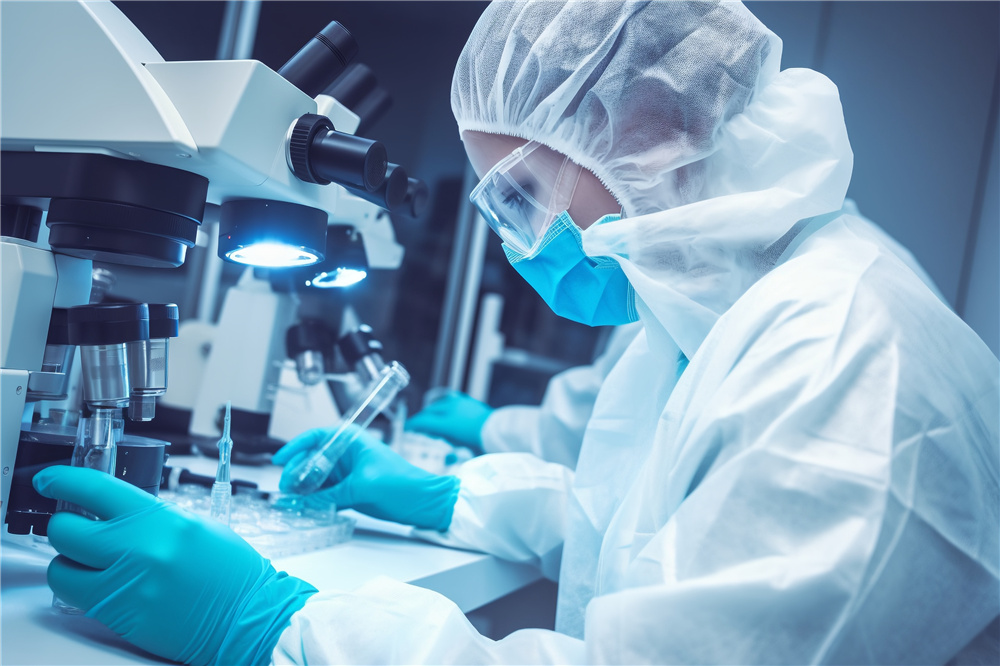
Nonwovens fabrics are extensively used in the medical field and in protection against biological agents in other sectors. They deliver critical safety properties, such as prevention against infections and diseases. They are essential for making face masks, surgical gowns, bed sheets, and surgical towels, ensuring effective filtration, protection, and comfort.
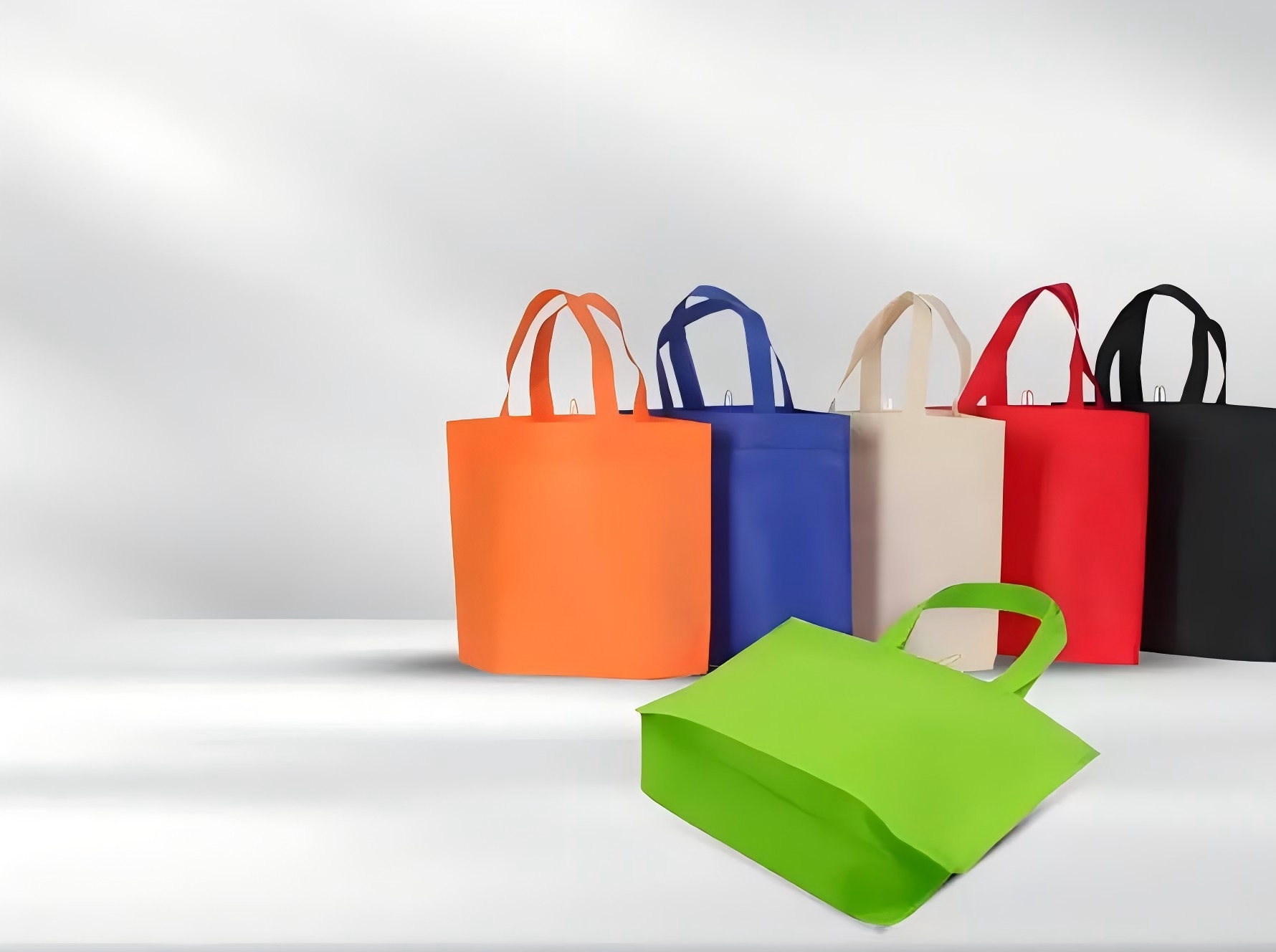
Nonwoven fabric is ideal for a variety of packaging end-uses, as their exceptional lightweight, their energy-efficient production, shipping and storage, and their long life and robustness allow for two important features: volume reduction and re-usability. It widely used for shopping bags, fruit bags, garment bags, rice bags, pocket springs, garment interlining, as well as packaging for pharmaceuticals and cosmetics, among other applications. Its versatility and long lifespan contribute to its popularity in various industries.
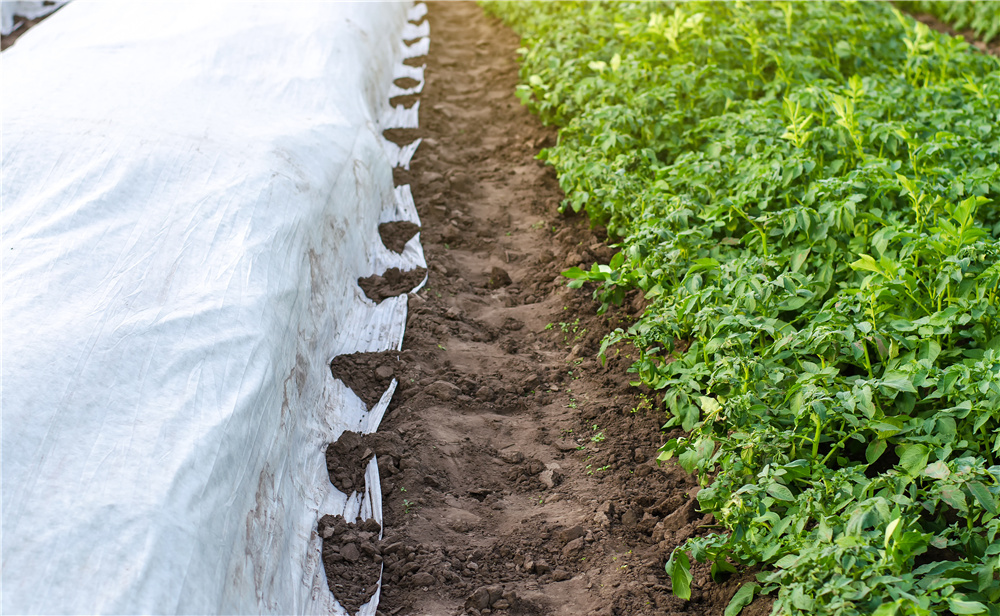
Agriculture Non Woven Fabric allow air and water to pass through while providing wind and cold protection by generating a microclimate around the crop. Furthermore, because nonwoven works as a physical protection media, it can assist prevent damage to crops, vegetables, and seeds from insects and birds. Nonwoven materials can assist regulate heat, UV blocker agriculture, while also providing superior air and water permeability. These materials are light weight, portable, and may be tailored to match specific needs.
The engineering evolution of HG Extruder Machinery toward smart automation, carbon reduction, and bio-polymer compatibility.
Our engineering roadmap focuses on precision extrusion control, optimized polymer melt distribution, and high-performance attenuation systems. By redesigning the internal flow channels of the spinning beam, we have eliminated stagnation zones, which prevents polymer degradation during long production runs. Additionally, the optimized screw L/D ratio (30:1) ensures homogeneous melting of virgin and recycled PP blends, maintaining consistent fabric quality.
Advanced slot-drawing technology provides high quench-air velocity and uniform cooling, producing ultra-fine filaments with high tensile strength. This level of control allows manufacturers to produce lower basis weight (GSM) fabrics without sacrificing mechanical strength, helping them optimize raw material consumption.
With global sustainability standards rising, HG is optimizing its extrusion lines to process bio-derived and biodegradable resins, such as Polylactic Acid (PLA) and polybutylene succinate (PBS). Because PLA is highly sensitive to moisture and heat, we have integrated advanced desiccant drying and precise multi-zone temperature controls into our systems. This allows operators to switch between standard Polypropylene and biodegradable materials with minimal downtime.
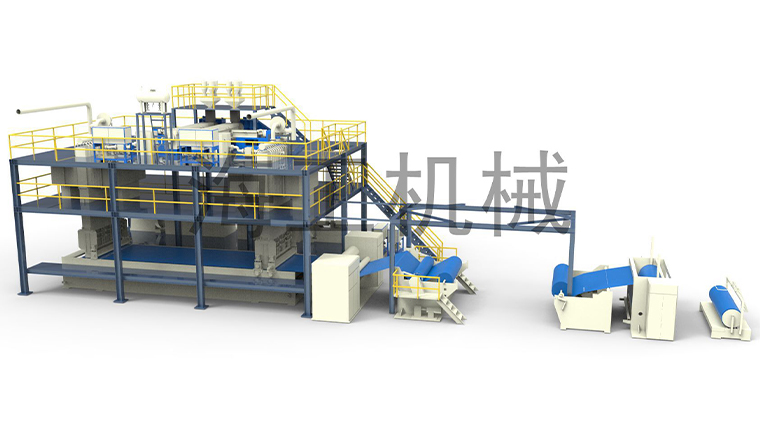
Packaging nonwoven bags, furniture use, agricultural field.
Contact Sales →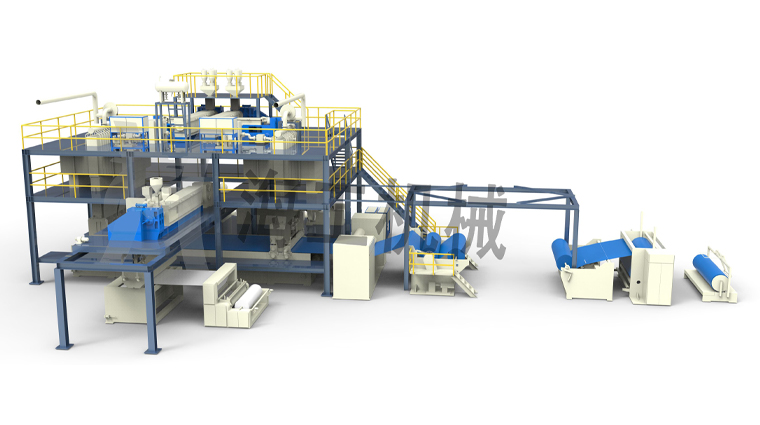
Medical use and hygiene health care.
Contact Sales →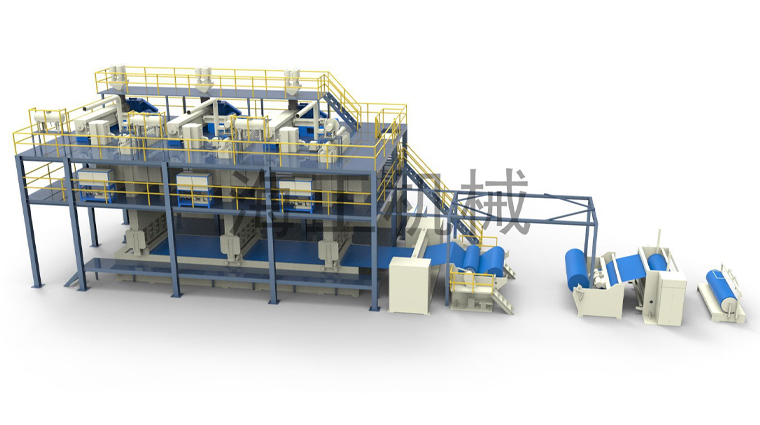
4 layers fabric have a higher filtration efficiency compared with SMS fabric.
Contact Sales →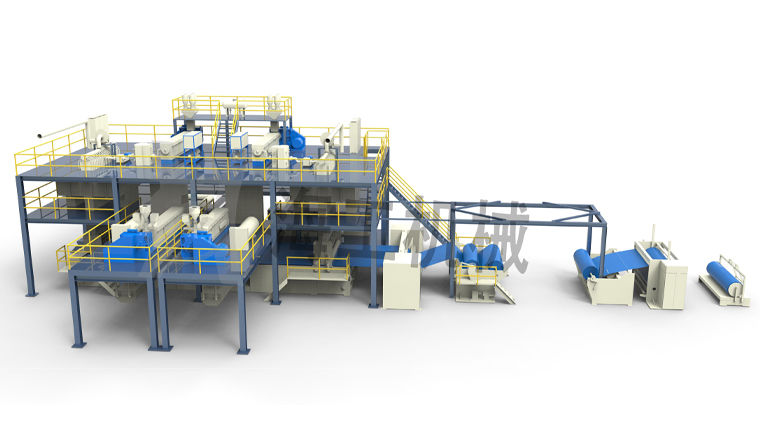
Excellent Barrier Properties and good performance in softness and comfort.
Contact Sales →Comprehensive project planning, engineering, production, installation, and lifecycle support.
Beyond our core PP nonwoven fabric making machines, we offer fully integrated turnkey packages designed to handle everything from raw material processing to final product conversion. This A to Z approach helps ensure project feasibility, speeds up commissioning, and helps prevent technical issues that can arise when combining equipment from different suppliers.
Our turnkey capabilities cover the entire production process:
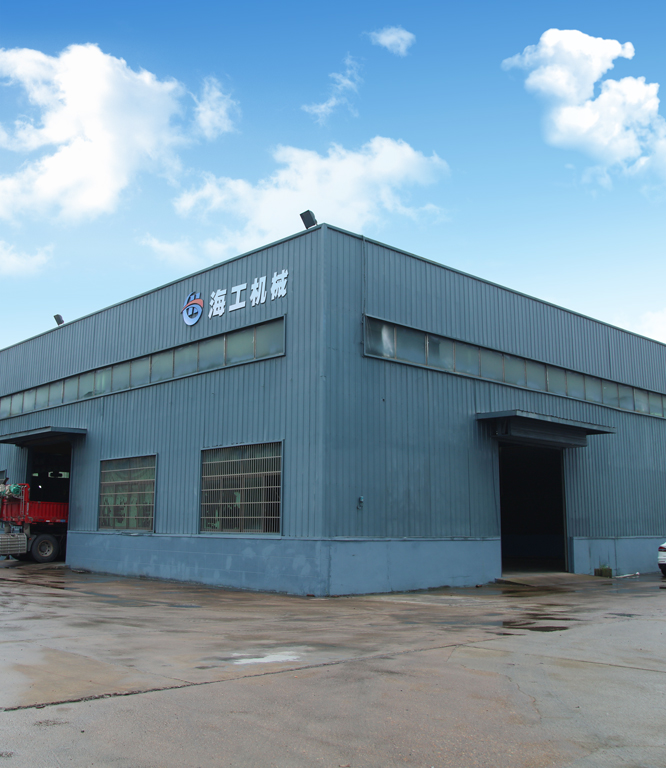
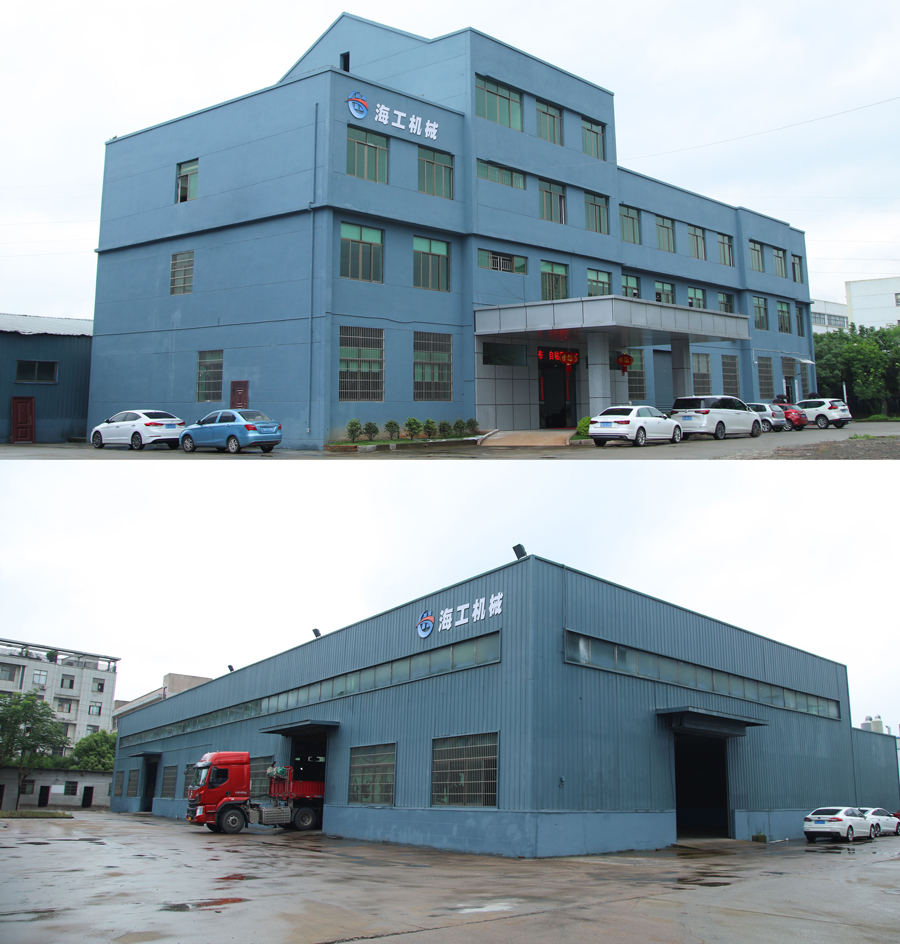
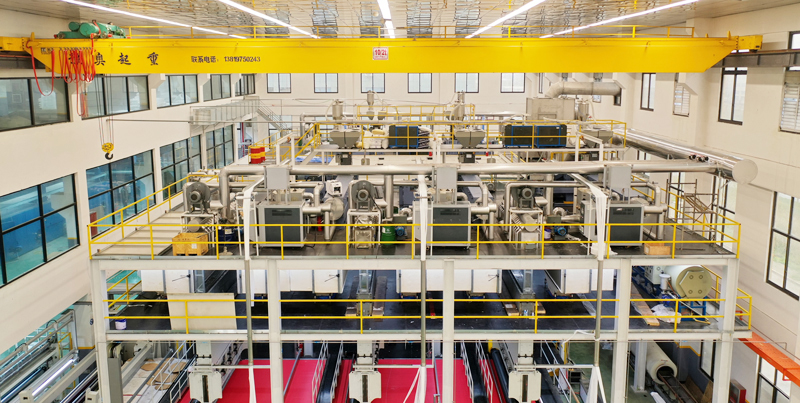
Detailed engineering answers to the most common questions raised by operators and procurement teams during system evaluation.
Explore the remainder of our B2B nonwoven machinery and downstream equipment collection below.
 HG NONWOVEN