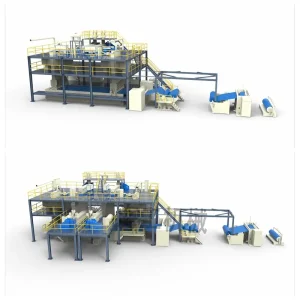
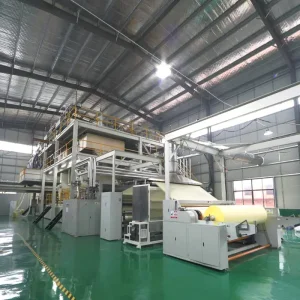
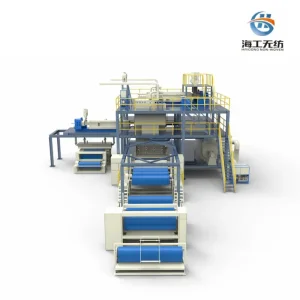
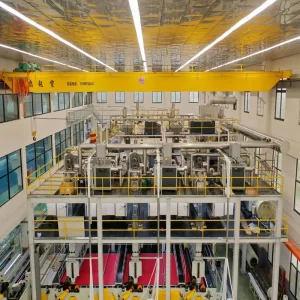
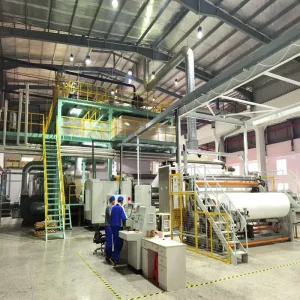
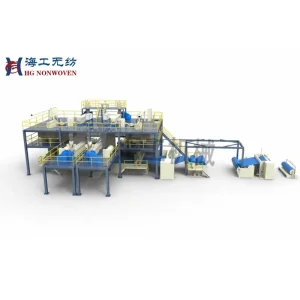
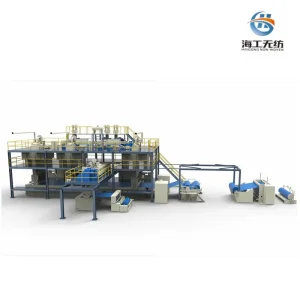
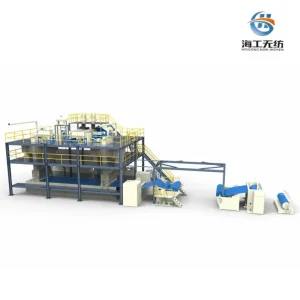
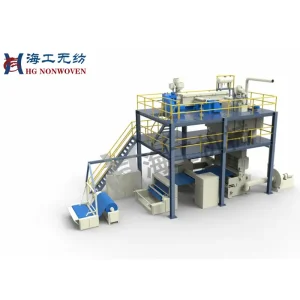
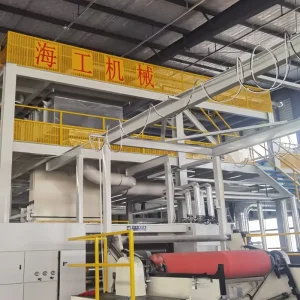
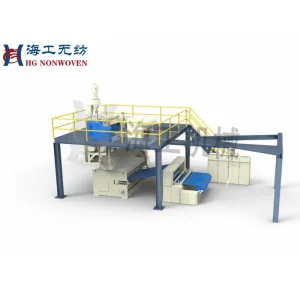
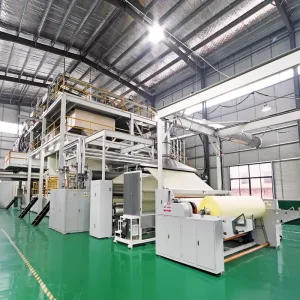
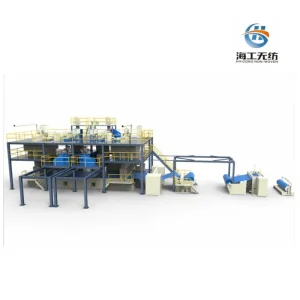
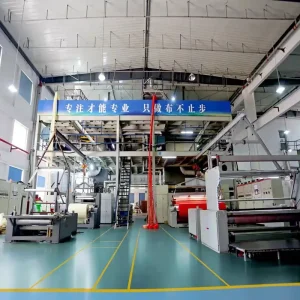
Explore our industrial-grade PP Spunbond, Meltblown, and composite SMS/SMMS fabric production machinery tailored for environmental filtration systems.
HG Nonwoven Machinery is professional manufacturer of spunbond, meltblown, and composite nonwoven fabric machine lines, dedicated to providing high-efficiency and innovative spunbond nonwoven fabric production solutions to the global market. Our company introduced advanced design (5th Generation spunbond spinning technology) concept from overseas, and integrate with autonomy for the needs of the market. So HG nonwoven fabric making machines are characterized by convenient operation, small area, low power consumption, high efficiency and low production cost.
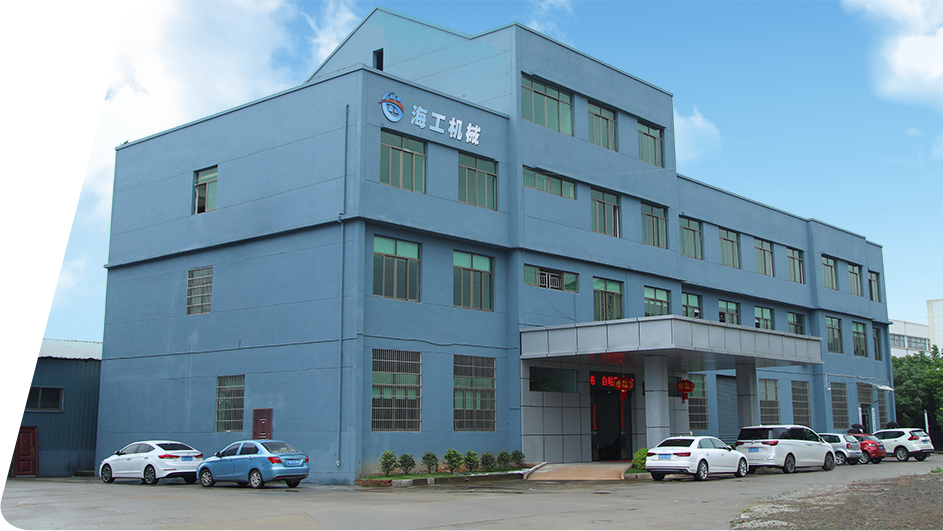
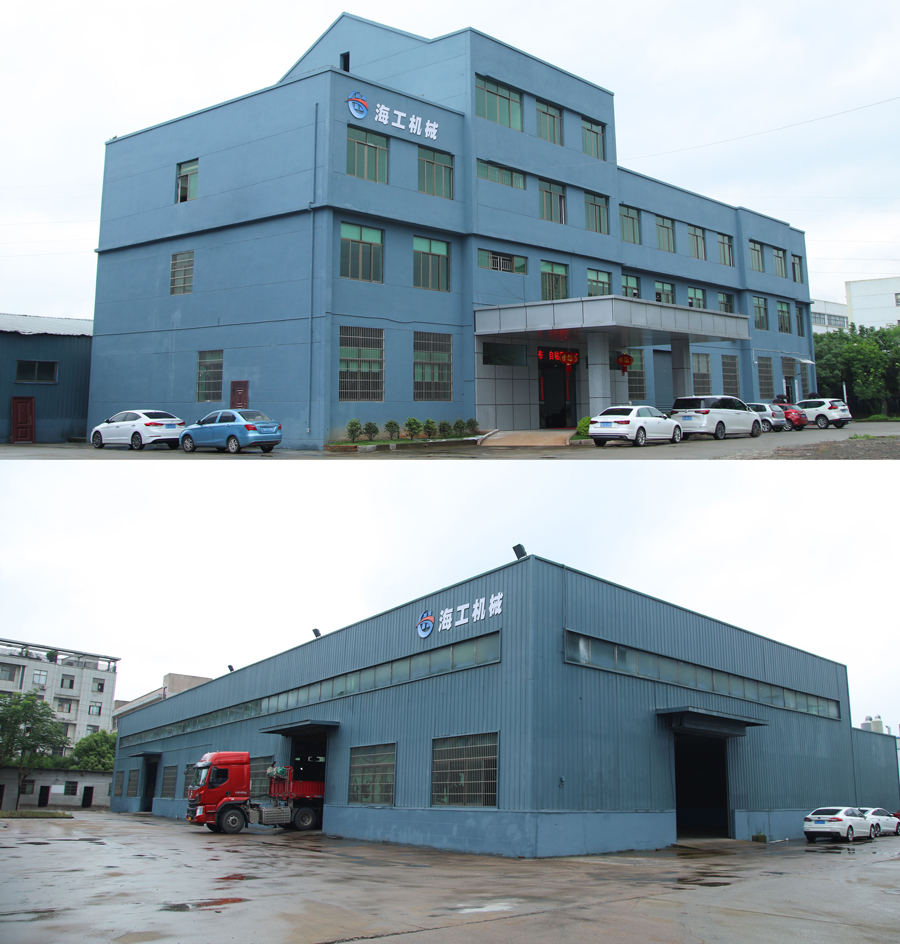
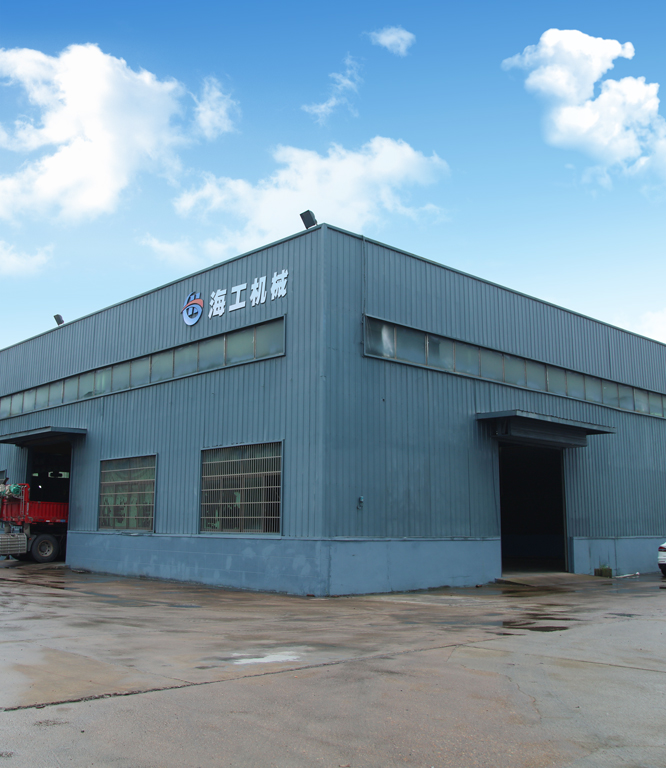
Pujiang HG Nonwoven Machinery is a well-known nonwoven fabric making machine manufacturer since 2014, which specializes in manufacturing PP spunbond and meltblown nonwoven fabric making machines with complete turnkey engineering service. Our nonwoven fabric machine focus on producing high performance eco-friendly and biodegradable spunbonded nonwoven fabrics.
An in-depth analysis of manufacturing processes, chemical functionalization, and environmental applications of mercury-absorbent nonwoven media.
In modern industrial flue gas treatment, heavy metal abatement—specifically atmospheric mercury (Hg) pollution—has emerged as a critical target for global regulatory frameworks. Conventional chemical filtration systems often rely on bulky packed beds or pulverized activated carbon injection (ACI). However, these conventional solutions suffer from high operational pressure drops, high capital expenditure, and low particle utilization rates. This challenge has driven the development of active Hg absorbent nonwoven fabrics, which serve as highly efficient, low-resistance, and flexible substrate materials.
The convergence of advanced spunbond and meltblown technologies has enabled manufacturers to engineer multi-layered matrices that can support mercury-chemisorption agents. By using PP (Polypropylene) spunbond as a high-tensile structural backbone and meltblown layers as micro-porous filtration media, engineers can create specialized composite fabrics (such as SMS, SMMS, and SSMMS). These fabrics are then functionalized with sulfur-impregnated particles, metal sulfides, or carbon-nanotube matrices. The result is a highly permeable, high-surface-area filtration layer capable of selectively binding elemental mercury (Hg0) and oxidized mercury (Hg2+) from both gas streams and liquid phases.
Mercury emission control relies on transforming gaseous elemental mercury (Hg0), which is highly volatile and insoluble, into stable, solid-state compounds. Our composite meltblown matrices are engineered to act as stable carriers for active functional groups. By incorporating metal-organic frameworks (MOFs), nano-selenium, or sulfur-based polymers directly into the melt extrusion stage or during post-spinning impregnation, we optimize chemical adsorption kinetics.
When flue gas passes through the micro-pores of the meltblown fiber matrix, the gaseous Hg molecules diffuse to the fiber surfaces. The functional sulfur sites ($S_x^{2-}$) on the fibers react with Hg0 to form highly stable cinnabar (HgS) deposits. The efficiency of this reaction is directly proportional to the specific surface area of the meltblown fibers. Our 5th Generation spinning technology produces sub-micron fibers with a narrow diameter distribution, maximizing the available surface-area-to-volume ratio without increasing resistance or pressure drop.
For international buyers, municipal waste treatment facilities, and petrochemical plants, purchasing nonwoven materials for mercury containment involves strict technical validation. Global procurement managers look for specific properties to ensure reliable, high-performance filtration:
As sustainability regulations tighten, the nonwovens industry is focusing on circularity and advanced chemical engineering. The timeline below illustrates the development and future projection of our nonwoven production technology:
Deployment of high-speed mono-component Spunbond machinery focusing on mechanical reinforcement and basic particulate filtration applications.
Introduction of multi-beam meltblown integration, creating fine micro-porous channels for high-efficiency sub-micron particle collection.
Development of sulfur-doped and nano-particle-loaded meltblown structures for selective gas-phase mercury chemisorption.
Shifting toward PLA, PBAT, and recycled PP polymers to produce carbon-neutral, heavy-metal-absorbent filtration systems.
We combine advanced mechanical design with deep material science to deliver outstanding performance, efficiency, and reliability.
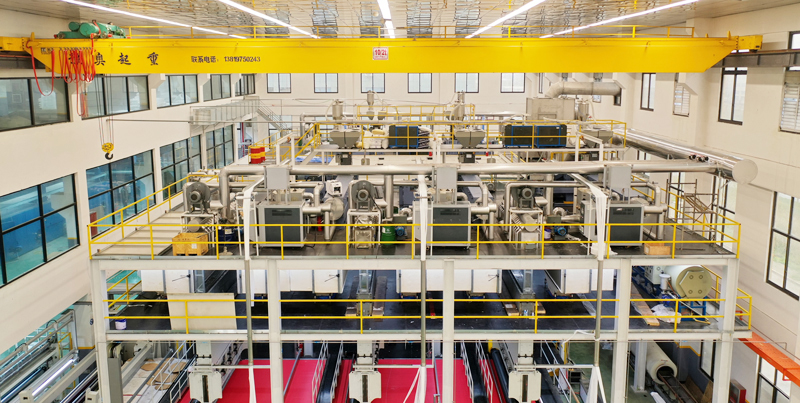
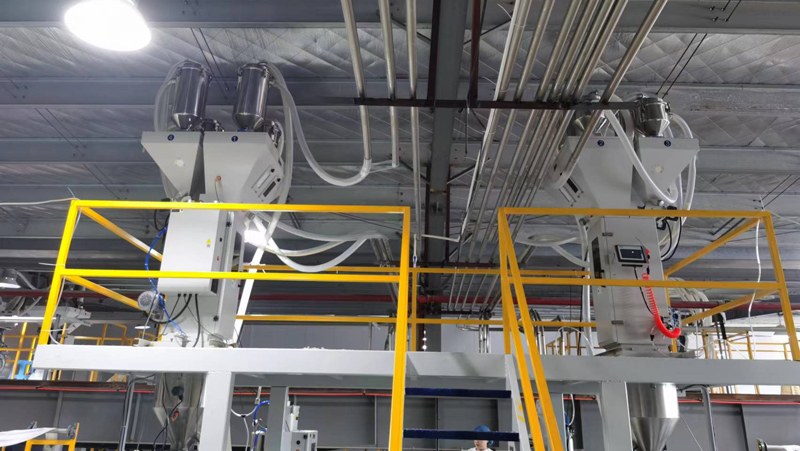
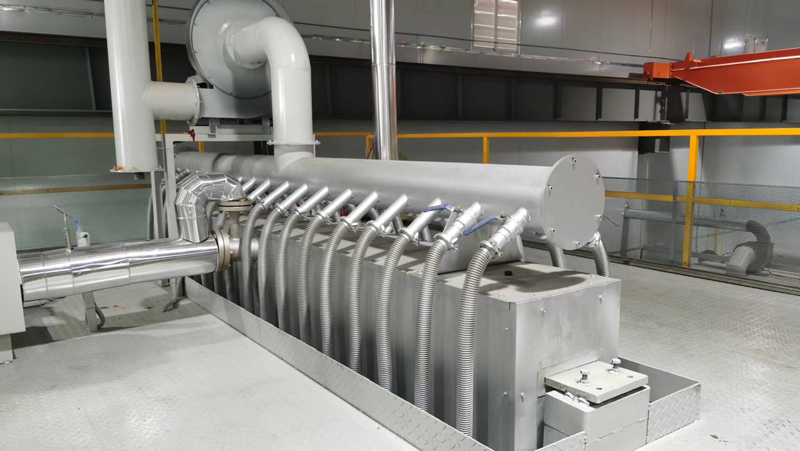
Our machines are meticulously designed and incorporate the latest technology to ensure maximum production efficiency with minimal energy consumption. We also offer customized solutions to ensure our machines align perfectly with your unique needs.
With rich experience in nonwoven fabric industry, we will give you thoroughly local market analysis to help you to do a project feasibility report.
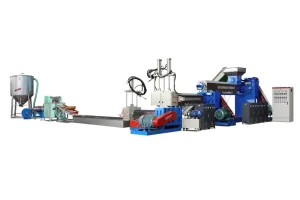
Besides the PP nonwoven fabric making machines, we also can help in providing service in related nonwoven machine like non woven recycling machine, non woven fabric slitting machine, non woven flexo printing machine, non woven lamination machine, non woven fabric bag machine and etc.
After installation, we will give training service to make sure that your team can learn all operation and run machine line well. We will also provide 24 months engineer after-sale service if you need to give technical support. Whether on-site or through Digital Services - we help you quickly and reliably.
Our spunbond and meltblown lines produce customized fabrics for key global industries, providing high-efficiency filtration, durability, and barrier properties.

Non-woven fabric is essential in the hygiene sector, offering breathability, softness, and excellent fluid management for comfort and protection. It quickly absorbs liquid and keeps it away from the skin, making it ideal for paper diapers, incontinence pads, and feminine hygiene products.
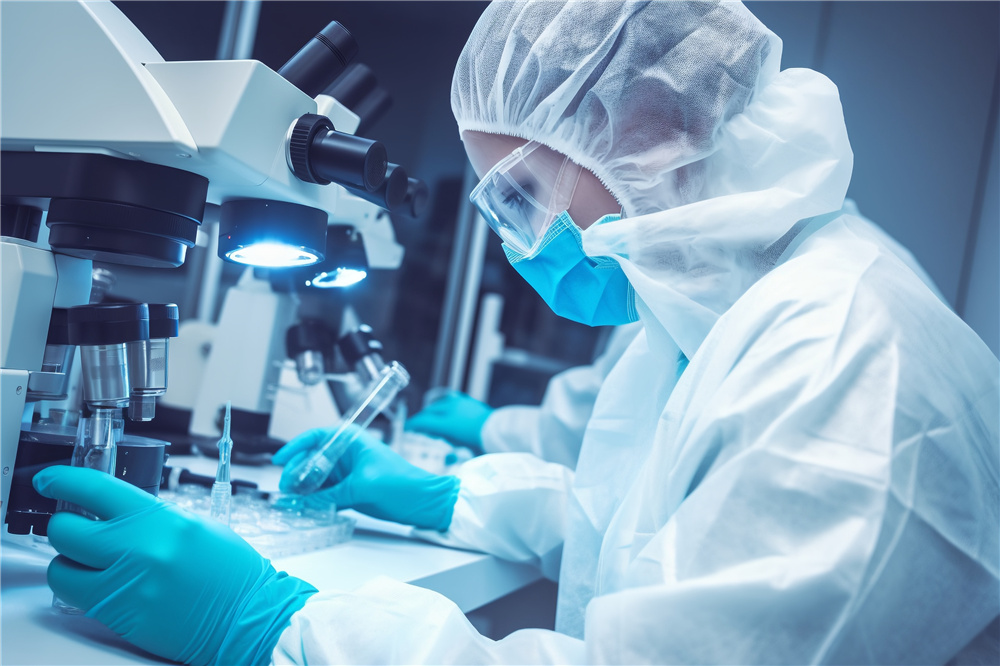
Nonwovens fabrics are extensively used in the medical field and in protection against biological agents in other sectors. They deliver critical safety properties, such as prevention against infections and diseases. They are essential for making face masks, surgical gowns, bed sheets, and surgical towels, ensuring effective filtration, protection, and comfort.
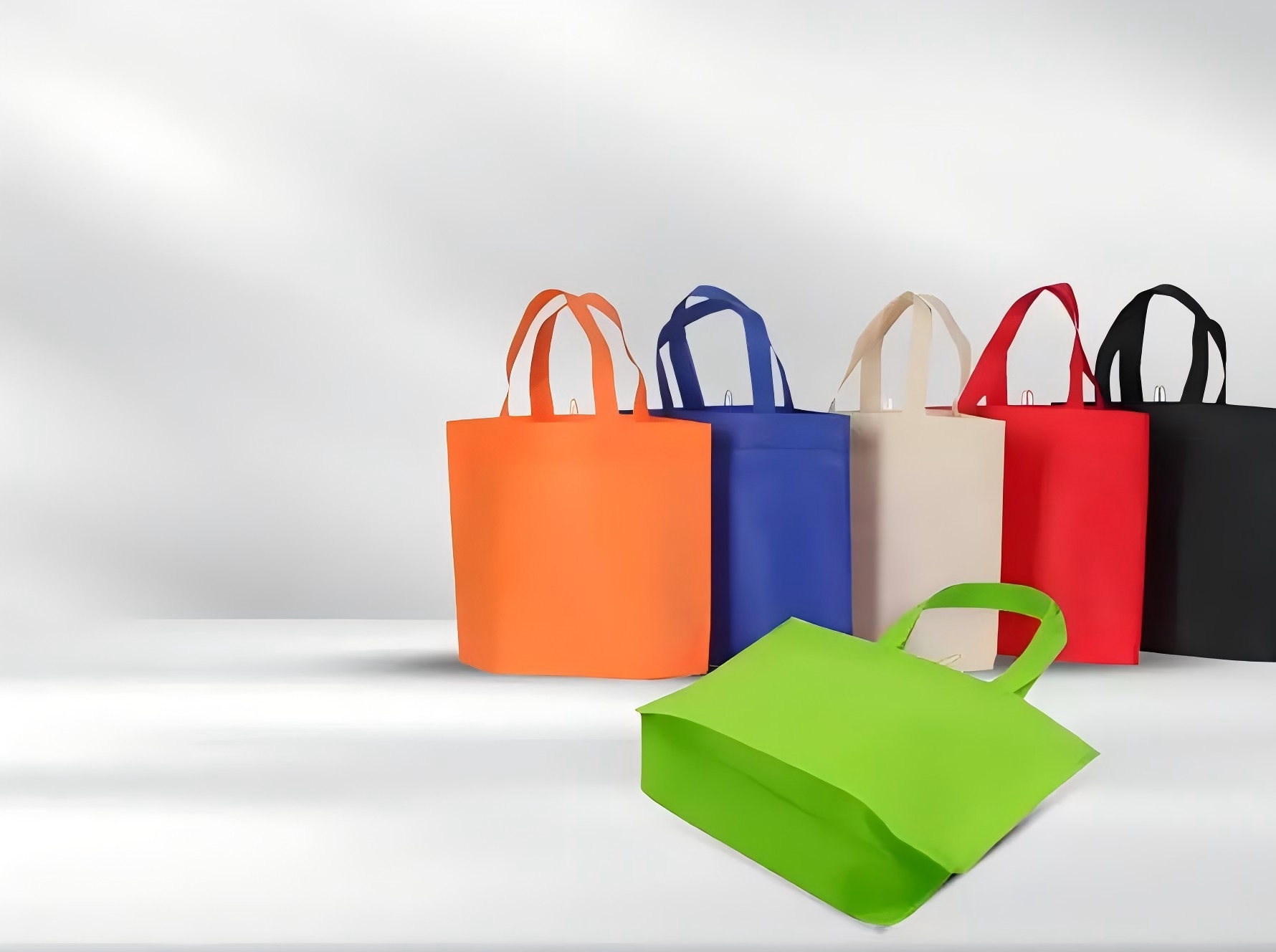
Nonwoven fabric is ideal for a variety of packaging end-uses, as their exceptional lightweight, their energy-efficient production, shipping and storage, and their long life and robustness allow for two important features: volume reduction and re-usability. It is widely used for shopping bags, fruit bags, garment bags, rice bags, pocket springs, garment interlining, as well as packaging for pharmaceuticals and cosmetics, among other applications. Its versatility and long lifespan contribute to its popularity in various industries.
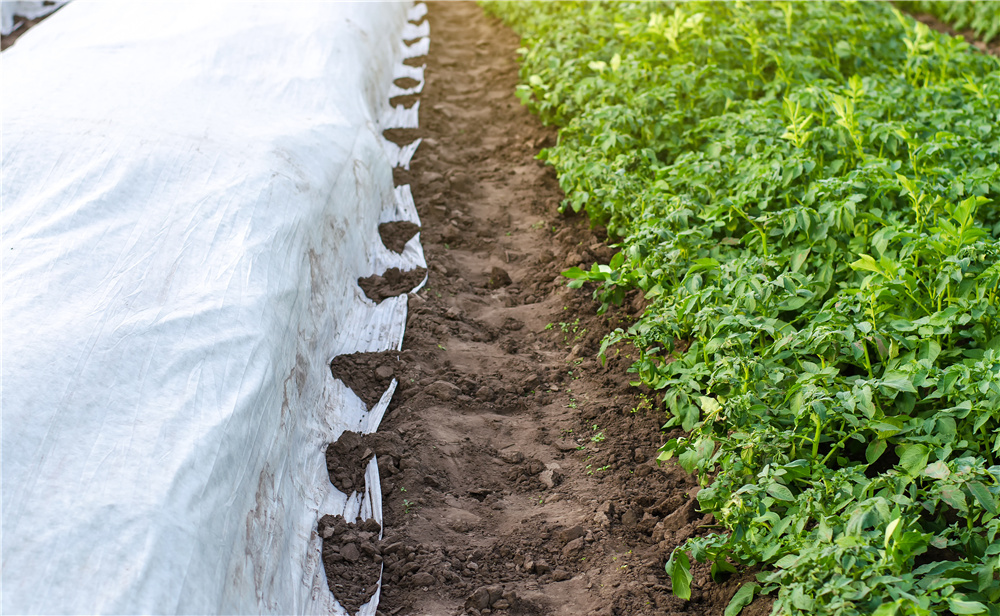
Agriculture Non Woven Fabric allow air and water to pass through while providing wind and cold protection by generating a microclimate around the crop. Furthermore, because nonwoven works as a physical protection media, it can assist prevent damage to crops, vegetables, and seeds from insects and birds. Nonwoven materials can assist regulate heat, UV blocker agriculture, while also providing superior air and water permeability. These materials are lightweight, portable, and may be tailored to match specific needs and provide specific services.
Our top-performing machinery configurations designed for rapid deployment and high efficiency.
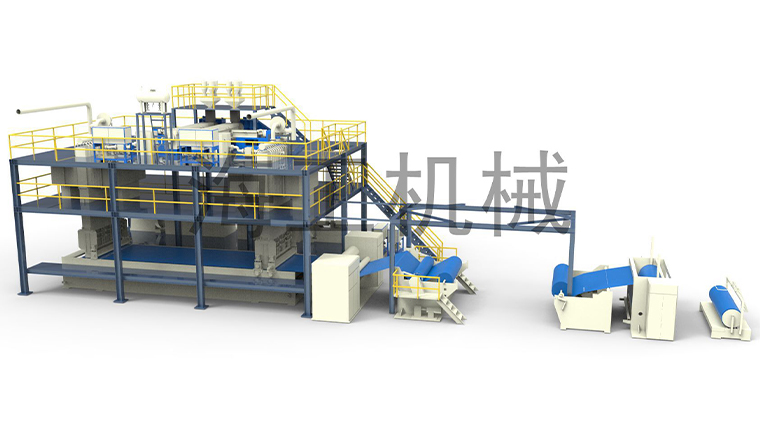
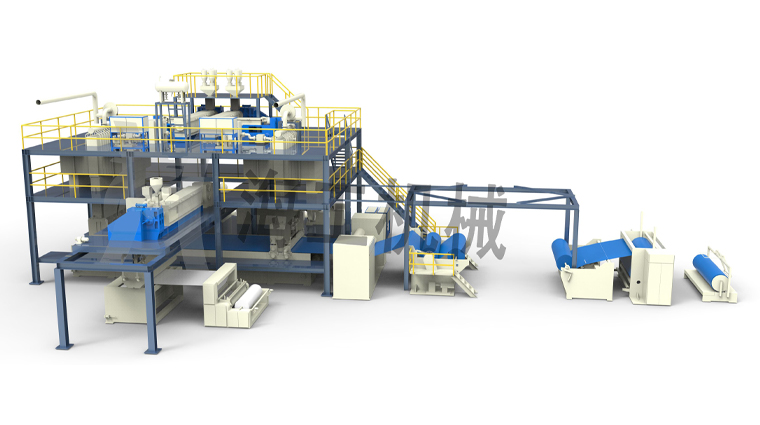
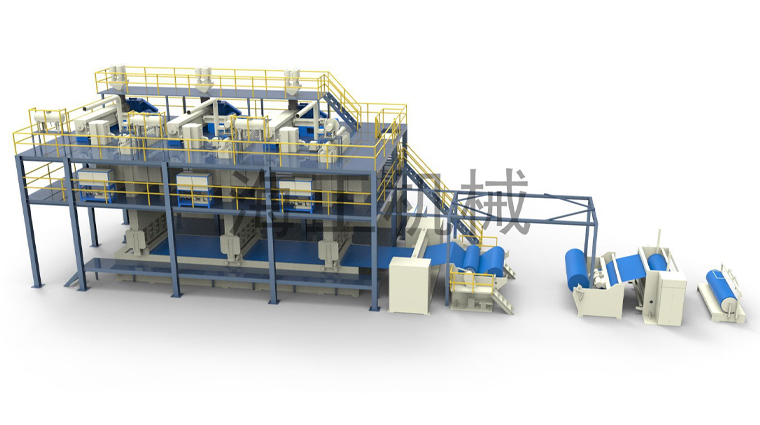
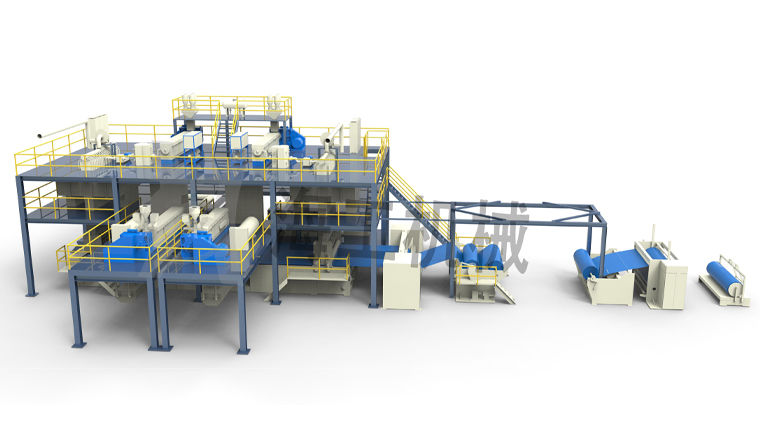
By choosing HG Nonwoven Machinery, you gain a reliable partner committed to helping you stand out in a competitive market. Contact us today to learn more about how to produce nonwoven fabrics economically, reliably, and sustainably.
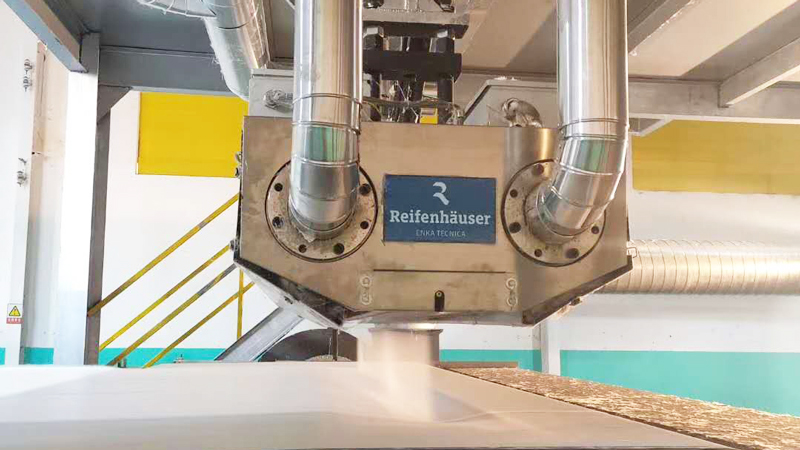
Expert insights regarding technical specifications, chemical compatibility, and installation procedures for advanced heavy metal filtration lines.
Explore our secondary set of machinery and auxiliary recycling systems to establish a fully integrated, sustainable nonwoven manufacturing plant.
 HG NONWOVEN