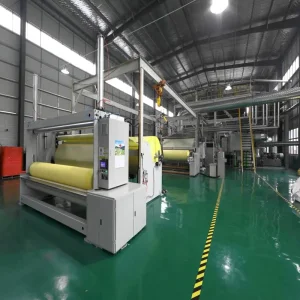
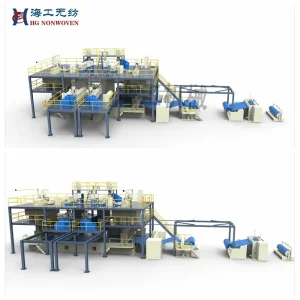
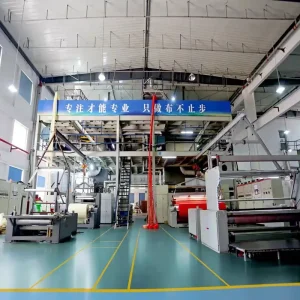
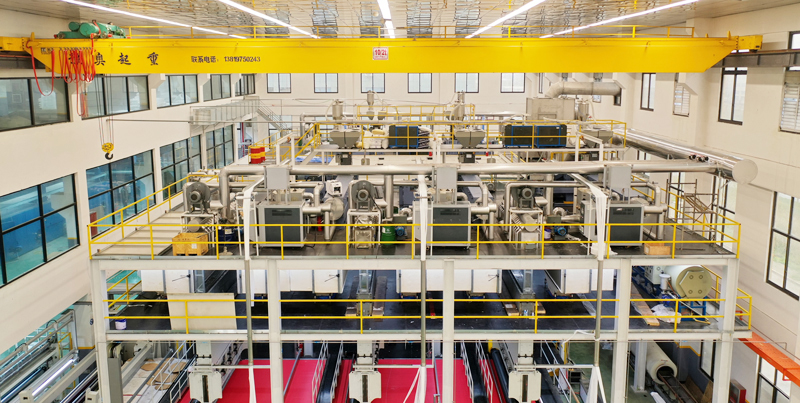
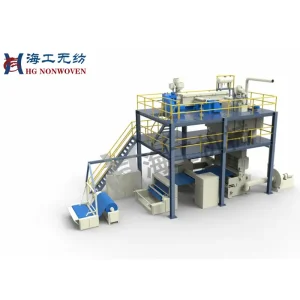
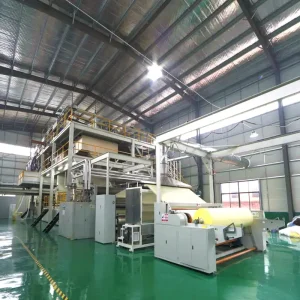
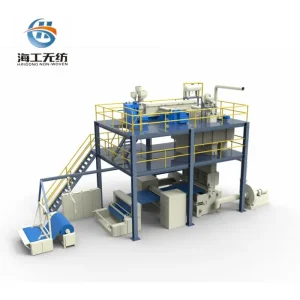
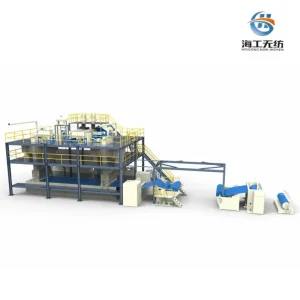
Discover our highly efficient multi-beam spunbonding machinery and composite systems designed to output outstanding absorbent nonwovens.
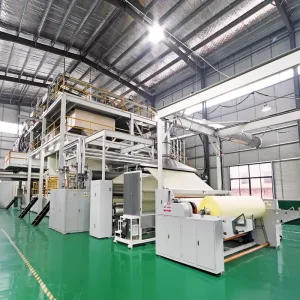
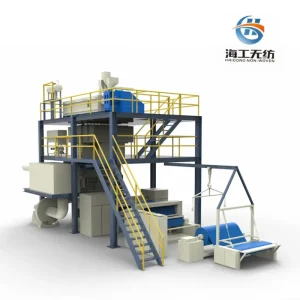
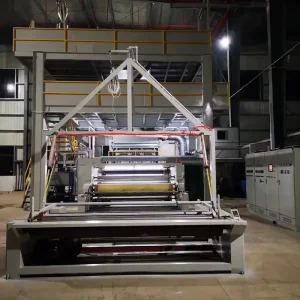
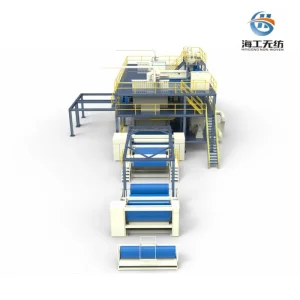
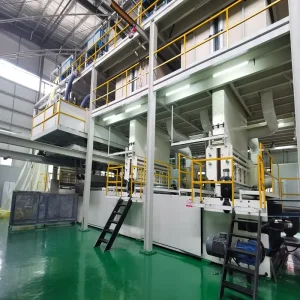
In modern industrial environments, absorbent nonwoven fabrics represent a pinnacle of polymer science and process engineering. The ability of a textile matrix to rapidly acquire, distribute, and retain fluids depends closely on the configuration of its capillaries. Chinese manufacturing ecosystems utilize high-output spunbond (S, SS) and composite spunmelt (SMS, SMMS, SSMMS) systems to create structures where capillary pressure is optimized.
By controlling the polymer drawing ratio, draft air temperature, and fiber diameter distributions, our systems construct a tortuous path for fluids. This allows the nonwoven fabric to act as a superb liquid-transport medium. When treated with specialized hydrophilic surfactants online or offline, standard hydrophobic polypropylene (PP) fibers quickly switch behavior to absorb multiple times their weight in water, saline, or biological fluids.
The fundamental parameter governing absorbency in nonwovens is the void-to-fiber ratio. High-speed multi-beam spinning configurations permit precise control of web laydown. By combining different fiber fineness indices (such as denier counts between 1.5 and 2.5), manufacturers create a dual-porosity structure: micro-pores capture liquid instantly via high suction pressure, while macro-pores act as buffer storage.
Procuring absorbent nonwoven fabrics and manufacturing lines from Chinese factories provides several key strategic advantages:
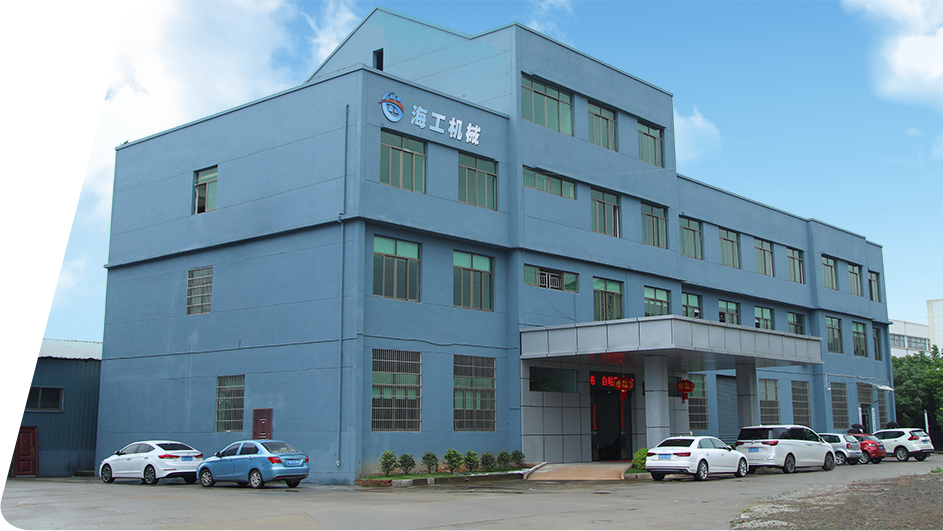
Additionally, the complete turnkey approach provided by builders like Pujiang HG Nonwoven Machinery covers every phase of the project cycle:
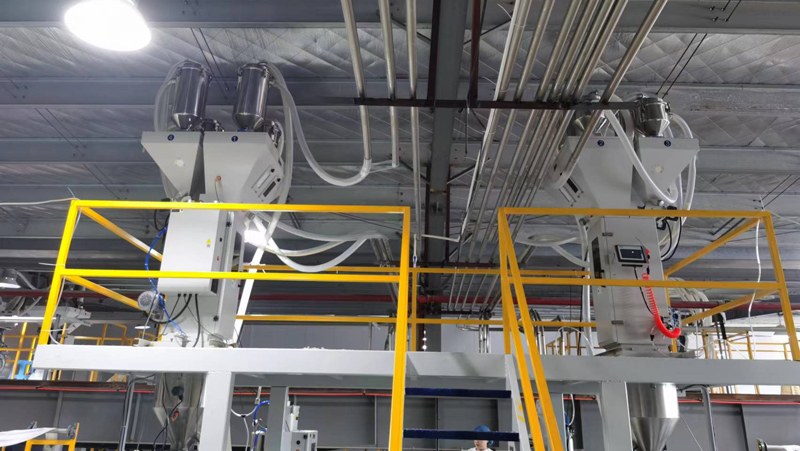
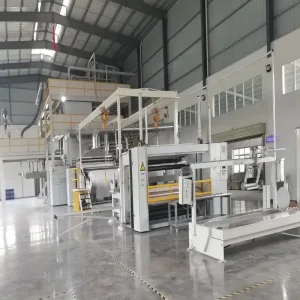
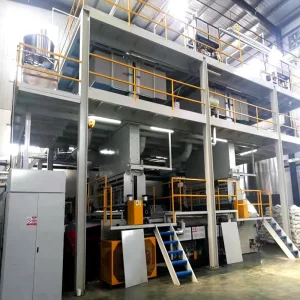
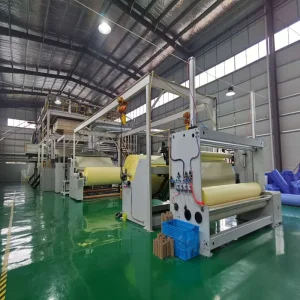
From raw material handling (gravimetric dosing units) to extrusion, spinning, thermal bonding (calendering), slitting, and packaging—all steps are handled on a single platform. This minimizes integration risks and helps global buyers achieve faster time-to-market.
Highly requested and globally validated configurations specialized in producing heavy duty absorbent and barrier composite webs.
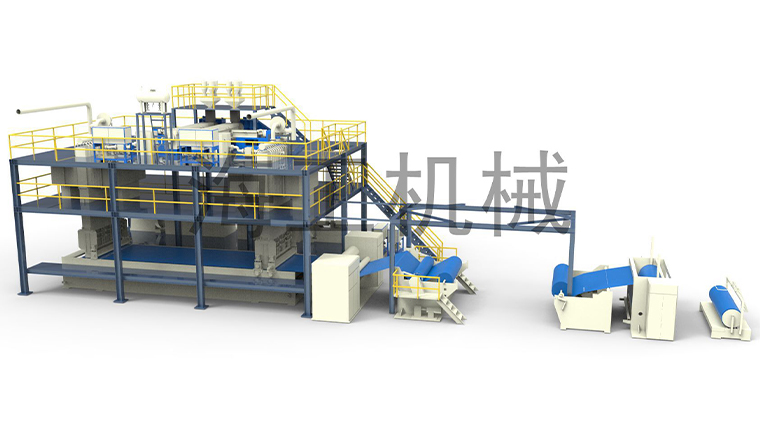
Perfectly suited for packaging nonwoven bags, furniture use, and agricultural fields requiring tailored liquid permeability.
Request Technical Specifications →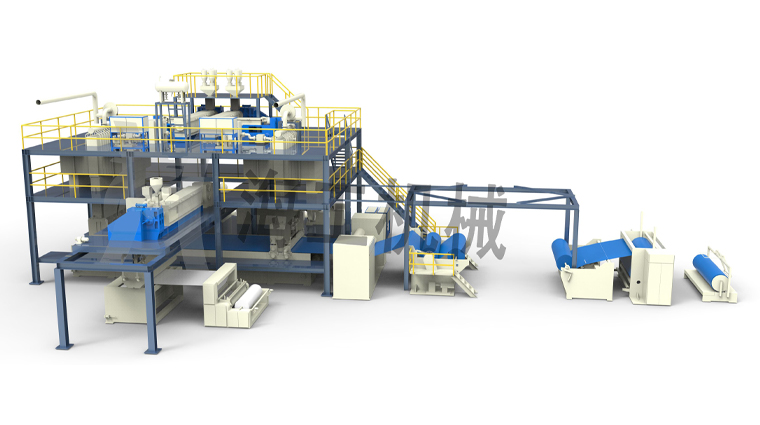
Engineered for cleanroom medical applications and personal hygiene goods needing high barrier properties and high fluid handling.
Request Technical Specifications →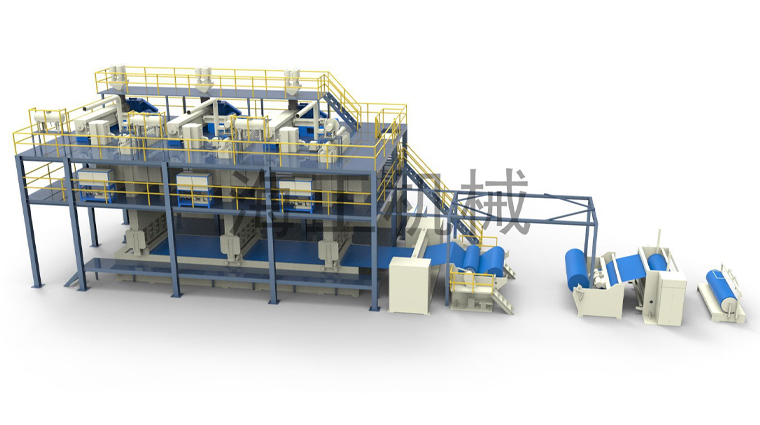
Four-layer fabric composite technology providing superior filtration efficiency and fluid restriction compared to basic SMS.
Request Technical Specifications →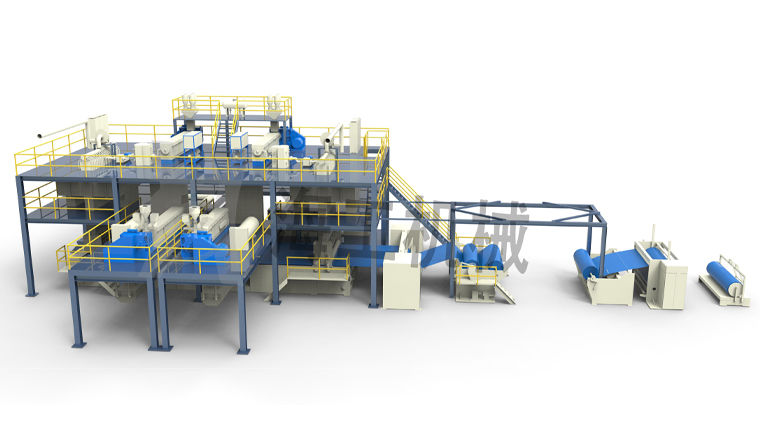
Delivers exceptional barrier properties along with high comfort and softness, satisfying top medical and hygiene requirements.
Request Technical Specifications →We configure machine designs to align precisely with standard application sectors, optimizing your return on investment.

Non-woven fabrics are vital in the hygiene sector, offering breathability, softness, and liquid management. They quickly draw fluid in and lock it away from the skin, making them perfect for diapers and feminine hygiene products.

Used extensively in clean environments and medical protection. They block infections and diseases, providing excellent filtration and safety in surgical gowns, face masks, bed sheets, and surgical towels.
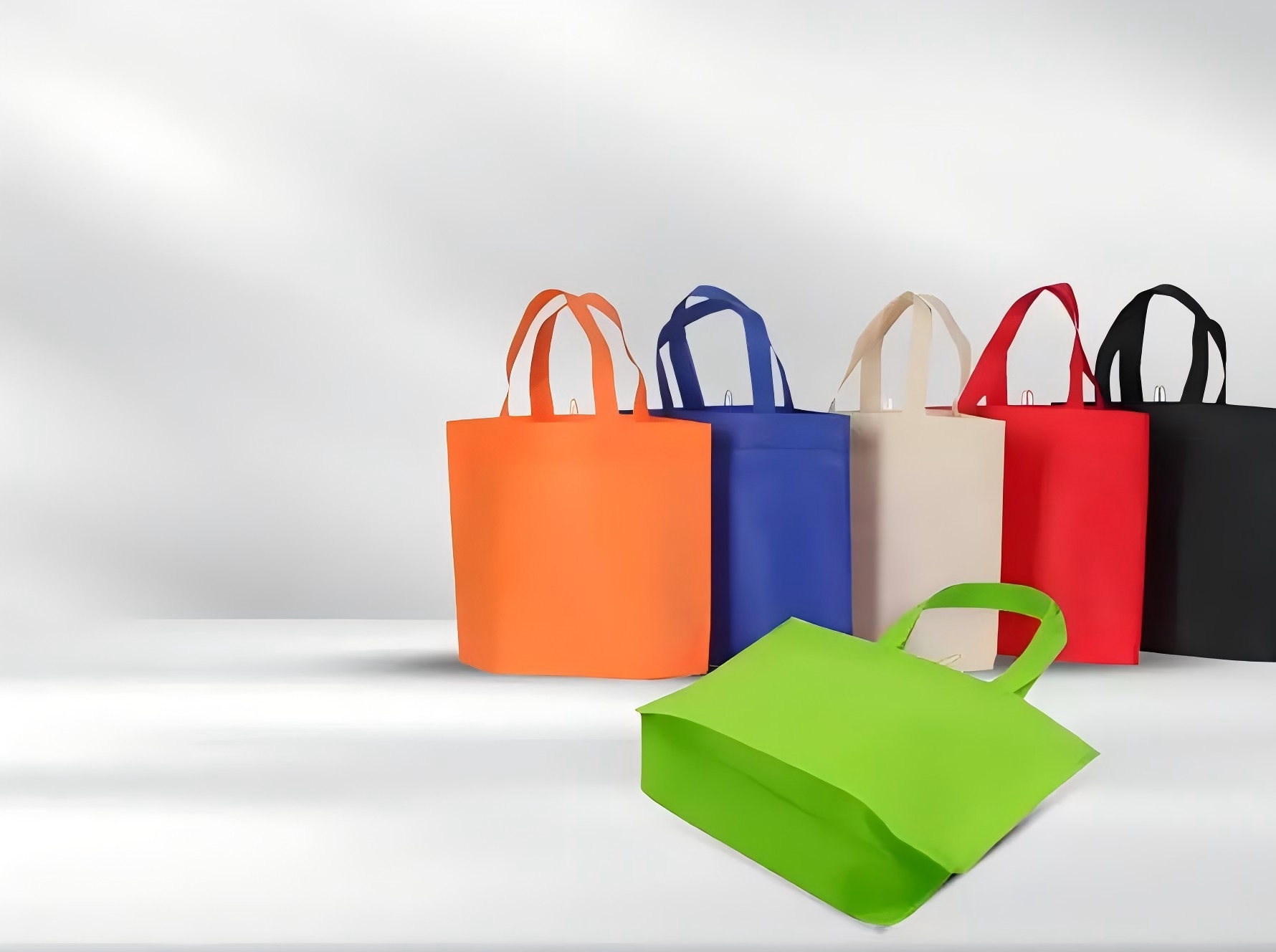
Lightweight, sturdy, and eco-friendly. Perfect for reusable shopping bags, agricultural fruit covers, structural pocket springs, garment linings, and technical wraps.
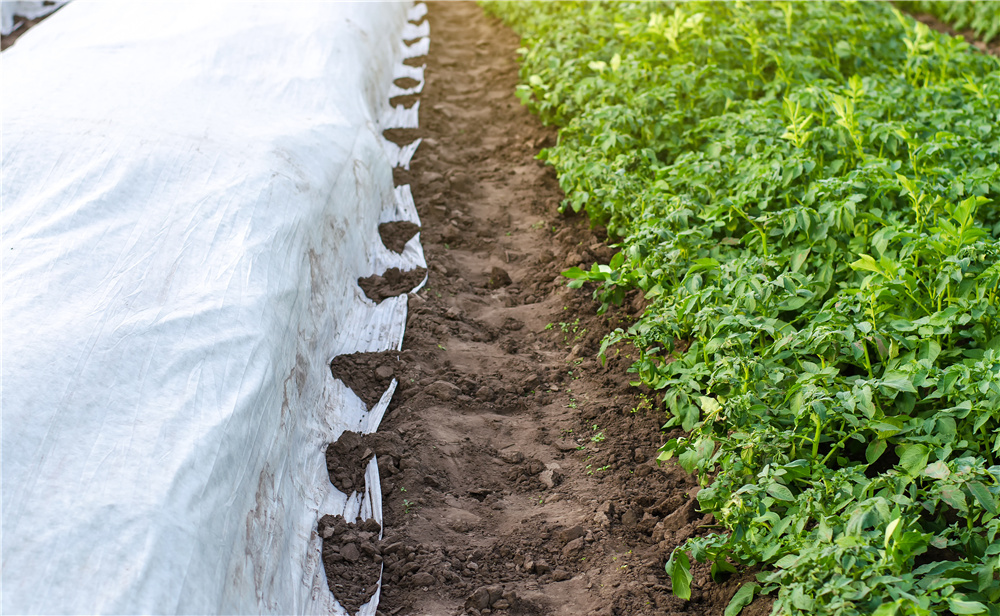
Allows light, air, and water to reach crops while creating a protective microclimate. Blocks insects, birds, and frost damage with UV-stabilized materials.
Exporting high-speed machinery and nonwoven materials to regulated regions like North America and the European Union requires compliance with strict safety directives. Our operations ensure all electrical designs and mechanical integrations carry the CE mark. We design to comply with international regulations such as ISO 9001:2015, ensuring consistent fiber layout and web density across the machine width.
For medical-grade hygiene composites, our machines output SSMMS webs that meet EN 13795 and AAMI PB70 levels of protection. The key factor is spinning uniformity: minimizing fiber defects, or thin spots, where microbes or fluids could pass through.
Starting a nonwoven manufacturing factory involves complex logistics. Pujiang HG Nonwoven Machinery guides you from initial planning to full scale operation:
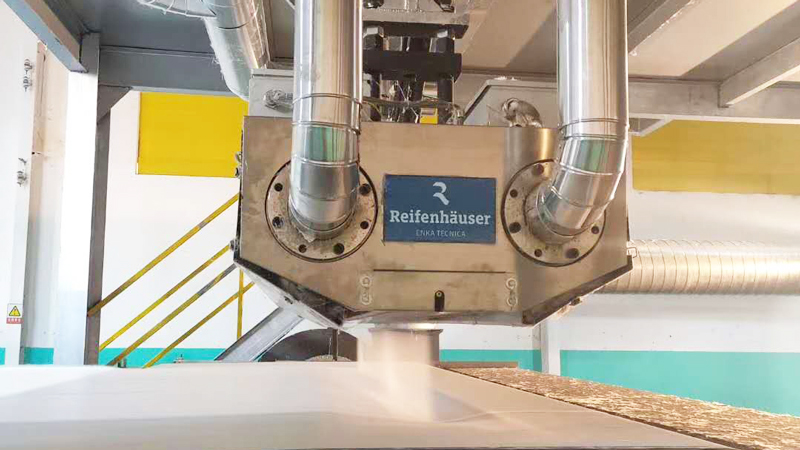
We partner with global technology brands to construct robust, reliable machinery with a long service life.
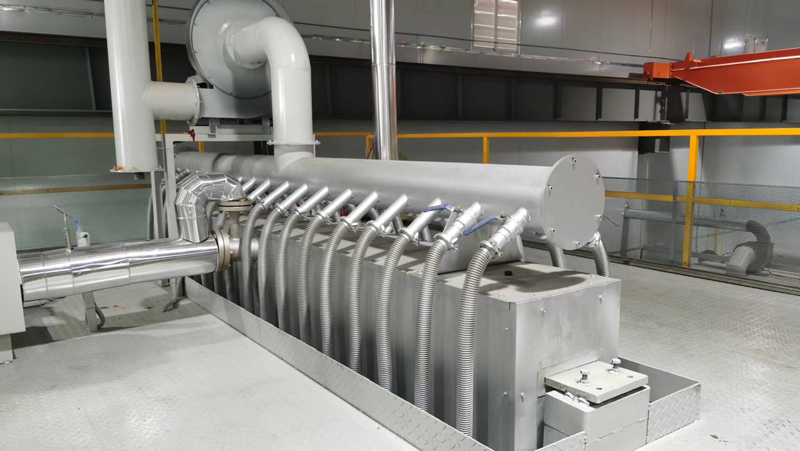
Our fifth-generation spunbond lines use specialized extrusion blocks with integrated high-density spin-packs. These produce very consistent melt streams, keeping yarn diameter variation under 3%. This level of precision is essential for producing uniform absorbent products, where uneven web density can lead to leakage or product failures.
By working with top-tier vendors for key parts like electric control panels, PLC units, and spinnerets, we ensure our systems deliver excellent reliability and easy access to spare parts worldwide.
The nonwovens industry is shifting toward environmental sustainability and digital process controls. Global buyers increasingly demand bio-based fibers like PLA, PHA, or cellulose blends. The challenge is processing these materials without losing the line's productivity.
Next-generation lines integrate digital monitoring systems that continuously track material temperature, air pressure, and web weight. If a variance is detected, the line automatically adjusts its parameters to reduce waste and prevent downstream defects.
To maintain high filtration efficiency and excellent breathability, SSMMS technology continues to be the standard. It provides an effective barrier against pathogens while keeping the final product soft and comfortable for personal care and medical use.
Browse our selection of specialized double-beam spinning equipment and complete turnkey polypropylene processing installations.
 HG NONWOVEN