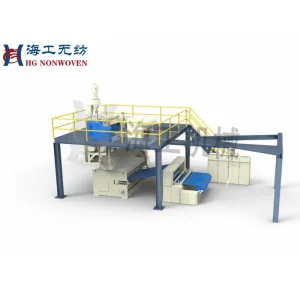
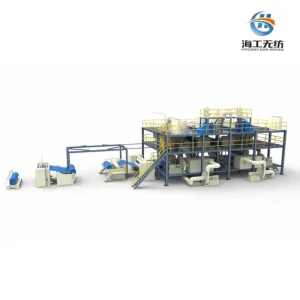
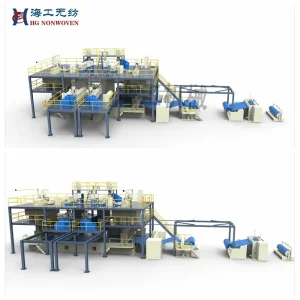
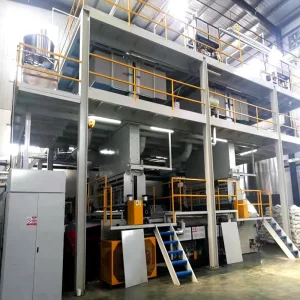
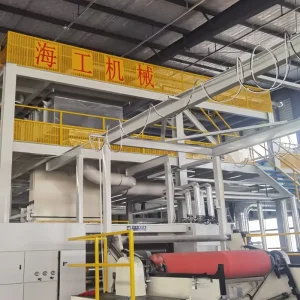
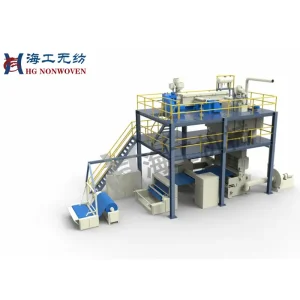
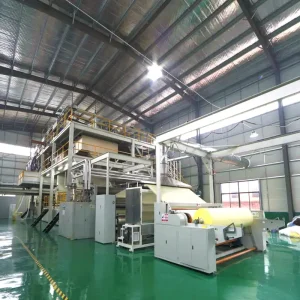
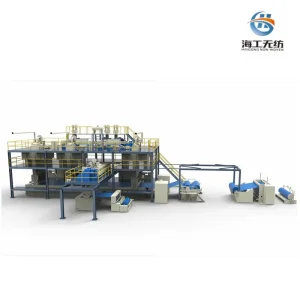
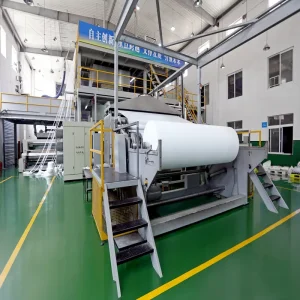
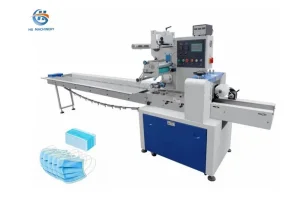
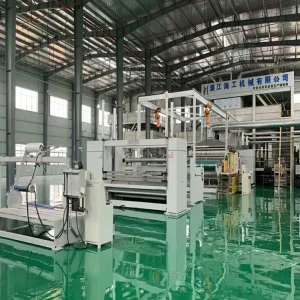
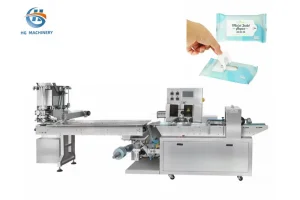
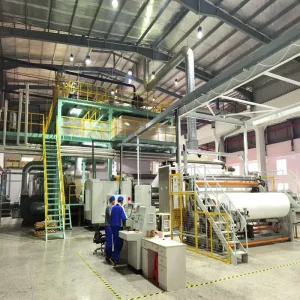
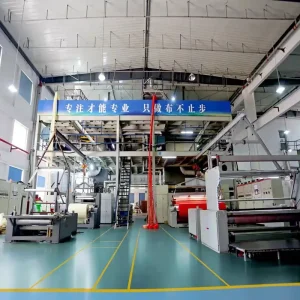
Explore our industrial high-speed spunbond, meltblown, and composite nonwoven machinery lines engineered for global factories.
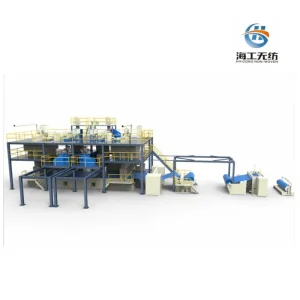
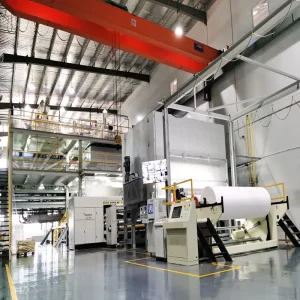
Understanding capillary physics, fiber density, and material compounding for global hygiene & engineering demands.
In modern industrial applications, the demand for absorbent nonwoven fabrics has grown exponentially. From high-grade clinical filtration to delicate personal hygiene systems, the efficiency of an absorbent substrate is defined by its mechanical structural integrity and surface energy dynamics. As a leading specialized manufacturer based in China, HG Nonwoven Machinery integrates state-of-the-art polymer extrusion processes with advanced structural design principles to deliver top-tier turnkey systems. Utilizing 5th Generation spunbond and composite spinning technologies, our machinery lines fabricate nonwoven webs that balance capillary fluid transport with high tensile strength, satisfying rigid global regulatory frameworks.
Engineered absorbent nonwoven materials rely on intricate micro-porous architectures. By controlling the fiber distribution, filament denier, and consolidation methods (such as thermobonding, chemical bonding, or hydroentanglement), we manipulate the raw capillary pathways within the fabric matrix. Our integration of hydrophilic surface treatments alongside customized polymer formulation creates an optimal material solution that guarantees rapid fluid absorption, high retention capacities, and low rewet metrics. This combination forms the cornerstone of modern sanitary products, advanced medical barriers, and sophisticated environmental containment materials.
Founded in 2014, Pujiang HG Nonwoven Machinery has emerged as a premier manufacturer of high-efficiency spunbond, meltblown, and composite nonwoven fabric machine lines. By combining overseas engineering concepts with proprietary innovations, we specialize in high-capacity turnkey installations from engineering design to commissioning.
Our technologies ensure that operators achieve lower power consumption, smaller plant area requirements, and minimized production cost per ton, without sacrificing quality. Our core mission centers on helping partners worldwide manufacture eco-friendly, highly resilient, and biodegradable fabrics sustainably.
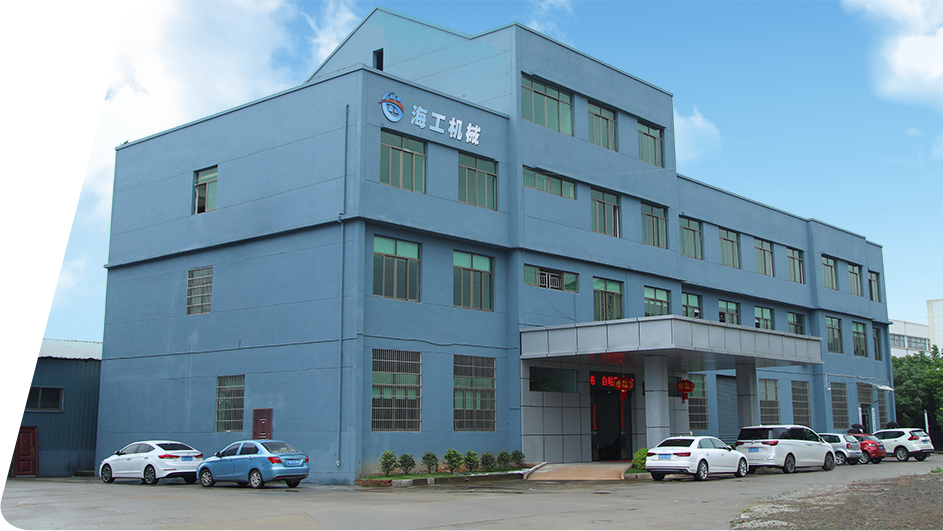
Examining supply chain integration, precision engineering, and optimization of production economics.
China's nonwoven industrial clusters provide instantaneous access to polymer resins, hydrophilic additives, precision spinneret tooling, and specialized slitting sub-components, reducing standard logistics lead times significantly.
Our machines incorporate foreign design layouts integrated with autonomous control algorithms, allowing real-time adjustment of filament attenuation, fiber distribution, and calender thermobonding temperatures.
By delivering high-output machinery with reduced thermal waste footprint, we support factory owners in dropping energy overheads by up to 20%, ensuring quick capital expenditure amortization.
Matching materials science characteristics with practical target market demands to maximize return on investment.

Nonwoven fabric is essential in the hygiene sector, offering breathability, softness, and fluid management for comfort. It quickly absorbs liquid and keeps it away from the skin, making it ideal for baby diapers, adult incontinence pads, and feminine hygiene items.
Analyze Hygiene Specifications →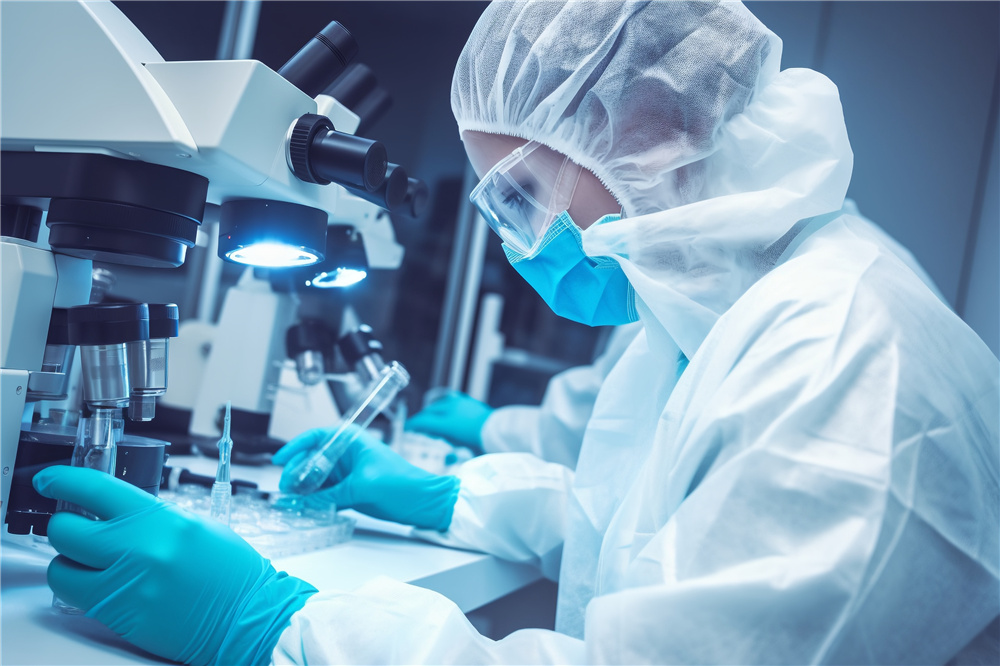
Nonwovens are used extensively in medical and biological protection settings. They deliver safety properties to prevent infection transfer. Critical for face masks, surgical gowns, drapes, and sterilization wraps, providing filtration and wear comfort.
Read Medical Standards →
Ideal for packaging due to lightweight profiles, energy-efficient transport, and reusability. Widely utilized for premium shopping bags, agricultural fruit covers, garment wraps, pocket spring casings, and pharmaceutical protective covers.
View Packaging Machinery →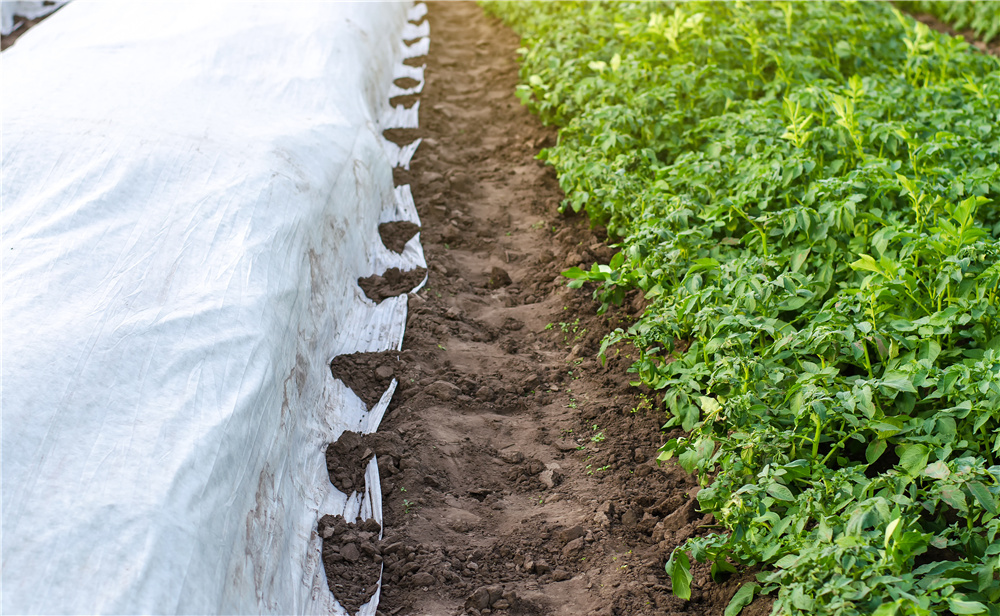
Agricultural nonwoven fabric allows optimized air/water permeability while protecting crops against cold, insect vectors, and mechanical damage. Engineered with specialized UV inhibitors, this fabric controls humidity and heat dynamics on farms.
Explore Agricultural Solutions →Pioneering extrusion setups configured for high-efficiency plant operations.
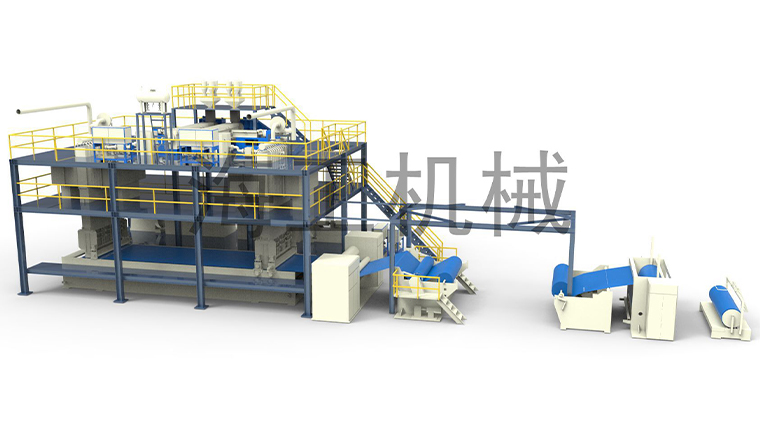
Optimized for processing high-strength packing materials, structural furniture layers, and standard agricultural covers.
Get Equipment Quotation →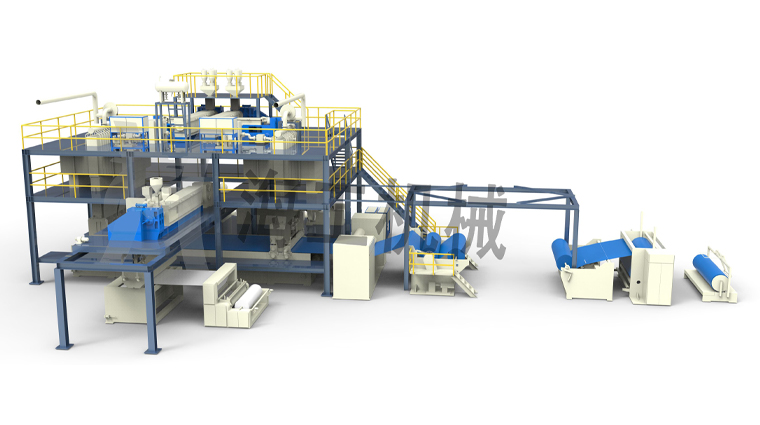
Specifically designed for hygienic clinical drapes, face masks, and healthcare protective apparel production.
Get Equipment Quotation →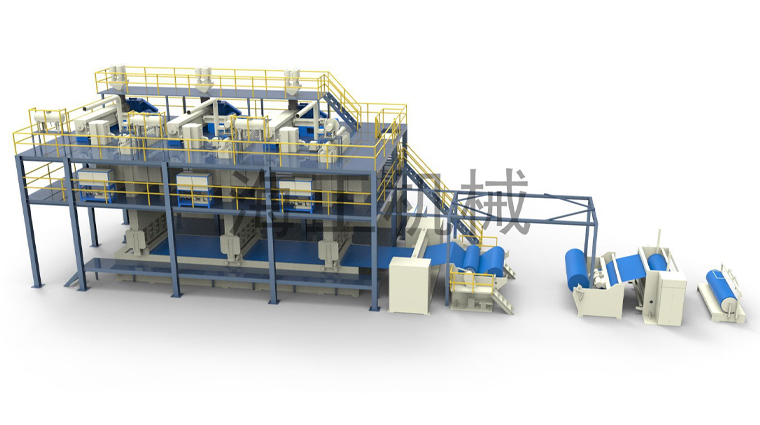
Engineered with 4-layer structures to achieve superior barrier filtration values compared to basic SMS designs.
Get Equipment Quotation →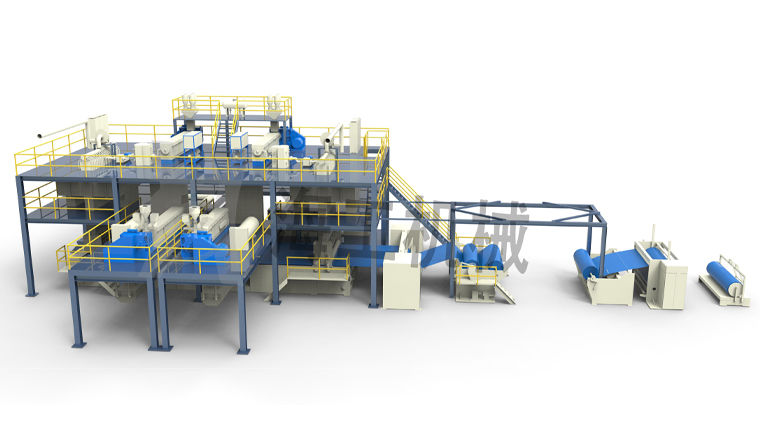
Delivers exceptional fluid barrier capabilities combined with ultra-soft hand feel for delicate hygiene items.
Get Equipment Quotation →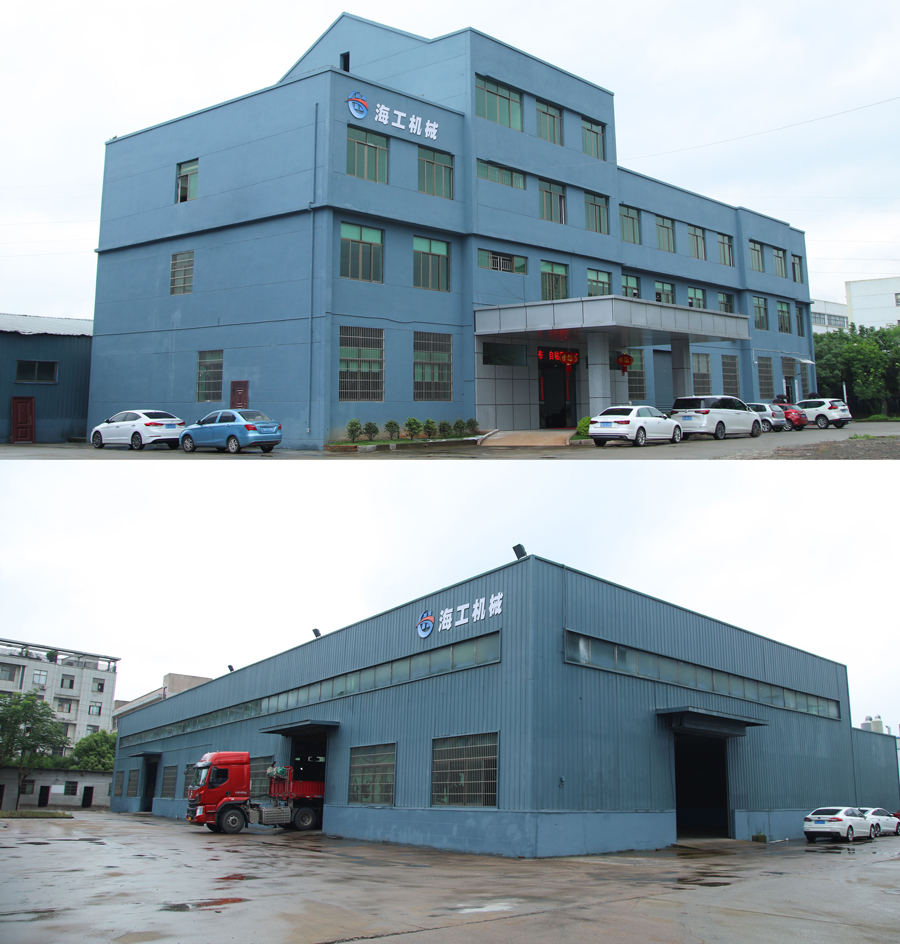
When selecting a manufacturing partner for absorbent nonwoven materials or production machinery, procurement teams must look past nominal cost parameters. High-performance nonwovens require micro-structural uniformity. This parameter is verified by monitoring the web's weight distribution variance (GSM tolerance), fiber denier consistency, and filament distribution across the entire line width.
Our quality assurance program guarantees that every manufacturing system we deliver complies with international certification standards (CE, ISO9001:2015). By employing automated inspection sensors along the web handling pathway, we continuously monitor fabric consistency. This automated quality tracking reduces defect rates, minimizes material waste, and helps maintain reliable production outputs for our clients.
In addition, our turnkey solutions (from engineering design to commissioning) encompass critical auxiliary equipment. We supply integrated edge recycling machines to process production scraps, in-line slitting systems, flexo printing units, and lamination lines. This comprehensive hardware array enables factories to deliver ready-to-sell rolls straight from the manufacturing floor.
Strategic movements toward bio-compatible polymers, energy circularity, and high-speed intelligent automation.
The global nonwoven industry is undergoing a structural transition driven by two primary forces: ecological sustainability and automation. As regulatory bodies enforce strict guidelines regarding single-use plastics, manufacturers are designing biodegradable and compostable absorbent nonwoven materials. Polylactic Acid (PLA), polyhydroxyalkanoates (PHA), and cotton/rayon fiber blends are replacing conventional fossil-fuel polymers in premium absorbency markets. Creating machines capable of extruding these alternative biopolymers with high consistency requires precise thermal profile management. Our 5th Generation machinery models are engineered to handle these temperature-sensitive materials, enabling manufacturers to transition smoothly toward bio-based production schedules.
Concurrently, intelligent process control is becoming standard practice. Advanced sensor networks measure real-time fiber distribution across the conveyor belt. When variation is detected, the machine automatically adjusts air pressure and melt temperature at the spinneret. This level of automated feedback control stabilizes manufacturing parameters, reduces manual intervention, and lowers product defect rates during long runs. Sourcing equipment from HG Nonwoven Machinery ensures your production facility is prepared for future industry advancements.
Engineered to process bio-sourced materials like PLA and customized starch-based formulations, reducing carbon footprints without compromising soft tactile metrics or tensile properties.
Features touch-screen control and automated parameter storage, enabling product recipe switches and lowering required operator intervention thresholds.
Captures hot air discharge from meltblowing channels and recycles it to heat incoming processing air, saving electricity and reducing operating costs.
Providing direct, verified technical answers to help sourcing directors make informed decisions.
Our advanced spunbond and composite nonwoven machinery lines handle material weights ranging from 9 GSM to 150 GSM. Low-GSM fabrics (9 to 25 GSM) are typically deployed in hygiene applications for topsheets and backsheets. Heavy-gauge nonwovens (above 80 GSM) are designed for structural packaging, geotextiles, and technical filtration media.
Our 5th Generation technology incorporates direct-drive motors, optimized extruder barrel heater layouts, and aerodynamic draft channels. By optimizing the pathway from polymer melting through pneumatic fiber deposition, our systems reduce energy consumption by 15% to 20% compared to legacy setups.
Yes. Our systems feature precision temperature controls and customized screw configurations designed to process bio-based polymers like Polylactic Acid (PLA) and bio-PP. This allows manufacturers to produce fully compostable absorbent nonwovens that align with modern environmental standards.
We provide a 24-month comprehensive mechanical warranty alongside worldwide on-site installation and operator training. Our systems feature digital remote diagnostics, allowing our engineers to assist your team with real-time troubleshooting and parameter adjustments via secure online connections.
Explore our high-performance nonwoven fabric lines and automated packaging machinery.
 HG NONWOVEN