Explore our elite, high-performance machinery optimized for the Southeast Asian thermoplastic market.
A comprehensive study on the transformation of waste management into economic growth across Java, Sumatra, and beyond.
Indonesia, the largest economy in Southeast Asia, is currently undergoing a massive transformation regarding thermoplastic processing and waste management. Driven by both government mandates, such as the National Plastic Waste Reduction Roadmap (Presidential Regulation No. 97/2017), and shifting consumer expectations, manufacturers in industrial hubs like Jakarta, Surabaya, Tangerang, and Bekasi are prioritizing circular economy systems. The demand for reliable Plastic Recycling Machines in the Indonesia market has surged, transitioning from a peripheral compliance activity to a core business strategy that enhances operational profitability.
In addition to post-consumer waste recovery, post-industrial waste (such as production scrap, startup purge, and edge trims from nonwoven production lines) represents a major source of high-quality raw materials. Investing in state-of-the-art plastic granulators and pelletizing extruders allows Indonesian enterprises to keep their polymer loops fully closed, maintaining steady margins despite global oil price fluctuations.
Over the past decade, Chinese machinery manufacturers have established themselves as dominant leaders in polymer extrusion, nonwoven production line design, and plastic recycling technology. This preference in the Indonesian market is built upon several clear competitive advantages:
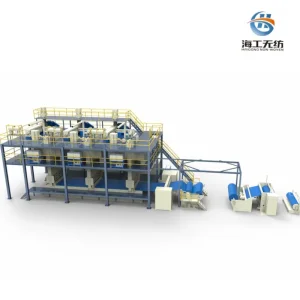
Our company specializes in bridging the gap between nonwoven fabric production and raw material recycling. Synthetic textiles, especially PP spunbond and meltblown fabrics, are extensively used across Indonesia for packaging, medical, and agricultural purposes. During the production of these fabrics, edge trimming is required to achieve precise roll widths. Additionally, production changeovers generate startup scrap.
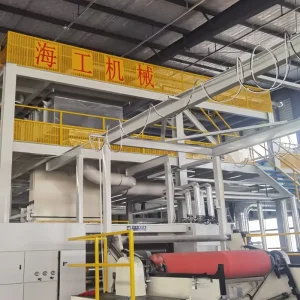
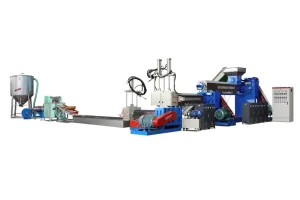
Instead of disposing of this valuable polypropylene waste, our integrated solutions combine high-efficiency Spunbond lines with integrated plastic granulator machines. The waste is immediately shredded, extruded, degassed, and pelletized into clean PP pellets. These pellets are then blended back with virgin PP resins, creating a sustainable, zero-waste manufacturing loop.
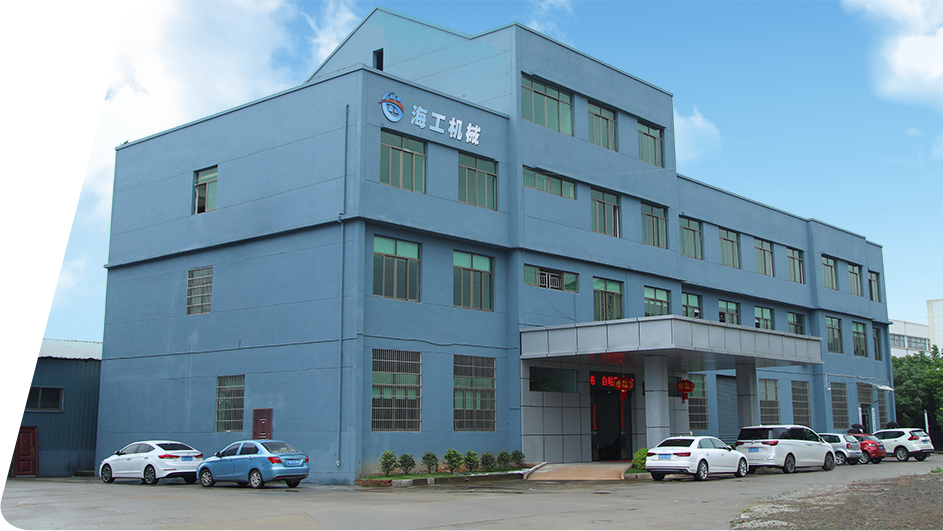
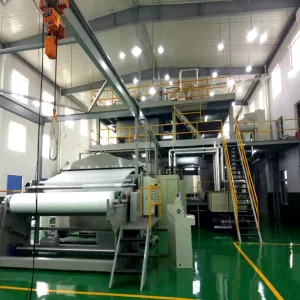
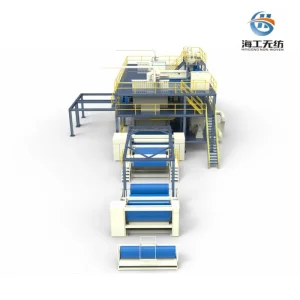
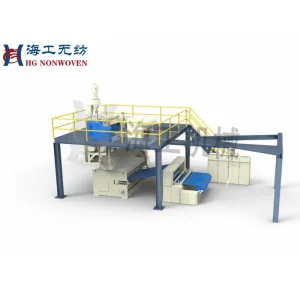
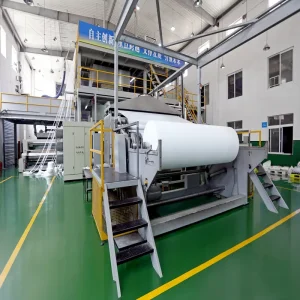
Pujiang HG Nonwoven Machinery is a well-known nonwoven fabric making machine manufacturer established in 2014. We specialize in manufacturing PP spunbond, meltblown, and composite nonwoven fabric machine lines, dedicated to providing high-efficiency and innovative spunbond nonwoven fabric production solutions to the global market. Our company introduced advanced design concepts, specifically the 5th Generation spunbond spinning technology, from overseas and integrated them with local engineering expertise to meet global market needs.
Consequently, HG nonwoven fabric making machines are characterized by convenient operation, compact footprint, low power consumption, high efficiency, and low production costs. Our focus remains on producing high-performance, eco-friendly, and biodegradable spunbonded nonwoven fabrics to foster global sustainability.
Our commitment to engineering excellence and localized customer service helps your project succeed from day one.
Our machines are meticulously designed and incorporate the latest technology to ensure maximum production efficiency with minimal energy consumption. We also offer customized solutions to ensure our machines align perfectly with your unique needs.
With rich experience in the nonwoven fabric industry, we provide thorough local market analysis to assist you in compiling a comprehensive project feasibility report for your investments.
Besides the PP nonwoven fabric making machines, we help in providing services in related nonwoven machinery like nonwoven recycling machines, nonwoven fabric slitting machines, nonwoven flexo printing machines, nonwoven lamination machines, and nonwoven fabric bag machines, from A to Z.
After installation, we provide training services to ensure that your team can run the machine line smoothly. We also offer 24 months of engineer after-sale support. Whether on-site or through digital services, we help you quickly and reliably.
Engineered for high outputs and conforming to international sterile safety standards.
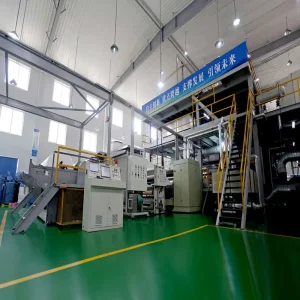
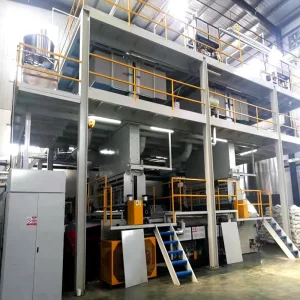
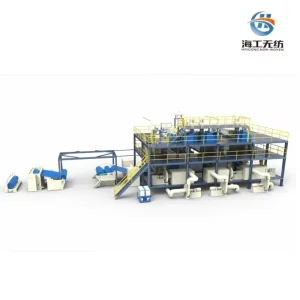
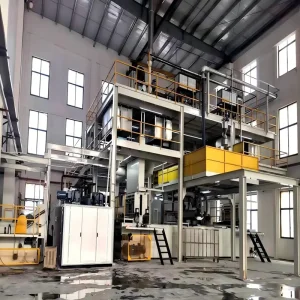
Please consider and select which kind of nonwoven business you want to start. With our deep expertise across diverse sectors like packaging, medical, hygiene, and agriculture, we will guide and help you with technical support to choose the most suitable line to start your business easily.
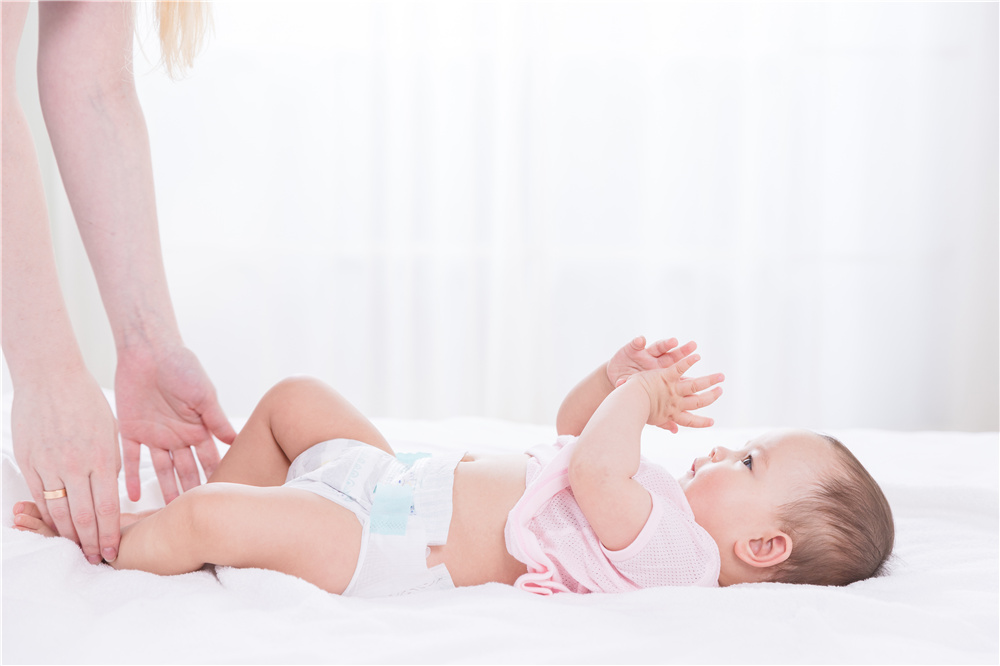
Nonwoven fabric is essential in the hygiene sector, offering breathability, softness, and excellent fluid management for comfort and protection. It quickly absorbs liquid and keeps it away from the skin, making it ideal for paper diapers, incontinence pads, and feminine hygiene products.
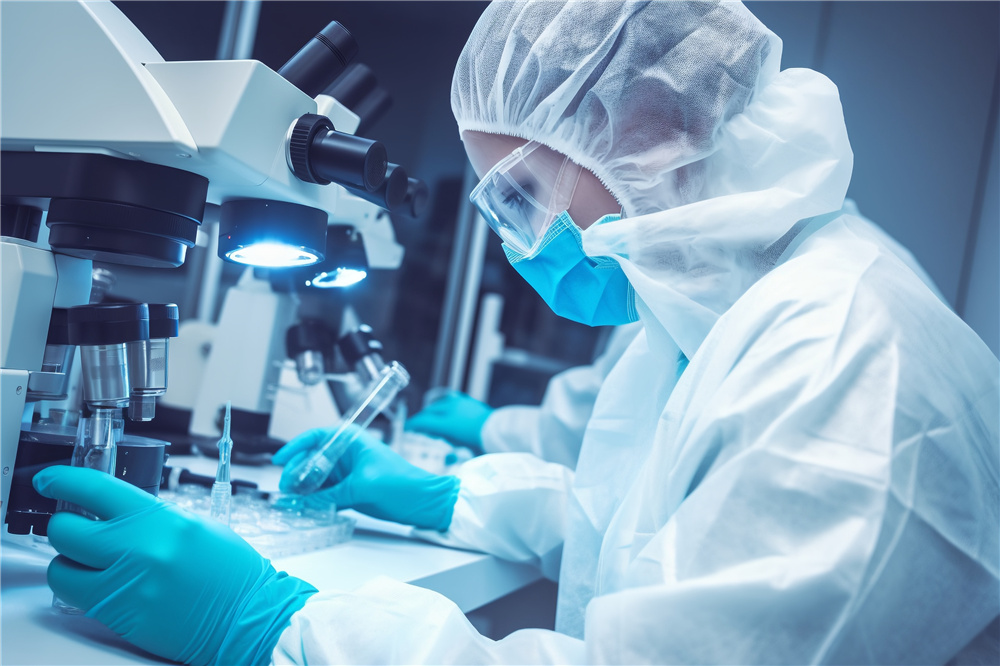
Nonwoven fabrics are extensively used in the medical field and in protection against biological agents in other sectors. They deliver critical safety properties, such as prevention against infections and diseases. They are essential for making face masks, surgical gowns, bed sheets, and surgical towels, ensuring effective filtration, protection, and comfort.
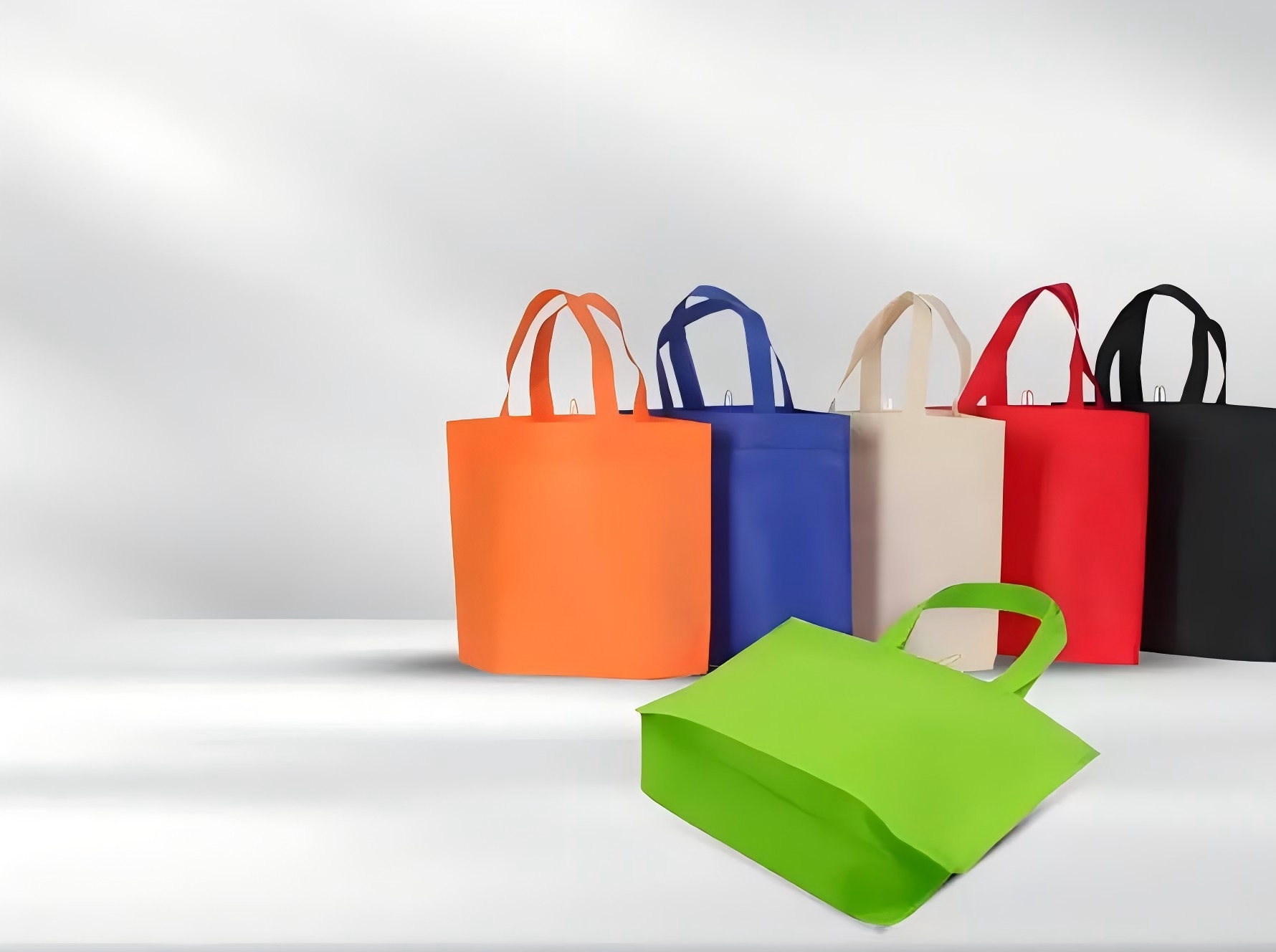
Nonwoven fabric is ideal for a variety of packaging end-uses, as their exceptional lightweight, their energy-efficient production, shipping and storage, and their long life and robustness allow for two important features: volume reduction and re-usability. It is widely used for shopping bags, fruit bags, garment bags, rice bags, pocket springs, garment interlining, as well as packaging for pharmaceuticals and cosmetics, among other applications. Its versatility and long lifespan contribute to its popularity in various industries.
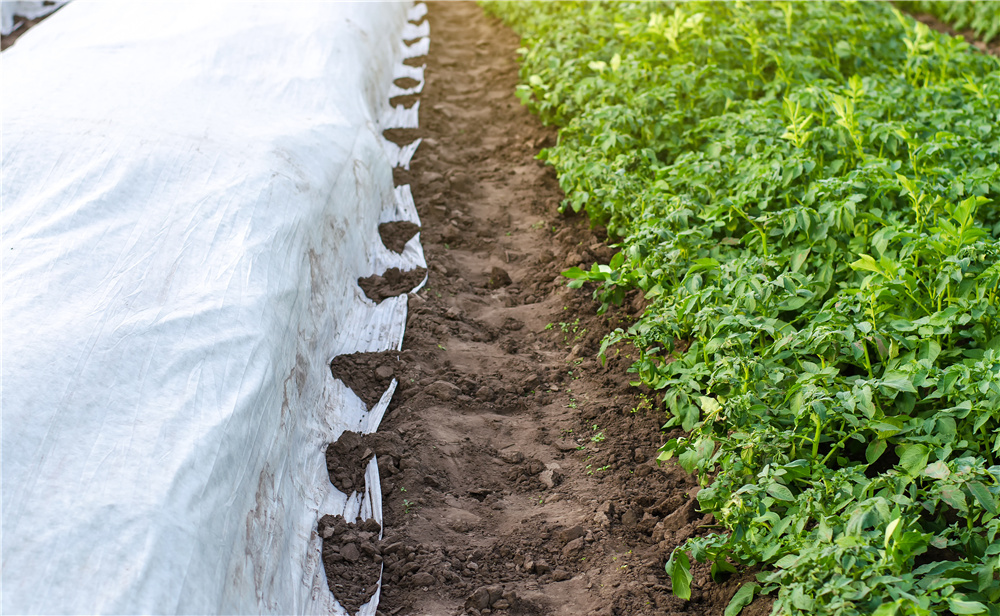
Agriculture Non Woven Fabric allows air and water to pass through while providing wind and cold protection by generating a microclimate around the crop. Furthermore, because nonwoven works as a physical protection media, it can assist in preventing damage to crops, vegetables, and seeds from insects and birds. Nonwoven materials can assist in regulating heat, act as a UV blocker in agriculture, while also providing superior air and water permeability. These materials are lightweight, portable, and may be tailored to match specific needs and provide specific services.
Our most widely deployed composite lines, engineered for high-performance and automated industrial throughput.
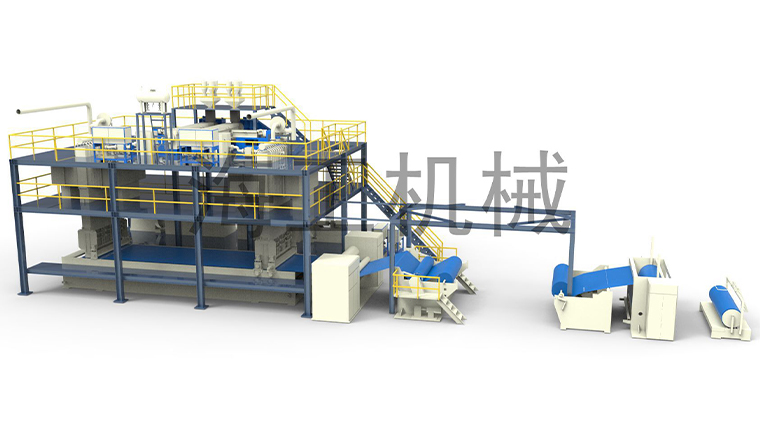
Perfect for packaging nonwoven bags, furniture use, and agricultural fields.
Inquire Now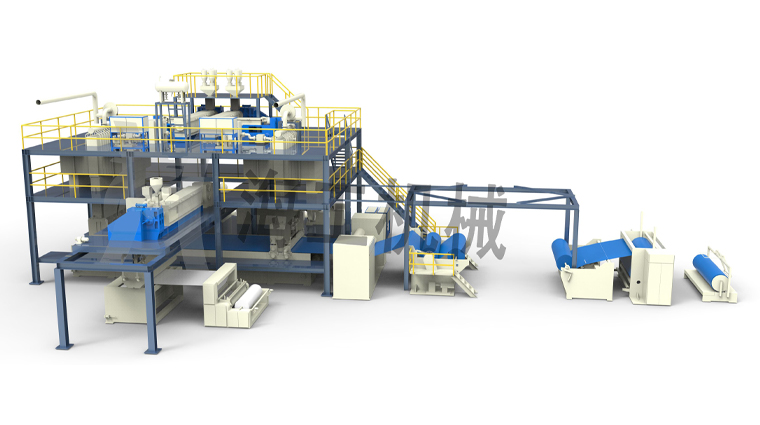
Engineered for medical use and hygiene healthcare applications.
Inquire Now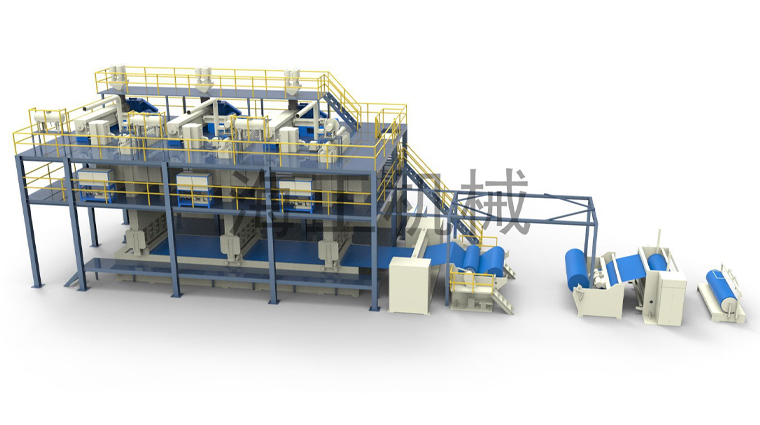
4 layers of fabric provide a higher filtration efficiency compared with SMS fabric.
Inquire Now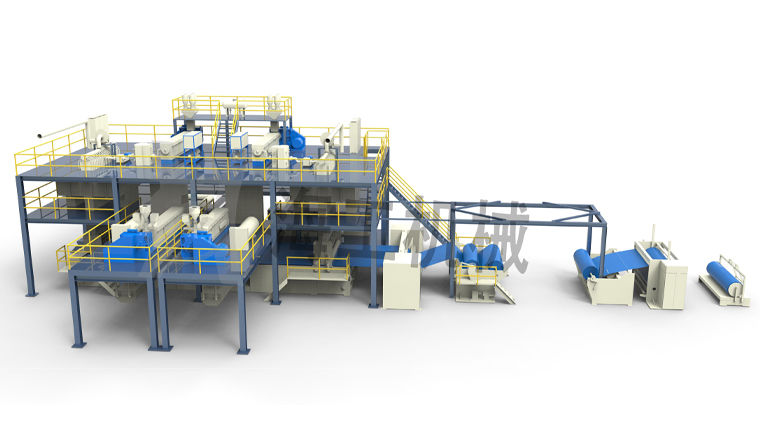
Delivers excellent barrier properties and good performance in softness and comfort.
Inquire NowExplore our extensive range of high-efficiency machinery custom-configured for Southeast Asian factory dimensions.
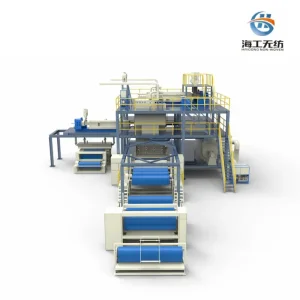
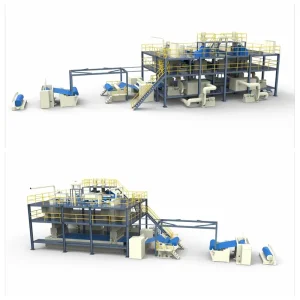
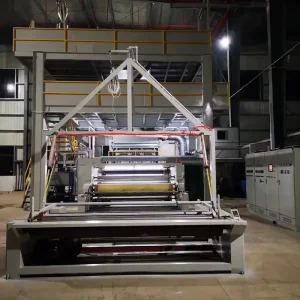
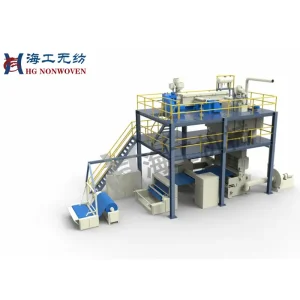
Expert insights on deploying plastic recycling machines and spunbond lines in Indonesia.
Consult with our engineers to design a customized plastic recycling or spunbond production setup for your Indonesian factory.
Send Inquiry Now HG NONWOVEN