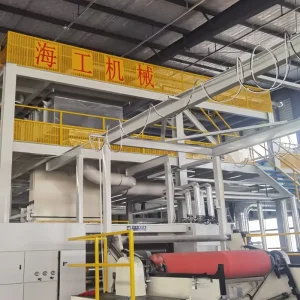
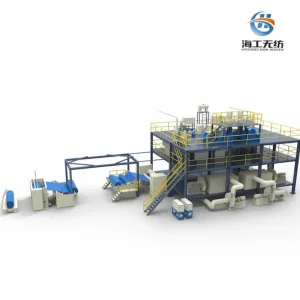
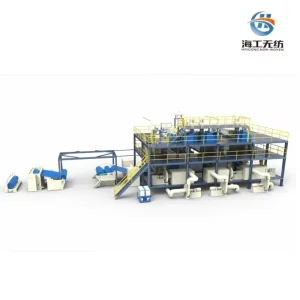
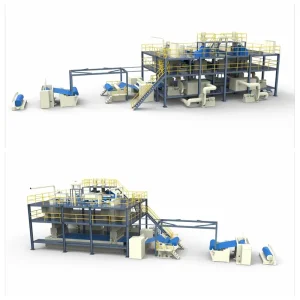
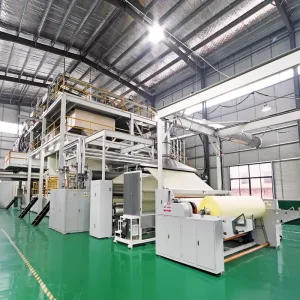
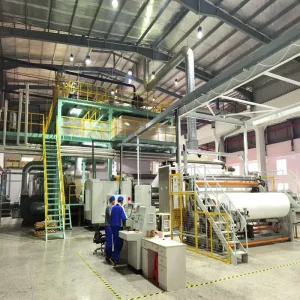
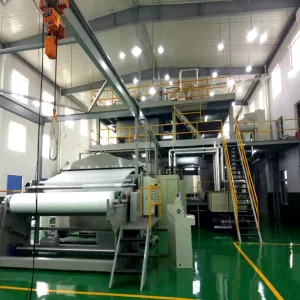
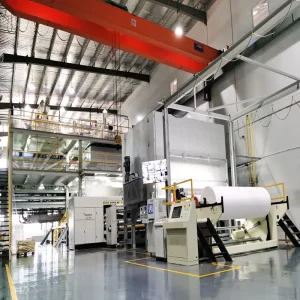
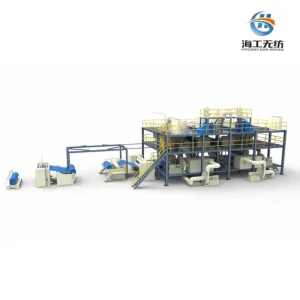
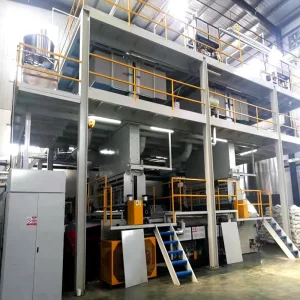
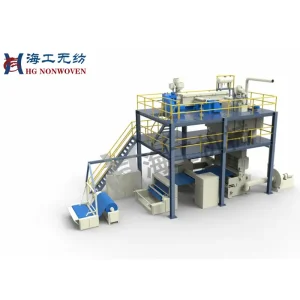
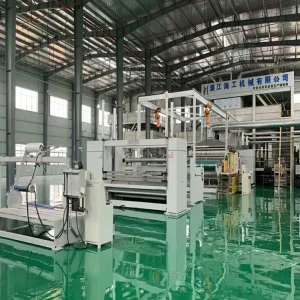
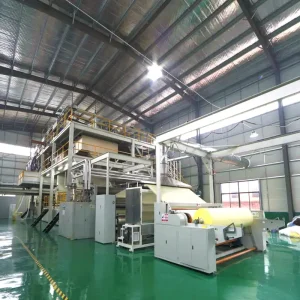
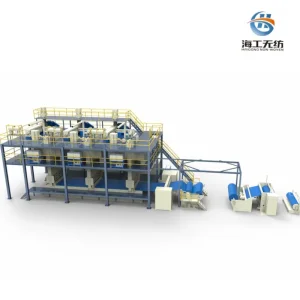
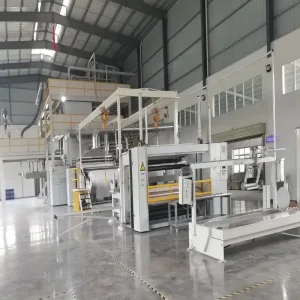
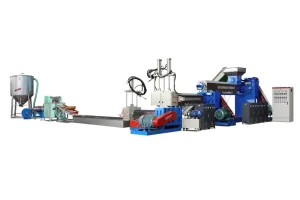
The global nonwoven fabric industry is undergoing a paradigm shift. As manufacturers demand higher material strength, better drape, and enhanced liquid absorption capabilities, the demand for sophisticated production machinery has reached an all-time high. Spunlace (hydro-entanglement) technology stands at the forefront of this evolution, utilizing high-velocity water jets to entangle fibers, resulting in a fabric that mimics the properties of traditional textiles while retaining the cost-efficiency of nonwovens.
At HG Nonwoven Machinery, we understand that selecting a manufacturer for your production line is not just about the hardware; it's about the technical expertise and the long-term partnership that ensures your facility remains competitive. Our "5th Generation" spinning technology integrates seamlessly into existing industrial workflows, providing not only the machine but a complete ecosystem for high-output manufacturing.
The concept of "China Factory 4.0" is not merely a buzzword; it represents the digitization of the shop floor. For our global procurement clients, this translates into actionable business intelligence:
Modern global enterprises are moving away from simple purchasing and toward "value-based procurement." When selecting a Chinese supplier for nonwoven manufacturing lines, we recommend evaluating vendors based on:
1. Technical Feasibility Reporting: An expert manufacturer should not just sell a machine; they should act as a consultant, helping you conduct a local market analysis to verify project feasibility before you invest.
2. After-Sales Ecosystem: Ensure your partner provides 24/7 digital support and rapid on-site maintenance. Our dedicated global team ensures that whether you are in Southeast Asia, Europe, or the Americas, your machine runs at peak performance.
3. Sustainability Compliance: With increasing regulations on single-use plastics and waste, our machines are designed to produce biodegradable and eco-friendly fabrics, ensuring your products meet international environmental standards.
A: Spunbond (like our core PP machines) involves spinning continuous filaments directly into a web, bonding them thermally. Spunlace (hydro-entanglement) uses water jets to entangle fibers, resulting in a fabric with a softer, cloth-like hand-feel suitable for medical and personal hygiene applications.
A: We offer a full "A to Z" turnkey service. This includes project planning, custom machine design, logistics, on-site installation, and rigorous staff training. Our goal is to ensure your team is fully autonomous in running the line within the shortest timeframe.
A: Yes. In line with the circular economy, our production lines are compatible with advanced recycling integration, allowing manufacturers to utilize high-quality regrind PP, thereby reducing material costs and environmental footprint.
 HG NONWOVEN