Explore the elite machinery configurations driving global nonwoven bath towel production lines.
Understanding the transition from traditional woven textiles to high-efficiency nonwovens.
In the modern B2B hygiene and hospitality sectors, the demand for single-use, high-performance textiles has surged exponentially. The transition from commercial, reusable cotton towels to specialized single-use nonwoven bath towels is driven by clear benefits: superior hygiene, operational cost reduction, and environmental optimization. Across industries like global travel, premium hot springs, clinical environments, and wellness centers, purchasing managers prioritize the safety and convenience offered by nonwoven technologies.
Traditional laundry infrastructure requires significant energy, water, and chemical inputs, presenting operational risks. Disposable nonwoven bath towels eliminate these challenges, ensuring every end-user receives a sanitary product. Modern nonwovens are not simply paper substitutes; they are highly engineered fabrics utilizing spunlace, spunbond, and meltblown technologies. These processes entangle or bond microfibers to create an ultra-soft texture, high tensile strength, and water absorption rates that match or exceed traditional loop-woven terry cloth.
Utilizes custom microfiber matrices capable of absorbing up to 800% of their unit dry weight in liquid within seconds.
Eliminates the risks of bacterial transfer, multi-resistant pathogens, and chemical residue from industrial laundry cycles.
Engineered from biodegradable viscose, wood-pulp, or bamboo fibers, offering a low carbon footprint and composting capabilities.
China's dominance in the nonwoven sector is built on vertical integration. Chinese factories do not simply cut and pack imported fabrics; they host the entire production chain. From chemical raw material processing (polypropylene, cellulose polymers) and high-speed spunbond/spunlace extrusion to automated cutting, folding, and aseptic packaging, every step happens within a unified industrial zone.
This proximity reduces transport times and logistics costs. Combined with advanced high-speed manufacturing lines, Chinese factories maintain high consistency, rapid turnaround, and competitive pricing for volume orders.
Furthermore, the proximity to advanced machinery developers allows factories to update their equipment quickly. They can pivot from standard PP Spunbond configurations to high-barrier composite SMS/SSMMS fabrics to meet evolving market demands.
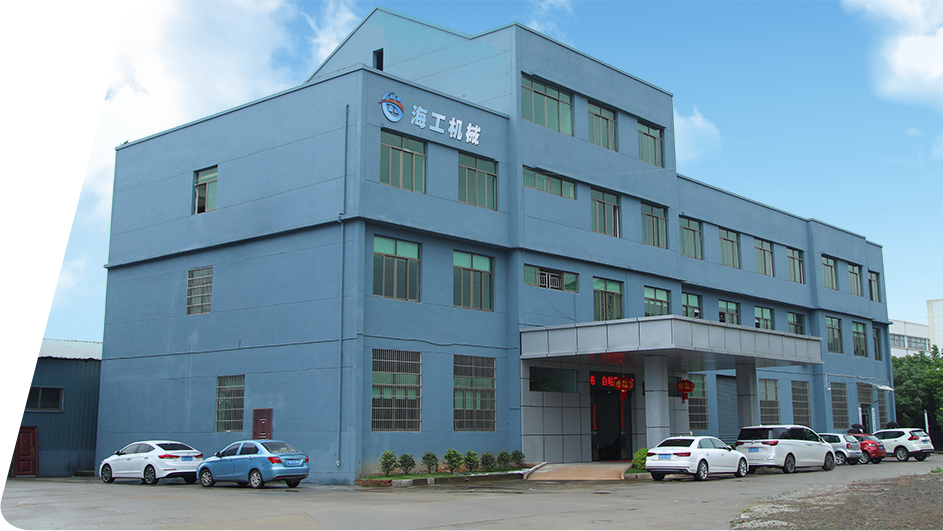
Powering the global nonwoven market with advanced 5th Generation technology concepts.
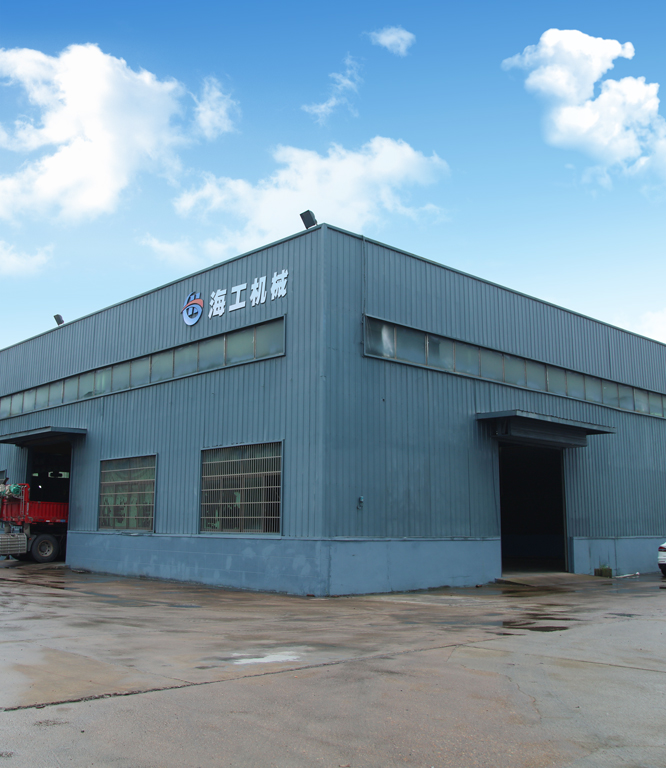
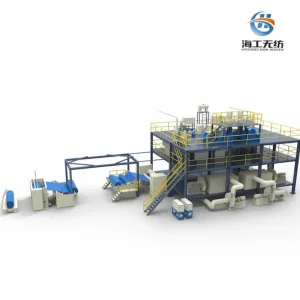
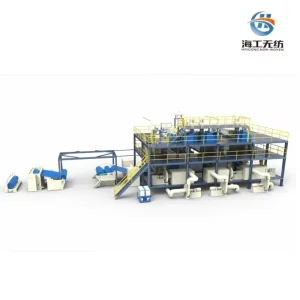
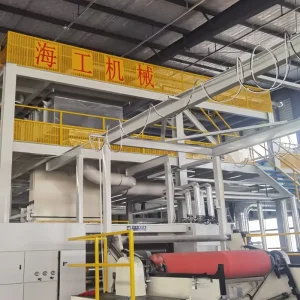
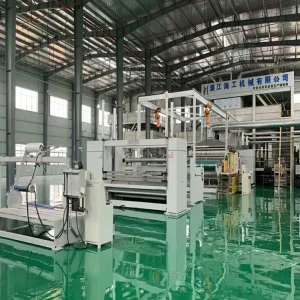
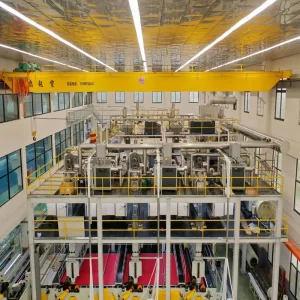
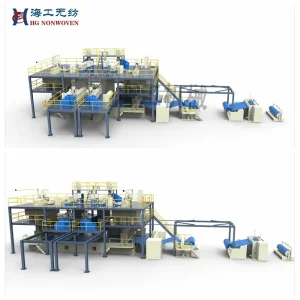
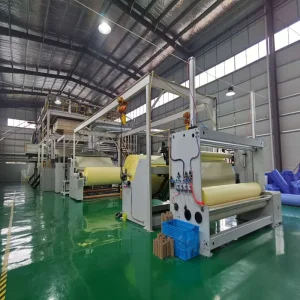
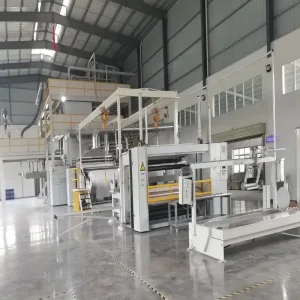
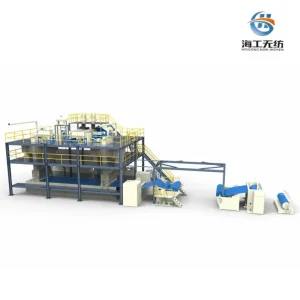
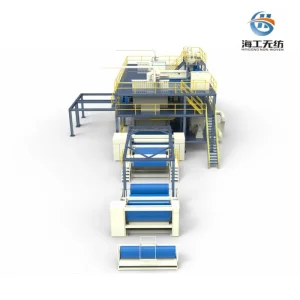
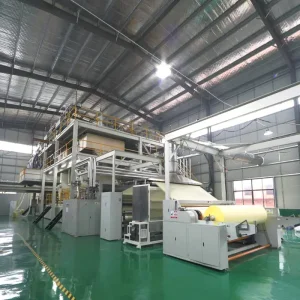
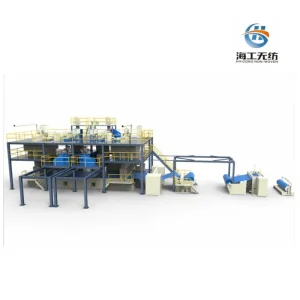
HG Nonwoven Machinery is a professional manufacturer of spunbond, meltblown, and composite nonwoven fabric machine lines, dedicated to providing high-efficiency and innovative spunbond nonwoven fabric production solutions to the global market. Our company introduced an advanced design concept (5th Generation spunbond spinning technology) from overseas and integrated it with autonomy to meet the specific needs of the market.
Consequently, HG nonwoven fabric making machines are characterized by convenient operation, small footprint, low power consumption, high efficiency, and low production cost.
Since 2014, Pujiang HG Nonwoven Machinery has built a strong reputation as an industry-leading manufacturer specializing in PP spunbond and meltblown nonwoven fabric making machines, complete with turnkey engineering services. Our equipment focuses on producing high-performance, eco-friendly, and biodegradable spunbonded nonwoven fabrics.
How upstream engineering excellence translates directly into high-quality end products.
Meticulously designed machines incorporating the latest technology to ensure maximum production efficiency with minimal energy consumption. We also offer customized solutions to ensure our machines align perfectly with your unique needs.
With rich experience in the nonwoven fabric industry, we provide detailed local market analyses to help you develop comprehensive project feasibility reports.
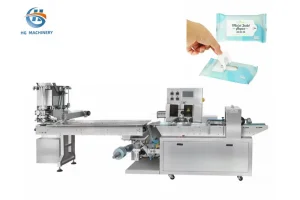
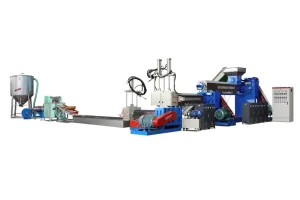
We provide one-stop, turnkey engineering solutions from A to Z. Beyond nonwoven fabric machinery, we offer recycling equipment, slitting, printing, and bag-making machines.
We guarantee highly efficient, on-site maintenance and operator training. Our support includes 24 months of engineer after-sales service, available on-site or digitally.
How different fabric types address specific industry and consumer needs.
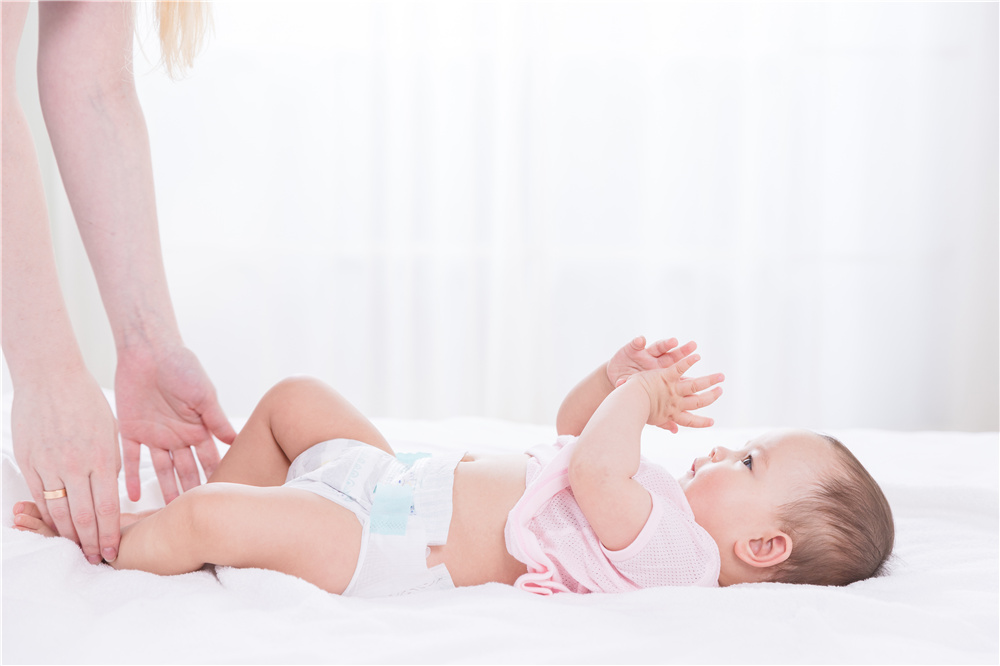
Essential for the personal care sector, hygiene-grade nonwovens offer breathability, softness, and excellent fluid management. They absorb liquid quickly, keeping it away from the skin—ideal for diapers, adult incontinence products, and feminine hygiene items.
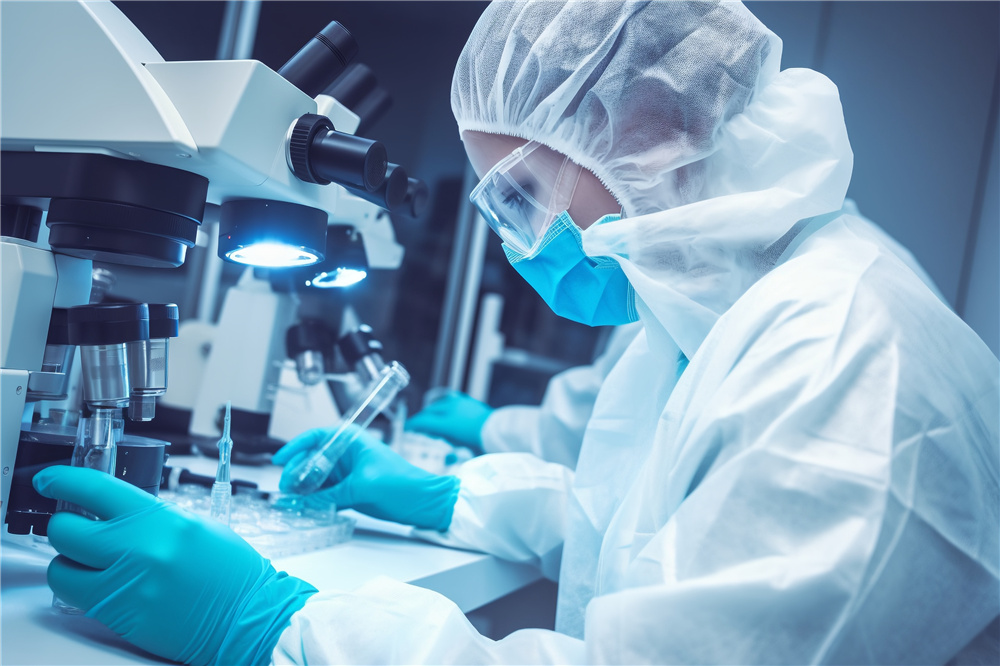
Used extensively in clinical settings to protect against biological agents, these fabrics provide key barrier properties. They are essential for face masks, surgical gowns, bed sheets, and disposable towels, ensuring filtration, barrier safety, and user comfort.
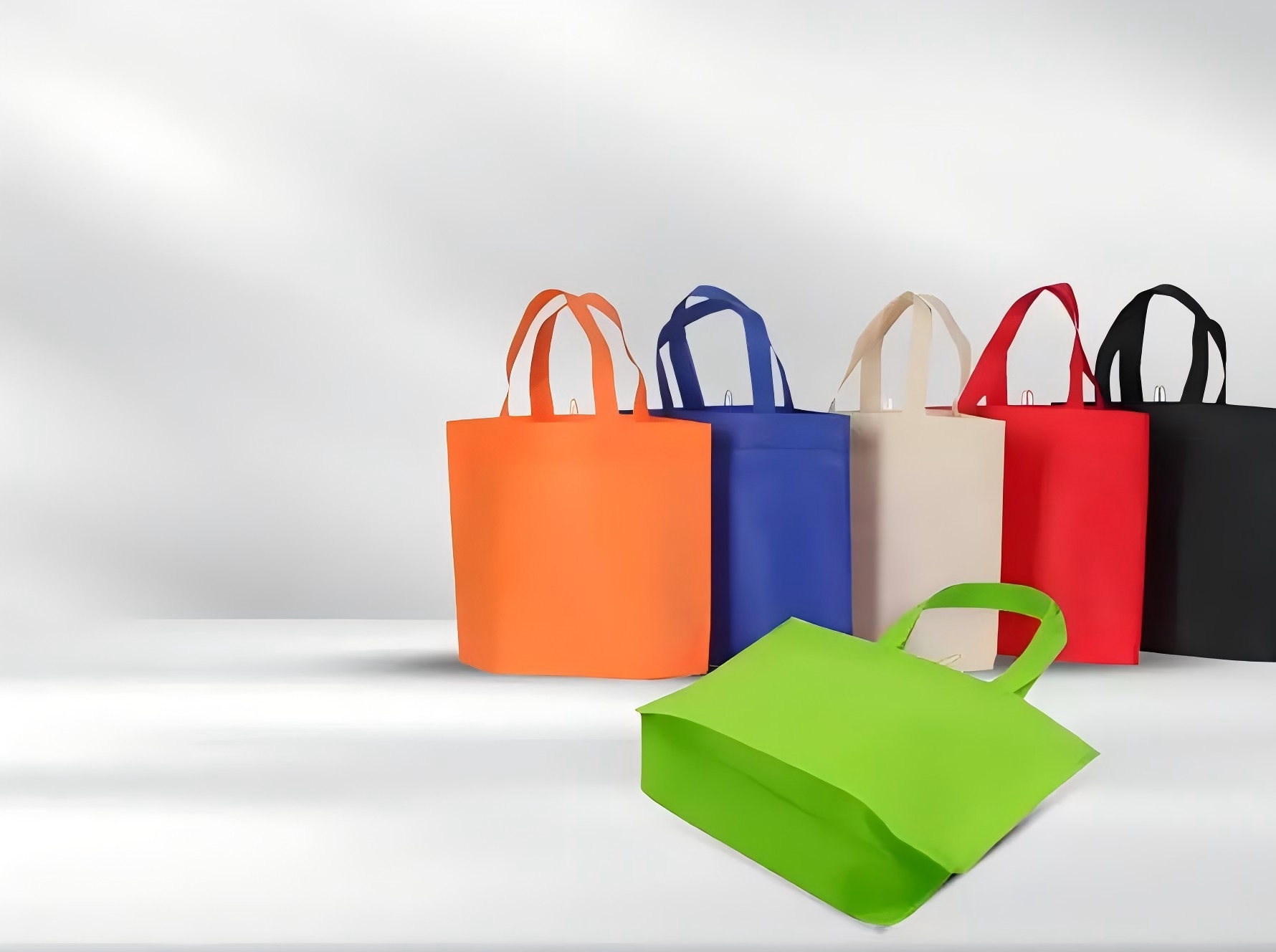
Lightweight, durable, and energy-efficient to produce, nonwovens reduce shipping volume and support reusability. Popular for shopping bags, garment covers, pocket springs, and pharmaceutical packaging.
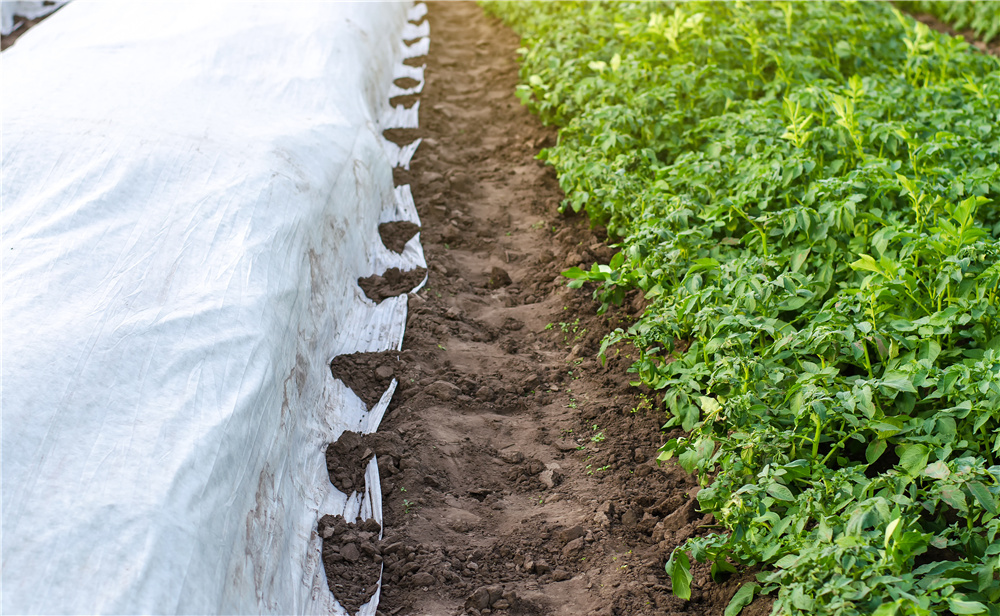
These materials allow air and water to pass while providing protection from wind, frost, insects, and birds. Engineered with UV blockers, they generate a protective microclimate that supports healthy crop growth.
Robust machinery configurations engineered to produce high-specification nonwoven fabrics.
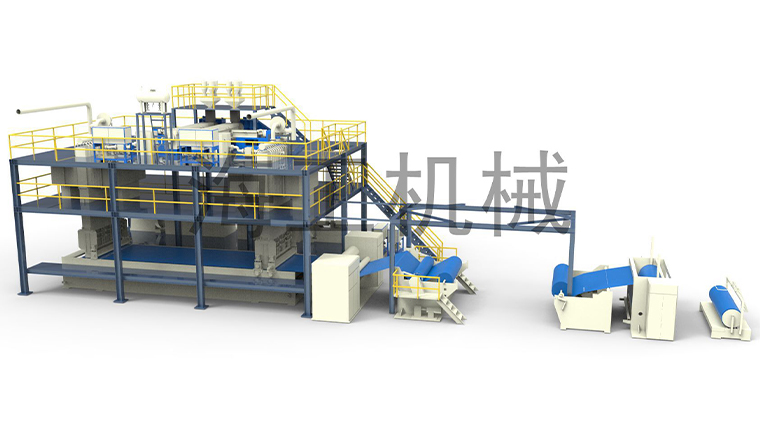
Designed for packaging materials, shopping bags, furniture interlinings, and agricultural crop covers. It delivers excellent tensile strength and high production efficiency, allowing factories to output durable, cost-effective fabrics.
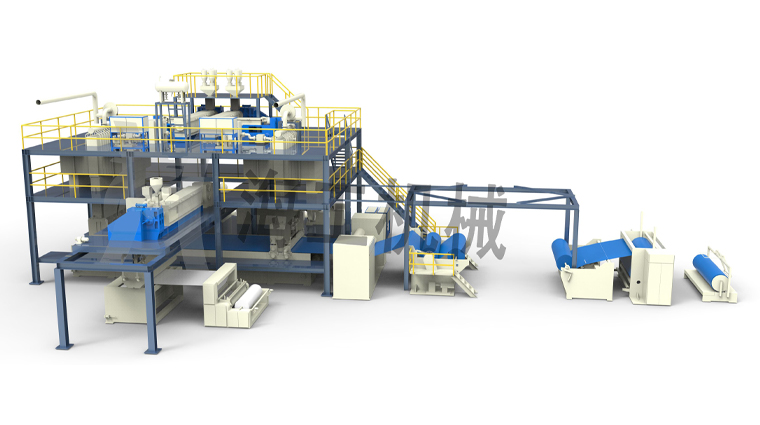
Combines spunbond strength with meltblown filtration. Ideal for medical-grade sheets, surgical drapes, and high-end protective hygiene products, meeting strict biological barrier requirements.
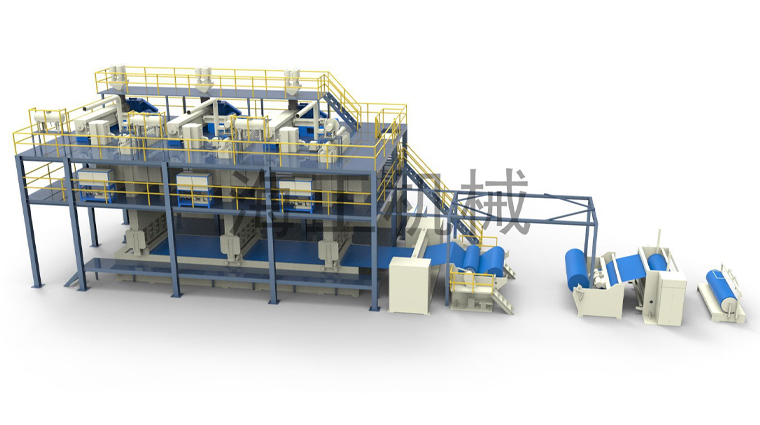
An advanced four-layer configuration that integrates a double-meltblown layer. This setup delivers higher filtration efficiency and barrier performance than standard SMS structures, making it well-suited for critical clinical applications.
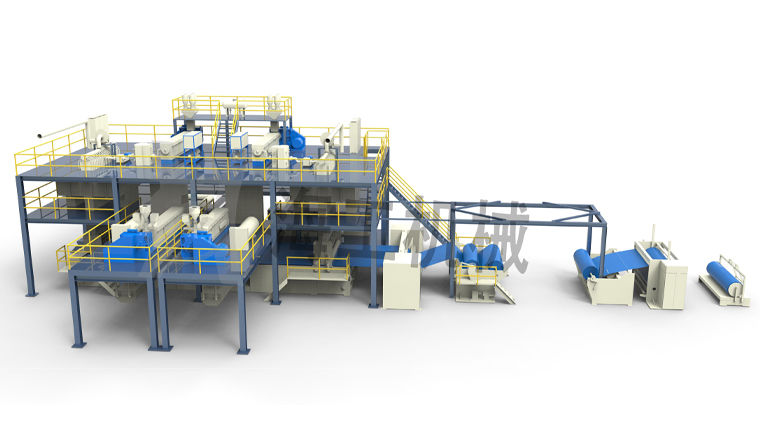
A five-layer composite system designed for premium applications. It offers outstanding barrier performance, high breathability, and a soft, comfortable feel for sensitive medical and personal care products.
Key technical parameters and quality assurance steps for global buyers.
Select the appropriate grammage (commonly 50 to 90 GSM) and fiber blend. Higher viscose content improves water absorption and softness, while polyester adds strength and reduces production costs.
Ensure your supplier complies with ISO 9001 and CE certifications. Products intended for medical or clinical settings should also meet OEKO-TEX Standard 100 criteria.
Partner with factories that offer comprehensive support, including custom packaging, labeling, and direct-to-port container loading, to minimize downstream transit times.
Technical answers to key sourcing and production questions.
High-quality disposable towels typically use a blend of viscose (for absorption and softness) and polyester (for tensile strength). A common ratio is 70% viscose and 30% polyester. For premium eco-conscious markets, 100% biodegradable bamboo or wood pulp fibers are widely used.
HG Nonwoven Machinery's 5th Generation technology features optimized hot-air distribution, high-speed continuous filament extrusion, and an integrated thermal calendar system. This combination reduces energy consumption by up to 20% compared to traditional configurations.
Biodegradability depends on the fibers used. Viscose, bamboo, and wood pulp are 100% biodegradable and compostable. Standard polypropylene-based towels are not biodegradable but can be recycled back into industrial polymer chains using granulators.
For basic travel or gym use, 50-60 GSM is standard. For premium hotels, luxury spas, and clinical applications, we recommend 70-90 GSM, which offers a thicker, more absorbent, and softer fabric feel.
Continuous filtration and high-performance processing equipment for global manufacturers.
 HG NONWOVEN