Explore our top-performing nonwoven fabric production lines built for heavy-duty industrial output and maximum uptime.
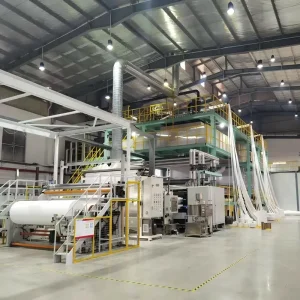
High-precision PP Spunbonded systems designed for efficient processing of standard PP raw material into premium industrial and medical webs.
View Details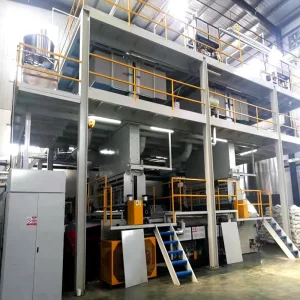
Engineered for large-scale operations requiring continuous output with optimized filament distribution and thermal bonding stability.
View Details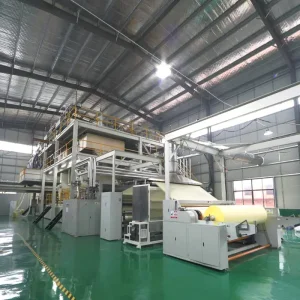
Double-beam configuration producing lightweight, uniform nonwoven rolls suitable for hygienic backsheets and packaging markets.
View Details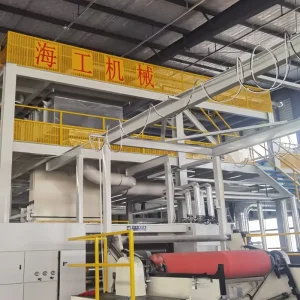
Versatile and highly adaptive machinery, offering seamless thickness adjustment and consistent mechanical properties across the fabric width.
View Details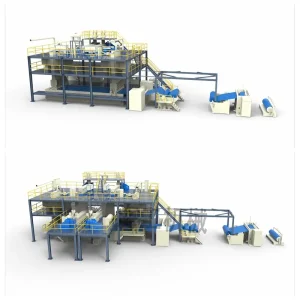
Advanced multi-beam composite technology, combining spunbond and meltblown blocks for high barrier and filtration applications.
View Details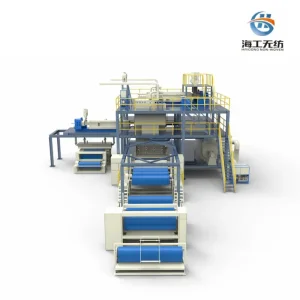
Designed for customized multi-layered composite webs, delivering excellent tensile strength and flexibility for specialized tasks.
View Details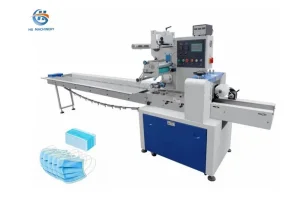
High-speed downstream wrapping solution ensuring hygienic, air-tight packaging for manufactured surgical and protective masks.
View Details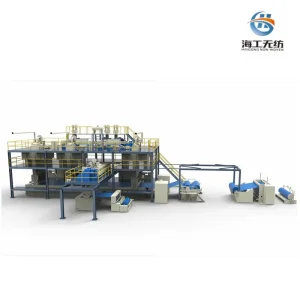
Cost-efficient, robust single beam configuration optimized for packaging material, furniture interlining, and agricultural protection sheets.
View DetailsThe global industrial landscape is experiencing an unprecedented structural transition towards sustainable, high-performance, and cost-effective synthetic fabrics. In this paradigm shift, the role of China Non Woven Machine Factories has evolved from simple hardware manufacturing providers to comprehensive global partners offering advanced R&D, engineering, and turnkey smart factory services. Modern production demands are no longer restricted to sheer volume output; instead, they require strict consistency in web uniformity, air permeability, mechanical tensile strength, and eco-friendly composition.
This whitepaper explores the critical engineering factors behind nonwoven machine selection, analyzes China's manufacturing advantages, examines application dynamics across primary sectors, and addresses key technical concerns for global procurement teams.
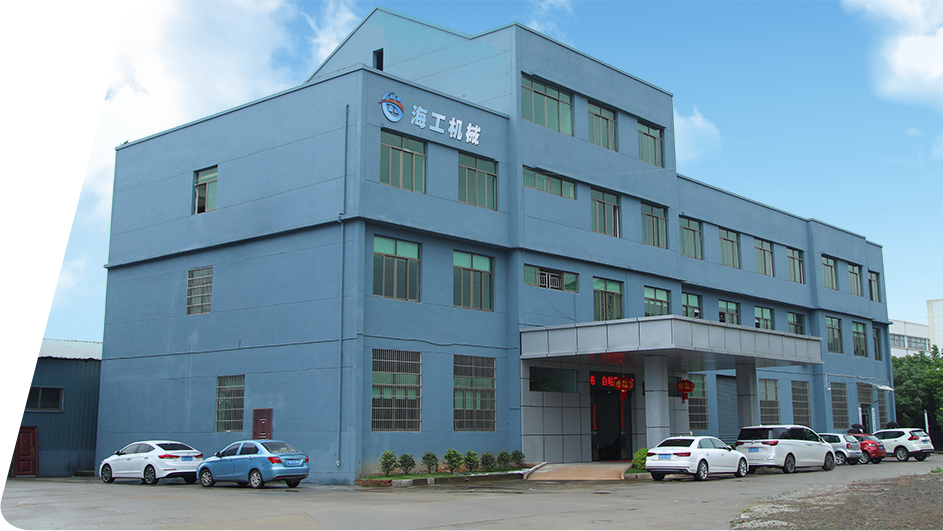
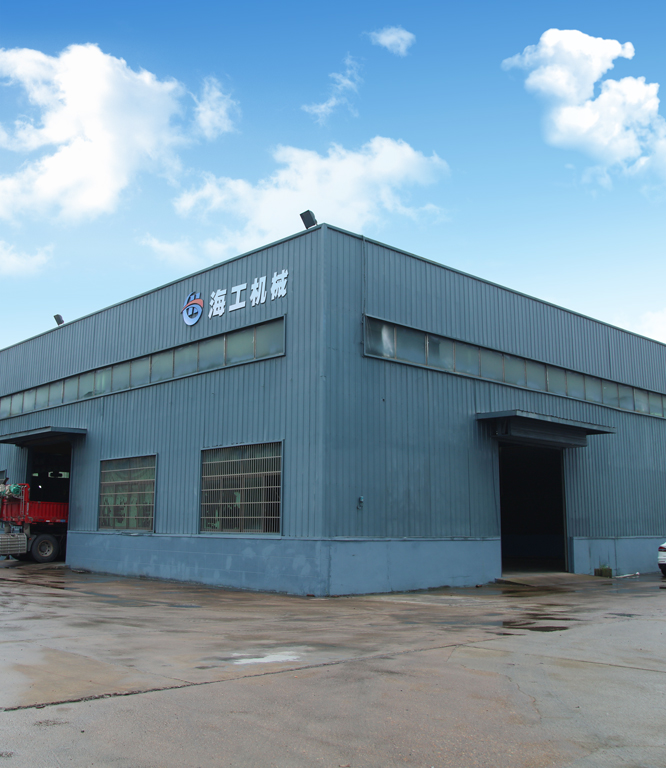
HG Nonwoven Machinery is a professional manufacturer of spunbond, meltblown, and composite nonwoven fabric machine lines, dedicated to providing high-efficiency and innovative spunbond nonwoven fabric production solutions to the global market. Our company introduced advanced design concepts, specifically the 5th Generation spunbond spinning technology from overseas, and integrated it with our own autonomous innovations to address the demanding needs of local and global markets.
Established as a well-known nonwoven fabric making machine manufacturer in Pujiang since 2014, Pujaing HG Nonwoven Machinery specializes in manufacturing PP spunbond and meltblown nonwoven fabric making machines with complete turnkey engineering service. Our machinery systems focus on producing high-performance, eco-friendly, and biodegradable spunbonded nonwoven fabrics, guaranteeing convenient operation, smaller installation area, lower power consumption, high efficiency, and low production costs.
The global demand for nonwoven fabrics is projected to grow substantially over the next decade, driven by several key factors: the expansion of the personal care and hygiene sector in emerging economies, rising infrastructure projects requiring geotextiles, and strict medical protection standards. Modern procurement agents are prioritizing machines that offer low Total Cost of Ownership (TCO) alongside high flexibility. Instead of single-purpose machines, buyers now look for hybrid solutions capable of shifting production between PP, PLA, and recycled polymers with minimal downtime.
Rising energy prices worldwide have made utility costs a significant component of fabric production overhead. Modern 5th Generation machines focus on reducing thermal losses in polymer melt delivery, utilizing high-efficiency induction heaters and smart vacuum air drafting systems to lower power consumption by up to 20% compared to traditional models.
Human error remains a major source of product waste. Smart factories require SCADA integration and real-time filament uniformity monitoring systems. Modern Chinese factories integrate automatic weight control, loop-locked temperature controllers, and remote diagnostics to ensure high web consistency.
Environmental policies are pushing manufacturers toward biodegradable options. Poly Lactic Acid (PLA) and recycled Polyethylene Terephthalate (rPET) require specialized thermal extrusion properties and drawing parameters to maintain fabric quality, which our customized designs accommodate.
China's nonwoven machinery industry has transitioned to advanced manufacturing paradigms characterized by precision components, digital integration, and strong supply chain clusters. This allows Chinese factories to maintain competitive delivery times and consistent machine performance.
By grouping component suppliers—such as induction heating units, high-grade calenders, specialized spinneret drillers, and advanced Siemens electrical units—within key industrial clusters, we guarantee robust parts availability and standardized quality controls. This integrated model significantly reduces manufacturing lead times, allowing us to build, calibrate, test, and ship complete multi-beam nonwoven lines much faster than regional competitors.
Moreover, China Factory 4.0 integrates digital tracking and diagnostic systems. If an operator in Europe, the Americas, or Southeast Asia encounters a calibration issue, our technical staff can log into the machine's PLC interface remotely. This digital monitoring model minimizes downtime and reduces the need for on-site visits, lowering operational risk for global buyers.

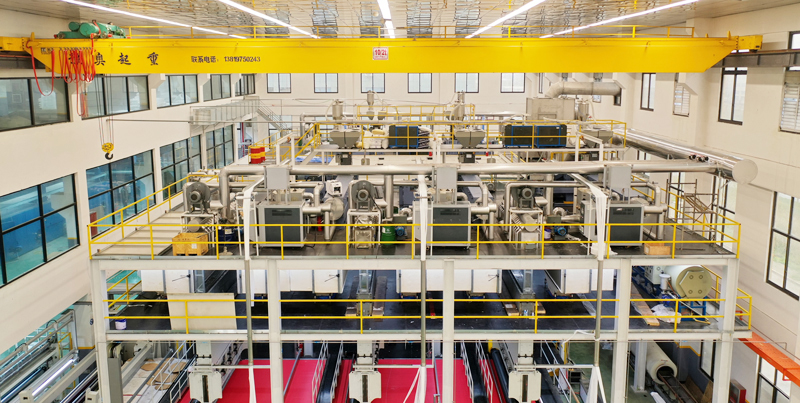
From structural layout planning to final operational training, we supply fully integrated industrial setups from A to Z.
Our machine lines incorporate modern design configurations and specialized melt distributors to ensure uniform polymer distribution, reducing structural thin spots across wide webs.
Leveraging deep sector experience, we assist clients in formulating local market studies, raw material procurement strategies, and financial feasibility reports before plant setup.
We provide a complete setup including scrap recycling systems, offline slitting systems, flexo printing units, lamination lines, and fully automated bag-making machines.
We provide complete on-site staff training, equipment calibration, and a 24-month technical service guarantee to ensure smooth operations from day one.
Our solutions are tailored to meet the specific requirements of various downstream nonwoven industries.

Non-woven fabric is essential in the hygiene sector, offering breathability, softness, and excellent fluid management for comfort and protection. It quickly absorbs liquid and keeps it away from the skin, making it ideal for paper diapers, incontinence pads, and feminine hygiene products.

Nonwovens fabrics are extensively used in the medical field and in protection against biological agents in other sectors. They deliver critical safety properties, such as prevention against infections and diseases. They are essential for making face masks, surgical gowns, bed sheets, and surgical towels, ensuring effective filtration, protection, and comfort.

Nonwoven fabric is ideal for a variety of packaging end-uses, as their exceptional lightweight, their energy-efficient production, shipping and storage, and their long life and robustness allow for two important features: volume reduction and re-usability. It is widely used for shopping bags, fruit bags, garment bags, rice bags, pocket springs, garment interlining, as well as packaging for pharmaceuticals and cosmetics.
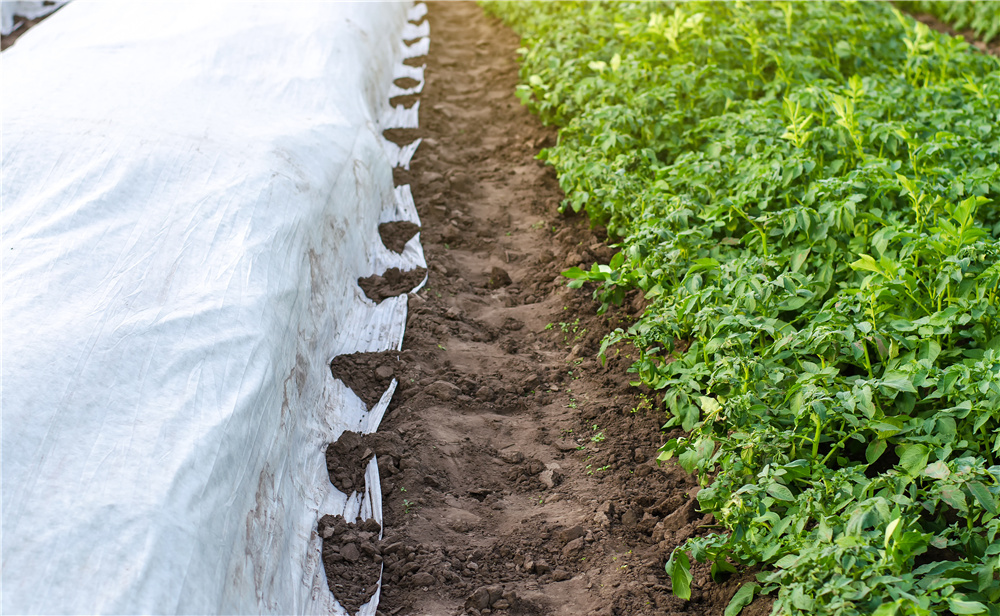
Agriculture Non Woven Fabric allows air and water to pass through while providing wind and cold protection by generating a microclimate around the crop. Furthermore, because nonwoven works as a physical protection media, it can assist prevent damage to crops, vegetables, and seeds from insects and birds. Nonwoven materials can assist regulate heat, UV blocker agriculture, while also providing superior air and water permeability.
Analyzing the layer configuration and barrier attributes of S, SS, SMS, SMMS, and SSMMS fabrics.
In the nonwoven sector, the layer configuration directly determines the fabric's physical performance characteristics. Spunbond (S) layers provide structural rigidity, tear resistance, and tensile strength. However, single-layered webs lack sufficient liquid and particulate barrier properties due to their larger pore sizes.
To improve performance, manufacturers utilize Meltblown (M) technology. Meltblown fibers are much finer than spunbond filaments, creating a dense, micro-porous web structure that functions as a physical filter. By combining these processes, composite lines achieve balanced strength and filtration performance:
Our 5th Generation lines are engineered to process high-melt-index polypropylene polymers, maintaining uniform distribution across all layers to ensure consistent physical properties and minimal material waste.
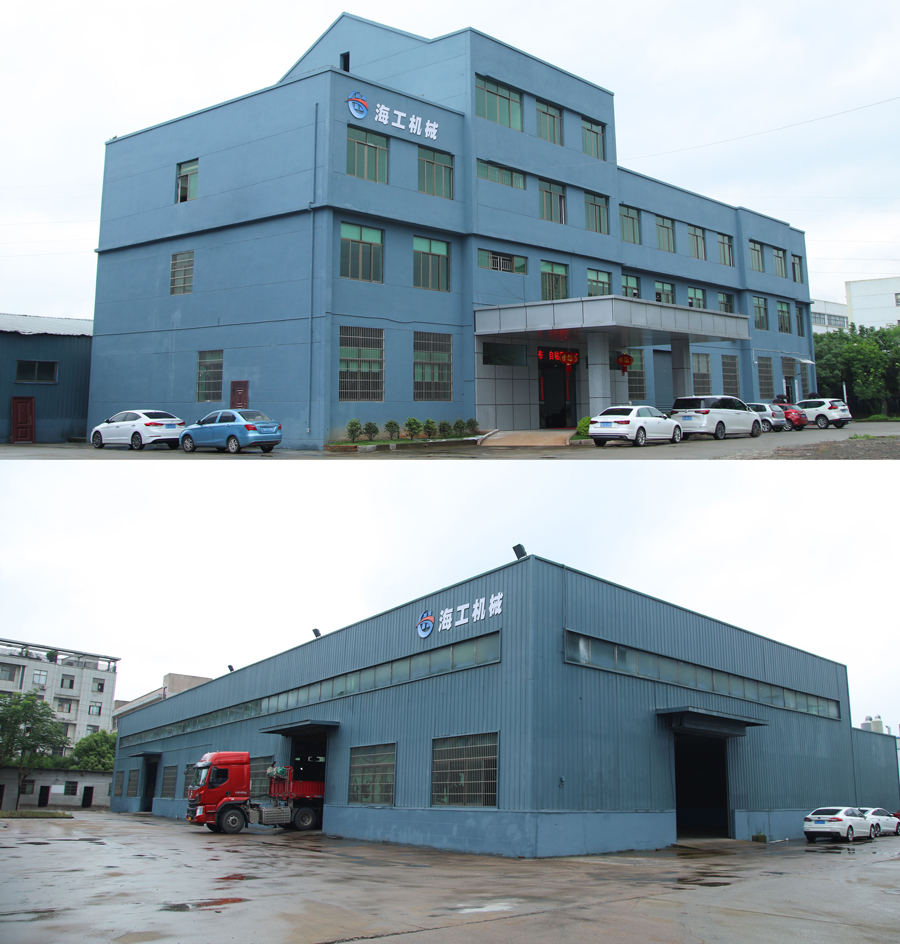
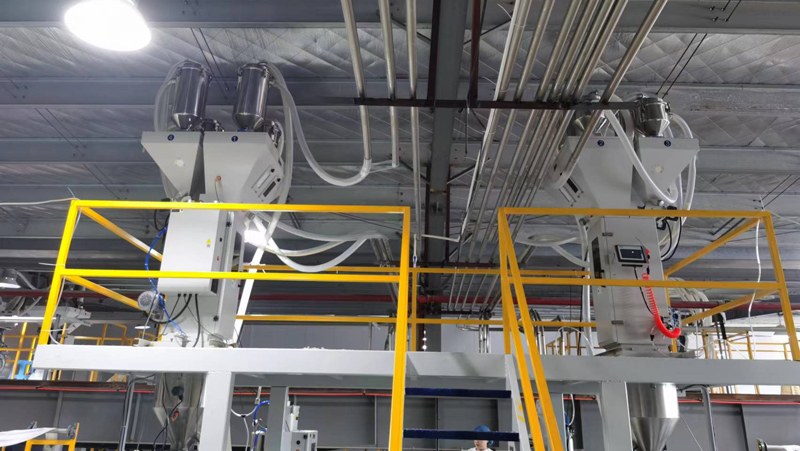
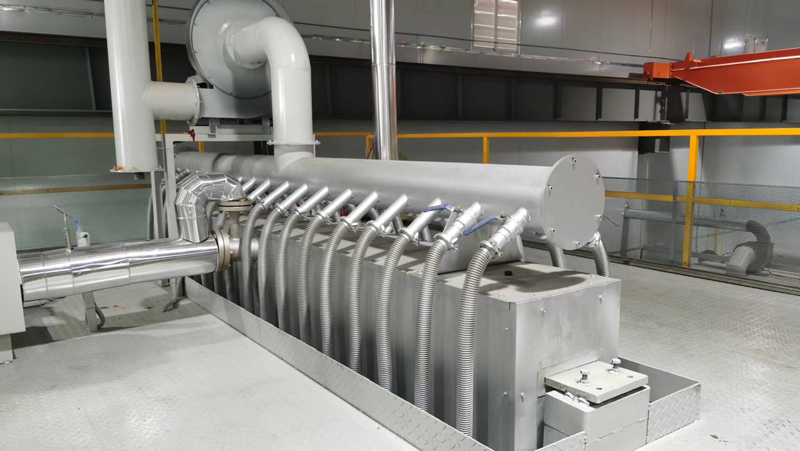
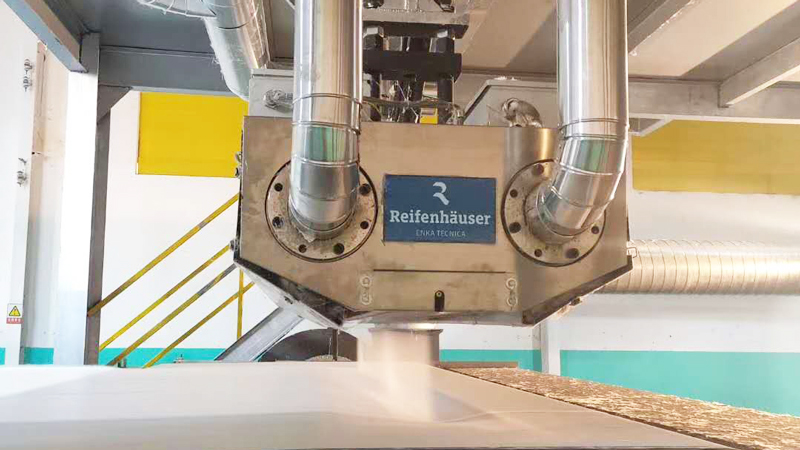
A look inside our facility and assembly processes, showcasing the precision and control of our production lines.
Essential technical and commercial answers for international procurement teams evaluating nonwoven equipment.
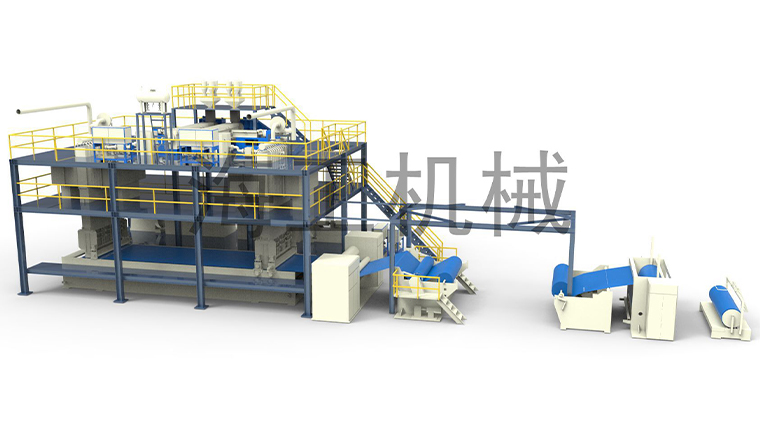
Our primary machine designs engineered for high-demand nonwoven applications.
Designed for packaging bags, furniture interlining, and agricultural applications, providing strong tensile strength and yield rates.
View More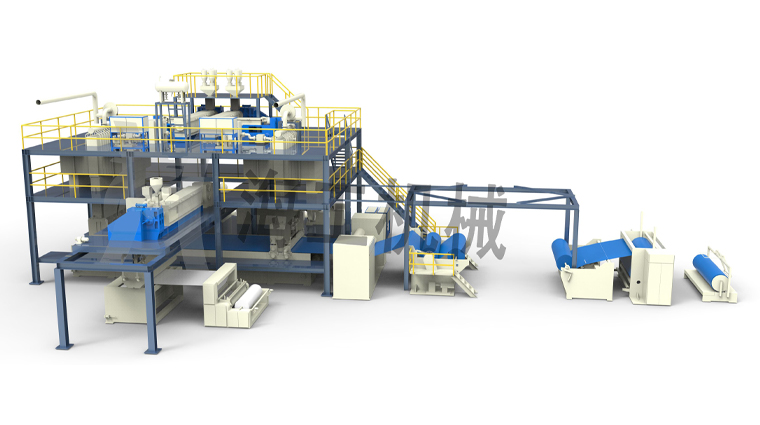
Engineered for hygiene and medical applications, delivering balanced barrier protection and breathability.
View More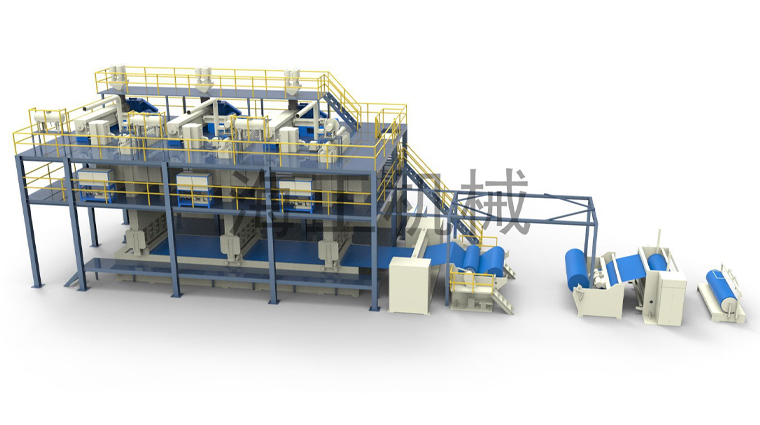
A 4-layer configuration offering high filtration efficiency and barrier defense compared to standard SMS fabrics.
View More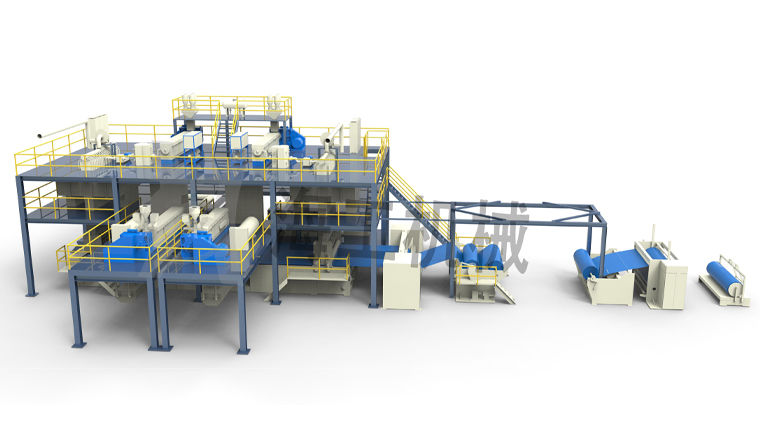
High-specification barrier performance with optimized softness and comfort for critical medical uses.
View MoreBrowse our extended product options designed to meet specific factory outputs and footprint requirements.
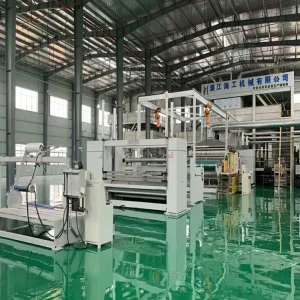
A reliable, single-beam system configuration optimized for start-up operations and lightweight packaging fabric requirements.
View Details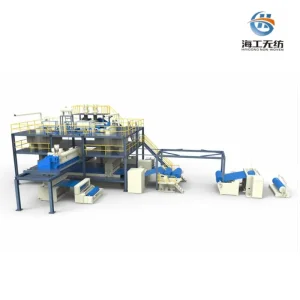
A versatile, multi-purpose line capable of producing both single and multi-layered configurations to adapt to changing market demands.
View Details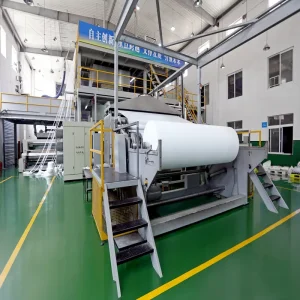
Standard high-efficiency filament drafting line delivering consistent denier and uniform fabric laydown.
View Details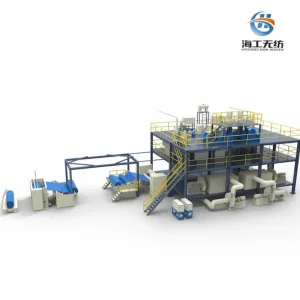
High-speed production configuration combining spunbond tensile strength with meltblown filtration layers.
View Details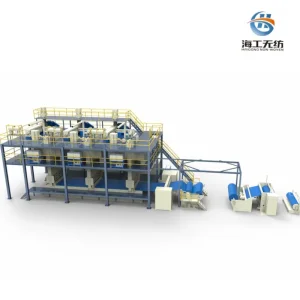
Industrial-grade line designed for continuous filament processing, delivering high tensile strength in both machine and cross directions.
View Details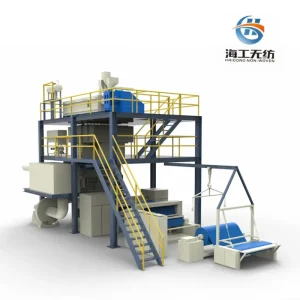
A space-saving 1.6-meter width production line, optimized for energy efficiency and targeted narrow-width fabric manufacturing.
View Details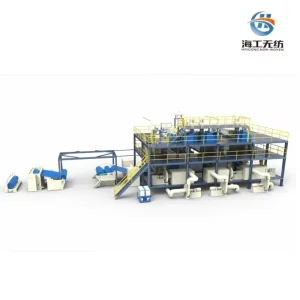
A specialized line designed to meet strict clean-room standards, producing high-barrier medical textiles and surgical draping.
View Details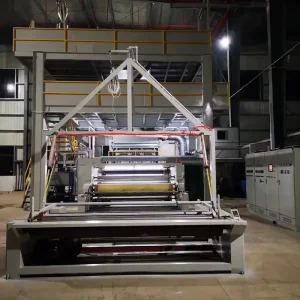
High-speed, automated production system utilizing 5th Gen spinning design to maximize throughput while reducing energy costs.
View Details HG NONWOVEN