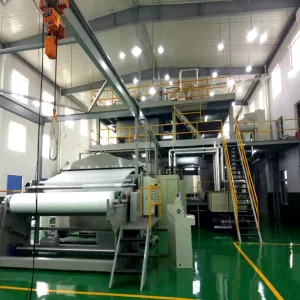
In the rapidly expanding landscape of technical textiles, non woven fabrics serve as the structural backbone for applications ranging from life-saving medical gear to sustainable agricultural protective barriers. However, the final quality of these engineered fabrics is fundamentally dependent on the downstream processing efficiency, where the non woven fabric winding machine plays a vital, defining role. As a leading China Non Woven Fabric Winding Machines Manufacturer, we understand that winding is not merely a collection step; it is the critical phase where tension, density, roll uniformity, and mechanical alignment converge to prepare materials for converting processes.
When processing spunbond, meltblown, or SMS composite fabrics, maintaining constant tension is critical. Fluctuations in tension lead to issues like web necking, stretching, or wrinkling. Industrial winders must utilize high-precision closed-loop control systems. These systems dynamically adjust torque on the winding shafts based on continuous feedback from load cells and ultrasonic diameter sensors.
Furthermore, automatic edge guiding systems ensure that the fabric rolls have straight edges, preventing scrap and reducing downstream processing waste. By integrating advanced slitting units right before the winding drums, manufacturers can produce clean-cut rolls ready for immediate distribution, optimizing overall operational efficiency.
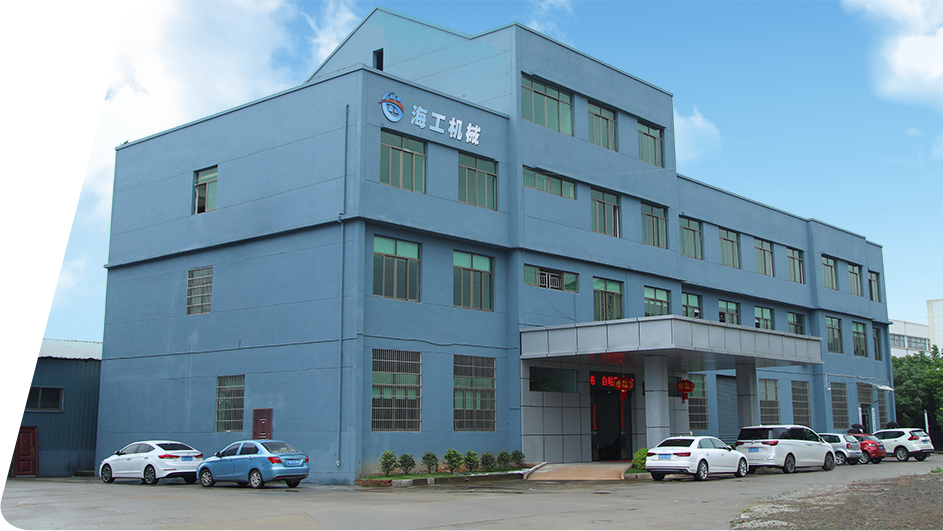
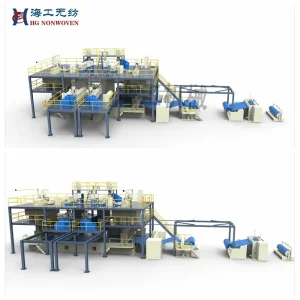
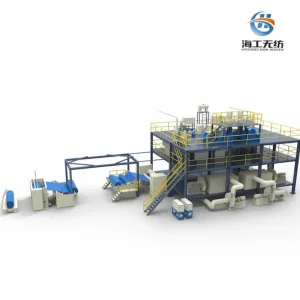
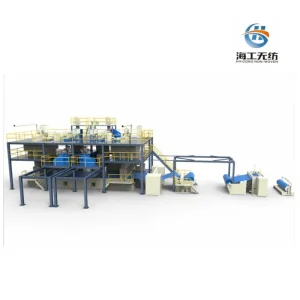
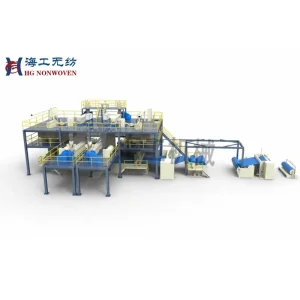
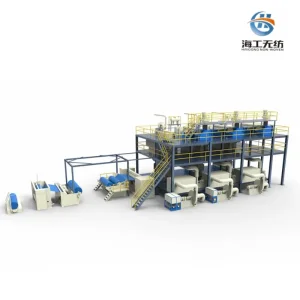
Established in 2014, Pujiang HG Nonwoven Machinery has emerged as an industry leader in manufacturing high-performance PP spunbond, meltblown, and composite nonwoven fabric production lines. With a heritage spanning over two decades of industry expertise, our engineering teams design, construct, and implement customized solutions that combine raw material processing with high-speed automated winding technologies.
Years Industry Experience
Production Lines Deployed
Export Countries & Regions
Months Extended Support
Our core competence centers on the continuous research and development of 5th Generation spunbond spinning technology. By integrating advanced thermodynamic designs with localized market demands, HG Nonwoven Machinery has engineered systems characterized by convenient operation, compact layouts, low power consumption, and high raw material efficiency.
We deliver complete turnkey engineering services, including local market analysis, project feasibility studies, machine configuration, layout planning, raw material sourcing assistance, on-site installation, and comprehensive personnel training. This guarantees a seamless transition from installation to full-capacity production.
Procurement requirements for nonwoven production lines and winding equipment vary significantly by region. Modern factories evaluate machinery based on strict criteria designed to minimize operational risk and maximize return on investment.
Industrial winders must minimize manual operations. Automatic shaft handling, turret winding systems, and integrated inline cutting processes reduce operator risk and prevent downtime during roll changes.
Rising electricity costs globally make energy efficiency a priority. Our winding machinery features high-efficiency variable frequency drives (VFD) and regenerative braking systems that feed energy back into the power grid.
Modern manufacturers require versatile systems that handle lightweight hygiene materials (10-15 gsm) as well as heavy agricultural protection covers and packaging materials (up to 150+ gsm).
High-speed fabric winding is complex. To prevent defects, HG Nonwoven Machinery implements advanced mechanical designs and closed-loop control systems.
At speeds exceeding 200 m/min, tension control is critical. Our winding units utilize ultra-responsive pneumatic load cells and dancers linked to high-frequency PLC units. This setup monitors and corrects winding tension in real-time, preventing telescoping, roll crushing, and core slippage.
Our machines offer flexible configuration. Surface winding is used for dense, durable rolls, while center winding handles loftier, sensitive materials (like high-loft hygiene sheets). The automated system changes winding modes based on the recipe selected on the HMI panel.
To streamline production, high-durability circular blades slice the moving web to the required widths before winding. Edge trims are extracted by a high-power venturi blower and fed into our PP recycling system, minimizing waste and optimizing resource efficiency.
Nonwoven fabrics serve diverse industries, each with unique requirements. Choosing the correct machinery configuration depends on your target market:
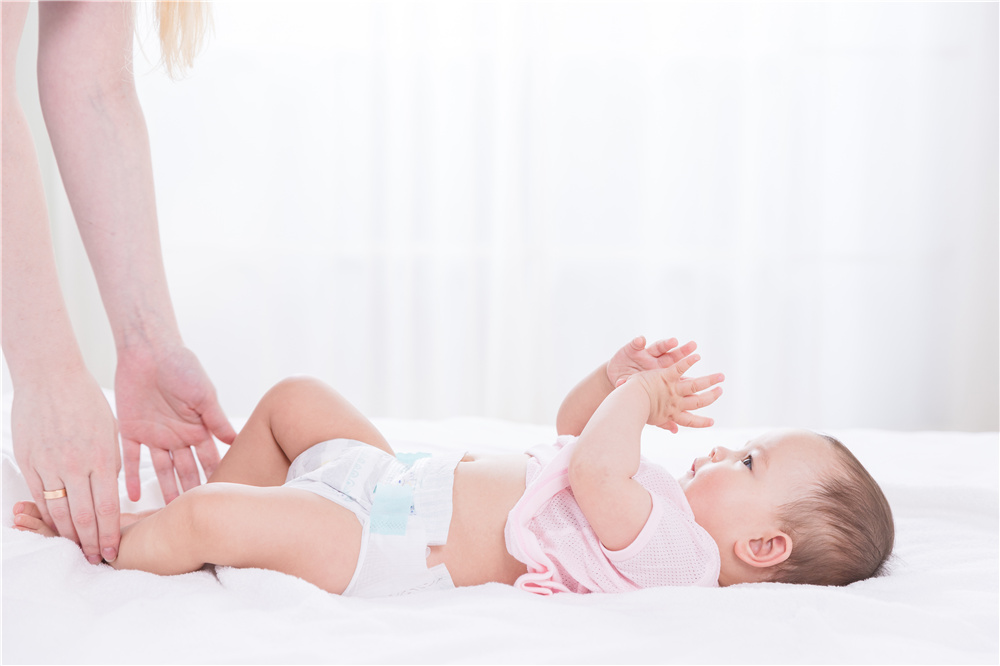
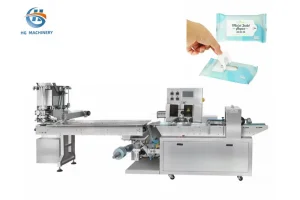
Nonwoven fabric is essential in the hygiene sector, offering breathability, softness, and excellent fluid management for comfort and protection. Our winders process lightweight fabrics gently to maintain the loft and absorbency required for diapers, pads, and adult incontinence products.

Medical-grade fabrics require high barrier properties and filtration efficiency. SMS and SMMS lines are coupled with dust-free winding setups to prevent contamination, producing sterile rolls suitable for surgical gowns, drapes, and protective masks.
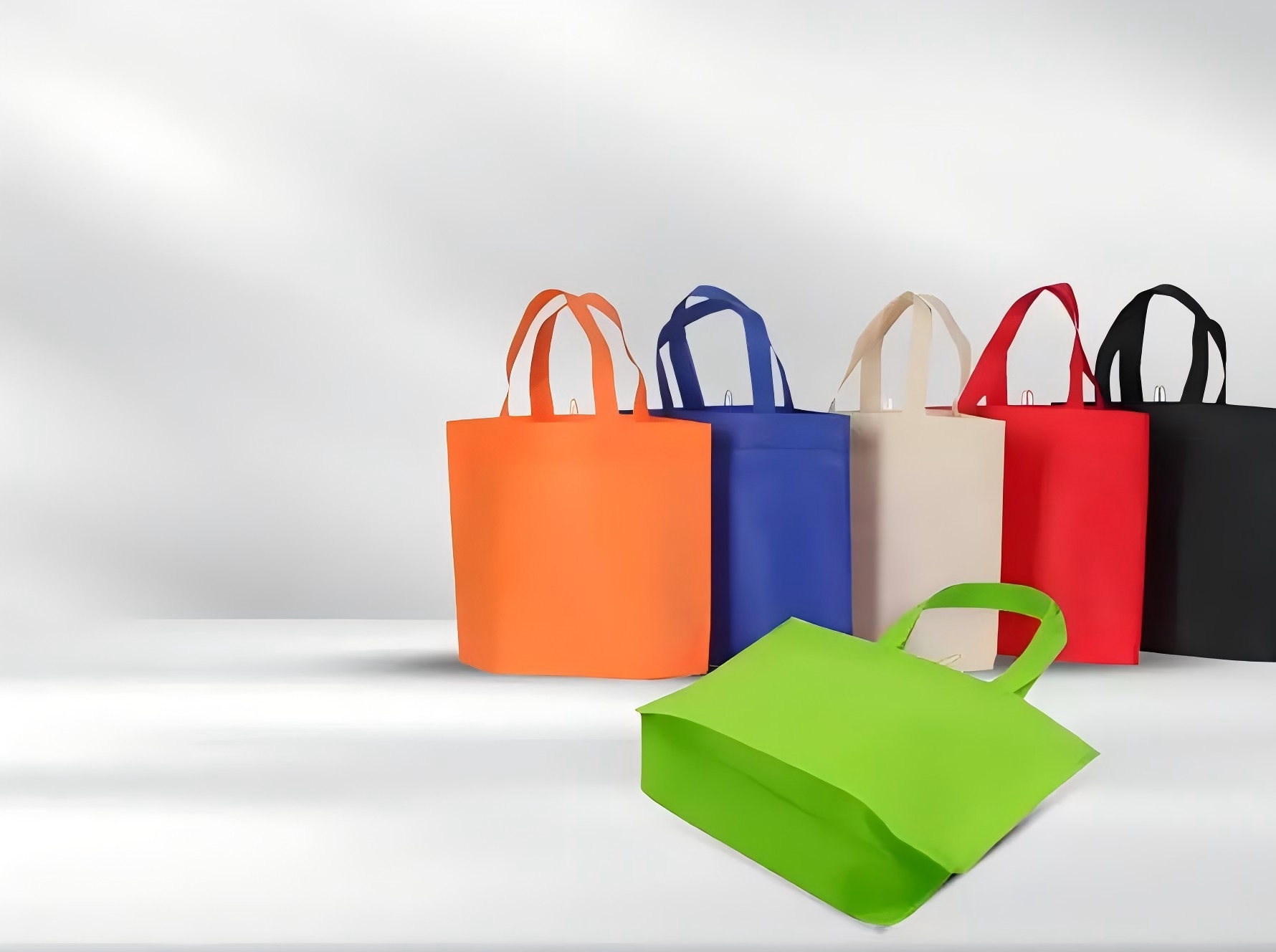
Packaging nonwovens must be robust and cost-effective. Our high-speed winders handle heavy spunbond materials, wind them tight, and slit them cleanly for fast processing in shopping bag and protective wrap manufacturing.
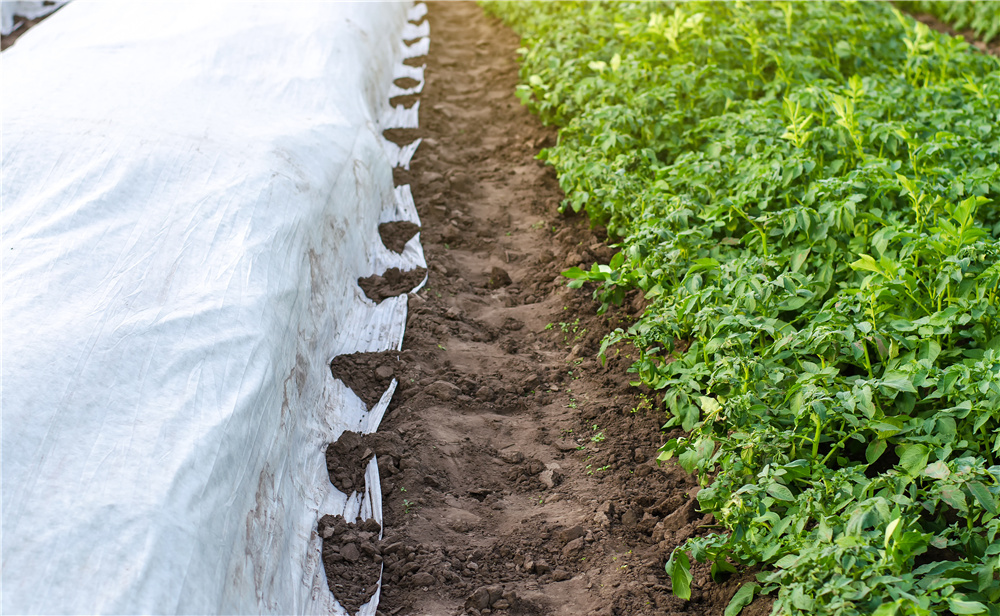
Agricultural nonwovens require integrated UV blockers and specific air/water permeability. We offer heavy-duty winding and slitting systems that handle large diameter rolls, preparing them for field deployment.
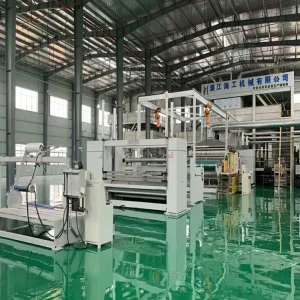
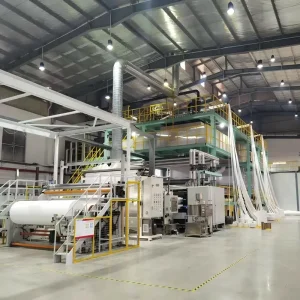
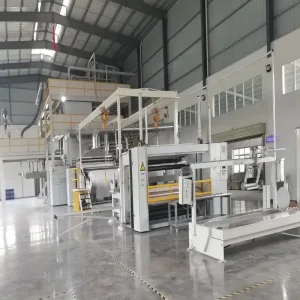
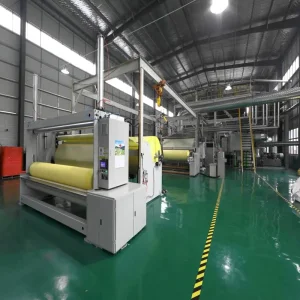
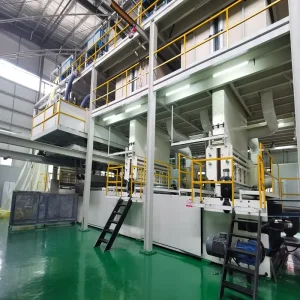
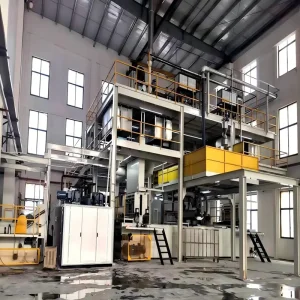
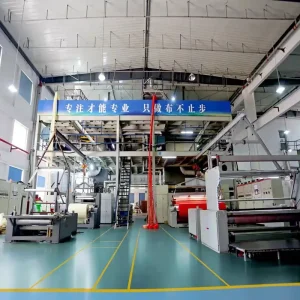
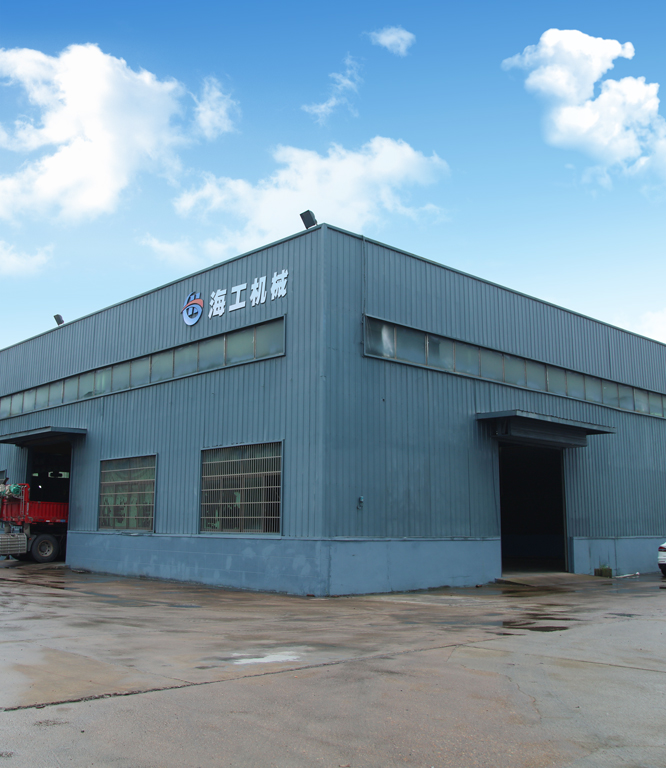
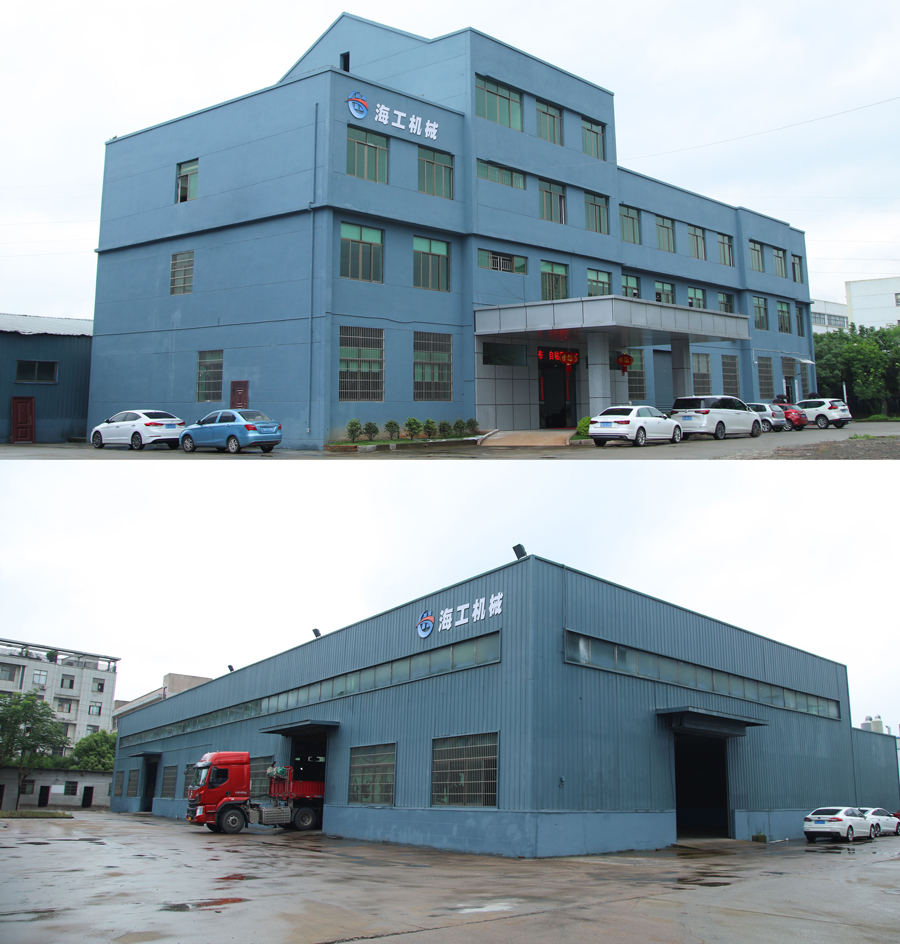
HG Nonwoven Machinery combines advanced design concepts with precision manufacturing to deliver reliable industrial platforms. We operate state-of-the-art production floors where critical mechanical components are machined and tested.
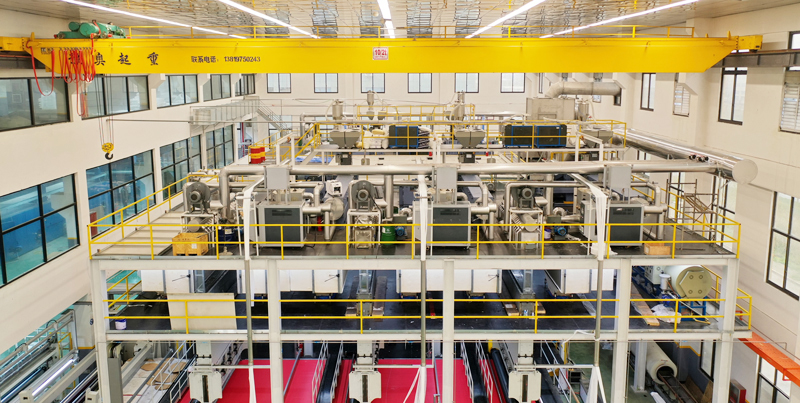
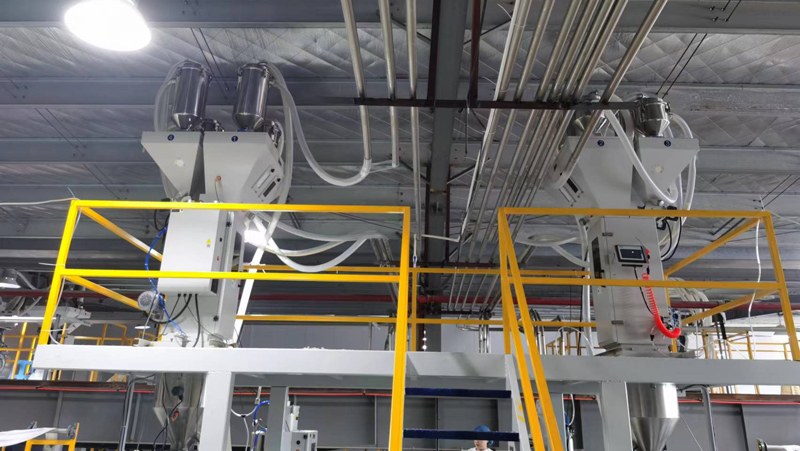
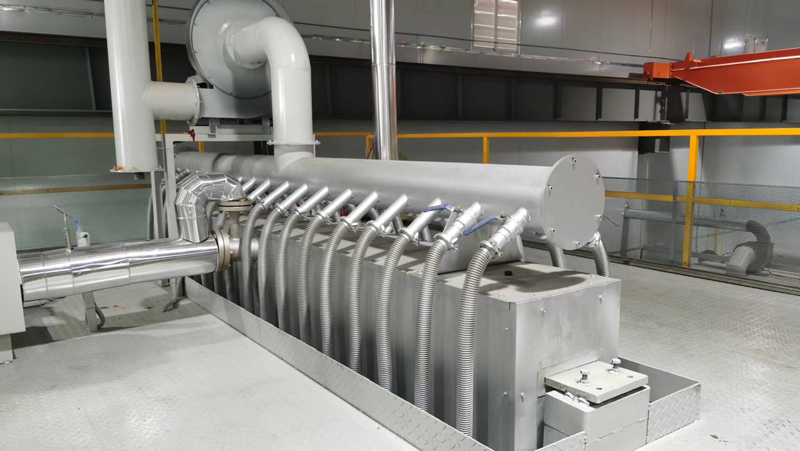
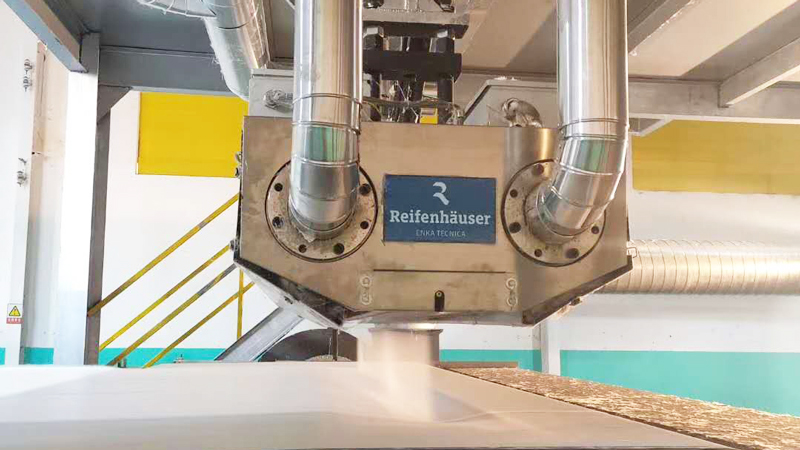
Investing in a nonwoven production line represents a major capital commitment. HG Nonwoven Machinery supports your project at every phase:
We leverage our industry experience to provide detailed regional market analysis, helping you define product configurations, target pricing, and calculate project ROI.
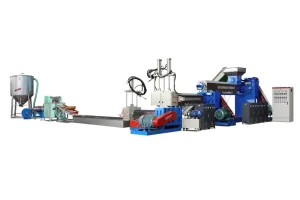
We supply the entire production environment: PP recycling systems, inline slitting units, lamination systems, and downstream bag-making machinery, ensuring a fully integrated factory setup.
We provide a 24-month comprehensive engineering warranty. Our expert technicians are available for on-site commissioning, system tuning, and operator training, supported by rapid digital diagnostics.
Find authoritative answers to technical and operational questions regarding nonwoven fabric winding and production technologies.
 HG NONWOVEN