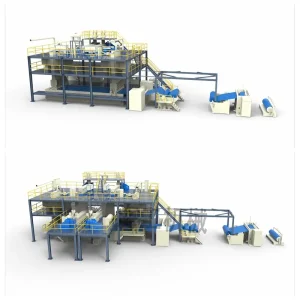
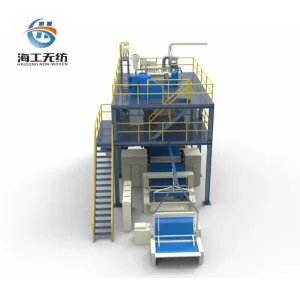
In the modern manufacturing paradigm, nonwoven materials stand as an indispensable cornerstone of medical hygiene, filtration systems, civil engineering geotextiles, and high-performance agricultural barriers. The global trade for China Non Woven Fabric Rolls is driven not only by raw roll supply but fundamentally by the technology, precision, and efficiency of the mechanical assets producing them. For procurement officers and industrial plant managers, sourcing top-tier nonwoven materials is intrinsically linked to understanding the engineering capability of the plant machinery behind the roll.
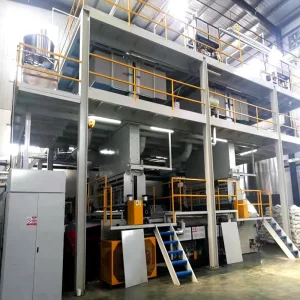
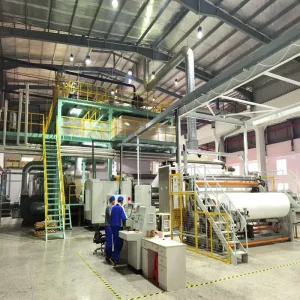
At HG Nonwoven Machinery, we have bridged the gap between advanced mechanical engineering and roll quality optimization. By introducing the 5th Generation spunbond spinning technology concept from international developments and integrating our proprietary market innovations, we deliver system machinery characterized by reduced area footprints, optimized power consumption profile, and class-leading low operating costs.
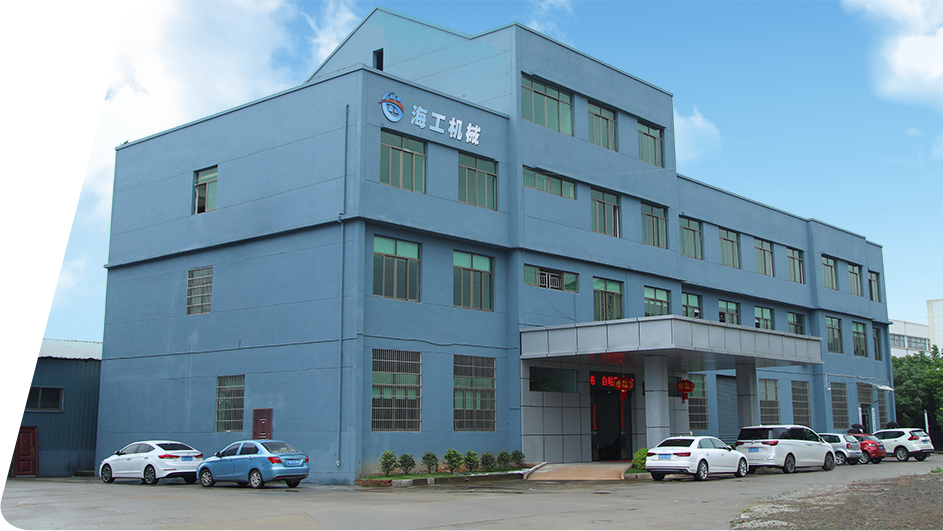
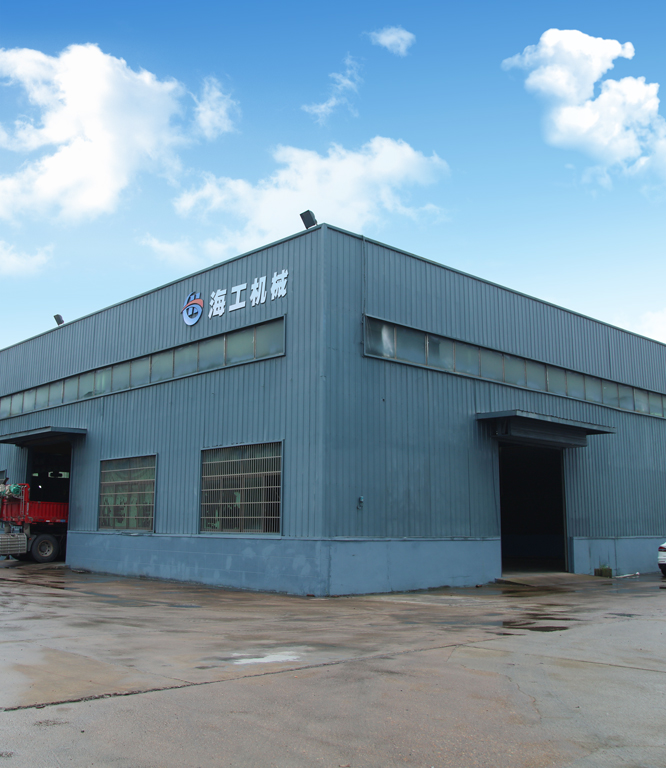

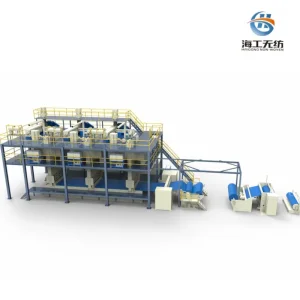
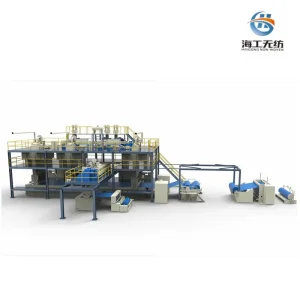
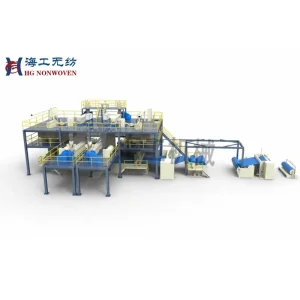
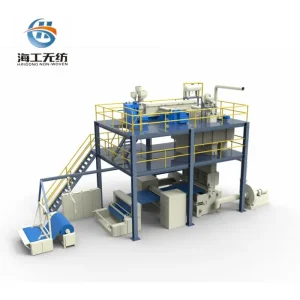
Established as an industry benchmark in 2014, Pujiang HG Nonwoven Machinery operates as a specialized turnkey engineering firm, manufacturing PP spunbond, meltblown, and composite nonwoven fabric lines. We emphasize environmental compatibility, low energy demand, and structural longevity, enabling production of eco-friendly, biodegradable, and high-tensile spunbonded nonwoven fabrics.
By managing the entire machine fabrication cycle—from initial drafting and dynamic melt distribution modeling to installation, commission training, and digital optimization—we guarantee a stable supply path for factories looking to dominate their local regional nonwoven fabric roll markets.
Our spunbond and meltblown lines are engineered to minimize energy overhead. Each system is customized to output specified denier ranges, tensile strengths, and filament uniformity profiles requested by regional markets.
We deliver macro-industry feasibility analysis and localized demographic market reports, giving processing plants accurate data for capital expenditure forecasting and payback tracking.
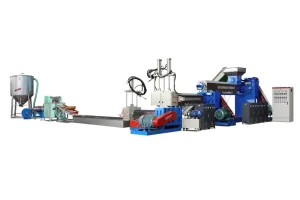
In addition to core PP extrusion systems, we supply all secondary machinery including nonwoven recycling granulators, slitting lines, flexo printing units, lamination systems, and automatic bag-making hardware.
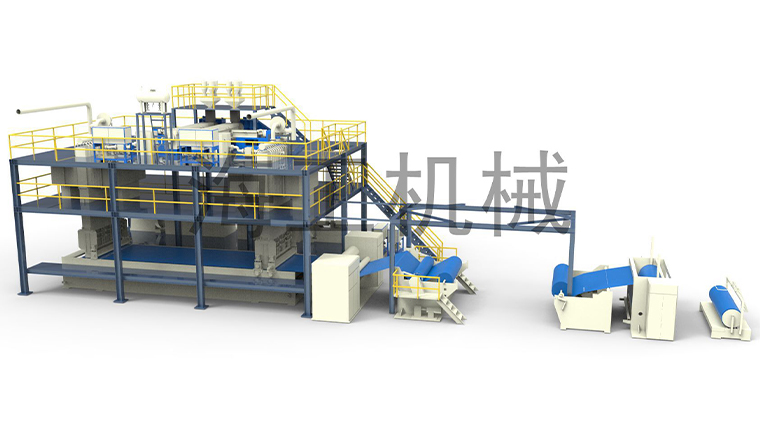
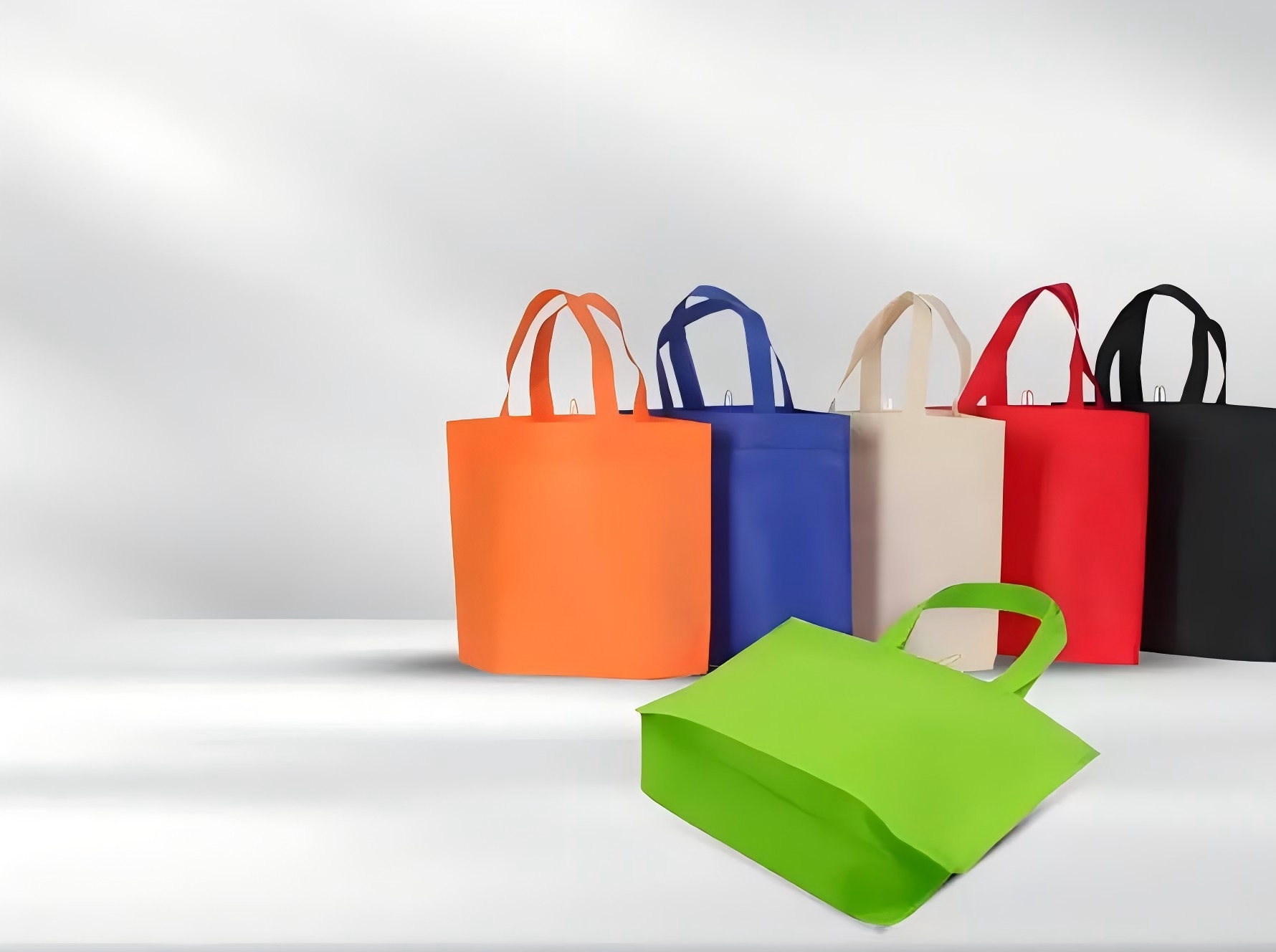
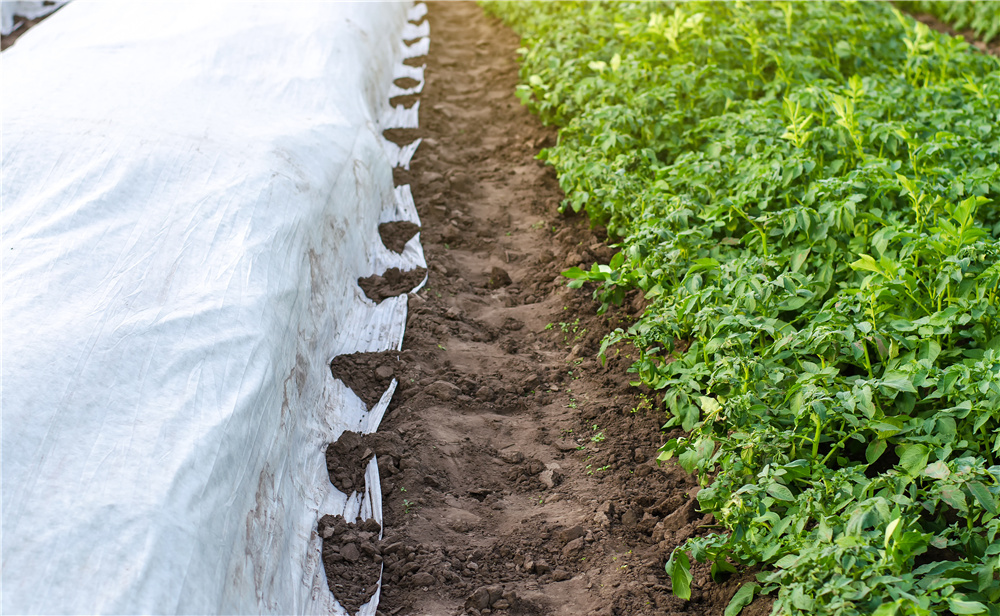
Specifically designed for manufacturing packaging bags, structural furniture interlinings, and agricultural microclimate sheets.
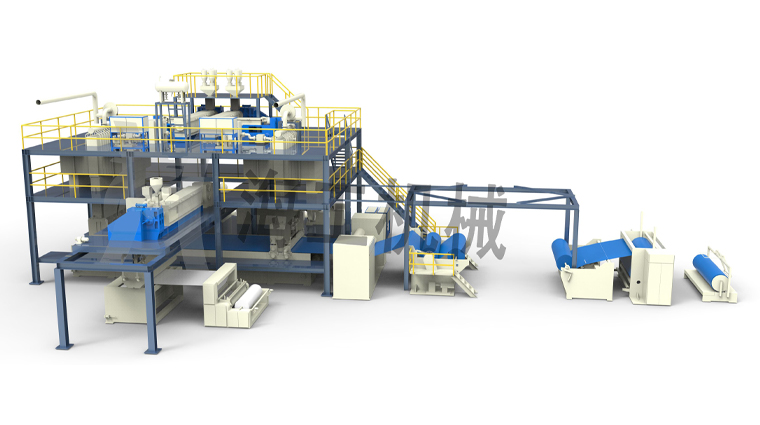
Engineered for critical medical barrier textiles, offering high barrier resistance, anti-static safety, and medical hygiene compliance.
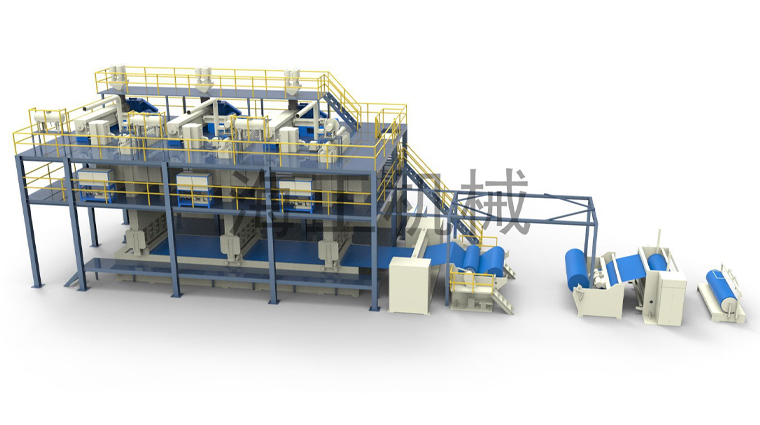
Four-layer meltblown/spunbond hybrid systems designed to achieve enhanced air filtration efficiency and hydrostatic pressure protection.
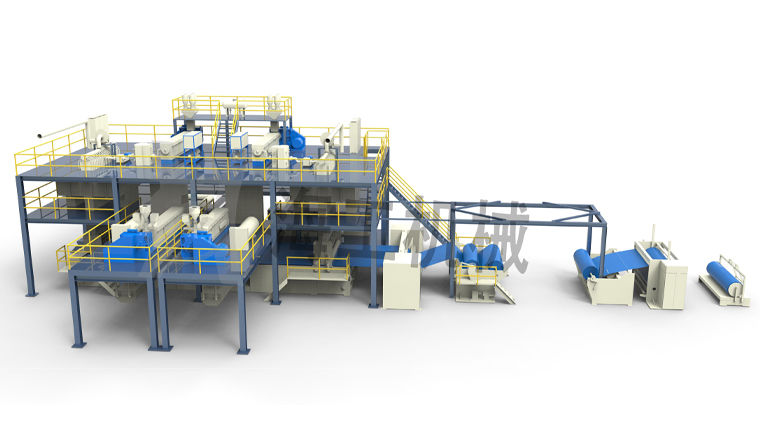
Top-tier high-performance infrastructure delivering exceptional liquid resistance, structural softness, and wear comfort parameters.
Understanding product application parameters is key to mechanical line selection. Let us match your market needs with specialized production structures.
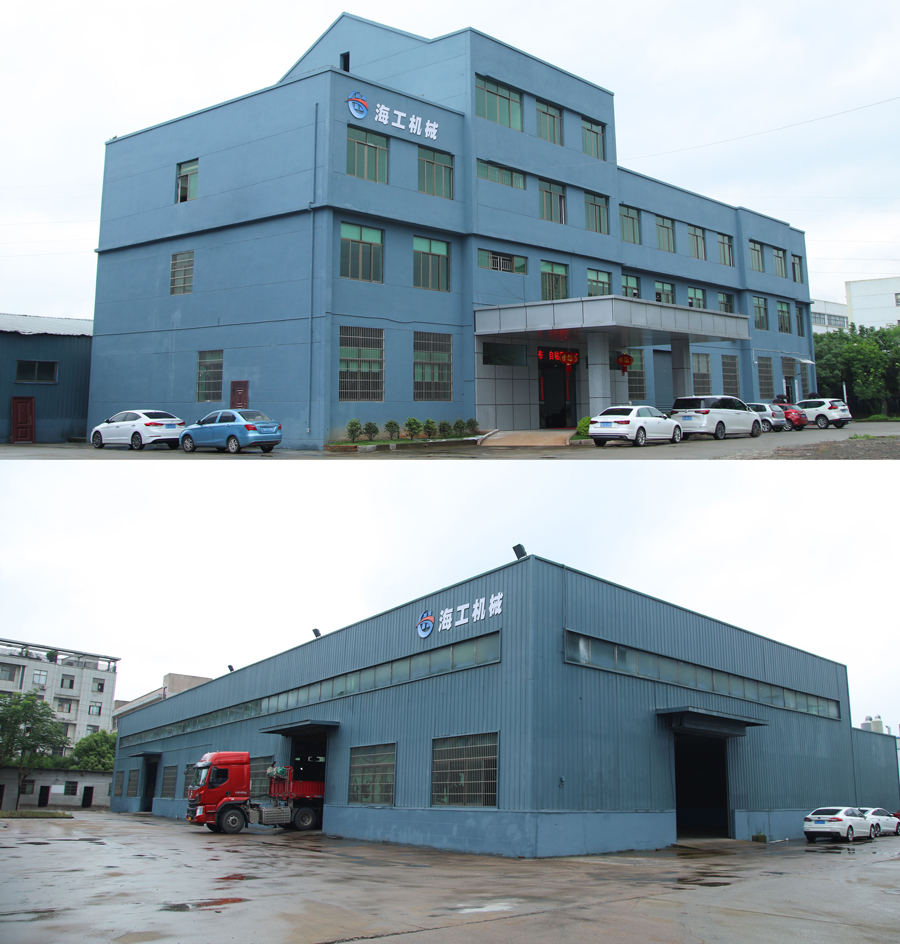
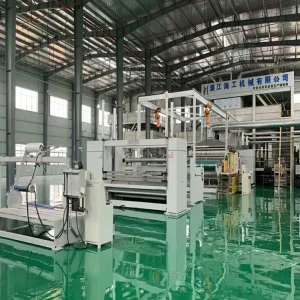
Building high-quality systems that balance performance and low-energy operations is the key metric of our production plant line manufacturing philosophy. We support you through continuous feedback, factory layout development, parameter balancing, and operational staff training programs.
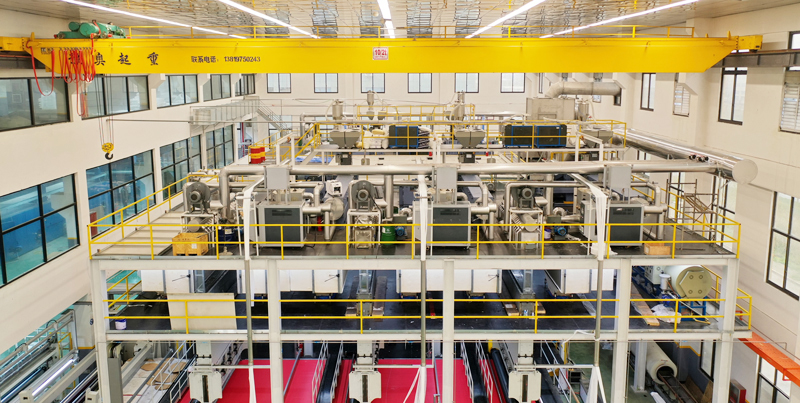
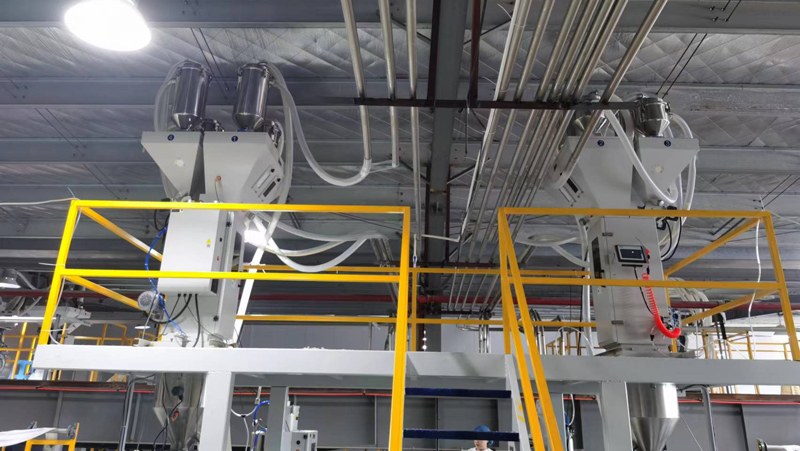
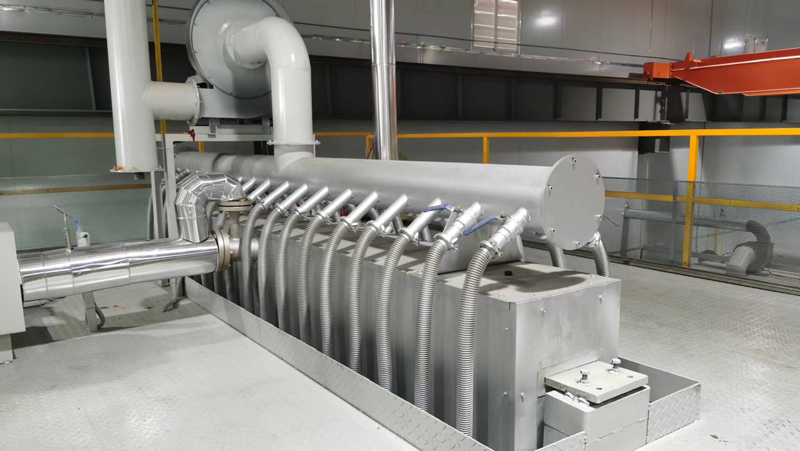
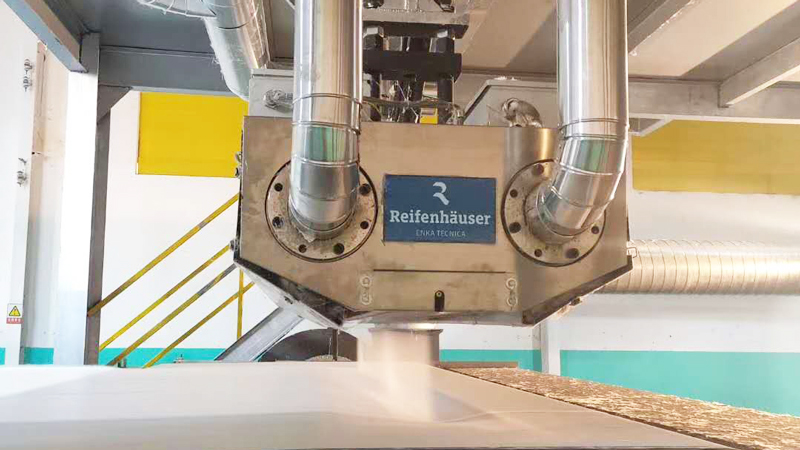
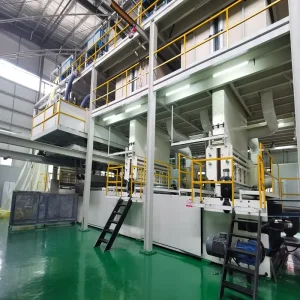
The core advancement of the 5th generation design focuses on air-drawing dynamics. By using high-pressure cooling air channels, we stabilize the polymer web before it hits the calender. This design guarantees consistent fiber distribution across high-speed runs, which significantly reduces the risk of thin spots and structural failure.
By monitoring melt pressure, die-head temperatures, and air drawing velocities in real-time, the HG automation platform keeps the output fabric's tensile values stable within ±3%. This stability makes our machines ideal for demanding hygiene and medical roll supply applications.
International buyers must navigate complex regulatory standards like the European CE directives, FDA standards for food contact barriers, and ISO ISO9001:2015 quality frameworks. HG Nonwoven Machinery integrates quality management systems into our build processes, matching all control panels, safety shut-offs, and electrical designs to European and North American industrial standards.
We work directly with your engineering teams to pass local factory safety audits, ensuring quick startup times with minimal compliance delays.
As governments globally implement single-use plastic restrictions, the nonwoven sector is rapidly shifting toward biodegradable polymers. Our research team has optimized the thermal profiling and air-cooling parameters of our systems, allowing operators to run both standard polypropylene and bio-based plastics like Polylactic Acid (PLA) on the same machine lines with minimal tooling changes.
We've also added waste-heat recovery units that capture thermal energy from the extrusion processes, feeding it back to pre-heat raw polymer inputs. This cycle reduces operational electrical demands by up to 15%, significantly lowering your overall carbon footprint and cost per ton.
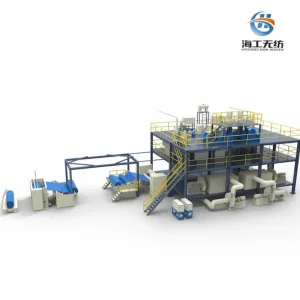
HG's 5th generation design integrates high-velocity air attenuation with automated temperature control across the melt profile. This layout reduces electricity usage per ton of fabric and provides consistent thickness distribution (even at low GSM), resulting in high-tensile fabric rolls suitable for premium downstream converting processes.
Yes, our newer systems feature adaptable screw designs and multi-zone thermal cooling setups. These allow operators to switch from traditional Polypropylene (PP) to Polylactic Acid (PLA) polymers with minimal system components swap-outs, helping factories meet growing eco-friendly market requirements.
We offer comprehensive 24-month after-sales service. This includes direct factory layout blueprints, physical on-site mechanical installation, system commission testing, and on-site training for your local operators. Our digital connection team is also available to resolve operational challenges remotely.
Yes, we provide full turnkey integration (A to Z). Our engineers can link inline slitting machinery, flexographic printing units, hot air laminators, recycling extruders, and bag makers directly to your primary spunbond production block, creating a seamless factory workflow.
 HG NONWOVEN