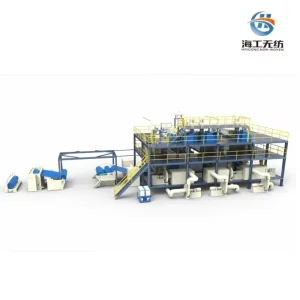
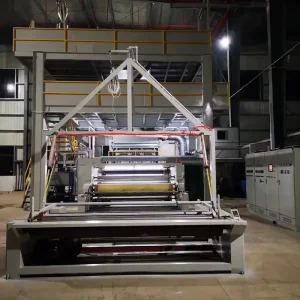
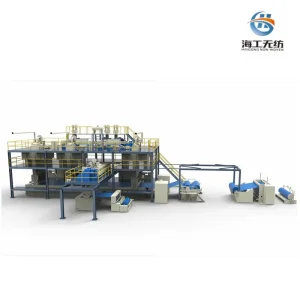
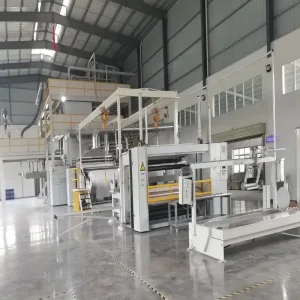
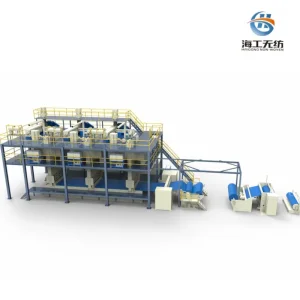
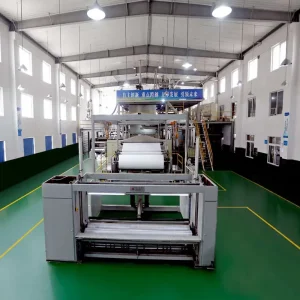
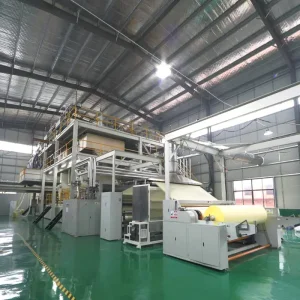
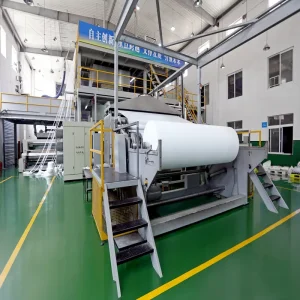
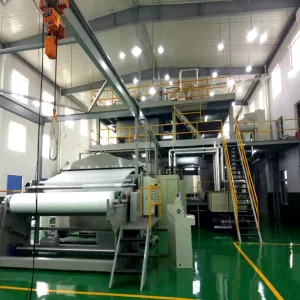
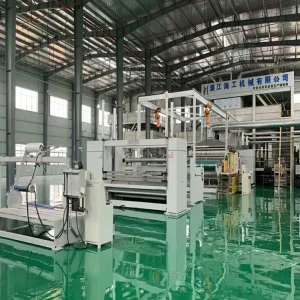
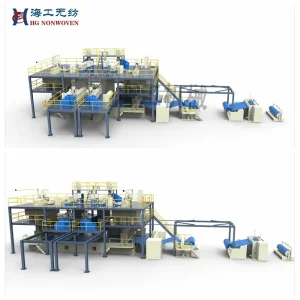
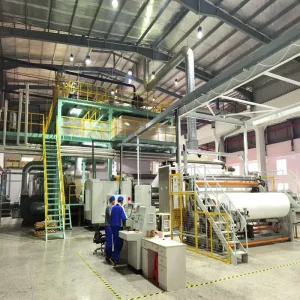
Explore our state-of-the-art spunbond and composite nonwoven extrusion systems optimized for high throughput, minimal waste, and low energy draw.
In-depth market dynamics, technical trends, and macroeconomic paradigms shaping the nonwoven industry.
The global demand for high-performance non woven fabric rolls has witnessed unprecedented expansion over the last decade. Historically utilized for basic packaging and agricultural shielding, modern nonwoven roll technology has evolved into a highly engineered sector driven by advances in polypropylene (PP) polymer science, thermal bonding, and melt-blown filtration. Key industries ranging from clinical medicine and personal hygiene to structural filtration and geotechnical engineering rely heavily on the uniform tensile distribution and micro-porosity of spunbond materials.
As the international supply chain shifts toward higher sustainability indices and optimized raw material consumption, sourcing from a competent China non woven fabric roll supplier has transition from a simple cost-reduction procurement strategy to a deep, collaborative technological partnership. Modern suppliers must demonstrate compliance with rigid ecological frameworks, deliver verifiable quality management certifications, and provide comprehensive downstream integration options, from initial polymer pellet feeding to automated packaging of the final slitted roll.
The modern nonwoven market is heavily optimizing for "Material Thinning and Performance Enhancement"—demanding lighter gram-weight-per-square-meter (GSM) fabrics that retain superior barrier capabilities, high hydrostatic head pressure resistance, and structural integrity. Achieving this requires precise thermal calender mapping and sophisticated multi-beam extrusion configurations.
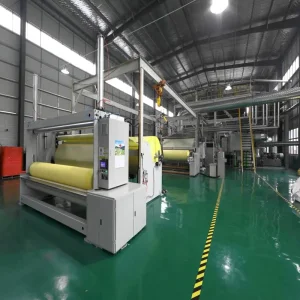
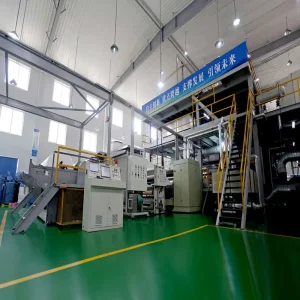
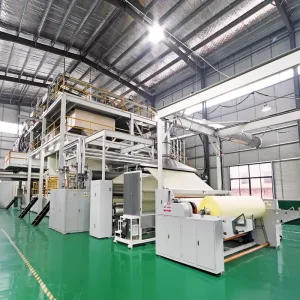
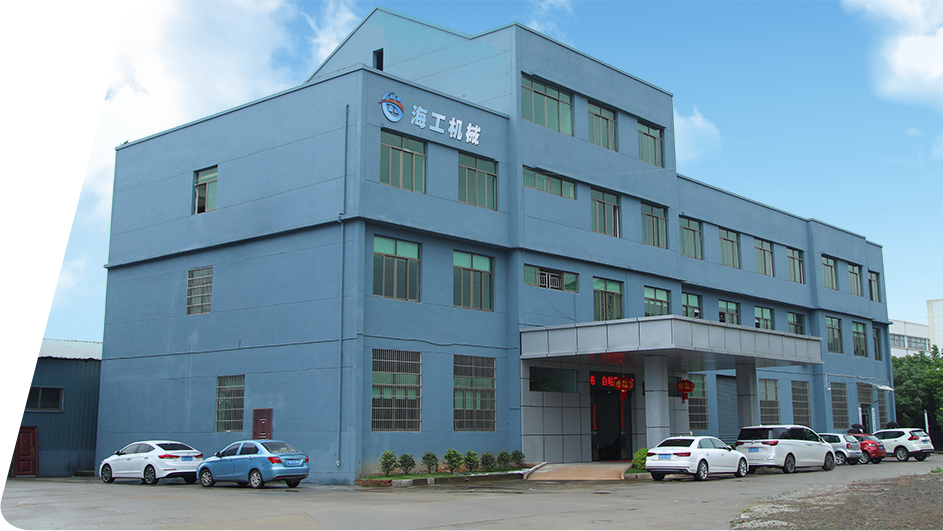
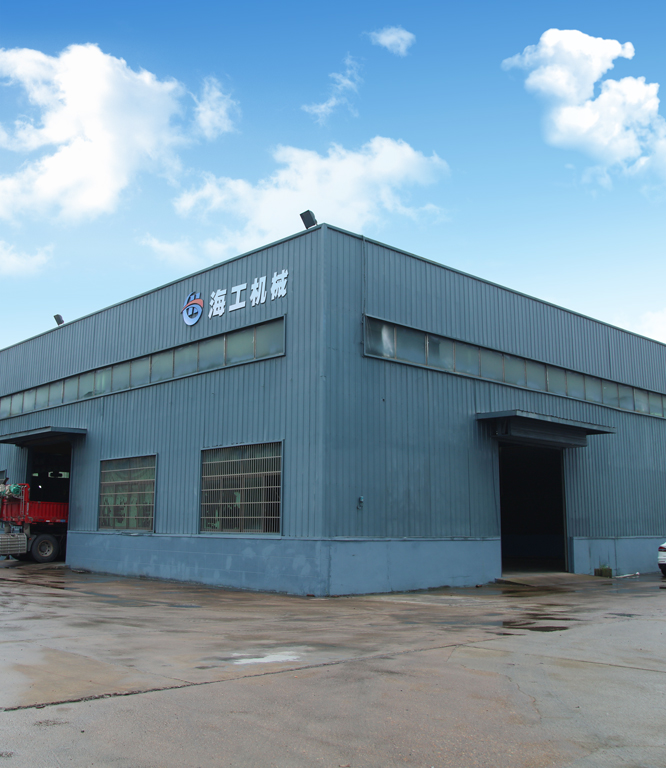
Since 2014, HG Nonwoven Machinery (Pujiang HG Nonwoven Machinery Co., Ltd.) has operated at the forefront of the nonwoven manufacturing machinery sector. Leveraging over two decades of core industrial experience, we design, fabricate, and assemble complete, customized turnkey production lines. Our technical focus is centered on the production of high-performance, eco-friendly, and biodegradable spunbonded nonwoven fabric processing machinery.
By introducing and integrating advanced 5th Generation spunbond spinning technology with our proprietary intellectual property, HG machinery addresses the specific needs of modern textile and materials processors. Our machines are characterized by:
Why global nonwoven roll manufacturers select HG machinery as their foundational infrastructure provider.
Employs an optimized screw L/D ratio and intelligent temperature zoning to ensure stable polymer rheology. This minimizes filament breakage during high-speed drawing, resulting in highly uniform web structures.
Our energy recovery systems capture auxiliary thermal output from drawing channels and redirect it, significantly reducing the energy required per metric ton of processed PP rolls compared to older systems.
We supply comprehensive, local market analysis reports, plant layout designs, and feasibility assessments to ensure your project complies with regional environmental and financial requirements.
Our support is continuous. We provide installation, on-site personnel training, and a 24-month comprehensive engineering warranty, backed by remote digital diagnostics and rapid physical dispatch.
Tailoring specific polymer configurations and bonding patterns to satisfy precise end-use regulatory standards.
Hygiene products demand materials that are exceptionally soft, breathable, and capable of efficient fluid routing. Spunbond fabrics serve as backsheets, top sheets, and leg cuffs for infant diapers, feminine pads, and adult incontinence products, keeping skin dry and comfortable. In medical environments, composite lines like SMS, SMMS, and SSMMS produce fabrics that serve as reliable barriers against biological agents and liquids. These fabrics are essential for surgical gowns, drapes, and face masks, meeting international standards for filtration efficiency and user safety.
Modern commercial packing requires lightweight, robust materials that help minimize shipping emissions and material volume. Spunbond rolls offer the tear resistance, high tensile strength, and flexibility needed for reusable shopping bags, garment covers, pocket springs in mattresses, and specialized lining systems. The long lifespan of these fabrics supports reuse, aligning with global initiatives to reduce single-use plastic waste.
Agricultural nonwovens create a microclimate around crops, shielding plants, vegetables, and seeds from pests, birds, frost, and high winds, while allowing air, water, and light to pass through. UV-stabilized spunbond rolls offer excellent water permeability and temperature management. They are lightweight, easy to deploy, and help improve crop yields while reducing the need for chemical pest control.
A deep dive into polymer extrusion parameters, air-drawing mechanics, and ecological material adaptations.
Modern nonwoven manufacturing is heavily defined by polymer rheology and thermal dynamics. The process begins with raw Polypropylene (PP) chips, which are fed into an extruder. The extruder utilizes a high L/D ratio screw to achieve complete, uniform melt-homogenization. Modern HG lines feature continuous, screen-changing filtration systems to prevent impurities from entering the spinneret capillaries, which helps avoid filament breakage.
Our 5th Generation machines utilize a closed-cabinet drawing system. In this setup, high-pressure, conditioned cooling air quenches the extruded filaments as they exit the spinneret. The filaments are then accelerated through an aerodynamic aspirator channel at speeds exceeding 3,000 meters per minute. This high-speed drawing process aligns the polymer chains, significantly enhancing the tensile strength of the fibers in both the Machine Direction (MD) and Cross Direction (CD).
The market is increasingly demanding alternatives to traditional petrochemical-based PP. In response, HG Nonwoven Machinery has engineered specialized extrusion lines capable of processing Polylactic Acid (PLA) and polybutylene adipate terephthalate (PBAT) blends. Processing these bio-resins requires highly precise temperature management within the extruder zones and specialized calender roll surface finishes to prevent polymer sticking and ensure clean web release.
A true turnkey engineering line extends beyond the extrusion beam. Our configurations support seamless integration with inline slitting machines, flexographic printing units, fabric lamination systems (for barrier film coatings), and automated bag-making machinery. This comprehensive integration ensures that raw polymer input is converted into high-value rolls with minimal handling, lowering labor costs and reducing the risk of material contamination.
Addressing key engineering, operational, and commercial questions for global nonwoven buyers.
These terms describe the structural layout of spunbond (S) and meltblown (M) layers in the fabric. SMS consists of two outer spunbond layers enclosing one inner meltblown layer, offering balanced strength and filtration. SMMS adds a second meltblown layer to improve filtration efficiency, while SSMMS utilizes three spunbond and two meltblown layers. The multi-beam configuration provides a high hydrostatic head barrier and excellent softness, making it well-suited for surgical gowns, drapes, and sterilized medical packaging.
Our 5th Generation system optimizes air circulation inside the drawing slot and utilizes highly efficient heating systems for the extruder and spinneret. Integrated heat recovery components capture heat from the exhaust air and reuse it to pre-condition incoming process air. Additionally, we utilize high-efficiency motors controlled by frequency inverters, reducing electrical draw by up to 15-20% per ton of fabric compared to older configurations.
Traditional polypropylene machinery cannot process Polylactic Acid (PLA) without modification due to differences in melting points, crystallization rates, and moisture sensitivity. HG offers custom-modified extrusion lines equipped with dedicated drying systems, specialized screw designs, and precise temperature-zoned calenders. This allows manufacturers to switch between PP and biodegradable polymers with minimal downtime and zero risk of polymer degradation.
Depending on configuration complexity (e.g., S vs. SSMMS), production lead times range from 4 to 6 months. Once delivered, HG's technical installation team handles site layout validation, machinery assembly, electrical connection, and system calibration. This on-site process, including test runs and training for your plant operators, is typically completed within 30 to 45 days.
We achieve high weight uniformity through precise melt distribution design inside our custom spinneret manifolds, combined with automated, multi-chamber air quenching units. Additionally, our lines can be equipped with inline weight scanner systems. These scanners provide real-time feedback to the PLC, automatically adjusting polymer dosing and web speed to keep GSM variation within +/- 1.5%.
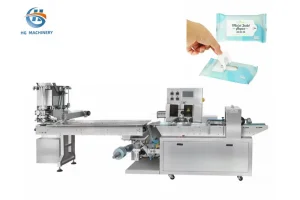
Review our high-speed spunbond lines, composite SSMMS extruders, and auxiliary tissue packaging machinery.
 HG NONWOVEN