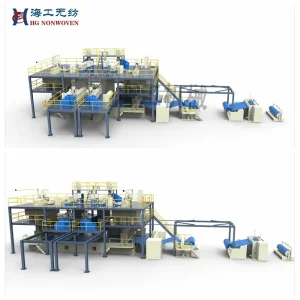
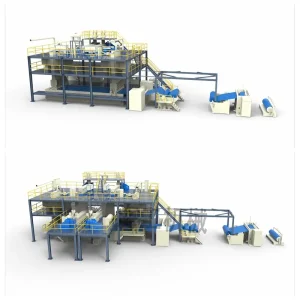
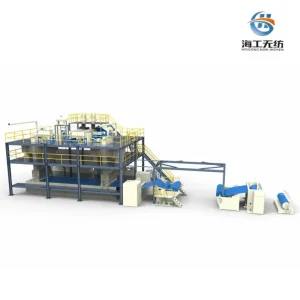
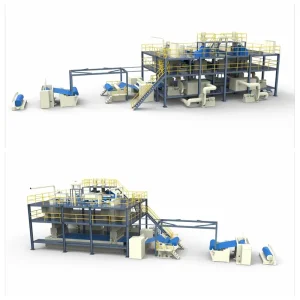
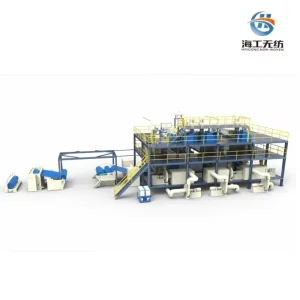
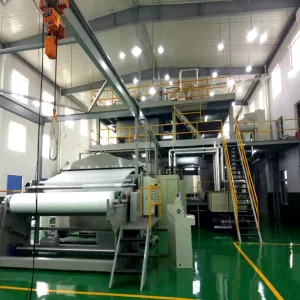
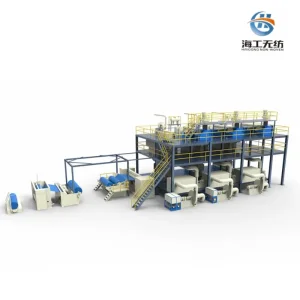
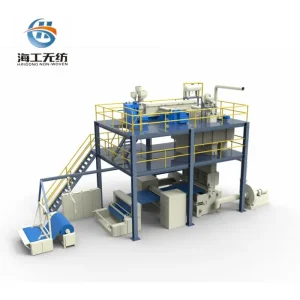
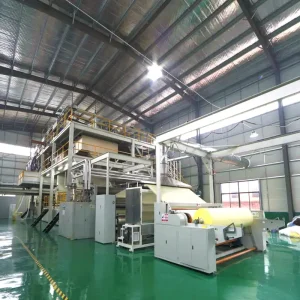
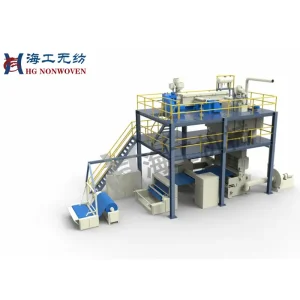
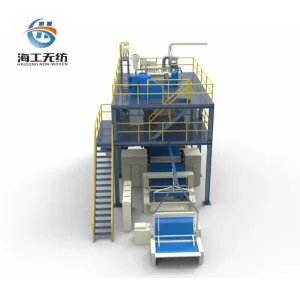
HG Nonwoven Machinery is a professional manufacturer of spunbond, meltblown, and composite nonwoven fabric machine lines, dedicated to providing high-efficiency and innovative spunbond nonwoven fabric production solutions to the global market. Our company introduced an advanced design concept (5th Generation spunbond spinning technology) from overseas and integrated it with autonomy to meet the precise needs of the market.
Consequently, HG nonwoven fabric making machines are characterized by convenient operation, small footprint, low power consumption, high efficiency, and exceptionally low production cost.
Based in Pujiang (Pujaing), we have operated as a well-known nonwoven fabric making machine manufacturer since 2014, specializing in manufacturing PP spunbond and meltblown nonwoven fabric making machines with complete turnkey engineering services. Our nonwoven fabric machinery focuses on producing high-performance, eco-friendly, and biodegradable spunbonded nonwoven fabrics, keeping environmental sustainability and energy conservation at the core of our technical research and development.
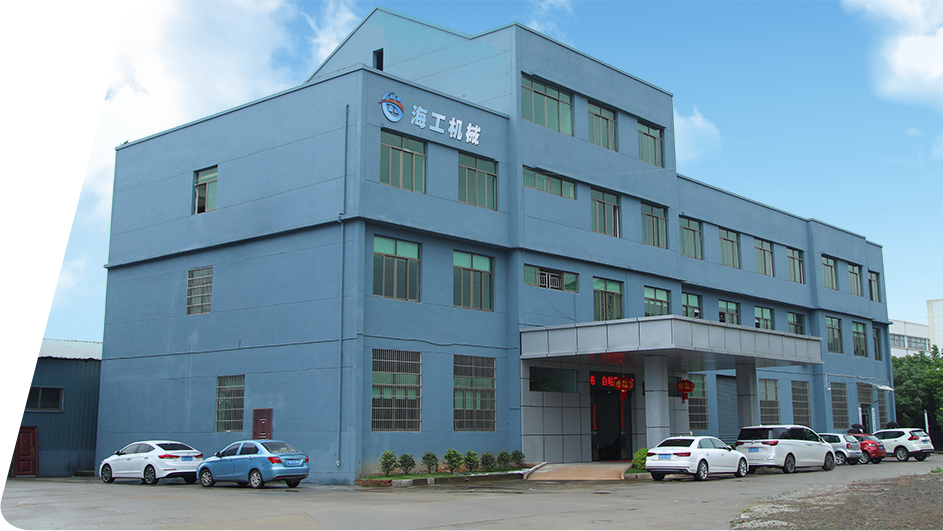
Our machines are meticulously designed and incorporate the latest technology to ensure maximum production efficiency with minimal energy consumption. We offer highly customized solutions to ensure our machine lines align perfectly with your unique parameters and factory dimensions.
Leveraging our rich experience in the global nonwoven fabric industry, we provide comprehensive regional market analysis. We assist you in drafting full project feasibility reports, analyzing production capacity targets, and choosing raw materials.
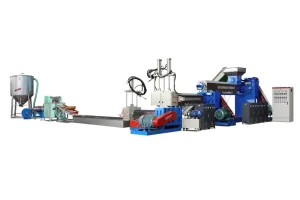
Besides the core PP nonwoven fabric making machines, we supply all related upstream and downstream auxiliary equipment, including non woven recycling machines, slitting lines, flexo printing lines, lamination machines, and automatic bag making machinery.
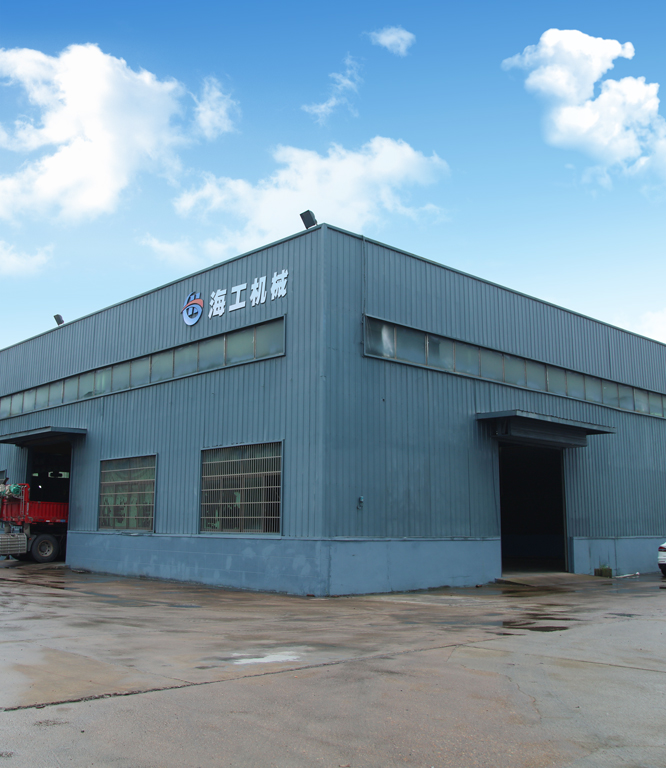
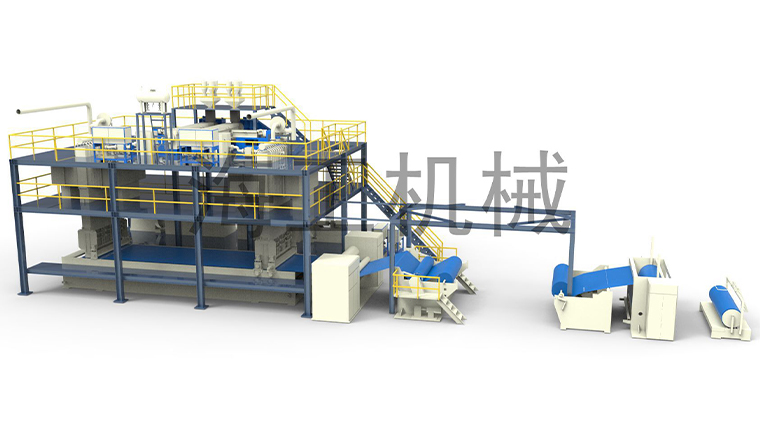
The technological evolution of nonwoven fabric production is defined by structural efficiency, thermal control, and fiber attenuation. HG Nonwoven Machinery's proprietary 5th Generation spinning system introduces significant upgrades over traditional technologies. By optimizing the distribution profile within the spin pack and combining it with a high-velocity, low-turbulence slot drafting system, our machines produce ultra-fine filaments with high tensile strength.
Traditional multi-beam lines often struggle with fiber density distribution variations across the working width. The 5th Generation technology resolves this with an advanced co-extrusion matrix and high-precision melt pumps, ensuring a CV% (Coefficient of Variation) of fabric weight below 1.5%. This uniformity is crucial for low-GSM applications in the hygiene and medical sectors.
Our extruders feature high L/D (Length/Diameter) ratios and multi-zone heating barrels. This design ensures complete polymer homogenization, minimizing thermal degradation while processing Virgin PP, recycled polymers, or bio-based PLA blends.
Equipped with aerodynamic slot drafting channels, the filaments are stretched using high-speed, temperature-controlled air currents. This reaches fiber fineness levels down to 1.0–1.5 denier for spunbond webs, increasing tensile properties.
Precision calender rolls feature internal thermal oil heating circuits. This ensures uniform temperature distribution across widths up to 3200mm, preventing weak points and ensuring clean bonding across the web.
As environmental regulations tighten globally, the nonwoven sector is shifting toward green and circular models. HG Nonwoven Machinery is at the forefront of this movement, engineering lines capable of processing bio-based plastics like Polylactic Acid (PLA) and polybutylene succinate (PBS). These biodegradable materials require precise thermal profiling and gentle cooling curves. Our custom-designed cooling systems prevent premature crystallization, enabling clients to produce certified eco-friendly nonwovens without sacrificing production speed.
The global manufacturing sector demands high equipment availability, reliable spare parts logistics, and cost efficiency. Operating from China’s industrial manufacturing hub, HG Nonwoven Machinery utilizes a deeply integrated supply chain that spans high-precision metallurgy, advanced electrical engineering, and automated controls. This ecosystem allows us to manufacture complex multi-beam lines in shorter timeframes than Western counterparts.
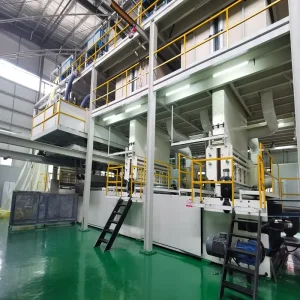
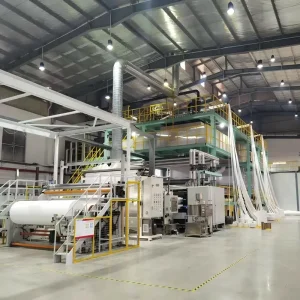
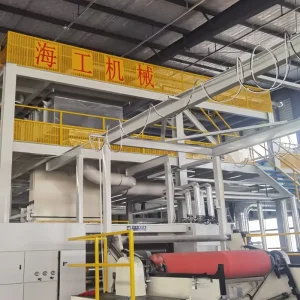
Our assembly facilities feature CNC machining centers, automated welding bays, and comprehensive dynamic testing platforms. By performing run tests on our spinning manifolds, calendar units, and winders before shipment, we reduce installation times at client facilities.
Furthermore, our integration of intelligent digital control systems (PLC/SCADA) allows for predictive maintenance and real-time energy monitoring. This aligns our equipment with Industry 4.0 standards, helping operators track raw material usage, pressure parameters, and thermal profiles.
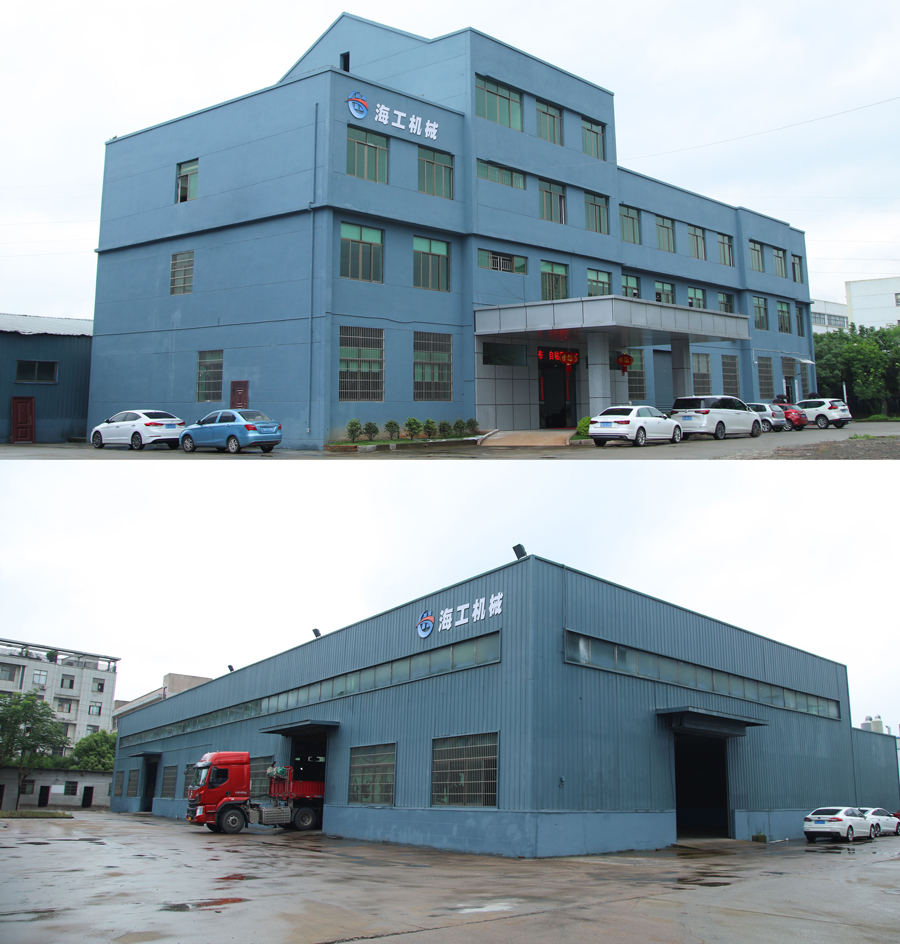
Designed for packaging applications, shopping bags, furniture lining, and agricultural field protection.
View Detailed Specs >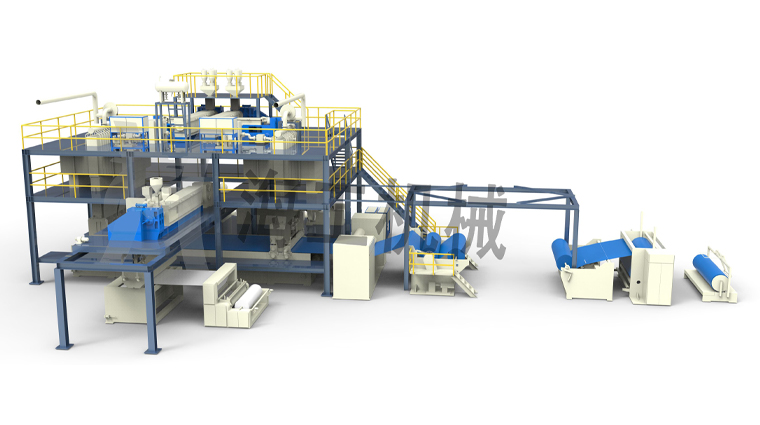
Engineered for high-barrier medical textiles, surgical gowns, sterile wraps, and hygiene backsheets.
View Detailed Specs >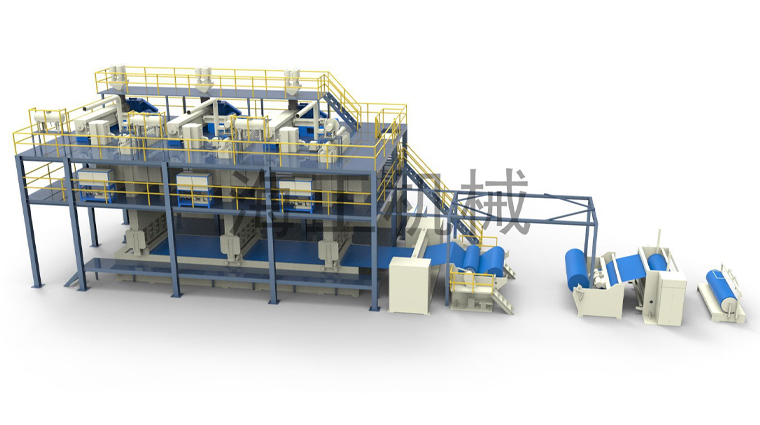
Featuring double meltblown beams to achieve higher filtration efficiency compared with standard SMS fabrics.
View Detailed Specs >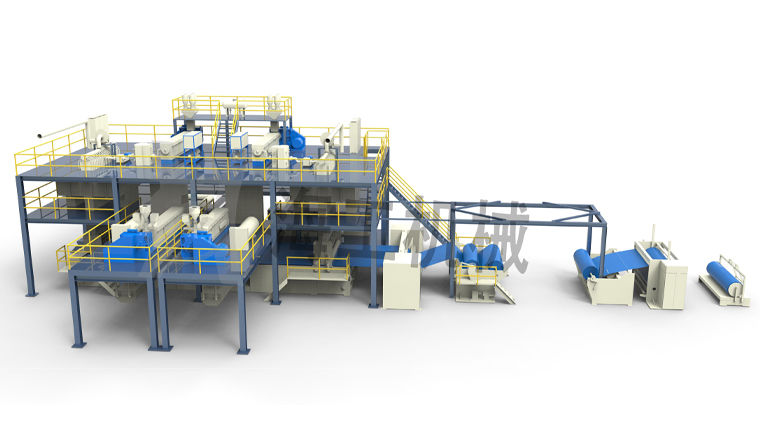
Delivers outstanding barrier properties combined with high softness for hygiene application components.
View Detailed Specs >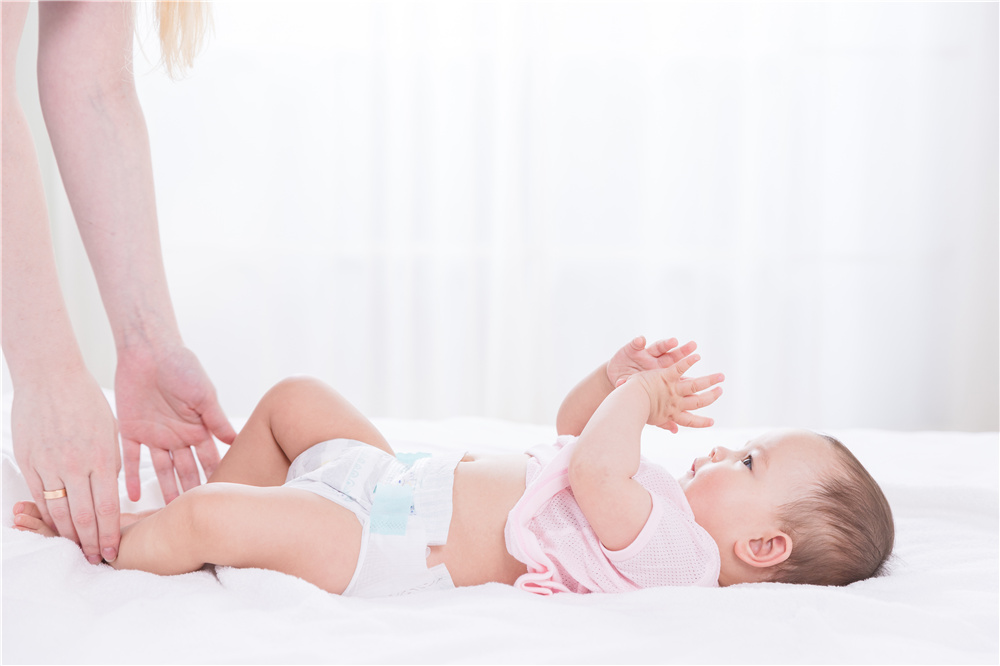
Non-woven fabric is essential in the hygiene sector, offering breathability, softness, and fluid management for comfort. It quickly absorbs liquid and keeps it away from the skin, making it ideal for diapers, incontinence pads, and feminine hygiene products.
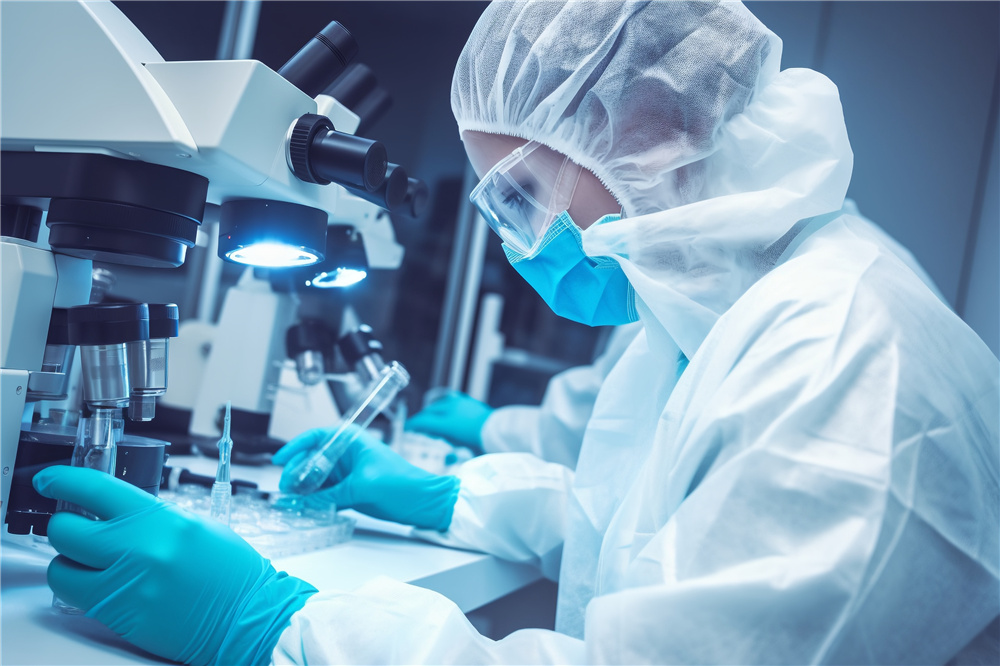
Nonwovens are used in the medical field and for biological protection. They deliver safety properties, such as preventing infections and diseases. Essential for making face masks, surgical gowns, bed sheets, and towels, ensuring filtration, protection, and comfort.
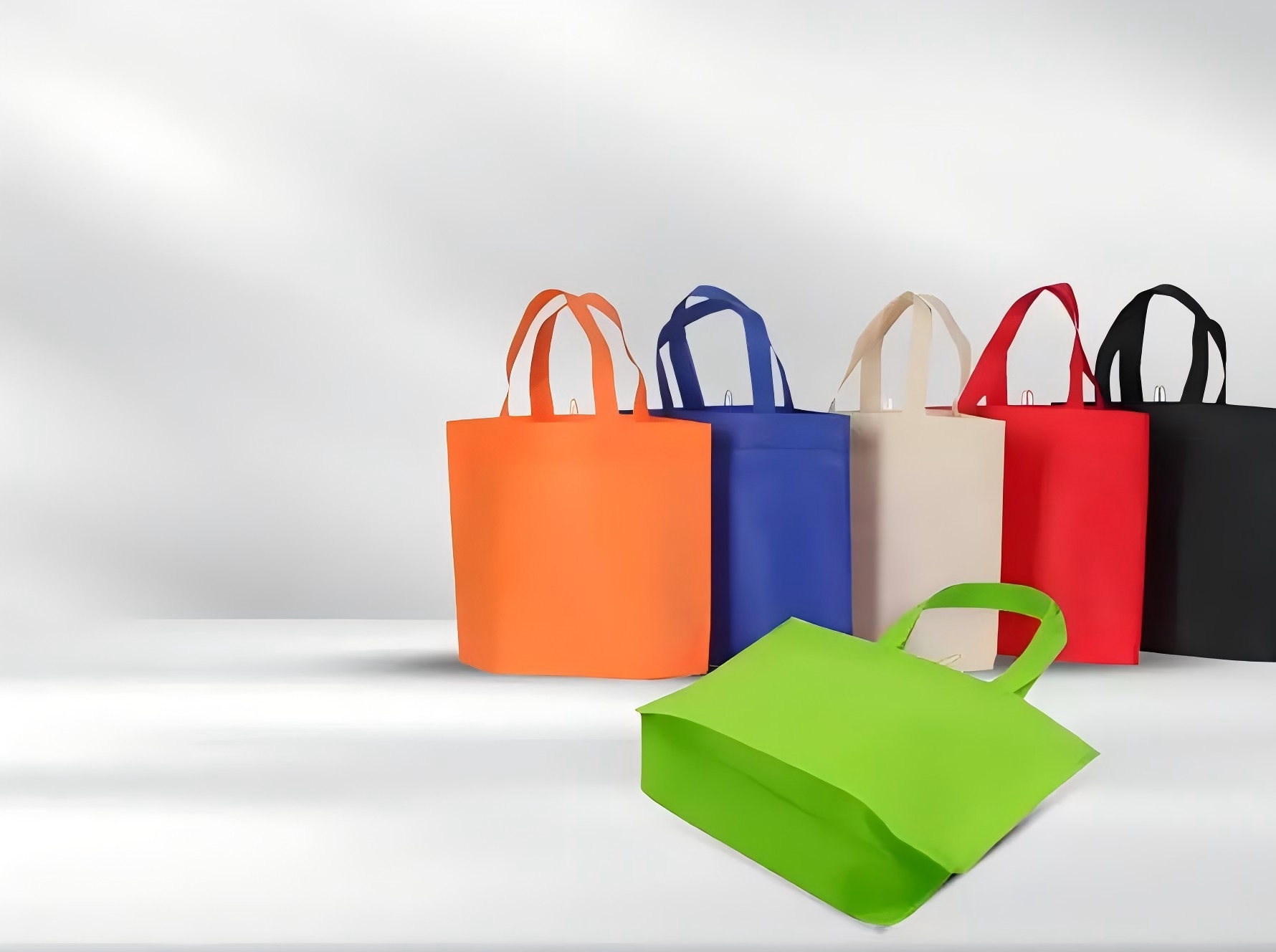
Nonwoven fabric is ideal for packaging end-uses due to its light weight, energy-efficient production, shipping, storage, and long lifespan. Used widely for shopping bags, fruit bags, garment bags, rice bags, pocket springs, garment interlining, and pharmaceutical packaging.
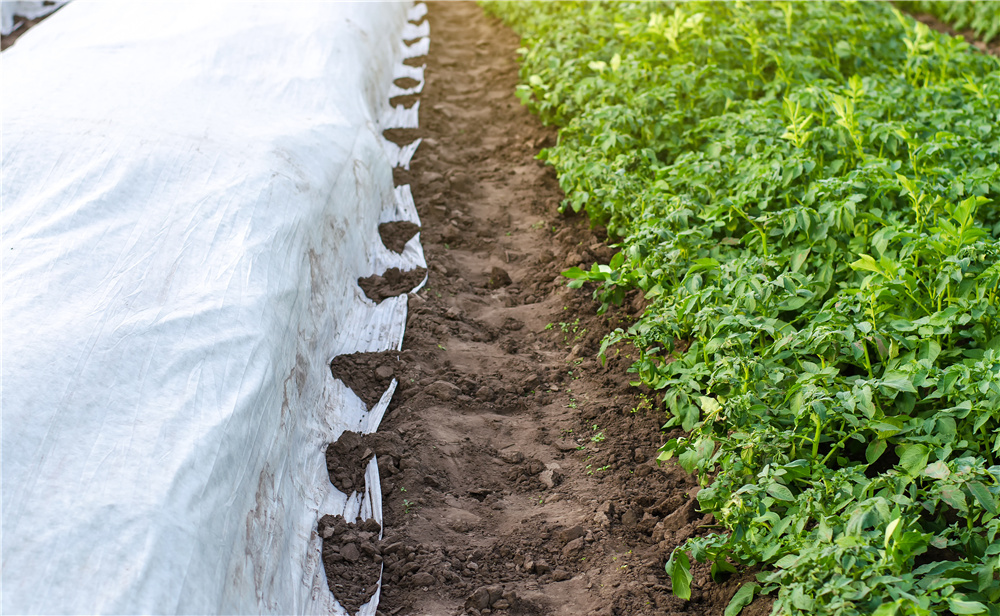
Allows air and water to pass through while providing protection against wind and cold by generating a microclimate. As a physical protection medium, it prevents crop damage from pests while regulating heat and offering UV blocking properties.
Procuring a nonwoven production line requires evaluating capital expenditure (CAPEX) against operating costs (OPEX). Key elements to analyze include:
1. Energy Efficiency: Heating and drafting systems represent significant operating expenses. Our 5th Generation machines optimize thermal distribution, lowering electrical consumption per ton of finished fabric.
2. Automation Integration: Equipped with industrial Ethernet interfaces, our systems facilitate synchronization between extrusion speeds, calendar roll pressures, and winder tension.
3. Flexibility: Lines designed with quick-change spinnerets enable rapid product shifts between different GSM classes, helping manufacturers respond dynamically to market demand.
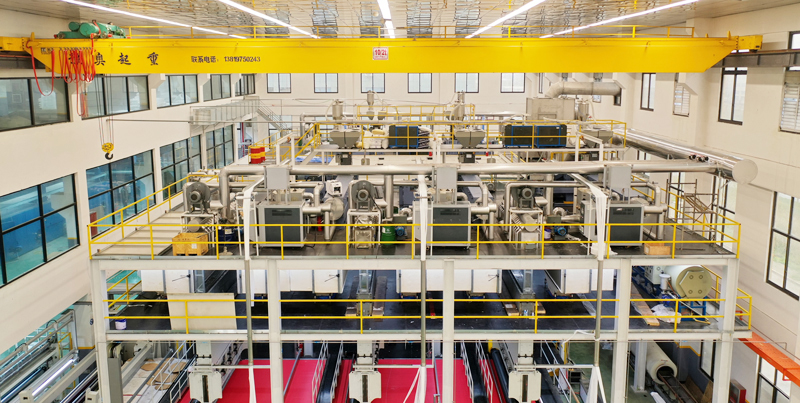
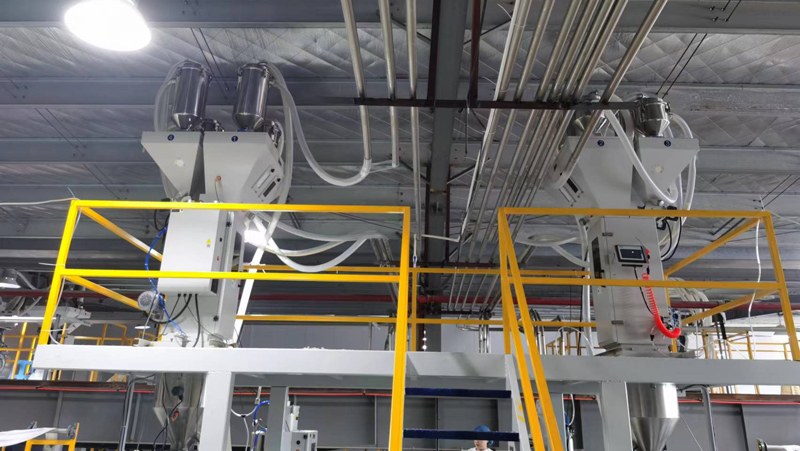
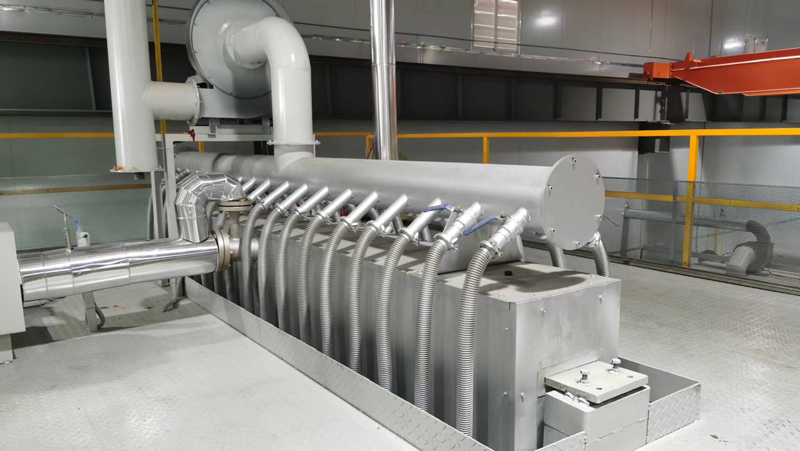
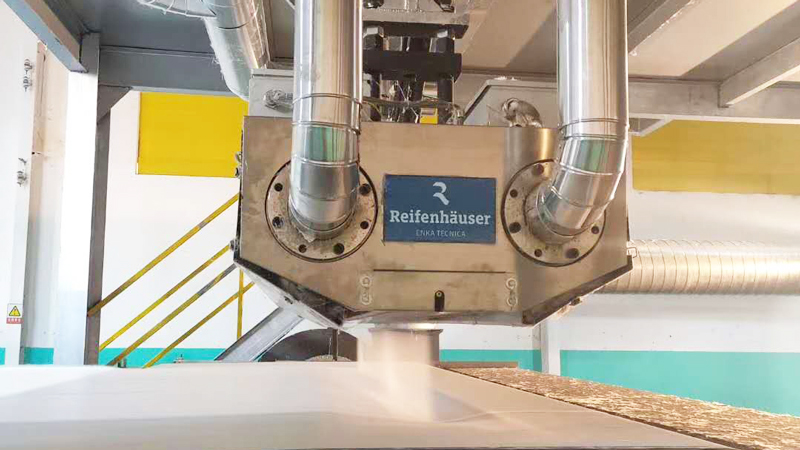
Global logistics and installation present unique challenges. HG Nonwoven Machinery guarantees compliance with international safety and electrical directives, including CE certifications. Our pressure vessel designs conform to localized ASME codes where required. Additionally, our global deployment teams handle on-site assembly, wiring calibration, and wet-run verification. We offer continuous remote diagnostic assistance, enabling our team to identify and resolve control issues without travel delays.
SMS, SMMS, and SSMMS describe the layout of the spinning beams (S for Spunbond, M for Meltblown). Multiple M-beams offer progressive filtration layers. While a single-beam line creates a simple web structure, adding Meltblown beams (M) introduces a sub-micron network that improves barrier efficiency and hydro-head resistance, essential for surgical drapes and filtration media.
Our 5th Generation design optimizes the insulation profile of the extrusion block and utilizes energy-efficient heating systems. Combined with aerodynamically optimized drafting slot geometries, the air volume required for filament attenuation is reduced by up to 20%, significantly lowering the compressor motor load.
Yes. Our extrusion profiles are designed with custom L/D screw ratios and dedicated heating bands. These elements prevent the structural degradation of PLA during shear flow, and our high-volume cooling zones accommodate the slower crystallization rates typical of bio-polymers.
Our turnkey systems include materials processing, extrusion, drafting, and winder systems, alongside auxiliary setups like edge-trim recycling extruders, online slitting units, flexo printing units, lamination systems, and bag-making machines. This allows clients to convert raw polymers into retail-ready products on a unified shop floor.
We provide a 24-month warranty on major components, complemented by on-site mechanical and electrical commissioning. Our machines are equipped with secure industrial IoT modules, enabling our domestic service team to log in to the PLC/SCADA interface, review sensor readouts, adjust parameters, and troubleshoot issues immediately.
 HG NONWOVEN