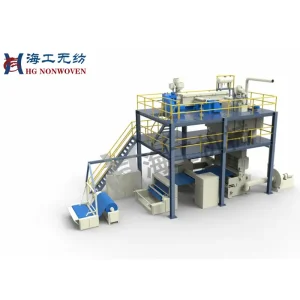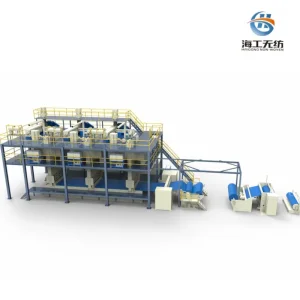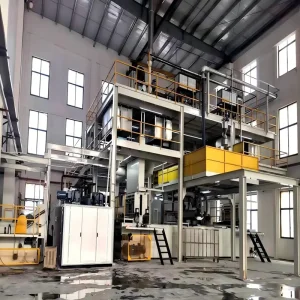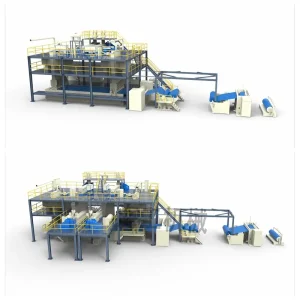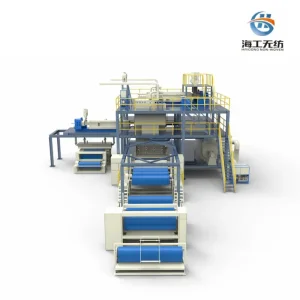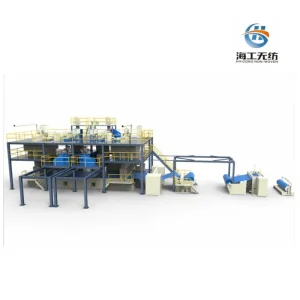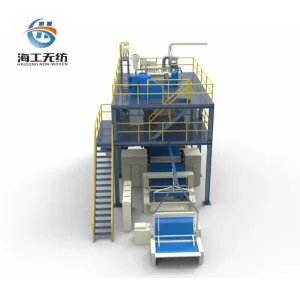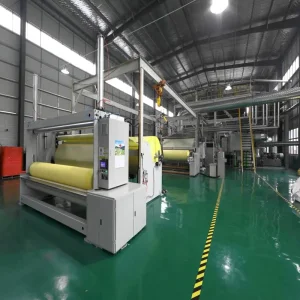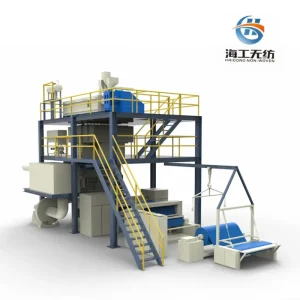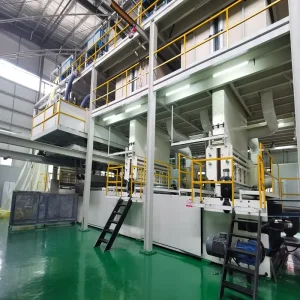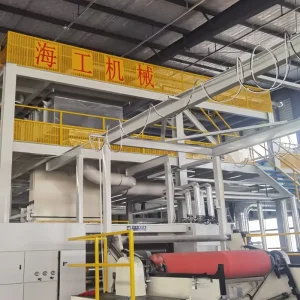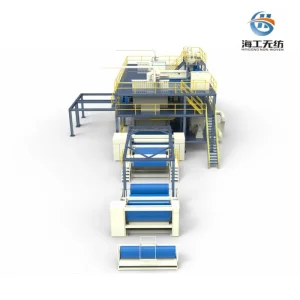
In the modern nonwoven manufacturing ecosystem, global buyers look beyond basic component assemblies. The demand has shifted toward integrated, highly synchronized industrial solutions. Needle punch nonwoven lines form the backbone of technical textiles, delivering critical performance attributes for sectors such as civil infrastructure (geotextiles), transportation (automotive interiors), environmental protection (filtration media), and synthetic leather.
A high-speed needle punching line operates by mechanically interlocking staple fibers (such as Polyester, Polypropylene, Viscose, or Nylon) using specialized needle boards that perform thousands of strokes per minute. Achieving web uniformity and density control requires sophisticated pneumatic web distribution, cross-lapping control, and high-frequency needle loom design.
By choosing a leading China needle punch nonwoven machine manufacturer, international enterprises secure advanced engineering that matches European output standards while maintaining exceptional capital efficiency. We integrate premium component suppliers, digital twin simulation protocols, and advanced PLC controls to ensure our nonwoven fabric lines run continuously with minimal downtime.
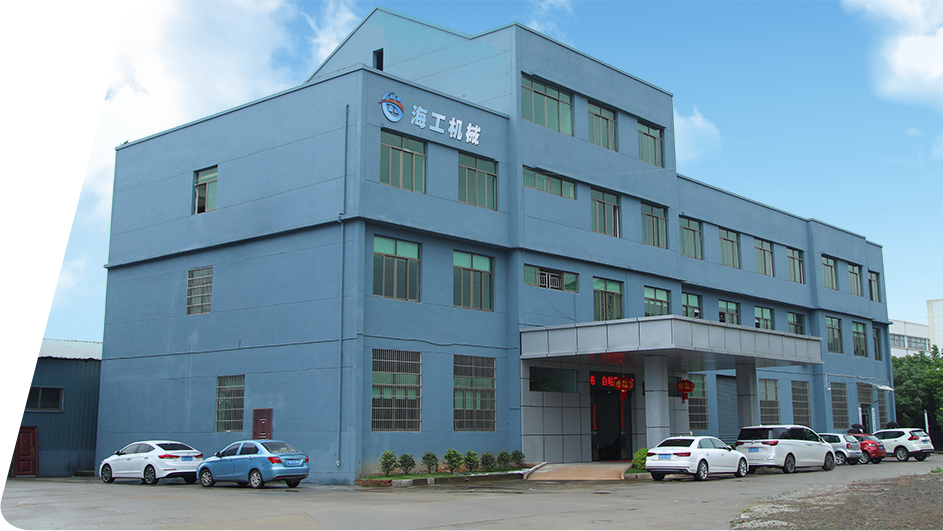
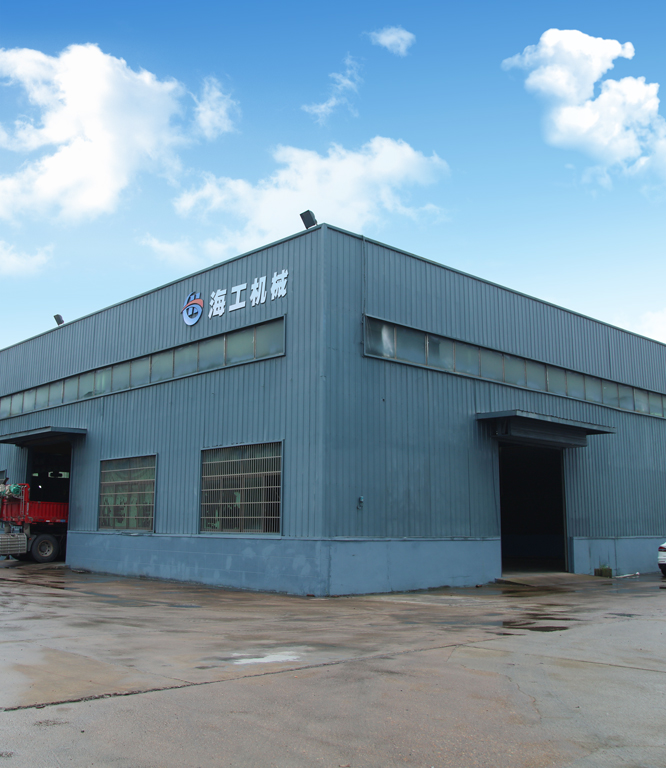
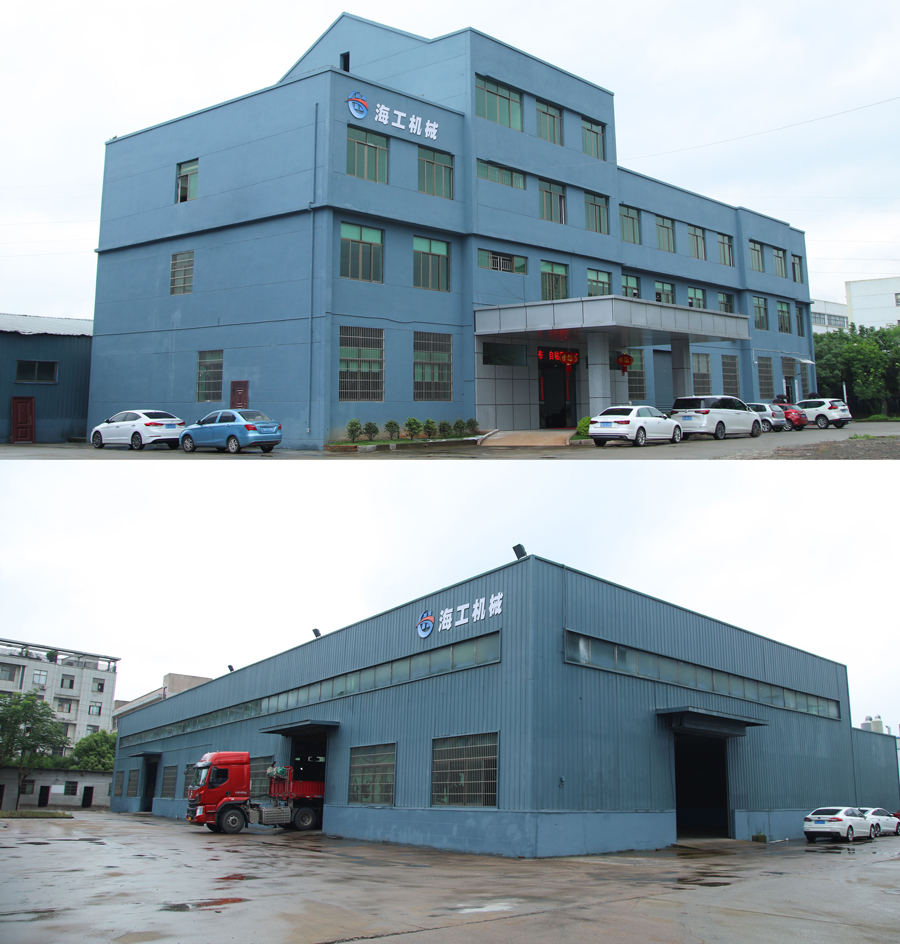
Operating from Pujiang, HG Nonwoven Machinery has established itself as an engineering pioneer in nonwoven fabric manufacturing machine lines since 2014. Drawing upon a team with over 20 years of collective industry experience, we specialize in high-capacity turnkey engineering services.
While our core reputation is built on delivering state-of-the-art PP spunbond, meltblown, and multi-layer composite (SMS, SMMS, SSMMS) systems using 5th generation spinning technologies, we have steadily expanded our production research into needle punch nonwoven systems. By combining advanced design principles from overseas with localized supply chain efficiency, we manufacture equipment characterized by user-friendly control, compact footprint, and low power consumption.
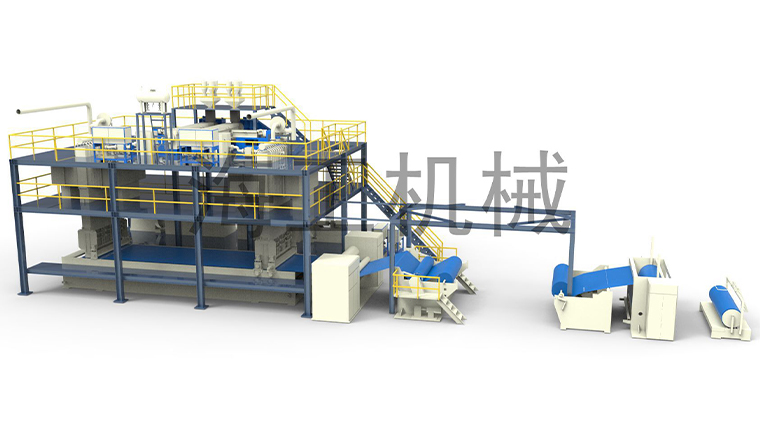
Designed for packaging nonwoven bags, furniture use, and agricultural fields.
View More →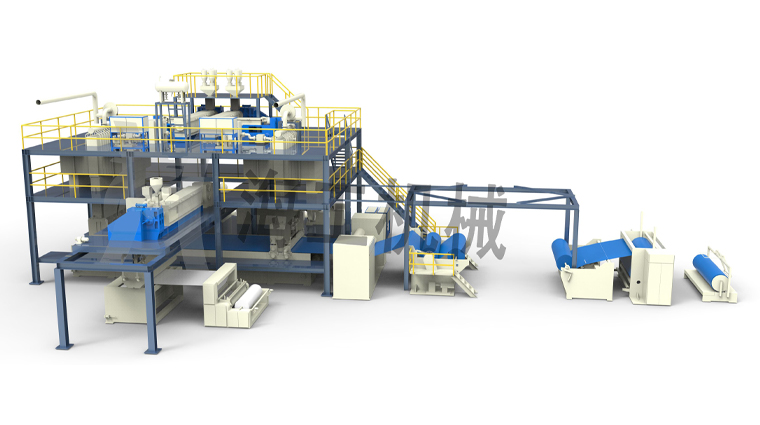
High barrier protection ideal for medical use and hygiene health care applications.
View More →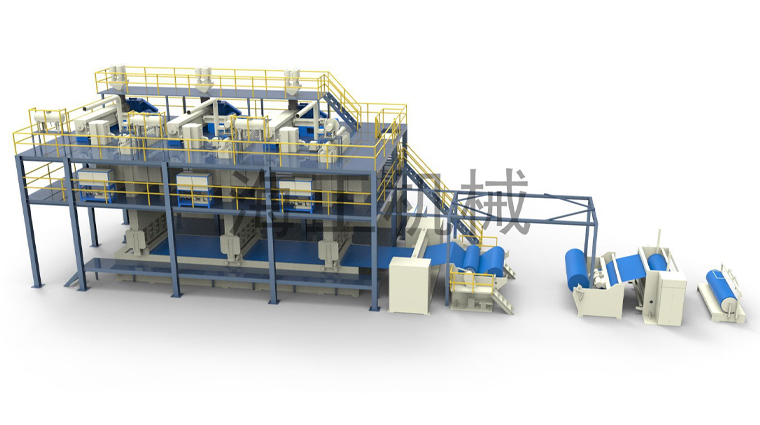
4-layer fabric system delivering higher filtration efficiency compared with SMS.
View More →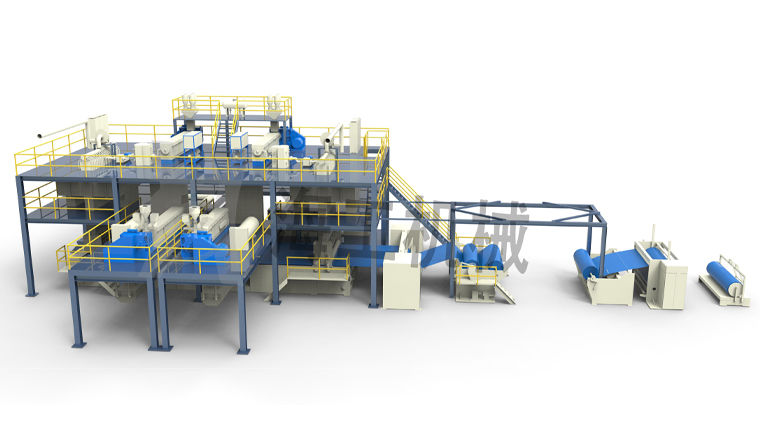
Excellent barrier properties, providing softness, comfort, and safety qualities.
View More →Our smart engineering infrastructure integrates localized manufacturing benefits with high-end automation, reducing the total cost of ownership (TCO) for global technical textile enterprises.
Each needle loom and carding unit is connected to a central industrial PC. Real-time monitoring of needle stroke frequency, oil temperature, and conveyor motor load ensures high operational safety and minimizes web structure variations.
By optimizing motor synchronization and implementing state-of-the-art frequency inverters, our nonwoven machines run at reduced energy levels, driving down production overheads and aligning with global decarbonization policies.
Our Pujiang manufacturing facility secures critical raw steel components and high-precision CNC machining services locally, insulating global buyers from logistics fluctuations and ensuring fast spare parts delivery.
With our deep expertise across diverse sectors like packaging, medical, hygiene, and agriculture, we will guide and help you in technical support to choose the most suitable line to start your business easily.
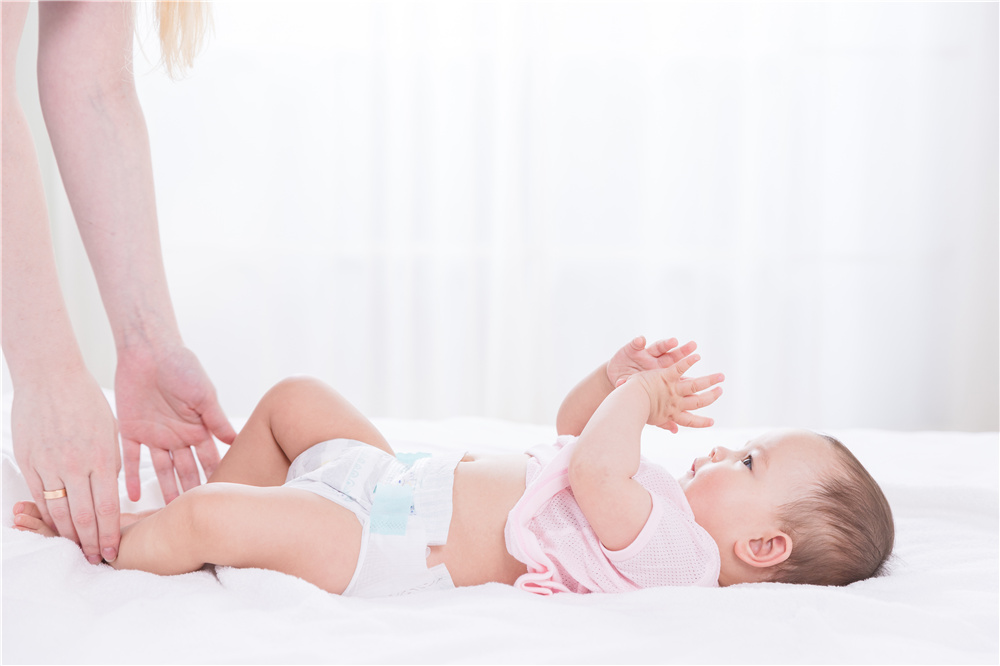
Nonwoven fabric is essential in the hygiene sector, offering breathability, softness, and excellent fluid management for comfort and protection. It quickly absorbs liquid and keeps it away from the skin, making it ideal for paper diapers, incontinence pads, and feminine hygiene products. Our SS/SMS/SMMS lines deliver ultra-lightweight, uniform web structures that satisfy stringent sanitary requirements.
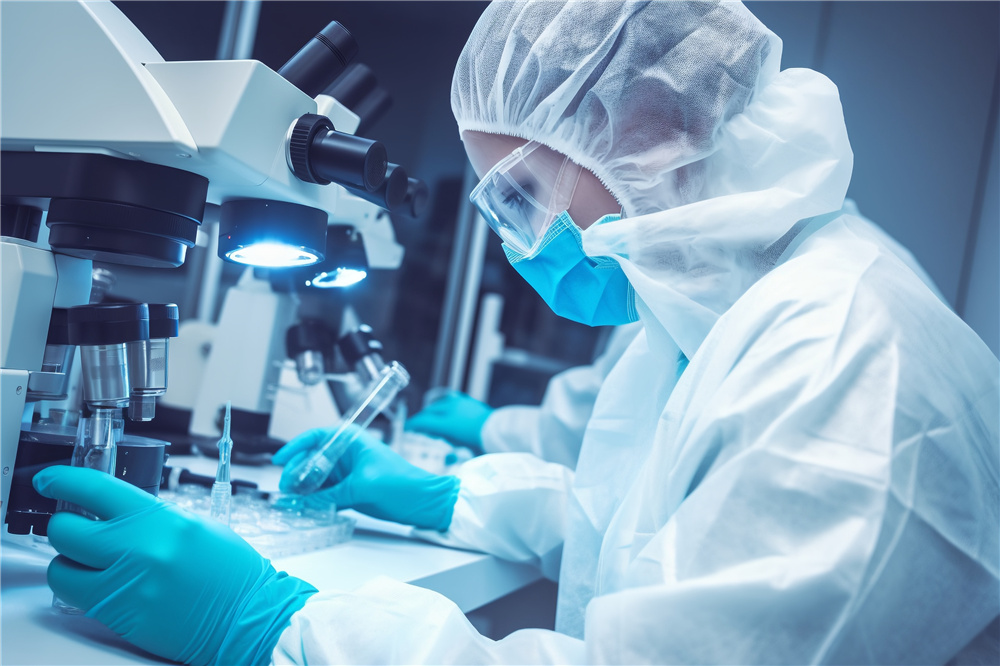
Nonwoven fabrics are extensively used in the medical field and for protection against biological agents in other sectors. They deliver critical safety properties, such as prevention against infections and diseases. Our composite barrier lines are essential for making face masks, surgical gowns, bed sheets, and surgical towels, ensuring effective filtration, barrier protection, and comfort.
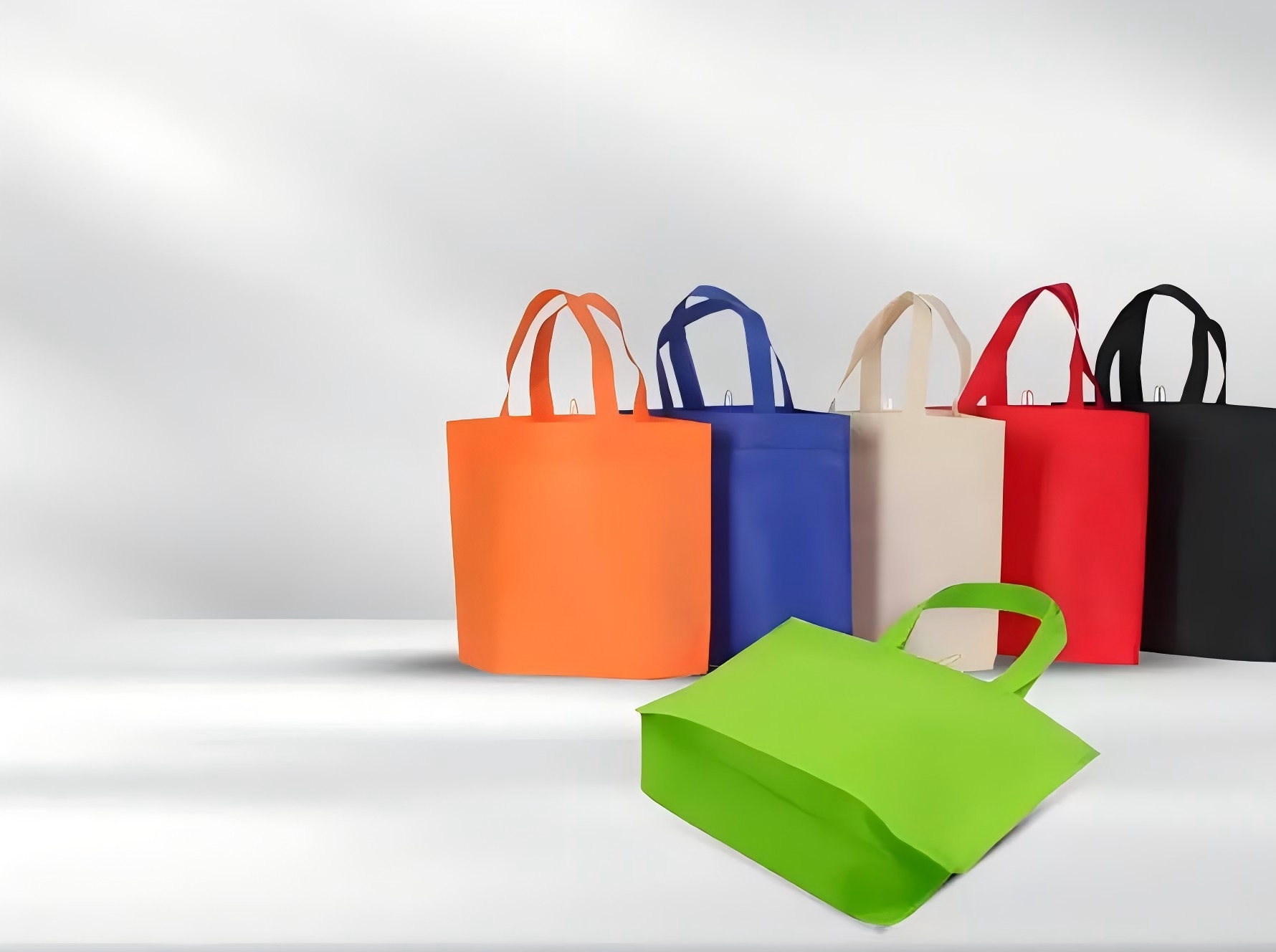
Nonwoven fabric is ideal for a variety of packaging end-uses due to its lightweight properties, energy-efficient production, shipping and storage savings, and long lifespan. These features facilitate volume reduction and re-usability. It is widely used for shopping bags, fruit bags, garment bags, rice bags, pocket springs, garment interlinings, as well as packaging for pharmaceuticals and cosmetics. Its versatility and long lifespan contribute to its popularity across various manufacturing industries.
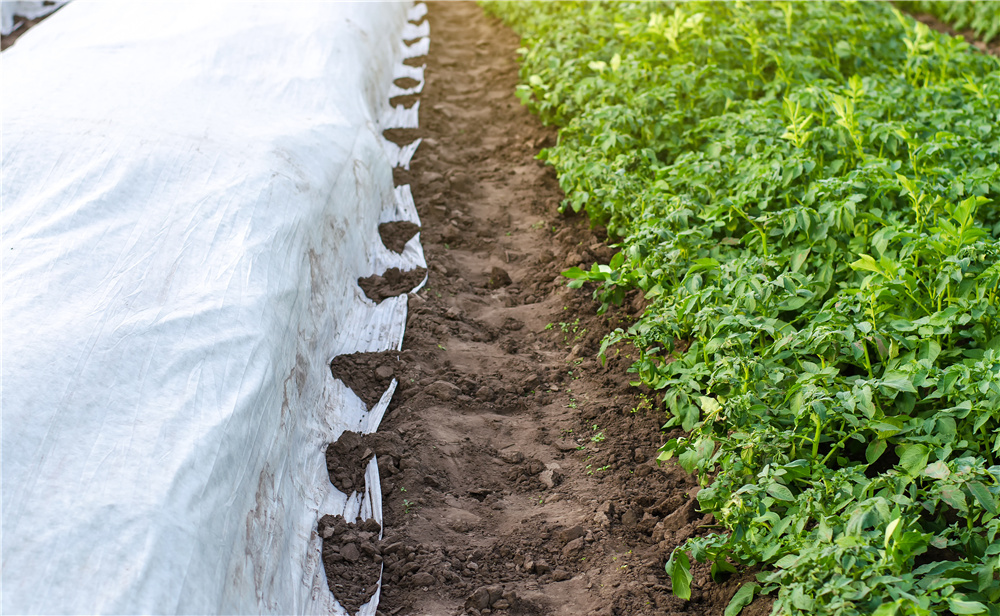
Agricultural nonwoven fabrics allow air and water to pass through while providing wind and cold protection by generating a microclimate around the crops. Furthermore, because the nonwoven fabric serves as a physical protective barrier, it helps prevent damage to crops, vegetables, and seeds from insects and birds. Nonwoven materials assist in regulating heat and block UV rays, while also providing superior air and water permeability. These materials are lightweight, portable, and can be customized to match specific agricultural needs.
Beyond delivering advanced core PP nonwoven fabric machinery, HG provides comprehensive project support to ensure smooth installation, efficient scaling, and sustainable operation.
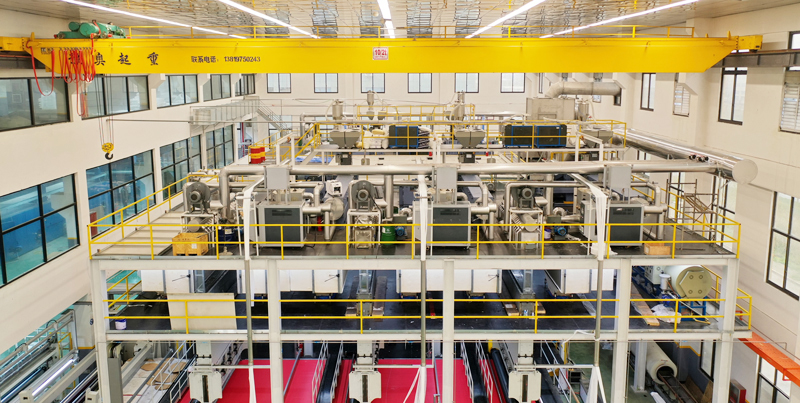
The mechanical reliability of our needle punching systems lies in the precision balance of the needle beam and main crank drive. Built with high-strength alloy castings and dynamic balancing software, our needle looms handle continuous vibration profiles smoothly.
By designing high-performance fiber opening, blending, carding, and cross-lapping modules, we ensure the web density remains consistent across widths exceeding 6 meters. We implement profiling controls in the cross-lapper to prevent "smiling" edges, resulting in highly uniform products for demanding industrial applications.
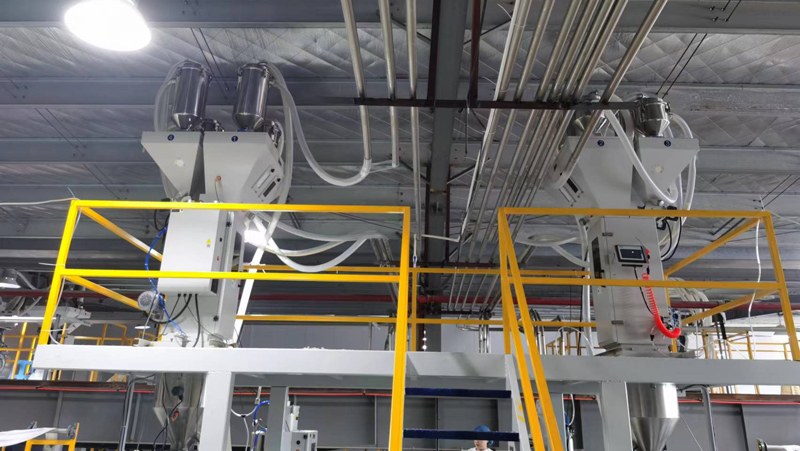
Highly accurate weighing feeders blend diverse denier fibers uniformly, laying the groundwork for predictable tensile strengths.
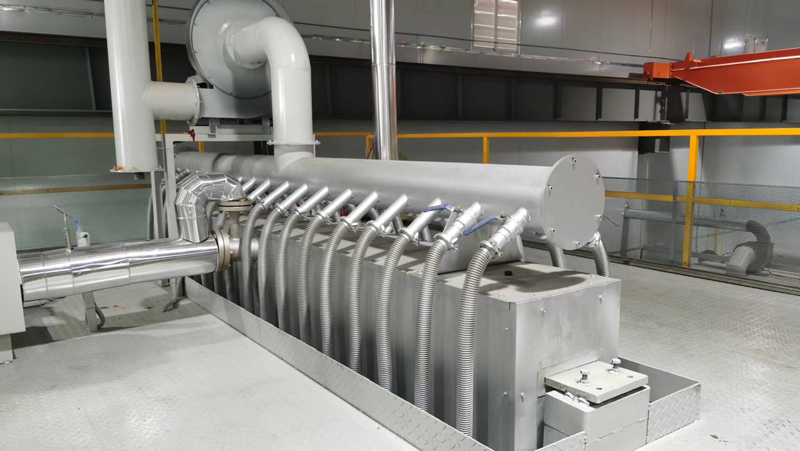
High-speed carriage drives apply carbon-fiber components to deliver precise layering of webs without deformation.
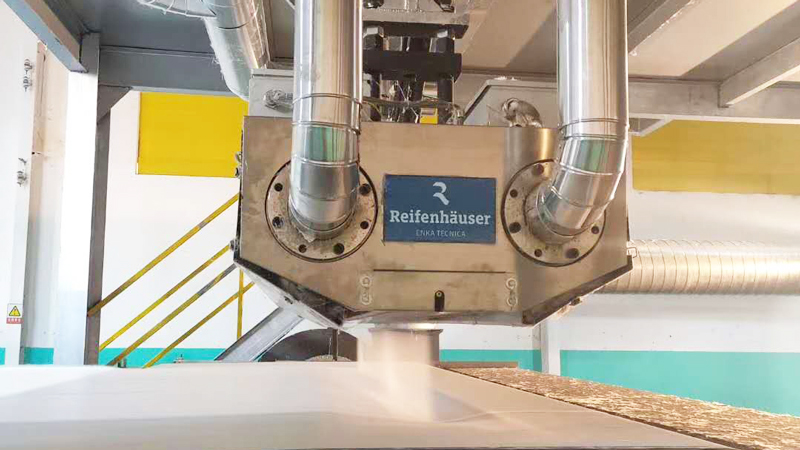
Modular needle-board configurations allow quick maintenance, and advanced lubricating systems permit long production shifts.
 HG NONWOVEN