Explore our high-performance nonwoven extrusion lines engineered to meet rigorous international standards for filtration, medical, and packaging application sectors.
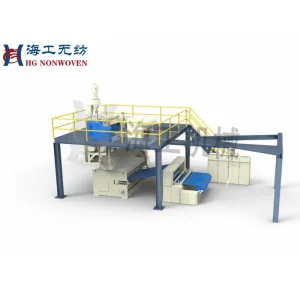
Designed for continuous spunbond manufacturing with efficient extrusion metrics and mechanical stability.
View Details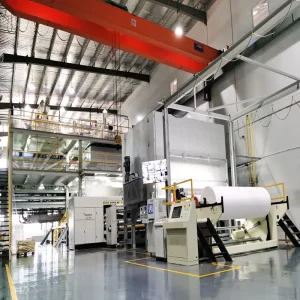
Engineered for processing robust spunbond webs optimized specifically for nonwoven bag conversion lines.
View Details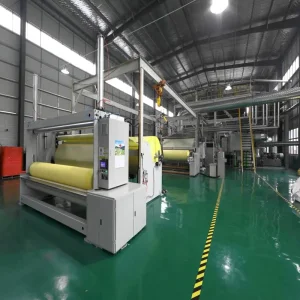
Double-beam SS configuration producing highly uniform fabrics for demanding technical applications.
View Details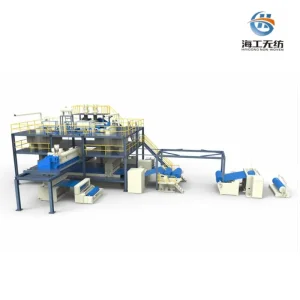
Versatile co-extrusion systems supporting single-beam, double-beam, and multi-beam composite configurations.
View Details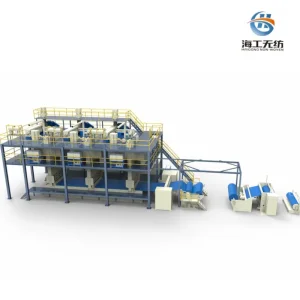
Industrial-scale extrusion machinery tailored for optimizing filament distribution and saving energy.
View Details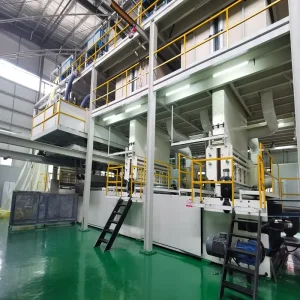
Standard 1600mm width configuration delivering high operational speeds for regional supply markets.
View Details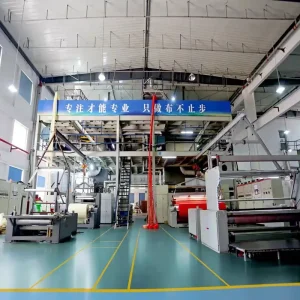
Precision-machined spinnerets and draft systems ensuring consistent tensile strength throughout the web.
View Details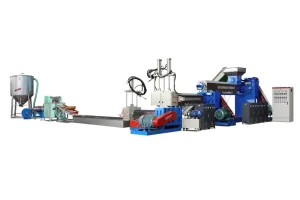
Essential ancillary system enabling closed-loop recycling of edge trims and nonwoven waste material.
View DetailsHG Nonwoven Machinery stands as a professional manufacturer of spunbond, meltblown, and composite nonwoven fabric machine lines, dedicated to providing high-efficiency and innovative spunbond nonwoven fabric production solutions to the global market. Our company introduced advanced design (5th Generation spunbond spinning technology) concept from overseas, and integrate with autonomy for the needs of the market. So HG nonwoven fabric making machines are characterized by convenient operation, small area, low power consumption, high efficiency and low production cost.
Operating from our state-of-the-art facilities, Pujiang HG Nonwoven Machinery is well-known nonwoven fabric making machine manufacturer since 2014, which specializes in manufacturing PP spunbond and meltblown nonwoven fabric making machines with complete turnkey engineering service. Our nonwoven fabric machine focus on producing high performance eco-friendly and biodegradable spunbonded nonwoven fabrics.
By executing strict quality controls, we ensure that every assembly line aligns with ISO9001 and CE directives. By selecting us, you gain a reliable partner committed to helping you stand out in a competitive market. Contact us today to learn more about how to produce non woven fabrics economically, reliably and sustainability.
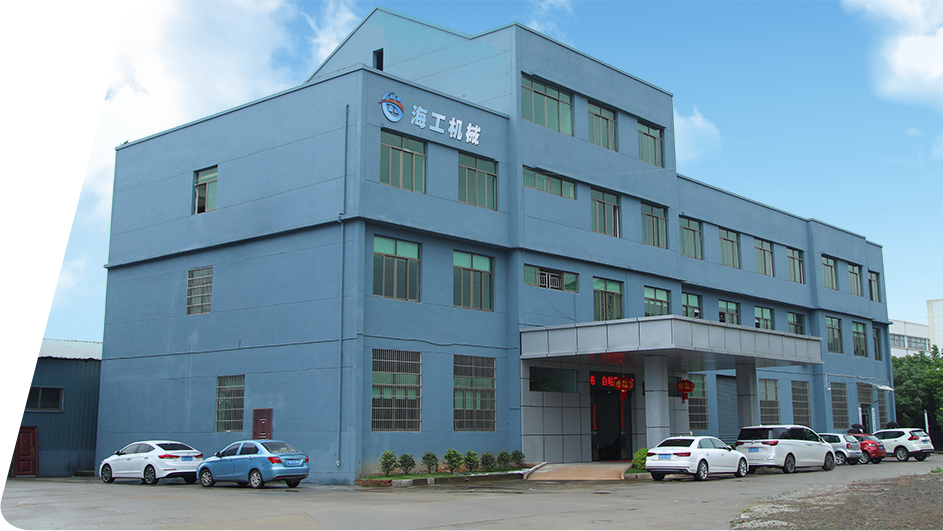
Navigating the complexities of procuring industrial meltblown and spunbond manufacturing assets in a shifting regulatory landscape.
In the modern manufacturing sector, the global demand for Melt Blown Nonwovens is experiencing a structural evolution. Originally driven by the hygiene and mask mandates of previous years, the current market is looking for advanced engineering solutions that satisfy high-performance filtration, insulation, automotive acoustic dampening, and advanced composite materials. Buyers in North America, the EU, and Southeast Asia are no longer searching merely for commodity fabrics; they are investing in the in-house mechanical capability to produce precision fibers with diameters ranging from 1 to 5 microns.
Procuring a spunmelt or meltblown production line involves navigating high CAPEX barriers, raw material volatility, and energy constraints. As energy costs rise globally, the focus has shifted toward energy-efficiency ratios (EER) of extrusion machinery. Modern buyers require lines that can handle raw polymers with high Melt Flow Rates (MFR up to 1500 g/10min) while keeping utility usage low. This is where China’s manufacturing base, represented by HG Nonwoven Machinery's 5th Generation technology, bridges the gap between high performance and accessible capital cost.
Furthermore, regional environmental compliance is forcing operators to shift toward eco-friendly and biodegradable spunbond nonwoven fabrics. The integration of polylactic acid (PLA) and other bio-resins requires highly adaptive thermal management systems inside the extruder barrel and die head, making technology customization a critical factor for global procurement success.
Our systems are engineered to handle ultra-high melt flow index polypropylene, ensuring consistent polymer attenuation and minimal fiber degradation during high-speed extrusion.
Dynamic zone heating control systems minimize temperature variations across the die width, guaranteeing structural uniformity and web quality across all GSM ranges.
Easily switch or integrate spunbond and meltblown layers (such as SMS, SMMS, or SSMMS) to address changing requirements in both medical barrier and industrial filtration sectors.
Understanding the engineering mechanics of high-efficiency meltblown extrusion and mechanical drafting systems.
The core technology behind modern spunmelt systems lies in the precision management of the drawing process. In older generations, filament distribution struggled with localized air turbulence, which caused uneven web density (high CV percentage). The HG 5th Generation Spunbond & Meltblown technology introduces an enclosed slot drafting system alongside optimized hanger-style spinneret channels. This design reduces air consumption by 25% while stabilizing filament tension, enabling the production of highly uniform fabrics with high tensile strengths in both machine direction (MD) and cross direction (CD).
For meltblown webs, the technology relies on high-velocity hot air to attenuate extruded polymer streams into sub-micron fibers. The key parameters, including the air gap, air angle, and the distance between the die tip and collector (DCD), are adjustable. This configuration allows operators to shift between high-efficiency filtration media (for respirators and HVAC) and absorbent pads (for oil-spill cleanup).
Looking forward, the technical roadmap of the nonwoven industry points toward Smart Integration and Material Circularity. Our development team is working on integrating AI-driven feedback loops that monitor fabric weight variations in real-time, automatically adjusting extruder speeds and air pressures. In terms of materials, we are optimizing extruder screw geometries to process PLA, PBS, and recycled PET, supporting our clients' goals to reduce their carbon footprints without sacrificing fabric performance.
From project feasibility studies to customized machinery manufacturing and global maintenance support.
Our machines are meticulously designed and incorporate the latest technology to ensure maximum production efficiency with minimal energy consumption. We also offer customized solutions to ensure our machines align perfectly with your unique needs.
With rich experience in nonwoven fabric industry, we will give you thoroughly local market analysis to help you to do a project feasibility report, verifying ROI and minimizing investment risk.
Besides the PP nonwoven fabric making machines, we also can help in providing service in related nonwoven machine like non woven recycling machine, non woven fabric slitting machine, non woven flexo printing machine, non woven lamination machine, non woven fabric bag machine and etc.
After installation, we will give training service to make sure that your team can learn all operation and run machine line well. We will also provide 24 months engineer after-sale service if you need to give technical support. Whether on-site or through Digital Services - we help you quickly and reliably.
Selecting the ideal non woven fabric machine line for the right application.
Please consider and select which kind of nonwoven business you want to start. With our deep expertise across diverse sectors like packaging, medical, hygiene, and agriculture, we will guide and help you in technical support to choose one most suitable line to start your business easily. Our solutions are crafted to save you time, reduce costs, and overcome operational challenges with efficiency.

Non-woven fabric is essential in the hygiene sector, offering breathability, softness, and excellent fluid management for comfort and protection. It quickly absorbs liquid and keeps it away from the skin, making it ideal for paper diapers, incontinence pads, and feminine hygiene products.
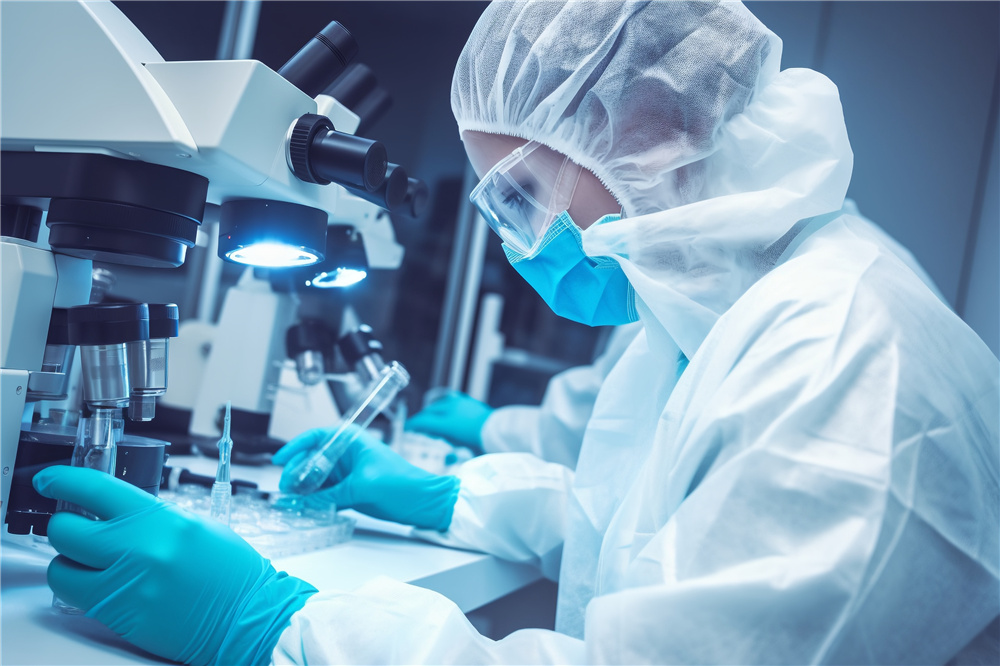
Nonwovens fabrics are extensively used in the medical field and in protection against biological agents in other sectors. They deliver critical safety properties, such as prevention against infections and diseases. They are essential for making face masks, surgical gowns, bed sheets, and surgical towels, ensuring effective filtration, protection, and comfort.
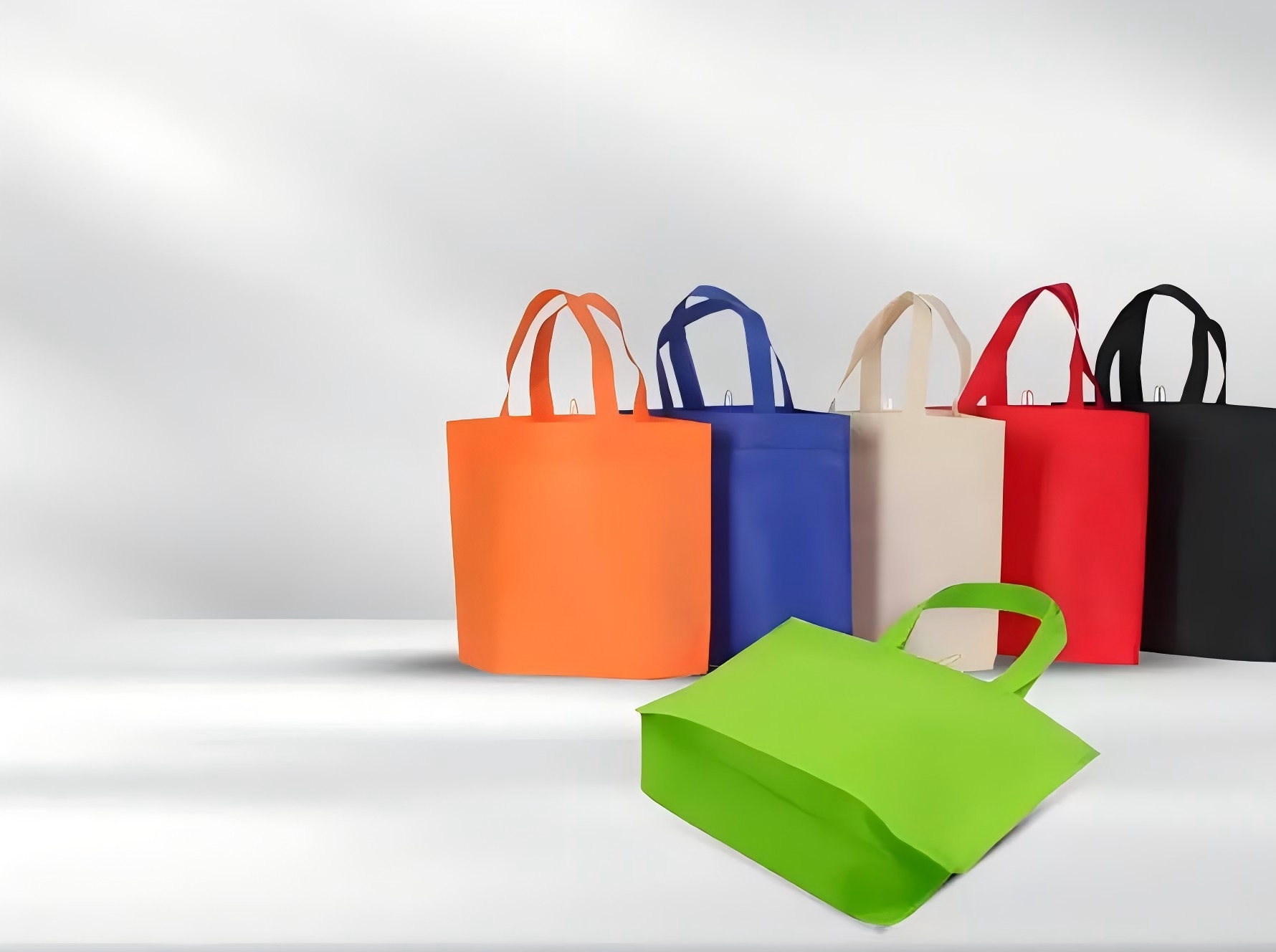
Nonwoven fabric is ideal for a variety of packaging end-uses, as their exceptional lightweight, their energy-efficient production, shipping and storage, and their long life and robustness allow for two important features: volume reduction and re-usability. It is widely used for shopping bags, fruit bags, garment bags, rice bags, pocket springs, garment interlining, as well as packaging for pharmaceuticals and cosmetics, among other applications. Its versatility and long lifespan contribute to its popularity in various industries.
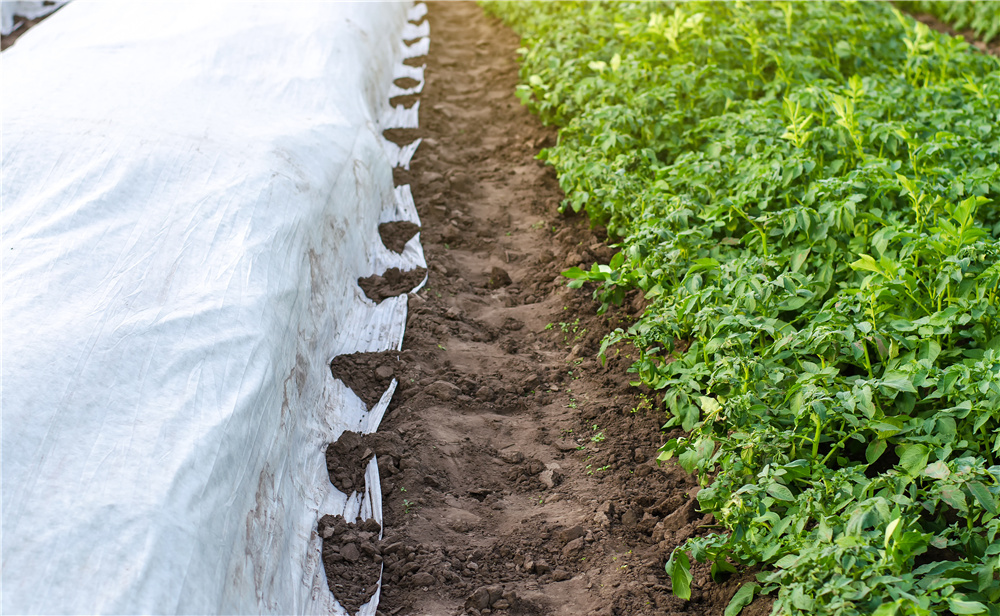
Agriculture Non Woven Fabric allow air and water to pass through while providing wind and cold protection by generating a microclimate around the crop. Furthermore, because nonwoven works as a physical protection media, it can assist prevent damage to crops, vegetables, and seeds from insects and birds. Nonwoven materials can assist regulate heat, UV blocker agriculture, while also providing superior air and water permeability. These materials are lightweight, portable, and may be tailored to match specific needs and provide specific services.
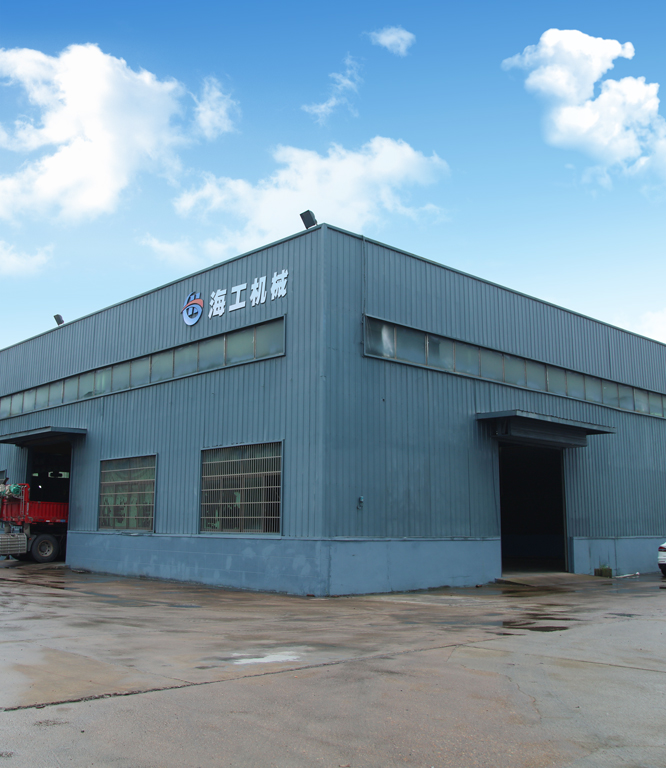
Inside our manufacturing facilities where design concepts become high-performance extrusion lines.
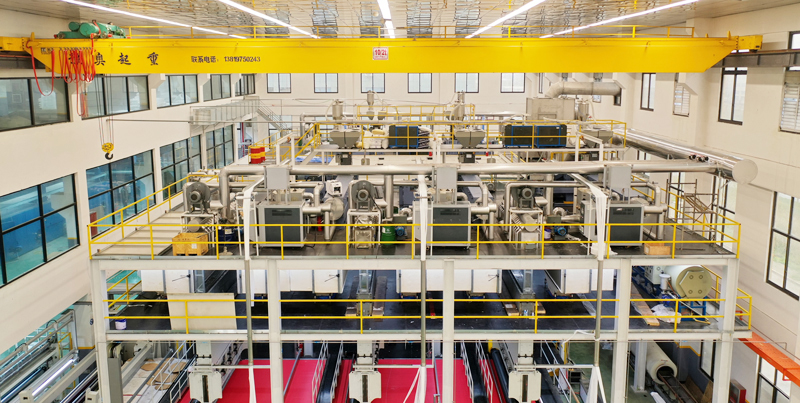
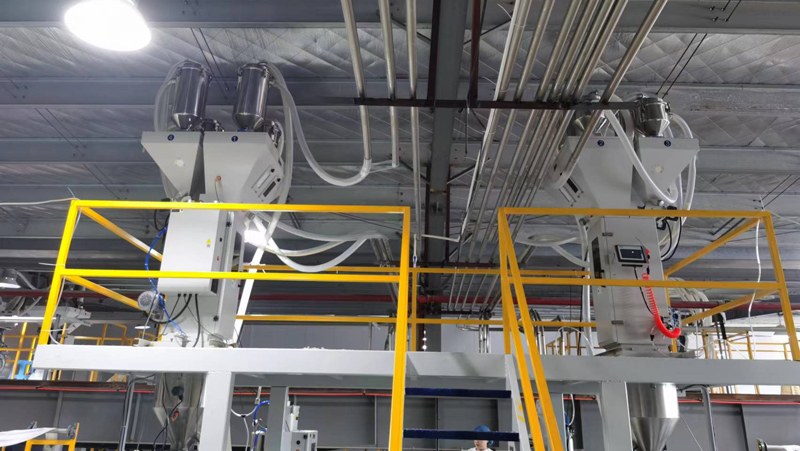
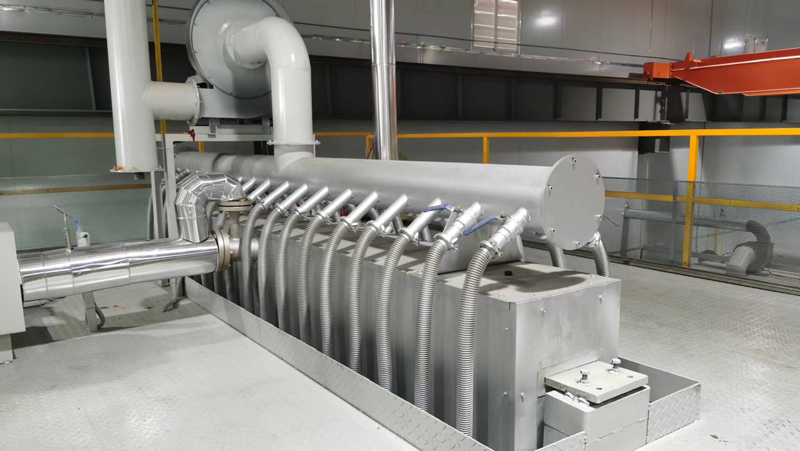
Our infrastructure includes heavy-duty machining centers, high-accuracy dynamic balancing machines for rolls, and specialized testing facilities for spinnerets and die heads. Each component, from the volumetric dosing system to the continuous high-speed winder, is assembled under strict conditions. Our quality control team utilizes advanced sensor testing to verify tolerances down to the micron level before any equipment is dispatched.
By optimizing the mechanical interfaces and integrating advanced German control concepts, we have produced machinery that reduces structural waste and raw material transition periods by up to 30%. This capability allows our clients to pivot between different manufacturing orders with minimal downtime, improving overall plant profitability.
Answers to common questions regarding meltblown nonwoven machinery procurement, technology differences, and global support.
Explore additional configurations and auxiliary equipment designed to support your nonwoven production needs.
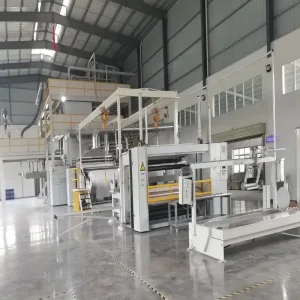
High-speed production systems designed to maximize daily output while maintaining fabric consistency.
View Details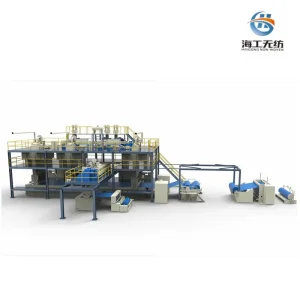
Reliable entry-level spunbond machines designed for standard packaging and agricultural applications.
View Details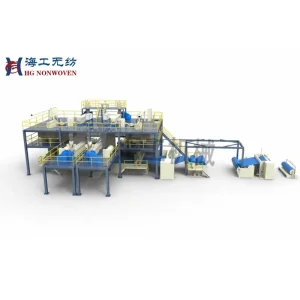
Composite three-beam SMS production lines designed for producing high-barrier medical protective materials.
View Details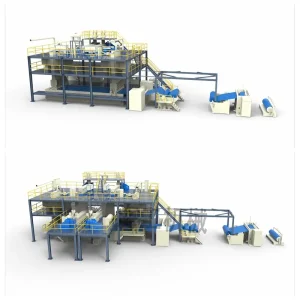
Multi-beam SMMS and SSMS configurations engineered for hygiene products requiring fine fiber structures.
View Details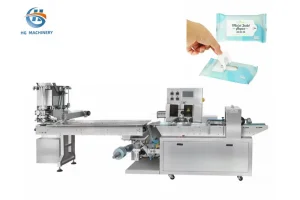
High-speed downstream packaging solutions designed for automated wet wipe converting lines.
View Details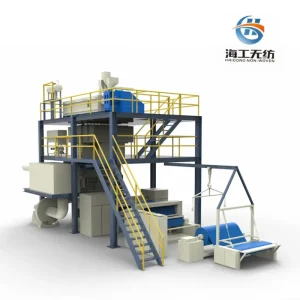
An efficient 1.6m width spunbond extrusion line designed for regional converters and manufacturers.
View Details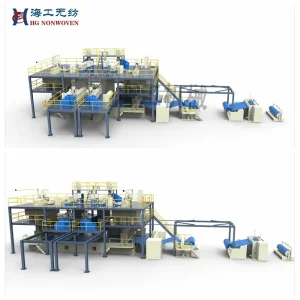
Fully integrated composite production lines combining spunbond strength and meltblown barrier performance.
View Details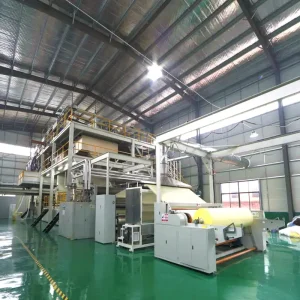
Heavy-duty industrial production lines designed for continuous, high-volume spunbond fabric manufacturing.
View DetailsEnsuring operational efficiency and regulatory compliance across global manufacturing jurisdictions.
Commissioning heavy industrial machinery such as a spunmelt nonwoven production line requires compliance with regional engineering codes. HG Nonwoven Machinery integrates quality standards directly into our manufacturing pipeline. Our equipment complies with CE and ISO directives, ensuring that the electrical layout, mechanical shielding, pressure vessels, and thermal isolation meet local safety and environmental standards in destination markets like Europe and the Americas.
Beyond engineering compliance, successful installation requires assessing local utilities. A typical spunmelt production line requires stable three-phase electrical connections, high-volume cooling water loops, and clean compressed air systems. Our team provides detailed engineering layout plans (A to Z) during the project design phase. This allows buyers to prepare their factories in advance, minimizing commissioning delays and accelerating the time-to-market for the final fabric products.
Through our digital remote support, our engineering team can access the machine control interface remotely to help troubleshoot software settings, evaluate sensor readings, and optimize extrusion parameters. This proactive service reduces the need for on-site visits and ensures that your production lines maintain stable throughput and web quality.
 HG NONWOVEN