In the modern industrial materials paradigm, nonwoven fabrics have evolved from simple disposable coverings into high-performance, precision-engineered barrier and structural components. The global demand for spunbond, meltblown, and spunlace composite fabrics is undergoing a structural expansion. Driven by tightening medical standards, growth in hygiene awareness, packaging light-weighting, and sustainable agricultural microclimatic strategies, worldwide manufacturing processes require unprecedented levels of precision.
As a leading engineering hub, Pujiang HG Nonwoven Machinery Co., Ltd. (operating since 2014, backed by over 20 years of team engineering expertise) specializes in the R&D, structural design, and turnkey manufacturing of advanced PP spunbond and meltblown composite nonwoven fabric lines. By implementing our proprietary 5th Generation spunbond spinning technology, we bridge the gap between heavy-duty engineering reliability and optimal raw material yield. Our turnkey plants are designed for investors seeking to optimize the total cost of ownership (TCO) while achieving exceptional Overall Equipment Effectiveness (OEE).
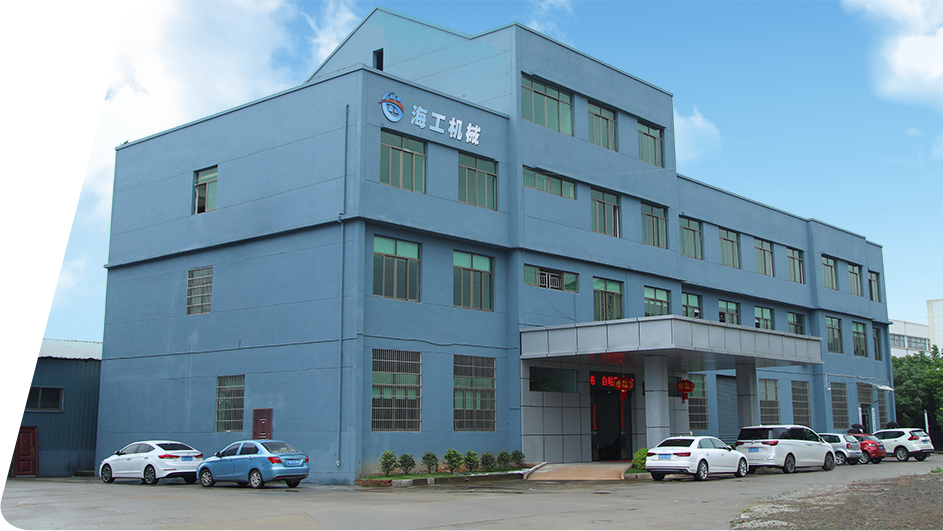
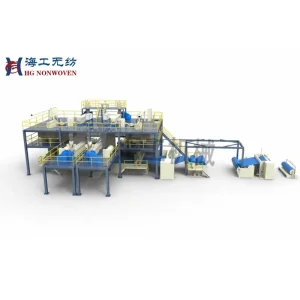
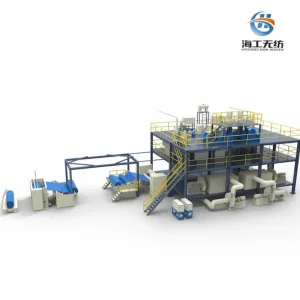
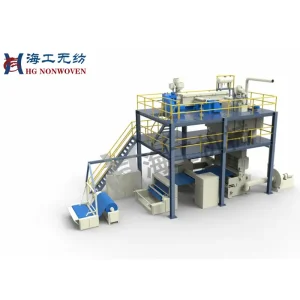
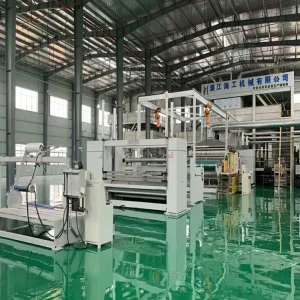
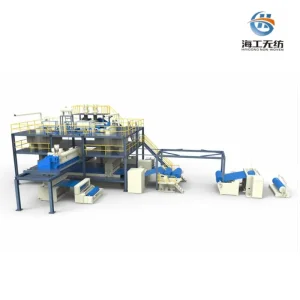
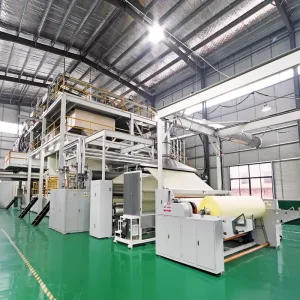
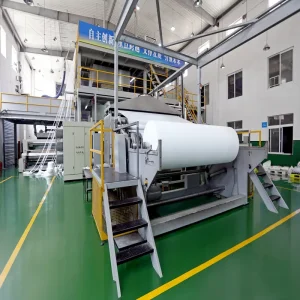
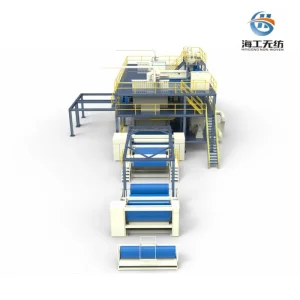
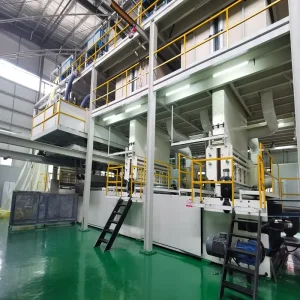
HG Nonwoven Machinery is a professional manufacturer of spunbond, meltblown, and composite nonwoven fabric machine lines, dedicated to providing high-efficiency and innovative spunbond nonwoven fabric production solutions to the global market. Our company introduced advanced design concepts (5th Generation spunbond spinning technology) from overseas and integrated them with autonomy tailored to the distinct needs of the market.
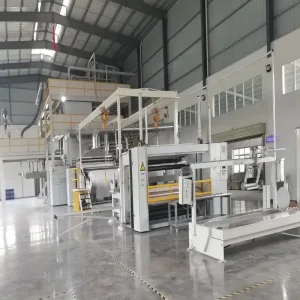
Consequently, HG nonwoven fabric making machines are characterized by convenient operation, small footprint, low power consumption, high efficiency, and low overall production costs. Our company regards "high quality, good service" as our core tenet. By choosing us, you gain a reliable partner committed to helping you stand out in a highly competitive market.
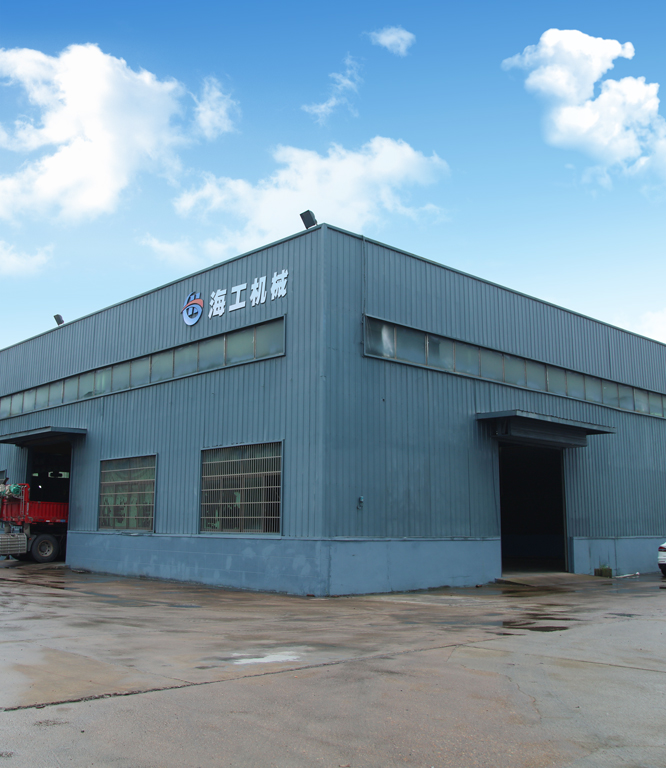
Our machinery portfolio focuses heavily on producing high-performance, eco-friendly, and biodegradable spunbonded nonwoven fabrics. We provide complete turnkey engineering service from A to Z, ensuring that clients can smoothly transition from technical conceptualization to sustainable, high-yield commercial production.
| Technology Type | Filament / Fiber Source | Primary Bonding Process | Common Fabric Weight (GSM) | Tensile Strength & Barrier Efficiency | Primary Industrial Applications |
|---|---|---|---|---|---|
| PP Spunbond (S/SS) | Continuous PP molten filaments | Thermal Calender Bonding | 10 - 150 GSM | High tensile strength; basic barrier properties | Hygiene backsheets, eco-shopping bags, agricultural crop covers |
| Meltblown (M) | Ultra-fine microfibers (melt-blown) | Self-cohesion via cooling air drafting | 15 - 80 GSM | Ultra-high filtration efficiency (sub-micron barrier) | N95/FFP2 face mask filters, medical gowns, industrial oil absorbents |
| Composite (SMS/SMMS) | Continuous filament + microfibers | Combined Thermal & Mechanical bonding | 12 - 100 GSM | Excellent balance of fluid barrier and tensile index | Surgical gowns, sterilization wraps, baby diapers, protective apparel |
| Spunlace (Hydroentangled) | Staple fibers (Viscose, Polyester, Cotton, Wood pulp) | High-pressure water jet entanglement | 30 - 120 GSM | Superior softness, drape, and water absorption capacity | Cosmetic wet wipes, industrial cleaning cloths, medical dressings |
Our machines are meticulously designed and incorporate the latest technology to ensure maximum production efficiency with minimal energy consumption. We also offer customized solutions to ensure our machine lines align perfectly with your unique regional requirements.
Leveraging rich experience in the nonwoven fabric industry, we provide comprehensive regional market analysis. We help you conduct a thorough project feasibility report regarding polymer costs, energy consumption, and product market fit.
We supply PP nonwoven fabric making machines and complete accessory systems, including nonwoven recycling machines, slitting units, flexo printing lines, lamination machines, and nonwoven bag making machinery.
We provide hands-on commissioning and operational training to ensure your team runs the machinery safely and efficiently. Our technical support includes 24 months of on-site engineering maintenance, supplemented by digital remote services.
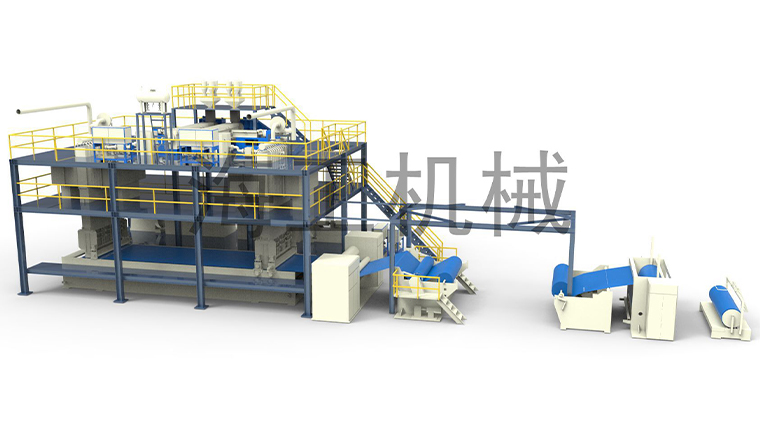
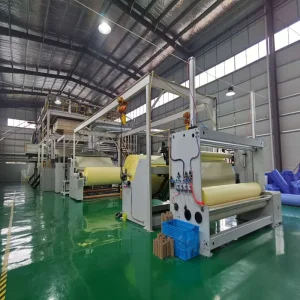
Ideal for packaging nonwoven bags, furniture components, and agricultural protective covers.
View Machine Technical Configuration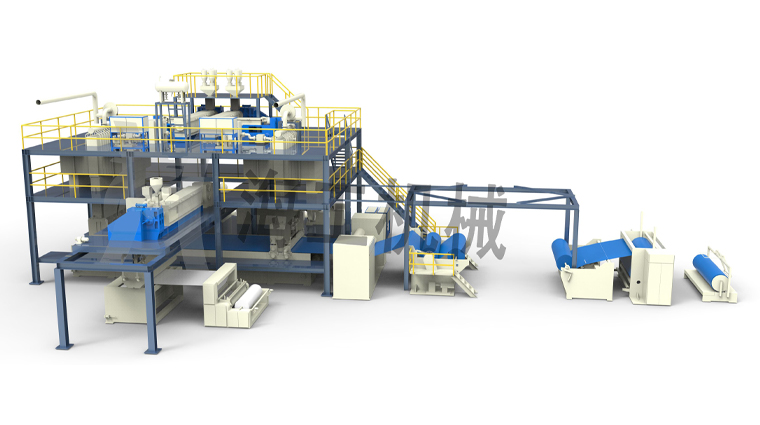
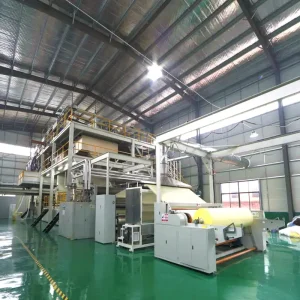
Engineered specifically for medical grade barriers, surgical drapes, and high-safety masks.
View Machine Technical Configuration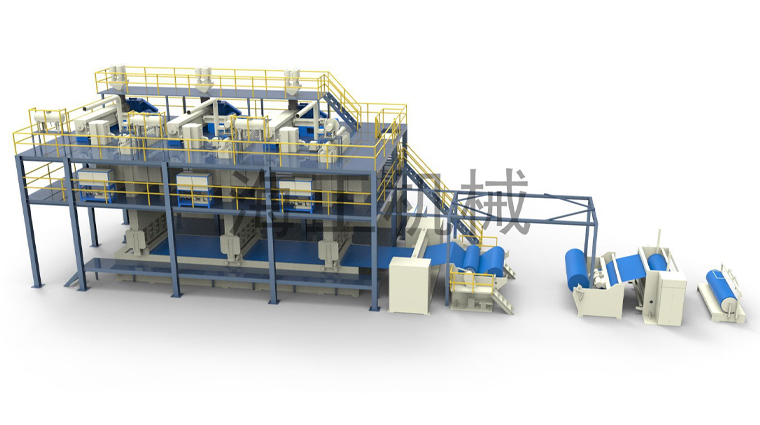
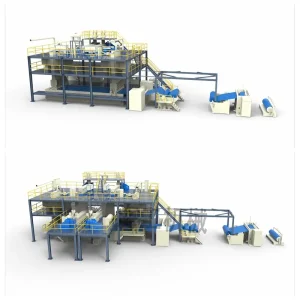
Advanced 4-layer configuration providing significantly enhanced filtration and barrier indices over SMS.
View Machine Technical Configuration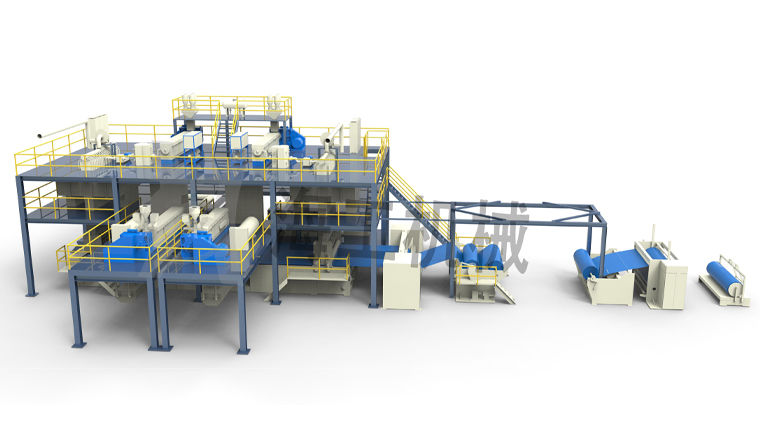
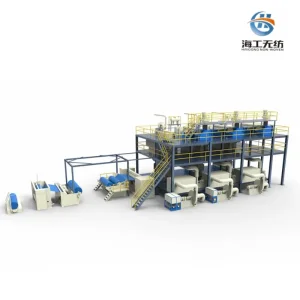
Premium line configuration delivering superior barrier properties, ultra-softness, and hygienic comfort.
View Machine Technical ConfigurationEntering the industrial nonwoven manufacturing space requires aligning machinery capability with downstream market demands. Under the guidance of our engineering department, prospective buyers are equipped to choose the configurations that deliver optimum ROI based on regional market requirements:
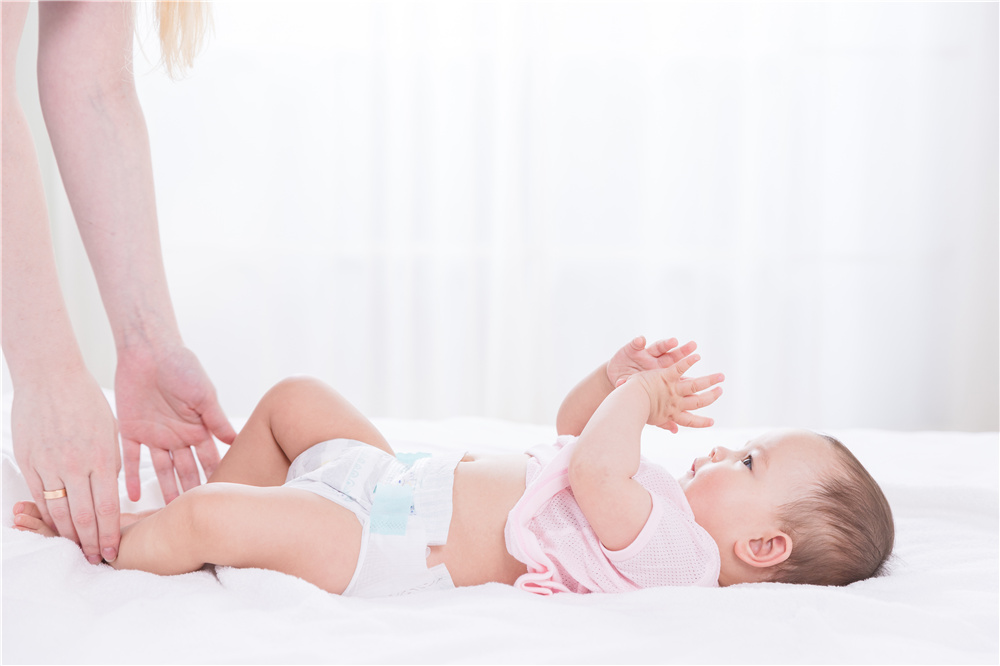
Nonwoven fabric is essential in the hygiene sector, offering breathability, softness, and excellent fluid management for comfort and protection. It quickly absorbs liquid and keeps it away from the skin, making it ideal for paper diapers, incontinence pads, and feminine hygiene products.
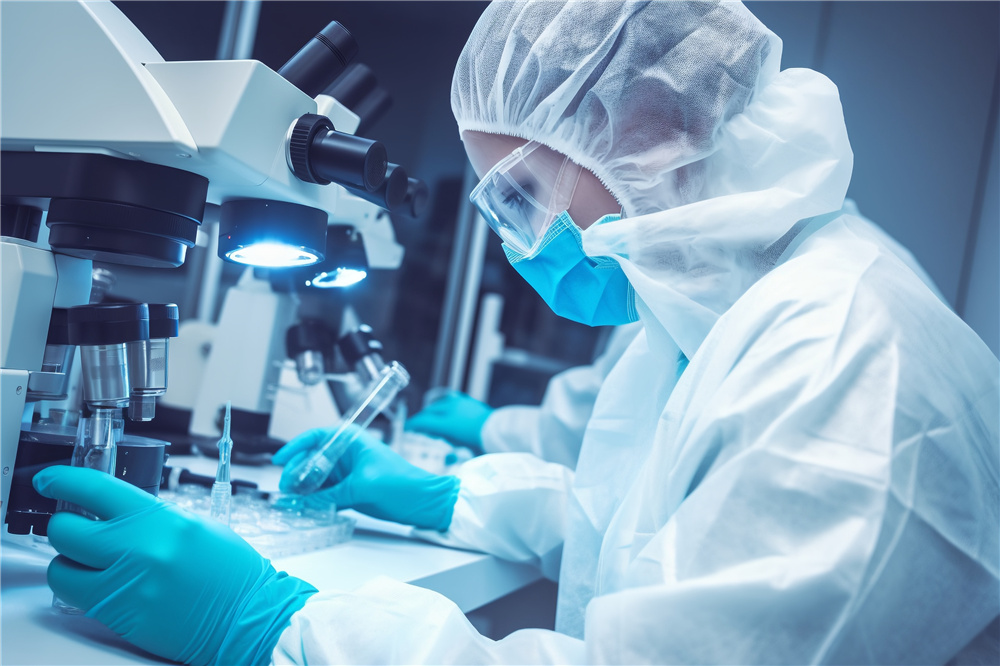
Nonwovens fabrics are extensively used in the medical field and in protection against biological agents in other sectors. They deliver critical safety properties, such as prevention against infections and diseases. They are essential for making face masks, surgical gowns, bed sheets, and surgical towels, ensuring effective filtration, protection, and comfort.
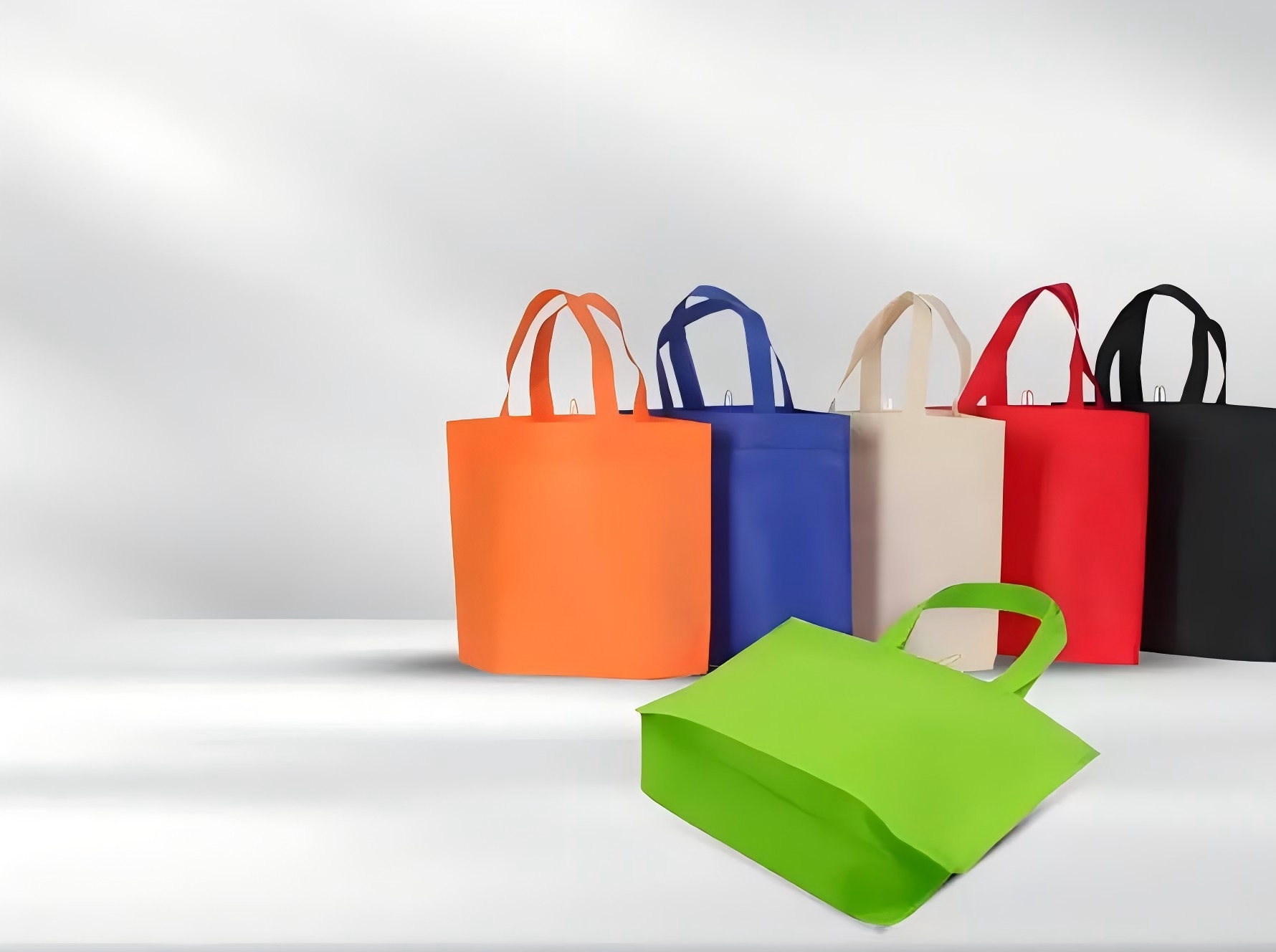
Nonwoven fabric is ideal for a variety of packaging end-uses, as their exceptional lightweight, their energy-efficient production, shipping and storage, and their long life and robustness allow for two important features: volume reduction and re-usability. It is widely used for shopping bags, fruit bags, garment bags, rice bags, pocket springs, garment interlining, as well as packaging for pharmaceuticals and cosmetics, among other applications. Its versatility and long lifespan contribute to its popularity in various industries.
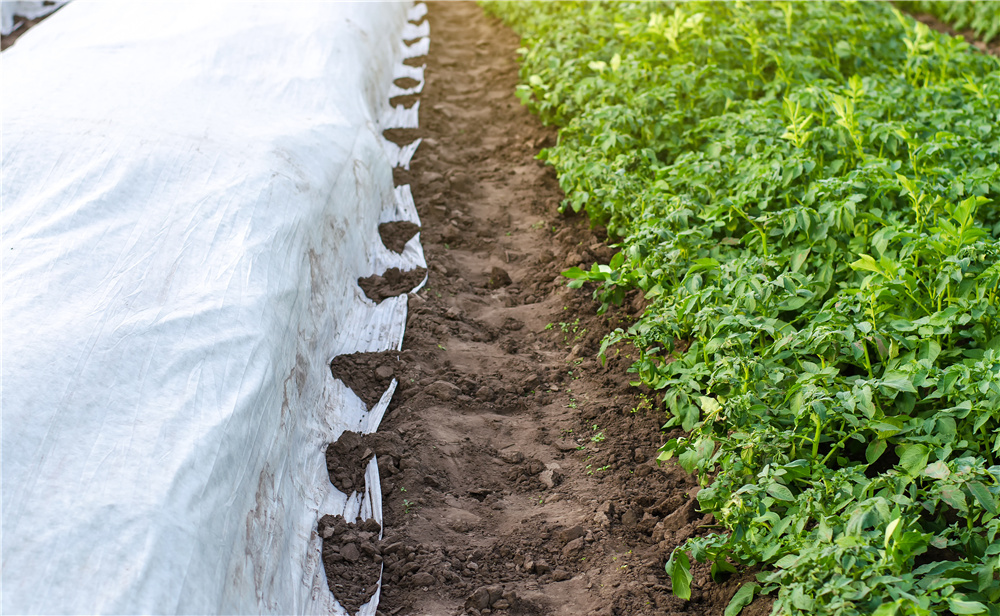
Agriculture Non Woven Fabric allow air and water to pass through while providing wind and cold protection by generating a microclimate around the crop. Furthermore, because nonwoven works as a physical protection media, it can assist prevent damage to crops, vegetables, and seeds from insects and birds. Nonwoven materials can assist regulate heat, UV blocker agriculture, while also providing superior air and water permeability. These materials are lightweight, portable, and may be tailored to match specific needs and provide specific services.
Global procurement directors analyzing the acquisition of polymer extrusion machinery often contrast European engineering with China's manufacturing base. Chinese manufacturers, represented by HG Nonwoven Machinery, offer unique structural cost advantages that enhance client ROI:
Our manufacturing facility in Pujiang benefits from immediate proximity to major metallurgical clusters, CNC machining ecosystems, and electronic component integration hubs. By localizing raw materials sourcing, high-precision machining, and dynamic assembly, HG Nonwoven Machinery reduces system production cycles by up to 45% compared to Western manufacturers.
Electricity costs represent the largest operating expense in nonwoven roll production. Our 5th Gen spunbond systems feature optimized heating systems, high-efficiency aerodynamic drafting chambers, and state-of-the-art energy-reclaim fans. This configuration reduces overall kilowatt-hour consumption per ton of finished fabric by 15-20%, directly improving operational margins for manufacturing plants.
We manage the full plant integration process, including layout optimization, ancillary systems setup (slitting, edge recycling, eco-extrusion), and test production. By consolidating these services under a single supplier, clients minimize installation delays and integration risks.
The nonwoven industry is undergoing transition, driven by environmental legislation, clean energy transition, and shifting consumer preferences. Understanding these trends helps producers align their machinery capabilities with future market requirements:
1. Shift to Eco-Friendly & Biodegradable Raw Materials: With global bans on single-use plastics expanding, demand is rising for spunbond and spunlace fabrics made from biodegradable polylactic acid (PLA), polybutylene succinate (PBS), and natural fibers like cotton and wood pulp. HG Machinery is actively developing extrusion systems configured to process biopolymers smoothly without sacrificing production speeds.
2. Adoption of Industry 4.0 Technologies: Modern production lines incorporate IoT sensors to track heating profiles, draft speeds, and thickness variations in real time. This automated quality control system minimizes waste and allows operators to adjust parameters remotely, ensuring high consistency across production runs.
3. High-Performance Hybrid Composites: To meet specialized requirements in medical barrier protection and industrial filtration, manufacturers are combining spunbond, meltblown, and spunlace technologies into multi-layer composite webs. Investing in modular extrusion machinery provides the flexibility needed to adapt to changing product configurations.
 HG NONWOVEN