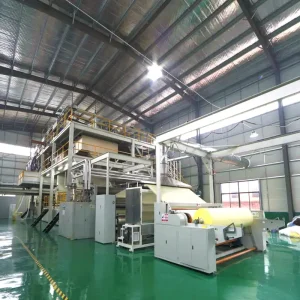
Explore our state-of-the-art extrusion lines, spinning configurations, and downstream packaging systems designed for high-throughput industrial operations.
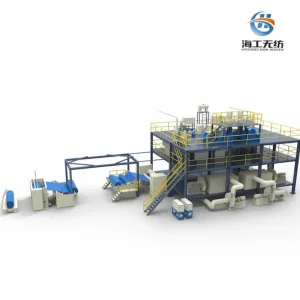
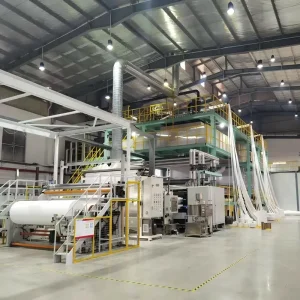
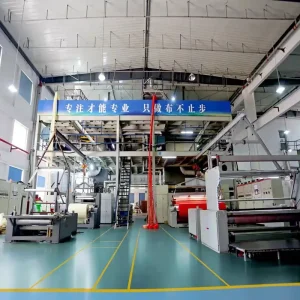
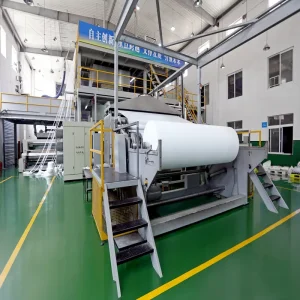
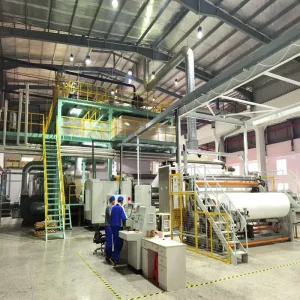
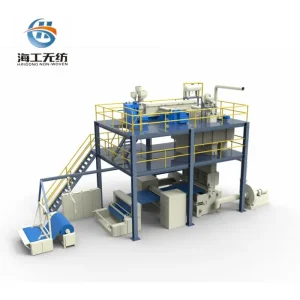
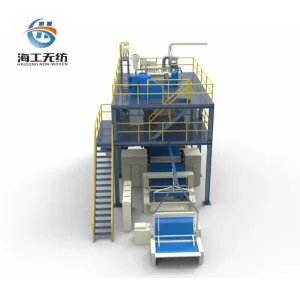
HG Nonwoven Machinery (Pujiang HG Nonwoven Machinery Co., Ltd.) stands as a highly authoritative and specialized manufacturer of spunbond, meltblown, and composite nonwoven fabric machine lines since 2014. Committed to deploying high-efficiency and innovative spunbond nonwoven fabric production setups, we cater to the expanding demands of the global market.
By integrating advanced conceptual design framework, particularly the 5th Generation spunbond spinning technology from overseas, with our autonomous engineering adaptions, HG Nonwoven Machinery ensures optimal cost-to-output ratios. Our machinery lines are universally characterized by their convenient operational interfaces, minimized floor footprint, ultra-low energy consumption profile, and supreme manufacturing productivity.
"We regard high quality and good service as our absolute tenets, delivering comprehensive turnkey engineering solutions from A to Z to assist clients globally in scaling their production sustainably."
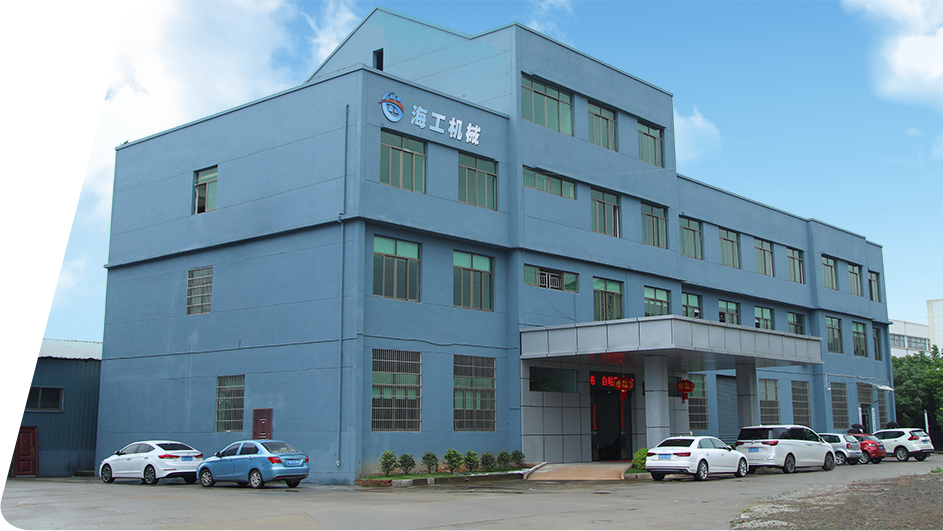
Since our inception in 2014, Pujiang HG Nonwoven Machinery has focused on eco-friendly, biodegradable spunbonded and meltblown composite structures. Operating globally, our engineering team ensures that the transition to eco-materials (biodegradable PLA, PP formulations, and post-consumer recycled resins) runs seamlessly on our customized extruder geometries and dies.
Whether optimizing existing machinery profiles or designing a sprawling multi-beam SMS / SMMS line from scratch, we offer end-to-end support including plant layout design, utility optimization, machine calibration, and training.
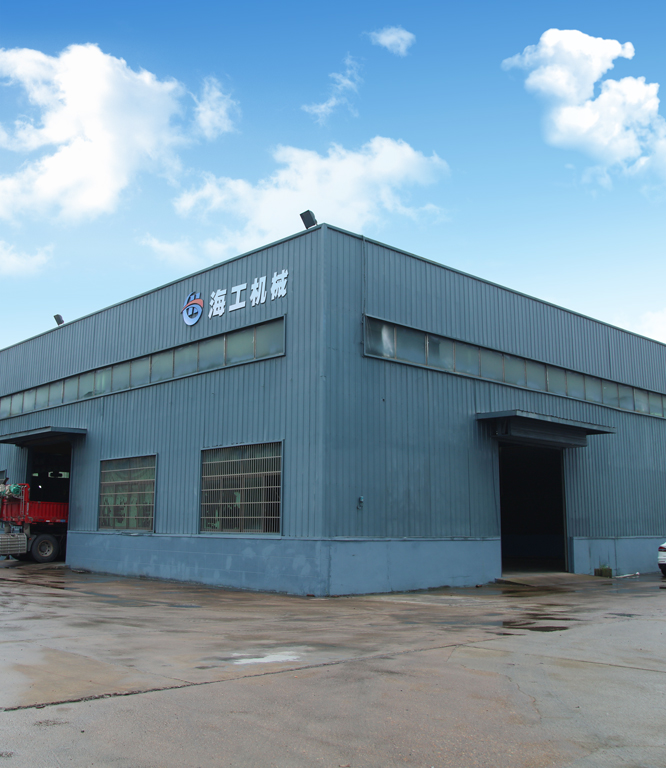
Understanding the economic factors, capacity requirements, and strategic motivations driving industrial buyers to procure HG SMS Nonwoven Machinery.
In the global industrial manufacturing sector, the demand for nonwoven fabrics is experiencing a structural shift toward multi-beam composite materials. B2B procurement professionals representing medical supply corporations, hygiene product conglomerates, and geotextile distribution networks require machinery that mitigates risk while maximizing throughput. Procuring a China HG SMS Nonwoven Machine represents a strategic capital investment designed to address these complex market realities.
Procurement processes are heavily guided by compliance constraints. Medical drapes and gowns must meet strict biological barrier standards, such as EN 13795 in Europe and AAMI levels 1-4 in the United States. High-performance SMS (Spunbond-Meltblown-Spunbond) machinery is required to spin ultra-fine fibers that achieve high hydrostatic head pressure values. HG’s machinery features optimized meltblown dies, enabling the deposition of microfibers (1–3 microns in diameter) sandwiched between resilient spunbond filaments. This layer configuration delivers optimal breathability while offering superior barrier properties.
Purchasing high-capacity industrial machines requires balancing upfront acquisition costs (CAPEX) with long-term operational efficiency (OPEX). China-made HG SMS machinery offers a highly competitive CAPEX structure without sacrificing performance. The integration of high-efficiency AC motors, optimized heating jackets, and advanced heat recovery systems ensures a significant reduction in kilowatt-hour consumption per ton of finished fabric. This energy-saving design directly lowers the cost-per-ton output, maximizing ROI in competitive commodity markets.
Industrial clients face growing legislative pressures to adopt biodegradable and eco-friendly raw materials. Global procurement teams prioritize machinery compatible with multiple polymer grades. HG Spunmelt lines are engineered with customized screw designs capable of processing homopolymer polypropylene (PP) with a Melt Flow Index (MFI) of 25–40 for spunbond and 800–1500 for meltblown. Additionally, they are compatible with biodegradable polylactic acid (PLA) and bio-resins, future-proofing your manufacturing plant against changing environmental regulations.
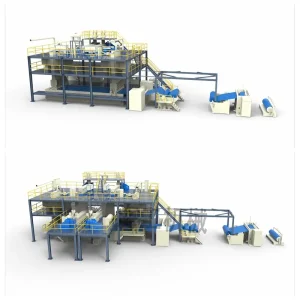
An engineering blueprint of HG's 5th Generation Spinning Technology and future technical iterations.
HG Machinery's proprietary 5th Generation spunbond spinning technology represents a major advancement in air-drafting and filament deposition. Unlike older generations that relied on wide, segmented air ducts, our 5th Gen system utilizes a continuous slot-drawing mechanism. This configuration produces a uniform air velocity field, ensuring that the filaments are drawn evenly across the entire working width.
By controlling the cooling air temperature (typically between 15°C to 18°C) and pressure within the quenching chamber, we achieve a highly consistent filament diameter distribution (ranging from 1.5 to 2.0 denier). This consistency is critical for producing lightweight fabrics (10–15 gsm) with high tensile strength in both machine direction (MD) and cross direction (CD).
The future of nonwoven manufacturing lies in digitalization, AI-driven closed-loop quality control, and further material refinement. Our technical roadmap focuses on the following key developments:
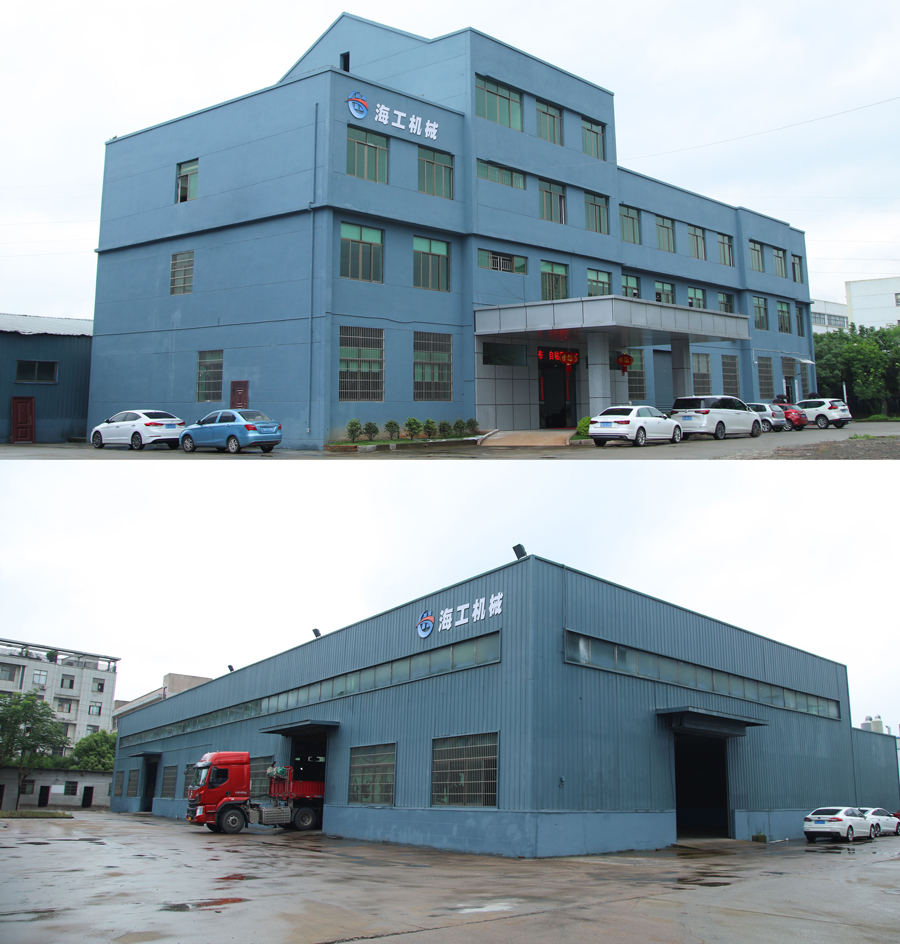
Our deep expertise across diverse sectors guides you in choosing the most suitable production line to start and scale your manufacturing business efficiently.
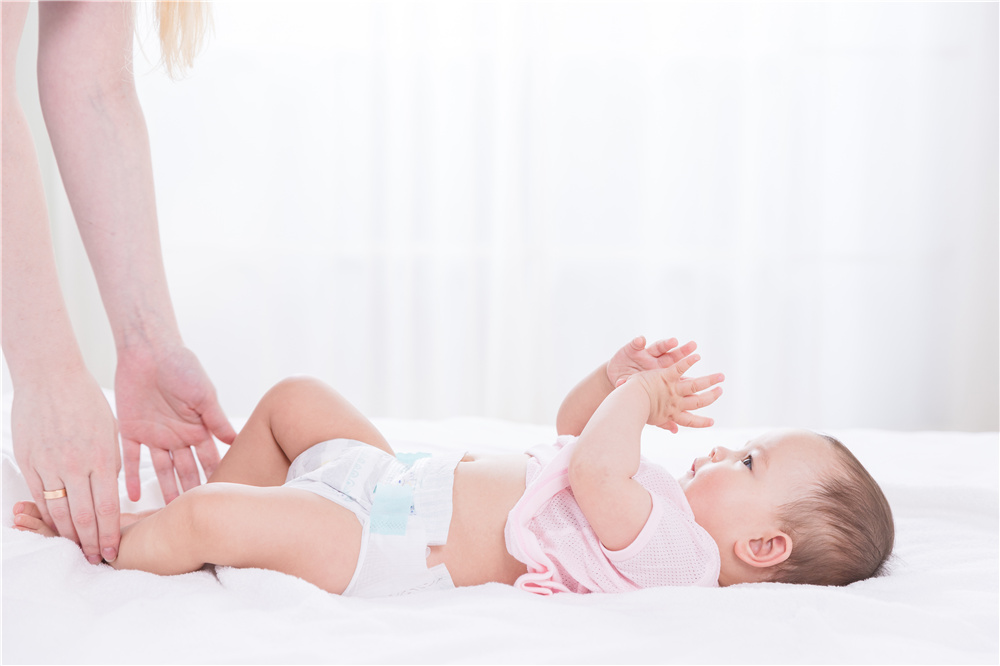
Non-woven fabric is essential in the hygiene sector, offering breathability, softness, and excellent fluid management. It quickly absorbs liquid and keeps it away from the skin, making it ideal for diapers, incontinence pads, and feminine hygiene products.

Providing critical protection against biological agents, these fabrics are essential for making face masks, surgical gowns, bed sheets, and towels, ensuring effective filtration, barrier safety, and user comfort.
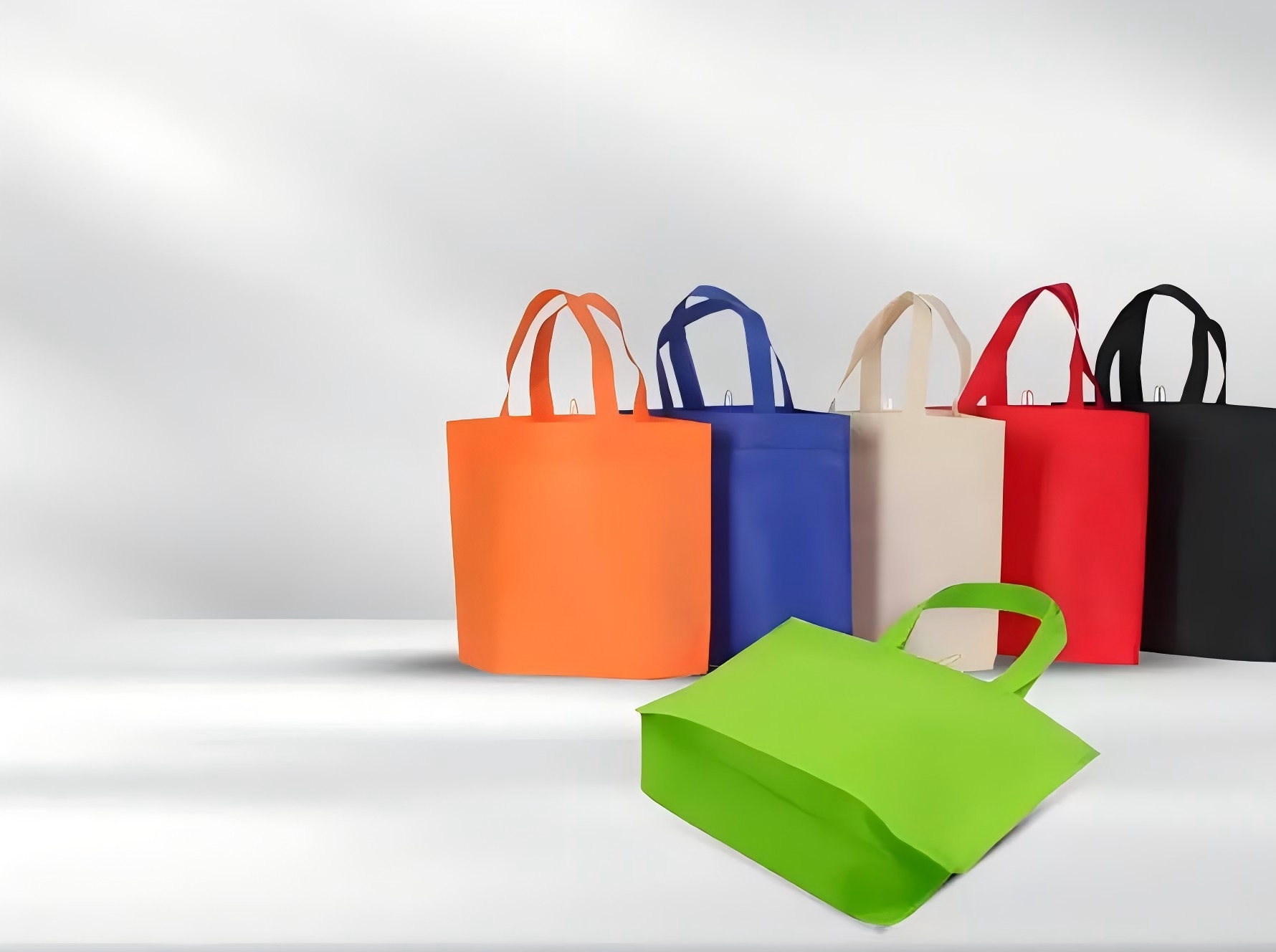
Optimized for lightweight strength, energy-efficient production, and reusable lifespans. Widely applied in shopping bags, garment interlinings, pharmaceutical wraps, and protective shipping covers.
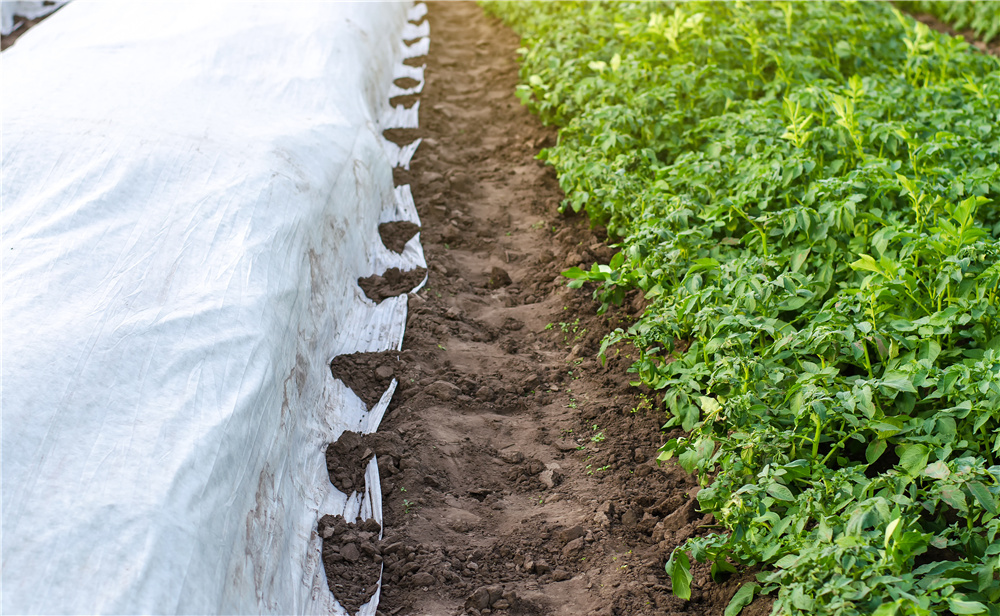
Provides critical crop microclimates, offering wind and cold protection while remaining highly permeable to water and air. UV-stabilized formulations protect vegetables and seedlings from insect damage.
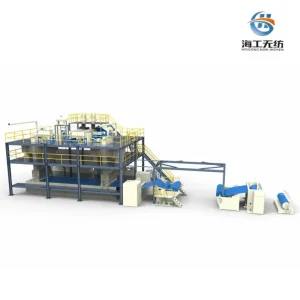
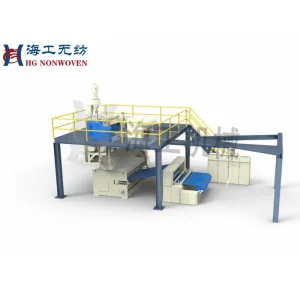
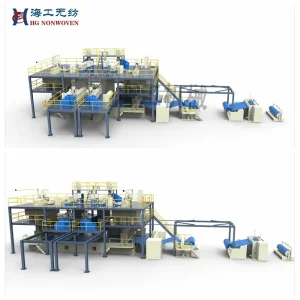
These primary line configurations represent our most sought-after machinery systems globally, designed for high-efficiency operation.
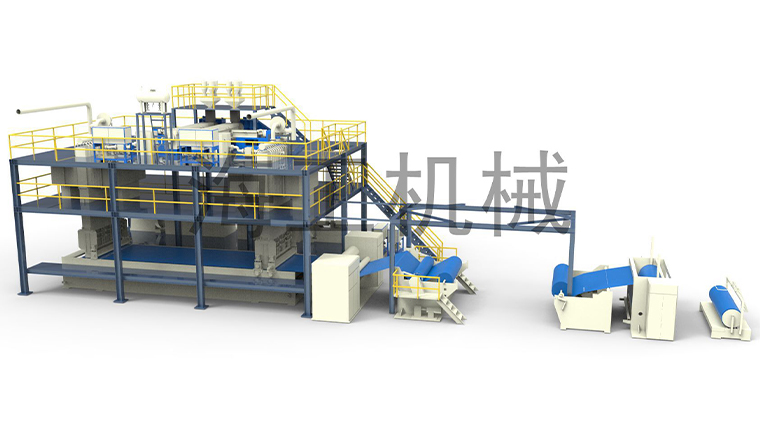
Designed for packaging nonwoven bags, furniture applications, and agricultural ground cover.
View Details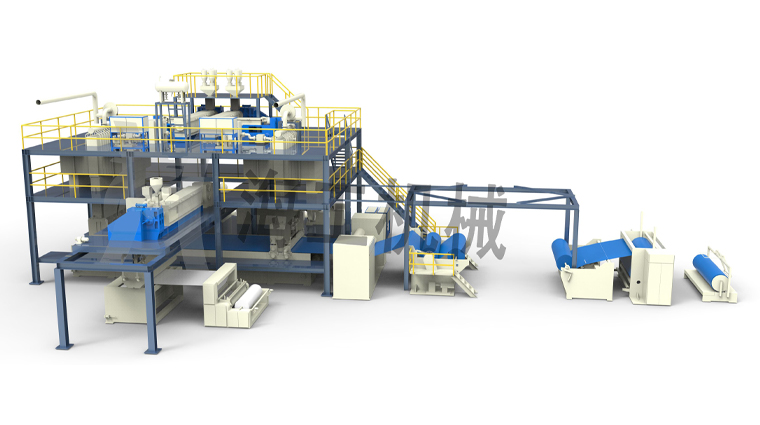
The standard configuration for medical gowns, drapes, and high-barrier hygiene protective layers.
View Details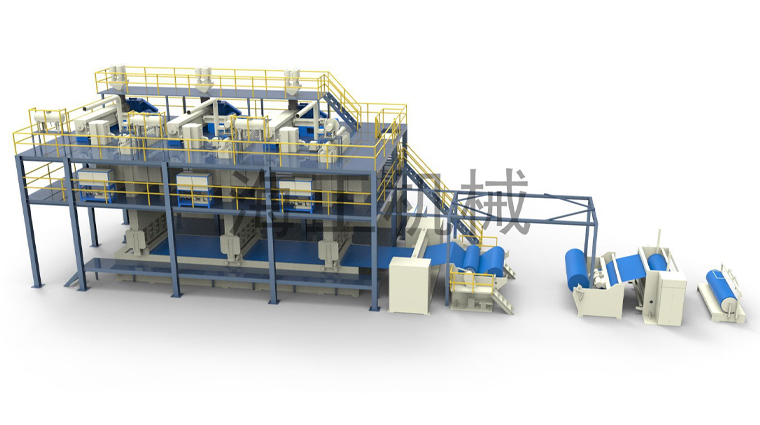
Features 4 layers for enhanced filtration efficiency, maintaining low breathing resistance.
View Details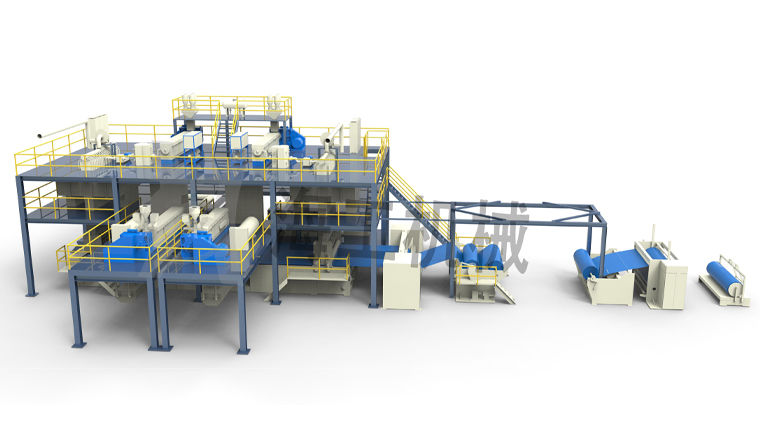
Top-tier multi-beam layout offering excellent barrier properties, softness, and patient comfort.
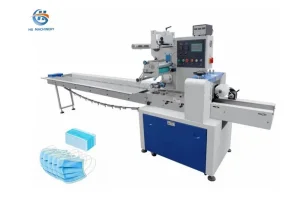
View DetailsA key advantage of partnering with HG Nonwoven Machinery is our capability to deliver comprehensive, end-to-end setups. Rather than working with multiple suppliers for ancillary equipment, we provide integration for the entire production ecosystem.
Our integration expertise covers downstream machinery, ensuring your factory operates as a continuous, automated unit. This one-stop approach minimizes interface conflicts and streamlines your installation timeline.
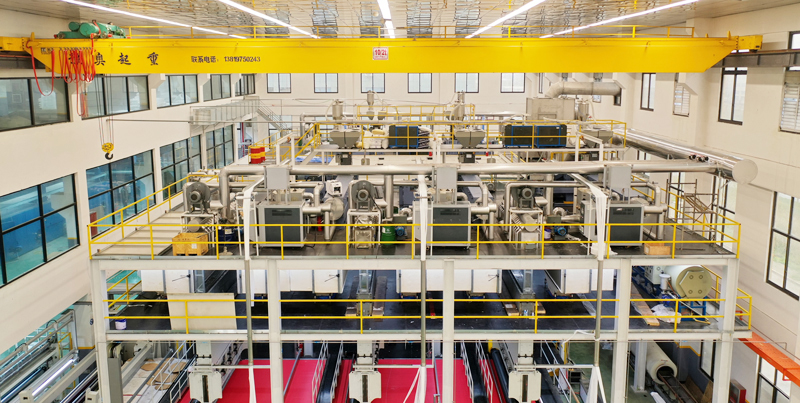
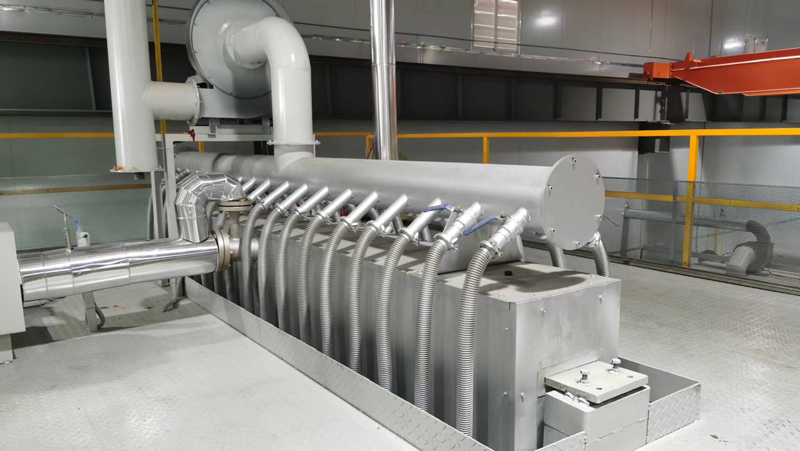
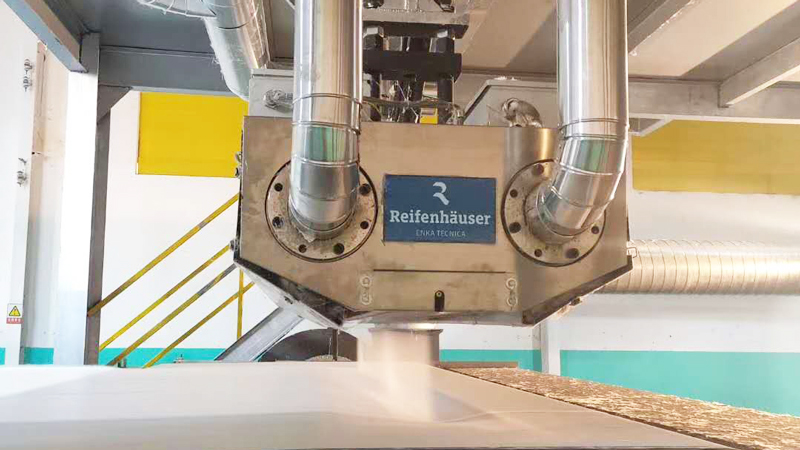
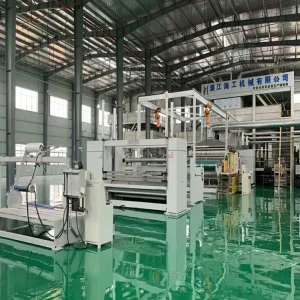
High-precision processing, mechanical engineering integrity, and strict assembly inspections define every HG production line.
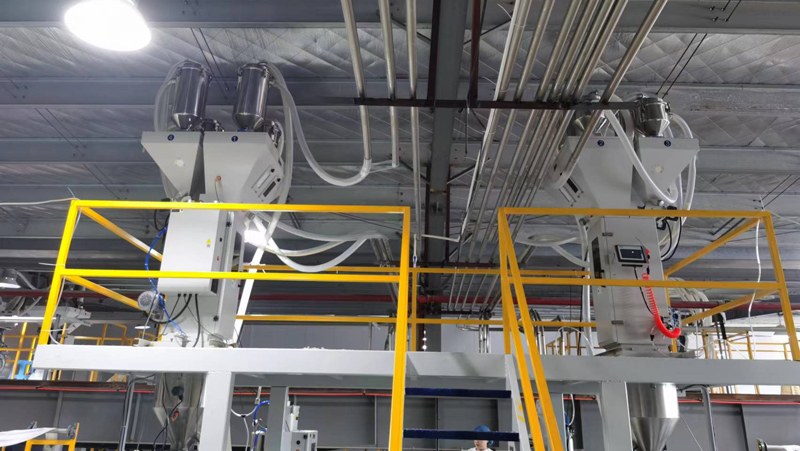
Navigating regional standards, feasibility analysis, and lifecycle support with a reliable manufacturing partner.
Building a nonwoven plant requires navigating specific local and regional regulatory pathways. For example, setting up a factory in the European Union or North America requires compliance with regional safety codes, including CE certifications, UL listing standards, and local pressure vessel requirements (such as ASME codes for calender heating rollers).
At HG Nonwoven Machinery, we support clients during the pre-project phase by providing detailed market analyses and local feasibility reports. We analyze factors such as local utility costs (water, electricity, and compressed air) and the availability of raw materials to help you optimize plant layouts and select the right machinery configuration for your budget and goals.
Reliability is critical for high-volume manufacturing lines. We provide an industry-leading 24-month after-sales service warranty. Following installation, our field engineers conduct on-site commissioning and comprehensive staff training. This training covers extruder start-up procedures, spinneret maintenance, and PLC control navigation, helping your team minimize downtime and keep the production line running smoothly.
Expert technical answers to common questions about SMS nonwoven machinery operation and plant setup.
Explore additional configuration options for high-output spunbond fabric production.
 HG NONWOVEN