Explore our premium industrial setups configuration designed for maximum fiber crystallization, structural uniformity, and optimized polymer consumption.
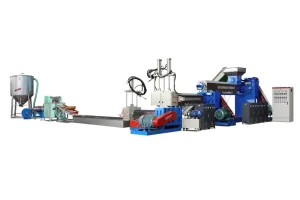
Engineered for in-line recycling of nonwoven edge trims, maintaining polymer rheological integrity with minimal heat degradation.
Get Technical Data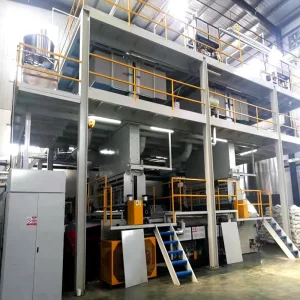
Heavy-duty dual beam design configurations achieving over 600kg/h output with precise cross-directional web uniformity.
Get Technical Data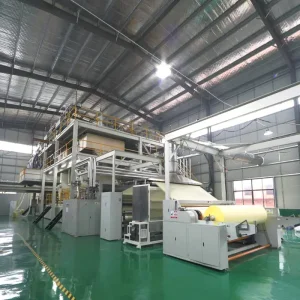
High-speed S/SS nonwoven system optimized for packaging and medical applications requiring low fabric weight variation.
Get Technical Data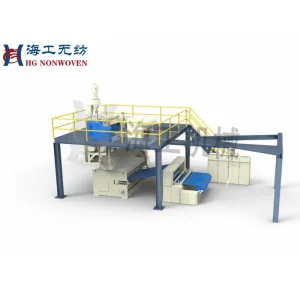
Modular single-beam polypropylene line tailored for fast configuration changes and energy-efficient startups.
Get Technical Data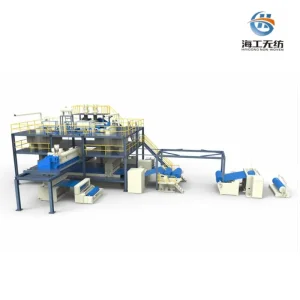
Multifunctional composite lines combining spunbond and meltblown blocks to produce barrier fabrics with high breathability.
Get Technical Data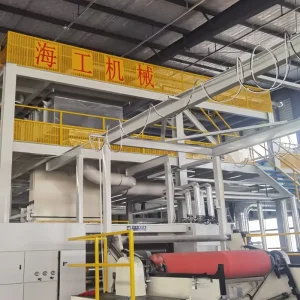
Optimized for high tensile strength, ideal for eco-friendly shopping bags and structural furniture inner liners.
Get Technical Data
Industrial shredding-pelletizing systems utilizing hot-cut technology to recycle standard process scraps without moisture intake.
Get Technical Data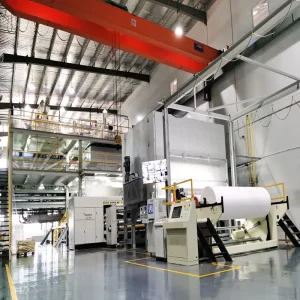
Turnkey solution geared specifically for rapid bag-making line setups, featuring high web softness profiles.
Get Technical DataPolyester (PET) Spunbond technology represents a quantum leap in nonwoven engineering. Unlike traditional Polypropylene (PP) which melts at approximately 165°C, PET requires a specialized processing environment designed for melting points exceeding 260°C. This thermal shift presents unique challenges in engineering extrusion parameters, melt pump precision, and cooling processes.
The tensile performance of PET nonwoven fabric surpasses PP by up to 2.5 times, offering exceptional structural integrity under high temperatures, resistance to chemical solvents, and high UV tolerance. This qualifies PET spunbond fabrics for harsh environments like civil geotextiles, automotive insulation, roofing membranes, and advanced HVAC filtration.
Because PET is highly hygroscopic, raw chips must undergo rigorous crystallization and desiccant dehumidification down to <50 ppm moisture. Failure to do so leads to hydrolytic degradation of polymer chains within the extruder, resulting in reduced filament elongation and weak spot formation.
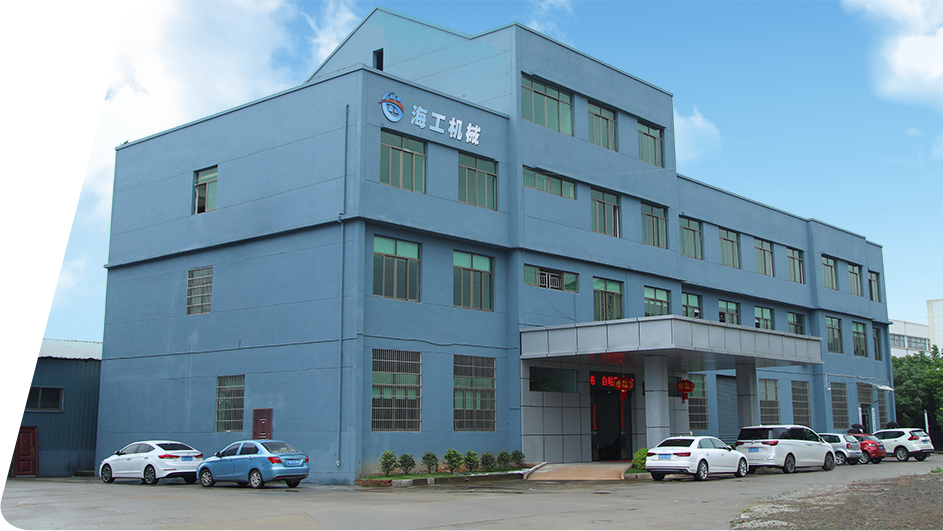
Understanding how HG Nonwoven Machinery integrates international design paradigms with autonomous system optimization.
Utilizing high L/D ratios (usually 30:1) to achieve homogeneous melting of polymer blends. Integrated heat control zones maintain precise thermal gradients necessary to prevent polymer cracking while reducing power draw.
Our 5th Gen system employs closed, high-pressure slot drawings. Filaments are pulled by air speeds up to 6000 m/min, promoting molecular alignment, resulting in fine-denier fibers with supreme mechanical properties.
High-accuracy oil-heated calender rolls provide uniform temperature distribution (±1°C) across web widths up to 3200mm, ensuring reliable point-bonding configurations for packaging and medical applications.
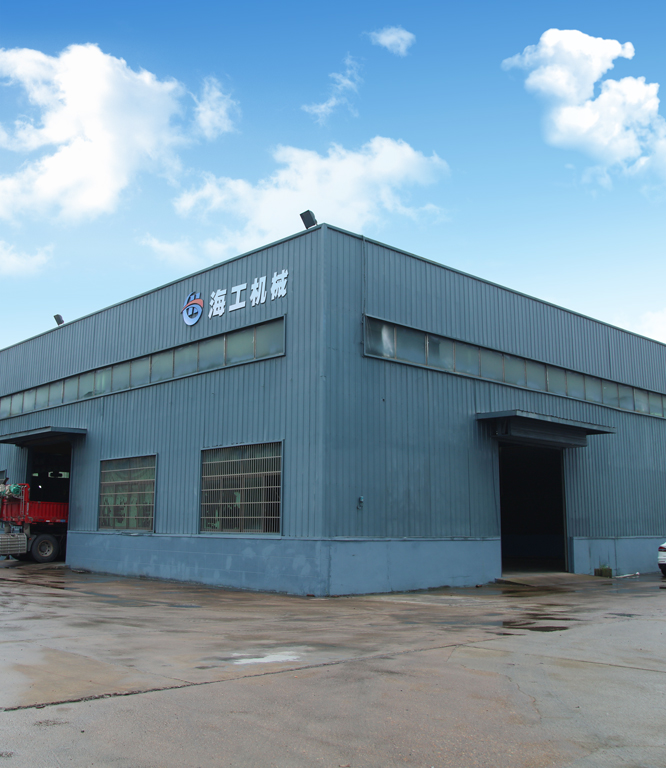
Operating out of our specialized facility since 2014, Pujiang HG Nonwoven Machinery leverages China's robust industrial ecosystem to lower capital expenditure (CapEx) without compromising on component quality.
By integrating premium international electronics (like Siemens PLC systems, ABB drives, and SKF high-speed bearings) with local precision engineering of spinning blocks and calender rollers, we provide equipment that matches European benchmarks at a fraction of the cost.
Furthermore, our structural proximity to primary steel and tooling supply chains in Zhejiang province allows for rapid custom adjustments to line configurations, resulting in significantly shorter manufacturing times compared to Western competitors.
Depending on your chosen market, our engineering teams customize the extruder, quench system, and thermal calender configurations to deliver optimal fabric structures.
SMS/SMMS lines producing hydrophobic barriers, facial masks, and protective clothing with high hydrostatic resistance and breathability profiles.
High-density PET spunbonds utilized for trunk liners, interior flooring backings, acoustic insulation pads, and engine compartment shields.
Heavy-gauge polyester fabrics with high puncture resistance and tensile index, used in road base stabilization, coastal dams, and drainage layers.
UV-stabilized, lightweight nonwovens acting as thermal microclimate covers, protecting crops against frost, insects, and excessive moisture loss.
HG Machinery does not merely supply the extrusion line. We design and install the full downstream process, protecting your project from interface compatibility issues.
Vacuum conveying systems integrated with desiccant air drying structures to remove surface and internal moisture from polyester chips.
High-speed inline slitting, rewinding, nonwoven flexographic printing machines, and multi-layer film lamination setups.
In-line recycling extruders (granulators) that immediately repelletize edge trim, introducing the reclaim directly back into the feed throat.
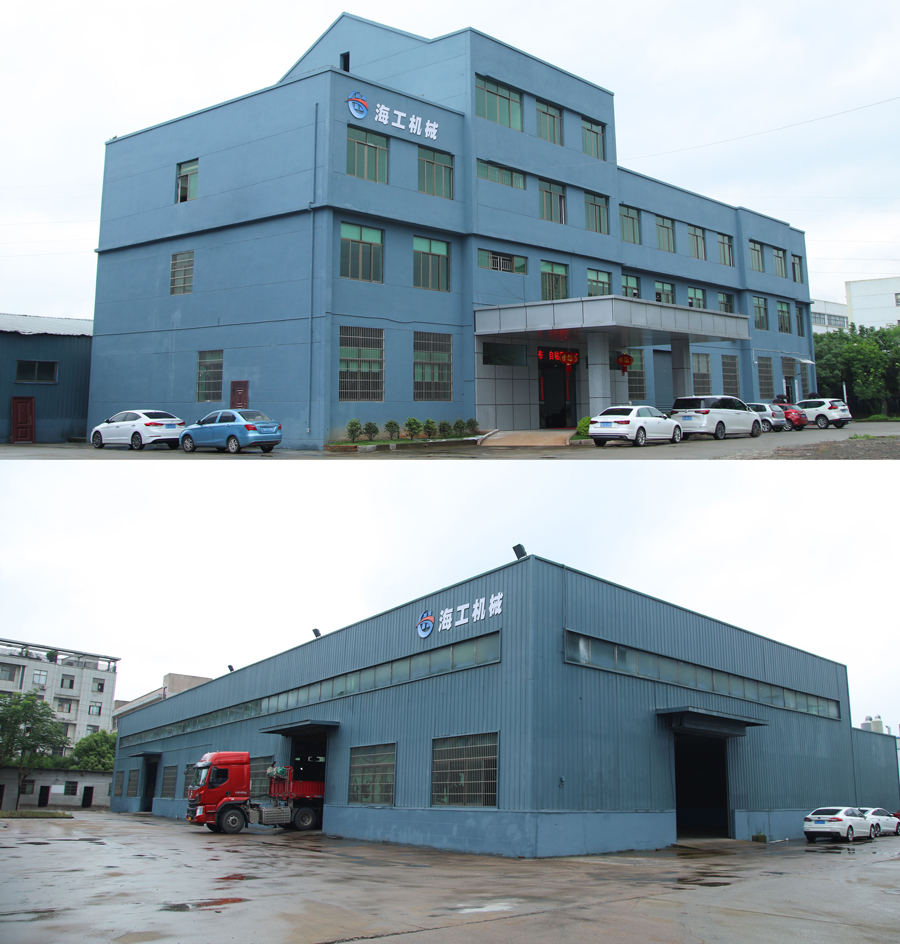
Our core nonwoven configurations represent decades of structural engineering refinement.
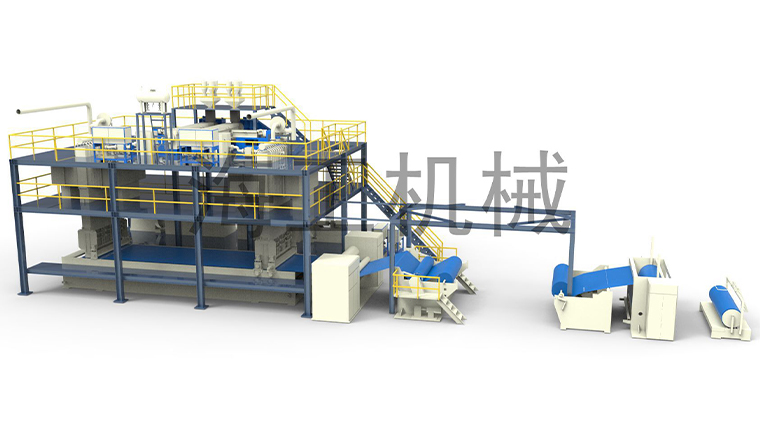
Engineered for packaging bags, furniture interlinings, and agricultural field protection covers.
Widths: 1600 - 3200mm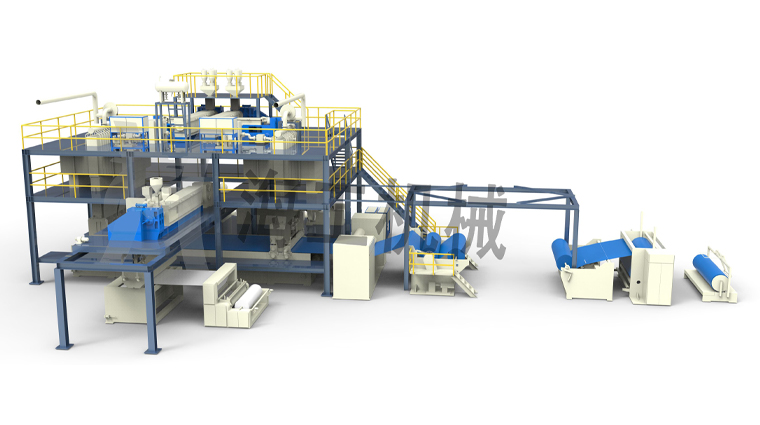
Ideal configuration for high-level barriers needed in disposable hospital wear and surgical face masks.
Filtration Efficiency: >99%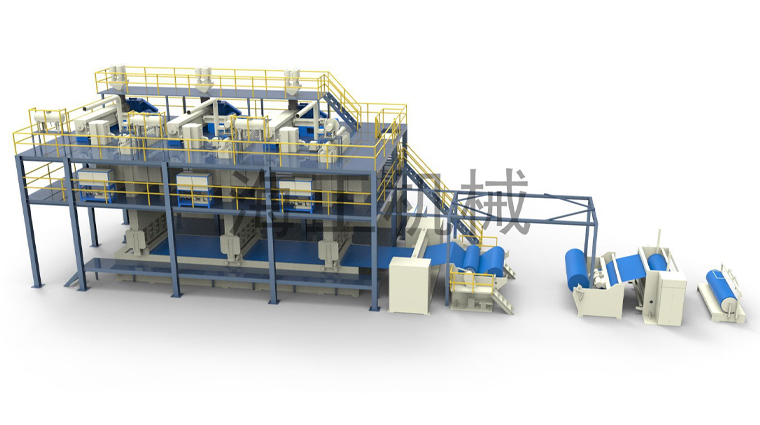
Four-layer configuration boasting two internal meltblown layers for sensitive liquid protection.
Optimal Fiber Denier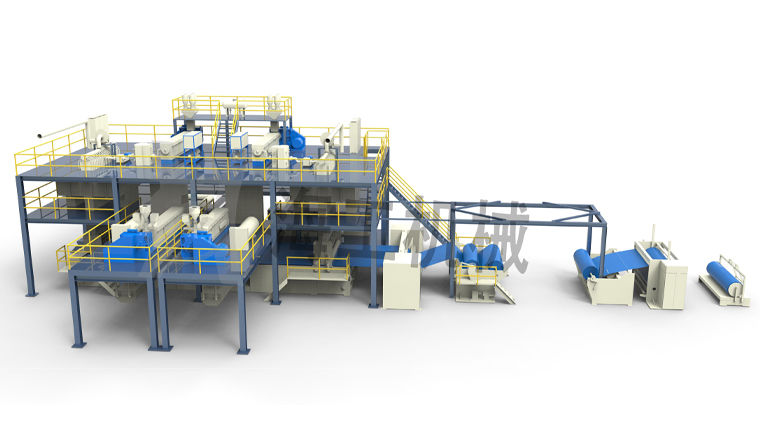
The absolute pinnacle of medical barrier applications, delivering soft feel and liquid repellency.
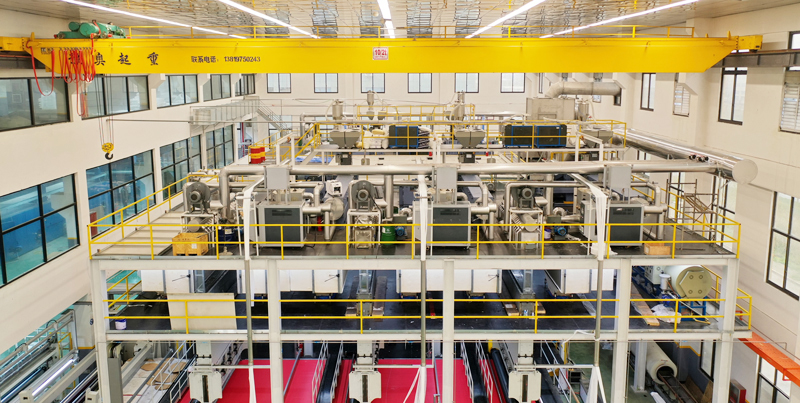
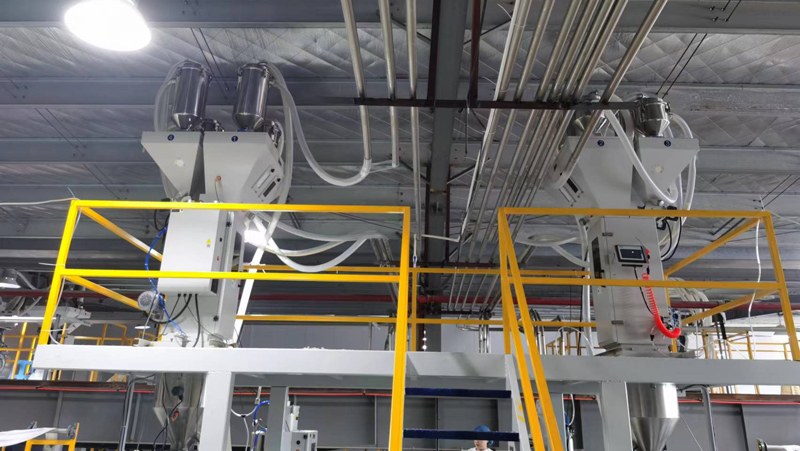
Speed: Up to 600m/minA structural look into the tooling, machining, and engineering stages of HG Nonwoven Machinery.
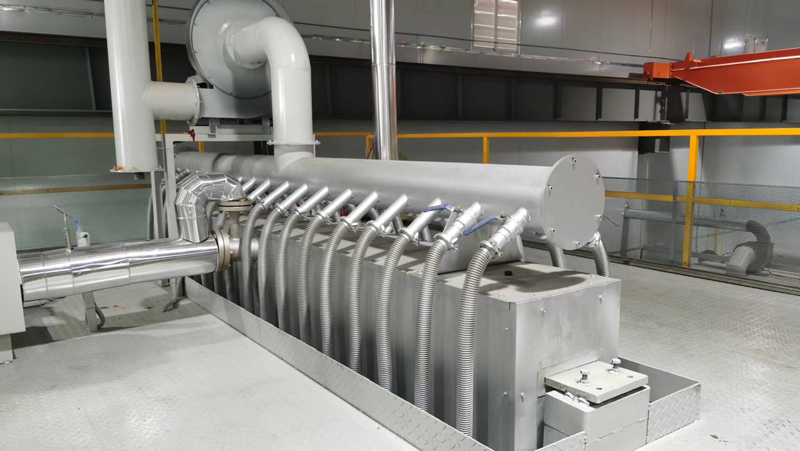
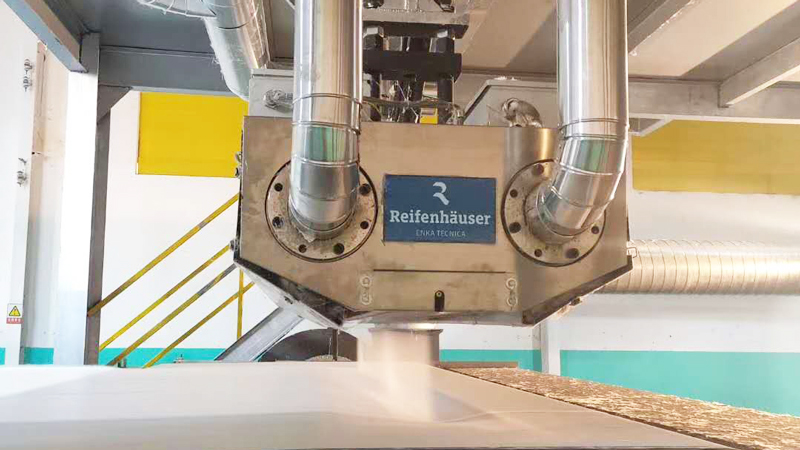
When purchasing an industrial PET nonwoven production line, professional planners look beyond the purchase cost (CapEx) to evaluate the Operational Expenditure (OpEx). Key indicators include:
Our engineering office offers comprehensive local market evaluations, calculating exact pay-back scenarios based on regional energy costs, raw polymer prices, and local labor markets. Contact us today to request a custom financial model for your plant.
Read detailed technical answers prepared by our head of R&D regarding machine selection and process parameters.
Complete your production ecosystem with matching downstream winding, slitting, printing, and lamination configurations.
Compact single-beam configurations optimized for new startups focusing on packaging products and agricultural coverings.
Get Technical Data
Equipped with specialized energy recovery systems designed to recycle waste heat back into the cooling drafts.
Get Technical Data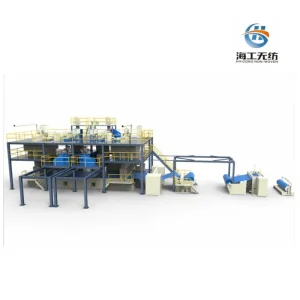
Available in standardized commercial widths, featuring high-speed auto-change winder structures.
Get Technical Data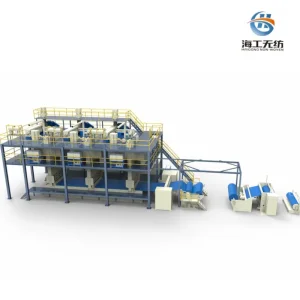
Heavy-duty manufacturing lines equipped with modern coat-hanger type die distribution systems.
Get Technical Data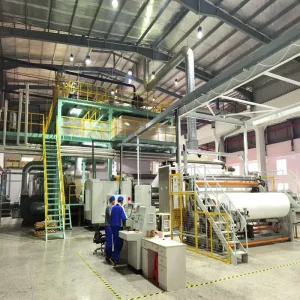
Three-beam systems designed to yield highly uniform, multi-layered nonwovens with high burst strength index.
Get Technical Data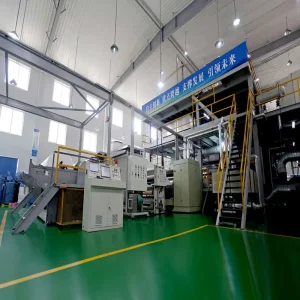
Complete plant package from dosing system, masterbatch feeder, extruders, down to the packaging line.
Get Technical Data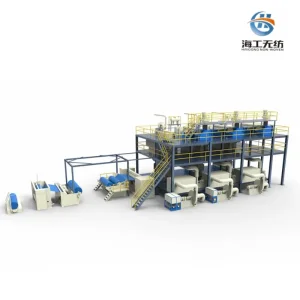
High-speed single spinning beam line optimized for fast setups and light fabric structures (under 15gsm).
Get Technical Data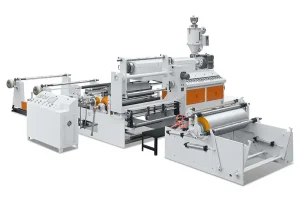
Extrusion lamination systems applying PE films to nonwovens for waterproof medical protective sheets.
Get Technical Data HG NONWOVEN