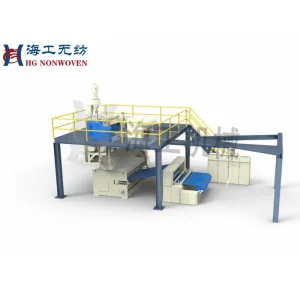
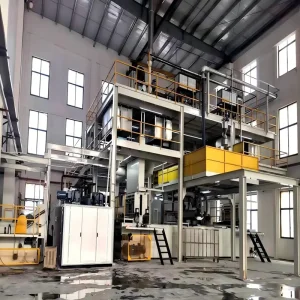
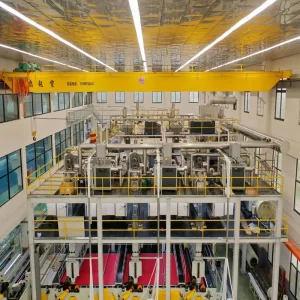
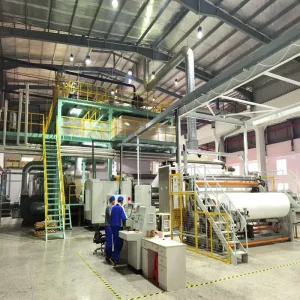
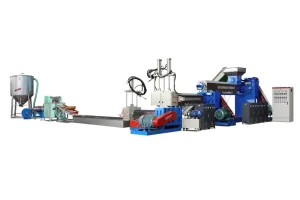
Explore our signature engineering catalog including multi-beam spunbond lines, inline recycling extruders, and composite meltblown platforms engineered for continuous heavy industrial environments.
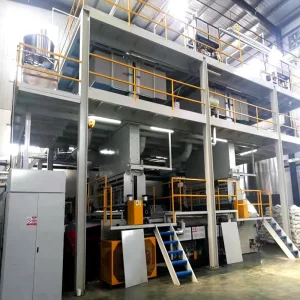
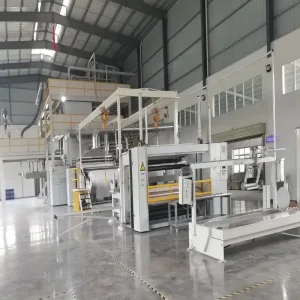
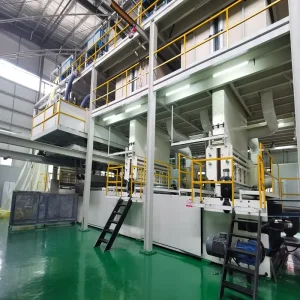
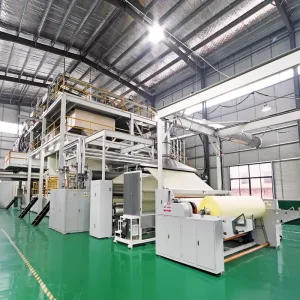
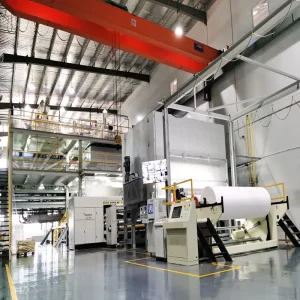
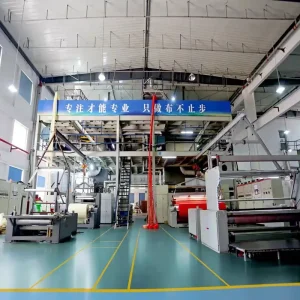
Established as a pioneer in technical textiles engineering, Pujiang HG Nonwoven Machinery Co., Ltd. (operating since 2014) is an internationally recognized developer and manufacturer of high-performance spunbond, meltblown, and multi-beam composite nonwoven fabric machinery. Backed by over 20 years of collective industry experience and an installed base exceeding 300 custom production lines globally, we represent the vanguard of turn-key plant systems for ecological, heavy-duty industrial, and medical-grade fabric processing.
By adapting overseas 5th Generation spunbond extrusion designs to the volatile realities of modern supply markets, HG engineers lines that consume less energy per ton, output tighter filament distributions, and minimize footprint. Our philosophy of "sustainable performance and continuous efficiency" drives our design protocols, allowing global operators to manufacture ultra-thin, high-tensile, and composite barrier fabrics economically and reliably.
The manufacturing of composite textiles relies on uniform thermal bonding and precise polymer deposition. HG Nonwoven Machinery integrates state-of-the-art lamination systems directly with 5th Gen extrusion configurations to yield fabrics with unmatched hydrostatic head values and low Delta-P air resistance. Our technology roadmap represents a path from mechanical systems to autonomous, closed-loop PLC-monitored extrusion lines.
Equipped with optimized L/D ratio extruders and dynamic continuous polymer screen changers. High-precision gear pumps supply melt stream with pressure stability tolerances under ±0.5 bar, preventing GSM variances during high-speed runs.
Utilizes advanced under-floor negative pressure aerodynamic drafting systems. Filaments are cooled by uniform dual-sided quench air currents, yielding sub-denier monofilament fibers (1.5-2.0 denier) for superior web density.
Integrates multi-substrate inline thermal calendar or chemical laminating. Achieves precise web-tension balancing, allowing nonwoven backings to bond with PE barrier films at high line speeds without melting or warping.
The next phase of HG development focuses on the processing of fully biodegradable and bio-sourced polymers (PLA/PHA). As carbon footprint regulations tighten across North America and Europe, our design pipeline incorporates modified hot-wind systems and customized calendar heating profiles to address the narrower thermal processing window of bioplastics. Furthermore, we are integrating predictive IoT diagnostic suites that connect local factory SCADA systems directly to HG headquarters for real-time thermal mechanical optimization.
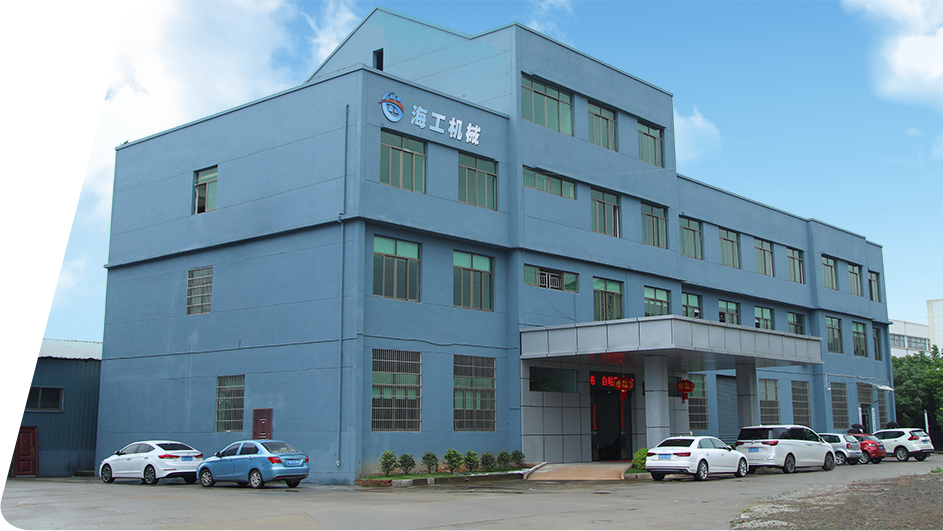
Operating out of Pujiang, Zhejiang Province, HG Nonwoven Machinery capitalizes on China's premier industrial fabrication ecosystem. Our supply chain is structured around geographical proximity to steel forging hubs, heavy component casting facilities, and specialized electronic control manufacturers. This dense localization allows us to drastically mitigate external disruptions and offer manufacturing efficiency that translates directly to client cost savings.
We work directly with premium component suppliers, utilizing Siemens PLC units, ABB converters, and SMC pneumatics. Our massive domestic inventory safeguards projects against delays, maintaining delivery dates within rigid contract terms.
Spinnerets and slot dies are fabricated using ultra-pure stainless steel alloys subjected to multi-stage CNC micro-drilling and vacuum tempering. This ensures melt distribution channels remain warp-free under high pressure.
Through optimized factory floor layouts and integrated structural processing, we limit waste and lower administrative overhead. These logistical savings allow us to offer competitive rates on raw steel work and components.
From cleanroom medical barrier drapes in Frankfurt to highly breathable crop covers in the Central Valley of California, HG’s composite nonwoven lines are calibrated for specific localized applications. Understanding the end-user's environmental and mechanical criteria is essential for configuring the extrusion head, calendar temperature, and inline slitter mechanics.
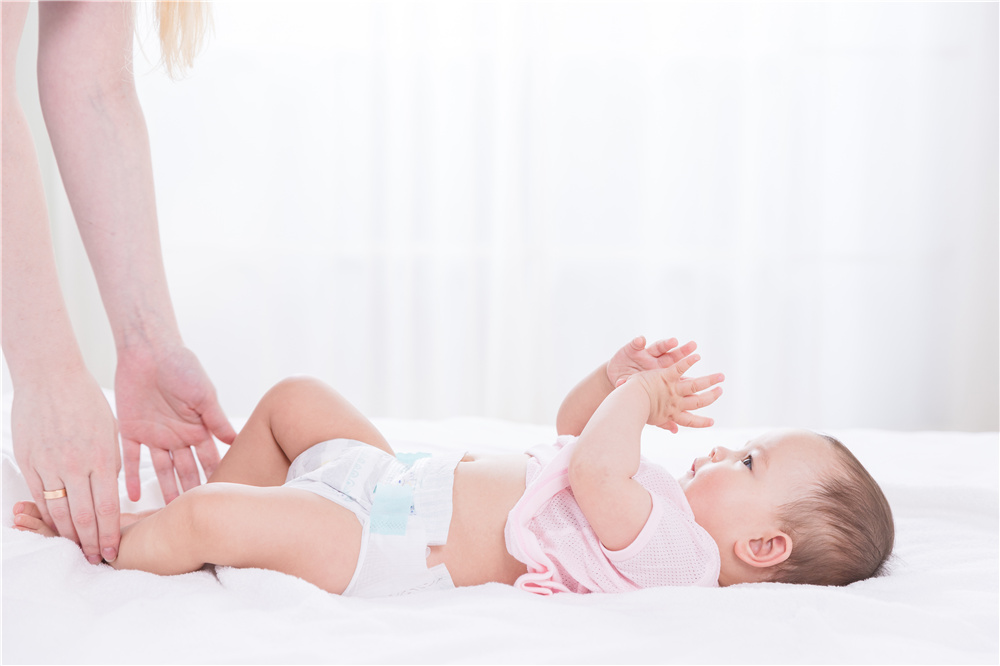
Ultra-soft hydrophobic and hydrophilic webs for baby diapers, sanitary napkins, and adult incontinence liners. High capillary action properties ensure rapid moisture transfer away from the skin surface.

Production of high-barrier SMS and SMMS fabrics. These materials feature high hydrostatic pressure tolerance, protecting healthcare workers from bloodborne pathogens, viruses, and toxic fluids.
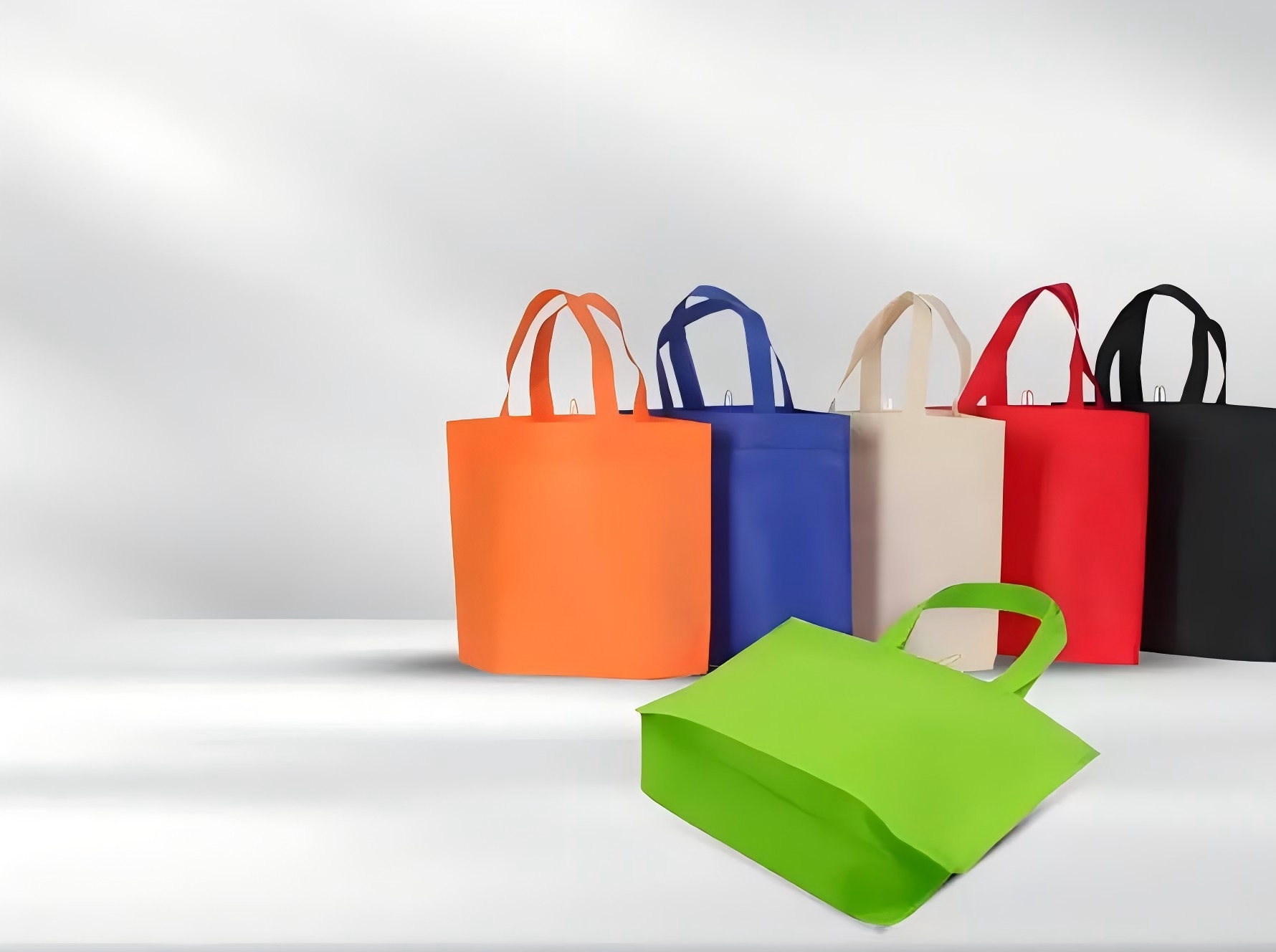
Durable, high-tensile bags for flour, rice, and industrial materials. The lamination layers prevent moisture entry, preserving structural strength during ocean shipping and humid warehousing.
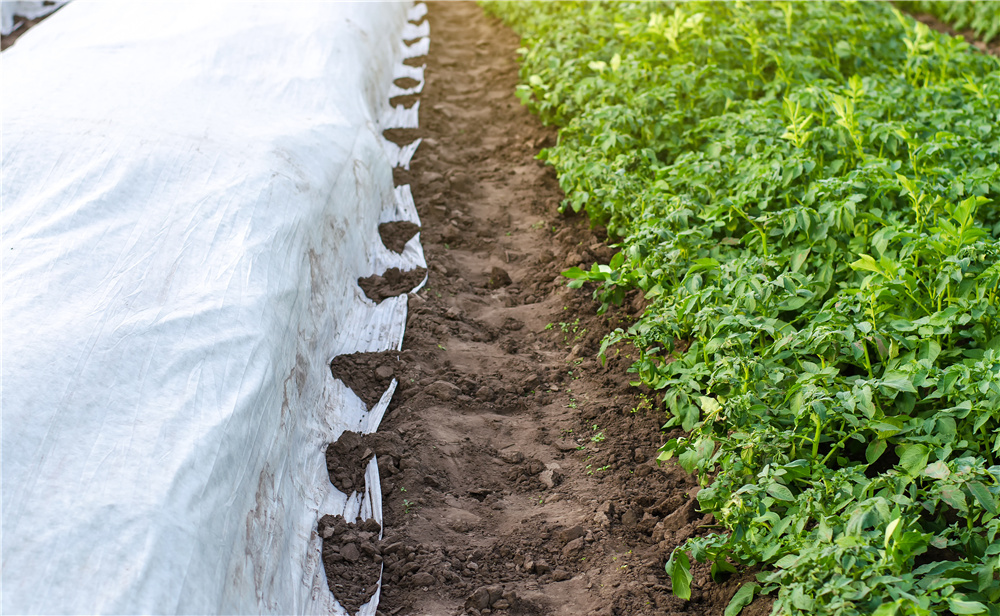
Microclimate-generating row covers that allow air and water transmission while blocking frost, insects, and intense UV rays. Engineered for long-term outdoor exposure without photolytic degradation.
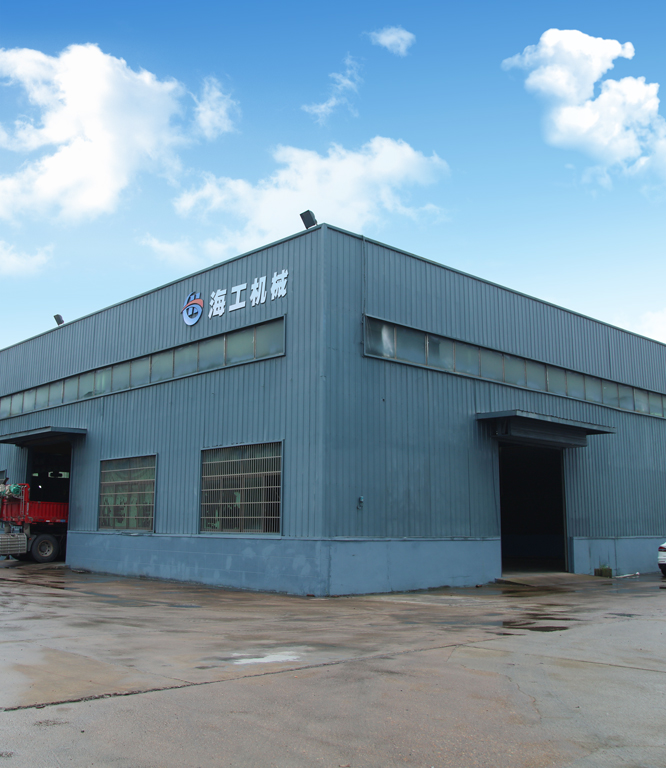
At HG, we treat "high quality and comprehensive service" as our operational core. By working with us, you gain more than an equipment vendor; you partner with an engineering group committed to helping you establish market differentiation. We assist client factories from initial project concepting through design optimization and mechanical maintenance.
Every HG production line is tailored to balance high throughput with minimal energy draw, matching specific industrial fiber dimensions.
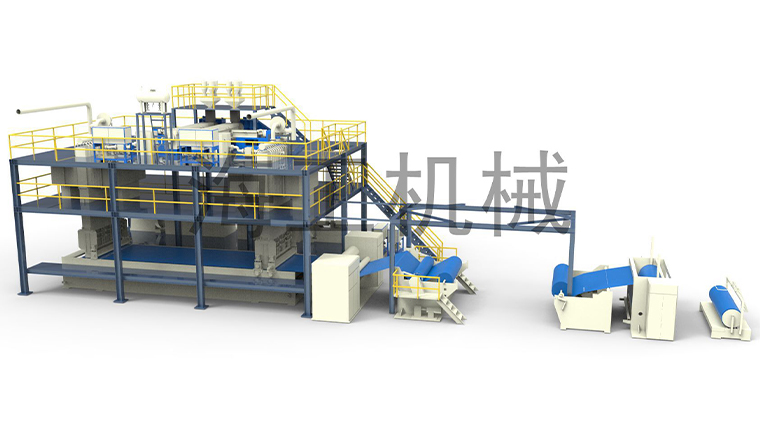
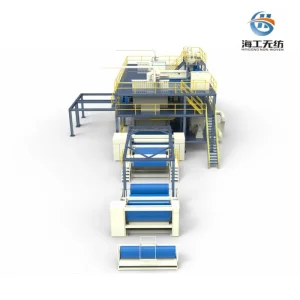
Designed for packaging, furniture backings, and standard agricultural covers. Offers rapid startup times and simple mechanical maintenance profile.
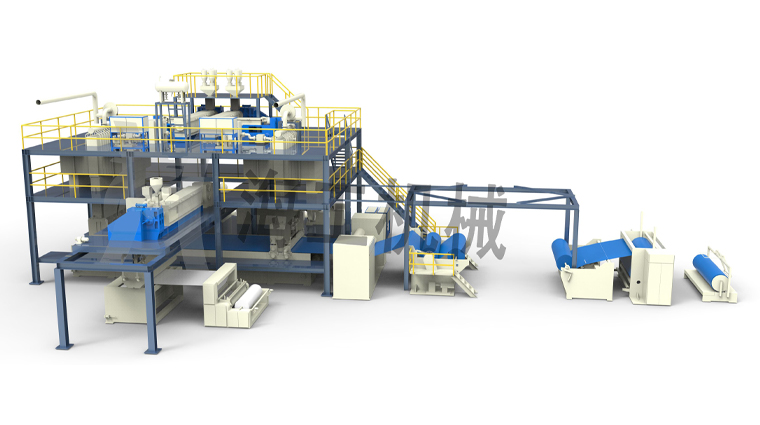
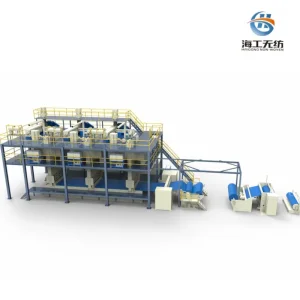
Combines spunbond structural strength with fine meltblown filtration layers. Ideal for producing hygiene covers and protective wear.
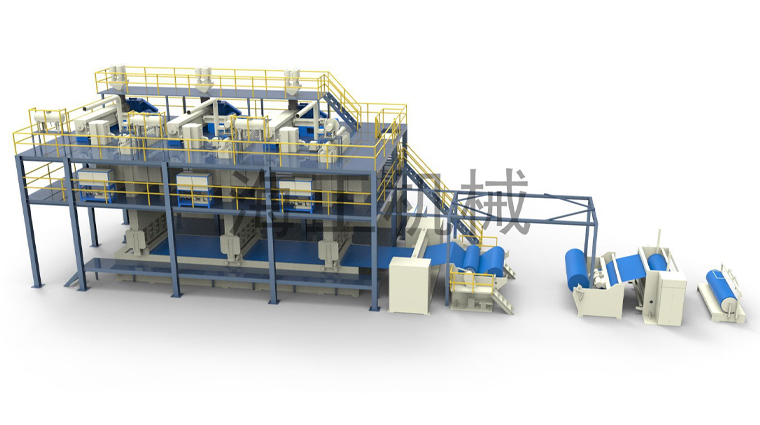
Four-layer extrusion design that increases particulate filtration efficiency while maintaining low airflow restriction.
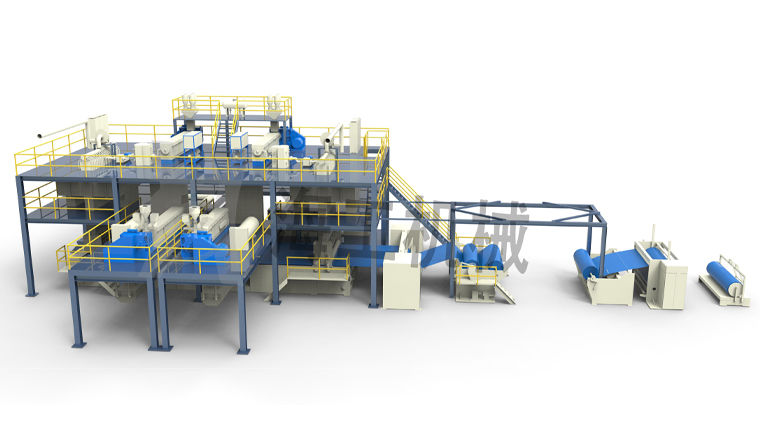
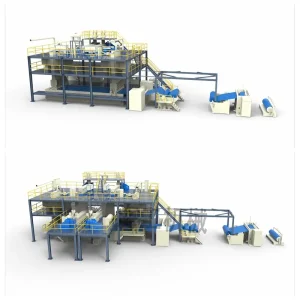
Five-layer composite platform for medical drapes and drapes. Yields excellent barrier metrics and soft hand feel.
Global nonwoven manufacturing requires compliance with strict safety directives. Every HG machine line is engineered to comply with ISO 9001:2015 standards and displays CE conformity markings. Our control cabinets isolate high-voltage terminals, and automated interlocks line the calendar zone to ensure operator safety.
We use balanced thermal calendar rolls with integrated oil heating to guarantee uniform heat transfer across wide format spans (up to 3.2m). This design minimizes temperature variations that cause weak points in nonwoven backings.
Our structures undergo ultrasonic weld inspection to ensure structural stability during high-speed, continuous processing.
Our commitment extends past delivery. HG engineers oversee structural alignment, electrical wiring, and extrusion calibration at your facility, staying on-site to train operators until production matches targets.
Our parts warehouse stocks replacement elements—including spinneret plates, heating units, and pump components—with international express delivery options to limit downtime.
Find answers to typical engineering, installation, and procurement questions regarding our nonwoven lamination and extrusion lines.
Maintain production efficiency with our catalog of auxiliary machinery and specialized extrusion lines, designed for compatibility with global formats.
 HG NONWOVEN