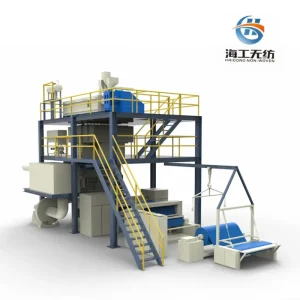
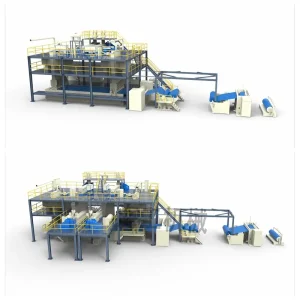
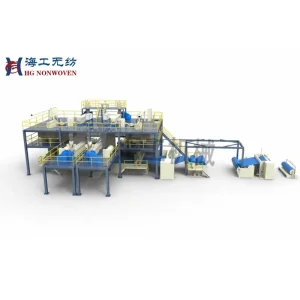
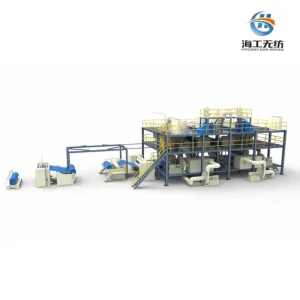
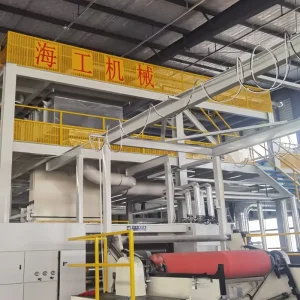
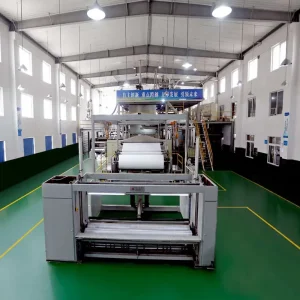
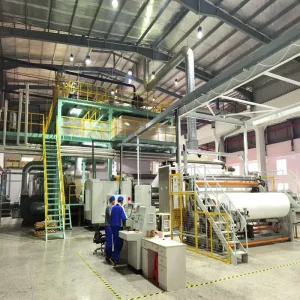
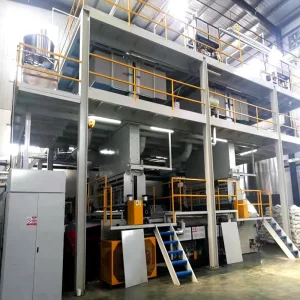
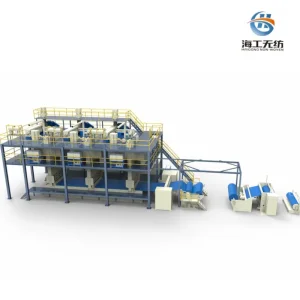
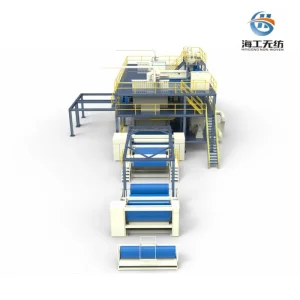
Engineered for high efficiency, uniform filament laydown, and maximum operational lifespan.
HG Nonwoven Machinery is a professional manufacturer of spunbond, meltblown, and composite nonwoven fabric machine lines, dedicated to providing high-efficiency and innovative spunbond nonwoven fabric production solutions to the global market. Our company introduced advanced design concepts (5th Generation spunbond spinning technology) from overseas, integrated with specialized local engineering adaptations to serve international market demands.
Consequently, HG nonwoven fabric making machines are characterized by convenient operation, small footprint, low power consumption, high yield efficiency, and minimal production cost. Since 2014, Pujiang HG Nonwoven Machinery has built a formidable reputation as a trusted turnkey industrial partner.
Our corporate ethos regards "high quality, good service" as our core tenet. By choosing us, you gain a reliable partner committed to helping you stand out in an increasingly competitive global industrial landscape. We empower operations to produce nonwoven fabrics economically, reliably, and with deep ecological sustainability.
The global demand for high-performance synthetic filter media has undergone a structural paradigm shift. Meltblown nonwoven fabrics, characterized by ultra-fine microfiber structures (typically ranging from 1 to 5 microns in diameter), represent the critical barrier layer in advanced personal protection equipment (PPE), high-efficiency HVAC air filtration systems, liquid separation membranes, and automotive acoustic insulation. As manufacturing hubs seek self-reliance, the acquisition of reliable, high-throughput meltblown extrusion machinery has transitioned from a standard purchasing decision to a critical strategic infrastructure investment.
In this global landscape, China has emerged as the premier manufacturing powerhouse for nonwoven machinery, offering unmatched manufacturing velocity, vertical integration of components, and highly competitive capital expenditure ratios. However, the market differentiation lies in technological precision. Standard meltblown machinery often suffers from erratic web uniformity, high energy overheads, and inconsistent die pressure. HG Nonwoven Machinery addresses these paint points directly through optimized thermal distribution designs, high-pressure spinneret integration, and advanced automation platforms, allowing global producers to run continuous, zero-defect operations.
How HG's 5th Generation Spinning Technology achieves unparalleled web uniformity and micro-fiber density.
Polypropylene chips are fed into the high-torque, variable-speed extruder. The barrel features multi-zone heating control to guarantee an absolutely homogenous melt viscosity, preventing degradation and thermal inconsistencies.
High-precision positive displacement melt pumps regulate the flow of the molten polymer to the die head. This is paired with continuous screen changers to eliminate microscopic impurities that could otherwise cause spinneret clogging.
As the melt is extruded through the spinneret capillary holes, high-velocity, high-temperature air streams strike the molten streams, drawing them into micro-fine filaments (down to 1–2 microns) which are instantly cooled.
Filaments are randomly deposited onto a vacuum forming collector drum. To dramatically boost BFE/PFE filtration performance, the web is subjected to advanced inline electrostatic charging (hydro-charging or corona charging) before winding.
Why Tier-1 industrial producers select HG Nonwoven Machinery as their long-term growth partner.
Our machines incorporate the latest technology to ensure maximum production efficiency with minimal energy consumption. We also offer highly tailored layouts to align with your facility's spatial and height profiles.
Leveraging deep macro-level data and local market metrics, we conduct structured project feasibility studies, allowing your investment committee to clearly map out CAPEX amortization cycles.
From initial design to upstream raw material logistics and downstream finishing machinery—including recycling systems, slitting, printing, lamination, and bag-making lines.
Comprehensive training ensures your operational team achieves optimum parameter configuration. We back our lines with an industry-leading 24-month comprehensive engineer after-sales service warranty.
Proven high-performance configurations selected by leading global medical and industrial groups.
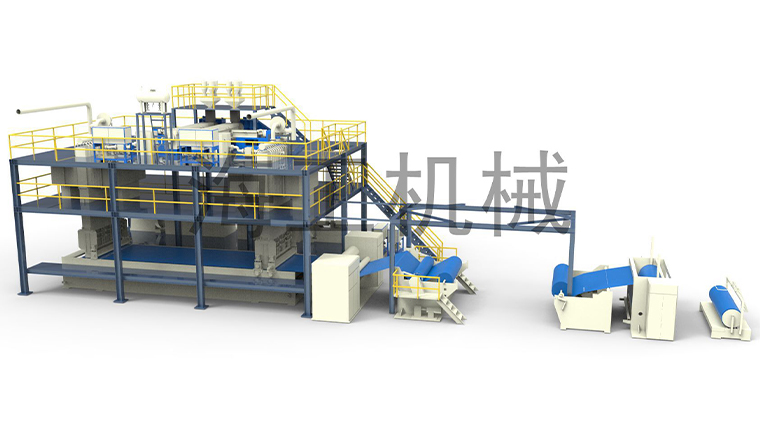
Optimized for high-yield packaging nonwoven bags, structural furniture backing, and agricultural protective covers.
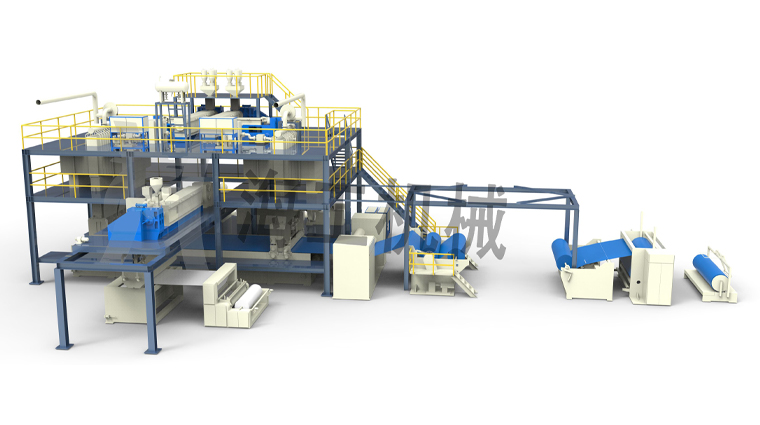
Perfect dual-beam spunbond integration with a center meltblown core. Primarily designed for advanced medical barrier products.
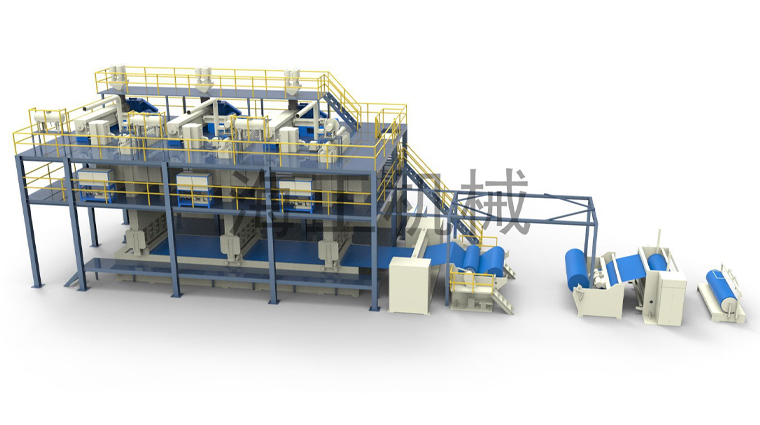
Features four distinct composite extrusion layers, delivering a vastly superior dust filtration and barrier rating compared to standard SMS.
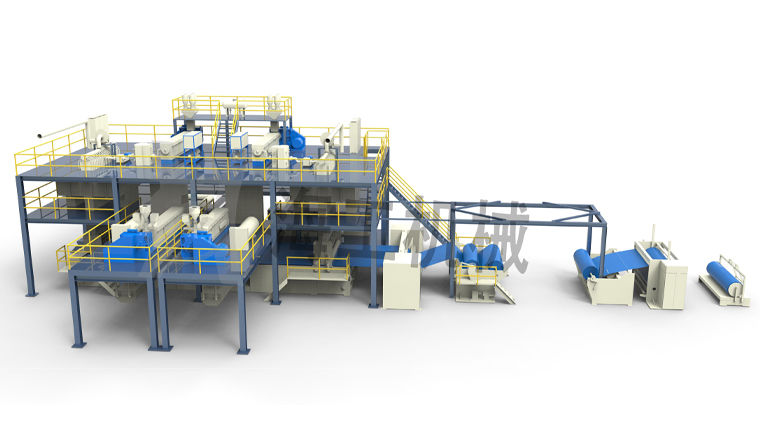
Five layers of co-extruded polymers providing maximum protection, fabric strength, breathability, and drape softness for high-end surgeries.
Our technologies are customized to address unique geographical and regulatory requirements across four key macro industries.

Essential for ultra-soft, breathable, and hydro-philic layers in baby diapers, adult incontinence garments, and feminine care products. Formulated for high absorption distribution speed and gentle skin contact.

Delivers critical pathogen barrier properties. Essential for manufacturing sterile face masks, hospital gowns, surgical sheets, and drapes where dust-free sterilization and particle retention are absolute imperatives.
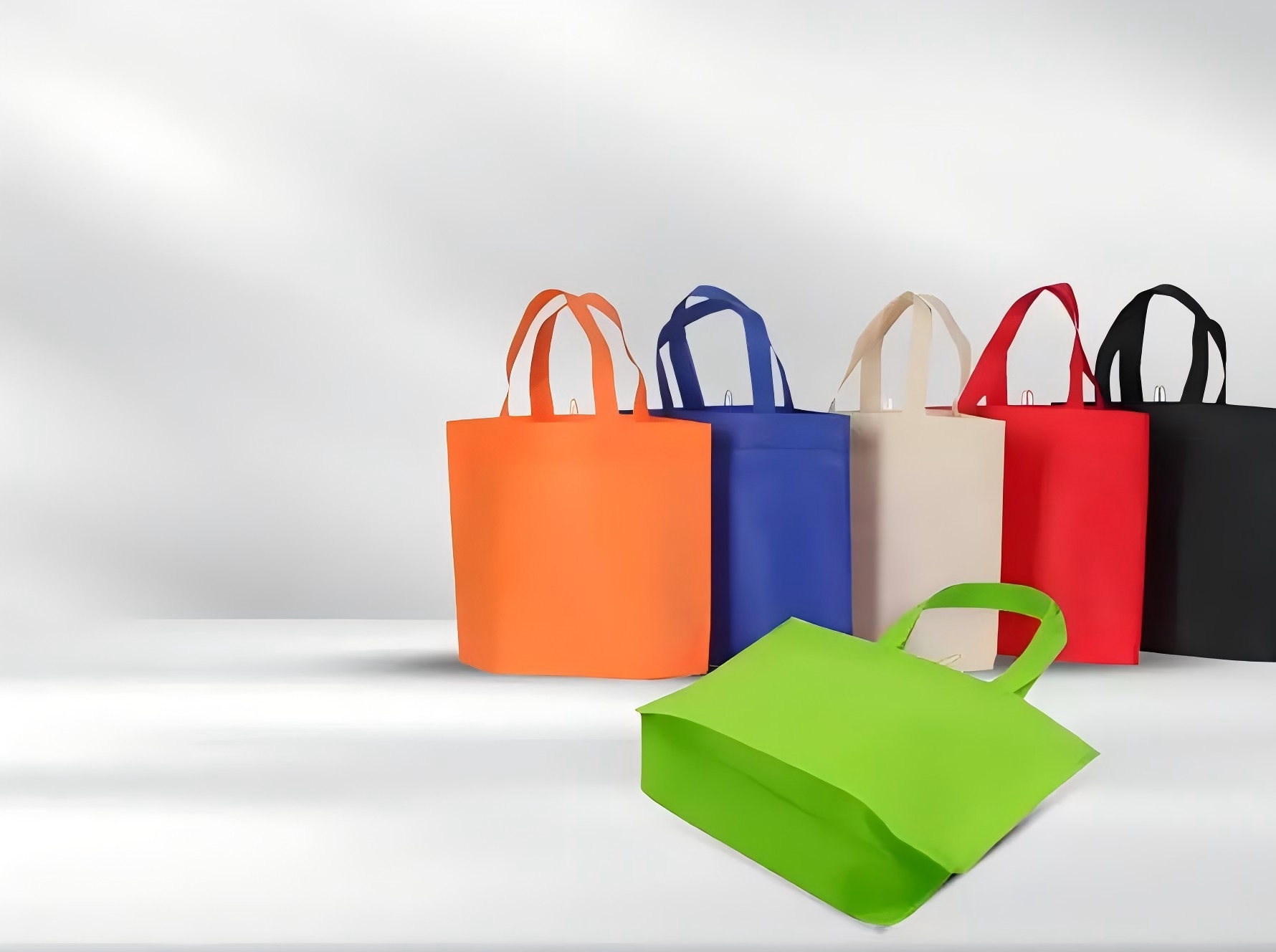
High tensile strength and tear resistance allow for reusable shopping bags, garment covers, furniture pocket springs, and protective structural packing materials that promote sustainable consumption cycles.

Allows optimal air, water, and heat permeability while establishing a protective microclimate around crops. Excellent resistance to environmental UV radiation, shielding vulnerable plants from birds, insect pests, and severe frost.
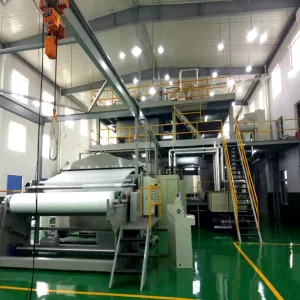
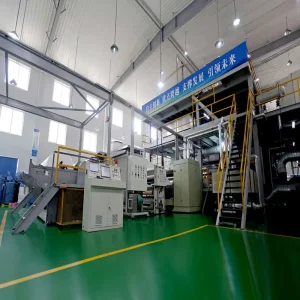
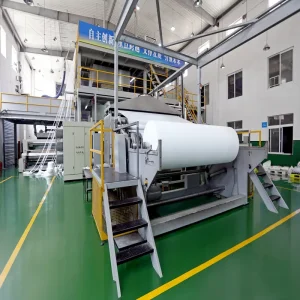
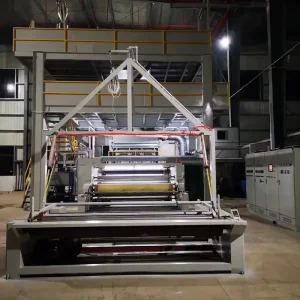
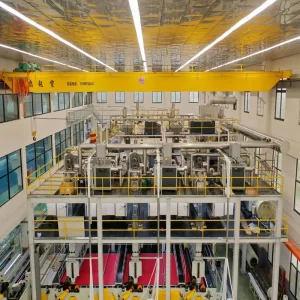
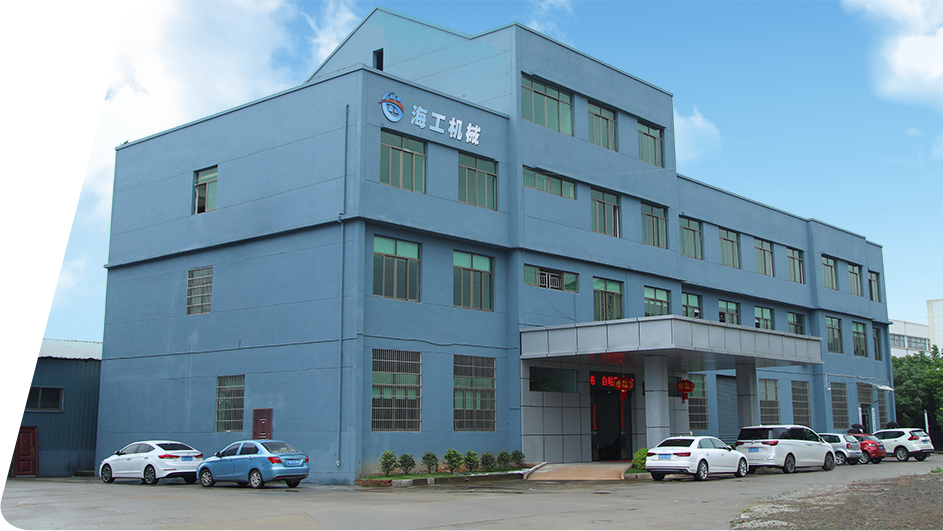
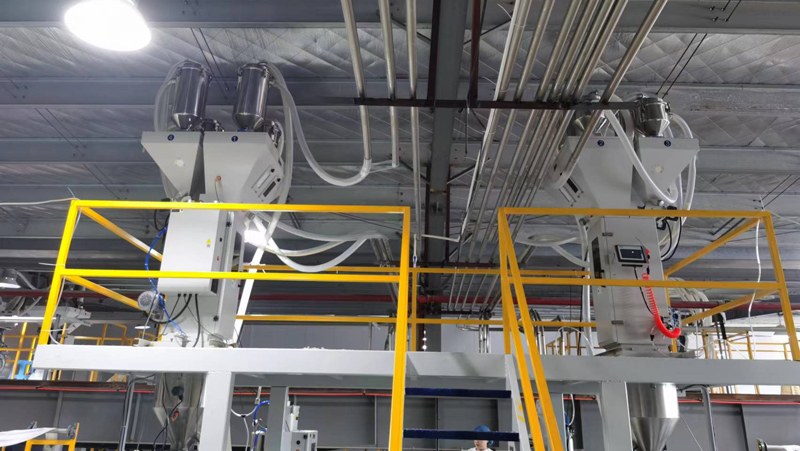
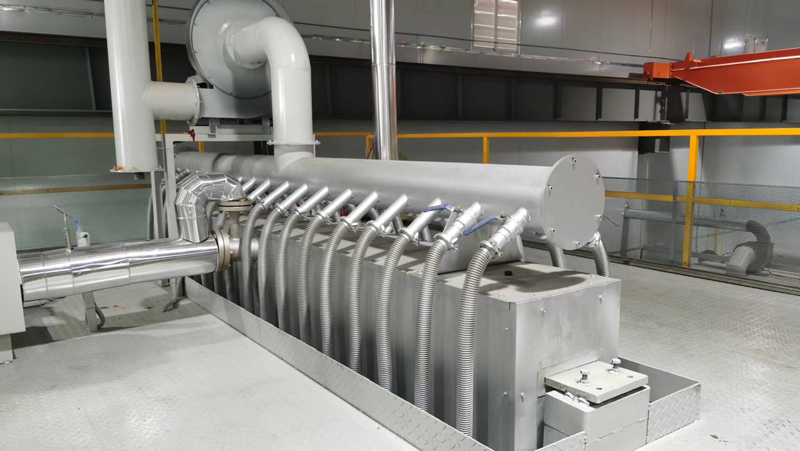
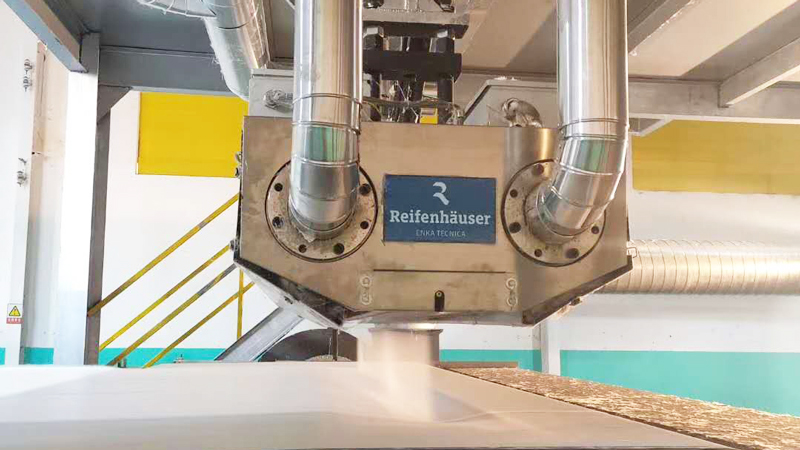
A glimpse into our manufacturing scale, design integration, and global execution capacity.
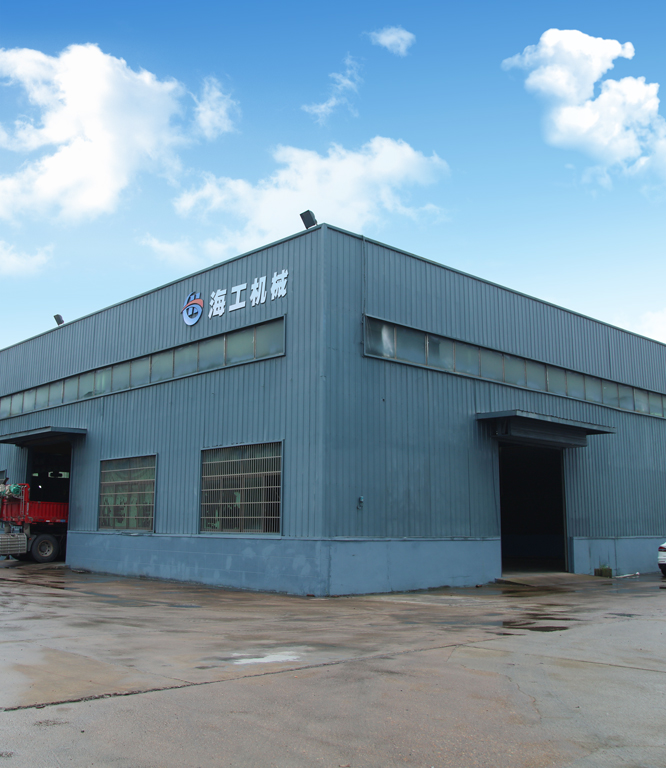
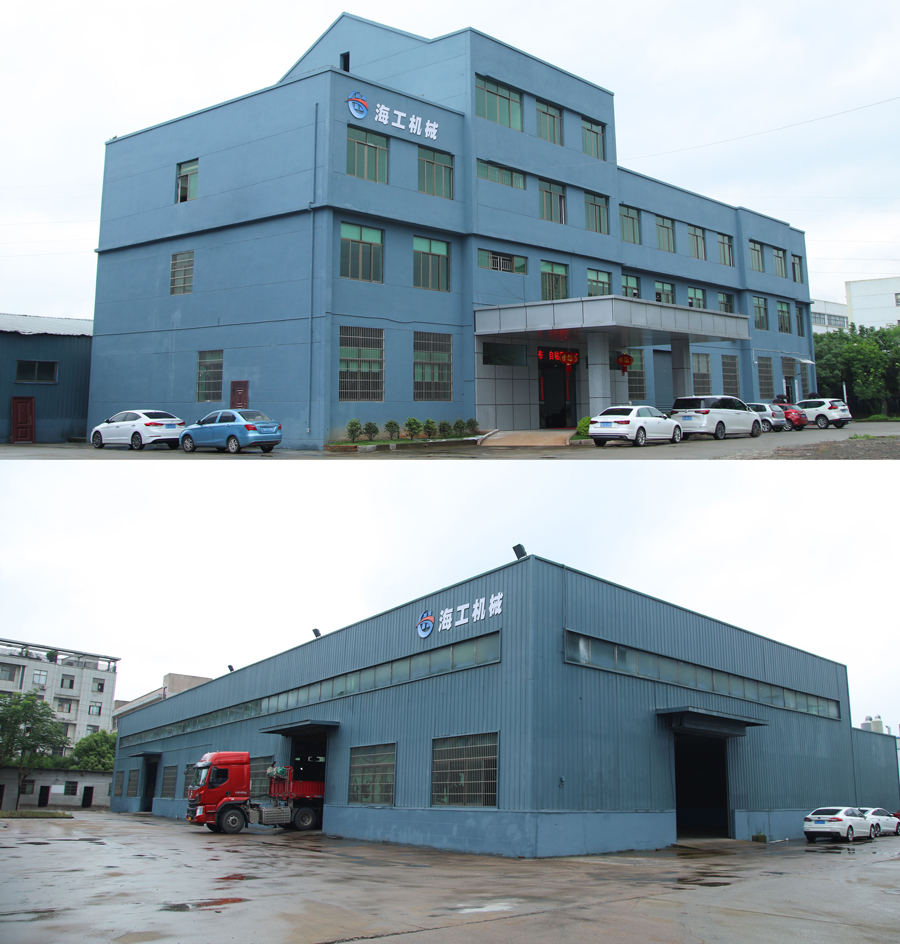
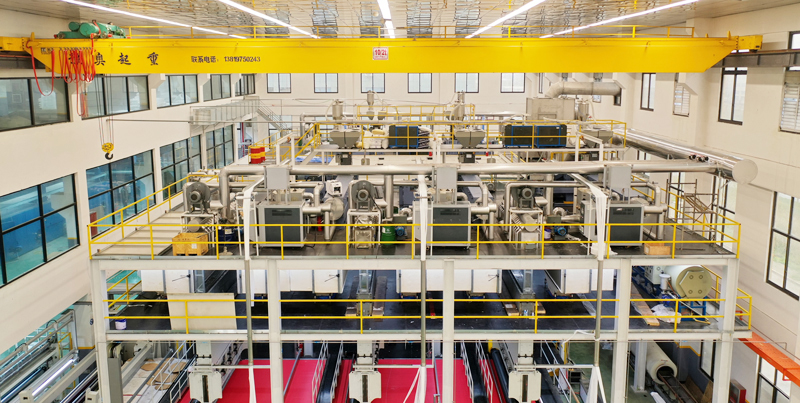

Direct technical explanations addressing core design and procurement challenges for international buyers.
Complete product classifications matching your technical procurement specifications.
 HG NONWOVEN