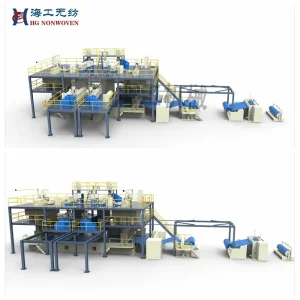
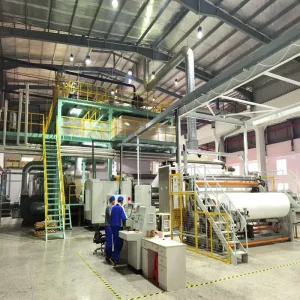
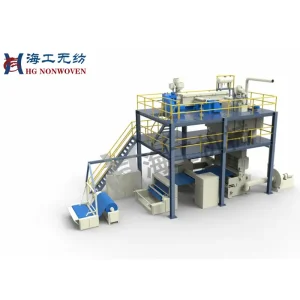
Lamination Machine Manufacturer & Factories for the Ethiopia Market

Empowering East African Industrial Modernization with State-of-the-Art Spunbond, Meltblown, and Composite Extrusion Lamination Technologies.

Featured Lamination Machinery for the Ethiopian Industrial Boom

Engineered to deliver high-tensile bonding, excellent uniformity, and energy efficiency. Designed specifically to meet local infrastructure and power conditions in East African manufacturing zones.
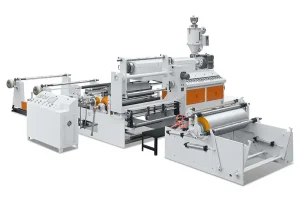
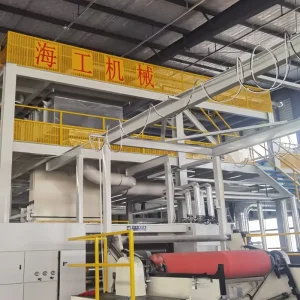
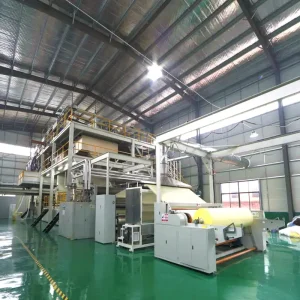
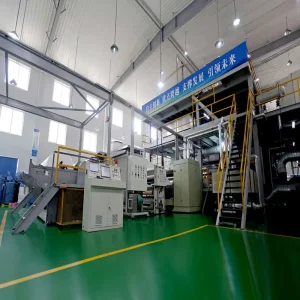
Ethiopia High-Performance Nonwoven Lamination Machine

Ethiopia High-Performance Nonwoven Lamination Machine for Technical Fabrics Factories

Explore Specifications
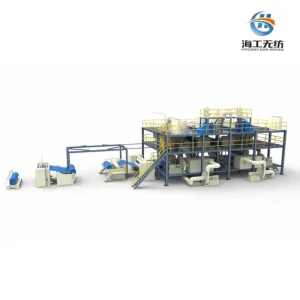
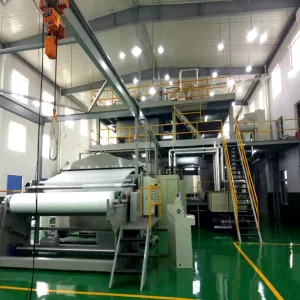
Ethiopia PP Spunbond Nonwoven Fabric Making Machine

Ethiopia PP Spunbond Nonwoven Fabric Making Machine for Packaging and Construction

Explore Specifications
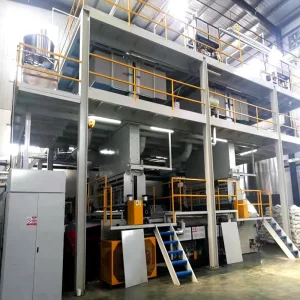
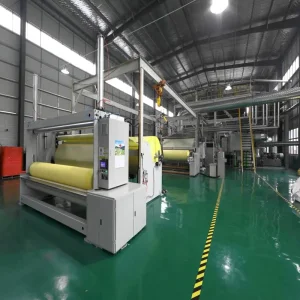
Industrial PP Spunbond Nonwoven Production Line

Industrial PP Spunbond Nonwoven Production Line for Addis Ababa & Hawassa Industrial Parks

Explore Specifications
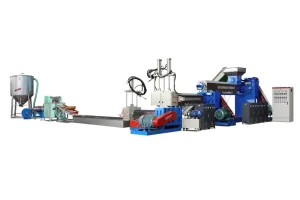
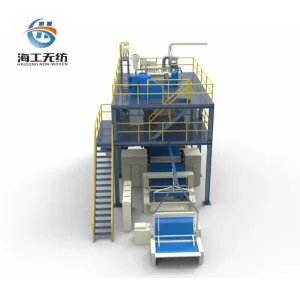
Eco-Friendly Plastic Waste Granulator Machine

Eco-Friendly Plastic Waste Granulator Machine for Ethiopia Circular Economy & Recycling Plants

Explore Specifications

Industrial Whitepaper: The Strategic Import of Lamination Systems in Ethiopia's Industrial Transition

In the wake of rapid economic structural transformation under Ethiopia's Ten-Year Development Plan, the manufacturing landscape is pivoting toward high-value technical textiles, sustainable packaging, and medical-grade personal protective equipment (PPE). Central to this industrial progression is the deployment of advanced extrusion lamination, thermal lamination, and nonwoven composite systems. As local enterprises seek to substitute imports and service regional markets like the East African Community (EAC) and the Common Market for Eastern and Southern Africa (COMESA), establishing localized, high-performance manufacturing lines has become a matter of strategic priority.

1. The Industrial and Economic Landscape of Ethiopia's Manufacturing Zones

Ethiopia has positioned itself as the manufacturing hub of East Africa, driven by massive public investments in state-of-the-art Special Economic Zones (SEZs). Key sites such as the Hawassa Industrial Park, Bole Lemi Industrial Park in Addis Ababa, and the Adama Industrial Park have successfully attracted multi-billion dollar foreign direct investments (FDI). Originally focused on basic apparel and garment assembly, these industrial corridors are currently upgrading their value chains.

To reduce dependence on expensive imports of raw laminates, domestic and international factories are aggressively seeking local lamination machine factories capable of providing high-efficiency extrusion and substrate coating solutions. High-precision laminators are the key link in transforming spunbond polypropylene, paper, aluminum foils, and films into multi-layer barrier materials. The target is clear: achieve complete production sovereignty over items ranging from moisture-barrier agricultural tarpaulins to medical-grade barrier gowns.

2. Localized Application Scenarios: Where Lamination Technology Empowers Ethiopia

The applications for modern lamination systems in the Ethiopian market span several critical sectors:

  • Agricultural Enhancements: In the Great Rift Valley, agriculture remains the backbone of the economy. Extrusion-laminated nonwoven fabric crop covers, UV-stabilized mulch sheets, and weather-proof grain packaging bags are crucial to protecting crops from insects, retaining soil moisture, and optimizing yield. Laminated materials prevent early spoilage and shield sensitive cash crops such as coffee and cut flowers during transit.
  • Hygiene and Medical Protection: Driven by experiences from the COVID-19 pandemic and subsequent healthcare initiatives, localized production of medical consumables is booming. Composite lamination machinery binds breathable PE film with SMS or spunbond nonwoven fabrics, forming highly protective, liquid-impermeable sheets. These are necessary to supply the Ethiopian Pharmaceuticals Supply Agency (EPSA) with local, cost-effective surgical drapes, isolation gowns, and diapers.
  • Industrial Packaging and Logistics: With the development of the Djibouti-Addis Ababa railway corridor, transport logistics require robust packaging. Laminated woven polypropylene bags, cement sacks with micro-perforations, and protective wrap sheets prevent moisture ingress and mechanical damage during maritime shipping and high-altitude transport across the Abyssinian Highlands.

3. Technological Roadmap: Moving from Simple Bonding to Multilayer Smart Extrusion

Industrial performance in lamination is measured by bonding strength, thickness uniformity, and speed. HG Nonwoven Machinery introduces its 5th Generation lamination and spunbond technology, marking a paradigm shift from traditional adhesive-based bonding (which suffers from solvent emissions and low thermal resistance) to solvent-free extrusion and advanced thermal-calendered lamination.

Our technological roadmap features:

  1. Digitalized Control Systems: Siemens PLC integration allows for automated tension control, adjusting real-time speed variations to prevent substrate wrinkling or stretching.
  2. Energy-Optimized Die Heads: High-efficiency coaters guarantee polymer thickness uniformity of less than ±1%, reducing raw material wastage by up to 15%—a vital factor given raw material import costs.
  3. Composite Versatility: The ability to process multiple substrates, including PP, PE, PET, Kraft paper, and metalized foils, in a single pass.
20+
Years of Industry Experience
300+
Nonwoven Production Lines Installed
20+
Countries and Regions Exported
24
Months Structural Warranty

4. The China-Ethiopia Supply Chain Synergy: Resilience & Unmatched Turnkey Efficiency

The strategic partnership between China and Ethiopia provides a unique framework for manufacturing success. With the support of bilateral trade agreements, importing heavy machinery from China to Ethiopia is highly streamlined. But hardware is only half the battle. Pujiang HG Nonwoven Machinery Co., Ltd. addresses the classic bottleneck of machinery importation by providing a complete A-to-Z Turnkey Engineering Solution.

This includes conducting localized pre-investment feasibility studies, customizing machine blueprints to suit local voltage fluctuations (accounting for Ethiopia's specific 380V/50Hz grid specifications), handling logistics directly to Djibouti Port, and dispatching experienced installation engineers to Addis Ababa, Hawassa, or Dire Dawa. Our resilience lies in our spare parts inventory and digital remote diagnostic modules, ensuring that a factory's uptime is maintained at over 98%, regardless of geopolitical or logistical disruptions.

5. Localized Support & Compliance: Bridging the Operations Gap

To run a high-output factory sustainably in Ethiopia, compliance with the Ethiopian Standards Agency (ESA) and the Investment Commission (EIC) is crucial. Our systems are engineered to exceed local safety and environmental compliance codes. We place a massive emphasis on *on-site transfer of expertise*. During the installation phase, our field service engineers run comprehensive operational and preventive maintenance training courses for local Ethiopian technicians. This creates high-quality local employment opportunities while ensuring that the factory operator does not need to rely on external dispatch services for daily operations, driving down operational costs and guaranteeing long-term reliability.

Your Global Partner in Spunbond & Lamination Machinery Excellence

Pujiang HG Nonwoven Machinery Co., Ltd. (operating since 2014) is a globally recognized manufacturer of spunbond, meltblown, and composite nonwoven fabric machine lines. We are committed to supplying high-efficiency, innovative solutions to the global technical textiles market.

By introducing our 5th Generation spunbond spinning technology and integrating local engineering insights, our systems deliver convenient operation, minimal footprint requirements, low power consumption, high efficiency, and minimized production costs. Choosing us gains you a partner dedicated to your long-term success and sustainability.

  • One-Stop Turnkey Engineering (A to Z)

    From primary architectural consulting and feasibility studies to custom assembly, delivery, training, and commission.

  • Latest 5th Generation Technology

    Reduced raw polymer consumption with high filament uniformity and superior multi-substrate adhesion capabilities.

  • Unmatched After-Sales Commitment

    A full 24-month structural warranty backed by local technician training and 24/7 online diagnostics.
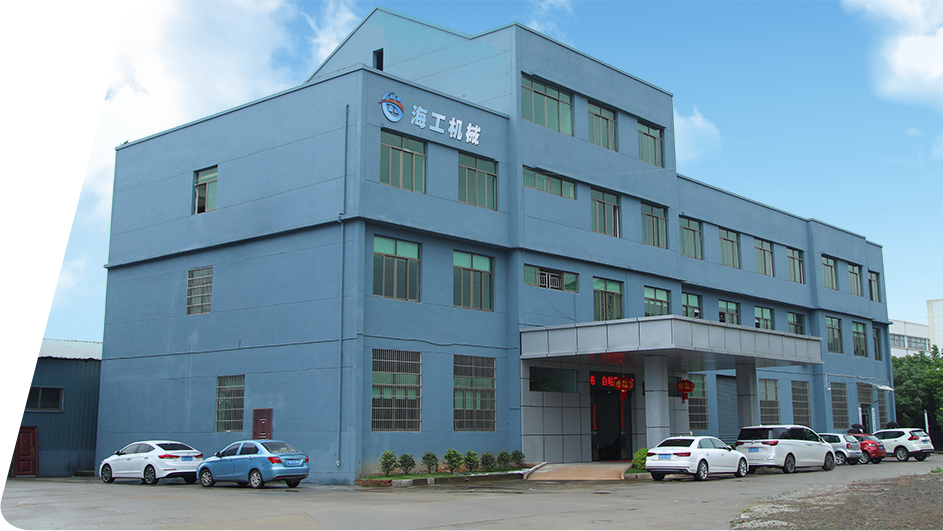
HG Nonwoven Machinery Factory View

Selecting the Ideal Machine Line for the Ethiopian Market

With deep expertise in diverse packaging, medical, and agricultural sectors, we guide you to selecting the ideal production system that maximizes local investment returns.

Hygiene Application

Hygiene Sector

Non-woven composites are vital for baby diapers, sanitary pads, and incontinence pads, providing high fluid distribution, softness, and skin protection.

Medical Application

Medical Grade Barrier

Delivers critical safety barriers against bio-agents, creating high-filtration face masks, sterile surgical drapes, sheets, and hospital gowns.

Packaging Application

Eco-Packaging & Tarp

High-tensile laminated shopping bags, flour and cement sacks, and shipping wraps that reduce bulk, allow reusability, and resist water.
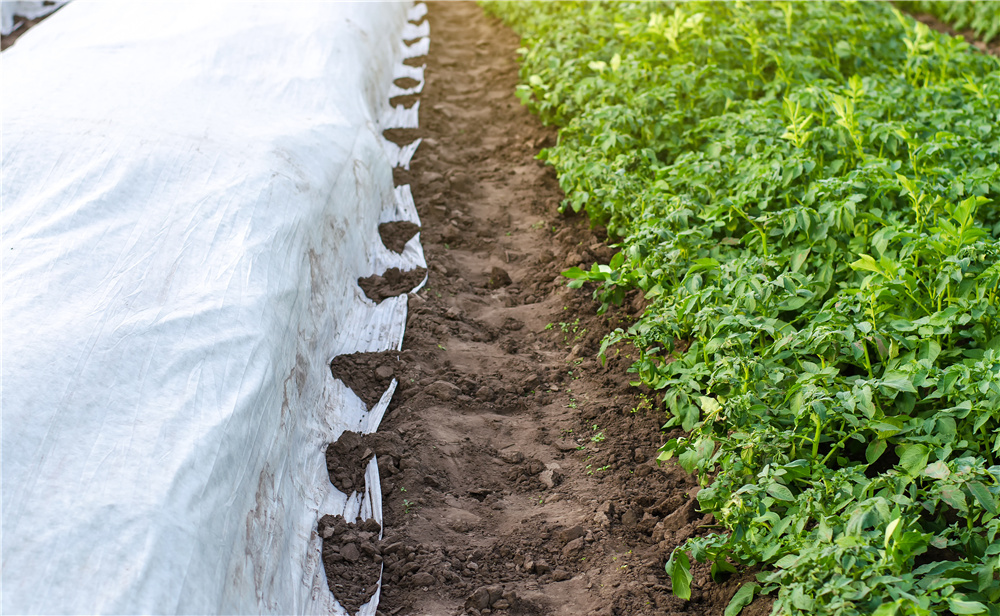
Agricultural Industry

Agricultural Microclimates

Breathable, UV-resistant coverings that shield delicate crops from severe weather and pests while allowing crucial water and light transmission.

Frequently Asked Questions (FAQ)

Technical insights and project advisory regarding the installation of lamination and nonwoven lines in the Ethiopian market.

Q1: How do HG lamination machines adapt to local electricity grid challenges in Ethiopia?
Ethiopia's industrial zones occasionally face voltage fluctuations and power drop-offs. To counter this, all our machinery lines shipped to Ethiopia can be outfitted with advanced power stabilizers, Siemens high-precision frequency converters, and PLC control modules. This ensures the line automatically decelerates safely during power anomalies rather than stopping abruptly, preventing mechanical stress and melt buildup in the die head.
Q2: What is the lead time for shipping a turnkey nonwoven lamination line from China to Addis Ababa?
Typically, manufacturing, custom programming, and quality check of a full line takes about 90 to 120 days. Shipping from Shanghai/Ningbo port to the Port of Djibouti takes approximately 20 to 25 days. Customs clearance and transit along the Djibouti-Addis Ababa transport corridor takes an additional 7 to 14 days. Altogether, from contract signing to arrival at your factory floor, we estimate between 4.5 to 5.5 months.
Q3: Can these machines process eco-friendly, biodegradable PLA alongside PP?
Yes, our latest 5th Generation composite lamination and spunbond lines are engineered with flexible temperature controls and dual-screw configurations. This permits processing of Polylactic Acid (PLA) polymers as well as conventional Polypropylene (PP), allowing your factory to produce 100% biodegradable and compostable laminated fabrics for premium agricultural and medical markets.
Q4: How does HG Nonwoven Machinery support local engineer training?
We provide a two-tier training program. During assembly at our factory in China, your technical lead can inspect and receive hands-on instruction. Subsequently, when our engineering crew arrives at your facility in Ethiopia for installation, we run a 15-to-30 day intensive training program covering daily operation, recipe management, safety protocols, and troubleshooting.
Q5: What is the typical ROI timeline for a lamination plant in East Africa?
Given the heavy reliance on imported technical textiles, locally produced high-quality laminated fabrics enjoy a high margin. On average, with an operational capacity utilization of 70% and taking advantage of duty-free imports of raw materials within local industrial parks, our clients in East Africa report a full Return on Investment (ROI) within 24 to 36 months of plant commissioning.
Q6: What certifications do HG machines carry for international regulatory audits?
All our production lines comply with CE certifications, ISO 9001 quality management guidelines, and environmental safety regulations. Our design ensures that your end-products (medical drapes, masks, industrial packaging) can successfully obtain European CE mark audits and American FDA approvals, which are critical for export-oriented factories in Ethiopia.

Hot-Sale Custom Nonwoven Lines

Highly customized, high-throughput manufacturing plants operating globally, tailored for the African continent.
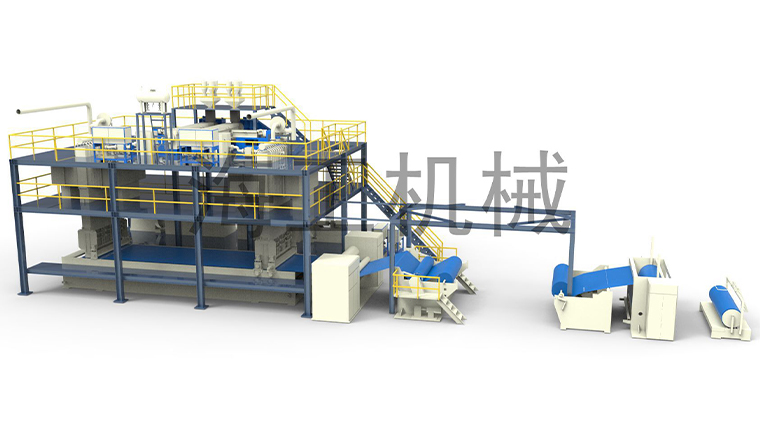
S/SS PP Nonwoven Machine

S/SS PP Nonwoven Fabric Making Machine
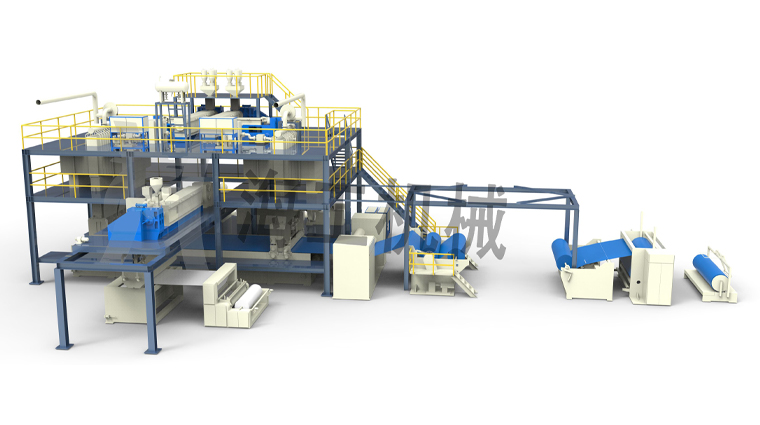
Ideal for manufacturing packaging bags, structural furniture backing, and light agricultural fabrics in the East African region.
Get Project Feasibility
SMS Spunbond and Meltblown Machine

SMS Spunbond and Meltblown Nonwoven Machine
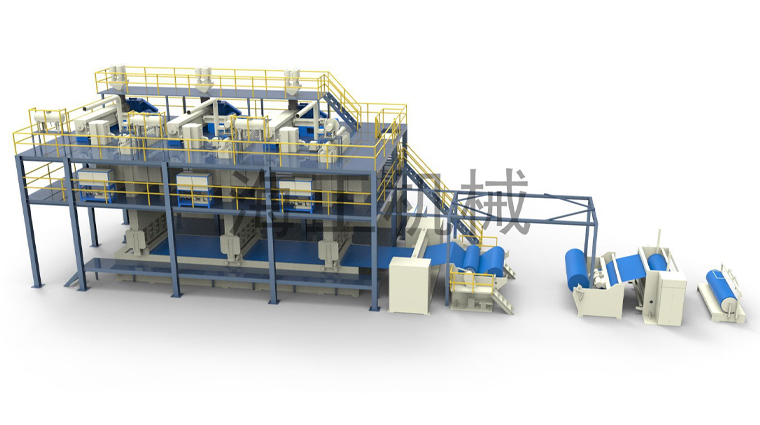
Advanced composite barrier protection engineered for surgical gowns, medical drapes, and high-efficiency hygiene products.
Get Project Feasibility
SMMS Nonwovens Production Machine

SMMS Nonwovens Production Machine
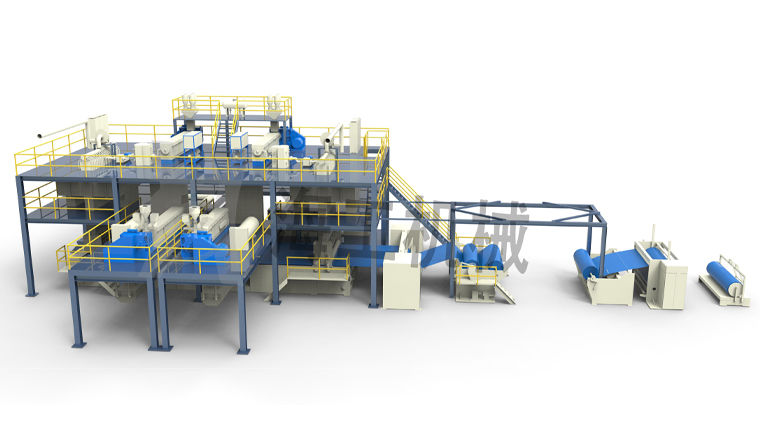
4-layer high barrier composite fabrication line delivering enhanced filtration and protection efficiency.
Get Project Feasibility
SSMMS Polypropylene Spunbond Nonwoven Production Line

SSMMS Polypropylene Spunbond Nonwoven Line

Excellent barrier performance combined with supreme material softness for premium medical and sanitary applications.
Get Project Feasibility

Complete Catalogue of High-Yield Machinery & Spunbond Lines

Every machine below incorporates our turnkey engineering quality, customizable layouts, and comprehensive remote support.
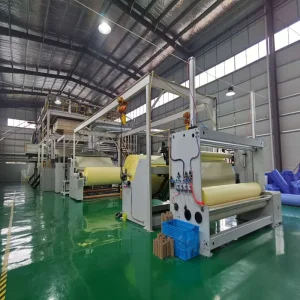
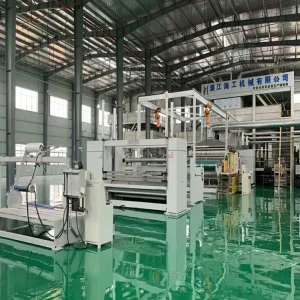
Polypropylene Nonwoven Manufacturing Machine Line

Ethiopia Polypropylene Spunbonded Nonwoven Manufacturing Machine Line with Turnkey Service

Explore Specifications
Spunbond Nonwoven Fabric Machine Supplier

High-Efficiency S Spunbond Nonwoven Fabric Making Machine for Addis Ababa Enterprises

Explore Specifications
Spunbonded Non-woven Fabric Production Line

High Output Spunbonded Non-woven Fabric Production Line for Ethiopia Industrial Parks

Explore Specifications
Nonwoven Fabric Machinery Manufacturers

Heavy-Duty Spunbonding Nonwoven Fabric Manufacturing Machinery for Packaging Mills

Explore Specifications
High Speed Spunbond Nonwoven Fabric Machine

High Speed Spunbond Nonwoven Fabric Manufacturing Machine Line for Ethiopia Market

Explore Specifications
Spunbond Non Woven Fabric Machine Manufacturer

Complete Spunbond Non Woven Fabric Making Machine for Ethiopian Packagings

Explore Specifications
2400mm S Spunbond Nonwoven Fabric Machine

2400mm S Spunbond Nonwoven Fabric Making Machine HG-1600/2400/3200 for Large Plants

Explore Specifications
HG-SS Spunbond Nonwoven Fabric Machine

HG-SS Spunbond Nonwoven Fabric Making Machine for Ethiopia Hygiene Products Industry

Explore Specifications
Spunbond Non Woven Fabric Machine High Efficiency

Spunbond Non Woven Fabric Machine for High Efficiency Production in Ethiopia Industrial Parks

Explore Specifications
SMS Spunmelt Nonwoven Fabric Making Line

Ethiopia SMS Spunmelt Nonwoven Fabric Making Line for Advanced Bio-Barrier Materials

Explore Specifications
S/SS/SSS Spunbond PP Nonwoven Fabric Machine

S/SS/SSS Spunbond PP Nonwoven Fabric Making Machine Manufacturer for Medical Consumables

Explore Specifications
PP Spunbonded Nonwoven Production Line

Industrial PP Spunbonded Nonwoven Production Line for Ethiopia Logistics and Bag Factories

Explore Specifications

Ready to Establish or Upgrade Your Production Line in Ethiopia?

Send Inquiry Now