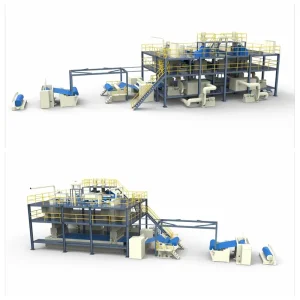
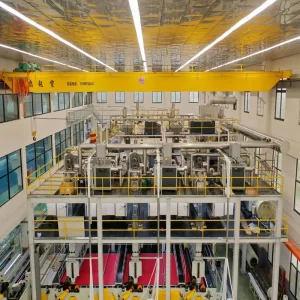
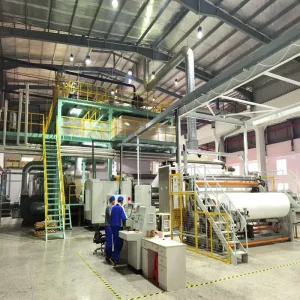
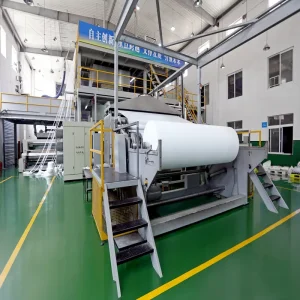
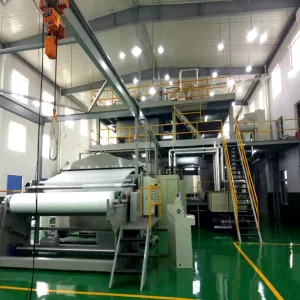
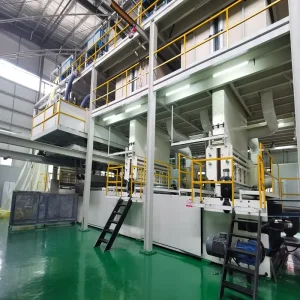
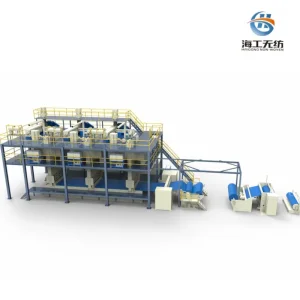
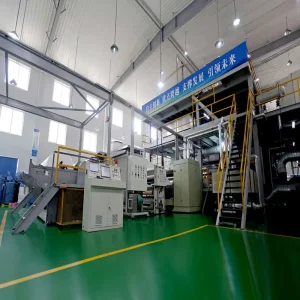
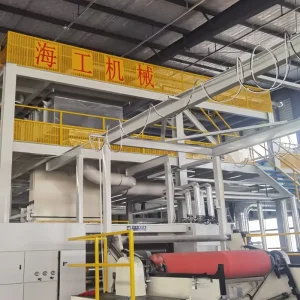
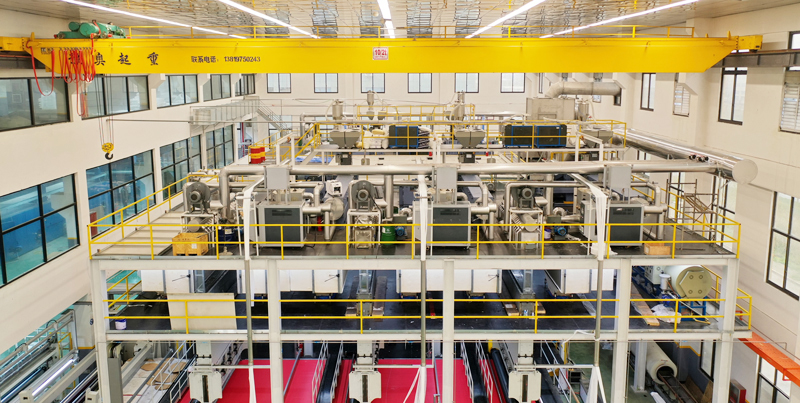
Explore our highly integrated fifth-generation production lines designed for global industrial deployment.
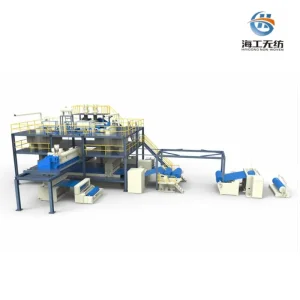
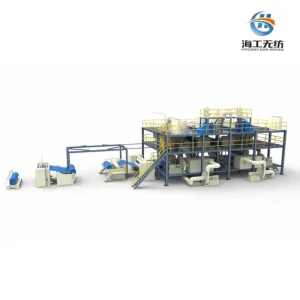
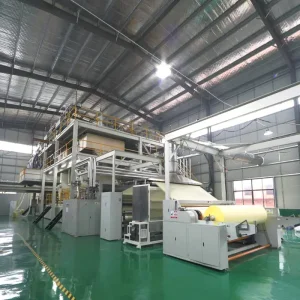
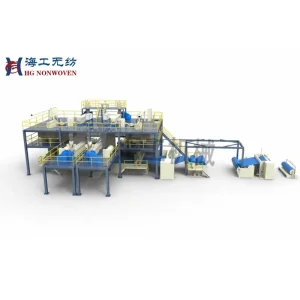
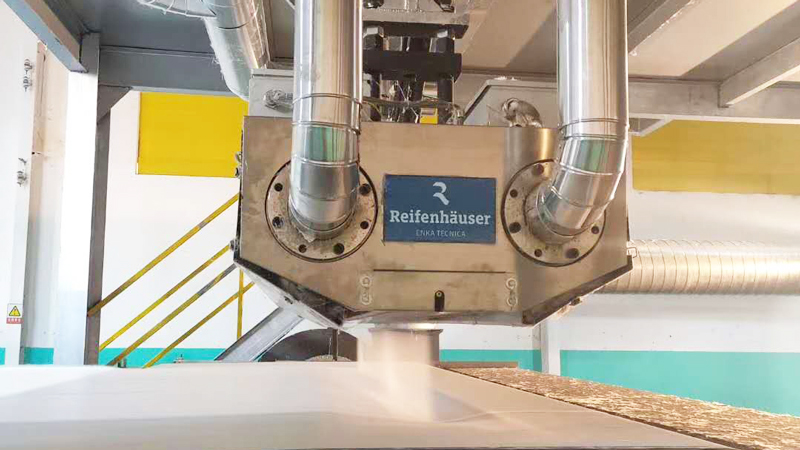
In the competitive landscape of synthetic materials, the term SS Spunbond Nonwoven Fabric represents a significant evolutionary step over basic single-beam (S) setups. By utilizing two parallel extrusion beams (SS) within a single production line, manufacturers achieve a double layer of continuous filaments laid down in an overlapping matrix before thermal calender bonding. The result is a highly uniform web with isotropic mechanical properties, showing minimal differences between Machine Direction (MD) and Cross Direction (CD) tensile profiles.
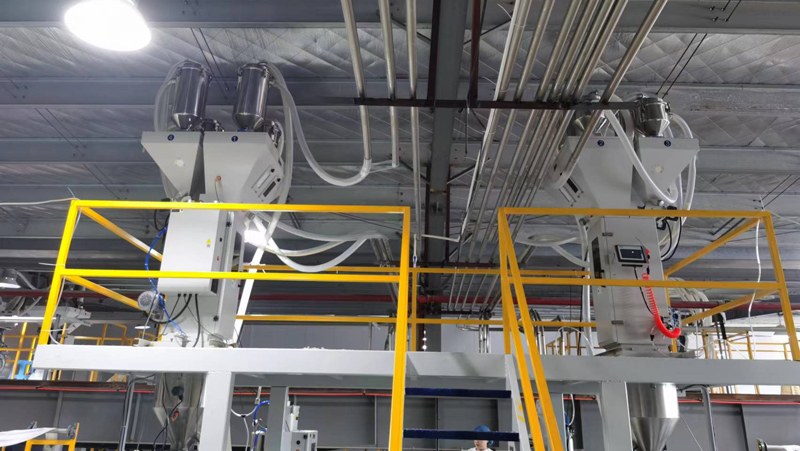
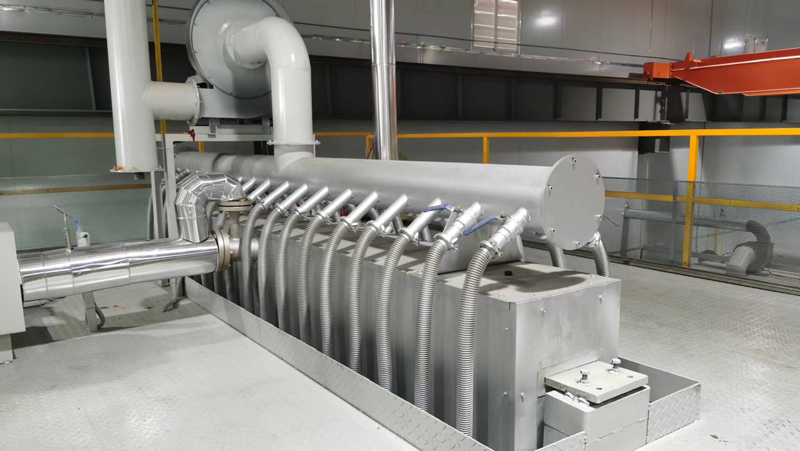
Understanding the raw processing parameters is key for procurement engineers. Polypropylene (PP) chips with a target Melt Flow Rate (MFR) of 25–40 g/10min are fed into gravity-assisted dosing systems. The polymer is plasticized within a high-ratio extruder (typically 30:1 L/D screw geometry) at temperatures between 210°C and 240°C. Once molten, the PP is driven through spinnerets featuring thousands of capillary holes (ranging from 0.4 to 0.6 mm in diameter). A critical technical differentiator of advanced Chinese factories is the cooling and attenuation phase: using laminar-flow, pressurized cooling chambers, filaments are drawn to diameters of 1.5 to 2.5 deniers. By deploying a double-beam extrusion model, the layout offers up to 40% higher web uniformity compared to single-layer lines, allowing buyers to reduce fabric weight (grams per square meter or GSM) while keeping the same barrier and strength.
Technical Parameter Highlights: Standard configurations support web weights from 10 to 150 GSM, with a maximum mechanical speed of up to 400 meters per minute for high-speed lines, yielding a production capacity of 10 to 30 tons daily depending on line width.
The global nonwoven manufacturing landscape is undergoing rapid transformation, guided by strict environmental regulations and the rise of Industry 4.0. Top China SS Spunbond factories are heavily investing in three core areas:
HG Nonwoven Machinery is a professional manufacturer of spunbond, meltblown, and composite nonwoven fabric machine lines, dedicated to providing high-efficiency and innovative spunbond nonwoven fabric production solutions to the global market. Our company introduced the advanced design (5th Generation spunbond spinning technology) concept from overseas, integrating it with autonomous developments tailored to the needs of the market.
As a well-known nonwoven fabric making machine manufacturer since 2014, Pujiang HG Nonwoven Machinery specializes in manufacturing PP spunbond and meltblown nonwoven fabric making machines with complete turnkey engineering service. Our machinery focuses on producing high-performance, eco-friendly, and biodegradable spunbonded nonwoven fabrics, offering convenient operation, small footprint, low power consumption, high efficiency, and low production cost.
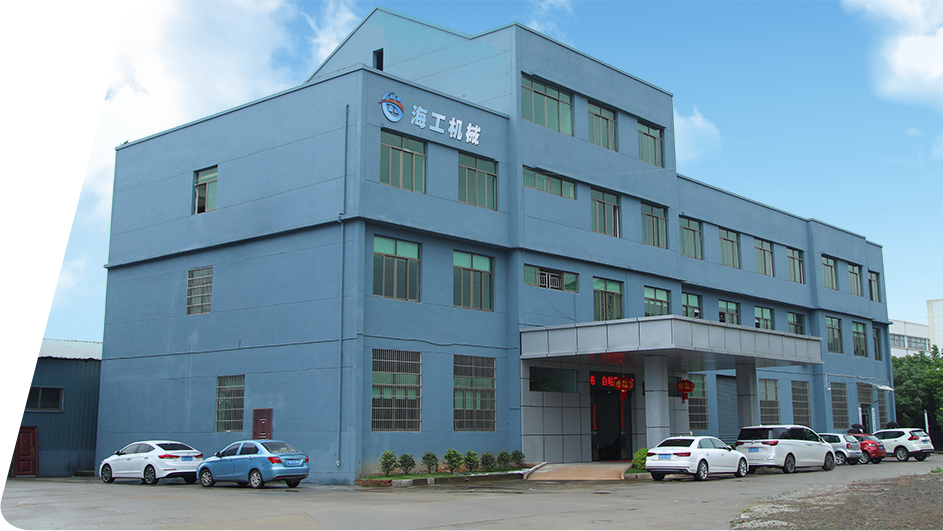
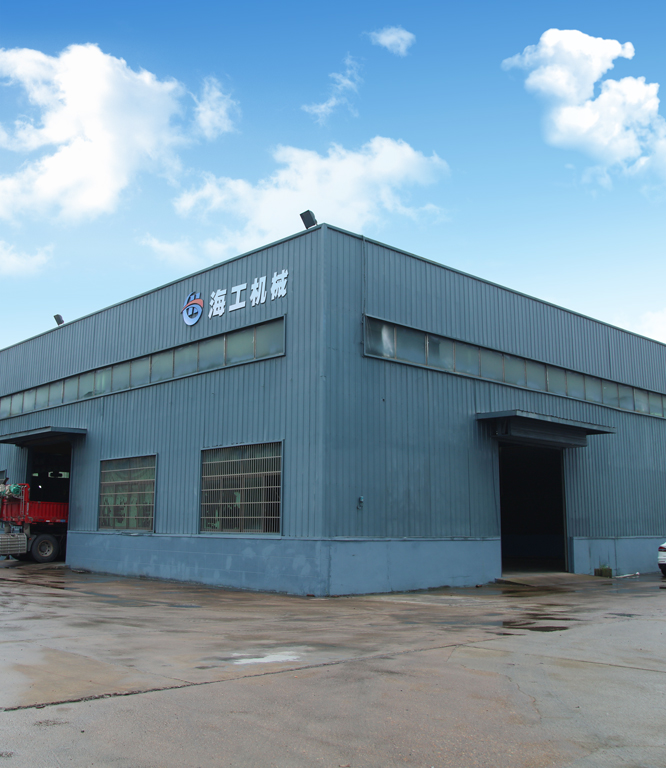
By choosing HG Nonwoven Machinery, you gain a reliable partner committed to helping you stand out in a competitive market. We regard "high quality, good service" as our main tenet. Contact us today to learn more about how to produce nonwoven fabrics economically, reliably, and sustainably.

Integrating state-of-the-art global designs with localized market optimizations.
Why industrial buyers choose HG Spunbond Machinery to launch and scale their nonwoven operations.
Meticulously designed systems incorporating the latest technologies. We ensure maximum production yields paired with minimal power consumption, plus custom modifications tailored to your site layouts.
We provide deep local market analysis and thorough technical feasibility reports, ensuring your industrial plant is configured correctly for your region's raw material prices and demand.
Beyond our primary SS nonwoven making machines, we coordinate auxiliary setups including nonwoven recycling systems, micro-slitting winders, flexographic printing machines, and offline laminators.
On-site assembly, commissioning, and system operator training programs. We offer 24 months of direct mechanical warranty support and swift online digital diagnostic monitoring.
Proven high-capacity production lines currently operating in major manufacturing hubs worldwide.
Best for packaging nonwoven bags, furniture uses, and agricultural protective field sheets.
View Details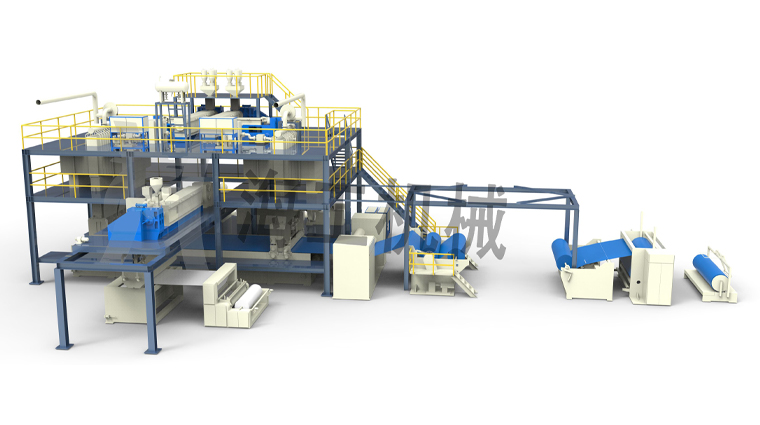
Precision configurations for protective medical clothing and hygiene health care applications.
View Details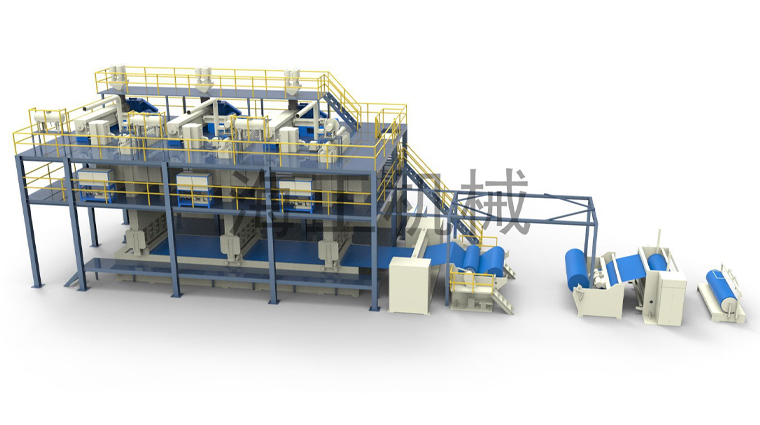
4-layer multi-beam fabric offering significantly higher filtration efficiency compared with standard SMS.
View Details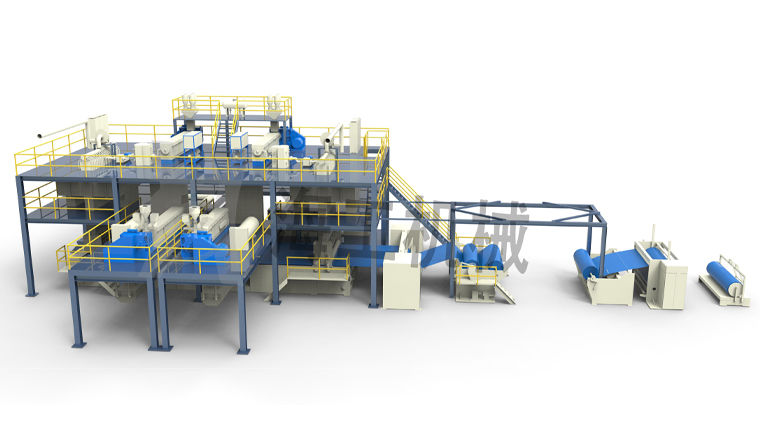
Excellent barrier protection coupled with premium softness and long-term wearing comfort.
View DetailsOur company regards "high quality, good service" as our guiding tenet. By choosing us, you gain a reliable partner committed to helping you stand out in a competitive market. Contact us today to learn more about how to produce nonwoven fabrics economically, reliably, and sustainably. We help you choose the ideal system layout, avoiding expensive engineering bottlenecks and ensuring stable daily outputs.
Please consider and select which kind of nonwoven business you want to start. With our deep expertise across diverse sectors like packaging, medical, hygiene, and agriculture, we will guide and help you with technical support to choose the most suitable line to start your business easily. Our solutions are crafted to save you time, reduce costs, and overcome operational challenges with efficiency.
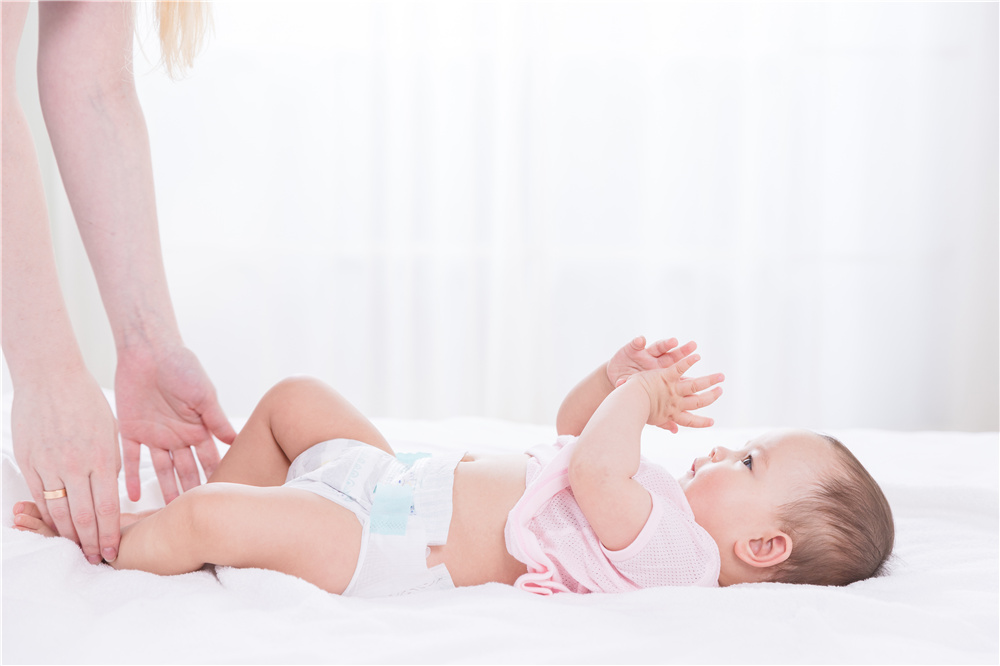
Non-woven fabric is essential in the hygiene sector, offering breathability, softness, and excellent fluid management for comfort and protection. It quickly absorbs liquid and keeps it away from the skin, making it ideal for paper diapers, incontinence pads, and feminine hygiene products.
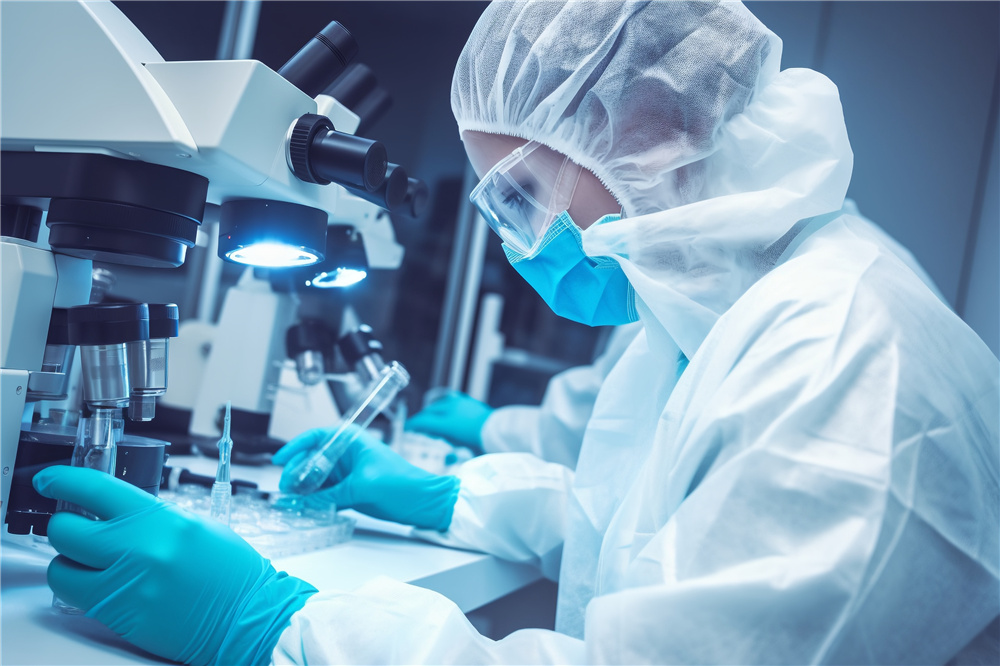
Nonwoven fabrics are extensively used in the medical field and in protection against biological agents. They deliver critical safety properties, such as prevention against infections and diseases. They are essential for making face masks, surgical gowns, bed sheets, and surgical towels, ensuring effective filtration, protection, and comfort.
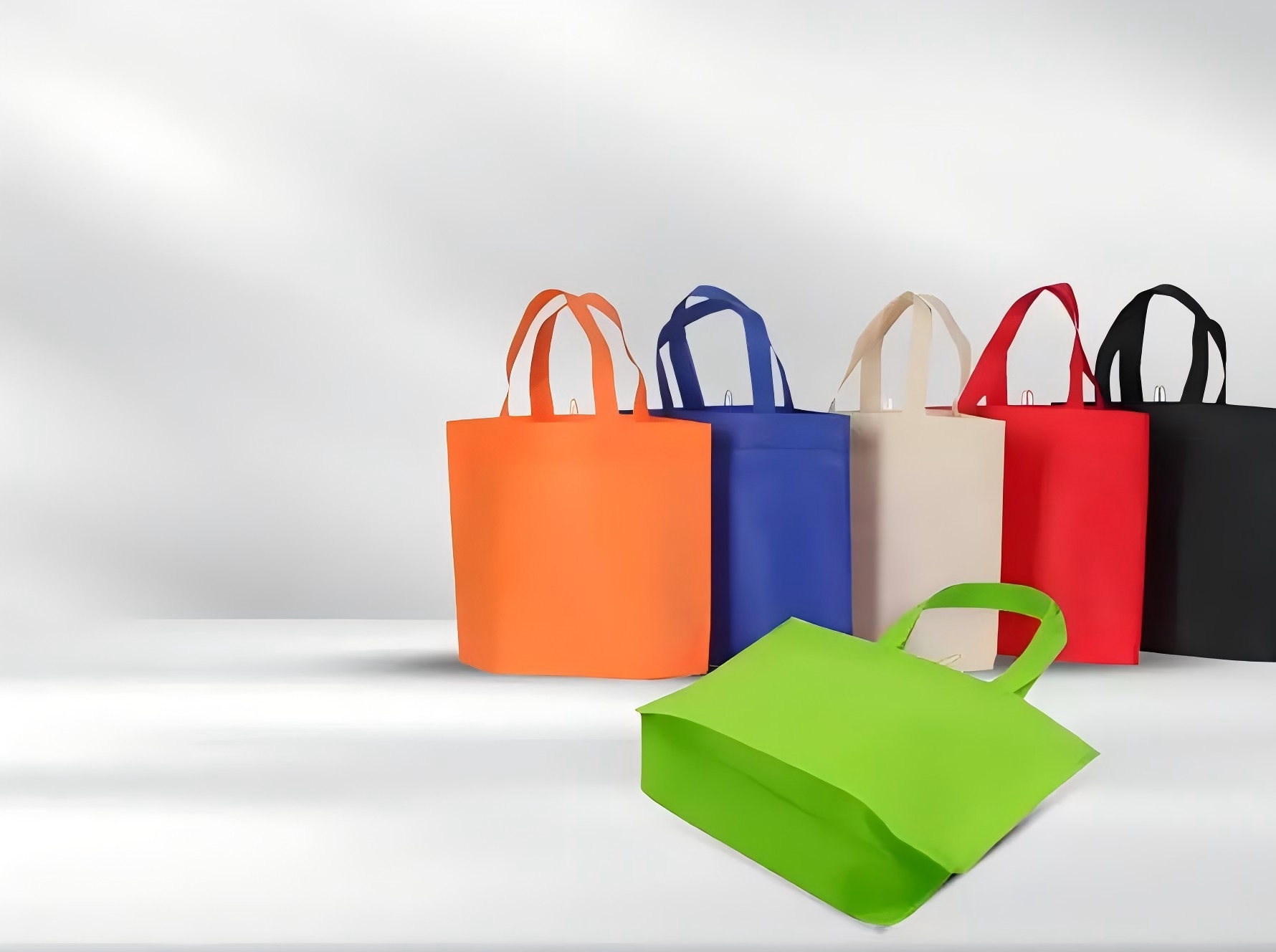
Nonwoven fabric is ideal for a variety of packaging end-uses, as their exceptional lightweight, energy-efficient production, shipping and storage, and long life and robustness allow for two important features: volume reduction and re-usability. It is widely used for shopping bags, fruit bags, garment bags, rice bags, pocket springs, garment interlining, as well as packaging for pharmaceuticals and cosmetics.
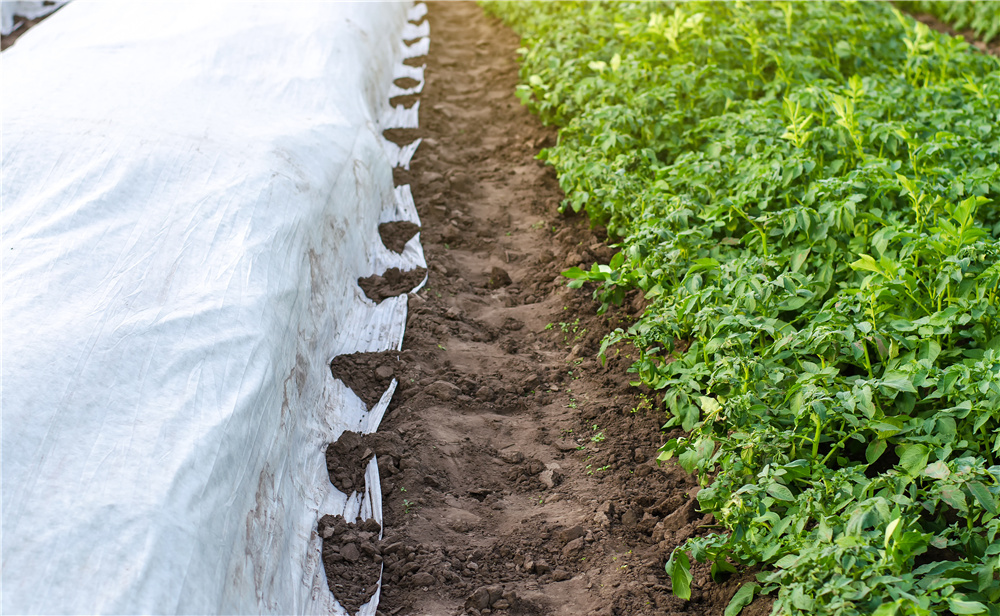
Agriculture Non Woven Fabric allows air and water to pass through while providing wind and cold protection by generating a microclimate around the crop. Furthermore, because nonwoven works as a physical protection media, it can assist prevent damage to crops, vegetables, and seeds from insects and birds. Nonwoven materials can assist regulate heat, serve as a UV blocker, and provide superior air and water permeability.
Succeeding in the global nonwoven market requires more than just high-quality extrusion machinery; it demands an integrated, end-to-end macro solution. Pujiang HG Nonwoven Machinery assists companies in planning their entire facility layout, from raw material handling to final roll packaging and recycling.
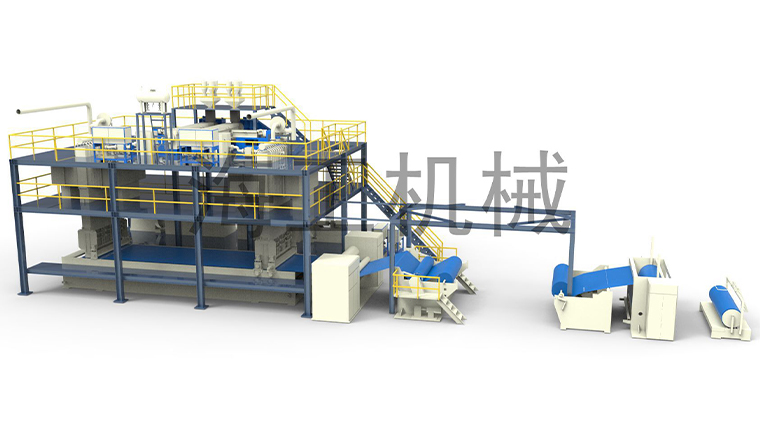
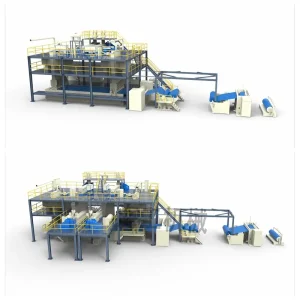
In a standard plant layout, raw material handling systems feed polypropylene pellets directly to the main extruder. As the material is extruded, precision melt pumps ensure a consistent, pulse-free feed of molten polymer to the spinneret assembly. After spinning and air-attenuation, the filaments are deposited onto a continuous belt. From there, the web passes through a heated thermal calender, where heat and pressure fuse the fibers into a fabric. After calendering, the web is rolled and slit to the required widths using advanced high-speed winders and slitting systems. Edge trims are fed directly back into an integrated recycling machine, allowing for immediate reuse and reducing waste.
Our Total Engineering Approach: HG Nonwoven Machinery integrates the core extrusion line with important auxiliary machinery, including inline defect detection systems, color mixing systems, and automated packaging systems, providing a complete turnkey solution from a single partner.
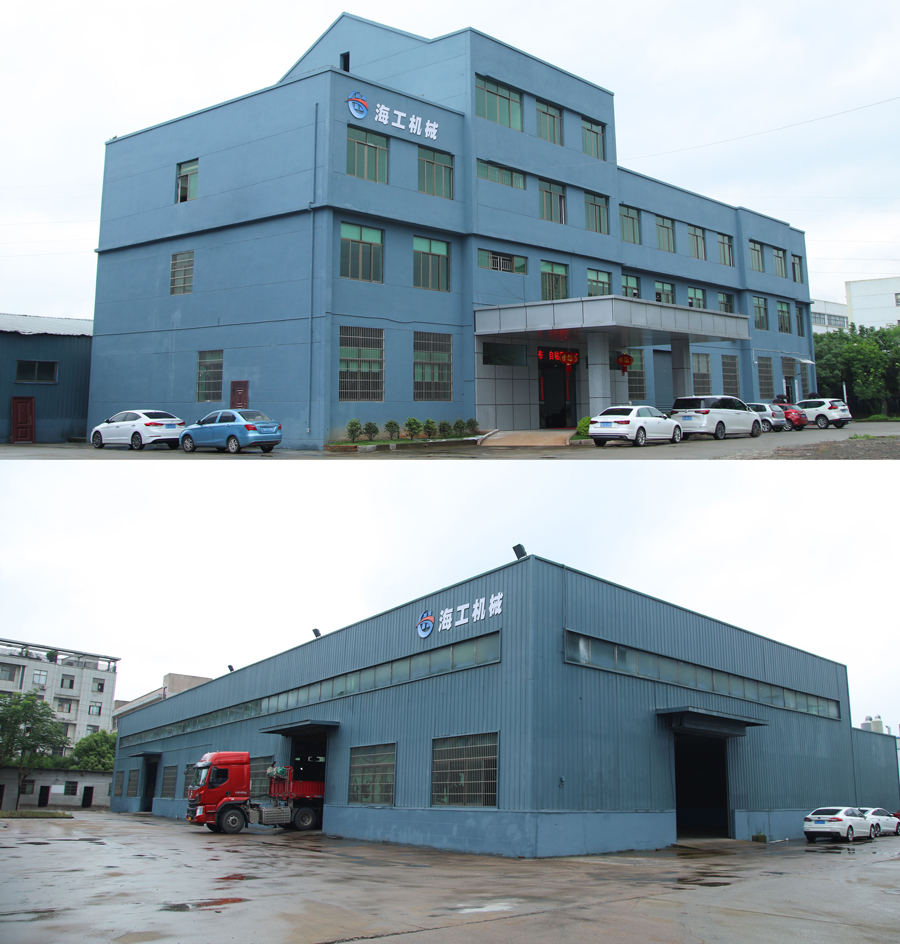
Global buyers, especially those in the medical and hygiene sectors, require rigorous quality validation before deploying new production lines. Our manufacturing facility follows strict quality control procedures to meet international standards:
Expert answers to common questions about setting up and running SS Spunbond Nonwoven lines.
Explore our high-speed machinery portfolio for large-scale industrial nonwoven manufacturing.
 HG NONWOVEN