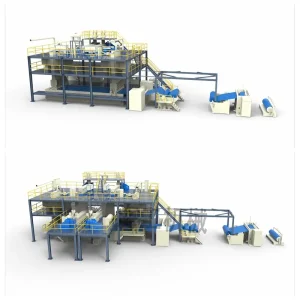
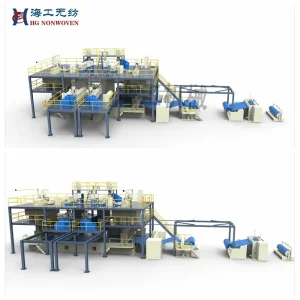
China Spunlace Nonwoven Machine Supplier & Factory

Empowering Global Smart Manufacturing with Advanced Spunbond, Meltblown, and Hydroentanglement Nonwoven Fabric Production Lines

Corporate Overview

Pioneering Future-Proof Spunbond & Composite Solutions

HG Nonwoven Machinery is a professional manufacturer of spunbond, meltblown, and composite nonwoven fabric machine lines, dedicated to providing high-efficiency and innovative spunbond nonwoven fabric production solutions to the global market. Our company introduced advanced design concepts—principally our 5th Generation spunbond spinning technology—from overseas and integrated them with autonomous engineering adjustments designed specifically for evolving market demands.

Consequently, HG nonwoven fabric making machines are characterized by highly convenient operations, smaller plant footprints, reduced energy consumption ratios, elevated throughput efficiencies, and optimized lower total production costs. We offer full turnkey integration, taking your nonwoven business from initial feasibility concepts to high-volume commercial production.

5th Gen Tech

Next-level nonwoven density & stability

Eco-Engineering

Low power consumption design

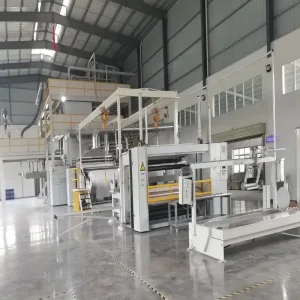
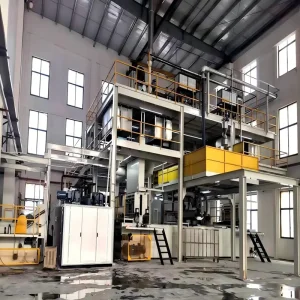
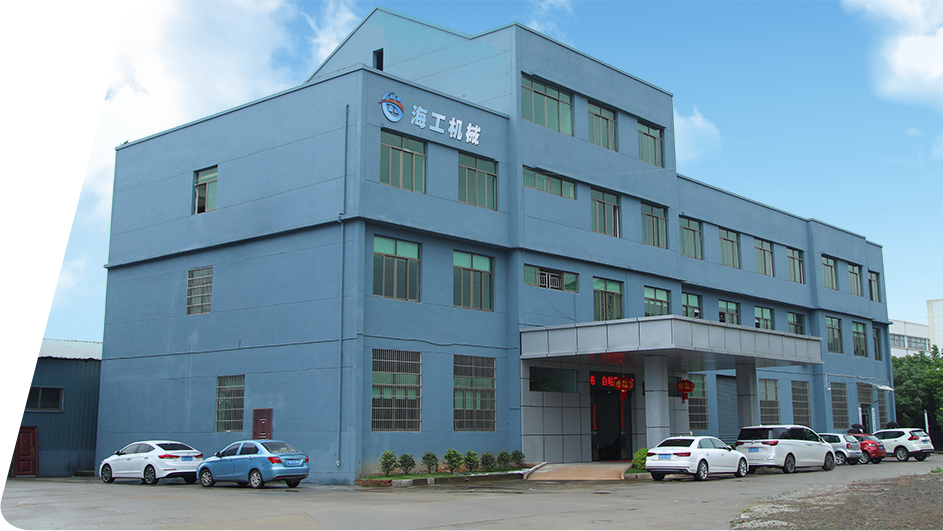
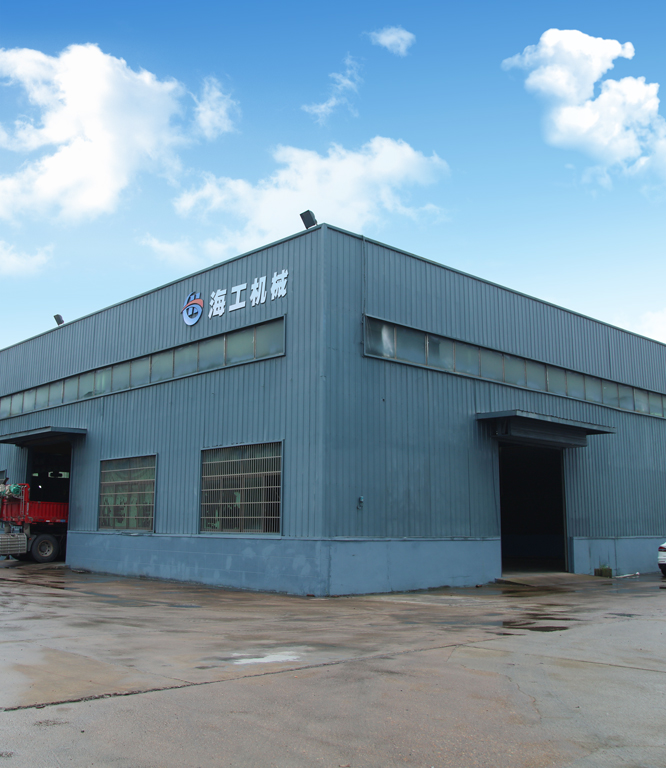
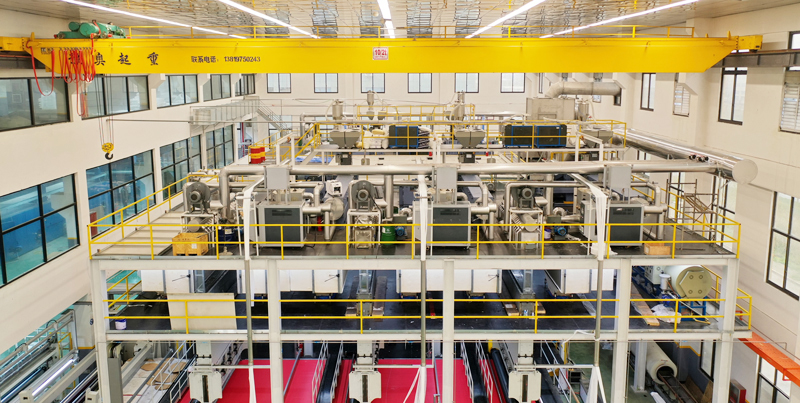
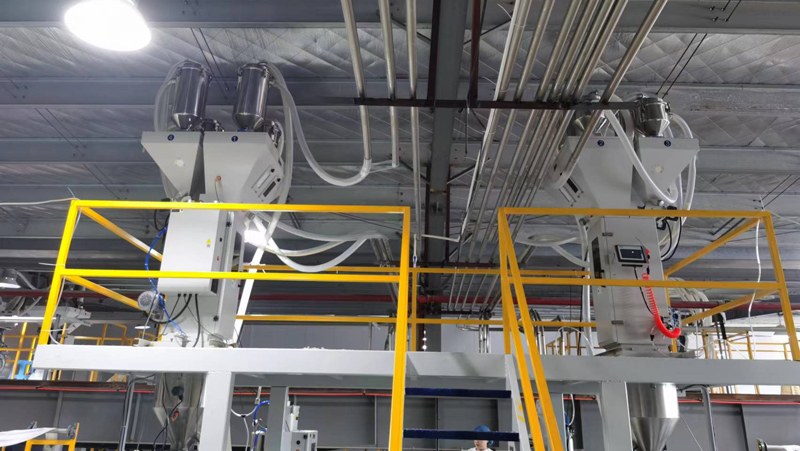
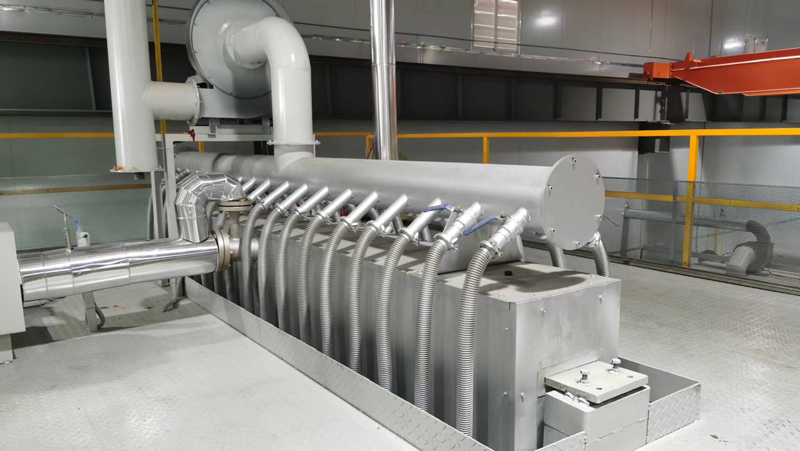
HG Nonwoven Machinery Factory Visual Representation
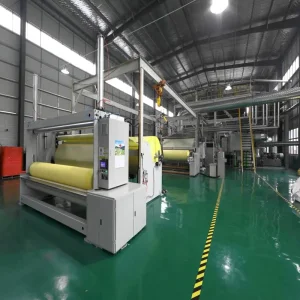
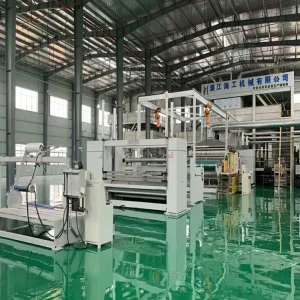
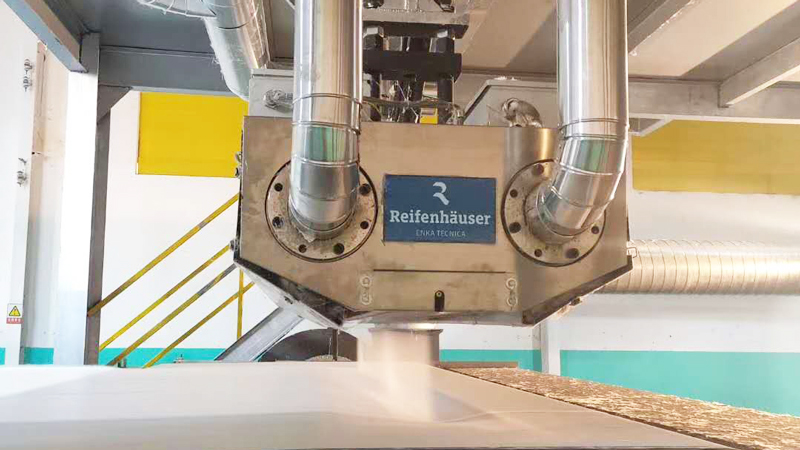
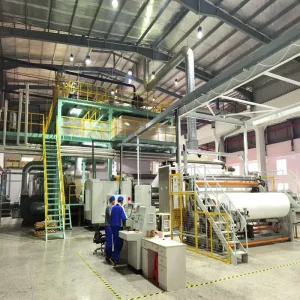
HG Nonwoven Machinery Production Line Inspection
Company Logo Divider Line Pujiang HG Nonwoven Machinery Co., Ltd.

Over a Decade of Engineering Trustworthiness

Pujiang HG Nonwoven Machinery has been a well-known nonwoven fabric making machine manufacturer since 2014. We specialize in manufacturing PP spunbond and meltblown nonwoven fabric making machines with complete, high-tier turnkey engineering services. Our engineering focus points specifically toward producing high-performance, eco-friendly, and biodegradable spunbonded and meltblown nonwoven fabrics to align with global environmental benchmarks.

01

20+ Years

Accumulated Industry Expertise

02

300+ Lines

Worldwide Production Installs

03

20+ Countries

Global Export Regions

04

24/7 Tech

Worldwide After-Sales Support

Why Industrial Leaders Partner with HG Nonwoven

Ensuring operational reliability, long-term sustainability, and robust output efficiency from project inception to post-sales operation.

Advanced Machine Manufacturing

Meticulously designed with state-of-the-art configurations, our lines maximize overall production capacity while maintaining minimal carbon footprint and low electricity consumption.

Market Analysis & Feasibility

Leveraging decades of industry-wide data, we offer comprehensive feasibility reports and localized market analyses to de-risk capital deployment.

One-Stop Turnkey A-to-Z Project

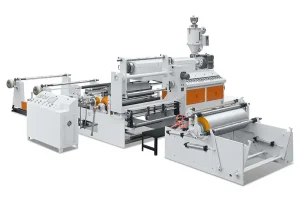
Beyond our base extrusion systems, we supply all auxiliary units: online recycling machines, slitting rewinding tools, flexographic printers, laminators, and bag machines.

Efficient Maintenance & Training

Full onsite installation services followed by exhaustive operational staff training. Our lines include a 24-month warranty alongside permanent digital diagnostics.

Hot-Sale Industrial Nonwoven Fabric Production Equipment

Deploy our robust multi-beam spunmelt configurations for specialized hygienic and barrier applications.

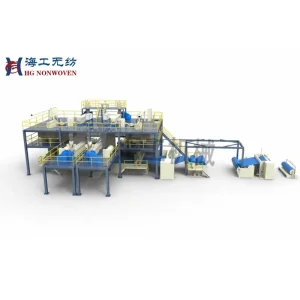
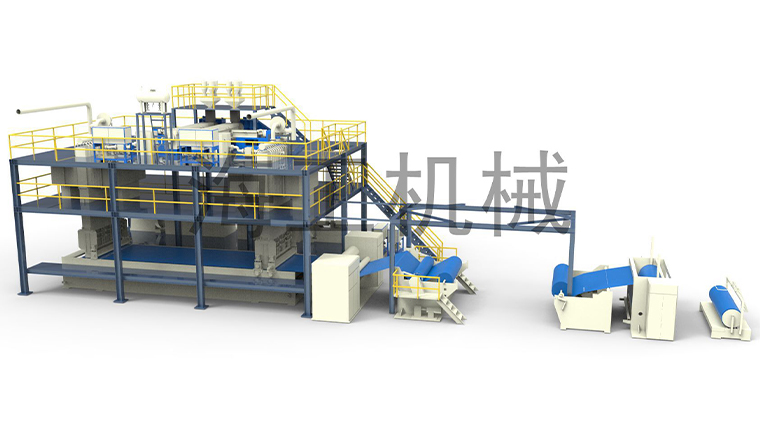
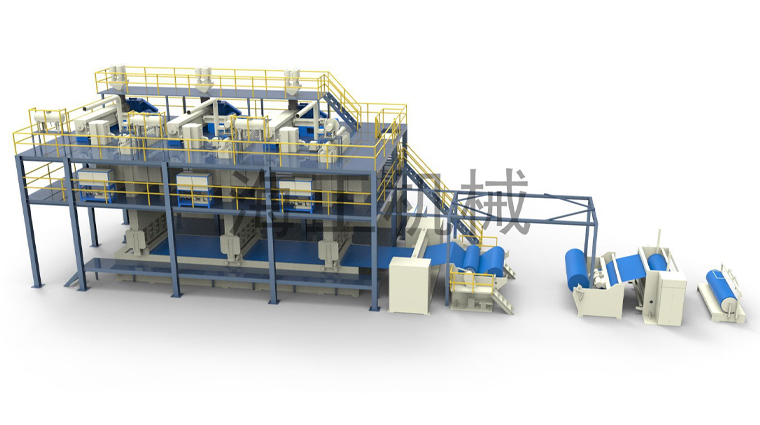
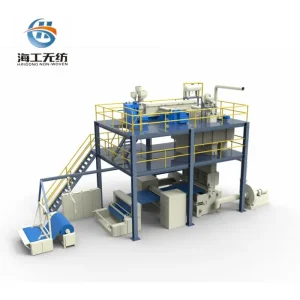
S/SS PP Nonwoven Fabric Making Machine

S/SS PP Nonwoven Fabric Making Machine

Optimized for manufacturing packaging nonwoven shopping bags, furniture lining, and basic agricultural protective wraps.

View Technical Model Details
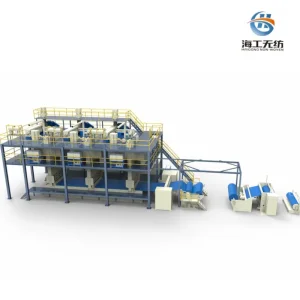
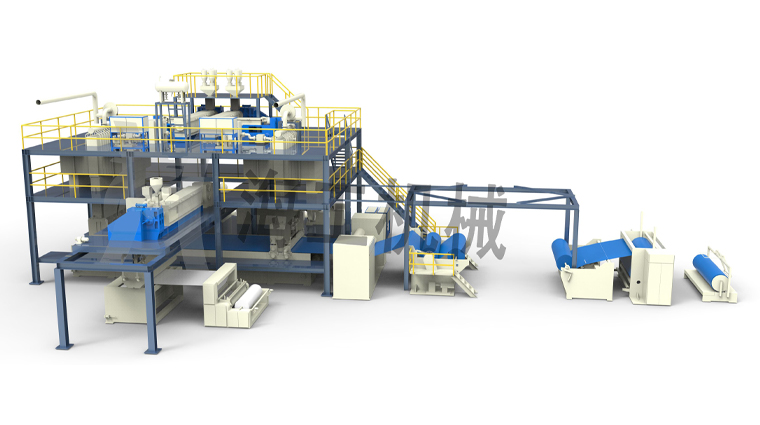
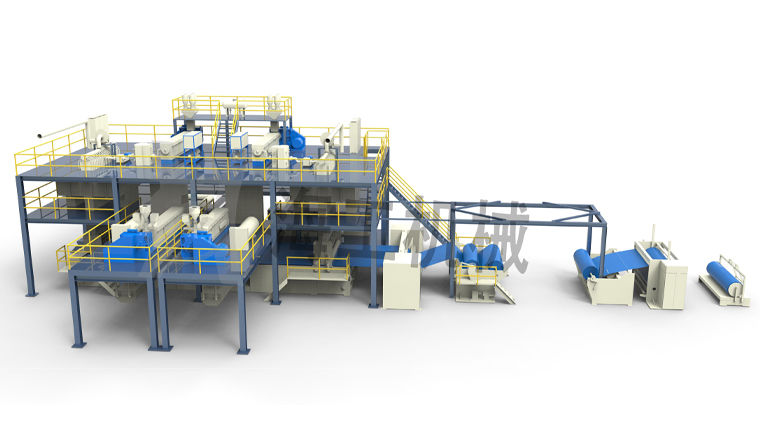
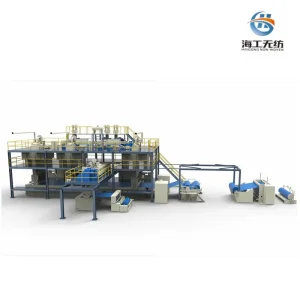
SMS Spunbond and Meltblown Nonwoven Machine

SMS Spunbond & Meltblown Machine

Combines high-tensile spunbond beams with core barrier meltblown lines for surgical PPE and hygiene products.

View Technical Model Details
SMMS Nonwovens Production Machine

SMMS Nonwovens Production Machine

Constructed with four integrated layers, yielding high fluid repellency and air permeability for premium medical drapes.

View Technical Model Details
SSMMS Polypropylene Spunbond Nonwoven Production Line

SSMMS Spunbond Production Line

The gold standard in premium barrier engineering, balancing softness with high hydrostatic head performance.

View Technical Model Details

The Global Nonwoven Machinery Landscape: Industry Whitepaper & Technical Insights

As the world pivots toward sustainability, eco-friendly materials, and highly efficient manufacturing systems, the nonwoven fabric manufacturing sector has emerged as a cornerstone of the modern industrial landscape. Nonwoven fabrics—created directly from polymer chips or natural/synthetic fibers without the need for weaving or knitting—provide high performance, lightweight properties, low cost, and immense versatility. Leading this sector are two prominent engineering technologies: Spunlace (hydroentanglement) and Spunbond/Spunmelt (S, SS, SMS, SSMMS).

"Modern nonwoven production is no longer just about speed; it is about precision, raw material utilization, thermal control, and ecological footprint reduction. Advanced 5th generation spinning systems are transforming the ROI curves of factories globally."

1. Industrial Status of Spunlace & Spunmelt Technology

Global demand for nonwoven fabrics is surging, driven by health standards, aging demographics, increased medical safety consciousness, and environmental regulations limiting single-use plastics. Spunlace machines bond fiber webs through high-pressure water jets, producing fabrics with exceptional softness, drapability, and absorption. This makes spunlace fabrics ideal for consumer cosmetic wipes, surgical dressings, and industrial cleaning cloths.

Simultaneously, Spunbond/Spunmelt systems represent the backbone of industrial production. Using thermoplastic polymers (primarily Polypropylene - PP, Polyester - PET, or biodegradable PLA), these machines extrude molten plastic through fine spinnerets, forming continuous filaments. These filaments are cooled, laid down onto a conveyor, and thermally bonded via a calendar. By integrating meltblown layers (M) between spunbond layers (S), manufacturers create composite barriers like SMS or SSMMS, which are crucial for preventing viral transmission in hospitals.

2. Global Commercial Trends and CAGR Insights

Market evaluations indicate the global nonwoven fabric market is projected to expand at a CAGR of 6.8% through 2030, with Spunlace and Spunmelt techniques leading the segment. Regionally, Asia-Pacific remains the primary growth driver, housing major manufacturing hubs, whereas North America and Europe demand high E-E-A-T credentials and environmental compliance. Buyers in these regions seek machinery suppliers who offer proven waste recycling loops, high efficiency, and turnkey technical support.

Global Industrial Trends at a Glance:

  • Rising Demand for Bio-Composites: Market entry of PLA, bamboo fibers, and recycled PET in spunlace and spunbond processing.
  • Energy Optimization: Focus on co-generation, optimized heat distribution in calendar rollers, and high-efficiency vacuum suction.
  • Digital Twin & Automation: Real-time GSM monitoring, automated thickness profiling, and smart tension controls to limit material wastage.

3. Detailed Technical Roadmap: From Monomer to Finished Fabric

Designing a high-speed production line requires understanding the thermal polymer dynamics. Here is the operational phase map for our 5th generation machinery:

  1. Polymer Feeding & Dosing: Raw PP/PET chips are pneumatically transported to dosing units where additives (UV stabilizers, color masterbatches) are blended.
  2. Extrusion & Melt Filtration: An electric screw extruder melts the raw material. Dual-piston filtration systems remove microscopic contaminants without stopping the line.
  3. Spinning & Quenching: The melt passes through a spinneret plate containing thousands of micro-holes. Co-axial quenching air chambers solidify the molten filaments quickly.
  4. Drafting & Web Laydown: A high-velocity drafting slot uses air friction to draw out and orient the fibers, enhancing tensile strength before they settle on the wire screen.
  5. Thermal Bonding & Winding: An oil-heated embossing calendar fuses the fiber intersection points. An automated surface rewinder slits and rolls the finished fabric rolls.
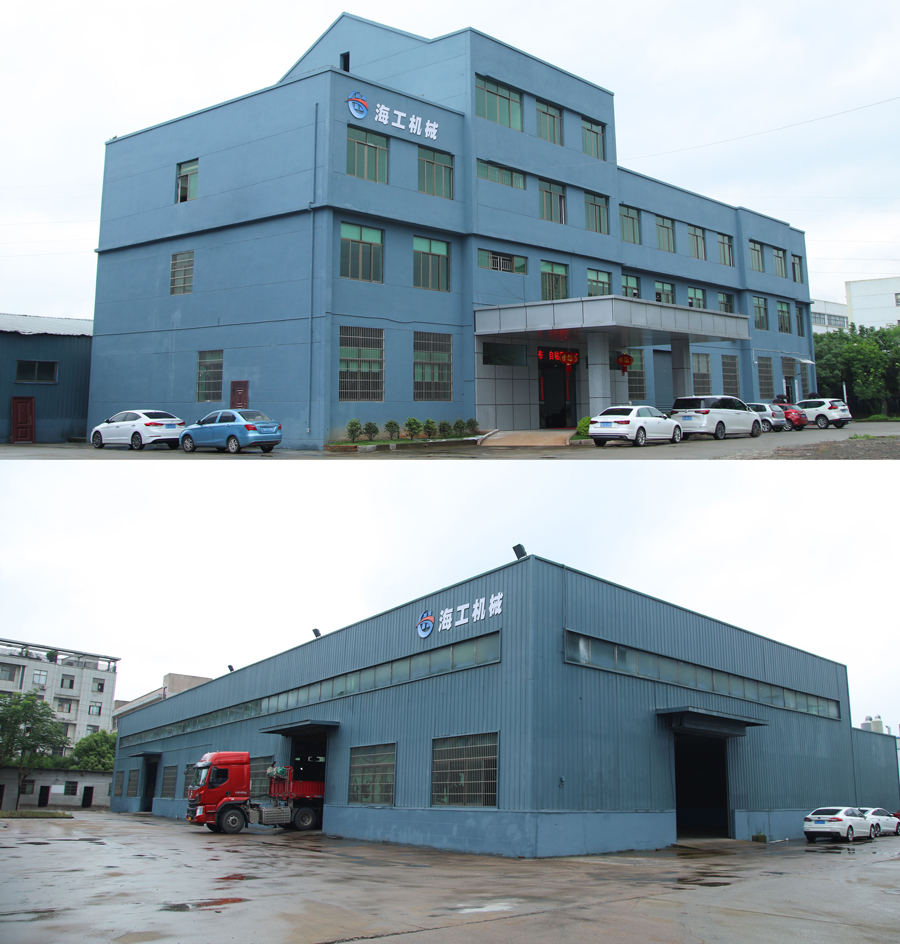
HG Advanced Calendering and Fiber Spinning Machine Components

4. Sustainability, Recycling, and the Circular Economy

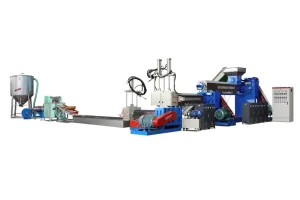
A major pain point in extrusion factories is raw edge trim waste, which can constitute up to 5% of production output. To counter this, HG Machinery integrates online recycling systems (Plastic Granulators) directly into the line. The edge trims are continuously fed back, melted, and mixed with fresh polymer, minimizing raw material costs. Furthermore, our R&D roadmap focuses heavily on processing biodegradable polylactic acid (PLA) and recycled PP, aligning with international carbon-neutral mandates.


Selecting the Ideal Nonwoven Fabric Machine Line for Your Target Market

Understand the precise physical requirements across core global application sectors and match them with the right extrusion technology.

Hygiene Nonwoven Applications diaper backsheet

Hygiene Sector

Essential for infant diapers, feminine sanitary pads, and adult incontinence briefs. Demands extreme softness, quick fluid acquisition, and non-allergenic properties, best achieved using multi-beam SS/SSS or soft spunlace lines.

Medical Nonwoven Applications face masks gowns

Medical Barrier

Used in surgical gowns, face masks, drapes, and sterilization wraps. Relies on SMS, SMMS, or SSMMS structures to deliver high hydrostatic head pressure, micro-organism filtration, and fluid protection.

Packaging Nonwoven Applications shopping bags

Industrial Packaging

Ideal for reusable shopping bags, garment bags, and pocket spring wraps. Excellent tensile strength, cost efficiency, and ease of thermal sealing make S and SS spunbond lines the ideal economical choices.

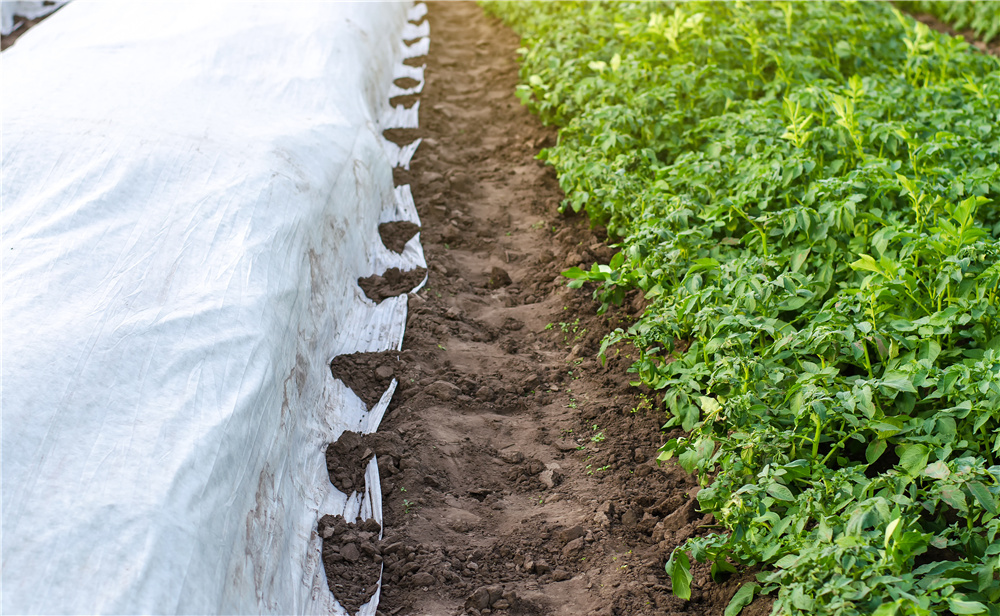
Agriculture Nonwoven Applications crop cover

Agriculture Protection

Breathable crop covers, weed control barriers, and greenhouse thermal shields. Infused with specialized UV blockers, agricultural nonwovens allow water and air transmission while creating microclimates.

20+
Years Engineering Experience
300+
Lines Commissioned Globally
24
Months Warranty Term
100%
Turnkey Engineering

Your Global Partner in Spunbond & Meltblown Machinery Excellence

HG Nonwoven Machinery regards "high quality, good service" as our core operating tenet. By selecting our solutions, you acquire a long-term partner dedicated to positioning your factory at the forefront of the nonwoven industry. We offer a comprehensive path to producing nonwoven materials sustainably and cost-effectively.

We assist our clients with:

  • Determining specific machine layouts depending on target plant heights and local regulations.
  • Evaluating raw material suppliers for cost-effective polymer acquisition.
  • Integrating modern multi-beam combinations to adapt to shifting hygiene trends.
Turnkey Nonwoven Factory Equipment Installation
Precision Extruder Components Calendar Roller Inspection Nonwoven Spunbond Web Former

Project Planning & Technical FAQ

Expert answers addressing the critical operational, financial, and logistical questions of industrial buyers.

Q: What is the main advantage of HG's 5th Generation Spinning Technology?

A: Our 5th Generation Spinning Technology features optimized spinneret capillary distribution and updated drafting air slot dimensions. This enhances filament uniformity across the entire web, enabling a lower Coefficient of Variation (CV%) in fabric weight, reducing raw material usage while maintaining high tensile strength.

Q: Can your PP Spunbond lines process biodegradable polymers like PLA?

A: Yes. While PP is the standard, our extruders can be customized with updated screw profiles and temperature control systems to process Polylactic Acid (PLA) and other bio-compositions, helping you produce eco-friendly, biodegradable fabrics.

Q: How does the online recycling system (Plastic Granulator) improve ROI?

A: It captures the high-tensile edge trims generated during slitting, grinds them, and feeds them back into the extruder melt stream in real-time. This eliminates offline waste reprocessing steps, reduces raw material loss to under 1.5%, and lowers overall cost of goods sold.

Q: What after-sales service and training support do you offer?

A: We provide comprehensive onsite installation, mechanical calibration, and electrical debugging, followed by rigorous staff training programs. We offer a 24-month warranty and provide permanent digital support via remote connection units for quick diagnostics.

Q: How do we select between SMS, SMMS, and SSMMS configurations?

A: The configuration choice depends on your target market requirements. SMS is suitable for standard protective apparel and packaging linings. SMMS and SSMMS add extra meltblown layers, increasing filtration efficiency and barrier strength for medical-grade applications like surgical drapes and gowns.