Explore our state-of-the-art extrusion, spinning, and composite lines custom-built to deliver high tensile strength and filtration efficiency.
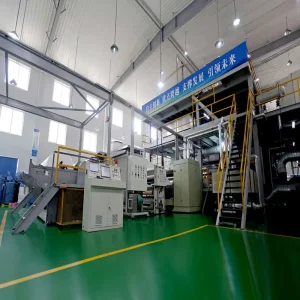
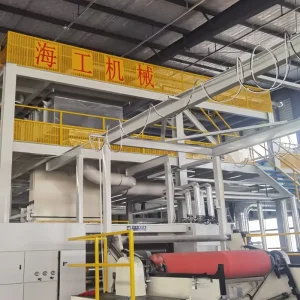
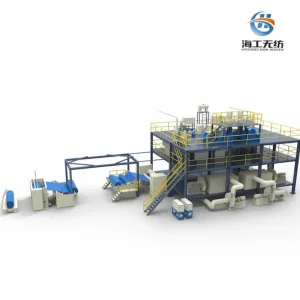
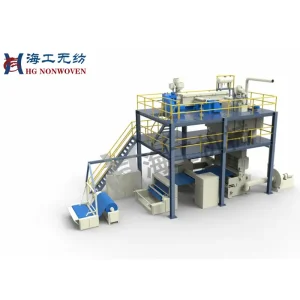
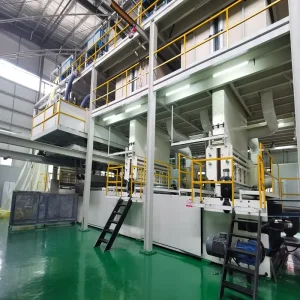
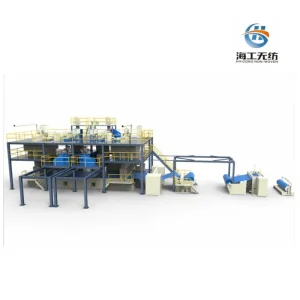
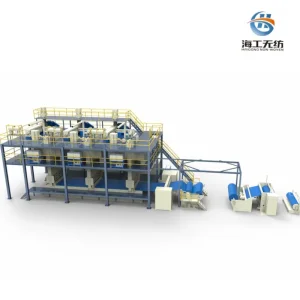
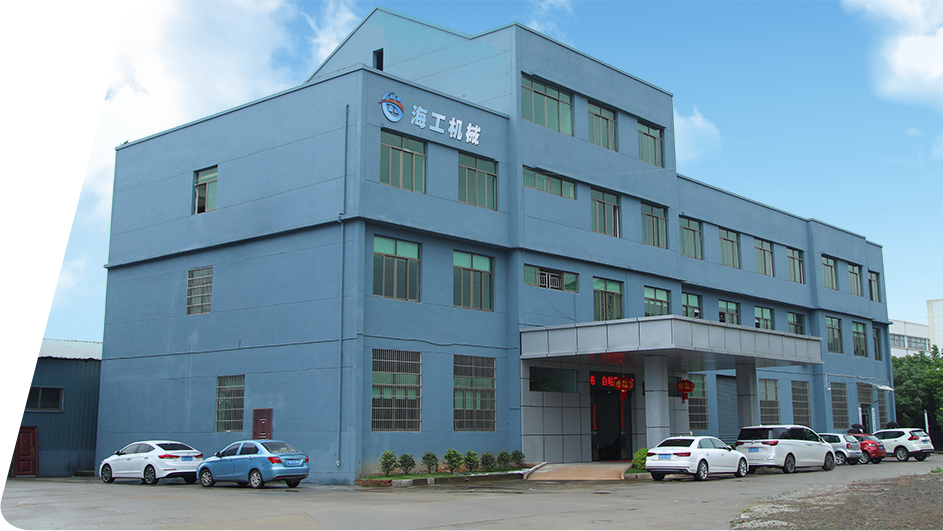
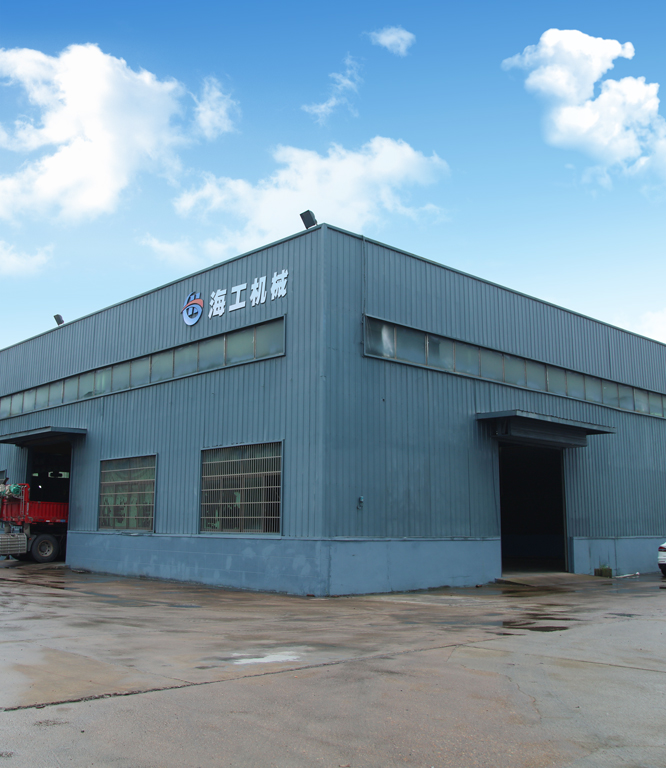
Established in 2014, Pujiang HG Nonwoven Machinery Co., Ltd. has positioned itself at the absolute forefront of the nonwoven machinery manufacturing sector. Combining over 20 years of core industrial experience with our groundbreaking 5th Generation high-speed spunbond spinning technologies, we deliver highly customized, turnkey engineering solutions for manufacturing premium spunbond polypropylene fabrics.
Our systems focus on the production of eco-friendly, high-performance, and biodegradable spunbonded nonwoven fabrics. We prioritize high-efficiency processes that dramatically lower operational costs, require minimal factory floor footprints, and conserve energy, giving modern manufacturing operations an unmatched competitive edge.
The shifting paradigm towards bio-compatibility, advanced barrier integration, and energy-conscious manufacturing methodologies.
As environmental regulations tighten globally, the nonwoven sector is witnessing a massive transition toward biodegradable alternatives, including Polylactic Acid (PLA), polybutylene succinate (PBS), and recycled PP resins. Modern extrusion die heads are engineered to control melt temperatures precisely, enabling smooth transition runs between traditional and bio-derived polymers.
Demands in the hygiene and medical sectors require fabrics with increased softness and liquid barrier resistance. 5th Generation spinning systems utilize high-velocity aerodynamic slot drawings to achieve filament diameters under 1.5 denier. This dramatically improves web uniformity, ensuring a softer hand-feel and superior comfort for consumer applications.
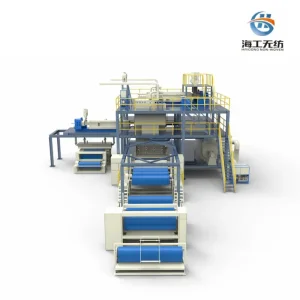
Single-layer (S) and double-layer (SS) lines are rapidly expanding into high-speed SMS, SMMS, and SSMMS inline composite configurations. By integrating spunbond strength with meltblown barrier properties in a single pass, manufacturers optimize raw material usage while producing fabrics with exceptional hydrostatic head pressure.
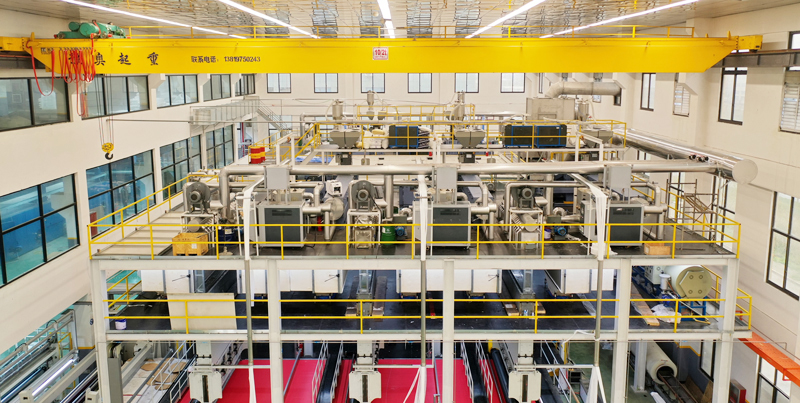
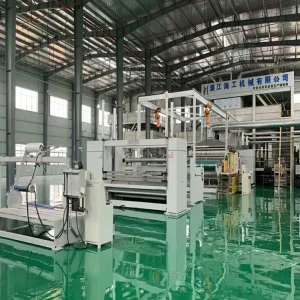
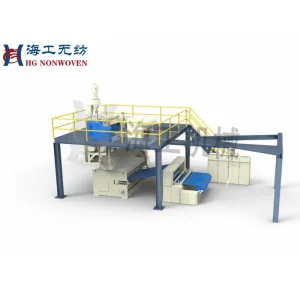
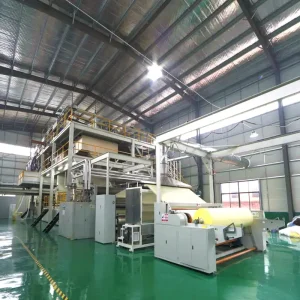
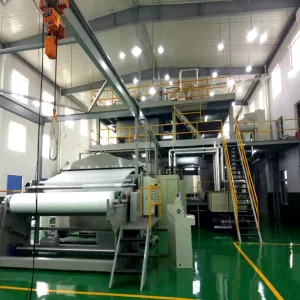
The core advantage of HG Nonwoven Machinery's 5th Gen spinning system lies in the design of its integrated spinneret and quenching chamber. Under traditional systems, filament distribution was susceptible to temperature variances and localized air eddies. By utilizing a closed-loop negative pressure draft system, we guarantee steady air velocity across the entire width of the extrusion board (up to 3200mm). This minimizes denier fluctuation and prevents structural anomalies in the web prior to entering the thermal calender.
Furthermore, our smart calender rolls are equipped with advanced oil heating circuits that maintain surface temperature deviations under ±1°C, ensuring uniform fiber bonding and maximizing the tensile strength of the resulting spunbond fabric.
For multinational corporations sourcing spunbond polypropylene machinery and rolls, reliability, cost efficiency, and technical compliance are non-negotiable. Modern procurement processes focus intensely on the Total Cost of Ownership (TCO), evaluating machinery based on:
HG Nonwoven Machinery structures its system deliveries to align directly with these parameters. By supplying complete A-to-Z turnkey solutions, we remove the friction of sourcing components from disparate vendors, drastically shortening installation and commissioning timelines.
How we support industrial plants in establishing high-yield, low-cost nonwoven fabric production ecosystems.
Leveraging our deep industrial expertise, we assist clients by conducting localized market studies and custom feasibility analyses, mapping out target applications (hygiene, medical, or agriculture) against regional plant economics.
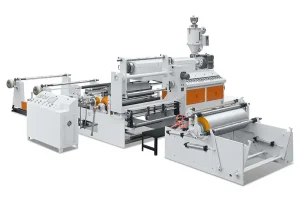
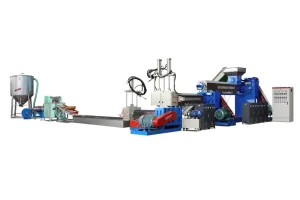
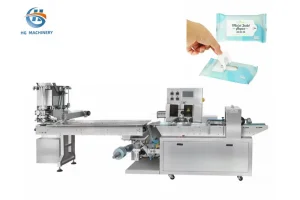
We deliver the full system line, including auxiliary systems: recycling granulators, inline slitters, flexo printing units, and high-performance offline lamination systems to produce multi-layer composite structures.
Our dedicated mechanical and software engineers deploy globally to oversee mechanical assembly, electrical integration, and calibrate the spinning systems. We provide comprehensive operational training to local plant teams.
We offer 24 months of full engineering support. Through digital integration, we perform remote diagnostics, sensor troubleshooting, and software updates to minimize downtime and optimize performance.
Operational parameters of our primary spunbond and composite machinery configurations.
| System Type | Available Widths (mm) | Fiber Denier (den) | Fabric Weight (gsm) | Design Speed (m/min) | Primary Sector Applications |
|---|---|---|---|---|---|
| S Spunbond | 1600 / 2400 / 3200 | 1.8 - 2.5 | 9 - 150 | Up to 350 | Shopping Bags, Agricultural Covers, Pocket Springs, Furniture linings |
| SS Spunbond | 1600 / 2400 / 3200 | 1.5 - 2.2 | 10 - 150 | Up to 450 | Diaper Top-sheets, Sanitary Pads, Medical Bed Sheets, Garment Interlining |
| SMS Composite | 1600 / 2400 / 3200 | S: 1.5-2.2 / M: 1-3 μm | 12 - 80 | Up to 400 | Surgical Gowns, Face Mask Media, Industrial Protective Suits, Sterilization Wraps |
| SMMS / SSMMS | 2400 / 3200 | S: 1.5-2.0 / M: 1-2 μm | 10 - 80 | Up to 600 | High-Barrier Medical Drape, Advanced Filtration, Baby Care Fluid Barrier Elements |
How spunbond polypropylene fabric is engineered specifically for major global target markets.
In the personal care sector, spunbond nonwoven fabrics are critical components for baby diapers, feminine hygiene products, and adult incontinence pads. They provide:
Spunbond-meltblown (SMS) composite fabrics deliver critical protection against biological agents, airborne particulate matter, and pathogens:
A key area of application is reusable, eco-friendly shopping bags, pocket spring covers for bedding, protective clothing interlinings, and industrial wrappers:
Specifically formulated with UV stabilizers, agricultural spunbond fabrics manage the crop microclimate, offering protection against weather and pests:
Advancements in process automation, resource circularity, and digital system twins.
Integration of thermal imaging arrays and closed-loop thickness controllers. By monitoring fabric density in real-time, the system automatically adjusts roll pressure and heating parameters to maintain uniform tensile properties across the entire width.
To achieve zero-waste production goals, our advanced recycling systems feed fabric trimmings directly back into an integrated plastic granulator. The scrap is re-extruded inline, preventing contamination and reducing virgin material consumption by up to 15%.
Adapting spinning systems to accommodate lower shear-rate polymers like PLA. This modification requires custom screw profiles and cooling zone optimizations, allowing operators to pivot their production lines to bio-based and compostable fabrics seamlessly.
HG Nonwoven Machinery designs and manufactures systems to meet stringent global standards, facilitating certifications required for downstream product sales, such as:
Each machine line undergoes comprehensive quality trials prior to shipping. We perform raw material testing, melt-flow rate verification, and output speed tests to ensure the machine arrives at your factory ready to operate at peak specifications.
Answering the most critical technical and logistical questions for global buyers.
An S (Single beam) line extrudes a single web of continuous filaments, suitable for applications requiring basic strength and flexibility like shopping bags. An SS (Double beam) line extrudes two layers of filaments, resulting in a more uniform fiber distribution, softer texture, and higher tensile strength at low GSMs. An SMS (Spunbond-Meltblown-Spunbond) line integrates a meltblown die head between the spunbond beams, producing a composite fabric where the spunbond layers provide structural strength and the meltblown layer provides fine sub-micron filtration and barrier protection, ideal for medical applications.
Our 5th Generation lines utilize high-efficiency heating systems, frequency-inverters on all extrusion and blower motors, and optimized air routing structures. By minimizing thermal losses in the barrel and air draft chambers, we achieve energy savings of up to 20% compared to legacy systems, significantly lowering operational cost per ton of fabric.
Yes. While polylactic acid (PLA) requires precise heat control and modified screw geometry due to its thermal sensitivity and distinct melt characteristics, our systems can be configured with custom extruder screws and specialized air-cooling profiles to run PLA and traditional PP resins on the same line.
We provide comprehensive project engineering from A to Z: including factory plant layouts, raw material sourcing advice, custom engineering, assembly, mechanical calibration, operator training, and an active 24-month maintenance warranty backed by digital remote support.
Our standard line configurations are 1600mm, 2400mm, and 3200mm. However, the system's layout can be tailored to meet specific factory footprint limits or custom trim widths depending on the buyer's downstream slitting requirements.
Complete your plant operations with high-speed slitters, waste recycling systems, and composite lines.
 HG NONWOVEN