Industrial spunbond, meltblown, and composite line solutions engineered for premium performance.
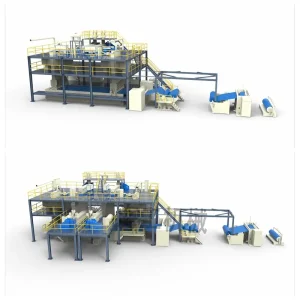
High-speed production systems designed for multi-beam spunbond-meltblown structures with precise fiber distribution.
Learn More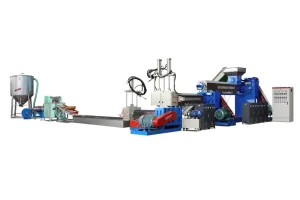
Turnkey recycling systems designed to process industrial nonwoven scrap back into premium manufacturing pellets.
Learn More
Eco-friendly plastic waste granulator optimizing industrial plastic waste recovery loops with low energy usage.
Learn More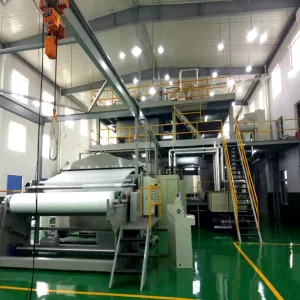
Highly stable single-beam spunbond system configured for agile fabric production runs across varied widths.
Learn More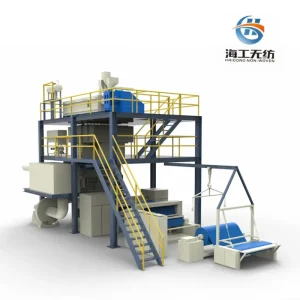
Compact footprint configuration engineered for high-speed, cost-effective manufacturing of PP spunbond webs.
Learn More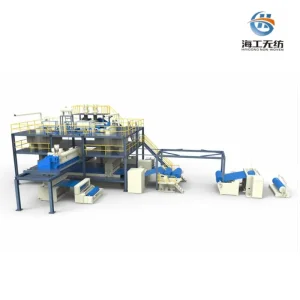
Multi-beam composite line offering customizable physical barrier characteristics for versatile markets.
Learn More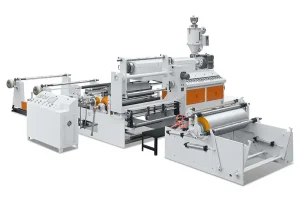
Continuous bonding machinery providing seamless multilayer nonwoven lamination and film composite structures.
Learn More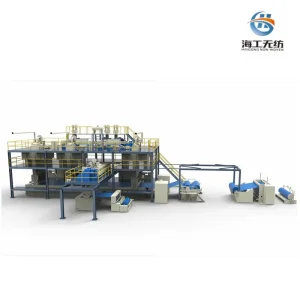
Engineered for robust mechanical operations, long-term continuous runs, and minimal energy consumption.
Learn MoreHG Nonwoven Machinery is a professional manufacturer of spunbond, meltblown, and composite nonwoven fabric machine lines, dedicated to providing high-efficiency and innovative spunbond nonwoven fabric production solutions to the global market. Our company introduced advanced design concepts (5th Generation spunbond spinning technology) from overseas and integrated them with autonomous developments to meet the specific requirements of the market. Our machinery features simple operations, reduced space requirement, low power consumption, and low manufacturing costs.
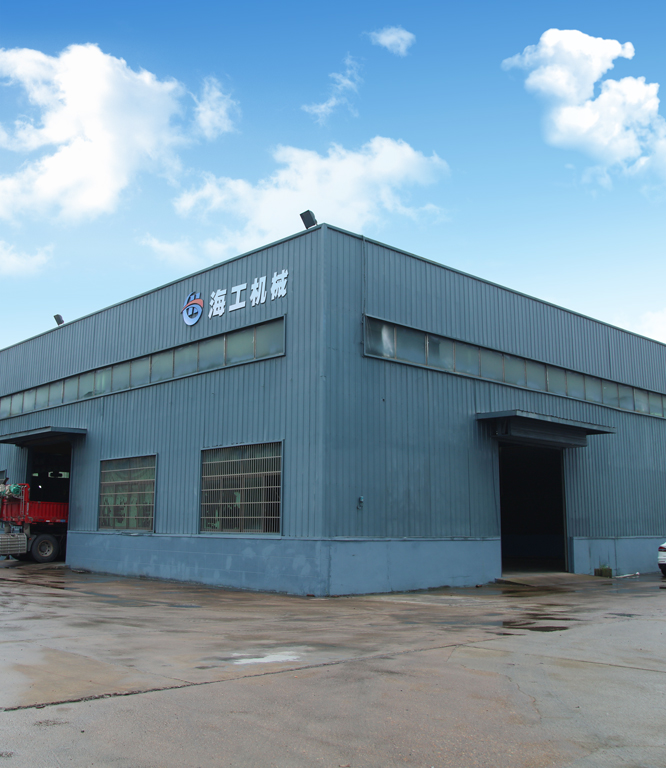
Pujiang HG Nonwoven Machinery has been a well-known nonwoven fabric making machine manufacturer since 2014. We specialize in manufacturing PP spunbond and meltblown nonwoven fabric making machines with complete turnkey engineering services. Our equipment focuses on producing high-performance, eco-friendly, and biodegradable spunbonded and needle-punched fabrics for advanced industrial, civil, and medical application fields.
Comprehensive technical analysis of needle punching lines, production mechanisms, and smart factories.
Needle punching technology represents a premier mechanical bonding method in the nonwoven sector. By utilizing structured fields of barbed needles that repeatedly penetrate a moving fiber web, the process locks individual fibers together. This interlocking occurs through frictional forces created as fiber bundles are dragged vertically through the horizontal web layer.
To meet the standards of international sourcing entities, current Chinese manufacturing integrates digital controls directly into cross-lapping profiles, minimizing weight fluctuations across the fabric's width. This level of optimization is essential for manufacturing technical geotextiles, automotive acoustic liners, and high-temperature filtration materials.
Integrating intelligent automation into China's industrial facilities has redefined the manufacturing cost model for nonwoven machinery. Key production units, including modular needle boards, main crankshaft assemblies, and feeding rollers, are manufactured using advanced CNC machining centers. This automation ensures precision, reduces component wear, and extends the operational life of the machinery.
This automated approach provides distinct operational benefits:
| Parameter Specification | Standard Configuration Line | High-Output Industrial Line |
|---|---|---|
| Production Capacity (Output) | 120–250 kg/hour | 400–800 kg/hour |
| Working Width Range | 1600 mm – 3200 mm | 3200 mm – 6000 mm |
| Target Fabric Weight Range | 80 gsm – 600 gsm | 100 gsm – 1200 gsm |
| Max Loom Stroke Frequency | 800 strokes/min | 1200+ strokes/min |
| Drive System Architecture | Siemens PLC / VFD Integration | Integrated Motion Controllers |
As sustainability regulations tighten globally, the nonwoven sector is moving toward green manufacturing and biodegradable raw materials. The HG engineering roadmap focuses on configuring needle punch machinery to process alternative fibers, including polylactic acid (PLA), recycled polyester (rPET), and natural bast fibers like hemp and flax.
Processing these alternative fibers requires specific mechanical modifications. Natural fibers feature variable lengths and high friction coefficients, necessitating optimized carding wire designs and specialized needle geometries to prevent fiber breakage. Similarly, composite nonwovens—such as combining spunbond filaments with needle-punched layers—are becoming standard in automotive acoustics and high-performance filtration, where multi-layered structures provide targeted acoustic dampening and particle capture.
Global buyers need partners who can navigate complex supply chain variables and deliver dependable support. A successful plant installation requires addressing several key stages:
Configuring production lines to meet the performance standards of key industries.

Soft, highly absorbent nonwovens designed for baby diapers, feminine care, and adult incontinence products.

Effective barrier fabrics engineered for surgical gowns, drapes, and face masks to protect against fluids and pathogens.
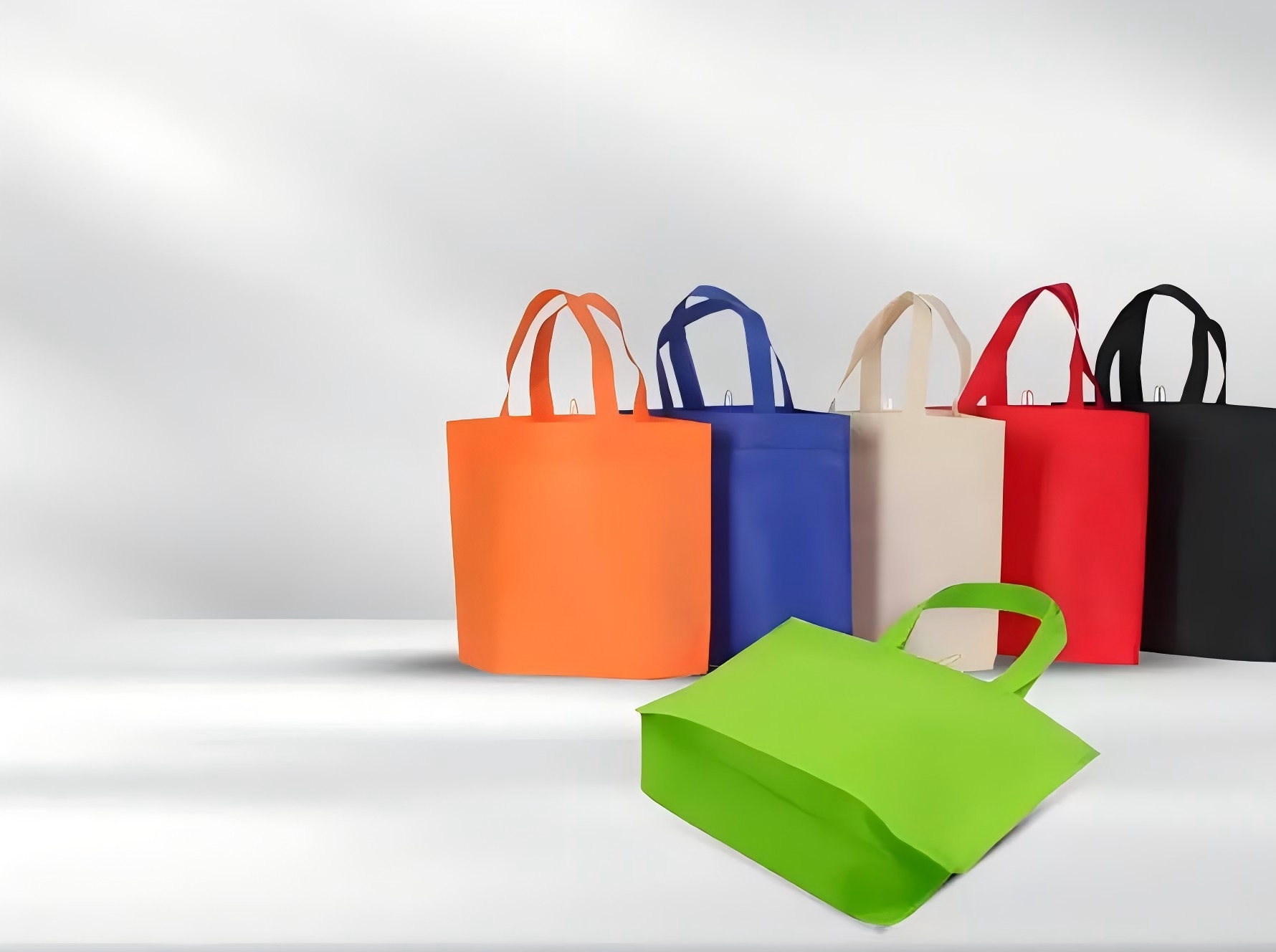
Durable, lightweight materials for reusable bags, interlinings, and industrial protection barriers.
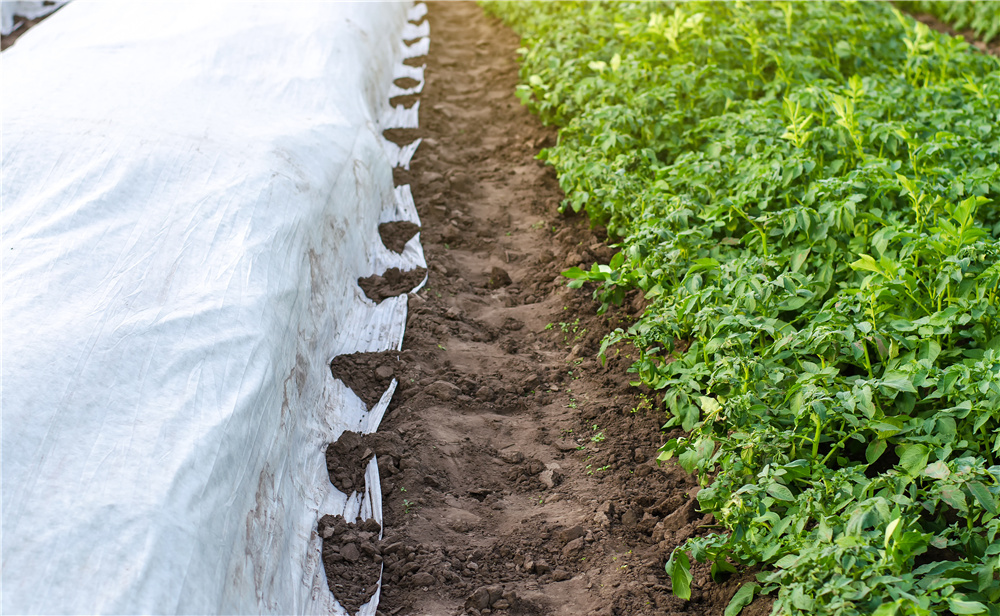
UV-stabilized, water-permeable fabrics that shield crops from pests and harsh weather while maintaining airflow.
Providing end-to-end services from initial feasibility studies through plant installation and ongoing support.
We perform detailed local market analyses to help you assess economic feasibility and build a robust business case.
We supply complete production lines, including auxiliary equipment such as recycling machinery, slitters, and packaging systems.
Our service program features on-site training, remote troubleshooting, and an extended 24-month warranty option.
Technical answers to common questions about nonwoven line procurement and operation.
Needle density—defined by the number of penetrations per unit area—directly affects the density, tensile strength, and permeability of the nonwoven web. Higher density increases mechanical strength up to a point, after which excessive penetration can damage fibers and weaken the structure.
Yes. Our customized systems are designed to process recycled polyester (rPET), polylactic acid (PLA), and natural bast fibers, adjusting carding speeds and needle profiles to handle the unique physical properties of these eco-friendly materials.
With routine maintenance, a high-stroke needle loom has a service life exceeding 15 years. Standard maintenance focuses on replacing worn needles, monitoring lubrication systems, and inspecting drive belts and bearings to prevent vibration build-up.
Our 5th Generation system optimizes airflow dynamics and extruder heating configurations. By improving melt distribution and reducing structural weight in reciprocating parts, we cut energy consumption by up to 20% compared to older designs.
All our production machinery lines are manufactured in compliance with international CE certification guidelines, electrical safety standards (IEC), and ISO 9001:2015 quality management protocols.
Advanced machinery configurations for various material specifications and applications.
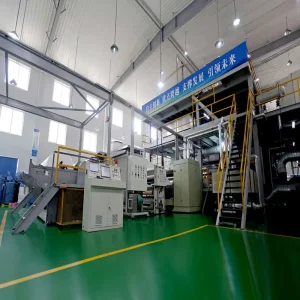
Fully integrated production lines designed for seamless operations from resin feeding to finished roll winding.
Learn More
Cost-efficient configuration designed for light-to-medium weight agricultural and packaging fabric applications.
Learn More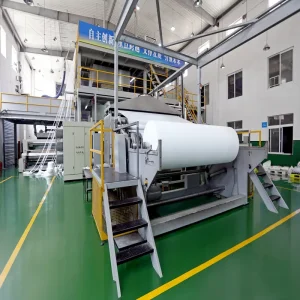
High-speed system engineered for uniform filament distribution and consistent web mechanical properties.
Learn More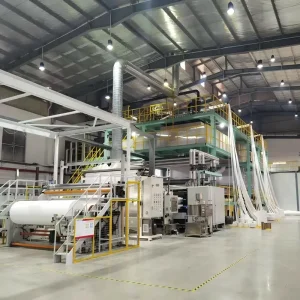
Industrial-grade line built for continuous duty cycles and high mechanical output efficiency.
Learn More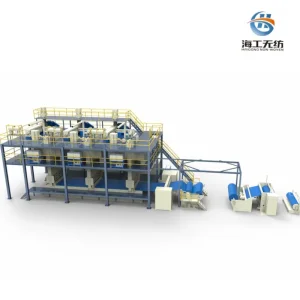
Fully customizable layout options designed to fit into existing production facilities and plant layouts.
Learn More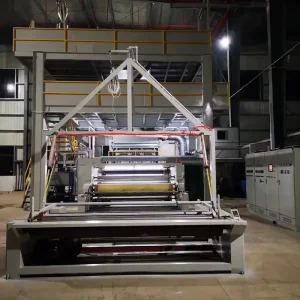
Advanced temperature control systems designed for steady extrusion and uniform material output.
Learn More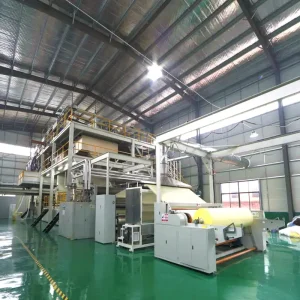
Optimized drafting system configured for high tensile strength and fine filament diameters.
Learn More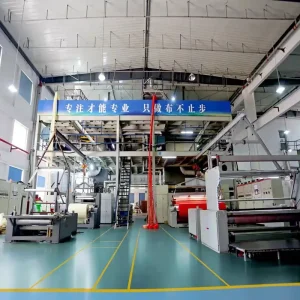
Complete line incorporating automated slitting, winding, and central control cabinets.
Learn More HG NONWOVEN