Explore our elite machinery solutions engineered for high performance, thermal stability, and maximum production efficiency.
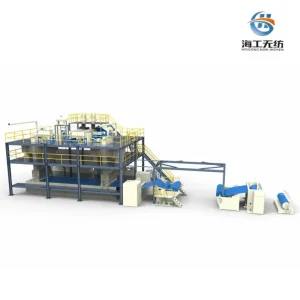
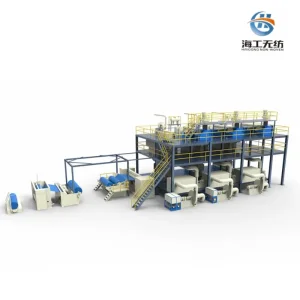
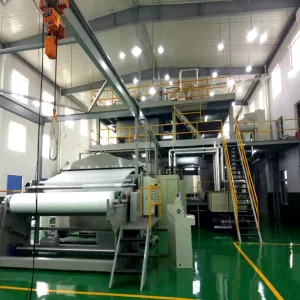
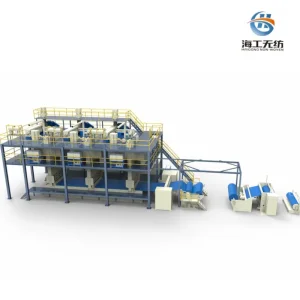
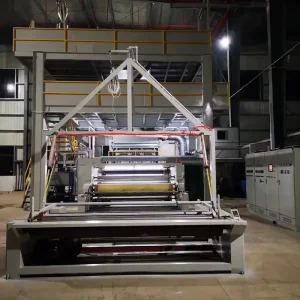
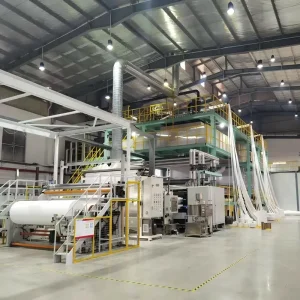
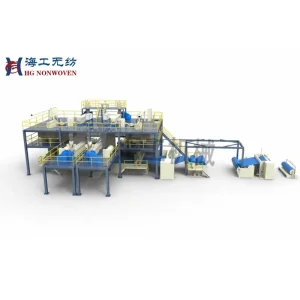
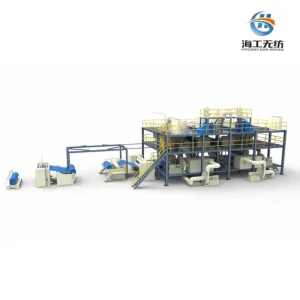
Pujiang HG Nonwoven Machinery (widely recognized as HG Nonwoven Machinery) is a prestigious, well-known manufacturer of spunbond, meltblown, and high-performance composite nonwoven fabric machine lines. Established in 2014, we are committed to providing state-of-the-art turn-key solutions to the global B2B market. Our engineers bring together over 20 years of hands-on expertise to integrate pioneering innovations with market-driven performance.
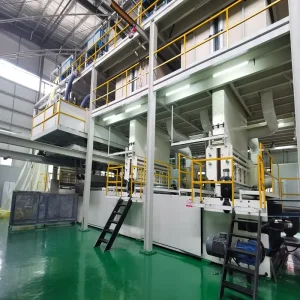
By introducing the advanced 5th Generation spunbond spinning technology from overseas and merging it with proprietary, autonomous structural upgrades, our systems deliver unprecedented control, low power consumption, minimal floor-space footprint, and exceptional cost-effectiveness.
Whether you require machinery for medical fabrics, barrier wraps, agricultural protection, or consumer packaging, our engineering design focuses on eco-friendly, biodegradable, and sustainable nonwoven consolidation processes.
In the nonwoven manufacturing landscape, thermal bonding via a Calender Machine acts as the bridge between raw extruded polymers and consolidated, high-tensile fabrics. The calender machine uses precise pressure (nip pressure) and temperature to melt specific contact points on the continuous web, bonding the individual filaments without losing overall fiber flexibility.
HG Nonwoven Machinery's technology roadmap highlights a transition towards ultra-precise thermodynamic control and hybrid bonding techniques. Our current 5th Generation designs address the historical limitations of thermal bonding systems, such as thermal inertia and roll deflection. Deflection of the calender rolls under extreme pressure causes uneven fabric thickness and structural weak spots. To counter this, our research & development focuses on crown-controlled rollers and electromagnetic induction heating.
Looking ahead, the shift toward bio-polymers like Polylactic Acid (PLA) and polybutylene succinate (PBS) requires tighter processing parameters. PLA is highly sensitive to thermal spikes. HG’s future calenders feature isolated thermal-oil channels coupled with real-time laser feedback sensors. This system maintains roll surface temperature deviations within ±0.5°C, preventing polymer degradation and ensuring uniform tensile strength across the entire width of the line.
Furthermore, digital-twin integration enables predictive maintenance of the calender rolls. By tracking temperature fluctuations, roller pressure variance, and bearing vibrations, the control system alerts operators to mechanical fatigue before it impacts fabric quality, reducing unscheduled downtime and extending roll life.
Thermal consolidation needs vary significantly depending on the target market. Our calender machines are designed to adapt pressure, temperature, and pattern engravings to meet specific industry standards.
| Industry Vertical | Common Fabric Types | GSM Range | Calender Bonding Pattern | Key Performance Metrics |
|---|---|---|---|---|
| Hygiene | S, SS, SSS, SSMMS | 10 - 25 GSM | Micro-point / Oval (low density) | Softness, hydrophilic rates, skin comfort |
| Medical | SMS, SMMS, SSMMS | 15 - 70 GSM | Diamond / High-density points | Hydrostatic head, viral barrier, drapeability |
| Packaging | S, SS, TNT Spunbond | 40 - 120 GSM | Deep diamond / Cross-hatch | Tensile strength, puncture resistance, reusability |
| Agriculture | S (UV stabilized) | 17 - 50 GSM | Light point-bond (high permeability) | UV resistance, breathability, water transmission |
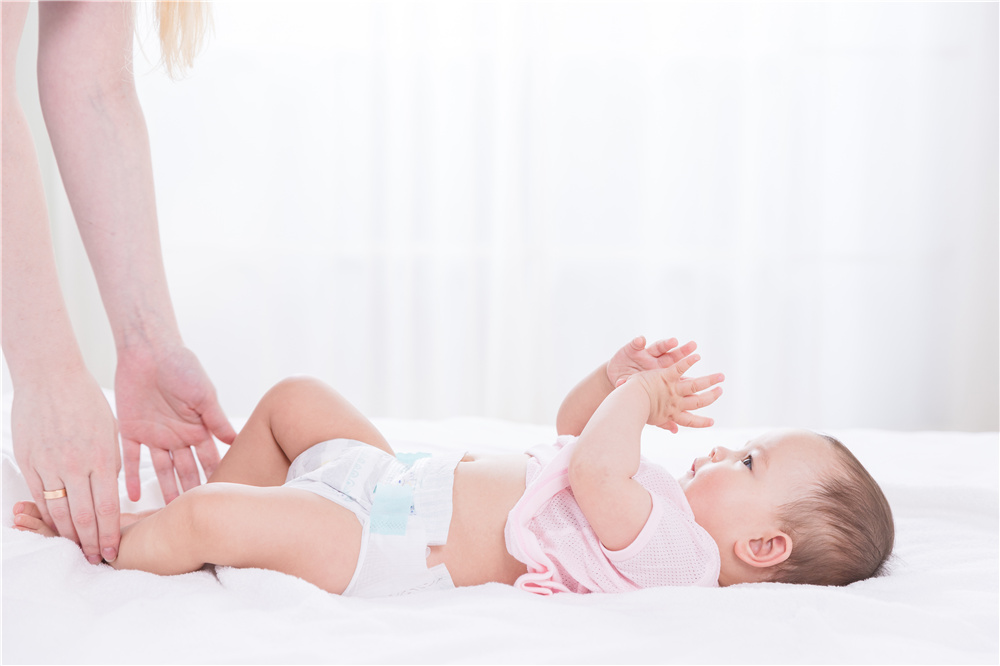
Our calender machines deliver the precise thermal control needed for ultra-soft, breathable hygiene fabrics. Used in diapers, incontinence products, and feminine care, these systems maintain fiber integrity to support rapid fluid absorption and comfort.
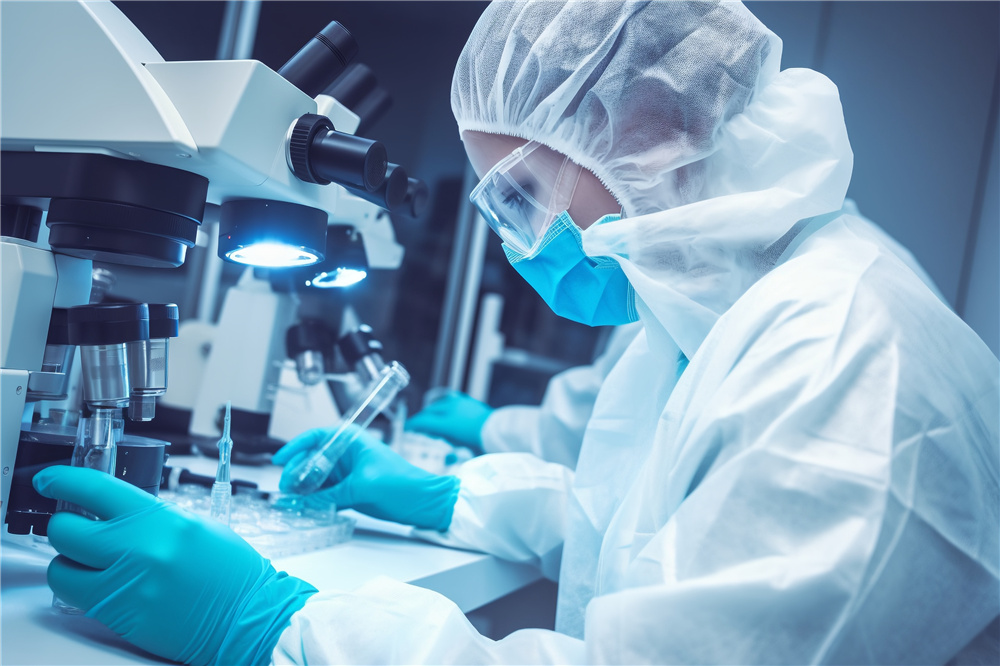
For SMS, SMMS, and SSMMS fabrics used in surgical gowns, face masks, and barrier drapes, the calender provides a high-density, uniform bond to ensure dependable viral filtration and fluid resistance.
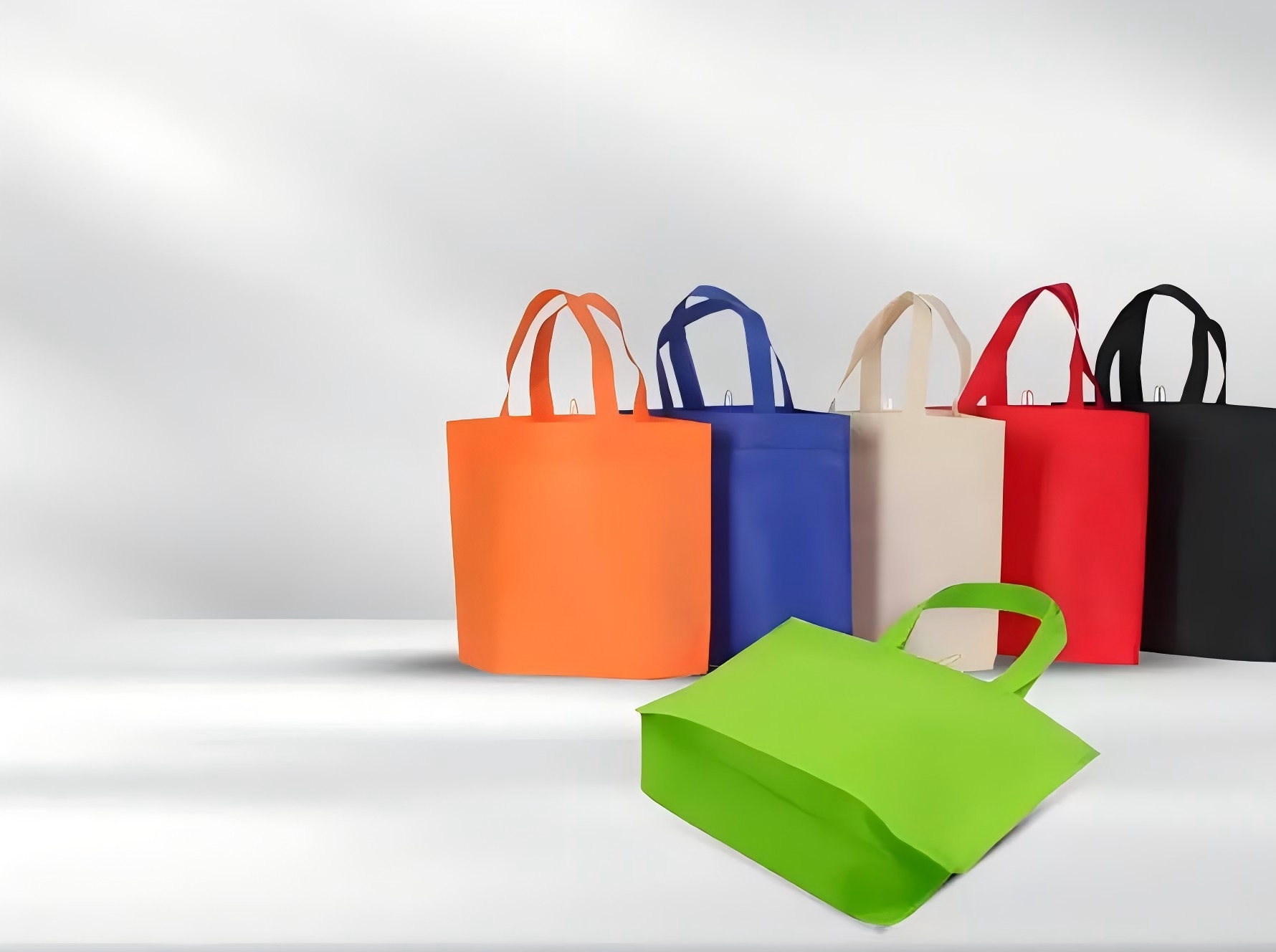
Designed for heavy-duty applications such as reusable bags, garment lining, and pocket springs, our calenders press deep patterns to maximize tensile strength and mechanical wear resistance.
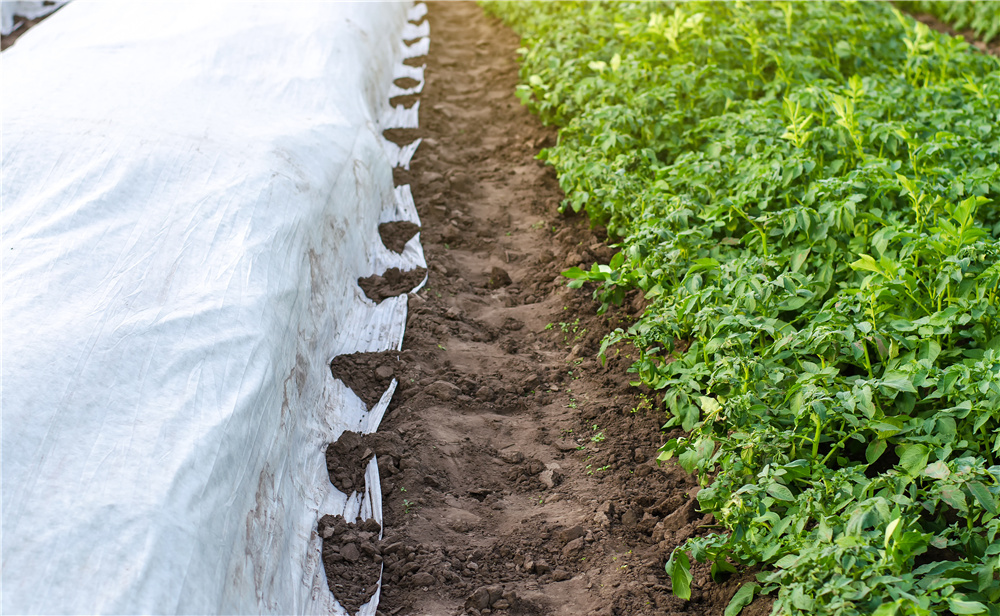
Optimized for lightweight fabrics with high light transmission and water permeability, helping farmers protect crops from frost, wind, and pests while maintaining microclimatic equilibrium.
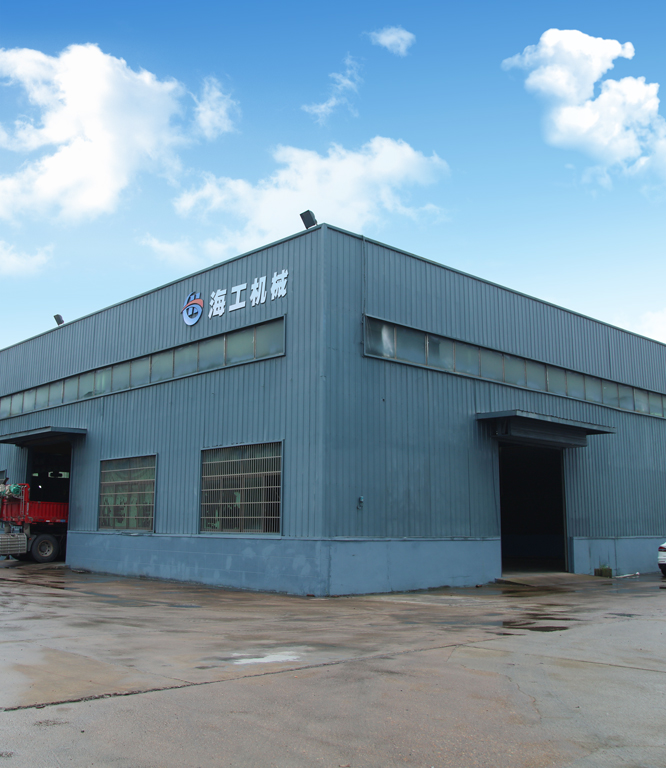
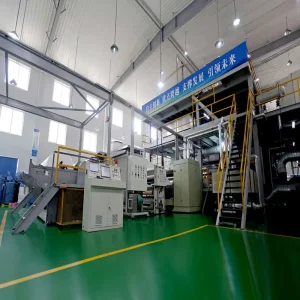
China's industrial landscape has transitioned from a volume-focused hub to a leader in high-precision, smart manufacturing. HG Nonwoven Machinery integrates these advancements through our Factory 4.0 initiative. Operating within Pujiang's manufacturing corridor, we benefit from a streamlined, integrated supply chain that allows us to source raw structural steels, precision CNC assemblies, and high-frequency induction heating elements locally.
This localized supply chain helps insulate our clients from international market shocks, offering rapid delivery cycles and reliable lead times. At HG, we combine this structural efficiency with globally recognized electrical components, including Siemens PLCs, ABB motors, and Schneider power modules, to ensure overseas compatibility and straightforward maintenance.
Through our 5th Generation spunbond spinning technology, we optimize energy usage. In standard calender systems, heat loss from rollers accounts for a significant portion of overall energy consumption. HG's insulated roller designs and electromagnetic systems reduce heat radiation losses by 15% to 20%, lowering production costs for manufacturers and supporting more sustainable operations.
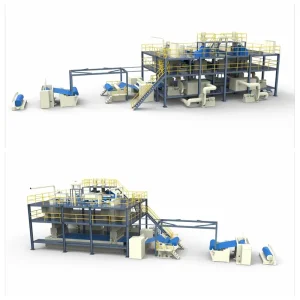
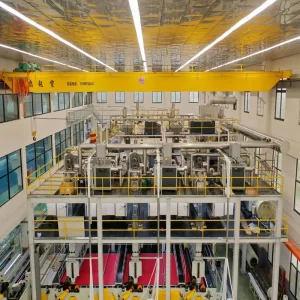
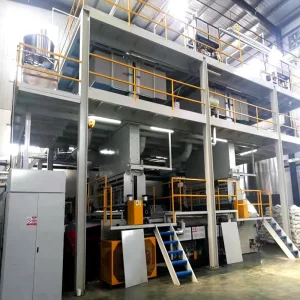
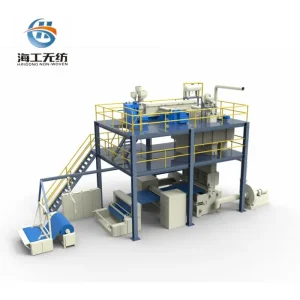
Explore our versatile configuration options, designed for high output and diverse industrial applications.
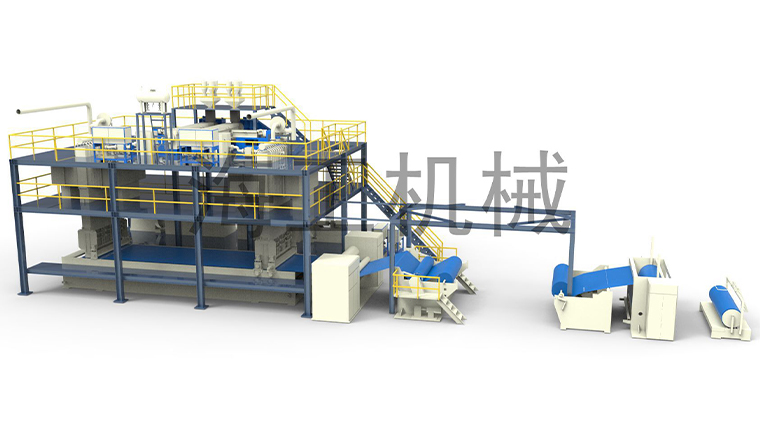
Ideal for packaging bags, agricultural protection, and furniture interlinings.
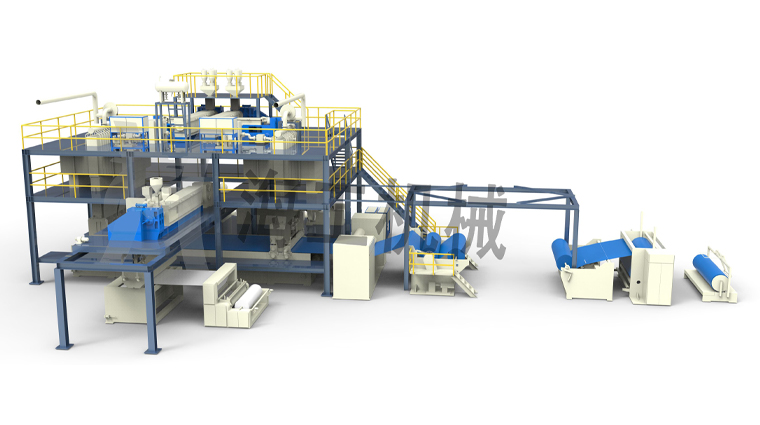
High-speed medical and hygiene fabric production with integrated barrier properties.
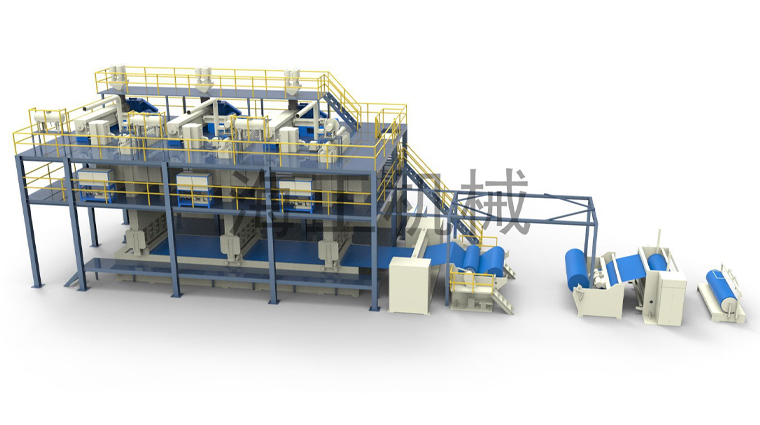
Four-layer configuration providing advanced filtration efficiency for sterile environments.
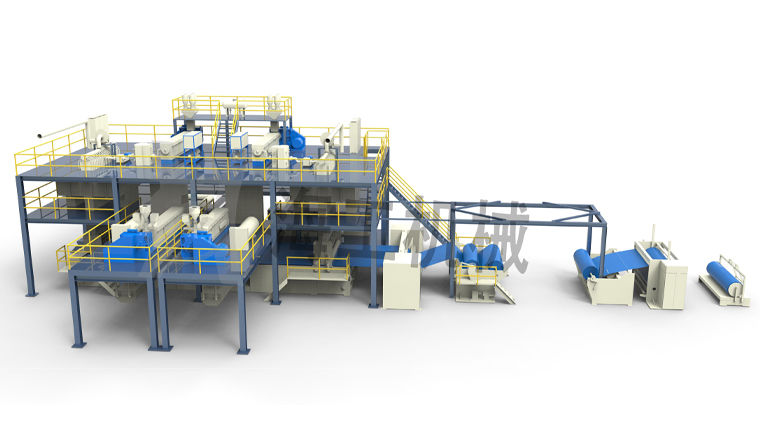
Premium medical barrier line offering an optimal balance of softness and protection.
For procurement managers and factory owners, selecting a nonwoven machinery line requires evaluating long-term operational efficiency alongside initial investment costs. HG provides engineering support to help buyers navigate these technical decisions.
When sourcing a thermal calender, critical parameters to evaluate include: the roll diameter (influencing contact time and web speed), thermal heating recovery rates, and roll surface hardness (measured in Shore C). High hardness values are essential to resist surface scratches when processing foreign matter in recycled polymer blends.
HG's calender design balances CAPEX and OPEX by offering optimized layouts that fit standard industrial factory heights, reducing the need for costly building renovations. Furthermore, we assist buyers in developing market-specific feasibility reports to verify local project viability prior to dispatch.
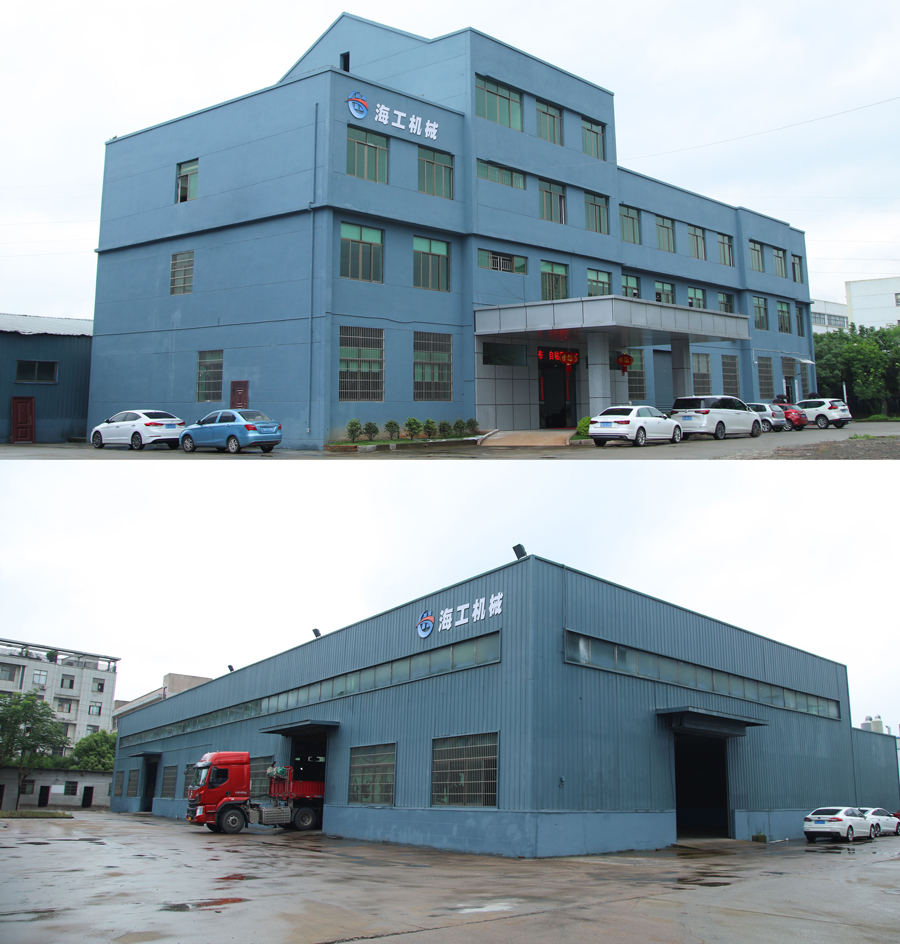
Our systems incorporate advanced mechanical components designed to maximize uptime and reduce energy consumption across high-volume production schedules.
We leverage our industry experience to analyze your target regional market and assist in drafting detailed project viability reports.
Beyond our primary extrusion and calender lines, we provide integrated auxiliary machinery including recycling systems, slitting machines, printing systems, and bag makers.
Each system includes up to 24 months of after-sales engineering support, with remote diagnostic tools and on-site technicians available to assist your team.
A complete nonwoven production line relies on robust auxiliary systems. Below are key components of our integrated turnkey installations.
Processes wide parent rolls into custom narrow widths with active edge alignment control.
Combines nonwoven fabrics with PE films for high-barrier medical applications.
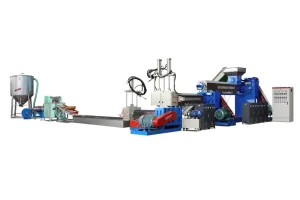
Recycles fabric trimmings inline back into the extruder to minimize material waste.
Converts consolidated spunbond rolls into finished consumer shopping bags.
Operating in the international industrial equipment market requires strict compliance with local safety and environmental standards. HG Nonwoven Machinery ensures our production lines meet key global regulatory certifications, including CE conformity, ISO9001 quality management, and UL electrical standards where applicable.
Our localized support structure is designed to help overseas clients manage installation and regulatory approvals:
We follow systematic testing protocols for all equipment before it leaves our facility, verifying calender heating uniformity, roll balance, and electrical wiring safety.
Technical answers to common questions about our nonwoven machinery and calender systems.
Explore the remainder of our technical systems, including composite, high-output lines, and specialized packaging equipment.
 HG NONWOVEN