Excellence in precision-engineered nonwoven production lines from China's leading technology partners. Click to review detailed mechanical specifications.
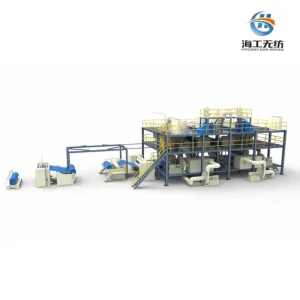
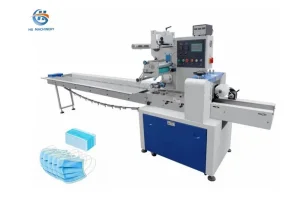
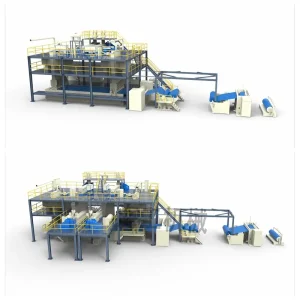
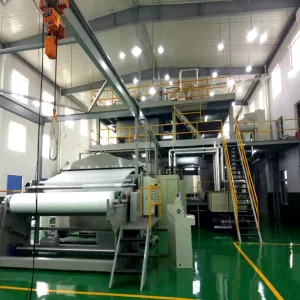
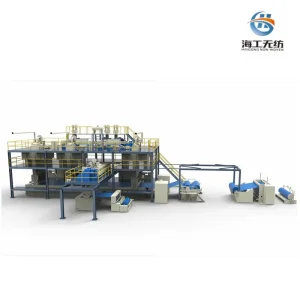
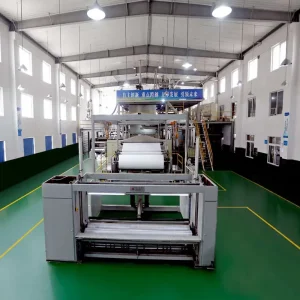
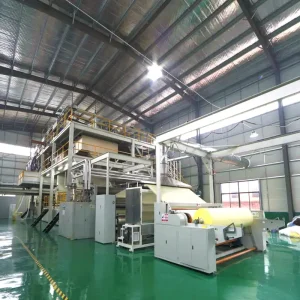
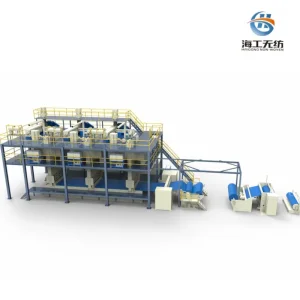
In the modern industrial landscape, nonwoven fabrics serve as critical structural components across infrastructure, geotextiles, automotive interior paneling, and advanced filtration. The selection of processing machinery—particularly China HG needle punch nonwoven machines and high-performance Spunbond-Meltblown composite lines—governs the physical properties, density profiles, and tensile limits of the finished product.
Traditional needle punching machines mechanically interlock fiber webs through cyclical vertical penetration of barbed needles. This process converts loose carded fiber webs into dense structural blankets. However, the modern paradigm requires integrated hybrid lines. By combining 5th generation spinning systems with robust mechanical bonding platforms, global manufacturers achieve superior cross-directional structural integrity, optimal GSM (grams per square meter) uniformity, and significant reductions in energy consumption.
As leading Chinese engineers and suppliers, HG Nonwoven Machinery integrates foreign-derived multi-beam design concepts with robust, domestic manufacturing components, providing heavy-duty turnkey solutions engineered to meet CE, UL, and ISO standards.
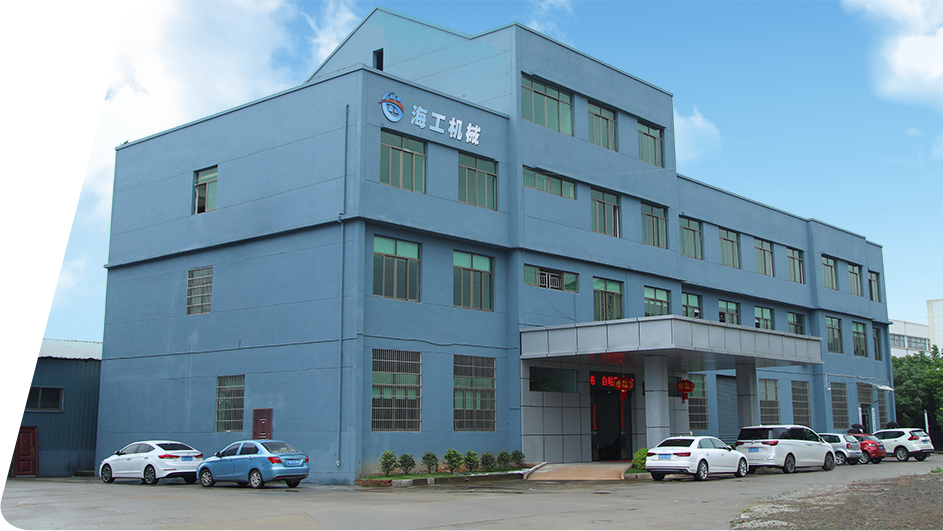
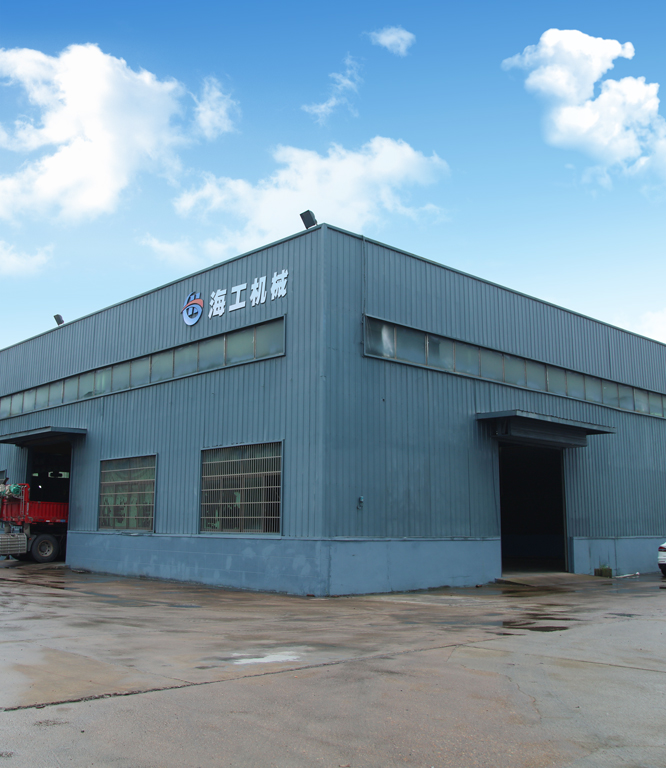
 ABOUT HG NONWOVEN MACHINERY
Pujiang HG Nonwoven Machinery Co., Ltd. has established itself as an authoritative manufacturer and partner in the nonwoven sector. Guided by over 20 years of collective industry experience, we focus on engineering state-of-the-art PP spunbond, meltblown, and composite nonwoven machinery lines.
Our core mechanical designs incorporate the 5th Generation spunbond spinning technology. This advanced engineering method optimizes airflow speed, cooling uniformity, and drafting channel designs. It allows factories to manufacture eco-friendly, biodegradable, and high-performance synthetic materials at minimum cost. We operate as a full-service partner, providing A-to-Z turnkey solutions, localized feasibility studies, plant layout layouts, and custom engineering adaptations for domestic and export markets.
"By choosing HG Machinery, partners secure a robust manufacturing system designed for resource sustainability, high mechanical reliability, and structural yield optimization."
Understanding how geographic clusters, metallurgical precision, and technical integration deliver unmatched value to international buyers.
We tailor mechanical configurations to the physical characteristics of regional raw materials and desired fabric dimensions.
We conduct localized market viability reports to define production capacities, material flow pathways, and ROI schedules.
We supply auxiliary systems including nonwoven edge recycling extruders, slitting equipment, and multi-color printing machines.
We deploy trained installation and service technicians globally to perform commissioning, safety updates, and crew instruction.
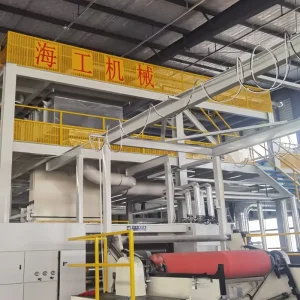
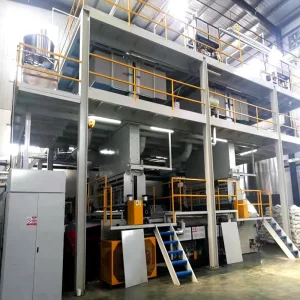
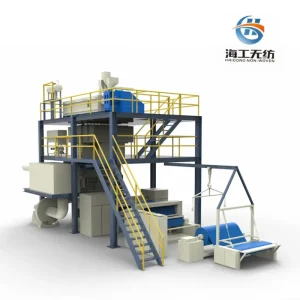
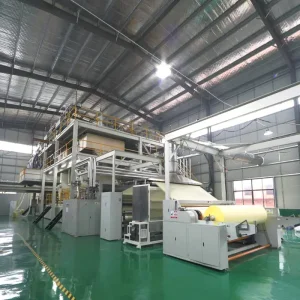
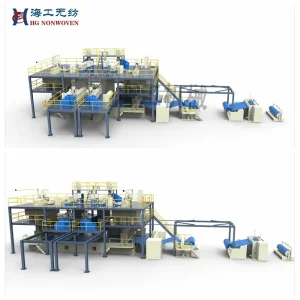
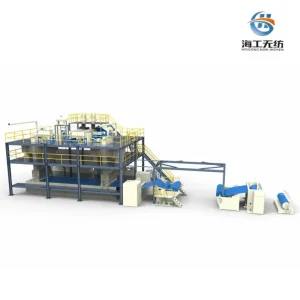
Our flagship nonwoven extrusion lines, engineered to minimize energy overhead while optimizing output speed and tensile uniformity.
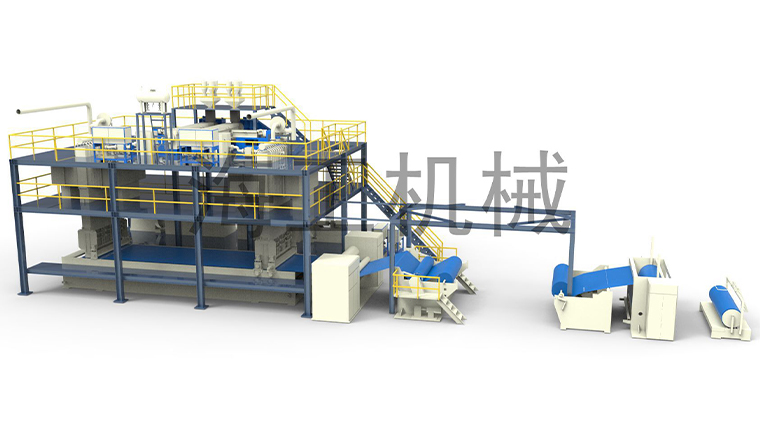
Designed for packaging materials, furniture backing, and agricultural protective wraps.
View Details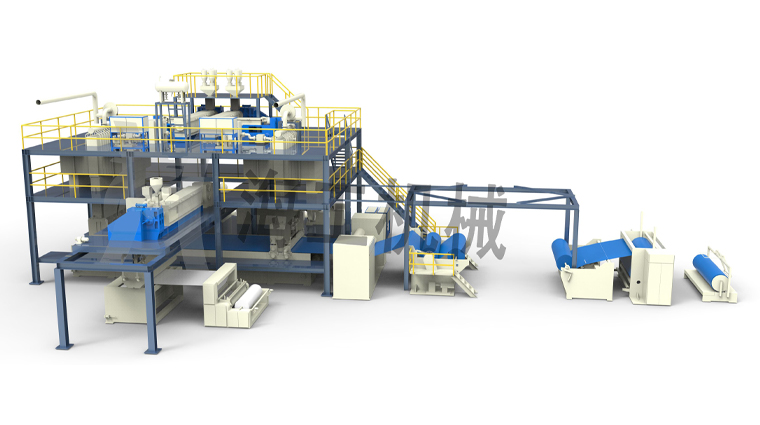
High-barrier composite fabric production optimized for medical apparel and hygiene markets.
View Details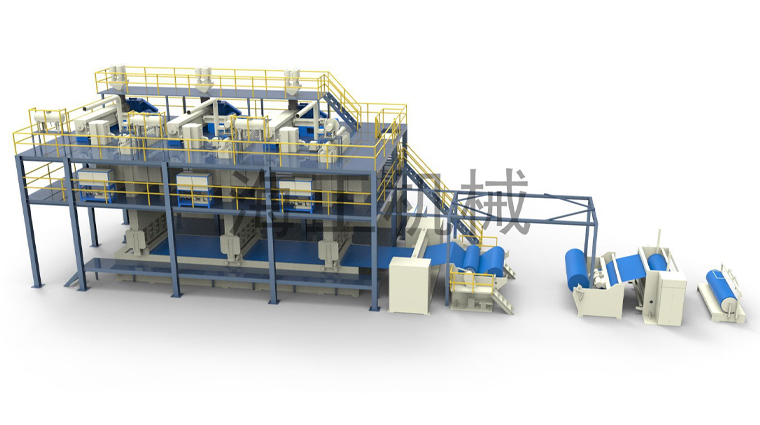
Four-layer barrier technology providing high filtration efficiency and excellent breathability.
View Details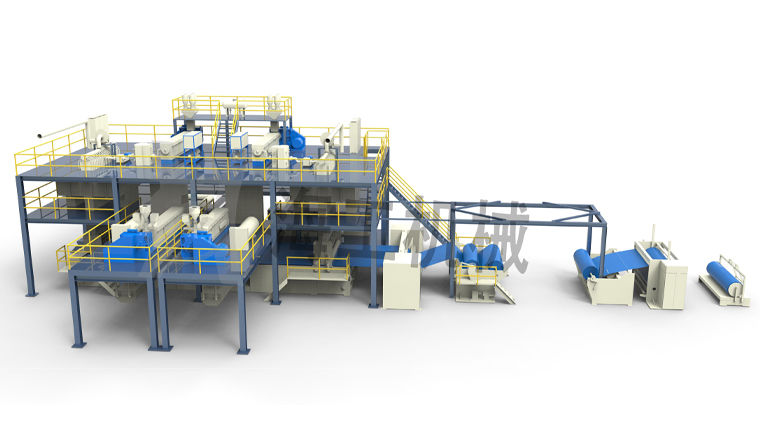
Ultra-thin, soft fibers combined with a multi-beam system for top-tier hygienic products.
View DetailsAchieving structural durability in nonwovens requires precise control over fiber distribution. In typical spunbond lines, PP chips are melted and extruded into continuous filaments. These filaments are then laid down on a web-former belt using high-velocity draft air. While thermal bonding calenders create rigid, low-thickness sheets suitable for hygiene products, heavy geotextile membranes and structural filtration products require mechanical bonding.
This is where the needle punching machine becomes critical. Using thousands of specialized needles, the machine punches the fiber web vertically, causing the individual fibers to interlock. This creates a dense fabric with high tensile strength and puncture resistance.
Our current machinery options feature advanced Siemens PLC cabinets, precise temperature control across all extrusion zones, and highly efficient hydraulic units. This technical combination allows operators to control density and fiber layout, providing high stability and low energy consumption during continuous operations.
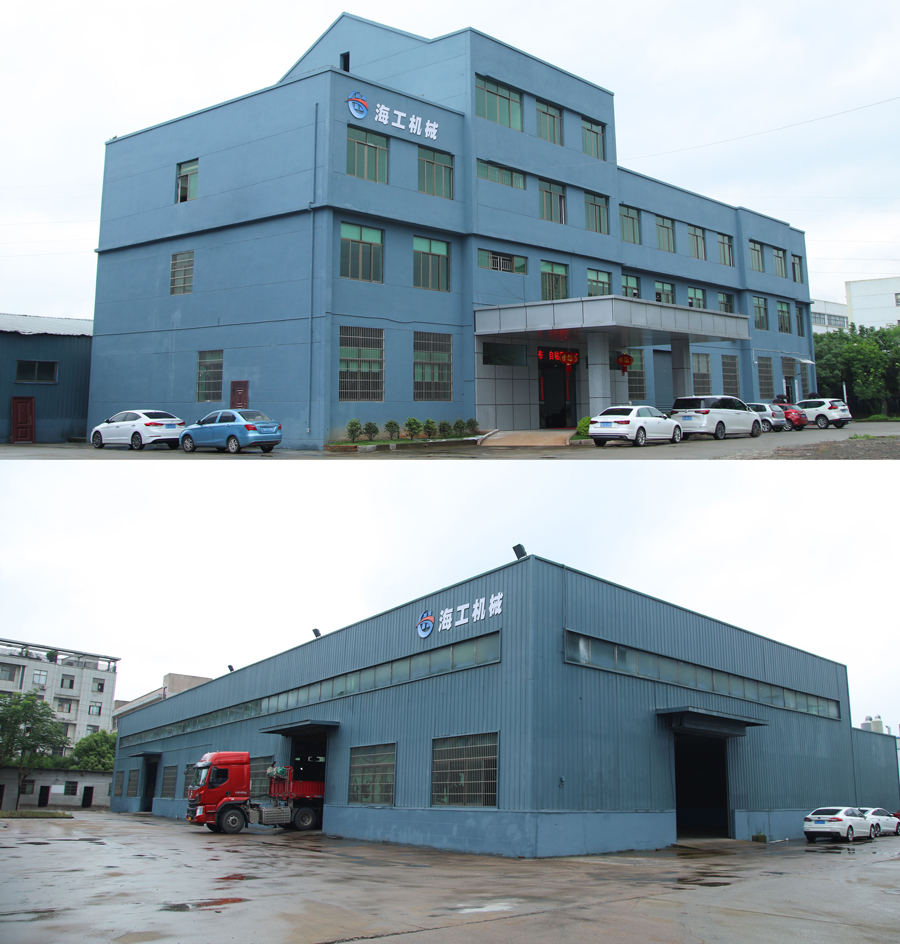
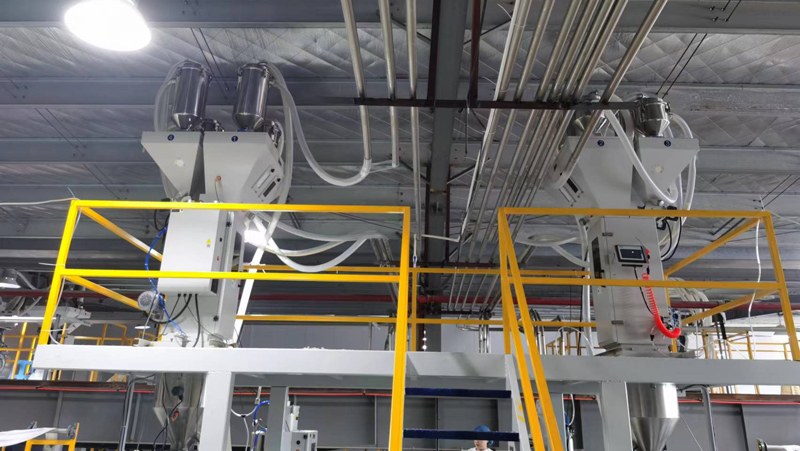
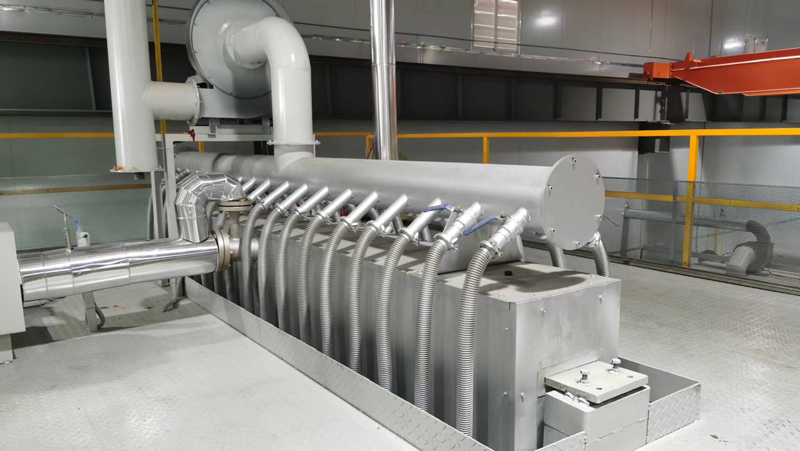
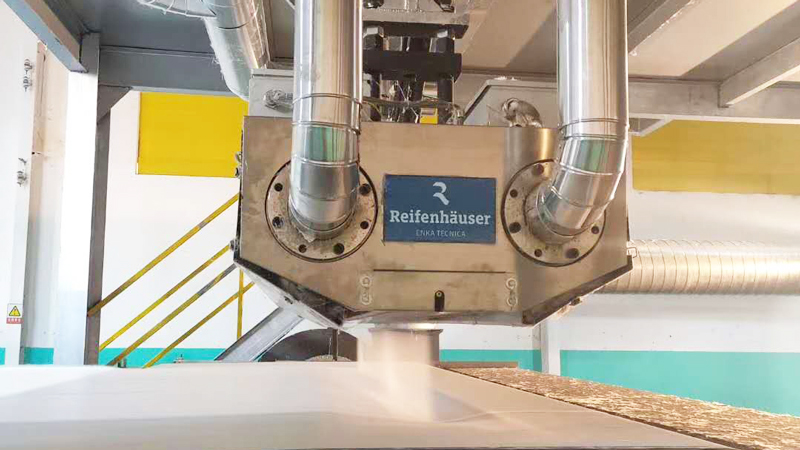
Designed with optimized L/D ratios to prevent thermal degradation of polymers, ensuring uniform viscosity and melt distribution.
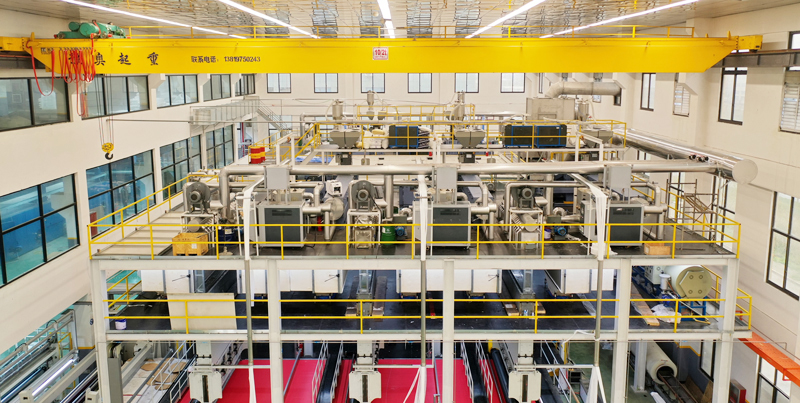
Precision-engineered spinnerets produce high-density filaments with consistent fiber distribution and minimal break rates.
Advanced negative-pressure suction belts lay down fibers uniformly, ensuring balanced MD/CD tensile strength ratios.
 PARTNERSHIP ARCHITECTURE
At Pujiang HG Nonwoven Machinery, we operate as a long-term technology partner. We understand that investing in nonwoven machinery represents a significant capital layout. Consequently, we focus on delivering comprehensive support, starting with detailed floor plan layouts and utilities planning.
Our team handles component sourcing, shipping logistics, and customs documentation. Once the machinery arrives at your site, our field service engineers manage the structural erection, electrical wiring, and operational calibration. We also provide hands-on training for your local operators to ensure safety and performance standards are met.
HG systems are versatile, allowing factories to adjust GSM weight, fiber density, and material properties for diverse global sectors.
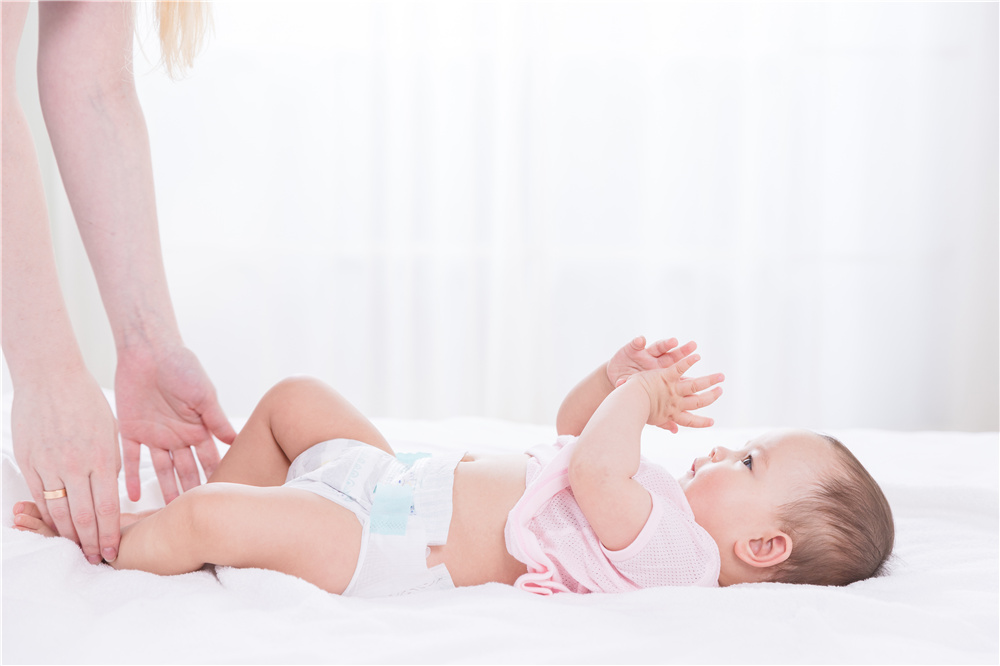
Nonwoven fabric is essential in the hygiene sector, offering breathability, softness, and excellent fluid management for comfort and protection. It quickly absorbs liquid and keeps it away from the skin, making it ideal for paper diapers, incontinence pads, and feminine hygiene products.
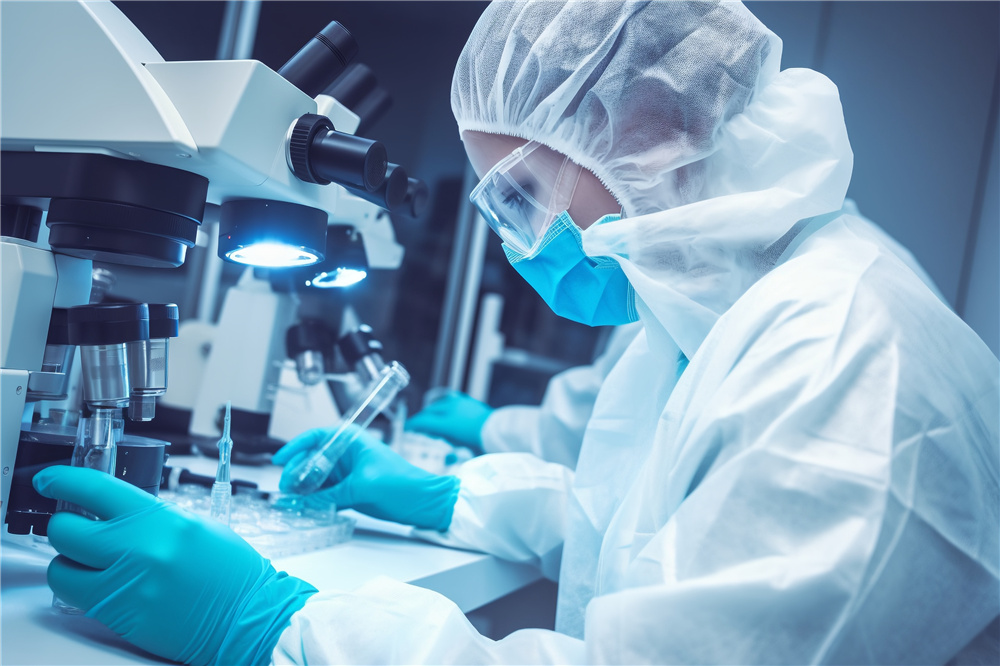
Nonwovens fabrics are extensively used in the medical field and in protection against biological agents in other sectors. They deliver critical safety properties, such as prevention against infections and diseases. They are essential for making face masks, surgical gowns, bed sheets, and surgical towels, ensuring effective filtration, protection, and comfort.
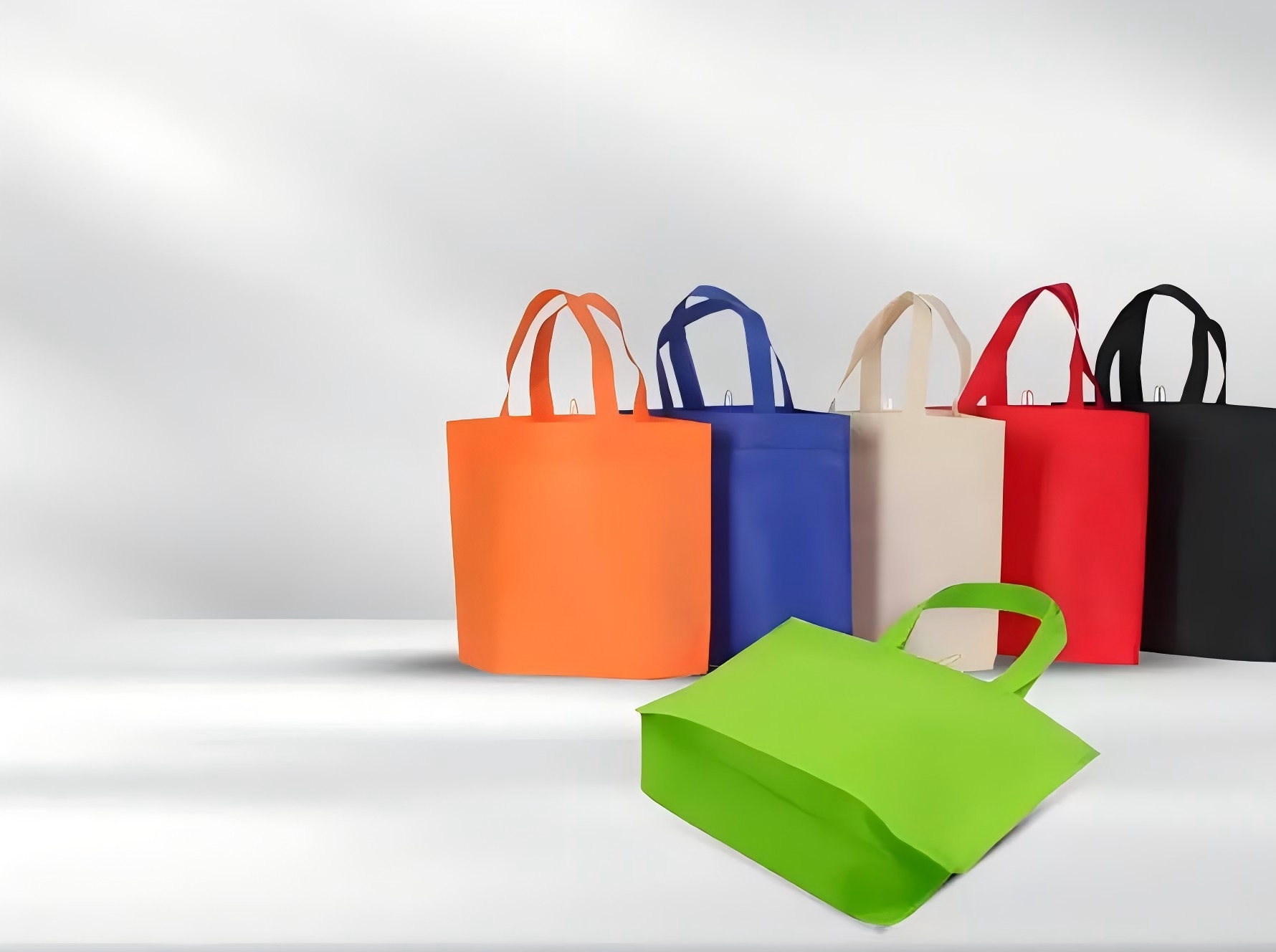
Nonwoven fabric is ideal for packaging end-uses due to its lightweight, energy-efficient production, shipping, and storage. Its long life and robustness enable two key features: volume reduction and re-usability. It is widely used for shopping bags, fruit bags, garment bags, rice bags, pocket springs, and garment interlinings.
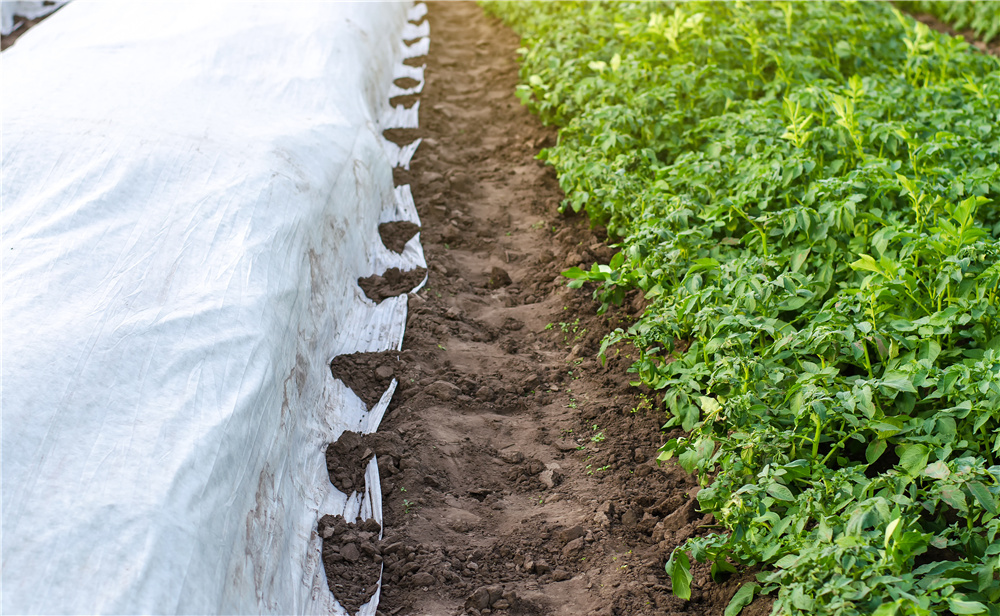
Agricultural nonwoven fabrics allow air and water to pass through while providing wind and cold protection by generating a microclimate around the crop. Furthermore, because nonwoven works as a physical protection media, it can assist prevent damage to crops, vegetables, and seeds from insects and birds while regulating UV and heat absorption.
Answers to common mechanical, operational, and electrical questions from international buyers purchasing nonwoven machinery.
Spunbond lines use continuous filament extrusion and thermal calenders to produce thin, lightweight fabrics (10–150 GSM) suitable for medical and packaging applications. Needle punch machines interlock loose carded fiber webs mechanically, producing dense, thick materials (100–1000 GSM) ideal for geotextiles, automotive lining, and thick filtration layers. HG integrates control systems across both processing methods to ensure consistent tension and throughput.
Our 5th Generation system features improved spinneret configurations and optimized air drafting channels. This increases drafting speeds and web uniformity while reducing energy consumption by up to 20% compared to older 3rd and 4th Generation lines.
Yes. All HG machinery can be customized to comply with regional safety standards, including CE marking for Europe and UL/OSHA compliance for North America. This includes adding safety light curtains, enclosed mechanical sections, localized emergency stops, and adapted electrical components.
We customize the electrical cabinets and motors to match your site's local power grid (e.g., 380V/50Hz, 415V/50Hz, or 480V/60Hz). We use high-quality, globally-supported electrical components, such as Siemens, Schneider, and Omron, to simplify localized maintenance and spare parts sourcing.
Typical manufacturing lead times range from 90 to 120 days, depending on line complexity and width. Once on-site, assembly and testing take approximately 30 to 45 days. Our field technicians remain on-site during commissioning to train your local team on daily operation, sensor calibration, and safe maintenance protocols.
Yes. As a turnkey provider, we supply integrated edge-trim recycling systems, slitting machines, flexo printing units, and offline lamination lines. This allows you to process raw polymer chips and output finished, printed nonwoven products within a single facility.
Examine our specialized multi-beam composite lines and targeted conversion units to complete your nonwoven production plant.
 HG NONWOVEN