Explore our foundational engineering solutions designed for high-throughput nonwoven fabric manufacturing, utilizing state-of-the-art polymer attenuation and cooling architectures.
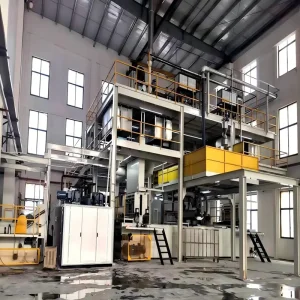
High-capacity machinery engineered for long-duration continuous filament extrusion.
View System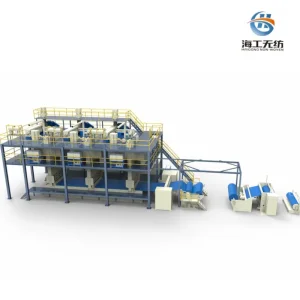
Advanced draw-down technology ensuring uniform weight distribution and tensile strength.
View System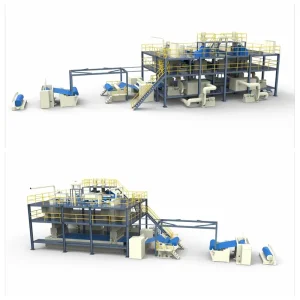
Five-beam composite manufacturing line optimizing SMS filter barrier properties.
View System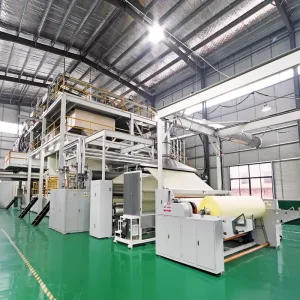
Optimized aerodynamics to maximize throughput while minimizing energy dissipation.
View System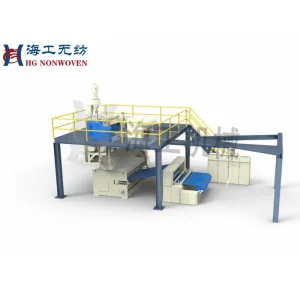
Designed for medium-scale factories seeking reliable, eco-friendly fabric production.
View System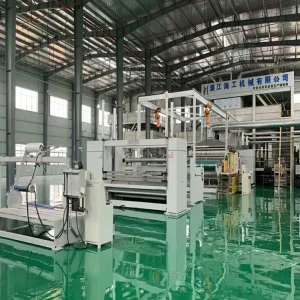
Integrates precision hot calenders for seamless chemical-free thermal bonding.
View System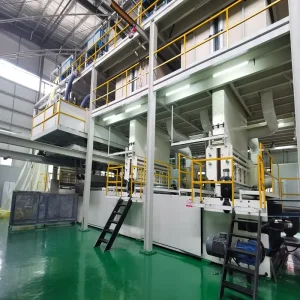
A benchmark for space efficiency, featuring a compact footprint with high output.
View System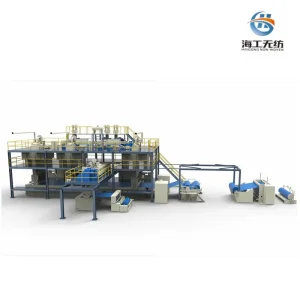
State-of-the-art PLC-controlled extrusion for absolute uniformity and tensile reliability.
View SystemSince 2014, Pujiang HG Nonwoven Machinery has emerged as a premier engineering leader, developing advanced PP spunbond and meltblown nonwoven fabric production lines with complete turnkey configurations. Driven by our design concept involving the 5th Generation Spunbond Spinning Technology, we address global demands for high productivity and sustainable development.
Our solutions target resource optimization, reducing electricity consumption per ton of finished product while preserving superior web uniformity and web formation integrity. We actively engineer custom solutions that support industrial applications worldwide, establishing a benchmark of technical competence in the market.
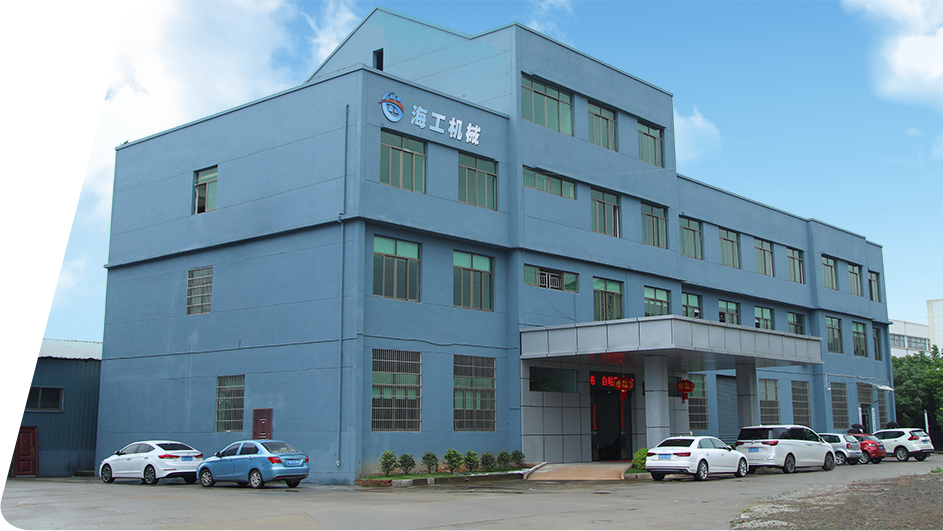
An in-depth perspective on market dynamics, filtration efficiency standards, and infrastructure deployment across global economies.
The global demand for nonwoven fabrics has undergone a paradigm shift, transitioning from basic agricultural coverings to highly advanced biomedical barrier systems and micro-filtration applications. At the core of this revolution is the meltblown extrusion process, which produces microfibers with diameters ranging from 1 to 5 micrometers. These sub-micron structures possess exceptionally high surface-area-to-volume ratios, making them the industry standard for air and liquid filtration media.
As international regulatory standards for medical respirators (such as NIOSH N95, European EN 149, and ASTM F2100) become increasingly strict, manufacturing companies require extrusion machinery with precise thermal, mechanical, and aerodynamic parameters. The integration of Spunbond (S) and Meltblown (M) technologies into multi-beam configurations—such as SMS, SMMS, and SSMMS—has become the standard approach for medical-grade textiles. This design pairs the high mechanical tensile strength of spunbonded filaments with the high barrier efficiency of meltblown webs.
In developed markets across North America and Western Europe, the focus has shifted toward energy efficiency and cleanroom-compliant automation. Manufacturers require production lines that minimize raw material waste while optimizing polymer thermal stability to prevent defects like "shots" (polymer droplets). Meanwhile, emerging markets in Latin America and Southeast Asia are experiencing a rapid surge in demand for hygiene-grade nonwovens for baby diapers and feminine hygiene products. This requires reliable, continuous operations and low-maintenance extrusion dies that operate with minimal downtime.
Precision-engineered coat-hanger die heads and distribution channels ensure minimal melt residence times and eliminate polymer degradation spots.
High-velocity hot air systems attenuate molten polypropylene streams into sub-micron fibers, maintaining uniform distribution across the web.
Integrates advanced online charging units to embed stable electrostatic charges, dramatically enhancing sub-micron particulate filtration efficiency.
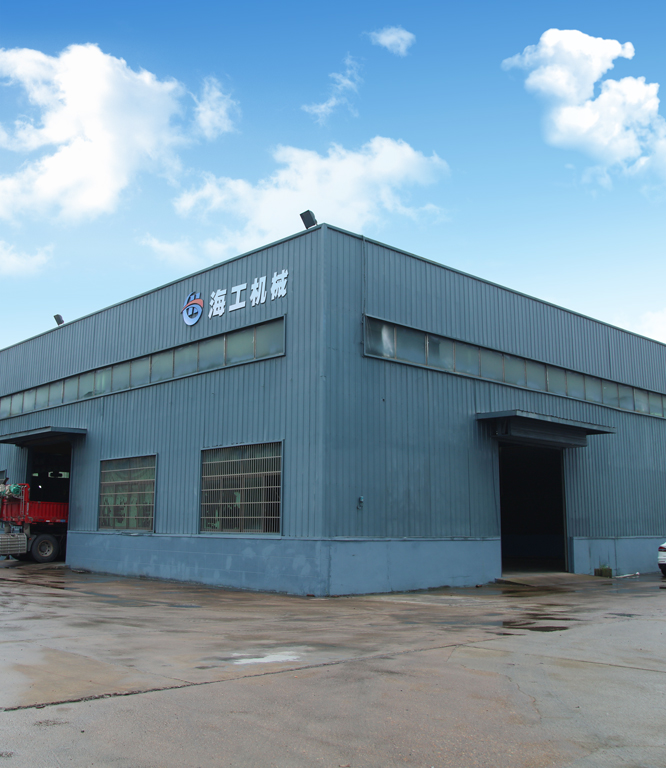
We believe that "high quality and comprehensive service" are the foundations of long-term partnership. By selecting HG Nonwoven Machinery, you access a complete ecosystem for industrial nonwoven production. We provide extensive local market analyses and project feasibility evaluations to ensure your capital investments match real-world regional demands.
Our service scope covers the entire project lifecycle, from raw material formulation analysis (polypropylene MFR selection, additives, and masterbatches) to detailed plant floor layouts, dynamic piping layouts, and electrical grid integration designs.
Beyond our primary extrusion lines, we specialize in supplying auxiliary machinery, including inline edge trim recycling systems, high-speed slitting and rewinding machines, flexographic printing presses, offline lamination systems, and automated bag-making units.
Our turnkey approach eliminates coordination friction between multiple hardware vendors. We deliver complete production lines containing:
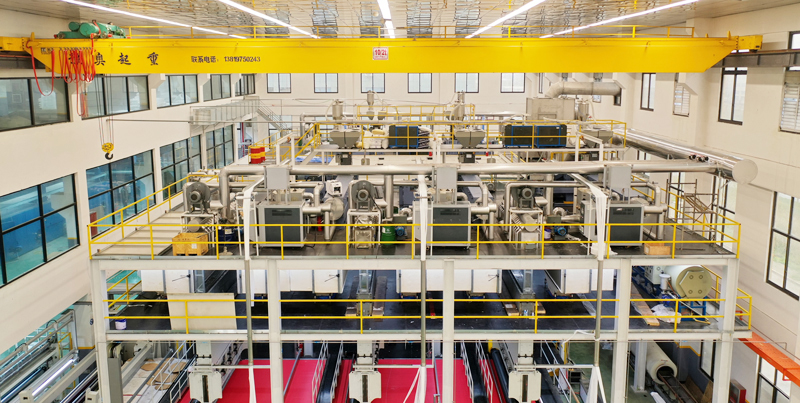
Four structural advantages designed to deliver measurable technical and financial benefits to your production floor.
Our systems incorporate optimized die structures and advanced heating systems to achieve uniform melt distribution, reducing polymer degradation and ensuring consistent web weight across high-speed lines.
We work directly with your engineering team, conducting local polymer supply-chain analyses, utility reviews, and production cost calculations to ensure long-term ROI and operational viability.
From initial design draft to final factory commissioning, we supply all critical downstream and auxiliary machines—including edge-recyclers, slitter-rewinders, and inline lamination units.
We provide hands-on operator training and engineering support. Backed by a 24-month warranty and remote digital diagnostic options, our teams help resolve process anomalies quickly.
Explore our core machinery configurations, engineered to meet demanding industrial and medical specifications.
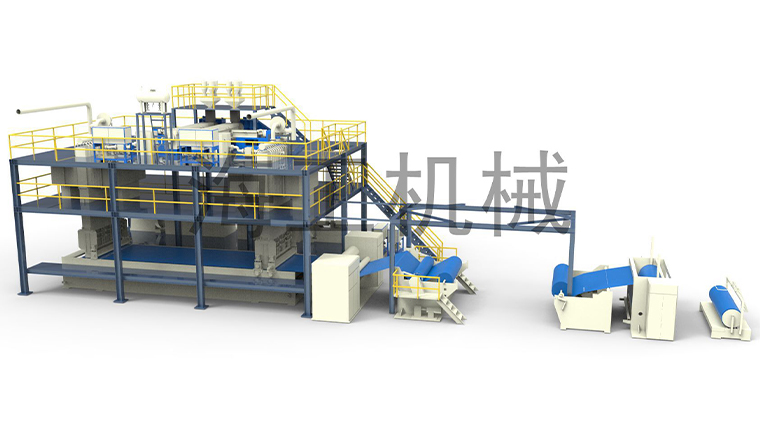
Designed for packaging, nonwoven shopping bags, furniture structures, and protective agricultural sheets.
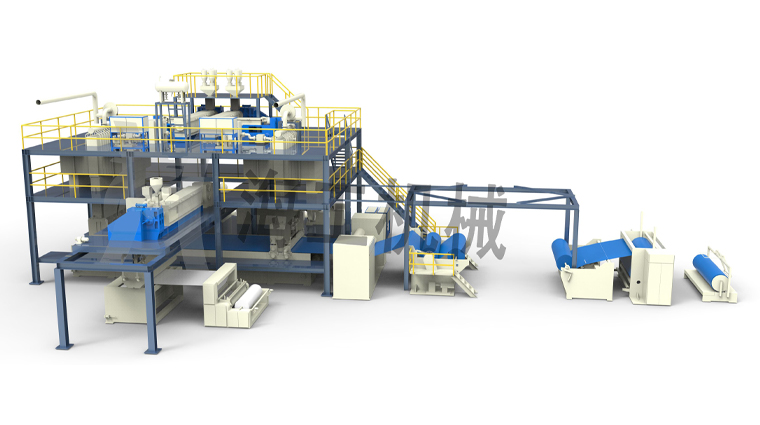
The standard choice for medical face mask backings, isolation gowns, and sterile surgical wraps.
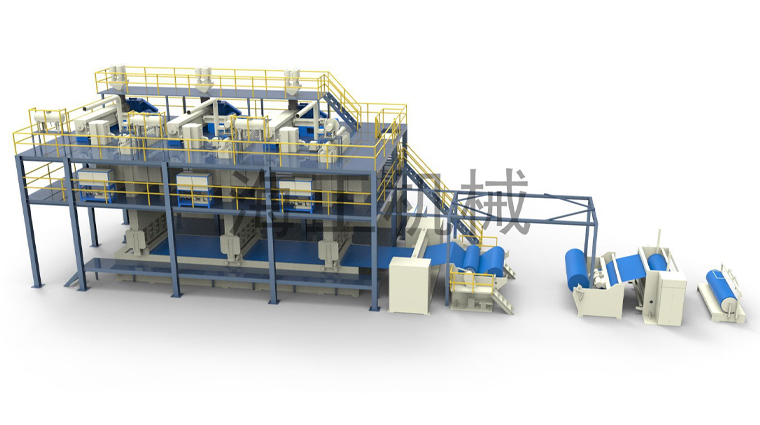
Includes twin meltblown beams for enhanced hydrostatic head resistance and improved filtration performance.
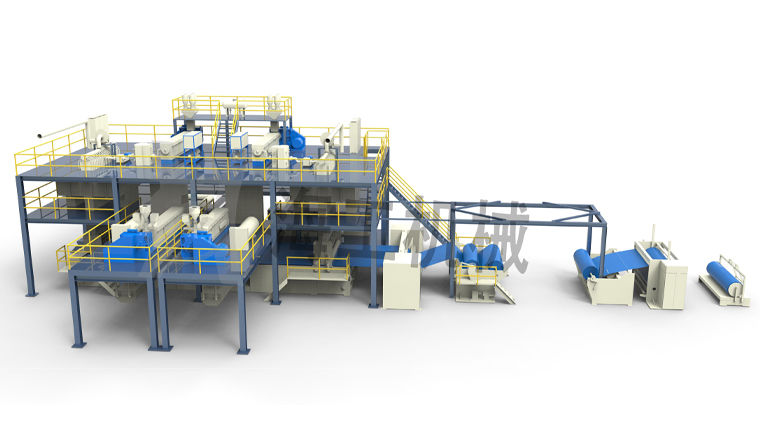
High-end composite technology delivering medical-grade barrier performance, softness, and air permeability.
Unpacking the structural, logistical, and technical advantages that enable Chinese manufacturing to deliver superior cost-efficiency.
The global dominance of Chinese nonwoven machinery factories is not based solely on low labor costs, but on comprehensive industrial integration. The Yangtze River Delta and surrounding manufacturing hubs contain a highly integrated supply chain for precision engineering, heavy machining, and polymer science. When a global client purchases an extrusion line from HG Nonwoven Machinery, they benefit from a localized ecosystem where components—such as high-grade steel shafts, electrical control cabinets, and aerodynamic flow valves—are manufactured, heat-treated, and tested within a small geographic radius.
This geographic concentration reduces transportation times and allows for rapid design adjustments. For example, the critical calender rollers, which require sub-micron surface tolerances and uniform thermal expansion, are manufactured using specialized high-alloy steel and dynamically balanced using high-speed computerized equipment located close to our primary assembly facility. Additionally, proximity to global petrochemical companies like Sinopec and PetroChina gives our testing facilities immediate access to the latest polymer developments, ensuring our extrusion dies are optimized for real-world resin grades.
Furthermore, our assembly and testing protocols are designed for rapid turnaround. Every machine is fully assembled and dry-tested on our factory floor before shipment, verifying the alignment of the spin packs, the calibration of the heat sensors, and the responsiveness of the PLC automation. This pre-shipment validation reduces on-site installation times at the buyer's factory by up to 40%, allowing them to begin commercial production and generate revenue ahead of schedule.
Starting a nonwoven production company requires selecting the right machine configuration to match your targeted market sector. Our engineering team assists you in defining the process parameters—such as target fabric weight (GSM range), required mechanical strength (MD/CD tensile ratios), and barrier properties (hydrostatic head rating).
Whether you are entering the hygiene sector with high-speed soft spunbond lines, or targeting the medical mask market with high-barrier composite systems, we provide the technical data and system support needed to optimize your business operations.
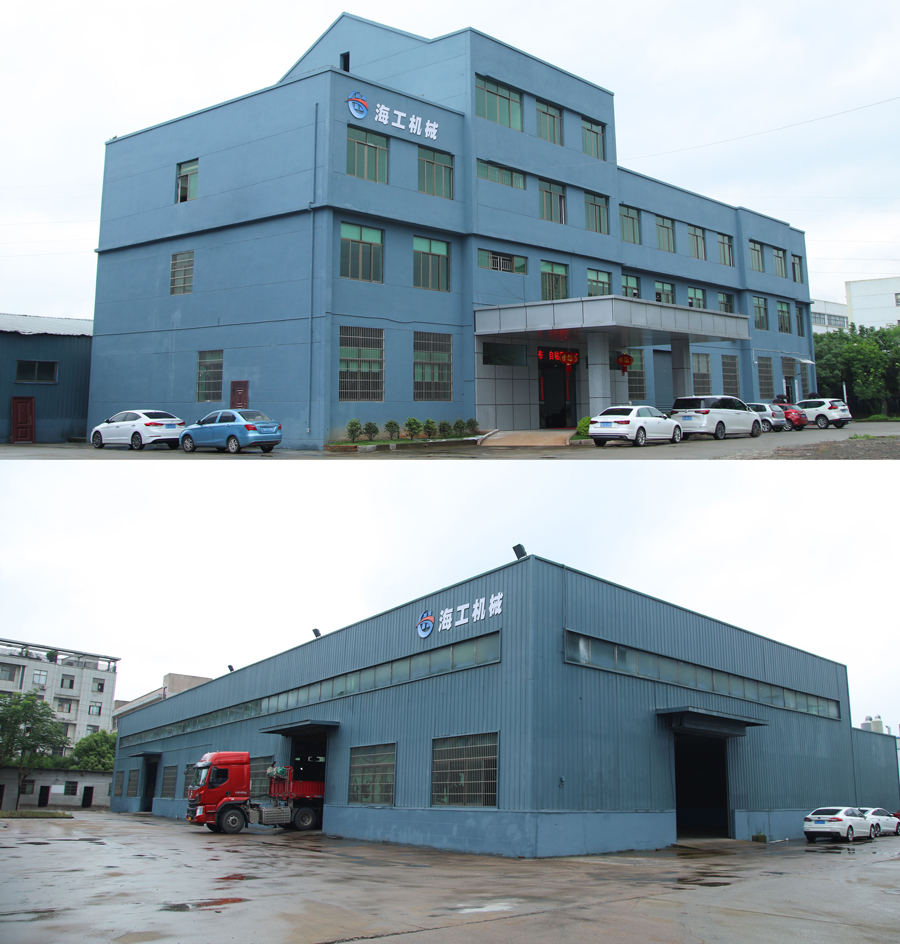
How HG nonwoven technologies perform across critical industrial, medical, and agricultural sectors.

Produces ultra-soft, breathable, and highly absorbent fabrics for baby diapers, adult incontinence liners, and feminine care products. Excellent fluid-distribution layer performance prevents moisture re-wetting.

Critical protective media providing strong barrier resistance against pathogens and fluids. Used for surgical gowns, sterile drapes, surgical face masks, and cleanroom protective apparel.

High-tensile, tear-resistant materials designed for reusable shopping bags, grain packaging, garment storage bags, structural pocket spring wraps, and protective interlinings.

UV-stabilized, lightweight covers that allow air, water, and sunlight to reach crops while providing protection against frost, pests, birds, and soil moisture loss.
A technical overview of the next generation of nonwoven manufacturing systems.
The nonwoven industry is entering a period of significant change, driven by environmental regulations and advances in automation. The primary challenge is reducing plastic waste. While polypropylene (PP) remains the dominant raw material due to its processability and mechanical properties, researchers and machine builders are focusing on biodegradable and bio-sourced polymers, such as Polylactic Acid (PLA), Polybutylene Succinate (PBS), and bio-based Copolyesters.
Processing these bio-polymers requires modifications to the extrusion system. PLA, for example, is highly sensitive to moisture and shear-induced thermal degradation. Extruders must be equipped with desiccant dryers, low-shear screw profiles, and precise heating zones to prevent molecular weight drop during processing. Additionally, the cooling and air-attenuation systems must be calibrated to handle the different crystallization kinetics of PLA compared to standard polypropylene. HG Nonwoven Machinery is actively developing extrusion systems optimized for these alternative polymers, helping manufacturers prepare for future environmental regulations.
Concurrently, digital integration is transforming factory floors. Modern extrusion lines incorporate smart control networks that connect sensors across the system. Real-time monitoring of extrusion pressure, melt temperature, die gap alignment, and fiber draw-down speed allows for automatic adjustments to maintain consistent fabric weight. Furthermore, integrated edge-trim systems recycle scrap material directly back into the feed throat, minimizing raw material waste and supporting circular manufacturing goals.
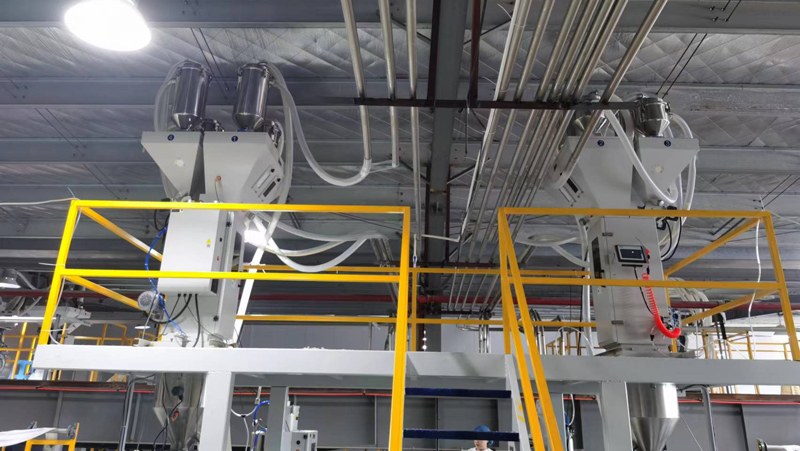
Maintains stable polymer pressure and flow rate to prevent web defects.
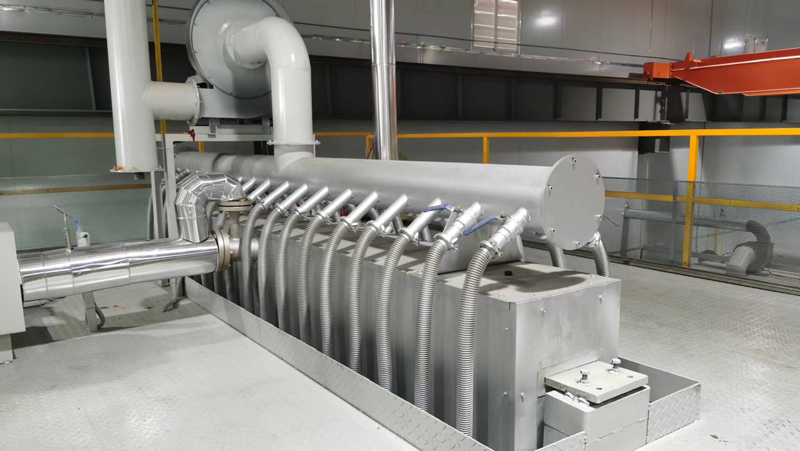
Ensures uniform heat transfer across the web for consistent bonding strength.
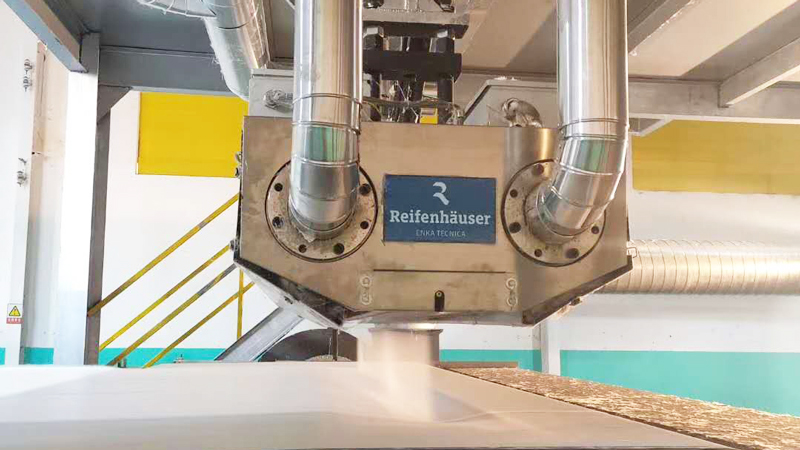
Maintains uniform tension control during roll winding to prevent deformation.
Technical and commercial answers for project managers and procurement officers evaluating nonwoven production lines.
Explore our high-performance nonwoven composite configurations designed for advanced medical, hygiene, and packaging applications.
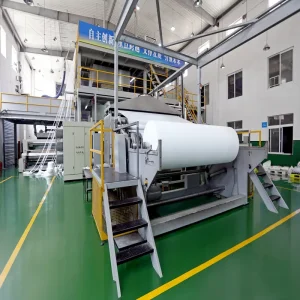
Engineered for high-volume production of agricultural and construction nonwovens.
View System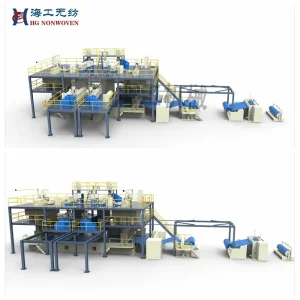
Integrates spunbond and meltblown beams to produce high-barrier medical protective sheets.
View System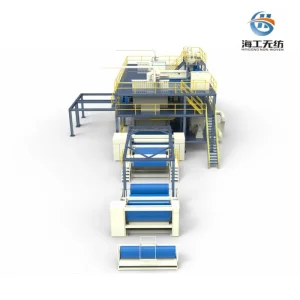
A compact system designed for specialized packaging runs and agricultural covers.
View System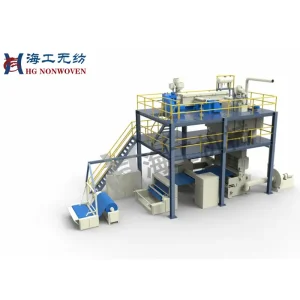
Designed for industrial manufacturers seeking low utility consumption and high run reliability.
View System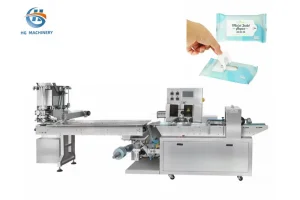
A downstream packaging solution featuring high-speed feeding and liquid-dosing systems.
View System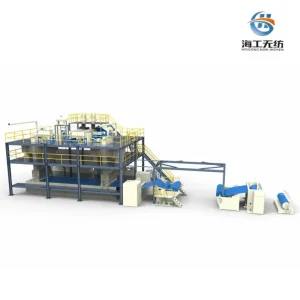
Features twin-beam spunbond technology for increased thickness, strength, and soft touch.
View System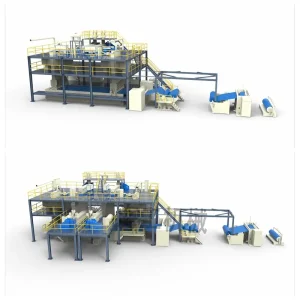
A versatile multi-beam configuration designed for high-end medical barrier applications.
View System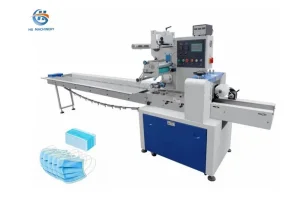
Automated downstream packaging equipment ensuring clean, airtight individual masks wrapping.
View System HG NONWOVEN