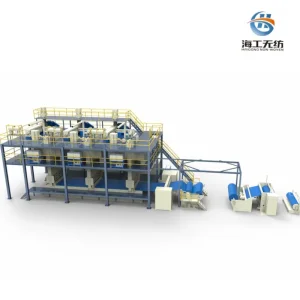
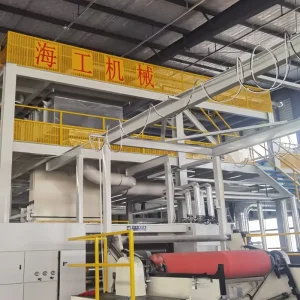
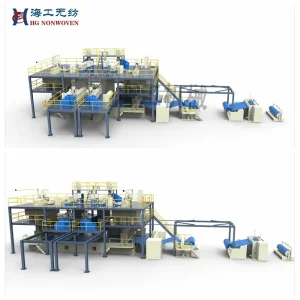
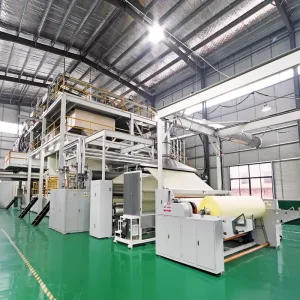
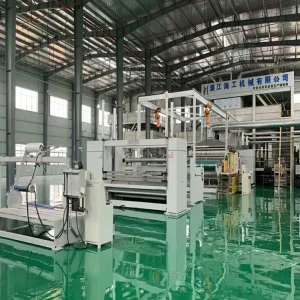
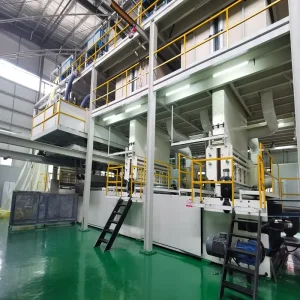
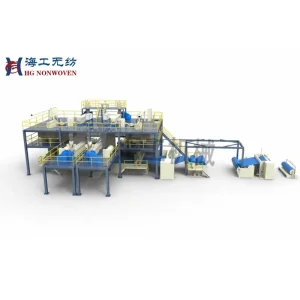
Premium Spunbond Nonwoven Fabric Machinery & Integrated Recycling Systems Designed for Continuous High-Output Operation
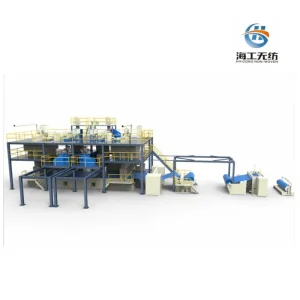
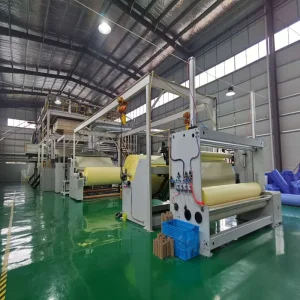
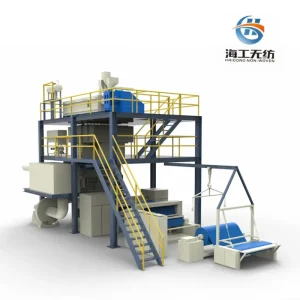
The global industrial textile market is experiencing a profound transition from standard single-layer fabrics to advanced composite materials. Central to this paradigm shift are Laminated Spunbond Nonwoven Machines. By combining traditional spunbonding machinery with high-precision meltblown and laminating modules, manufacturers produce barrier materials with high tensile strength, exceptional softness, and barrier characteristics. These characteristics are critical for applications in high-end medical hygiene, insulation, geotextiles, and modern multi-layer packaging.
Globally, industrial demands dictate higher customization. Western Europe and North America call for medical-grade fabrics that strictly comply with AAMI protective standards, while rapidly growing economies in Asia-Pacific and Latin America demand scalable, low-power systems for packaging and agrarian protection. As a dominant global manufacturer and supplier, China's factory base—led by innovators like HG Nonwoven Machinery—bridges the gap between high-end technical design requirements and economical scaling.
A closer look at how modern automated extrusion, spinning, and inline coating modules deliver uniform GSM distribution and low energy consumption.
We incorporate advanced imported design concepts integrated with regional structural upgrades. This 5th Generation design reduces energy losses at the extruder and guarantees consistent filament distribution across widths up to 3200mm.
Inline lamination binds molten film directly onto the spunbond web. This process minimizes thermal shock, retains fiber flexibility, and delivers strong, tear-resistant composites without using excessive chemical adhesives.
By optimizing thermal dissipation zones in the heating barrel and designing streamlined polymer flow paths, our lines operate at lower power consumption per ton of finished fabric compared to traditional extrusion lines.
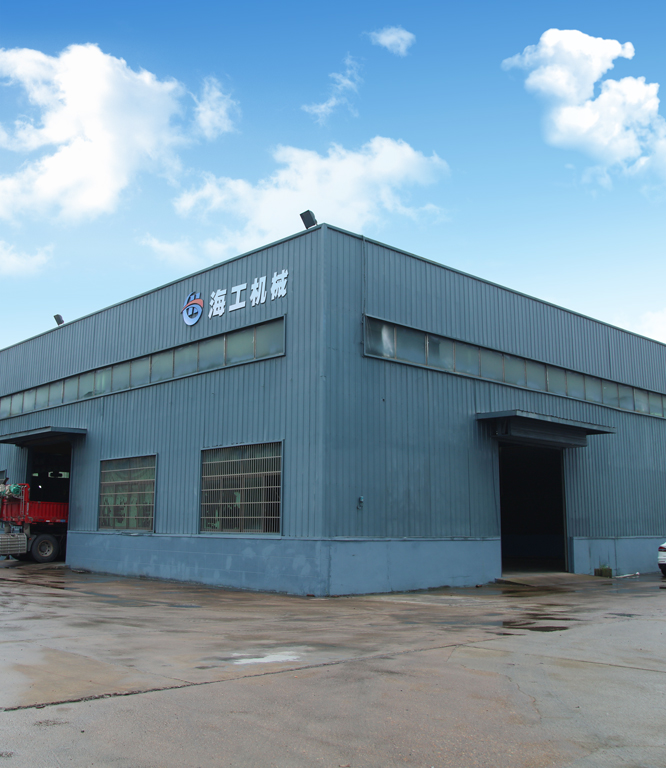
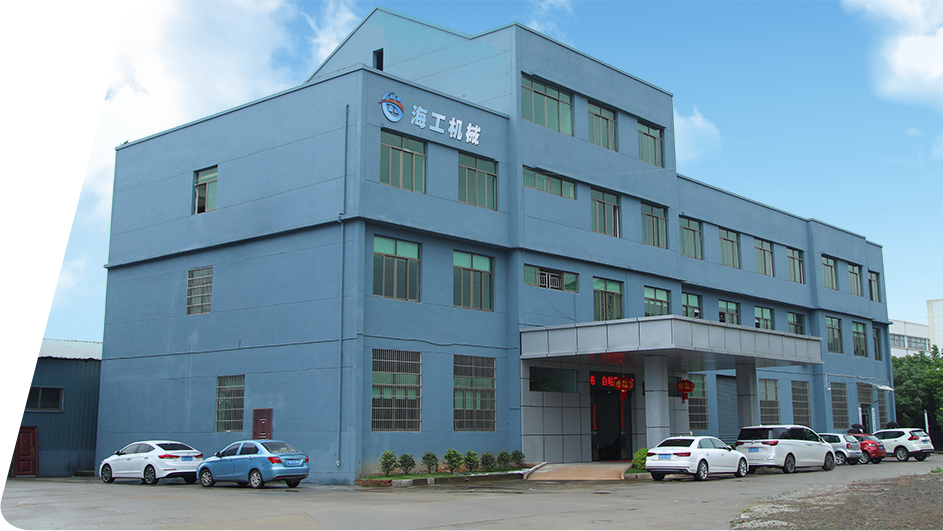
Why choose China for high-capacity nonwoven machinery? The answer lies in industrial cluster efficiency. Centered in ZheJiang, Pujiang HG Nonwoven Machinery integrates a robust domestic supply chain with strict international quality controls. Our production plants leverage direct access to precision metallurgy, automated electrical engineering partnerships (with suppliers like Siemens and Schneider), and specialized logistics nodes.
This localized system reduces manufacturing lead times, enables extensive pre-shipment dry runs, and lowers procurement costs for global buyers. Additionally, China's dynamic R&D framework allows us to integrate smart diagnostic systems, remote IoT performance tracking, and high-efficiency raw material recovery designs right into our machines. This provides global operators with a competitive cost-per-ton advantage.
Turnkey Industrial Delivery:
From market pre-feasibility analysis, custom layout design, localized component integration, to 24-month on-site training and maintenance services.
How composite laminated and spunbonded fabrics satisfy strict industry criteria across multiple vertical markets.
Breathable, soft, and effective at managing fluids. Laminated backing layers prevent leakage in baby diapers, adult incontinence undergarments, and feminine hygiene products, keeping skin dry and protected.
Protects against biological agents and fluids. Crucial for manufacturing high-quality surgical gowns, sterile drapes, surgical towels, and face masks, providing high filtration efficiency and user comfort.
Lightweight, high-strength fabric designed to reduce shipping volume. Perfect for eco-friendly shopping bags, crop sacks, pocket spring casings, garment covers, and protective pharmaceutical packaging.
Maintains a microclimate around crops by allowing air and water to pass through while shielding plants from frost, wind, insects, and birds. Engineered with UV blockers to extend outdoor durability.
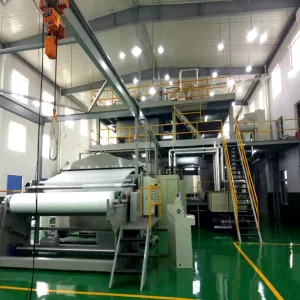
High-efficiency machines configured for rapid industrial startup and sustained, high-volume production runs.
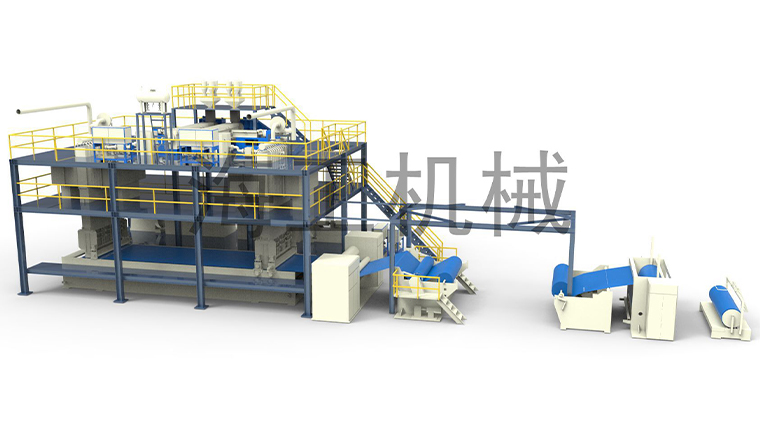
Widely applied in producing raw materials for packaging nonwoven bags, furniture dust covers, and agricultural field protection liners.
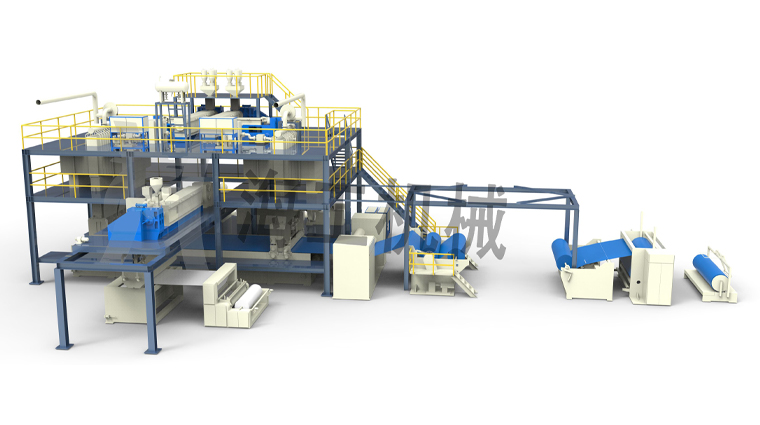
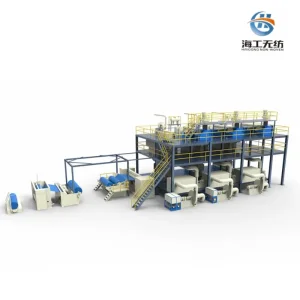
Configured with dual spinning beams and inline meltblown integration, ideal for medical isolation apparel and hygiene healthcare liners.
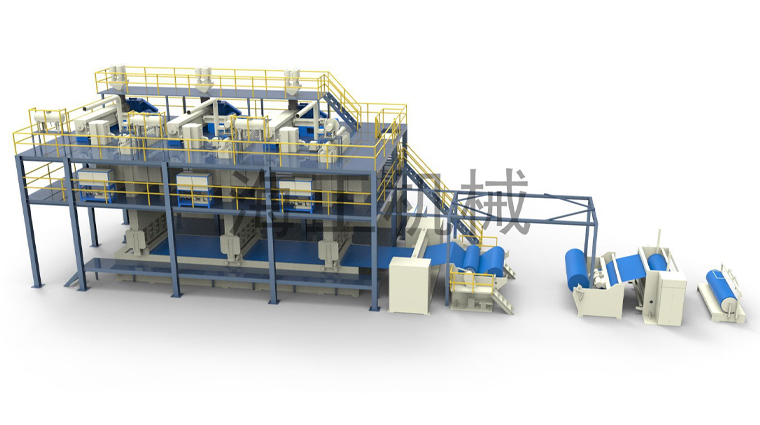
Features four integrated layers (Spunbond-Meltblown-Meltblown-Spunbond) to deliver superior liquid and particulate filtration compared to basic SMS.
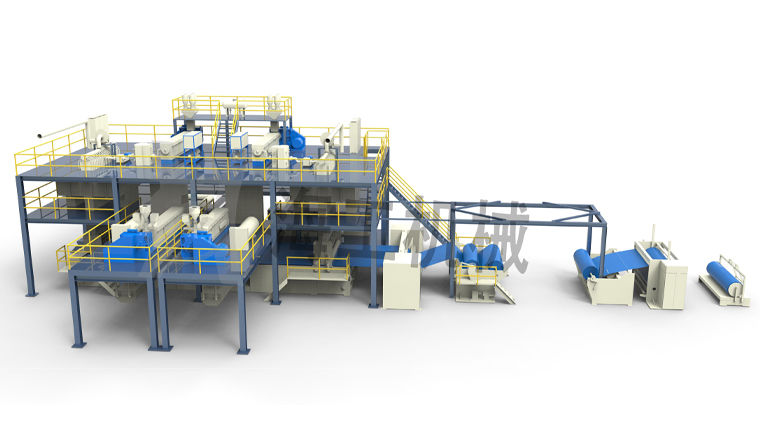
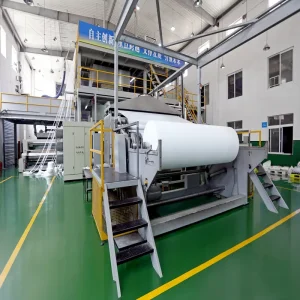
Designed for high-speed runs, delivering excellent barrier properties while maintaining softness and drape comfort for surgical environments.
Looking ahead, the nonwoven machinery sector is focusing heavily on process digitalization and sustainability. High-capacity operations are turning to closed-loop feedback systems. In these configurations, optical scanners evaluate fabric uniformity, weight variance, and laminate adhesion in real time, automatically adjusting the calender temperature or extrusion speed to maintain quality.
Eco-friendly polymers like polylactic acid (PLA) and bio-based polypropylene (PP) are also gaining popularity. The newest generation of HG machinery is optimized to handle these thermal profiles, allowing producers to switch between conventional PP and biodegradable resins without needing to swap out the entire screw assembly. This helps protect investments from shifting regulatory demands.
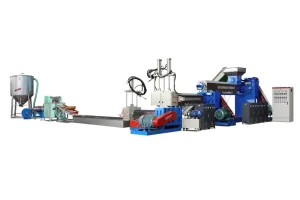
Additionally, material recovery has become a standard industry expectation. By pairing spunbond lines with localized granulators, manufacturers can feed edge trim and scrap material directly back into the feed throat, creating a circular production loop that keeps material waste near zero.
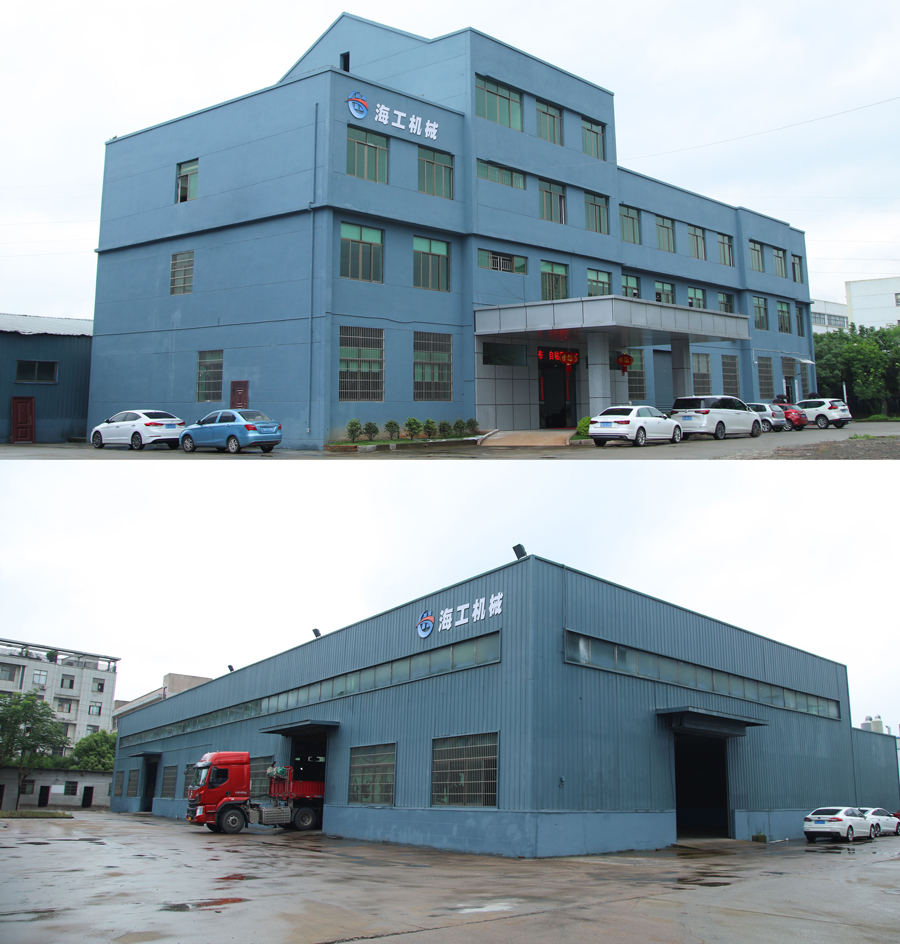
A systematic guide for investment committees and production engineers evaluating laminated spunbond production lines.
Spunbond and lamination lines require dedicated vertical space for the spinning tower and quenching chambers. Work with our engineering team to design custom layouts that optimize your building footprint while ensuring easy access for maintenance.
Calculate power consumption per ton of finished fabric. Newer heating profiles and streamlined polymer distribution manifolds cut down on energy consumption, helping to lower ongoing operating costs.
Ensure your line coordinates smoothly with downstream systems, including inline slitting machines, flexographic printers, extrusion laminators, and bag makers. HG provides integrated, A-to-Z turnkey solutions.
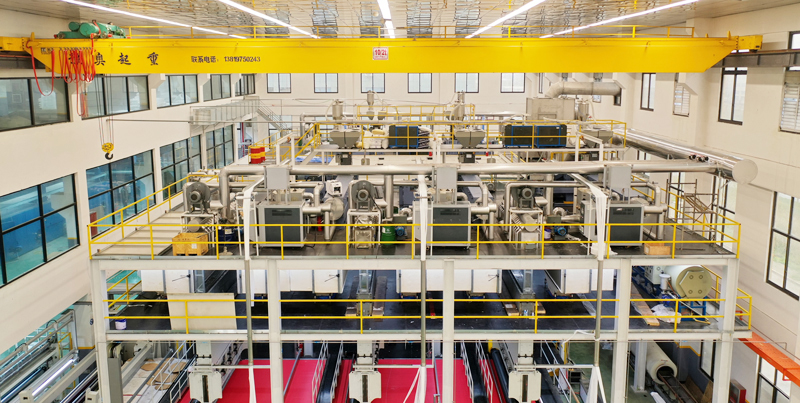
Implementing a new production line requires coordinated engineering. In addition to high-speed spunbond machines, we help set up all essential ancillary equipment to ensure a seamless operation:
High-precision components built to deliver consistent fabric quality during continuous industrial operation.
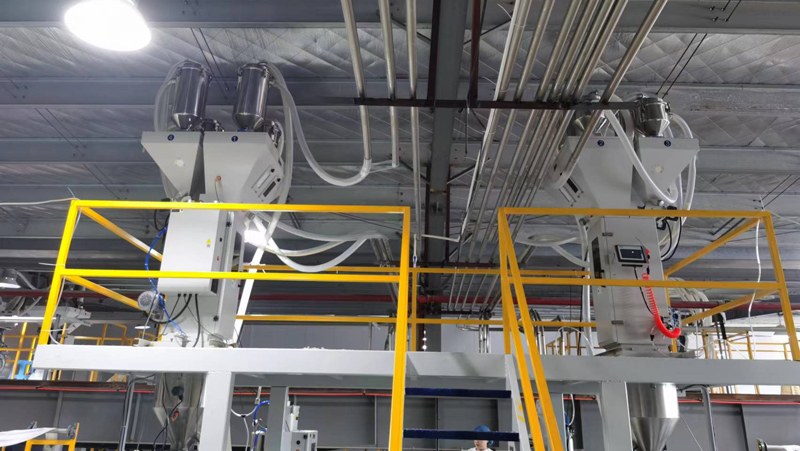
Maintains uniform pressure to ensure consistent fiber diameters across the entire width of the line.
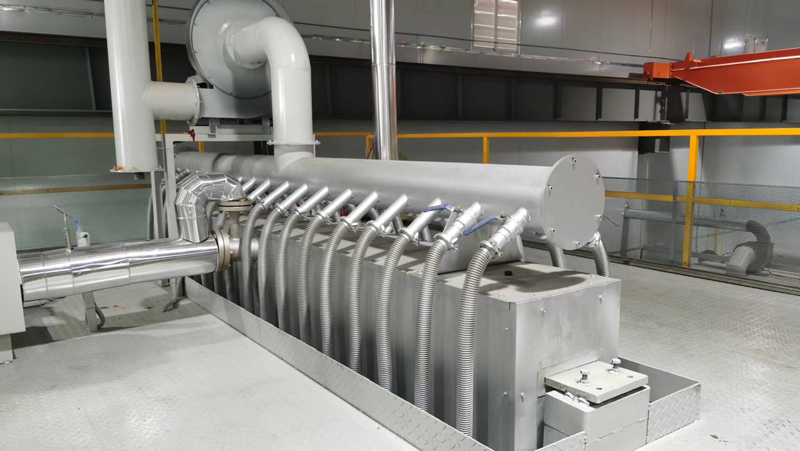
Precise temperature control ensures clean bonding without compromising fiber strength.
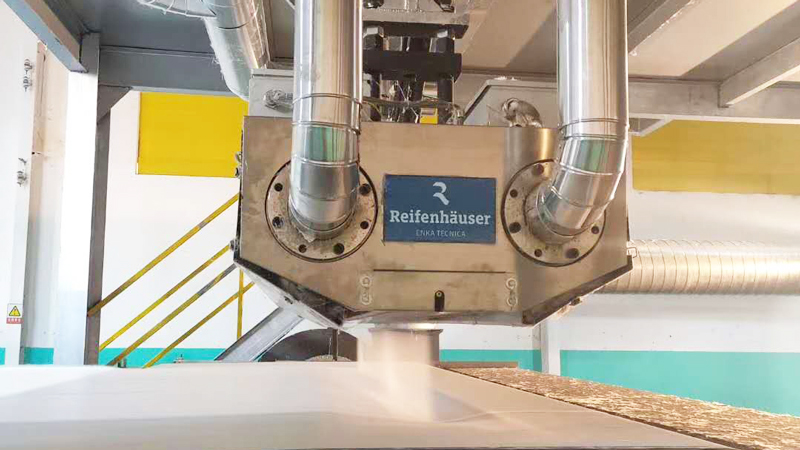
A centralized PLC touch screen monitors speed, zone temperatures, and pressure in real time.
Direct technical answers from HG Nonwoven Machinery's engineering and operations team.
High-performance production lines engineered to manufacture reliable, eco-friendly, and cost-effective nonwoven products.
 HG NONWOVEN