Explore our primary manufacturing lines engineered for Central European efficiency, high reliability, and sustainable nonwoven production.
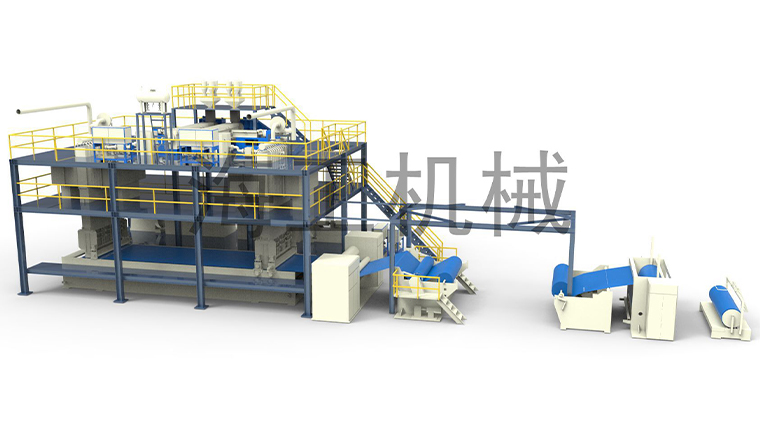
Tailored for packaging nonwoven bags, furniture backing, and Slovakian agro-industrial sectors.
View Technical Specifications →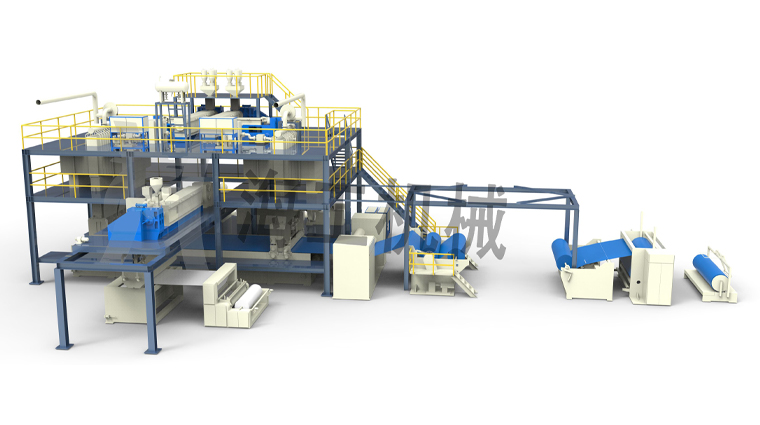
High-barrier composite line matching European standards for disposable medical gowns and PPE.
View Technical Specifications →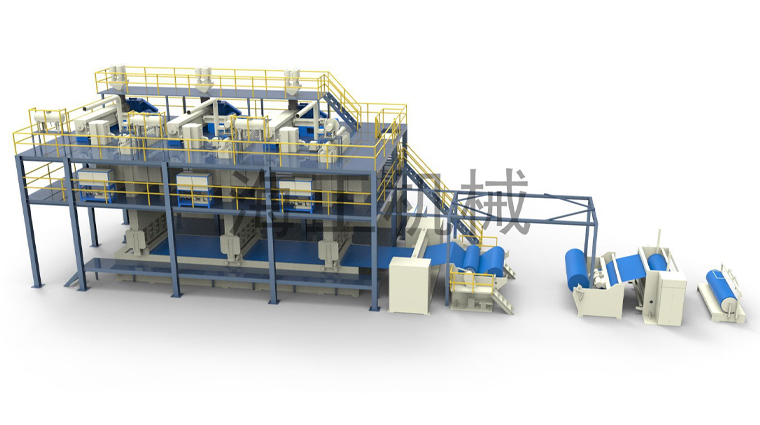
4-layer structural protection ensuring elite-level filtration efficiency for advanced medical shields.
View Technical Specifications →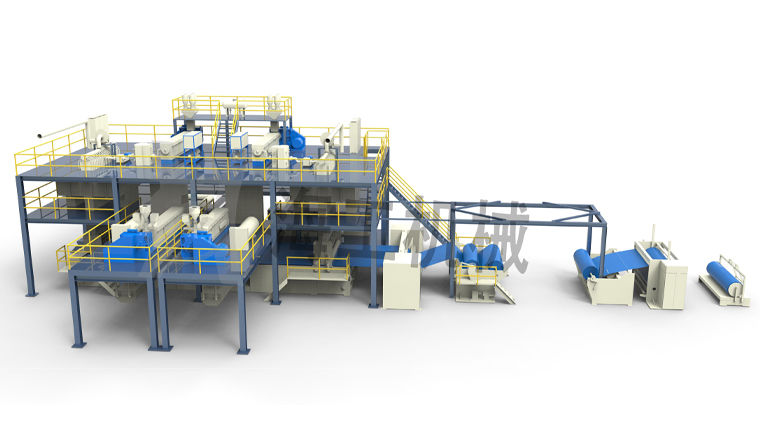
Maximum softness, comfort, and state-of-the-art barrier parameters for demanding hygiene products.
View Technical Specifications →Slovakia has emerged as one of Central Europe's most vibrant industrial hubs. As the world's highest per-capita automobile producer, with manufacturing giants like Volkswagen, Stellantis, Kia, and Jaguar Land Rover anchoring the region, the country is witnessing an unprecedented demand for specialized engineering textiles. The automotive sector alone relies extensively on high-grade spunbond and meltblown composites for acoustic insulation, cabin air filtration media, trunk liners, underbody shields, and structural reinforcement elements.
Beyond automotive, Slovakia’s strategic geographic position in the heart of Europe has made it a logistical epicenter for distributing packaging, medical, and hygienic goods to Eastern and Western European markets. This logistical privilege requires local Slovak manufacturers to transition towards highly automated, energy-efficient nonwoven fabric production lines. Partnering with a manufacturer like Pujiang HG Nonwoven Machinery empowers local enterprises to circumvent middleman inflation, securing factory-direct pricing for machinery capable of processing biodegradable, recycled, and standard polypropylene resins to comply with EU climate goals.
Slovakian industries are governed by strict European environmental mandates. Traditional nonwoven plants face pressure to optimize energy expenditure and incorporate eco-friendly fibers. HG Nonwoven Machinery integrates advanced thermal insulation systems, waste-edge recycling loops, and customized extruders capable of handling polylactic acid (PLA) and co-polyester blends. This ensures that your Slovakian manufacturing setup is fully prepared for future sustainability regulations.
Consult Compliance Support →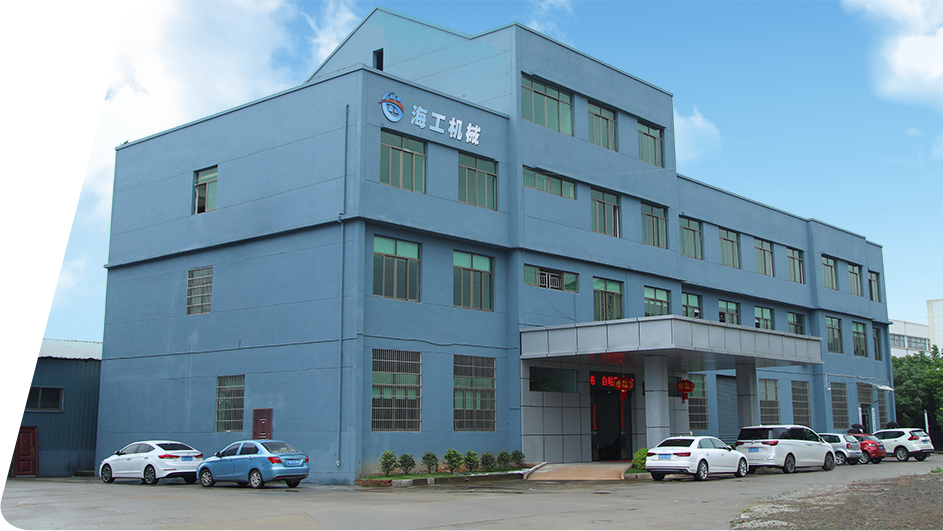
Established in 2014, Pujiang HG Nonwoven Machinery is a premier manufacturer specializing in engineering, designing, and fabricating complete PP spunbond, meltblown, and high-performance composite nonwoven fabric making machinery. Leveraging our breakthrough 5th Generation spunbond spinning technology, our plant systems offer exceptional running stability, optimized polymer distribution, and reduced power consumption per ton of finished fabric.
Our focus centers on supplying complete turnkey solutions. From initial factory floor blueprint layout and local market feasibility analysis to machinery manufacturing, shipping, on-site commissioning, and comprehensive operator training, HG stands as a reliable, long-term technical partner. We ensure your factory operations in Slovakia run with minimal downtime and maximum yield efficiency.
We handle the entire spectrum of your project. Besides manufacturing the central Spunbond/Meltblown line, we seamlessly integrate peripheral systems: offline/online recycling systems, slitting and winding machines, flexographic printing units, and high-speed bag-making lines.
We conduct micro and macro market assessments tailored for the European Union context. Our engineers calculate accurate payback schedules, evaluate localized utility costs (electricity, cooling water, compressed air), and design optimal space utilization blueprints.
We provide both physical on-site commissioning and digital real-time troubleshooting. Our machines feature integrated IoT control panels with remote diagnostics capabilities, allowing HG engineers in China to assist your Slovakian team immediately in resolving operational queries.
The demand for nonwovens in the personal care industry is characterized by strict requirements for skin friendliness, high tensile strength, and efficient fluid absorption. Our SSMMS and spunbond lines produce fabrics with premium softness, excellent fluid permeability, and uniform distribution of super-absorbent polymers (SAP). These materials are highly suited for baby diapers, adult incontinence products, and feminine hygiene supplies distributed across Europe.

In the healthcare sector, reliability is paramount. Our SMS, SMMS, and SSMMS composite lines are optimized to manufacture fabrics that deliver high bacterial filtration efficiency (BFE) and fluid resistance. These characteristics are critical for surgical gowns, face masks, sterile wraps, and disposable patient covers. Using precision meltblown die heads, our machines produce ultra-fine fiber webs down to 1-3 microns, blocking microscopic pathogens while maintaining air breathability.

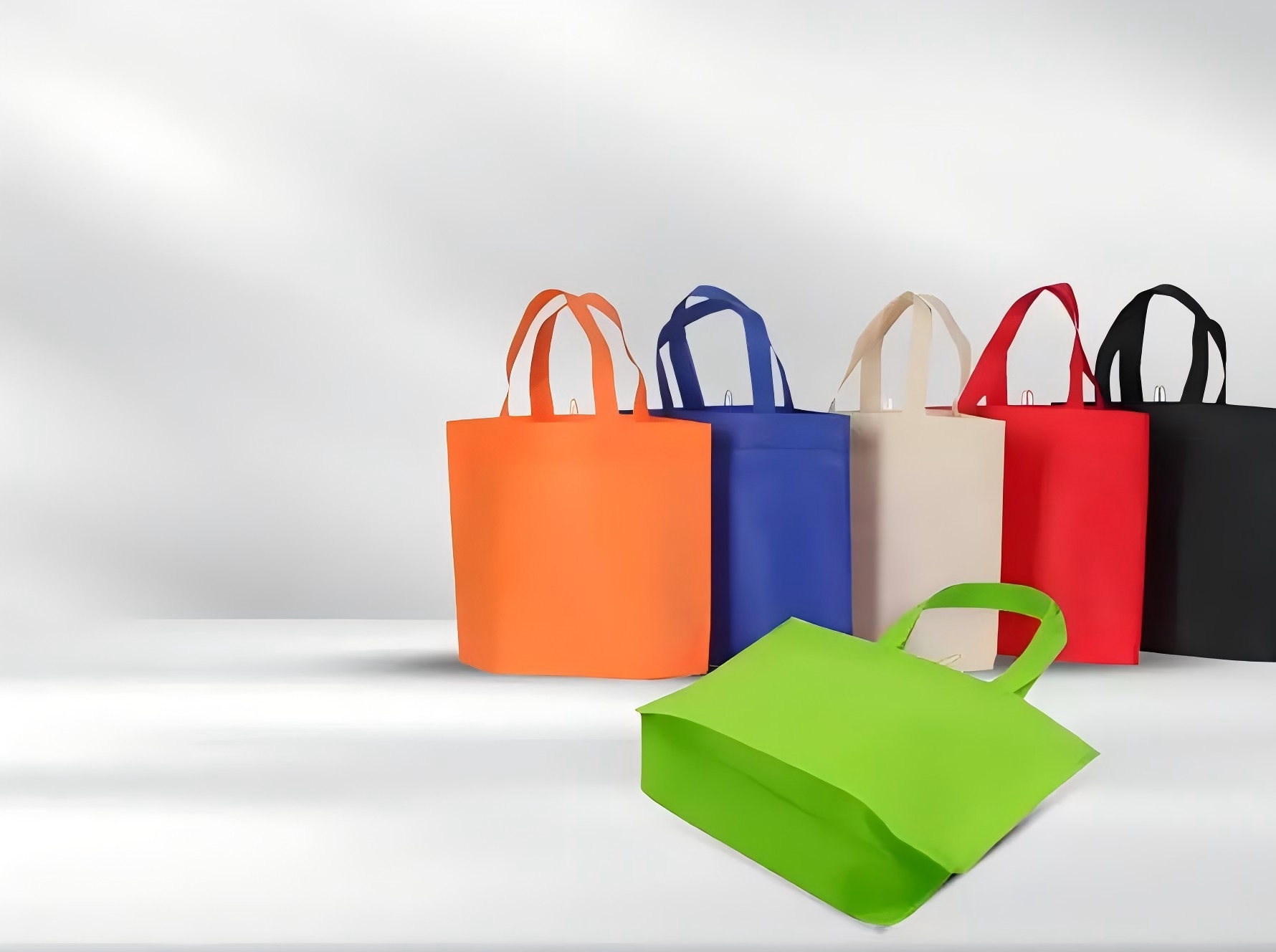
As Europe continues to phase out single-use plastics, Spunbond PP fabric has become a primary material for reusable shopping bags, storage cases, and protective wraps. Pujiang HG lines offer high output rates for heavier GSM fabrics (50-120 gsm), delivering the puncture resistance and tensile strength needed for durable packaging. With optional color dosing units, our machines produce colored, textured fabrics suitable for commercial and industrial use.
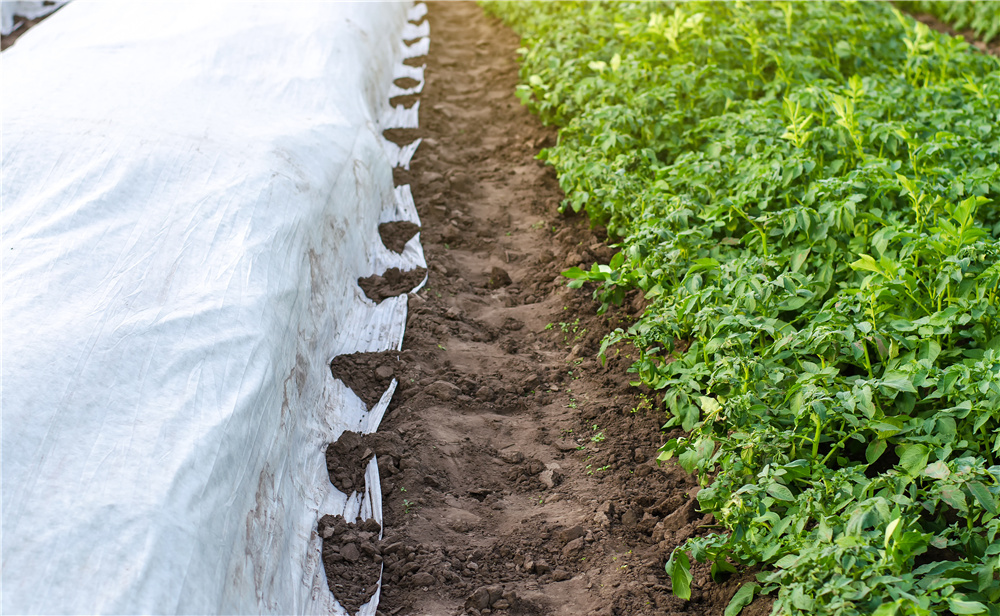
Modern agriculture relies on nonwovens to protect crops from frost, pests, and soil moisture loss. Our agricultural spunbond lines are configured to produce wide-width fabrics (up to 3.2m or customized configurations) treated with UV stabilizers to prolong outdoor lifespan in Slovakia's varied seasonal climate. These permeable covers foster microclimates that accelerate plant growth while reducing dependence on chemical pesticides.
Browse our certified machinery lines optimized for high output, precise filtration levels, and multi-beam customization.
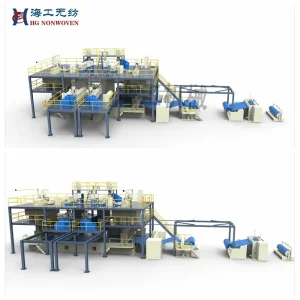
High-speed composite system matching EU health regulations for medical barriers.
Technical Drawings & Quote →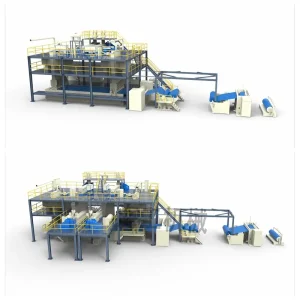
Flexible multi-beam structure adjusting to medical filtration or soft hygiene applications.
Technical Drawings & Quote →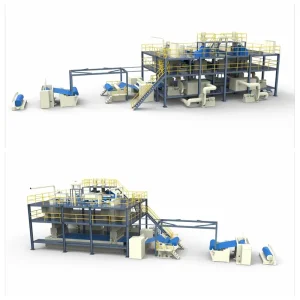
High-capacity composite production with advanced web-forming uniformity.
Technical Drawings & Quote →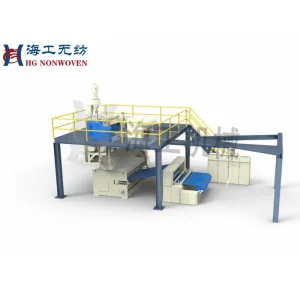
Optimized for high-yield geo-textiles and high-strength packaging needs.
Technical Drawings & Quote →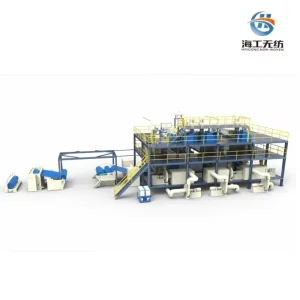
Dedicated cleanroom-compatible design for disposable medical-grade fabrics.
Technical Drawings & Quote →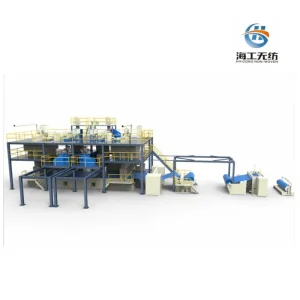
Flexible width parameters suitable for agricultural and logistics applications.
Technical Drawings & Quote →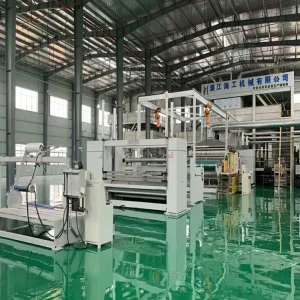
Low energy consumption layout, ideal for starting new packaging enterprises.
Technical Drawings & Quote →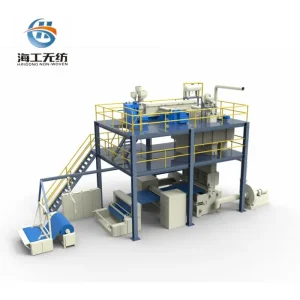
Engineered for consistent filament layout and high-speed mechanical stability.
Technical Drawings & Quote →Purchasing a nonwoven machine represents a long-term capital investment. Determining the right configuration depends on your target market, budget, and local regulatory requirements. Below is a comparison table outlining the key technological setups we offer to help guide your purchasing process:
| Technology Type | Typical Widths (mm) | Target Weight (GSM) | Core Application Segments | Primary Advantage |
|---|---|---|---|---|
| S / SS Spunbond | 1600 / 2400 / 3200 | 10 - 150 gsm | Shopping bags, Agriculture covers, Furniture lining | High tensile strength, cost-effective startup investment |
| SMS / SMMS | 1600 / 2400 / 3200 | 12 - 80 gsm | Surgical gowns, sterile wraps, industrial masks | Balanced barrier performance and airflow permeability |
| SSMMS / SMMSS | 2400 / 3200 | 10 - 50 gsm | Baby diapers, adult incontinence, sanitary napkins | Premium softness, high barrier filtration efficiency |
| Meltblown (Solo) | 1600 / 2400 | 15 - 80 gsm | N95/FFP2 masks, liquid filters, oil sorbents | Super-fine sub-micron fiber network (1-3μm) |
In today's competitive landscape, relying on manual labor to manage production parameters is no longer viable. HG nonwoven machinery integrates fully computerized PLC control stations powered by Siemens and ABB electronics. This setup enables your operators to monitor variables like melt temperatures, extrusion speeds, drafting pressures, and air volumes from a centralized touch-screen console. Precision heating sensors prevent thermal degradation of polypropylene polymer, reducing waste during start-up sequences.
Our 5th Generation spunbond technology is engineered to minimize energy use. Depending on the machine width and composite layer structure (e.g., S vs. SMS), the typical electricity consumption ranges between 800 kWh and 1200 kWh per ton of finished fabric. We utilize high-efficiency heating elements, optimized insulation, and variable frequency drives on all blower systems to reduce overall power consumption.
All HG machinery exported to the European Union, including Slovakia, is manufactured in compliance with CE directives. We utilize safety shielding, emergency stop mechanisms, and electrical systems designed to meet European standards. Additionally, we provide documentation to support local emissions, noise level, and safety audits required by European regulatory bodies.
A custom multi-beam composite line requires approximately 120 to 180 days for design, fabrication, assembly, and initial factory testing at our plant in China. Sea transit to European ports (such as Hamburg or Koper) and subsequent overland transport to Slovakia takes roughly 35 to 45 days. We recommend allocating a total of 7 to 9 months from project kickoff to raw fabric output.
Our 5th Generation design incorporates an optimized drafting system and monomer suction configuration. By managing air-cooling velocity and filament drawing pressure, we achieve consistent filament thickness. This reduces variation across the fabric width, resulting in uniform tensile strength and filtration barrier parameters.
We send a dedicated team of engineers, technicians, and translators to your facility in Slovakia. They supervise structural installation, calibrate the electronic and mechanical components, perform trial runs, and train your local staff on operation and safety. Additionally, we provide remote assistance via integrated IoT diagnostics for quick troubleshooting.
Yes. Our customized extruders can be configured with specific screw designs, heating profiles, and drying systems required to process polylactic acid (PLA), PBS, or recycled polypropylene (rPP). This allows your factory in Slovakia to offer sustainable alternatives to conventional fossil-fuel-based nonwovens.
 HG NONWOVEN