Explore our premium grade spunbond and meltblown manufacturing lines engineered for high throughput and reliability.
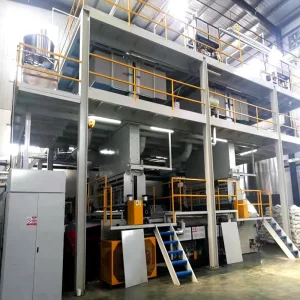
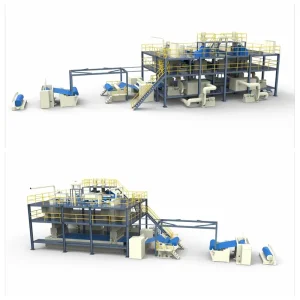
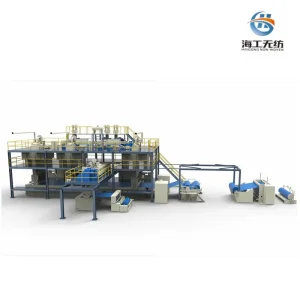
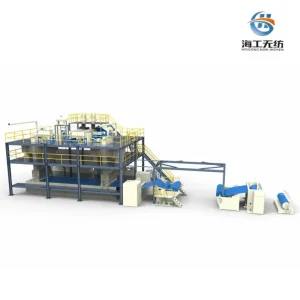
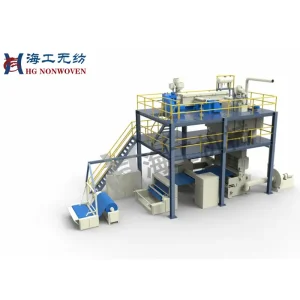
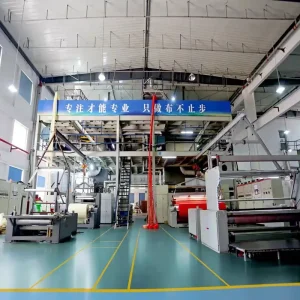
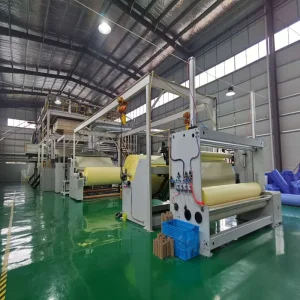
Pujiang HG Nonwoven Machinery: Leading the global transition to high-yield Spunbond & Spunmelt systems.
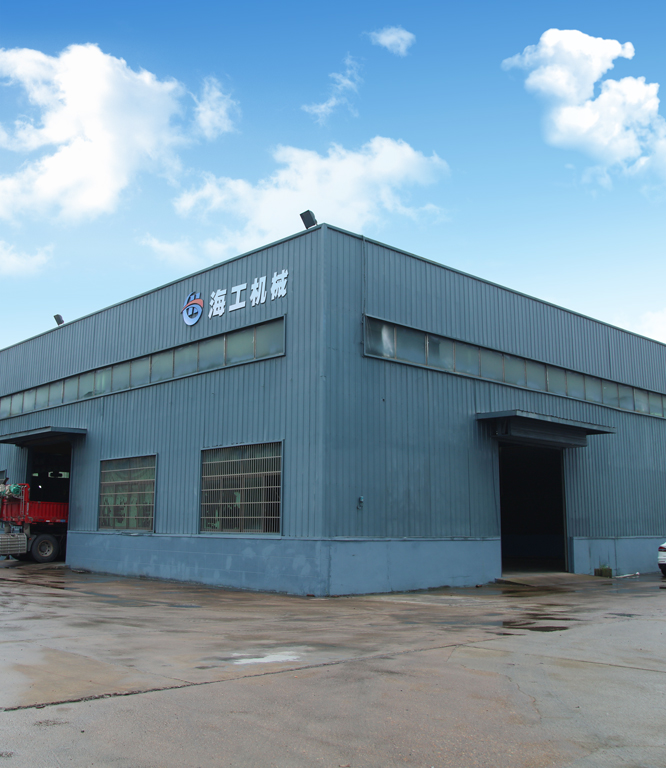
Established in 2014, Pujiang HG Nonwoven Machinery has positioned itself at the cutting edge of industrial machinery manufacturing, specializing in PP spunbond, meltblown, and composite nonwoven fabric machine lines. By integrating foreign advanced engineering design principles with localized operational cost advantages, we deliver solutions that emphasize structural robustness, energy conservation, and system safety.
The industry often refers to nonwoven fabric line processes as modern "stitching" or mechanical web-bonding technology. Traditionally, needle-punching or chemical stitching governed fabric consolidation. Today, HG Machinery introduces advanced 5th Generation spunbond spinning technology. This structural evolution utilizes high-velocity air attenuation and thermal calendering, completely optimizing the tensile characteristics, gram weight distribution, and softness of the final nonwoven fabric rolls.
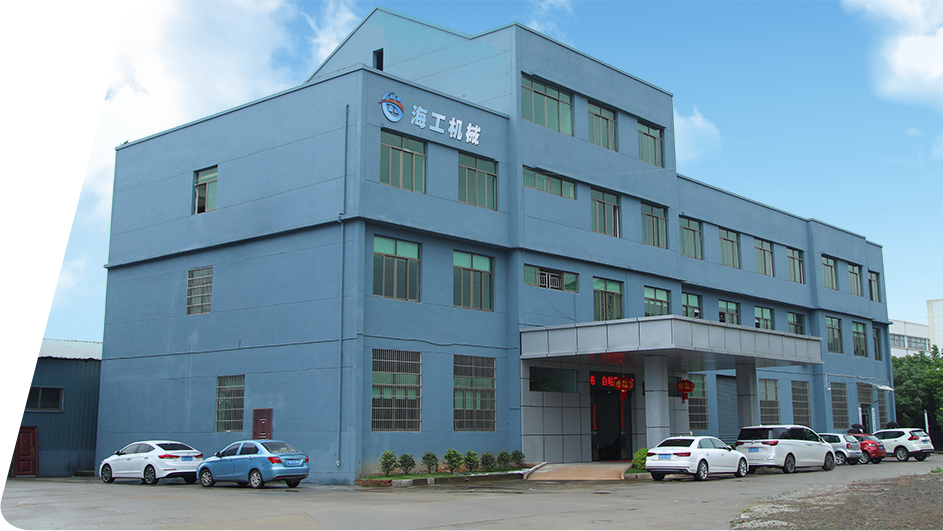
Analyzing key shifts in modern nonwoven production, energy management, and polymer science.
The term "stitching machine" historically referred to mechanical systems designed to lace fibers together using actual threads. In modern polymer-to-fabric processing, thermal bonding (calendering) and spunmelt extrusion have replaced high-wear mechanical needles. HG's 5th generation spunbond technology operates as a chemical-free, high-speed thermal "stitching" mechanism. Under high pressure and temperature, the cross-patterned calender rolls weld continuous filaments together. This method creates a highly coherent web with tensile strengths that mechanical stitching cannot match, while producing fabric weights ranging from 10 gsm to 150 gsm.
Modern procurement officers prioritize operating cost optimization (OPEX). High-capacity extrusion systems can draw substantial electricity. HG Machinery structures its extrusion and air-drafting units with optimized heating elements and high-efficiency motors, significantly reducing energy consumption per ton of produced fabric. High mechanical draw ratios ensure that polypropylene (PP) filaments achieve titers down to 1.5–2.0 denier, ensuring excellent softness and barrier properties.
Global supply chain regulations require manufacturing plants to process diverse polymers. HG machines support traditional Polypropylene (PP), Polyethylene (PE) co-extrusion, and biodegradable PLA (Polylactic Acid) polymers. This flexibility allows manufacturers to meet strict European packaging regulations and USDA bio-based procurement mandates, future-proofing your capital investment.
High-yield machinery lines engineered to produce materials for medical, hygiene, agricultural, and packaging applications.
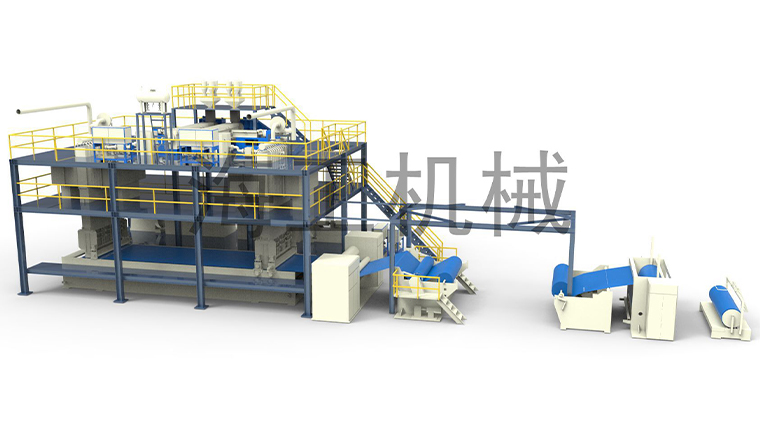
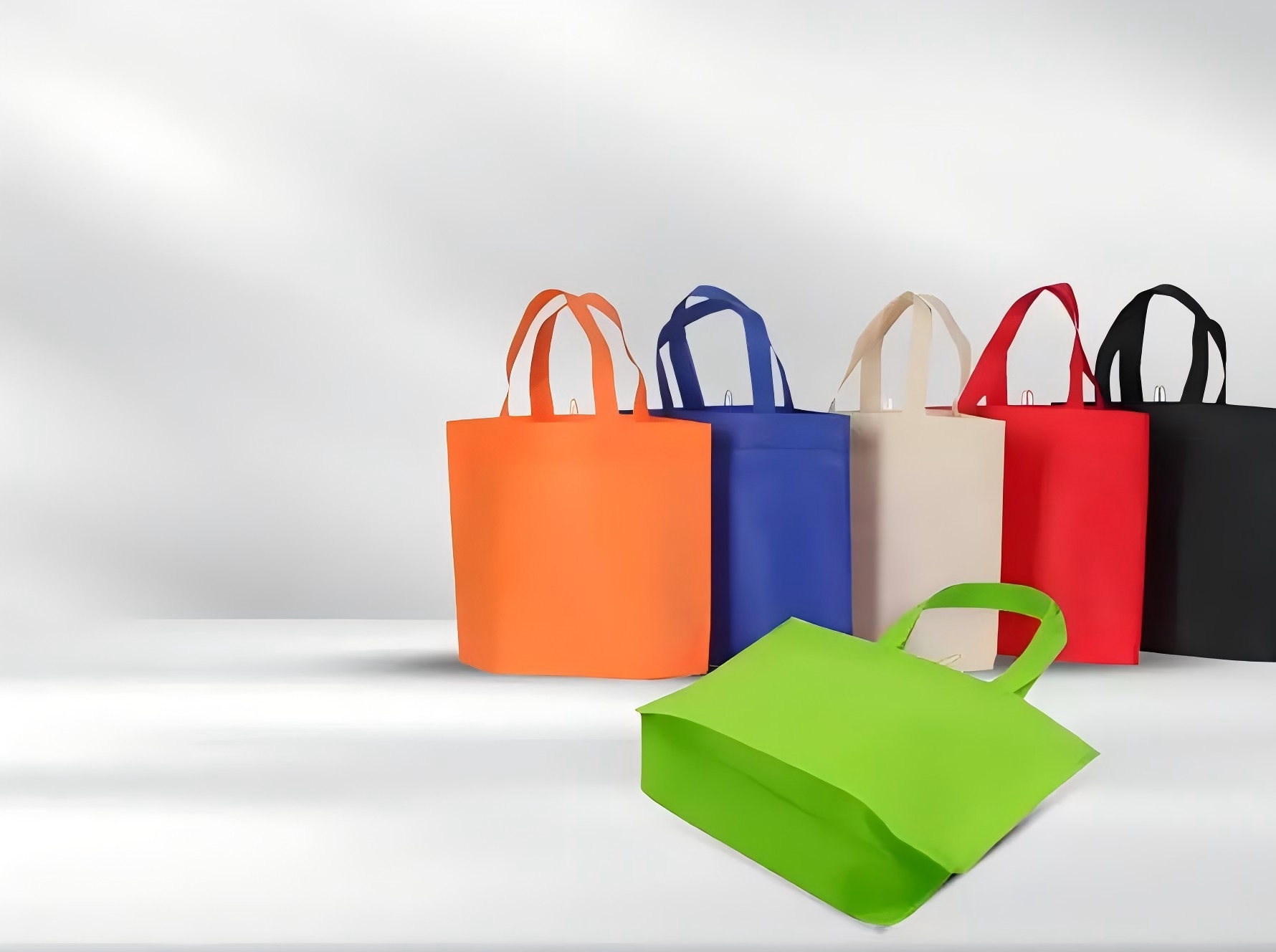
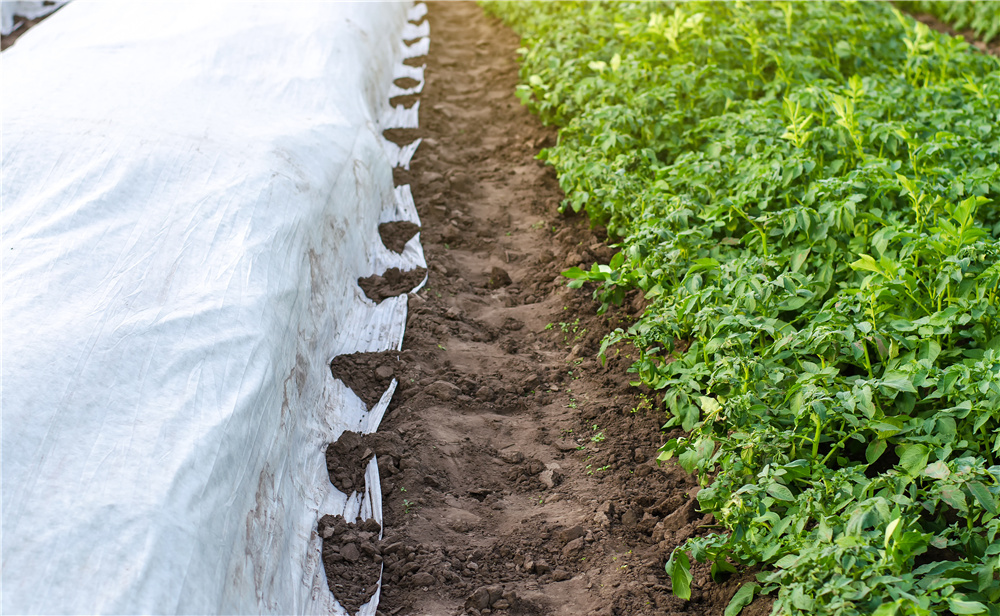
Optimized for packaging nonwoven bags, furniture backing, and agricultural crop covers. Engineered for high mechanical reliability and lower power consumption.
Technical Specifications →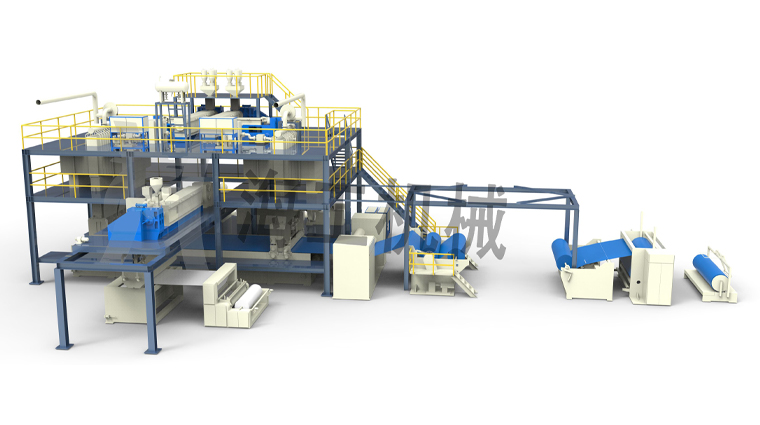
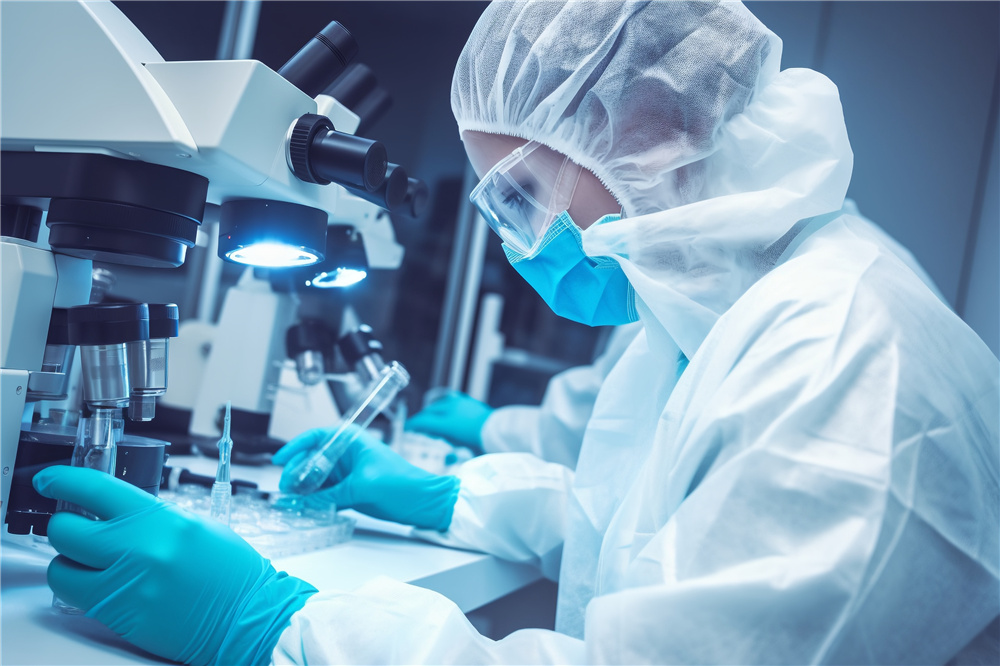
Designed for medical applications, protective wear, and hygiene products. Provides dual-beam spunbond strength combined with high-barrier meltblown filtration.
Technical Specifications →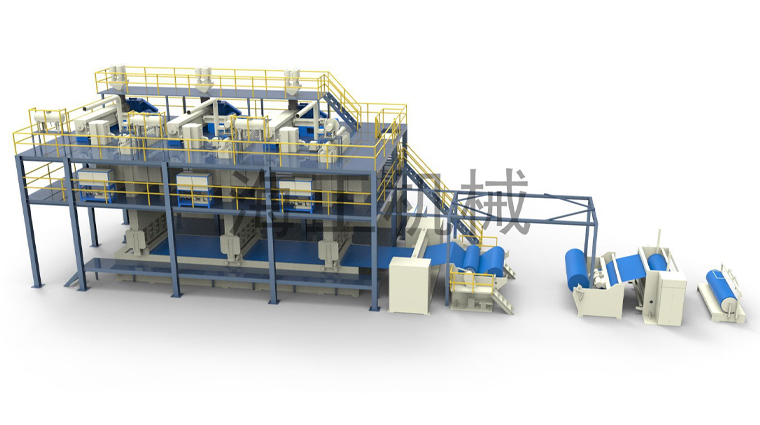
A 4-layer configuration that delivers superior filtration efficiency, high hydrostatic head resistance, and excellent tensile properties compared to traditional SMS fabric.
Technical Specifications →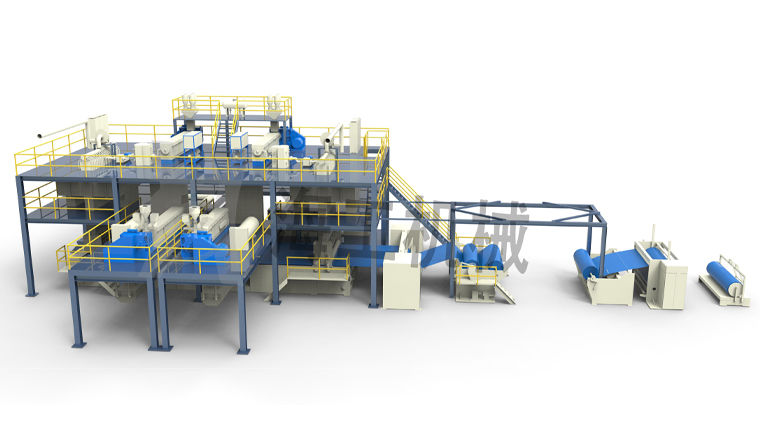
Provides outstanding barrier properties while maintaining excellent softness and comfort. Ideal for premium diapers and medical drape manufacturing.
Technical Specifications →Selecting the ideal machine line based on market requirements, compliance standards, and product characteristics.
Offers breathability, softness, and excellent fluid management. It quickly absorbs liquid and keeps it away from the skin, making it ideal for diapers, incontinence pads, and feminine hygiene products.
Delivers critical barrier safety properties to prevent infections. Essential for surgical face masks, gowns, drapes, and bed sheets, ensuring effective filtration, protection, and comfort.
Lightweight, strong, and reusable. Widely used for shopping bags, fruit bags, garment bags, pocket springs, and industrial interlining, providing volume reduction and high durability.
Allows air and water to pass through while providing cold protection and generating a microclimate. It protects crops from pests and UV radiation while offering superior water permeability.
Complete project management from local market feasibility studies to post-commissioning technical support.
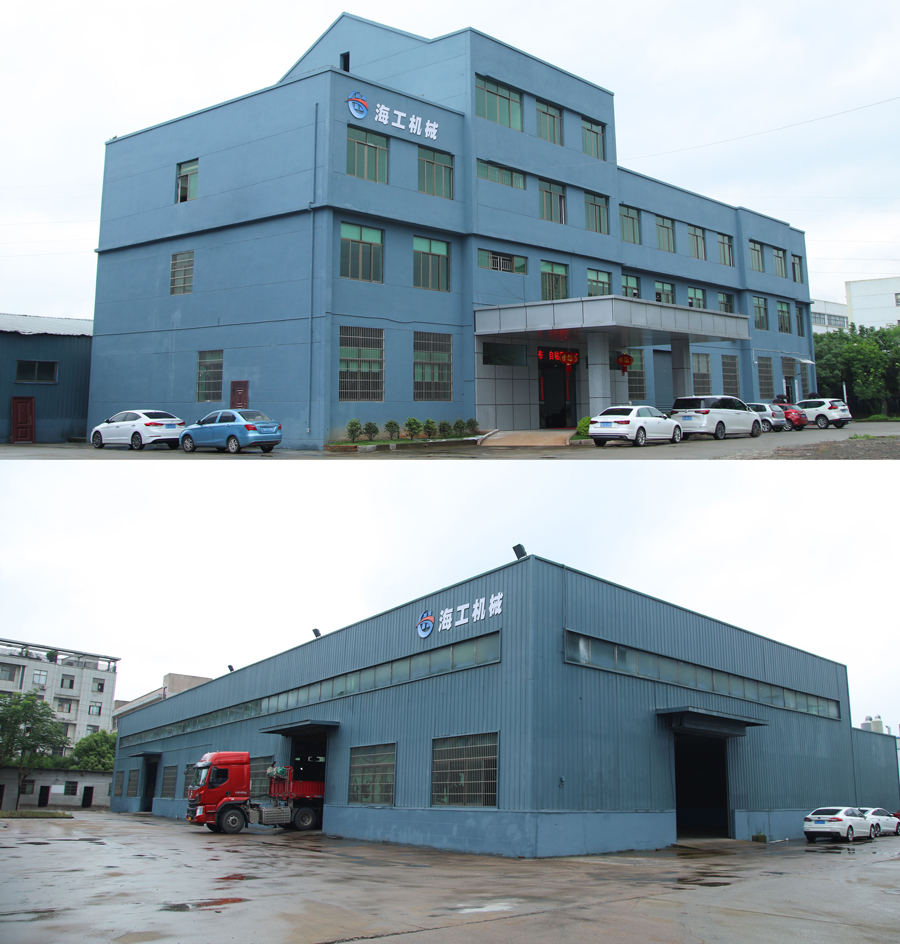
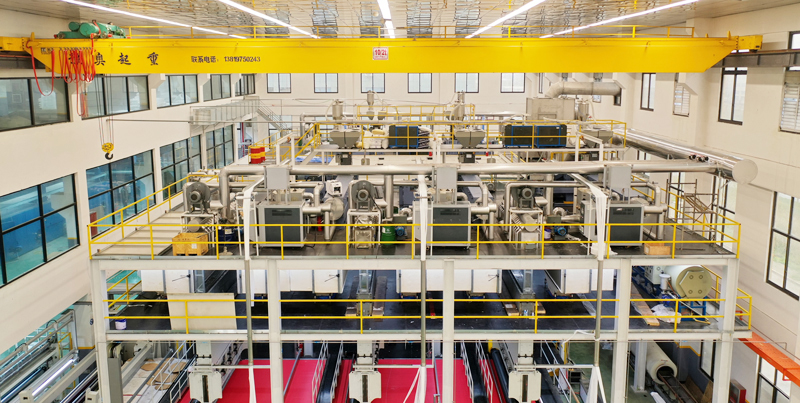
Investing in a spunbond nonwoven manufacturing system involves complex engineering. HG Machinery guides buyers through every step, starting with detailed **local market analysis** and project **feasibility reports** to align your investment with local market demand.
Our turnkey scope covers structural layout design, raw material sourcing support, mechanical assembly, electrical integration, and system commissioning. To optimize production footprints, we offer custom-integrated ancillary equipment.
Complete training for local operations teams to ensure smooth startup and high uptime.
Complete electrical and mechanical coverage supported by on-site technicians and remote monitoring.
Insights into the next decade of structural advancements in polymer extrusion and nonwoven web formation.
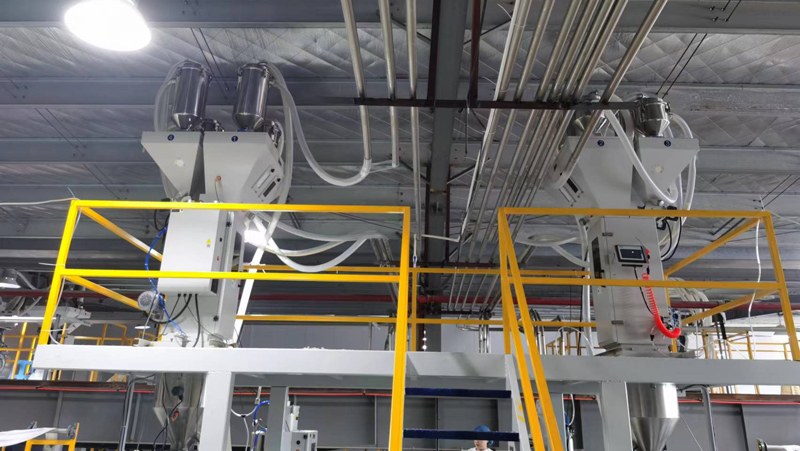
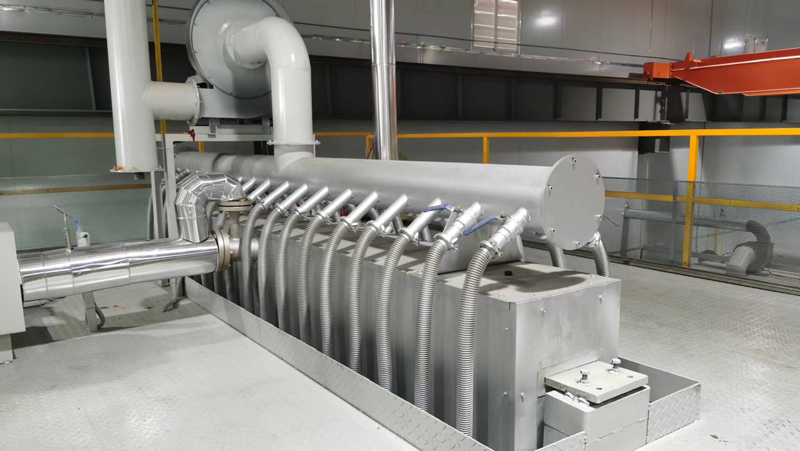
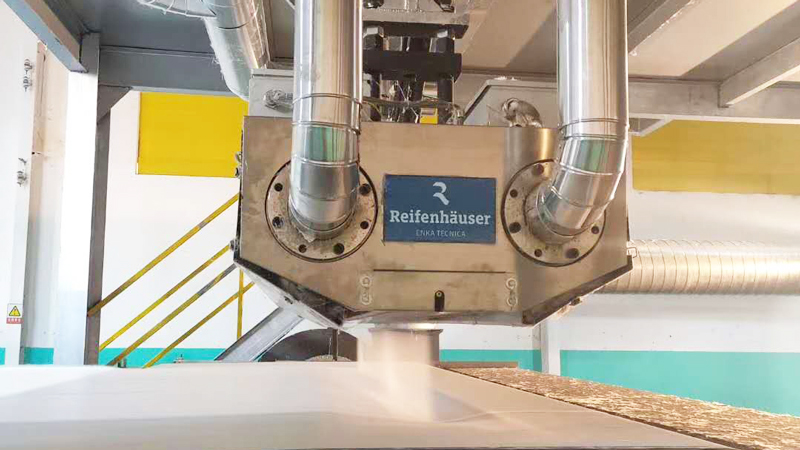
Industrial consumer segments are shifting toward eco-friendly initiatives. While PP remains the global standard for industrial packaging and medical barrier protection, there is growing demand for biodegradable alternatives. HG Machinery has optimized its heating and extrusion parameters to process Polylactic Acid (PLA) and co-polymers. PLA requires precise temperature controls due to its narrower processing window and hydrolytic sensitivity. Our 5th-generation extrusion systems feature advanced zone heating and desiccant dryers to prevent polymer degradation.
Filament uniformity determines the barrier performance of medical-grade fabrics. Standard single-beam (S) lines are suitable for packaging, but medical applications require composite configurations like SMS, SMMS, or SSMMS. By combining spunbond (strength and stability) with meltblown (fine fiber filtration), these structures deliver high hydrostatic head pressure resistance and particulate barrier performance while maintaining breathability.
Expert insights on equipment operation, maintenance, performance parameters, and investment planning.
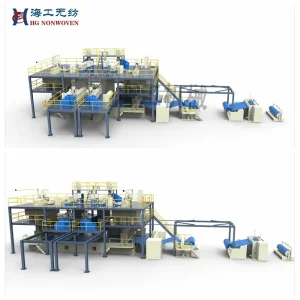
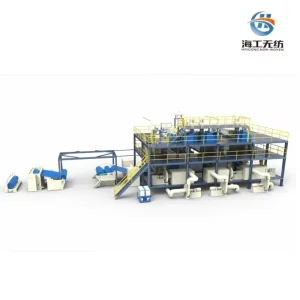
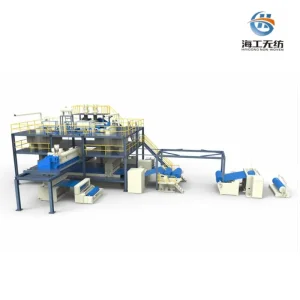
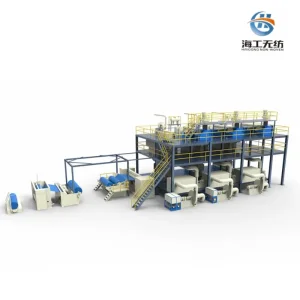
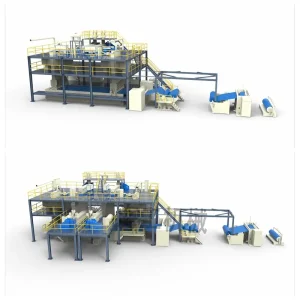
A selection of specialized lamination, medical composite, and high-yield single and multi-beam nonwoven machines.
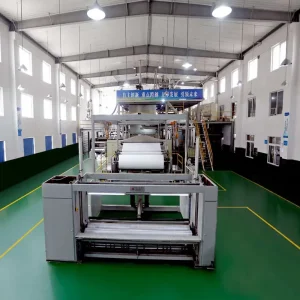
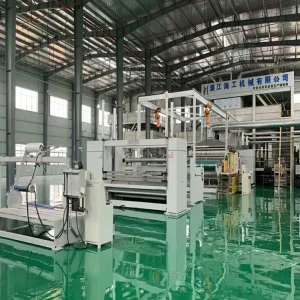
 HG NONWOVEN