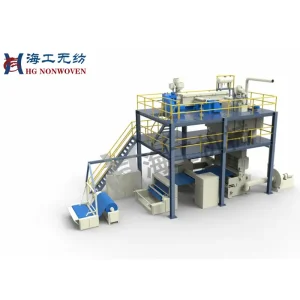
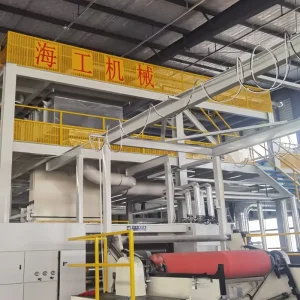
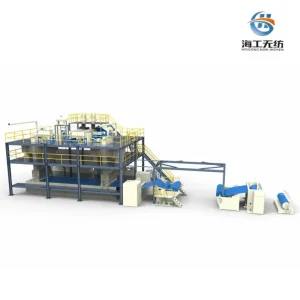
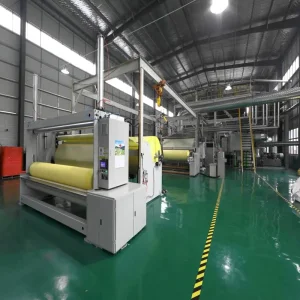
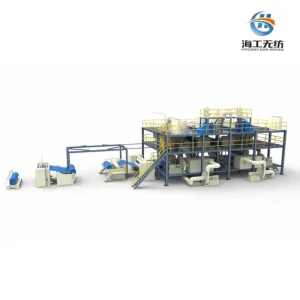
Explore our industrial-grade configurations engineered for maximum output, structural web consistency, and low operational overhead.
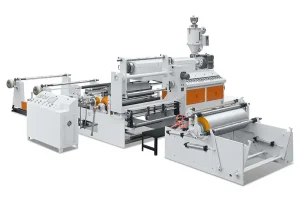
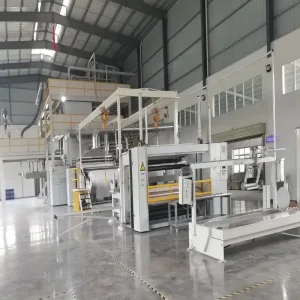
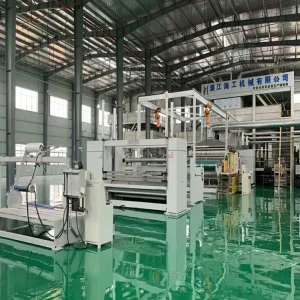
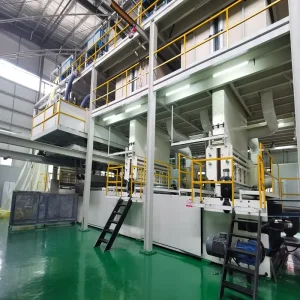
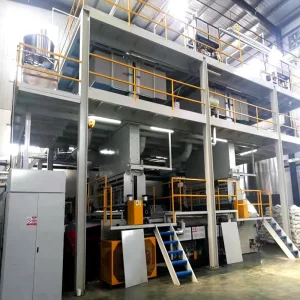
The global industrial market is experiencing a profound transition in technical textiles. Nonwoven fabrics, once reserved for basic packaging and simple insulation, are now the bedrock of high-stakes sectors like micro-filtration, advanced medical protection, geotextiles, and hygiene solutions. This massive surge in demand has driven equipment buyers to seek highly customized and precise manufacturing systems.
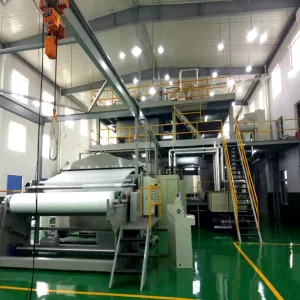
Modern Hg Non Woven Cloth Making Machines utilize advanced polymer melting, drawing, and web-forming techniques. By introducing the 5th Generation spunbond spinning technology, manufacturers can produce fibers with uniform denier and high structural integrity. This level of control reduces material waste and optimizes the density profiles across the web, aligning directly with strict global regulatory frameworks.
Key drivers in this space include energy-efficient drafting configurations and automated recipe control. As global raw material prices fluctuate, having a machine capable of handling varied MFR (Melt Flow Rate) polypropylene resins, alongside biodegradable polymers like PLA (Polylactic Acid), is vital for commercial viability.
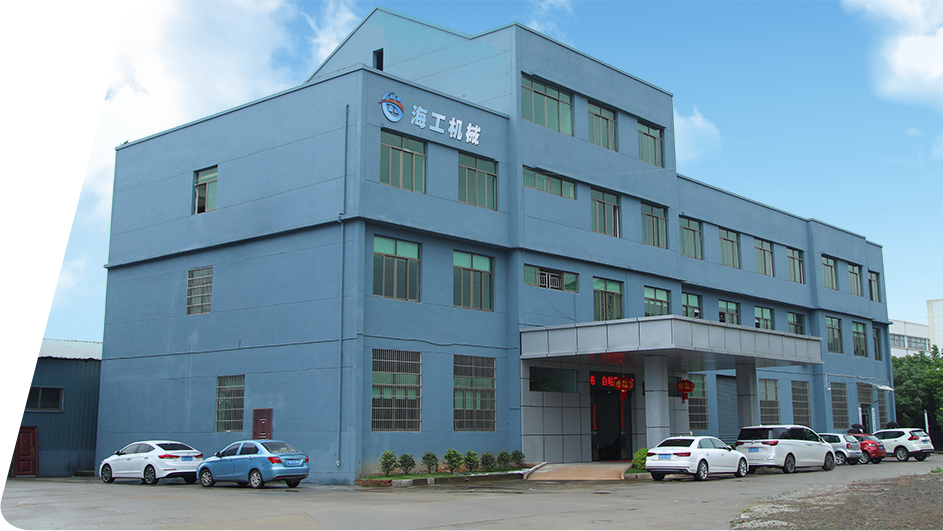
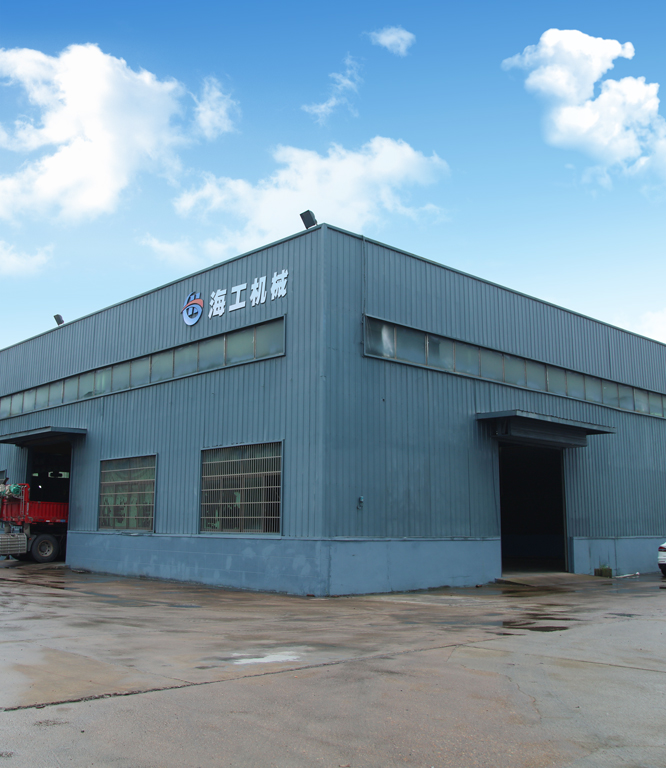
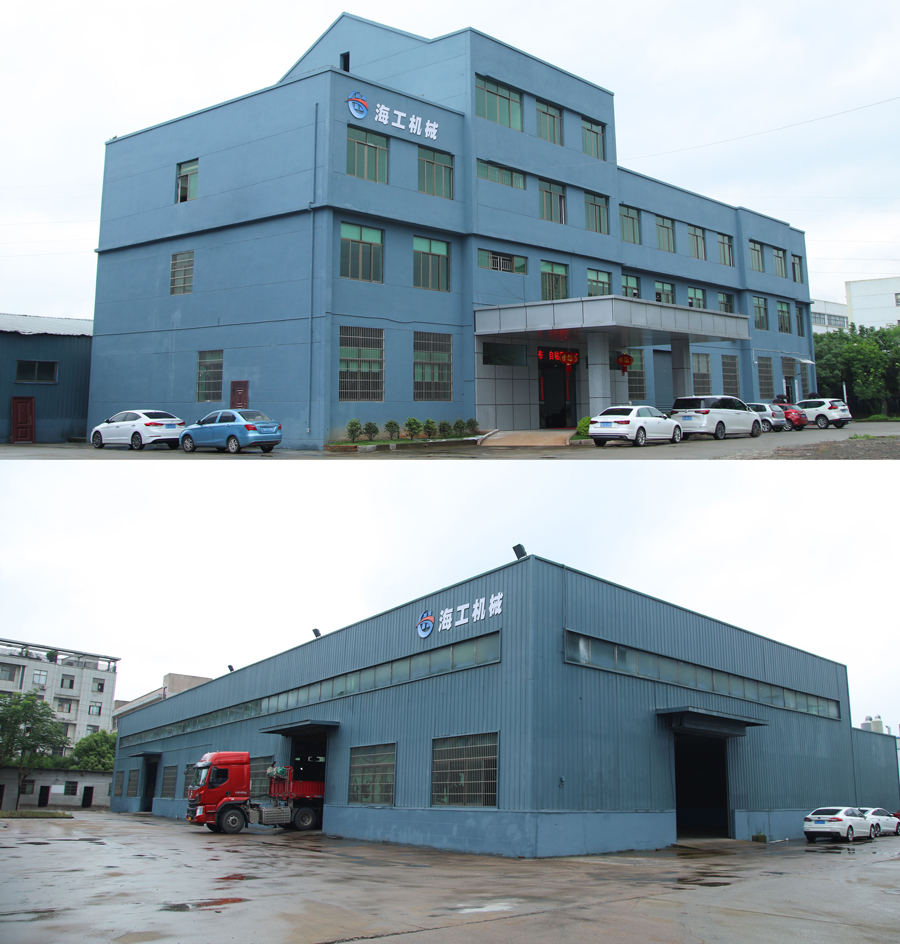
Founded on a foundation of engineering excellence, HG Nonwoven Machinery (formally known as Pujiang HG Nonwoven Machinery Co., Ltd.) has been a dominant force in the design, development, and manufacturing of spunbond, meltblown, and composite nonwoven fabric lines since 2014. We combine advanced design principles from overseas with local technological innovations to offer state-of-the-art nonwoven processing equipment.
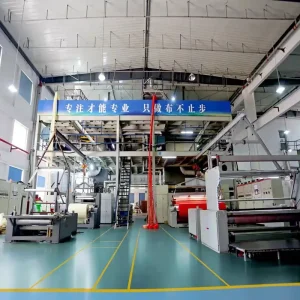
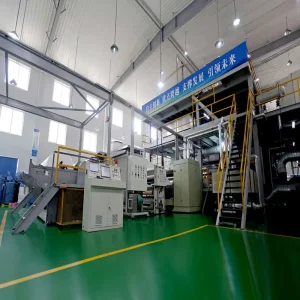
Our engineering division specializes in the integration of the 5th Generation spunbond spinning technology. This enables our nonwoven cloth-making machines to offer convenient operation, a smaller physical footprint, lower energy consumption per output ton, and significantly minimized production costs.
Our ultimate goal is to deliver turnkey solutions. Whether you require a single-beam line for packaging, or a multi-beam, high-filtration barrier line for medical applications, our equipment is built with high reliability and ease of maintenance at its core.
Why modern buyers trust HG Nonwoven Machinery for turnkey industrial roll-out.
Each component of our machinery is systematically checked and integrated with the latest energy-saving drafting systems. By using intelligent PLC controls and premium steel alloys, we guarantee maximum efficiency with minimal power loss.
Leveraging decades of aggregated industrial data, we offer global buyers tailored regional market reports. This allows you to evaluate capital expenditure risks and local market feasibility prior to project initiation.
We supply more than just the core extrusion tower. We specialize in providing a complete machinery package: nonwoven fabric recycling machines, slitting lines, flexographic printing machines, lamination equipment, and fully automated bag-making machines.
We support our installations with 24 months of on-site engineering support. Through modern IoT systems and remote digital diagnostics, we provide fast, worldwide troubleshooting. We also conduct extensive operator training programs to guarantee smooth, self-sufficient plant operation.
Compared with traditional 3rd and 4th Gen manufacturing systems.
Our top-configured Spunbond & Meltblown systems designed for global market standards.
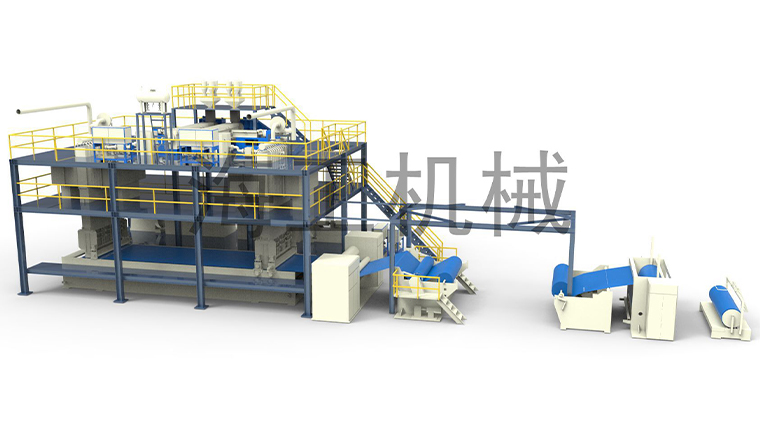
Optimized for lightweight high-tensile bags, durable furniture backings, and long-life agricultural protective blankets.
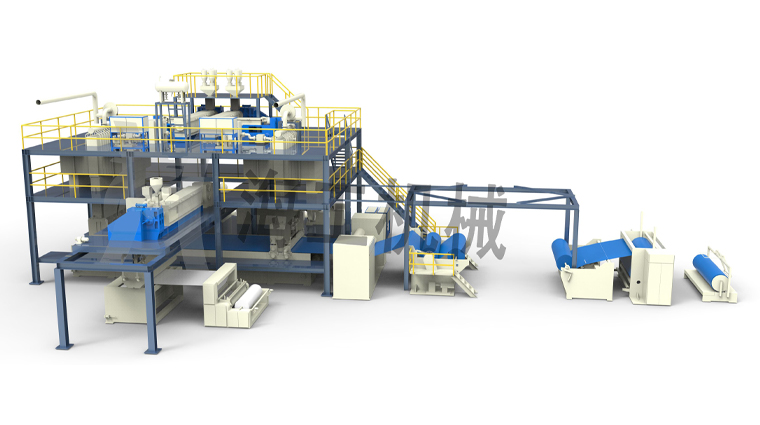
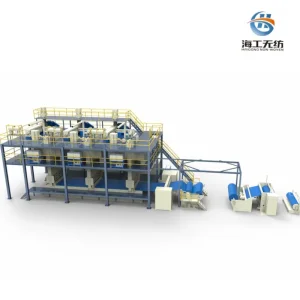
Engineered to combine the mechanical strength of spunbond with the high filtration barrier of meltblown layers.
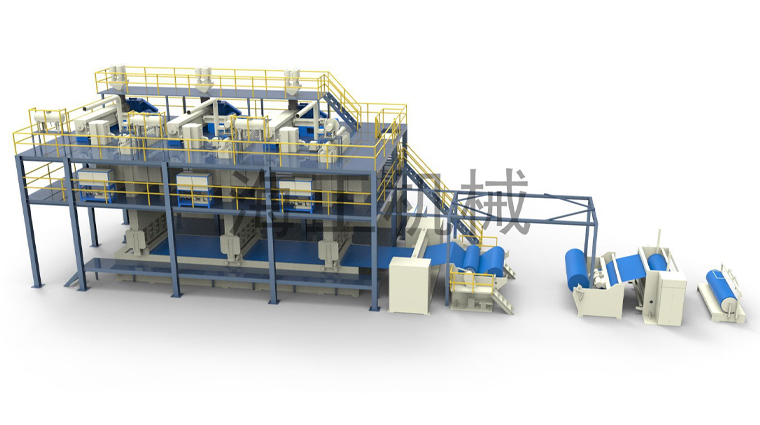
A four-layer construction offering enhanced barrier integrity for high-spec protective applications.
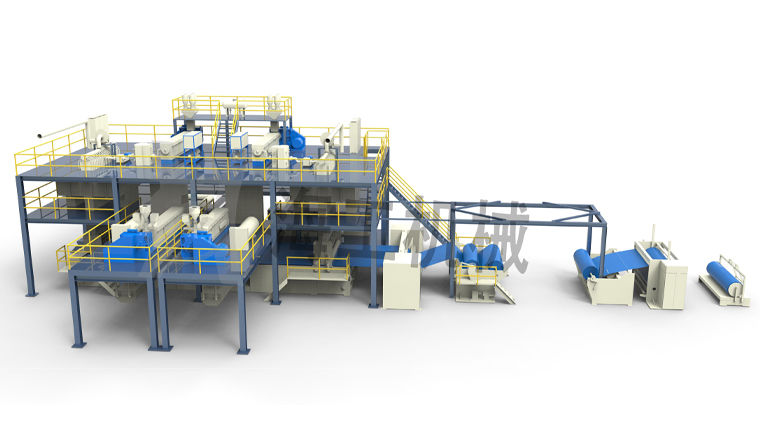
Delivers outstanding barrier protection while maintaining a soft, comfortable feel for premium hygiene products.
Align your production technology with market demands across diverse industry segments.

High-speed line configurations providing softness and fluid control. Crucial for manufacturing diapers, training pants, and feminine care products with high-absorption properties.
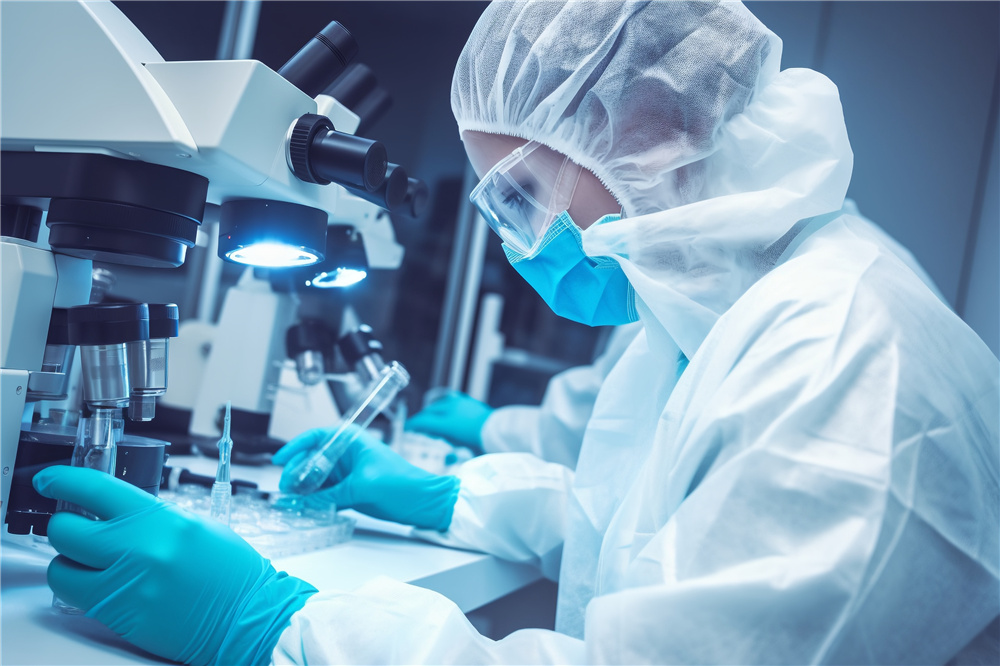
Ensures barrier protection against biological hazards. Our SMS/SMMS lines deliver uniform meltblown webs for surgical face masks, gowns, and sterile drape sheets.
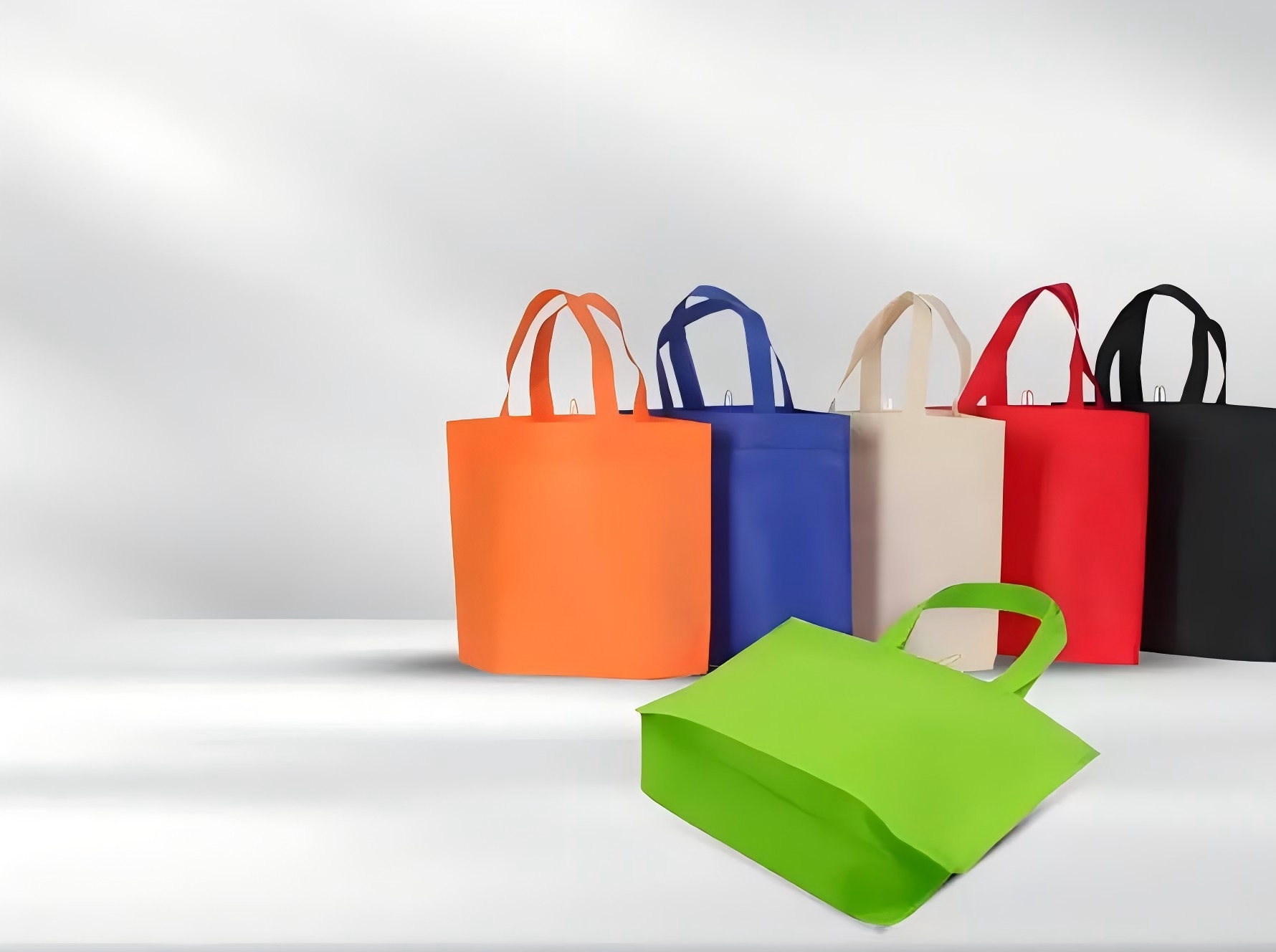
Promotes reusability and high mechanical strength. Ideal for producing eco-friendly retail shopping bags, clothing storage pouches, and agricultural food storage wraps.
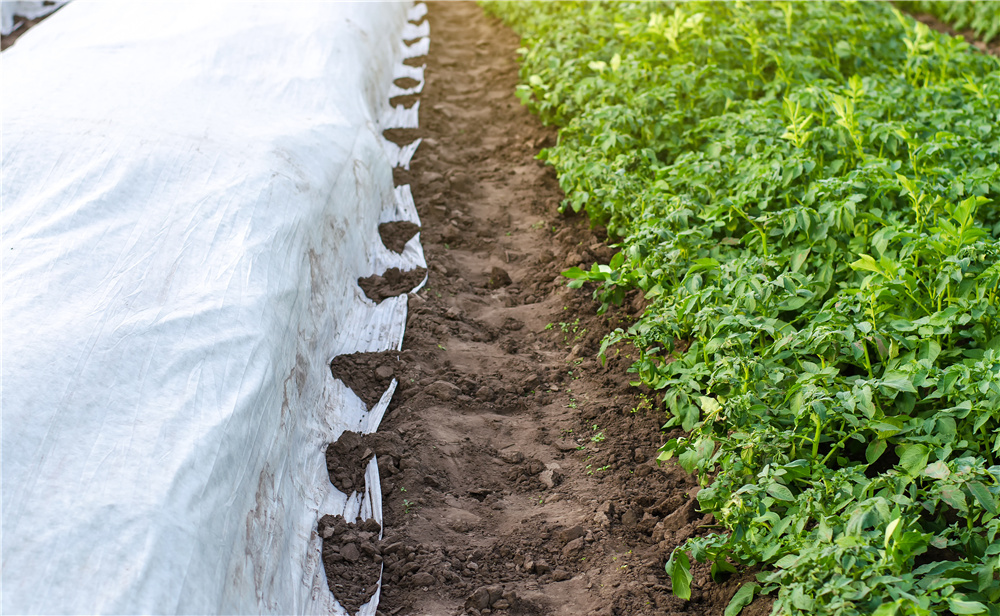
Engineered with UV additives to create a protective microclimate for crops. Allows air and moisture permeability while protecting harvests from pests and cold weather.
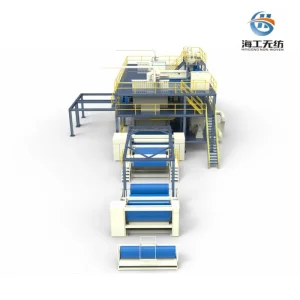
Understanding the physics of spunbond technology is essential for plant owners seeking to optimize their yield. The production cycle begins with feeding high-quality Polypropylene (PP) chips into an extruder. Inside, the polymer is melted and forced through a spinneret plate containing thousands of micro-holes, creating continuous filaments.
These filaments are cooled in an air-quench chamber, where high-velocity air streams draft and stretch them to achieve high molecular orientation. In a 5th Generation line, this process is controlled dynamically, keeping filament tension uniform and minimizing fiber breaks.
The drafted filaments are deposited onto a moving web-forming belt, forming a loose fiber matrix. This matrix then passes through a heated calender, which thermally bonds the fibers together. The resulting fabric is wound, slit to the desired width, and packed for shipment.
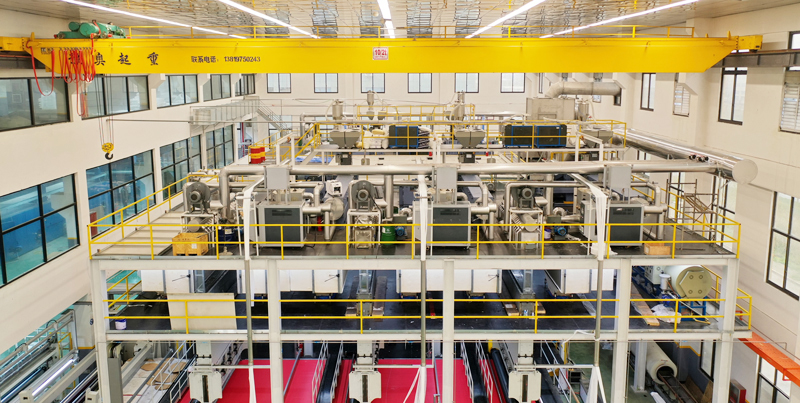
Modern production facilities require integrated downstream equipment to remain competitive. For instance, in packaging bag plants, linking a high-speed printing line and an automatic bag-making machine directly to the slitting unit reduces handling damage and lowers labor costs.
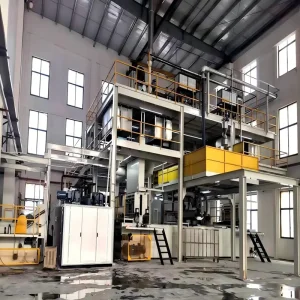
At HG Nonwoven Machinery, we offer complete plant engineering solutions. We assist from the initial factory layout design through to electrical cabling, water-cooling planning, and final calibration. This minimizes installation delays, allowing our clients to start commercial production faster.
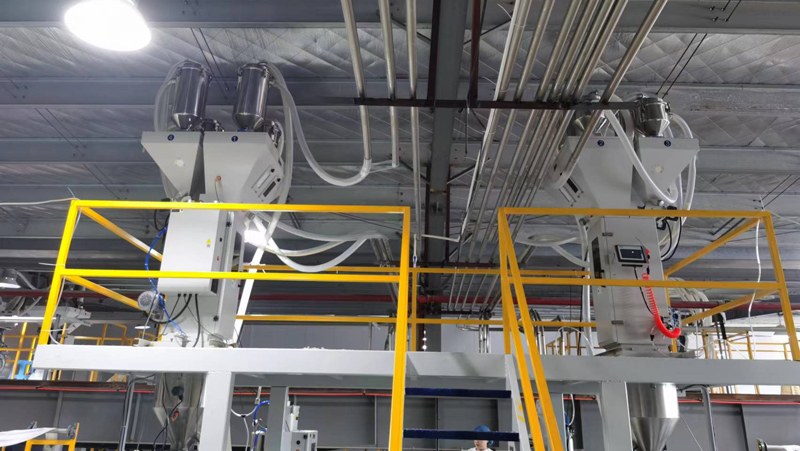
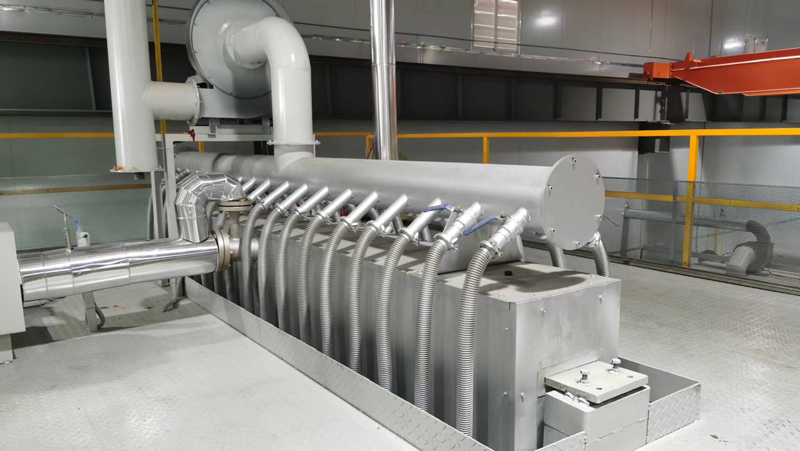
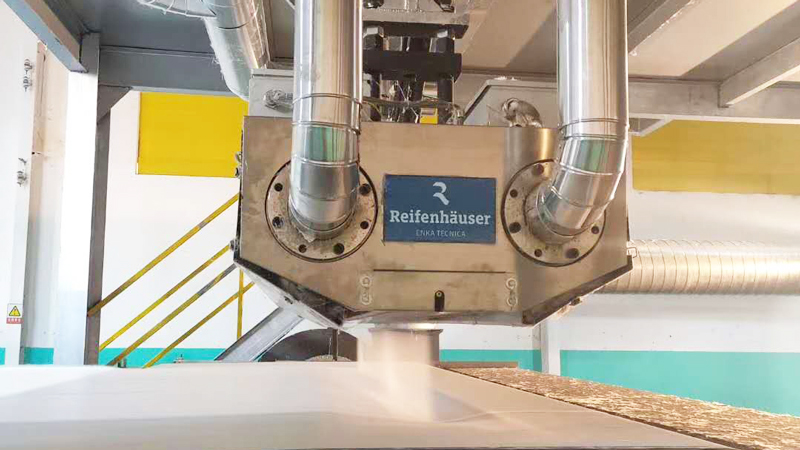
The transition toward digitalization is reshaping traditional nonwoven manufacturing. Modern HG lines feature integrated sensors that feed real-time performance data back to a centralized PLC control hub. Operators can monitor raw material flow, roll weight, thermal profiles, and energy draw from a single interface.
Additionally, the industry is moving toward biodegradable polymers. Processing PLA or recycled PET requires precise control over the temperature profiles in the extruder screw and the drafting zone. Our engineering team continues to optimize our heating systems to ensure compatibility with these alternative polymers, protecting your investment for years to come.
Key technical and commercial considerations for industrial nonwoven equipment buyers.
Explore additional production lines designed to support specialized regional requirements and specific material blends.
 HG NONWOVEN