Explore our premium industrial-grade nonwoven production machinery, tailored to support Kazakhstan's growth in protective medical wear, high-yield agricultural covers, and sustainable packaging initiatives.
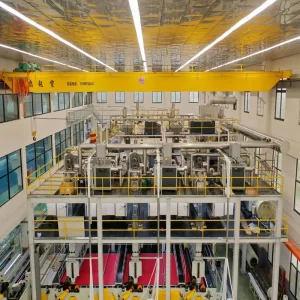
Engineered for robust performance and high tensile strength fabric manufacturing suitable for Central Asia's industrial environment.
Technical Details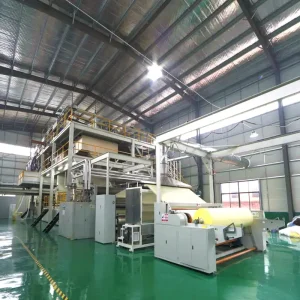
Complete turnkey lines providing continuous extrusion and automatic winding to meet high-volume local packaging requirements.
Technical Details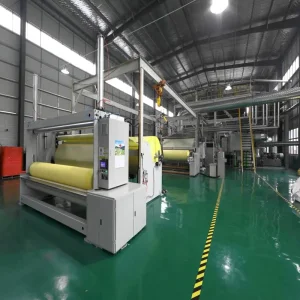
SS double-beam configuration producing ultra-soft, uniform nonwovens for high-end medical and personal hygiene products.
Technical Details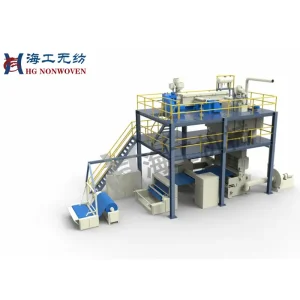
Advanced automated control systems to ensure low power consumption and high material output ratios.
Technical DetailsAs the economic powerhouse of Central Asia, Kazakhstan is actively pursuing economic diversification under the "Strategy Kazakhstan 2050". The manufacturing sector is witnessing a sharp paradigm shift from raw petrochemical exportation to value-added product manufacturing. This structural transformation has catalyzed an unprecedented surge in demand for locally produced nonwoven materials.
Kazakhstan's strategic initiatives to promote the development of light industries, agricultural modernization, and healthcare security have led to substantial imports of finished nonwovens. By investing in regional manufacturing hubs in cities like Almaty, Shymkent, and Nur-Sultan, local companies can exploit the direct access to high-quality polypropylene resins produced by local petrochemical plants, such as the KPI (Kazakhstan Petrochemical Industries) complexes. Establishing localized spunbond nonwoven production lines effectively closes the supply chain loop, allowing companies to manufacture competitive materials domestically instead of relying on overseas suppliers.
Positioned perfectly at the crossroads of Europe and Asia, nonwoven production in Kazakhstan enables friction-free distribution across the Eurasian Economic Union (EAEU), Central Asian republics, and Western China.
Domestic polypropylene production reduces polymer procurement overheads, shielding local nonwoven manufacturers from volatile international shipping tariffs and currency conversion risks.
The government’s favorable taxation models and direct subsidies for machinery imports empower visionary local enterprises to establish processing and extrusion plants.
Pujiang HG Nonwoven Machinery Co., Ltd. has been a trailblazer in the nonwoven engineering landscape since 2014. We specialize in designing, manufacturing, and commissioning high-performance PP spunbond and meltblown nonwoven production lines. Our systems are specifically engineered to produce eco-friendly, biodegradable, and highly durable spunbonded nonwoven textiles.
By incorporating our advanced 5th Generation spunbond spinning technology, we offer systems that boast optimized energy metrics, reducing overall power consumption by up to 20% compared to traditional configurations. Our engineering philosophy targets ease of operation, compact spatial footprints, and high performance, making them the preferred choice for industrial startups and experienced operators in Kazakhstan alike.
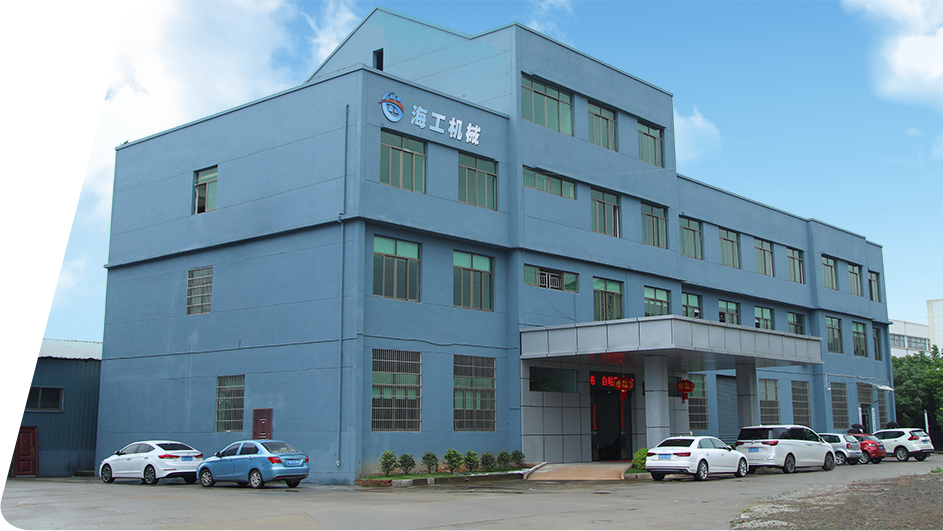
Our manufacturing processes conform to stringent CE and ISO9001 regulations. We utilize high-quality materials and components, sourcing motors, electronics, and PLC systems from renowned global partners such as Siemens, ABB, and Omron. This guarantees that every spunbond line shipped to Almaty or Shymkent can operate continuously (24/7) with minimal downtime.
Our comprehensive machine offerings range from simple single-beam (S) setups to advanced composite systems (SS, SMS, SMMS, SSMMS). We enable manufacturers to cater to diverse segments—from ultra-lightweight hygiene barriers requiring high breathability to heavy-duty industrial geotextiles.
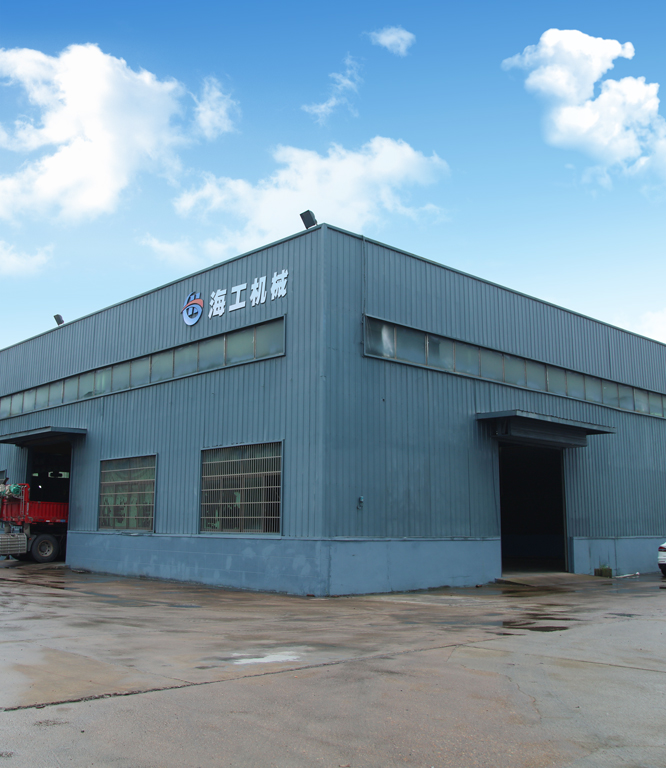
We provide customized nonwoven production lines tailored to market demands and local applications in Kazakhstan.
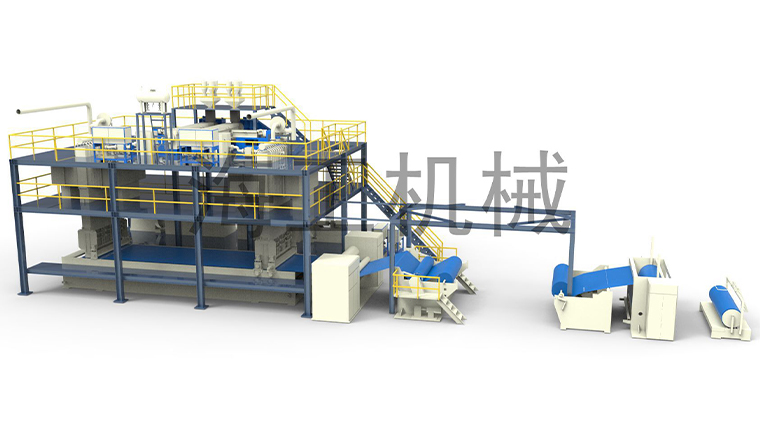
Ideal for high-strength shopping bags, furniture lining, and protective agricultural crop covers. Balanced cost-performance ratio for entry-level manufacturers.
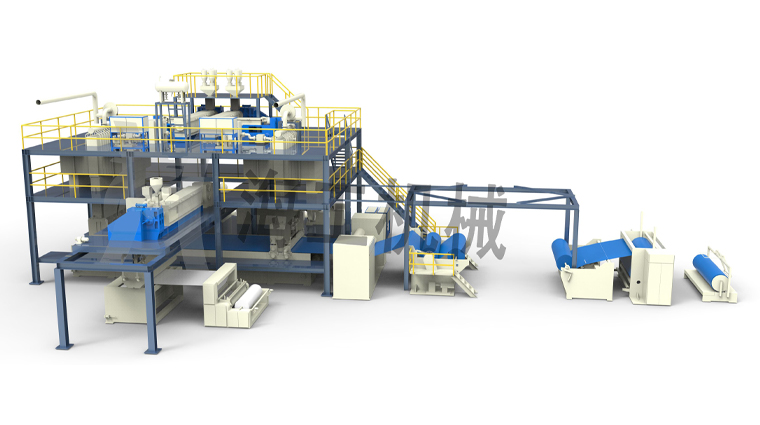
Integrates spunbond and meltblown technologies. Highly suitable for producing medical gowns, surgical drapes, and high-efficiency protective face coverings.
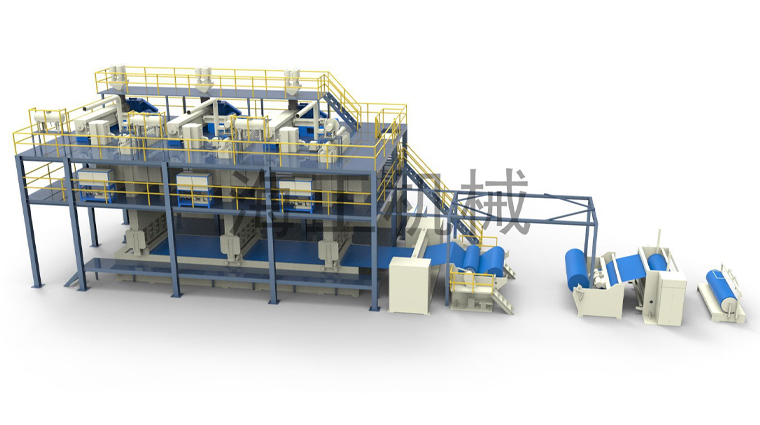
4-layer structural configuration. Delivers advanced fluid repellency, excellent tensile strength, and enhanced filtration capabilities for pharmaceutical use.
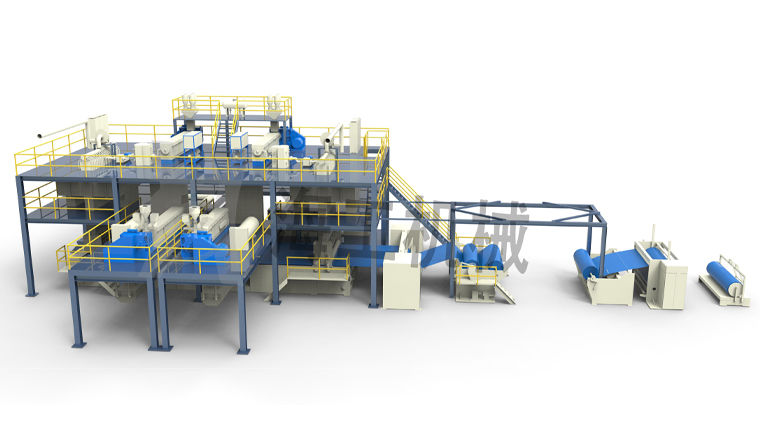
Our premium configuration. Combines multiple spunbond and meltblown beams to ensure exceptional barrier properties, softness, and skin comfort for premium hygiene brands.
To achieve maximum business growth, local manufacturers in Kazakhstan should align their output with high-demand sectors:
Due to Kazakhstan's cold winters and harsh continental climate, UV-stabilized spunbond nonwovens are highly sought-after. Farmers use these breathable fabrics to protect crops against frost and birds while managing soil moisture and permeability.
With the domestic expansion of medical facilities, there is a steady demand for localized manufacturing of surgical masks, sterile drapes, surgical caps, and sanitary pads. High-barrier SMS/SMMS fabrics provide the exact fluid-repellency needed.
In compliance with global eco-friendly legislation, nonwoven shopping bags, garment covers, pocket springs, and protective industrial packaging are rapidly replacing single-use plastics in retail markets throughout Almaty and Astana.
Purchasing high-end machinery from our China-based factories provides unprecedented logistical advantages for clients in Kazakhstan. Located at the center of the Belt and Road Initiative (BRI), transportation between China and Kazakhstan is highly efficient:
1. Market Feasibility & Plant Layout Engineering
2. Custom Spunbond Extrusion Line Fabrication
3. Direct Land Freight & Customs Clearance Support
4. Installation, Calibration & Staff Training by HG Engineers
5. 24-Month Local Warranty & Lifecycle Parts Supply
Select the exact width and beam configuration required for your industrial plant. We support custom builds from 1600mm to 3200mm.
Designed for high-speed continuous manufacturing with optimized thermal bonding rollers.
Technical Details
Cost-efficient single beam (S) model ideal for packaging and industrial interlining materials.
Technical Details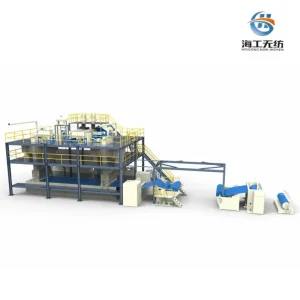
Double beam (SS) structure producing superior tensile strength and weight distribution uniformity.
Technical Details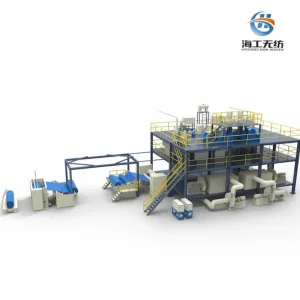
Advanced composite machine layout integrating spunbond and meltblown for high-performance barriers.
Technical Details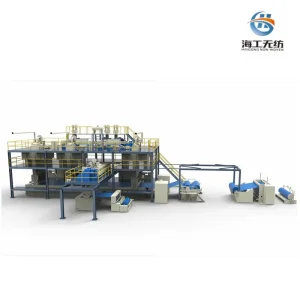
Standard industrial machine configurations targeting cost efficiency and low energy consumption.
Technical Details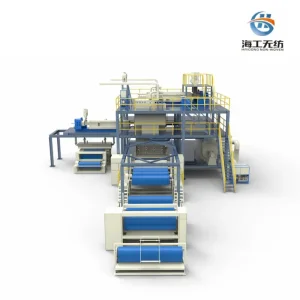
High-precision composite lines developed to feed industrial packaging and hygiene plants.
Technical Details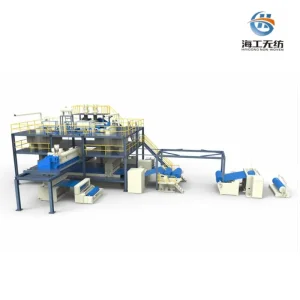
Multifunctional production line customizable for medical, agricultural, and general industrial application demands.
Technical Details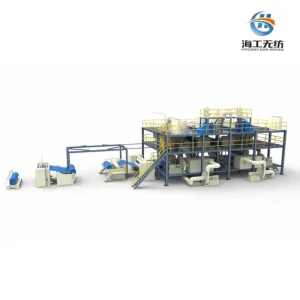
Optimized for high-yield throughput with advanced drafting and cooling systems.
Technical DetailsThe fabrication of a complete PP spunbond or composite SMS line takes approximately 90 to 120 days, depending on custom configurations (such as width and beam quantity). Transport by rail from our Chinese factory directly to cities like Almaty, Astana, or Shymkent via Khorgos or Alashankou takes approximately 10 to 15 days, ensuring a fast and secure shipping process.
Yes. Our machinery is fully compatible with standard international spunbond-grade PP chips. This includes resins produced in regional petrochemical plants in Western Kazakhstan, provided the Melt Flow Index (MFI) falls within the standard range of 25–40 g/10min.
We dispatch a specialized team of structural and electrical engineers to your factory site in Kazakhstan. They manage the mechanical assembly, electrical integration, and system calibration. Once the line is operational, they run extensive training sessions covering machine operation, parameter adjustments, and basic maintenance procedures.
Our 5th Generation technology incorporates high-efficiency heaters, dynamic insulation jackets, and energy-recovery drafting modules. Depending on the line configuration (e.g., S vs. SMS), the power consumption typically ranges from 0.8 to 1.2 kWh per kilogram of finished nonwoven fabric, reducing operating costs compared to older technology.
 HG NONWOVEN