High-throughput extrusion, state-of-the-art filtration, and precision engineering custom-tailored for South American polymer processing specifications.
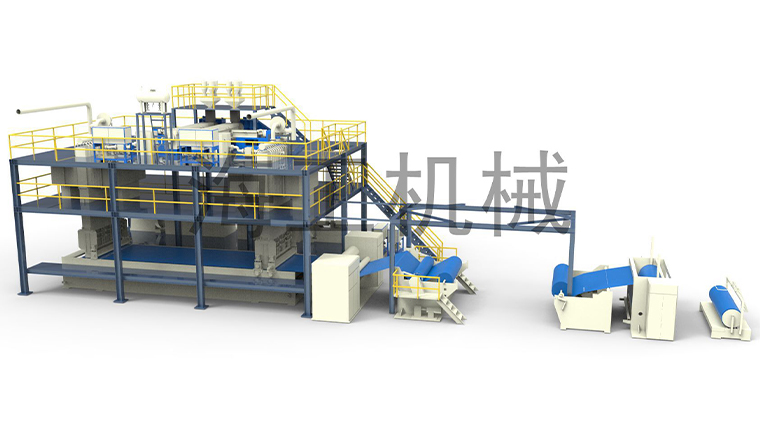
Specially optimized for the Argentinian market to manufacture durable shopping bags, structural furniture backing, and thermal agricultural protection covers.
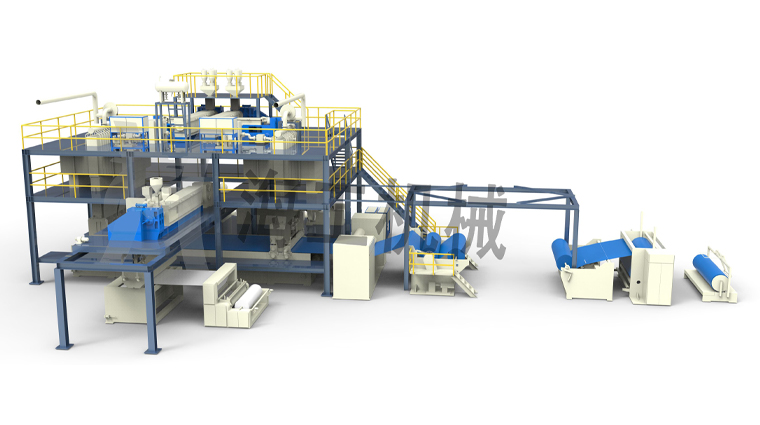
Engineered for cleanroom medical fabric and high-efficiency sanitary barrier products. Yields premium tensile strength and breathability.
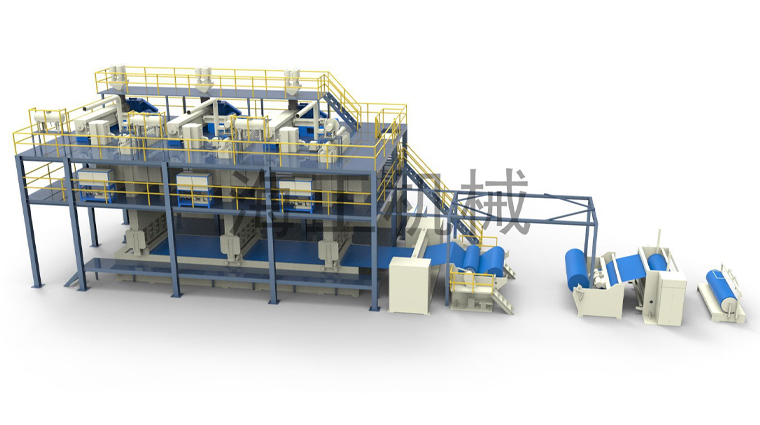
Featuring 4-layer structure integration. Delivers superior particulate filtration efficiency compared to conventional standard SMS media.
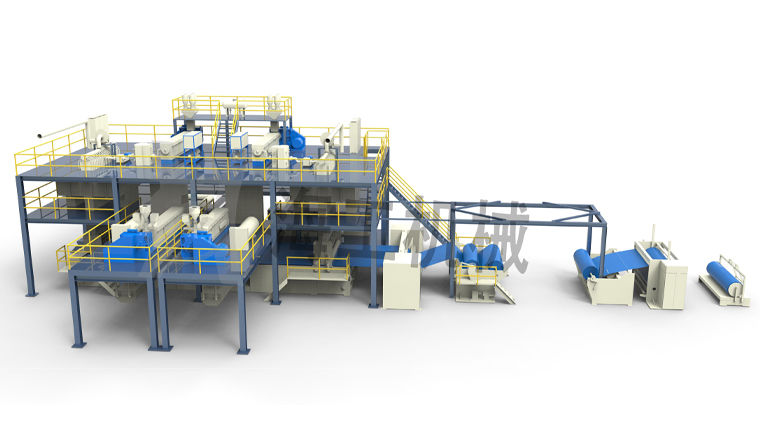
Advanced five-beam system providing excellent barrier protection coupled with premium softness, perfect for baby diapers and surgical gowns.
Argentina's polymer processing landscape is undergoing a systemic structural transformation. Driven by both domestic economic realities and global sustainability frameworks, local industrial manufacturers are shifting away from high-cost virgin materials to domestic recycled polymer resins. The national legal framework, including Ley 25.916 (Gestión Integral de Residuos Domiciliarios), has placed immense accountability on municipalities and private corporations to establish closed-loop material cycles.
In industrial hubs like Buenos Aires, Córdoba, and Rosario, the recovery of post-consumer plastics (especially Polypropylene, Low-Density Polyethylene, and PET) has evolved from basic scavenging to highly automated mechanical recycling. However, local processors face a critical bottleneck: the lack of high-durability, energy-efficient mechanical recycling extruders and pelletizers that can handle contaminated agricultural plastics (such as silo bolsas) and industrial post-production scrap. Our state-of-the-art pelletizing lines are designed precisely to address this gap, integrating pre-washing, metal separation, dual-degassing, and continuous screen filtration to convert local plastic waste into high-purity polymer pellets.
A significant portion of recycled polypropylene and polyethylene in Argentina is redirected to support the agricultural sector. Crop protection, crop covers, and microclimate engineering in vineyards and large-scale grain farms rely heavily on spunbond nonwoven fabrics. The integration of HG Nonwoven Machinery's 5th Generation Spinning Technology with high-performance plastic recycling machines allows Argentinian businesses to establish an internal circular manufacturing ecosystem. Industrial scrap, nonwoven edge trims, and off-spec materials can be instantly pelletized and fed back into the extrusion line, reducing material waste to zero.
Globally, the plastic recycling machinery market is shifting from low-capacity batch systems to continuous, high-volume automation. According to international environmental mandates, including the EU Plastics Strategy and the upcoming UN Global Treaty on Plastic Pollution, industries must demonstrate traceability and structural integrity of recycled materials. This demands extreme stability from mechanical extrusion and pelletizing equipment.
Modern recycling mills require machines that can handle the challenges of mixed polymers, volatile moisture levels, and thermal degradation. Industry 4.0 integrations—including intelligent temperature controls, remote diagnostic sensors, and automated screen changers—ensure that recycled pellets retain physical properties comparable to virgin plastics. This trend is crucial for packaging manufacturers targeting the international market, where strict quality checks regulate incoming materials.
For Argentine enterprises navigating challenging macro-economic conditions, optimizing Capital Expenditure (CAPEX) while maintaining high Operational Efficiency (OPEX) is essential. Choosing China-based machinery manufacturing offers distinct advantages that combine cost efficiency with advanced technology:
Located in China’s premium machinery manufacturing clusters, we source high-grade metallurgical components, heavy-duty gearboxes, and precise heating elements at lower baseline costs, passing the savings directly to our buyers.
Our extruders feature 38CrMoAlA nitrided steel barrels and screws, vacuum venting degassing systems, and smart PLC interfaces that automatically adjust production parameters to maintain process stability.
We provide one-stop, end-to-end engineering, spanning from pre-sale raw material testing and feasibility reports to custom plant layout designs and 24-month comprehensive warranties with on-site technician support.
Our 5th Generation spunbond spinning technology reduces power consumption by 15% to 20% compared to legacy European systems. This is achieved through optimized aerodynamic drafting and thermal distribution, ensuring that your plant runs cost-effectively in regions with high electricity prices.
| Machine Type / Technical Parameter | Extruder Screw L/D Ratio | Output Capacity Range (kg/h) | Heating & Driving Control Systems | Key Applications in Argentina |
|---|---|---|---|---|
| PP/PE Film & Bag Recycling Line | 32:1 - 36:1 | 200 - 800 | Siemens PLC / Ceramic Heater | Silo Bags, Mulch Films, Shopping Bags |
| High-Speed Spunbond Nonwoven Line | 30:1 | 150 - 600 | ABB Inverter / Intelligent Heat Control | Crop Protection covers, Medical Gowns |
| Heavy-Duty Shredding & Pelletizing System | 28:1 - 32:1 | 300 - 1200 | Omron Temperature Module / Soft Starter | Rigid Crates, Drums, Woven Sacks |
Every region presents unique raw material challenges. In Argentina, recycling facilities must adapt to diverse waste streams. Our machinery is configured to handle these specific scenarios:
Purchasing large-scale industrial machinery requires evaluating several key operational factors. For procurement managers looking to maximize return on investment, we recommend focusing on the following areas:
Energy is a major operational expense. Always request the energy-to-output ratio of the equipment. Our systems utilize electromagnetic heating and energy-efficient driving motors to keep operating costs low, even during high-throughput runs.
With rising labor costs, automated systems are essential. Look for centralized PLC control, self-cleaning hydraulic filtration screens, and automatic water-ring pelletizing systems that allow a single technician to manage the entire line.
Ensure that core components conform to international standards (e.g., Siemens PLC, Schneider Electric contactors, SKF bearings). This ensures that replacement parts are readily available worldwide, minimizing downtime.
A reliable supplier must offer more than just machinery. We provide layout engineering, pre-shipment testing, on-site commissioning, operator training, and ongoing technical support to ensure your operations run smoothly.
Detailed answers to common technical inquiries regarding our recycling and nonwoven extrusion lines.
Explore our full range of professional extrusion systems, recycling lines, and nonwoven equipment, featuring original specifications.
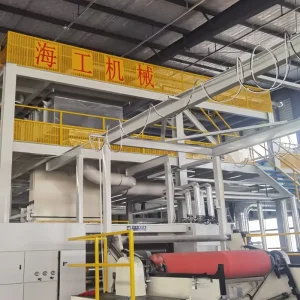
High-performance production lines yielding high tensile strength, ideal for the Argentine packaging and medical sectors.
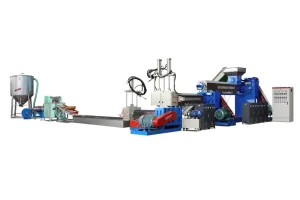
Industrial-grade pelletizing and extrusion systems optimized for post-industrial scrap and woven polypropylene bags.
Heavy-duty size reduction machines built to crush rigid plastic scraps, agricultural plastic films, and off-spec parts.
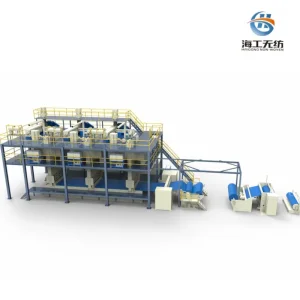
Advanced spunbonding lines engineered to produce eco-friendly, biodegradable, and durable nonwoven materials.
Continuous melt-spinning lines with integrated aerodynamic web forming, ideal for packaging and construction backings.
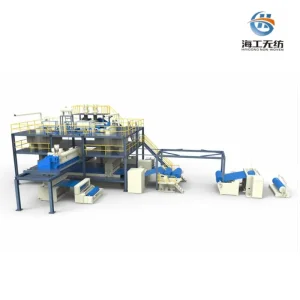
High-speed production lines optimized to produce uniform, high-density nonwovens with barrier protection.
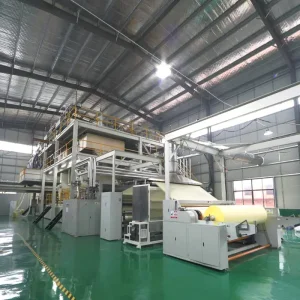
Engineered for large-scale fabric rolls, providing reliable thickness control and consistent gram weight.
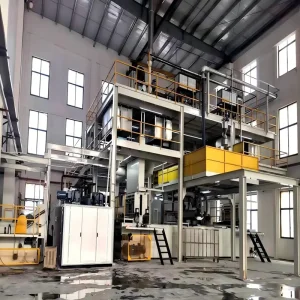
High-yield extrusion technology featuring customized filament cooling to produce high-tensile agricultural nonwovens.
 HG NONWOVEN