What is Tnt Nonwoven Fabric and Its Benefits for Buyers?

Time:2026-06-12 Author:Charlotte
0%

Tnt Nonwoven Fabric has become a critical component in various industries due to its distinctive properties. According to a report by Smithers Pira, the global nonwoven fabric market will reach $62.4 billion by 2024. Tnt Nonwoven Fabric stands out for its versatility and durability, making it a popular choice among manufacturers and consumers alike.

Buyers benefit significantly from Tnt Nonwoven Fabric. It offers lightweight material with excellent strength, ideal for several applications from hygiene products to automotive components. Research indicates that the demand for this fabric is increasing annually, with a 5.2% growth rate expected through 2026. However, it's important for buyers to consider factors such as quality and sustainability, which significantly affect performance and overall value.

While Tnt Nonwoven Fabric presents many advantages, not all products meet high industry standards. Buyers should conduct thorough assessments to ensure they select reliable suppliers. The fabric’s varied applications can lead to confusion about which type best suits specific needs. Seeking expert advice can help clarify these issues and lead to better purchasing decisions.
What is Tnt Nonwoven Fabric and Its Benefits for Buyers?

What is Tnt Nonwoven Fabric?

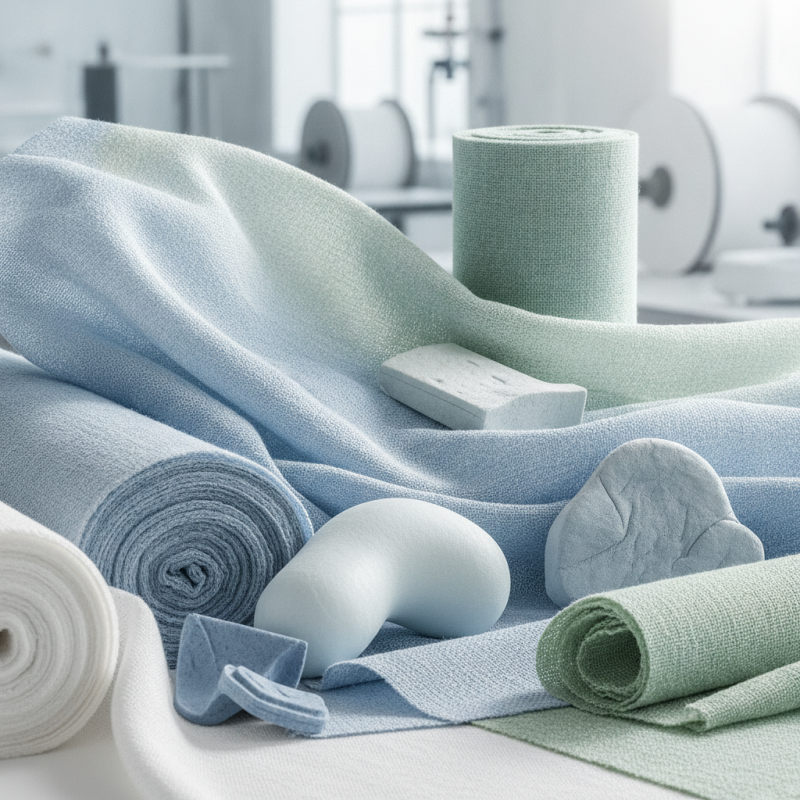
TNT nonwoven fabric is a versatile material widely used across multiple industries. Made from thermoplastic fibers, it is engineered through processes that bond fibers together without weaving. This fabric boasts a unique combination of durability and softness, making it ideal for applications ranging from medical supplies to home textiles.

According to a 2022 industry report, the global market for nonwoven fabrics is expected to reach $50 billion by 2026. The strong demand stems from its lightweight properties and resistance to moisture and bacteria. For buyers, this translates to cost-effective solutions. Many brands choose TNT nonwoven fabric for disposable products due to its affordability and ease of use.

Tips: When selecting TNT nonwoven fabric, consider the specific application needs. Choose the right weight and thickness, as they affect performance. Ensure that the supplier provides comprehensive product specifications for informed purchasing. While TNT fabric is efficient, it's essential to think about its environmental impact. Recycling options should be explored, as awareness around sustainability grows.

Key Properties of Tnt Nonwoven Fabric

TNT nonwoven fabric is gaining attention due to its unique properties. It is lightweight yet durable. This material often features excellent tear resistance. Additionally, TNT fabric is hydrophobic, repelling water to some extent. According to industry reports, the global nonwoven fabric market is expected to reach approximately $45 billion by 2025. This growth highlights increasing demand for sustainable and cost-effective materials.

One key property of TNT fabric is its breathability. This makes it suitable for various applications, including medical and hygiene products. The fabric also offers good filtration efficiency. Studies indicate that TNT fabrics can filter particulates effectively, making them suitable for personal protective equipment. However, some challenges exist related to the dyeing process and post-treatment options. These factors can impact the overall sustainability of the fabric.

In terms of usability, TNT nonwoven fabric is praised for its versatility. It can be easily cut and shaped to meet specific needs. Its biodegradable options are also notable, appealing to eco-conscious buyers. However, not all TNT fabrics decompose effectively. Buyers may need to research manufacturers to ensure they meet environmental standards and certifications.

Applications of Tnt Nonwoven Fabric in Various Industries

TNT nonwoven fabric has rapidly gained traction across various industries due to its versatility and economic benefits. In the healthcare sector, TNT is employed for surgical gowns, masks, and drapes. According to a report by Smithers Pira, the global market for nonwovens in healthcare is expected to grow at a CAGR of 5.5% from 2021 to 2026. This growth highlights how essential TNT fabrics have become in hygiene-sensitive environments.

In the automotive industry, TNT nonwoven fabrics are used for insulation, acoustic dampening, and filtration. A survey by Technavio revealed that the use of nonwoven textiles in automotive applications could increase by over $2 billion by 2025. Yet, challenges remain in the sustainability of these materials. While they provide cost-effective solutions, manufacturers often struggle with the environmental impact of production processes.

The agricultural field has also embraced TNT nonwoven fabric for weed control and crop protection. A report from Research and Markets indicates that the agricultural nonwoven market could exceed $3 billion by 2024. Despite these encouraging figures, issues like limited biodegradability raise questions regarding long-term environmental implications. Buyers are encouraged to weigh both the advantages and potential drawbacks of TNT usage in their respective industries.

Tnt Nonwoven Fabric Applications & Benefits

Benefits of Using Tnt Nonwoven Fabric for Buyers

Tnt nonwoven fabric is gaining attention in various industries. This material is manufactured by binding fibers together through heat, chemicals, or mechanical means, creating a durable and versatile product. Its unique properties make it an appealing choice for buyers looking for reliable solutions.

One significant benefit of Tnt nonwoven fabric is its lightweight nature. This makes it easier to handle and transport. Additionally, it offers excellent strength and durability. Buyers can utilize it in numerous applications, from packaging to medical supplies. The fabric also has water-resistant and breathable qualities, adding to its versatility in different environments.

Cost-effectiveness is another key advantage. Tnt nonwoven fabric is typically less expensive than traditional materials, meaning buyers can save money. However, some may still find that it doesn't always meet specific needs. Evaluating its suitability for each unique application is essential. Understanding the balance between cost and functionality will help buyers make informed choices.

What is Tnt Nonwoven Fabric and Its Benefits for Buyers?

Aspect Details
Material Composition Polypropylene, Polyester, or a blend
Durability High tensile strength, tear-resistant
Breathability Excellent air and moisture permeability
Sustainability Recyclable and can be produced from recycled materials
Applications Medical, hygiene, packaging, and construction industries
Cost-effectiveness Lower production costs compared to woven fabrics
Customization Available in various colors, thicknesses, and patterns

Environmental Considerations of Tnt Nonwoven Fabric

Tnt nonwoven fabric is often praised for its sustainability. This fabric is generally made from polypropylene, a polymer that can be recycled. According to industry data, approximately 30% of polypropylene used in nonwoven textiles is recycled material. This reduces the reliance on virgin resources and minimizes waste.


Environmental considerations are crucial in the textile industry. Tnt nonwoven fabric can significantly lower the carbon footprint compared to traditional woven fabrics. A report by the Global Textile Sustainability Forum indicates that nonwoven production emits 40% less CO2 than conventional textiles. This reduction is vital in combatting climate change and aligning with global sustainability goals.


While Tnt fabric offers benefits, it is essential to address some concerns. Not all nonwovens are biodegradable. Some may take hundreds of years to decompose. Buyers must be informed about the types of Tnt fabric they choose. Looking for certifications or clearer labeling can help ensure more environmentally friendly options. Understanding these nuances can lead to more sustainable purchasing decisions in the long run.

FAQS

: What is TNT nonwoven fabric?

: TNT nonwoven fabric is made from thermoplastic fibers. It is durable and soft, suitable for various applications.

How is TNT nonwoven fabric used in healthcare?

In healthcare, it is used for surgical gowns, masks, and drapes. Its importance in hygiene is growing rapidly.

What are the economic benefits of using TNT fabric?

TNT fabric is lightweight and cost-effective. It helps reduce expenses, especially for disposable products in various industries.

What should I consider when selecting TNT nonwoven fabric?

Consider the weight and thickness based on your needs. Check for comprehensive product specifications before purchasing.

What environmental issues are associated with TNT nonwoven fabric?

Some TNT fabrics are not biodegradable. They can take a long time to decompose, raising sustainability concerns.

How does recycling impact TNT nonwoven fabric?

About 30% of polypropylene in nonwoven textiles is recycled. This helps reduce waste and reliance on virgin materials.

What benefits does TNT fabric offer in terms of carbon footprint?

Nonwoven production emits 40% less CO2 than traditional fabrics. This contributes to reducing overall environmental impact.

Is there a growing market for TNT nonwoven fabrics?

Yes, markets in healthcare and agriculture are expected to grow significantly. Demand reflects the fabric's versatility and benefits.

Are there any challenges in using TNT nonwoven fabric in automotive applications?

While effective, manufacturers face sustainability issues. Balancing cost and environmental impact remains a challenge.

How can buyers make informed decisions regarding TNT fabric?

Look for certifications and labels. It’s crucial to understand the environmental implications of the products you choose.

Conclusion

Tnt Nonwoven Fabric, a versatile material made from polypropylene, is gaining traction in various industries due to its unique properties. This fabric is known for its lightweight, durability, and resistance to liquid, making it an ideal choice for applications ranging from medical supplies to home textiles. Its nonwoven nature allows for cost-effective production with minimal waste, appealing to manufacturers looking for efficient solutions.

The benefits of using Tnt Nonwoven Fabric for buyers are substantial; it offers enhanced performance, lower costs, and environmentally friendly options. Its biodegradable characteristics and potential for recycling align with increasing environmental considerations, making it a sustainable choice in the current market. As industries continue to prioritize sustainability, Tnt Nonwoven Fabric stands out as an innovative solution that meets both functional and ecological needs.

Charlotte

Charlotte

Charlotte is a seasoned marketing professional with a deep understanding of the company's portfolio and a passion for elevating its presence in the market. With a keen eye for detail and a commitment to excellence, she ensures that our professional blog is regularly updated with insightful articles......